Making Inferences Teaching Resources
Make teaching inferences a true success this school year with inferencing worksheets, pictures, activities, questions and more resources created by teachers and curated by an expert teacher team!
Aligned with the Australian English curriculum, the activities and worksheets in this teacher resource collection have been designed by Aussie teachers to help students learn to use a mix of background knowledge, context and textual evidence to make educated guesses while reading.
Editable resources are available so you will be able to easily differentiate instruction for individual learners.
Has it been a while since you taught reading, or at least this particular part of the curriculum? Read on for a primer from our teacher team, including what inferencing means and how it differs from predicting, plus a look at inferential comprehension.
What Is an Inference? A Kid-Friendly Definition
Inferencing is a key skill for students as they develop their reading and writing skills, and it's no surprise that it's also a key component of the Science of Reading.
So, how do you define inferences for your students? Try this definition from our teacher team!
An inference is a conclusion that we make as we are reading that is based on information we find in the text, as well as our own background knowledge and experiences.
What Is Inferential Comprehension?
You may hear other teachers using the term inferential comprehension instead of or in addition to inferencing or making inferences. It's not necessarily a phrase we need to define for our students, but it's one that
Inferential comprehension is another way of describing a reder's ability to read between the lines.
How to Teach Students to Make Inferences
Whatever you call it, this higher-order thinking skill can be a difficult one for young readers to master. What's more, inferential comprehension is not a one-off skill – it keeps developing and requires nurturing.
The good news? Like all skills, it can be taught and practised. So, let's talk about some of the ways to teach students to make inferences while they're reading to improve their comprehension!
Inferencing involves the use of a student's prior knowledge combined with textual information to help them:
- Draw conclusions
- Make critical judgements and connections
- And form interpretations
Most of us do it every day, even if we don't realise it. Students may wake up in the morning, smell bacon, and make an inference that Pop is making breakfast. They used their prior knowledge about Pop's meal-making habits, combined with the information gleaned from the scent and concluded what was happening downstairs.
What sets inferencing apart from observations is that students (and we, the teachers!) need to be able to not just take in information via our senses — such as the text they're reading — but also to use that information to decide on a person, place, thing or even an event.
To do that, they connect clues and ideas. Students aren't guessing when they're inferencing or inferring. They're making informed conclusions that are evidence-based and involve reasoning.
This is why teaching inferences or the act of inferencing is so important. This tool takes students from being casual observers in reading to being active participants.
Some great ways to teach inferencing include:
1. Practise Inferencing With Photos
You don't have to stick to text. In fact, we recommend building your students' inferential comprehension with photos first!
Not only are students honing their inference skills with this activity, but they are refining their ability to describe and to differentiate between the main idea and detail. The seeds are also being sown for summarising.
- Project a photo onto your whiteboard, and challenge your class to share the main idea of the photo. You might ask, 'If you had to use one sentence to describe what this photo is about, what would you say?'
- You can also ask students to write down at least two observations or details they notice in the photo. Encourage the students to use lots of descriptive language (this will be an adjective workout!) in their observations. This exercise is also a perfect opportunity to practise positional language such as 'in front of,' 'behind,' 'to the right of,' etc.
- Challenge students to write down at least one inference they can make from looking at the photo. Ask them to use their observations as evidence! For example, 'I infer that the dining table is set for dinner because it is dark outside and there are candles on the table.'
2. Employ Guided Reading
Guided reading is a great tool for encouraging your students to think critically about a story.
As you read, stop periodically to ask questions that lead students to make inferences and connections. You can ask questions like 'What do you think the protagonist will do next?' and 'What clues in the story made you think that?'
As students put forward their ideas, encourage them to explain and justify their thoughts. Any ensuing agreement or disagreement has the added advantage of developing the students’ critical thinking skills.
Inferencing vs. Predicting — What's the Difference?
Inferencing and predicting both play a role in reading comprehension, and the strategies are related. But let's be clear: They are not the same!
Let's break down the difference between inferencing and predicting.
Inferencing
- Requires readers to go beyond the literal meaning of the words and delve into the deeper meaning or implications
- Focuses on understanding the current situation or drawing conclusions about the text as a whole
- Allows students to fill in gaps in information, understand characters' thoughts and motivations, and make sense of the overall message or theme of the text
Predicting
- Involves making guesses or forecasts about what might happen next in a story or text based on prior knowledge and clues provided
- Is often done at the beginning of a story — readers revise and refine their predictions as they progress through the text
- Focuses on anticipating future events or outcomes
- Plus Plan
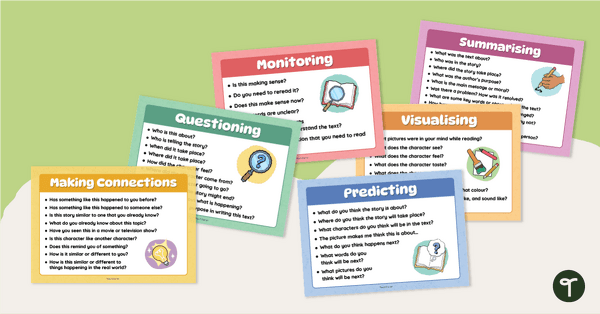
Reading Comprehension Question Stems - Super Six Reading Strategies
Enhance instruction on the six reading comprehension strategies with our printable Reading Comprehension Question Stems Chart Pack.
- Plus Plan
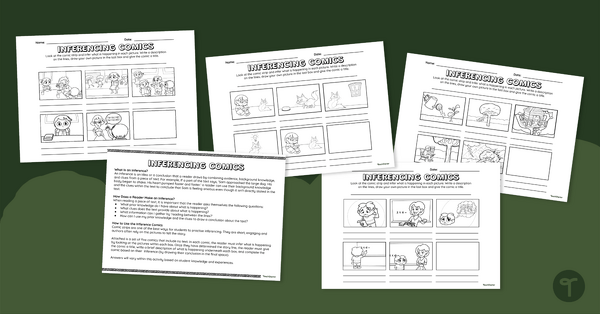
Inference Comics - Worksheet
Use this set of comic strips when teaching your students how to infer information from everyday situations.
- Plus Plan
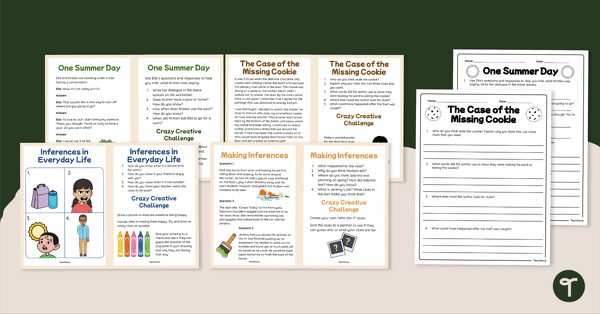
Drawing Conclusions and Making Inferences – Comprehension Task Cards
A set of comprehension task cards to help students draw conclusions and make inferences when reading.
- Plus Plan
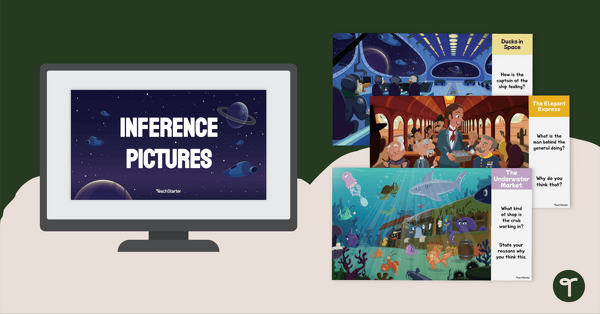
Inference Pictures – Digital Question Pack
Download this set of captivating pictures and thought-provoking questions designed to challenge students’ inference-making abilities.
- Plus Plan
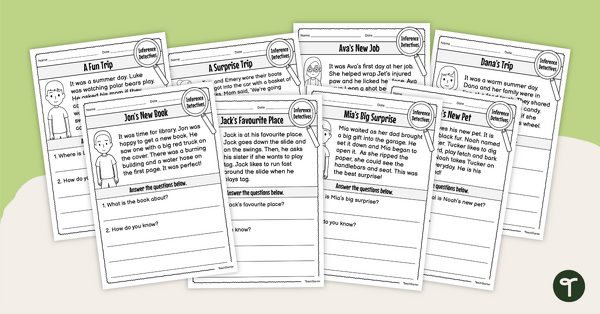
Inference Detectives Worksheet Pack
Guide your students to use personal experiences and text evidence to make inferences with this set of reading worksheets.
- Plus Plan
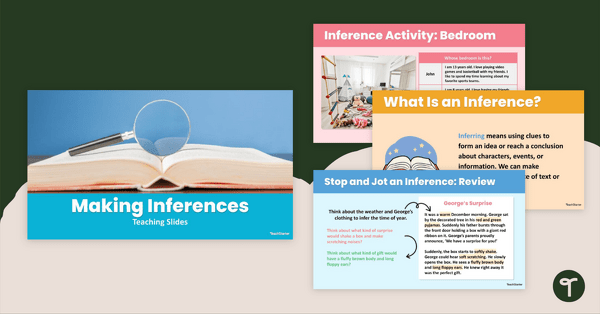
Making Inferences Teaching Slides
Teach your students how to make inferences with this 31-slide teaching presentation.
- Free Plan
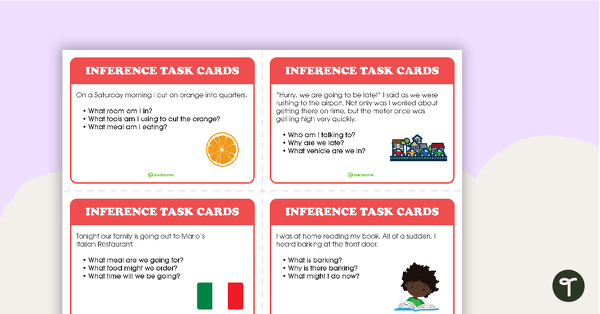
Inferring Written Scenario Task Cards
Task cards that help students use their knowledge and ideas to help them decode ideas in texts
- Plus Plan
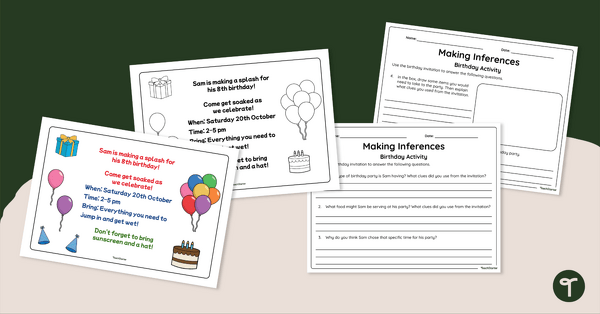
Making Inferences – Birthday Activity
Teach your students how to make inferences with this birthday invitation activity.
- Plus Plan
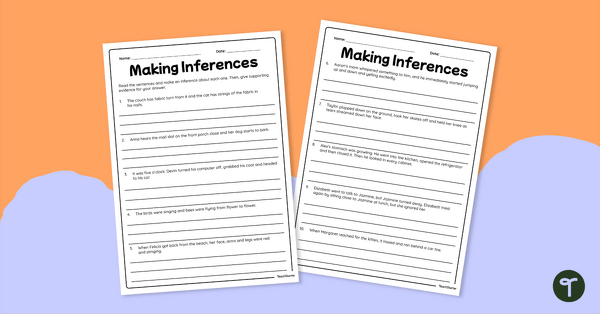
Inferencing Worksheet
Use this worksheet with your students when teaching them how to make an inference.
- Plus Plan
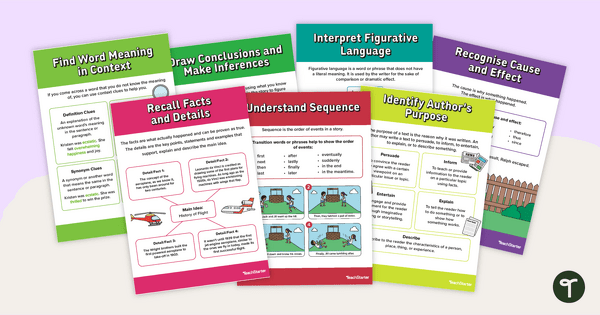
Reading Comprehension Strategies Anchor Charts
Provide young readers with concrete examples of reading strategies with a set of 18 ready-made reading comprehension strategy anchor charts.
- Plus Plan
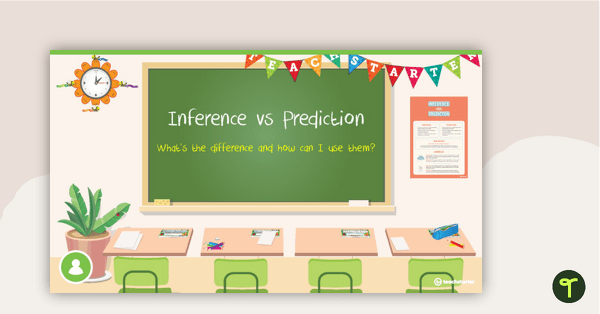
Inference vs Prediction - Presentation
A teaching presentation outlining the similarities and differences between inference and prediction.
- Plus Plan
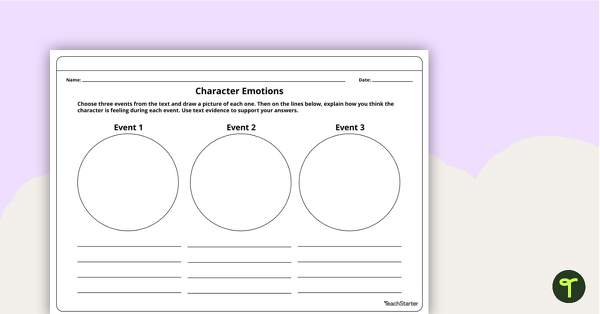
Character Emotions Worksheet
Make inferences about character's feelings with this one-page worksheet.
- Free Plan
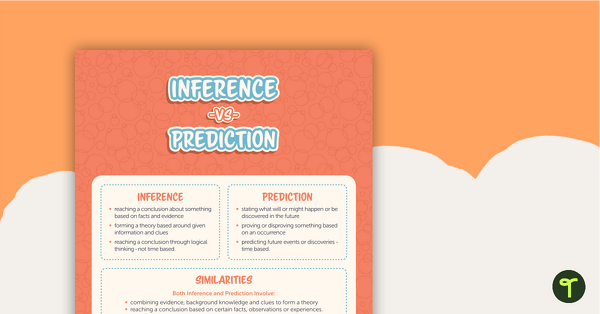
Inference vs Prediction Poster
A poster outlining the similarities and differences between inference and prediction.
- Plus Plan
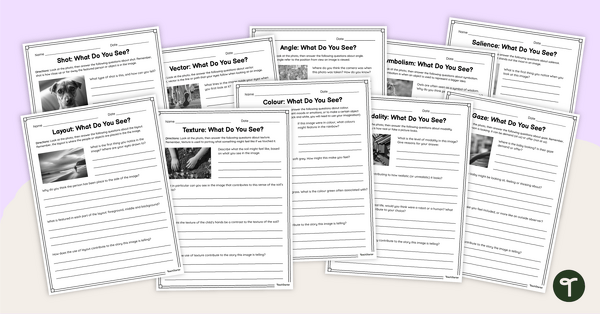
Elements of Visual Literacy Worksheets
Teach the elements of visual literacy with this engaging worksheet pack designed to help primary students analyse images and deepen their critical thinking skills.
- Plus Plan
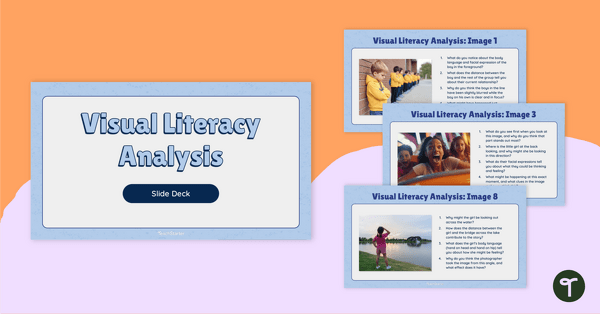
Visual Literacy Analysis Slide Deck
Teach visual literacy analysis using this comprehensive slide deck featuring 20 stimulus images, each accompanied by thought-provoking question prompts.
- Plus Plan
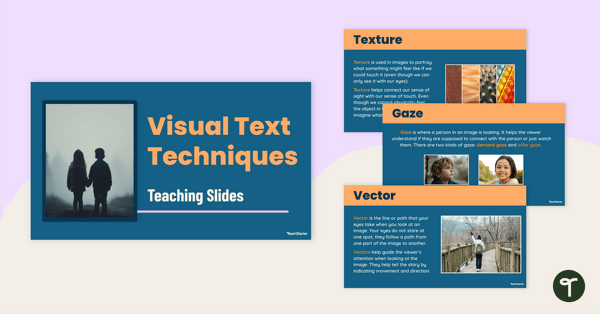
Visual Text Techniques Teaching Slides
Teach your students about visual text techniques with this engaging presentation, which features elements like layout, gaze, salience, angle and shot.
- Plus Plan

Inference Car Classifieds - Worksheet
A series of car classifieds worksheets to use when teaching your students how to infer information from written texts.
- Plus Plan

Inference Real Estate Advertisements - Worksheet
A series of real estate advertisement worksheets to use when teaching your students how to infer information from written texts.
- Plus Plan

Visual Comprehension Slide Deck
Bring visual comprehension to life in your classroom with this engaging slide deck designed to spark critical thinking and boost student engagement.
- Plus Plan
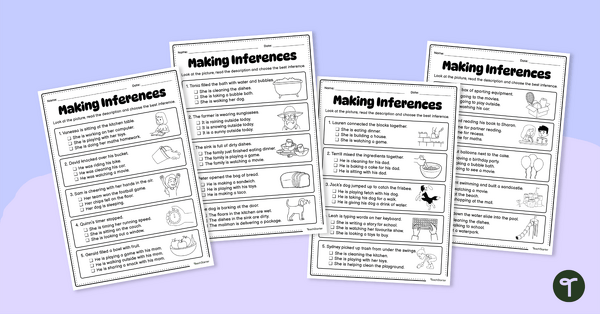
Making Inferences Worksheet Pack
Guide your students to read between the lines with this making inferences worksheet pack.
- Plus Plan
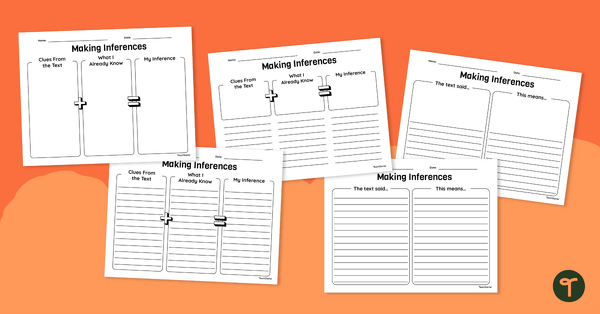
Making an Inference – Graphic Organiser Pack
Use these graphic organisers with your students when teaching them how to use text evidence to make inferences.
- Plus Plan
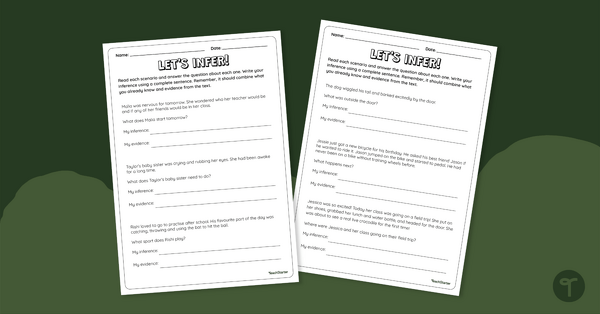
Let's Infer! Reading Worksheet
Boost reading comprehension with our 2-page writing worksheet that helps students practice making inferences.
- Plus Plan

Reading Response Journal – Comprehension Templates
A journal with comprehension sheets designed for students to study texts.
- Free Plan

Aiming For Inference Posters
Six mini posters showing different scenarios that can be used when encouraging students to use inference.
- Plus Plan
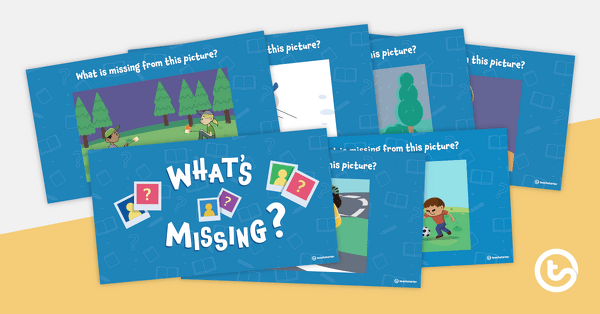
What's Missing? – Interactive PowerPoint
An interactive presentation where students try to guess what object is missing from the picture.
- Plus Plan
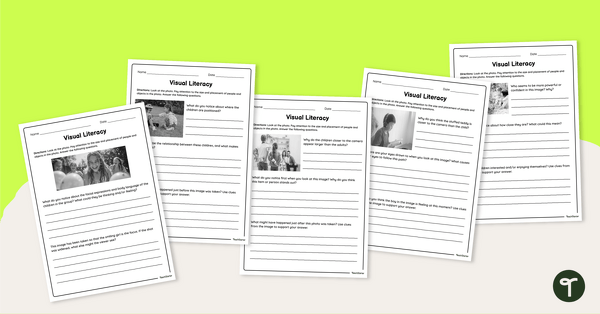
Visual Literacy Worksheets
Enhance critical thinking with visual literacy worksheets that guide students to analyse images, infer meaning and explore how pictures tell powerful stories.
- Plus Plan
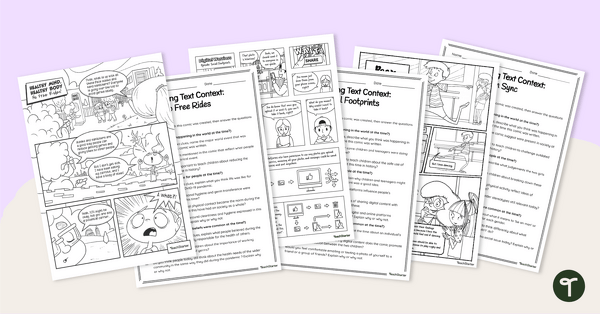
Analysing Text Context Worksheet Pack
Explore text context using this engaging set of comics designed to help students uncover the historical, social and cultural meaning behind the texts they read.
- Plus Plan
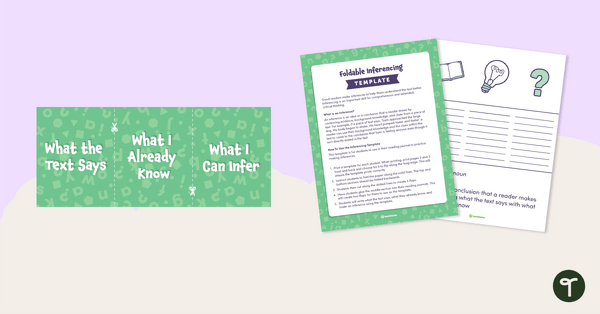
Foldable Inferencing Template
Practise making inferences with this foldable template.
- Free Plan
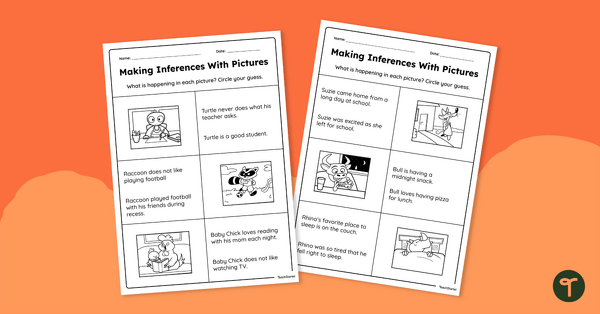
Making Inferences With Pictures Worksheet
Guide your students to use pictures to make inferences with this reading worksheet.
- Plus Plan
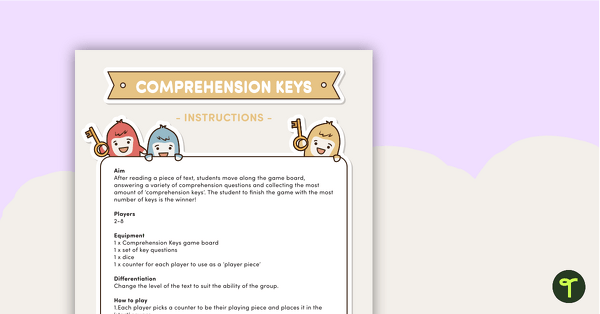
Comprehension Keys Board Game
A fun comprehension strategy board game for students to play during literacy rotations.
- Plus Plan
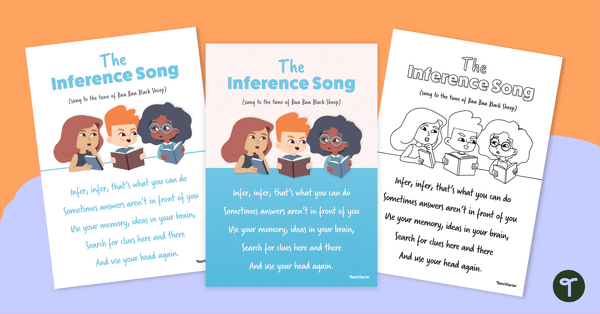
The Inference Song Classroom Poster
Teach your students about the meaning of inferencing with a song!
- Plus Plan
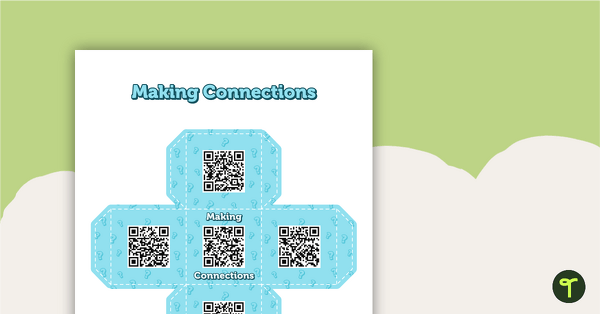
QR Code Super Six Comprehension Question Cubes
A set of QR code question cubes to use when working with the Super Six reading comprehension strategies.