Social Emotional Learning Teaching Resources
Are you on the hunt for social emotional learning activities, printable PDFs, and more to bring SEL to life in your primary lessons this school year? The list of academic benefits of SEL instruction is a mile long, and the Teach Starter teacher team has created a robust collection of social and emotional learning resources made with teachers – and your students — in mind.
We've made planning your social-emotional learning lessons simple with printable SEL worksheets and digital social and emotional activities designed specifically for the needs of primary school students. Each resource in this collection has undergone rigorous review by the expert teachers on our team to make sure you'll be comfortable passing them out in the classroom or sending them home in a student's bag.
Pardon us if we're sharing something you already know (feel free to skip right to the social emotional learning activities!), but if you're new to incorporating SEL into your classroom, you may need a quick refresher! Read on for a guide from our teacher team!
What Is Social-Emotional Learning?
The most common social-emotional learning — or social and emotional learning — definition describes SEL as 'the process through which all young people and adults acquire and apply the knowledge, skills, and attitudes to develop healthy identities, manage emotions and achieve personal and collective goals, feel and show empathy for others, establish and maintain supportive relationships, and make responsible and caring decisions.'
It's a bit of a mouthful, but essentially social and emotional learning covers five core competencies:
- Self-Awareness
- Self-Management
- Social Awareness
- Relationship Skills
- Responsible Decision Making

Where Did Social Emotional Learning Come From?
Teachers have been teaching many of the skills that now fall under the social and emotional learning curriculum for centuries. It's always been our goal to help shape little minds to be caring, productive, and engaged citizens.
But the roots of what we now consider SEL can be traced back to a project in the New Haven, Connecticut schools in the United States where school administrators worked with Yale University researchers, parents, mental health workers and teachers to refocus not just the school's academic programs but their social ones too. The project started in the 1960s at two schools considered 'underperforming,' and by the 1980s, these same schools had academic scores that were at the top of American school rankings.
From there, the K-12 New Haven Social Development program was born, establishing a framework for incorporating social and emotional learning into the curriculum. Meanwhile, the non-profit Collaborative for Academic, Social, and Emotional Learning (CASEL) was born in 1994, helping to really bring the term 'social and emotional learning' into the zeitgeist.
CASEL was born out of the New Haven projects and helped shape the official definition of SEL listed above in 1997. It now works to expand SEL in schools around the globe.
Why Is Social-Emotional Learning Important?
Not sure you have time to fit all of this in alongside the standards that you're preparing students to meet? A solid social and emotional learning curriculum will help students with everything from managing emotions and developing coping skills to setting positive goals, engaging in positive relationships and solving problems effectively — all important competencies for your classroom.
The importance of SEL is hard to overstate, but here are a few core benefits:
- Promote mental health and well-being — Teaching social and emotional lessons in the classroom can help students develop the skills they need to manage their emotions, build positive relationships and cope with stress and challenges. It's a small step toward better mental health for all.
- Improve academic performance — There's strong research showing that students who have strong social and emotional skills are more likely to be engaged in learning and perform better academically.
- Create a positive classroom culture — Teaching social and emotional lessons can help create the kind of classroom culture where students feel safe, respected and supported — exactly what we all strive for!
- Prepare students for life after school — Social and emotional skills are essential for success beyond the classroom, be it at home in the immediate future or in uni or the workforce. Teaching these skills helps students be better equipped to handle the challenges they will face.
- Address specific social and emotional needs — Teaching social and emotional lessons can help address students' specific needs, such as building self-esteem, managing emotions and developing empathy for others. This can also help to create a more inclusive and equitable classroom where all students feel respected and valued. It's also good for your overall classroom management.

How to Teach Social and Emotional Lessons
There's little question that there's value in social and emotional learning, but how do you actually teach it? There's no simple answer here, as the exact methodology will differ based on year level, individual student needs and even your classroom dynamics!
That said, here are some strategies from our teacher team to keep in mind as you consider how you're incorporating the components of SEL in your instruction:
- Modelling — This is likely no surprise — we are our students' role models in the classroom for so much. Don't underestimate the value of your own active listening, displays of empathy and self-regulation, and other skills that are essential for your students' social and emotional development.
- Classroom Culture — Establishing a safe and supportive learning environment where students feel respected, valued and empowered goes a long way. Fostering a sense of community, promoting positive communication and encouraging collaboration and teamwork are all helping kids build their SEL quotient!
- Integration — Of course, you can (and should) have explicit instruction on SEL, but you can also incorporate SEL concepts into your core subject lessons. Discuss emotions related to a character in a book or working on group projects that require collaboration and communication. If you're teaching maths, emphasise the importance of perseverance and problem-solving skills. Teaching HAAS? Discuss empathy and the ability to understand different perspectives. It all comes together!
- Plus Plan
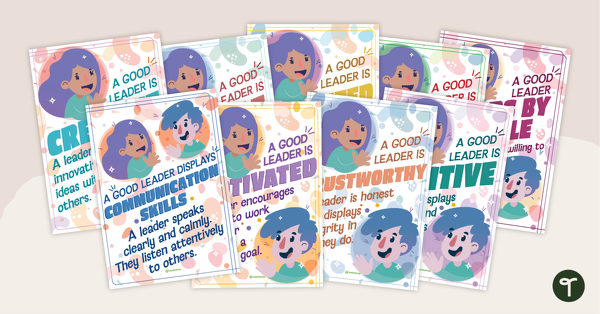
Leadership Qualities - Poster Pack
A set of 9 posters that explore the qualities embodied by a good leader.
- Plus Plan
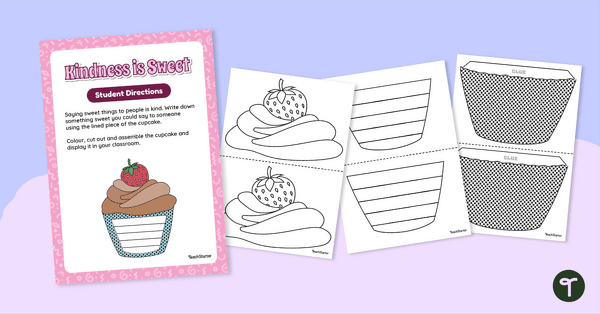
Kindness is Sweet! Craft for Kindness Day
Think about sweet things you can say to others that are kind and display the finished Kindness Craft in your classroom as a kindness display.
- Plus Plan
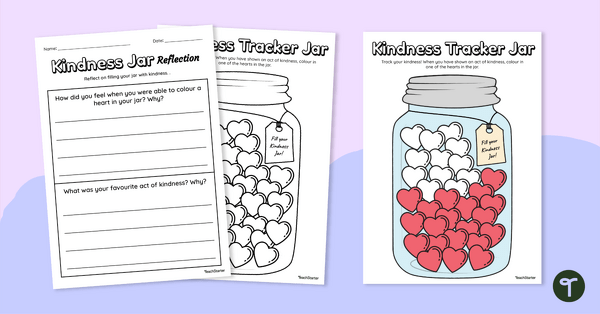
Kindness Tracker Jar
Track kindness in the classroom with this kindness jar ready to be coloured in with random acts of kindness.
- Plus Plan
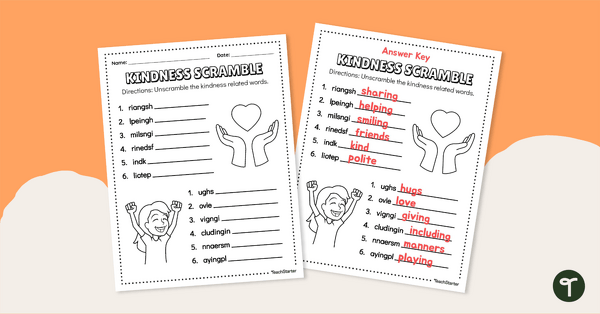
Kindness Word Scramble
Use this Kindness Word Scramble worksheet to talk about the different words associated with being kind.
- Free Plan
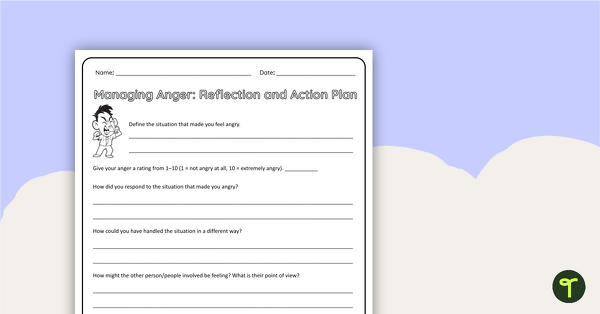
Managing Anger Worksheet (Upper Primary)
Help older students identify and manage angry feelings with this self-reflection and action plan worksheet.
- Plus Plan
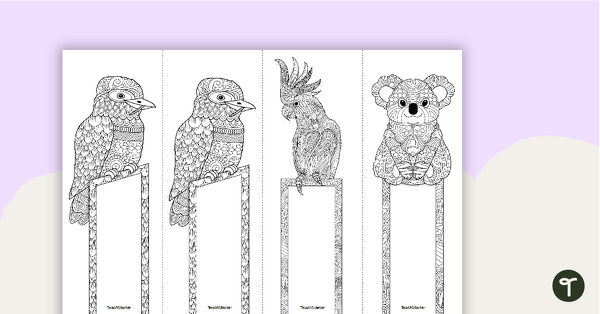
Australian Animals Mindfulness Bookmarks
Let these cute Australian animals keep track of your page with these mindfulness colouring bookmarks.
- Free Plan
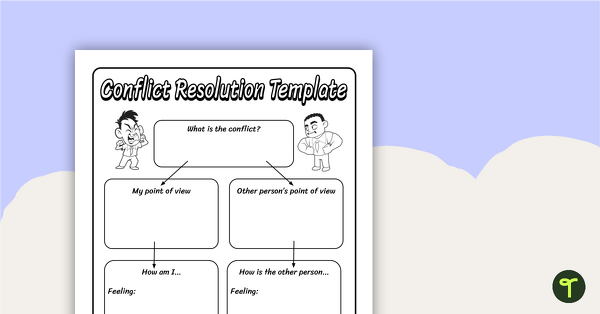
Conflict Resolution Template
Manage classroom and playground conflicts positively and proactively with this conflict resolution template.
- Plus Plan
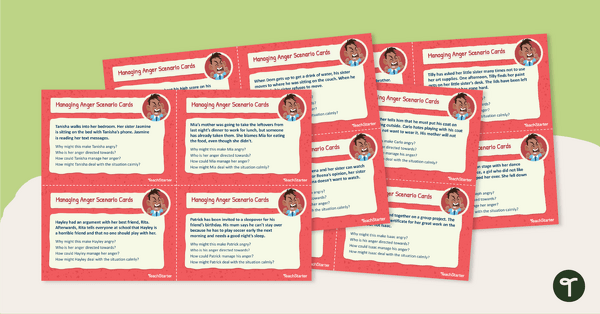
Managing Anger Scenario Cards
Explore ways to manage anger in a variety of real-life situations with this set of 16 scenario cards.
- Plus Plan
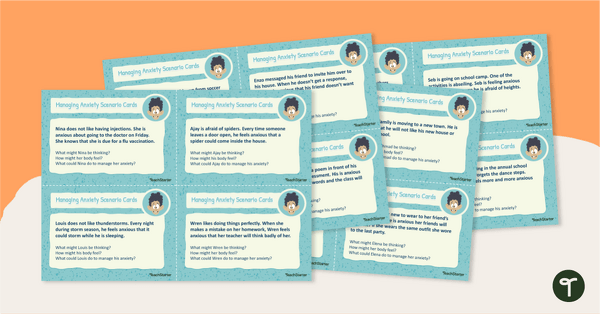
Managing Anxiety Scenario Cards
Explore ways to manage anxiety in a variety of real-life situations with this set of 16 scenario cards.
- Free Plan
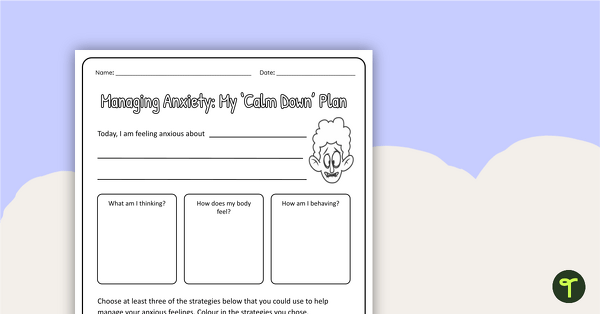
Managing Anxiety Worksheet (Lower Primary)
Help students identify and manage anxious feelings with this self-reflection worksheet.
- Free Plan
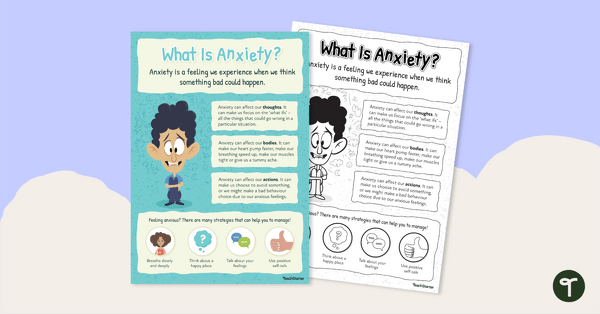
What Is Anxiety? Poster
Teach your students to understand and manage anxious feelings with this informative classroom display poster.
- Plus Plan
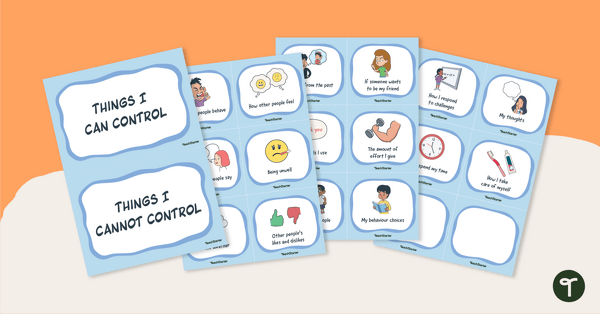
Things I Can and Cannot Control - Sorting Activity
Help students identify things in life they can and cannot control with this interactive sorting activity.
- Free Plan
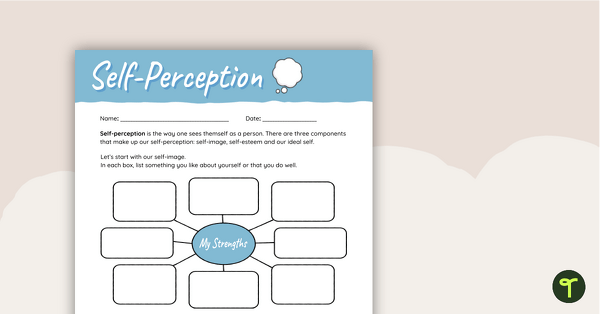
Self-Perception Worksheet
Identify strengths and areas of growth by asking students to reflect on their self-image, self-esteem, and ideal self.
- Plus Plan
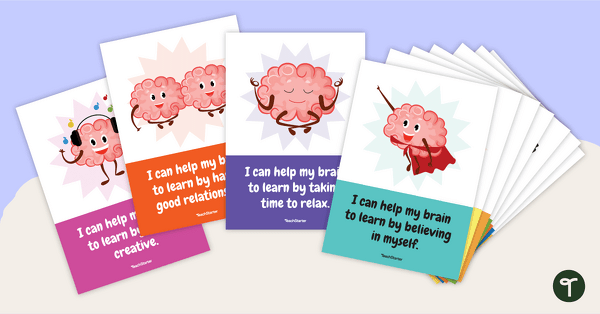
I Can Help My Brain to Learn - Posters
Display these classroom posters to remind your students of things they can do to ensure the three brains are functioning at their best.
- Plus Plan
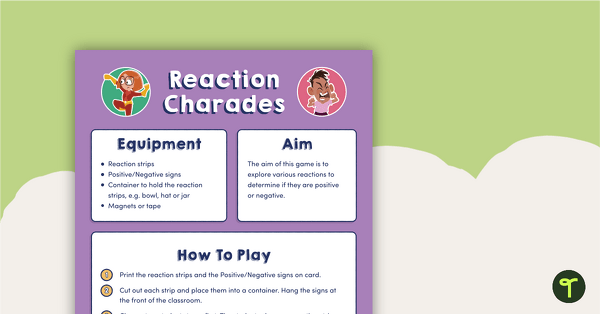
Reaction Charades
A fun game for students to explore positive and negative ways of reacting to situations.
- Free Plan
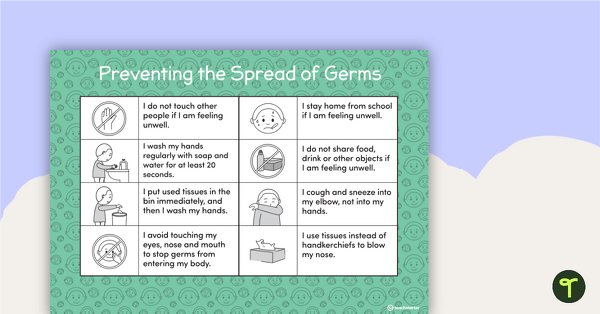
Social Stories – Preventing the Spread of Germs
A social story to assist students in preventing the spread of germs.
- Plus Plan
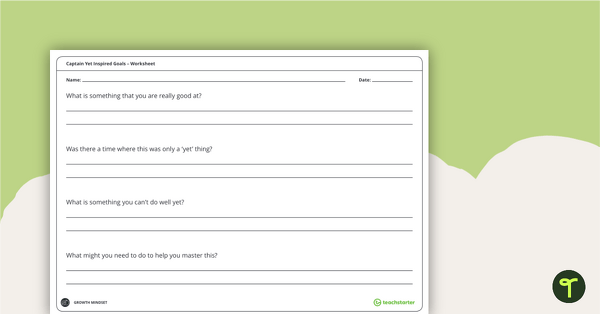
Growth Mindset Inspired Goals – Template
A reflection template for students to use their strengths and Captain Yet's strategies to achieve their goals.
- Plus Plan
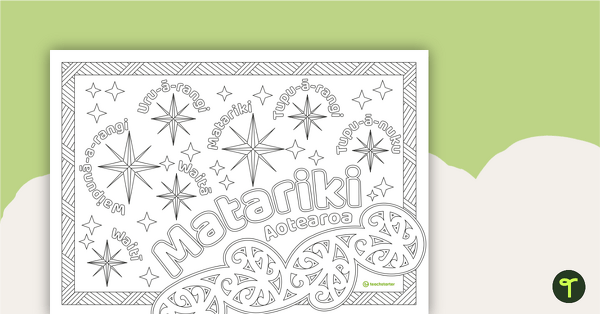
Matariki – Mindful Colouring Sheet
A mindful colouring-in worksheet to celebrate Matariki, the Māori New Year celebration in Aotearoa, New Zealand.
- Plus Plan
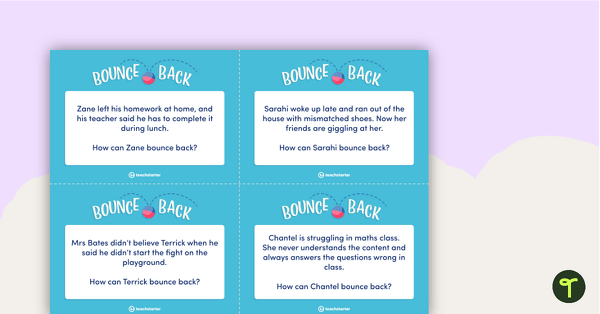
Bounce Back – Resiliency Task Cards
A set of 24 task cards to use when teaching students how to be resilient.
- Plus Plan
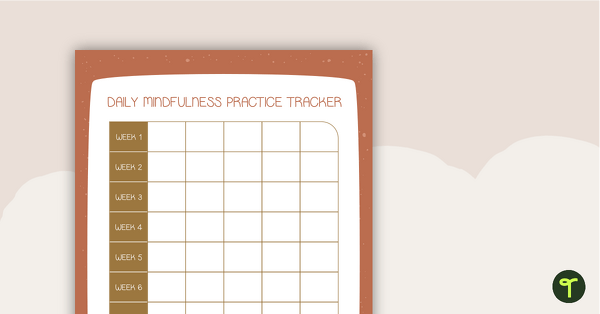
Mindfulness Activity Tracker - 10 Weeks
A 10 week chart and picture markers to use when tracking mindfulness practise.
- Plus Plan
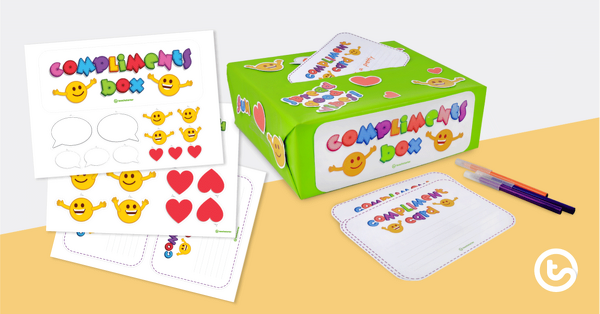
Compliment Box Decorations and Compliment Cards
Use these decorations and compliment cards to create your very own classroom compliments box.
- Plus Plan
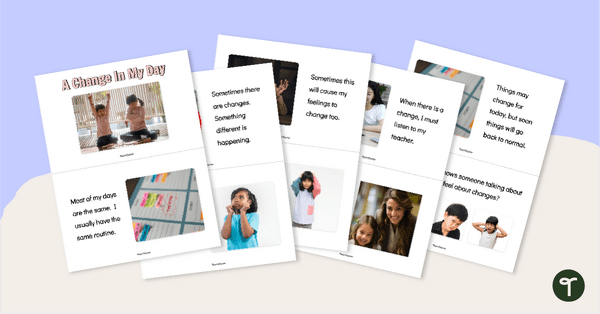
Coping With Change - Social Story Mini Book
A social story to develop coping skills for when there is a change in the routine.
- Plus Plan
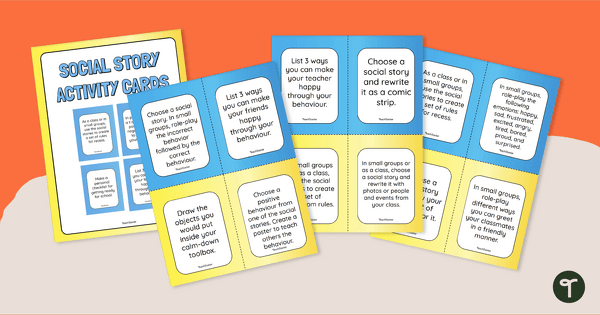
Social Stories - Activity Cards
Help your students build social skills and practise concepts learned within our social stories with a set of printable task cards.
- Plus Plan
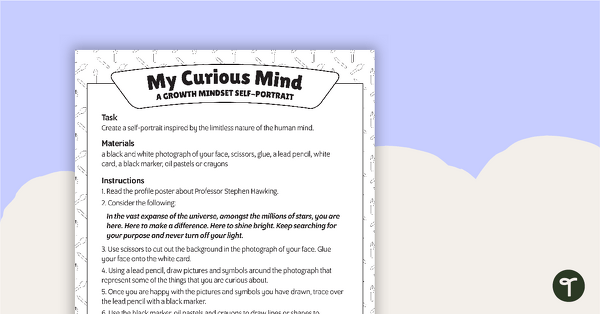
'My Curious Mind' Growth Mindset Art Activity
A creative visual art activity, inspired by Professor Stephen Hawking, to use when learning about growth mindset.
- Plus Plan
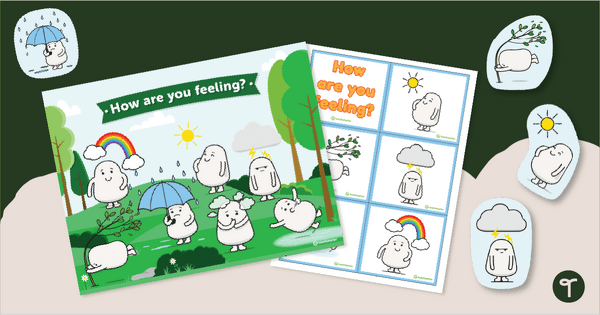
Weather Feelings - How Are You Feeling? Poster and Flashcards
A visual resource to help students verbalise how they are feeling.
- Plus Plan
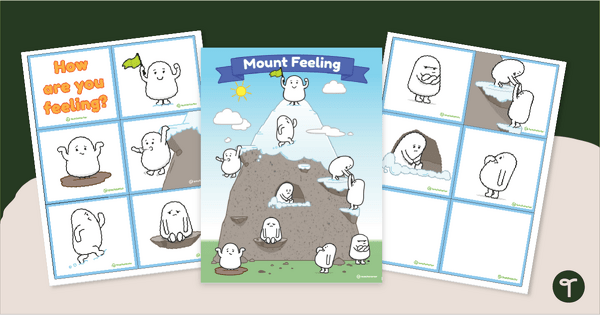
Mount Feeling - Feelings Poster and Flashcards
Mount Feeling poster and flashcards to help students vocalise how they are feeling using a visual aid.
- Plus Plan
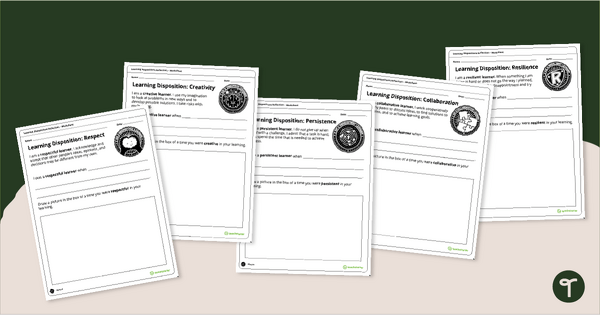
Learning Dispositions Reflection Worksheets (Lower Years)
A set of 10 worksheets to allow students to reflect on their application of various learning dispositions.
- Plus Plan
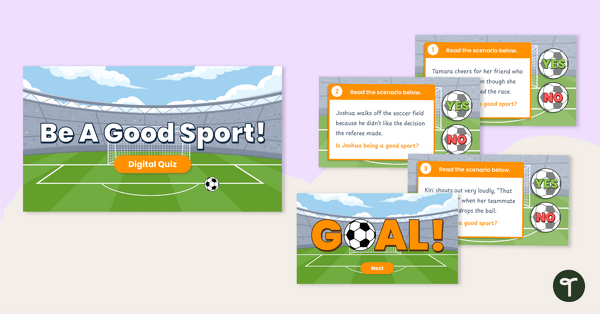
Be a Good Sport! Digital Quiz
Teach your students how to be a good sport with this digital quiz perfect for use during National Simultaneous Storytime 2026.
- Free Plan
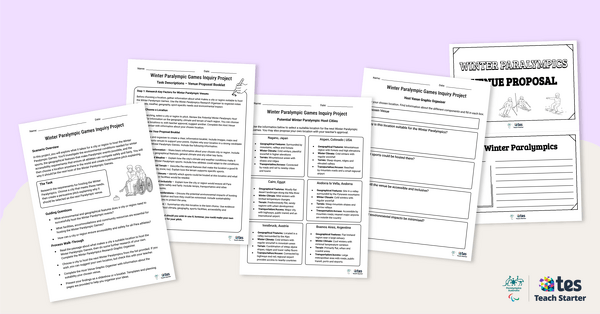
Winter Paralympic Games – Inquiry-Based Project
Have your students investigate the requirements of being a Paralympic Winter Games host city with this inquiry-based learning project.
- Plus Plan
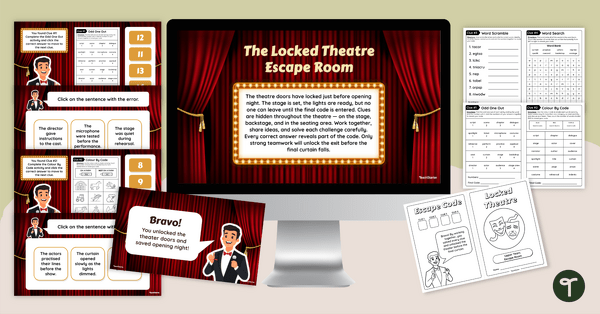
The Locked Theatre Whole Class Escape Game
The Locked Theatre is an engaging whole class escape game designed for team building and collaboration.
- Plus Plan
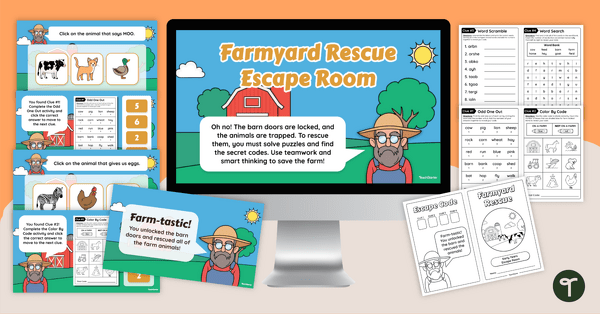
Team Building - Farmyard Rescue Escape Room
Your students must work together to solve puzzles, crack codes, and to save the farm.
- Plus Plan
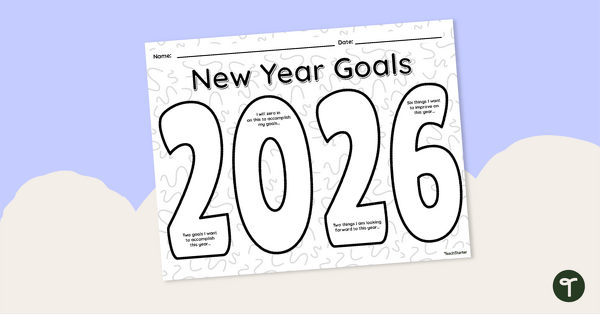
2026 Goal Setting Worksheet
Inspire your students to reflect and set goals for the new year with a 2026 Goal Setting worksheet.
- Social Emotional Learning Templates
- Social Emotional Learning Posters
- Social Emotional Learning Worksheets
- Social Emotional Learning Games
- Social Emotional Learning Labels, Signs & Decorations
- Social Emotional Learning Teaching Presentations
- Social Emotional Learning for Preschool/Kindergarten
- Social Emotional Learning for Foundation Year
- Social Emotional Learning for Year 1
- Social Emotional Learning for Year 2
- Social Emotional Learning for Year 3
- Social Emotional Learning for Year 4
- Social Emotional Learning for Year 5
- Social Emotional Learning for Year 6
- Social Emotional Learning for Year 7