Measurement Teaching Resources
Is your maths class ready to dive into length measurement, measuring objects and more measurement practice? Say hello to printable units of measurement worksheets, games and digital activities created by teachers for teachers!
This collection of teaching resources was created by our expert maths teachers to help students meet Australian Curriculum standards. Each printable and digital download has undergone a rigorous review by the teachers on the Teach Starter team to ensure they’re student-ready — so you can cut down on lesson planning time!
New to teaching this part of the maths curriculum? Our teacher team knows what it’s like to suddenly teach a brand-new year level, so we’ve put together a quick guide to teaching measurement!
What Are the 4 steps of Teaching and Learning Measurement?
Students have to learn a long list of measurement concepts during their time in primary school, including:
- length
- liquid volume
- elapsed time
- mass (weight)
- area
- volume of three-dimensional figures
The good news for teachers: Most measurement concepts have very real-world applications for students. That means there's a whole world of ways to get students excited about reading a ruler or tape measure or weighing heavy objects on a scale.
But before you can get there, let's start with the basic steps to work through when you're teaching students how to measure ... well ... anything!
- Direct Comparison — One of the earliest steps of learning measurement is learning the attributes that are being measured. For example, students need to learn what length is if they're ever going to measure it. That's where direct comparison (and step 2, indirect comparison), come in. If you put 2 objects side by side, students can directly compare which is longer and which is shorter and start to understand how to measure an object.
- Indirect Comparison — What happens when you can't directly compare two objects? You can add a third as a reference point for indirect comparison, thereby increasing student understanding of the attribute being measured.
- Measuring With Non-Standard Units or Informal Units — Just as students need to understand the attribute of measuring, they also need to understand the concept of the units we use to measure such as metres or litres. Using non-standard units is the first step to teaching the concept of units, offering students the chance to work with different objects, counting how many of these 'units' it takes to make up another. This is the fundamental base of measurement.
- Measuring With Standard Units — In the final step of teaching measurement, students move on to using the formal units of measurement and learn to use measurement instruments.
Why Is Teaching Measurement Important?
There are concrete uses for learning measurement that will surely spring to mind — from using a tape measure to measure a space in a home to weighing ingredients when baking to determining the capacity of a juice glass before pouring in the liquid. These are all means for quantifying our environment.
But the benefits of teaching students about measuring lines with a ruler or figuring out mass measurements from largest to smallest go well beyond the obvious. Learning to measure helps students develop spatial and number skills.
- Plus Plan
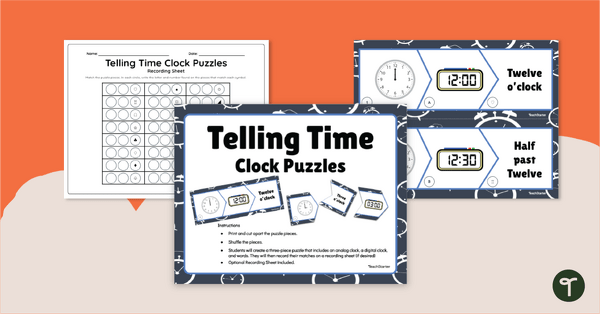
Telling Time Puzzles – Hour and Half-Hour Times
Practise reading analogue clocks, digital clocks and time in word form with a set of printable time puzzles.
- Plus Plan
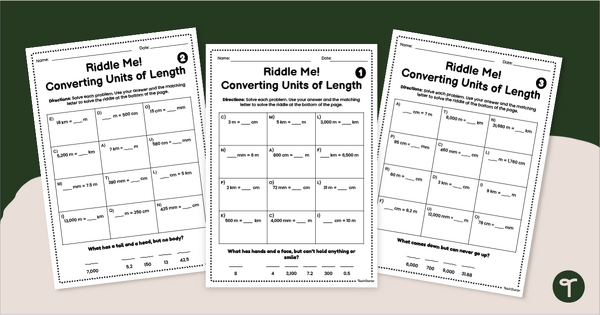
Riddle Me! Converting Units of Length – Worksheet
Sharpen measurement conversion skills with a set of 3 Maths riddle worksheets.
- Plus Plan
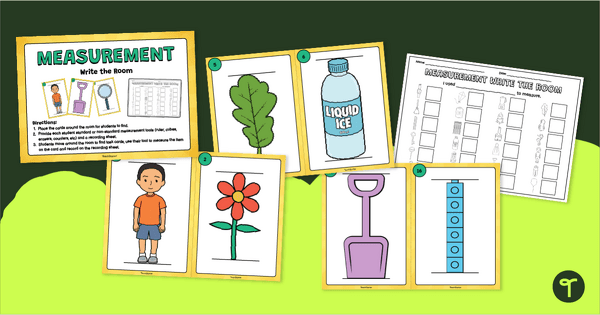
Measurement Maths Centre - Informal & Formal Units
Create an easily differentiated measurement maths centre with a printable Measuring Length Maths Centre.
- Plus Plan
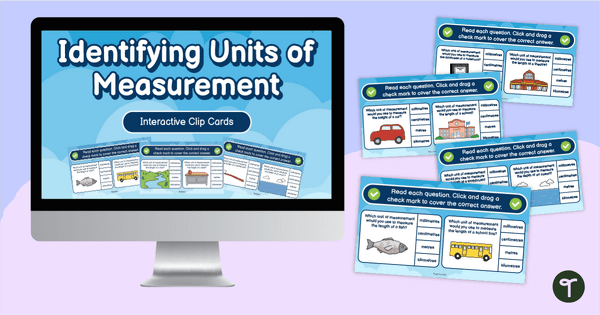
Identifying Units of Measurement Interactive Clip Cards
Identify whether objects should be measured in millimetres, centimetres, metres, or kilometres with interactive drag-and-drop clip cards.
- Plus Plan
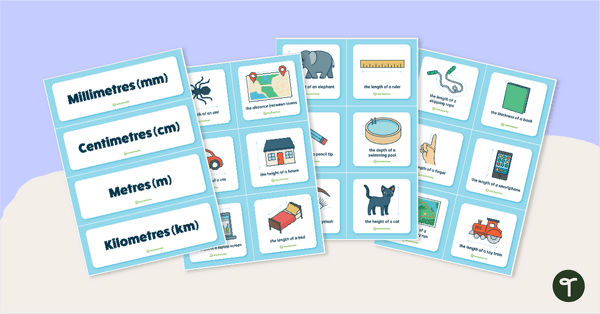
Selecting Units of Length - Sorting Activity
Use this Year 3 measurement activity to help students identify lengths and distances that should be measured in millimetres, centimetres, metres and kilometres.
- Plus Plan
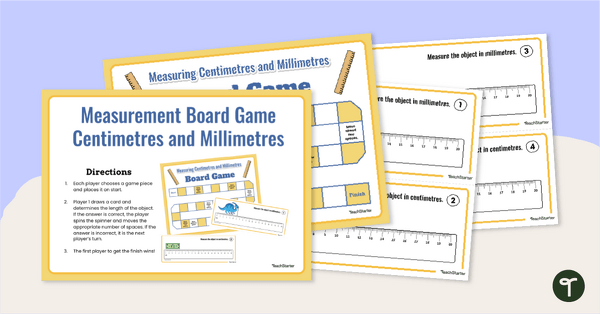
Using a Ruler Board Game - Centimetres & Millimetres
Build measurement skills with this board game, which focuses on measuring using a centimetre/millimetre ruler.
- Plus Plan
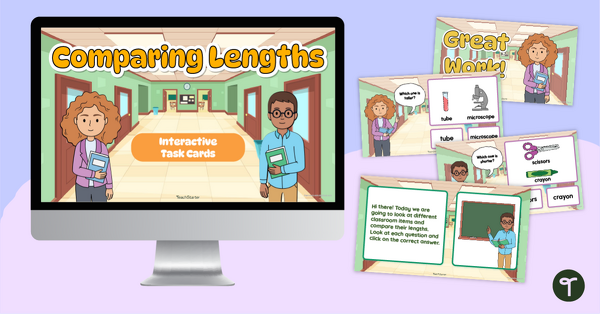
Shorter or Longer? Measurement Comparison Game
Identify what is shorter or longer with an engaging interactive measurement game.
- Plus Plan
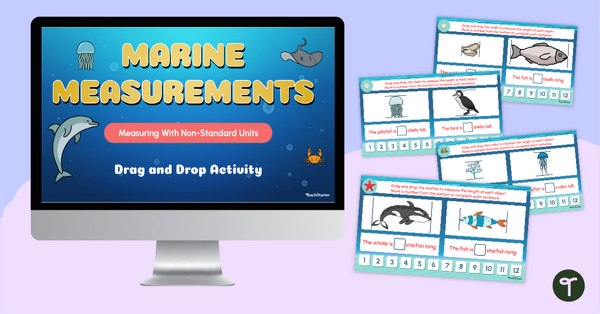
Marine Measuring With Informal Units Interactive
Dive into measurement with informal units using an engaging ocean-themed interactive measurement activity.
- Free Plan
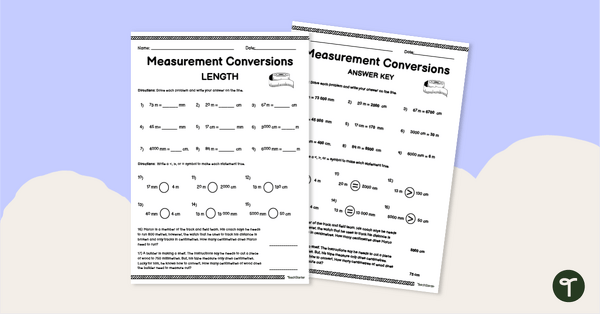
Measurement Conversions - Length – Worksheet
Use ratio reasoning to practise converting units of length with this worksheet.
- Plus Plan
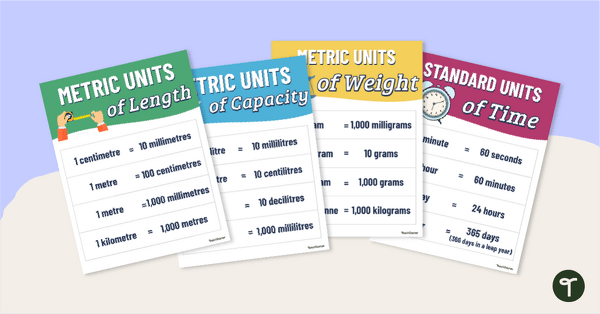
Converting Units of Measurement Posters
Use these posters to assist your students to learn and convert the different units of measurement.
- Plus Plan
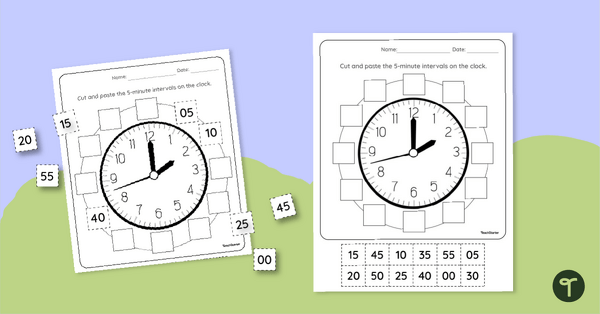
Clock Worksheet Cut and Paste– 5-Minute Intervals
Use a clock worksheet to cut, paste and build a clock with five minute increments.
- Plus Plan
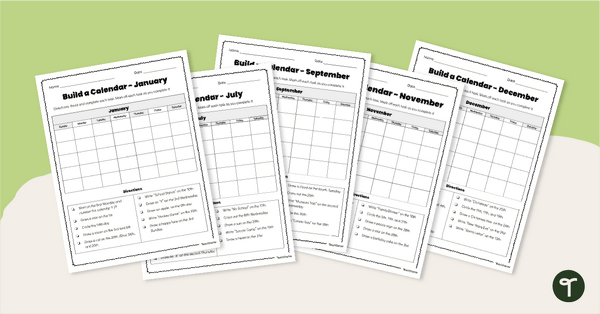
Build a Calendar - Following Instructions Worksheets
Practise following directions and using a calendar with a pack of 12 printable calendar worksheets.
- Plus Plan
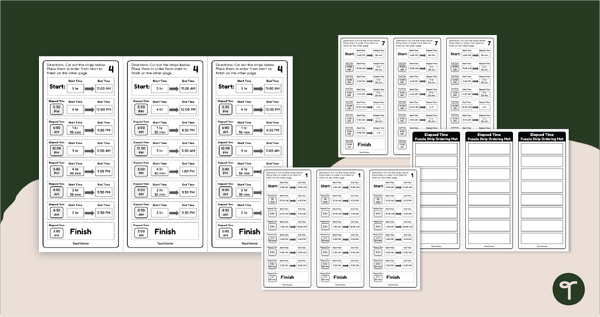
Order Up! Elapsed Time Puzzles
Practise determining elapsed time with a printable pack of nine Order Up! Elapsed Time Cut and Paste Puzzle Strips.
- Plus Plan
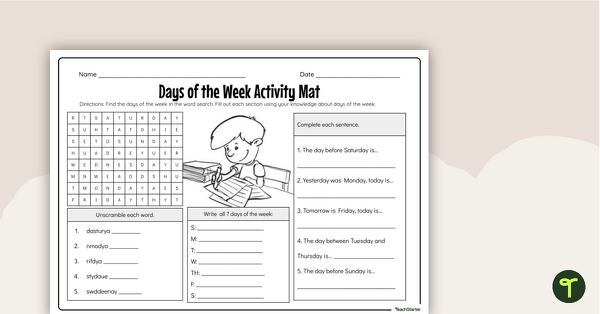
Days of the Week Activity Mat
Review the order and spelling of the days in a week with a printable Days of the Week Activity Mat!
- Plus Plan
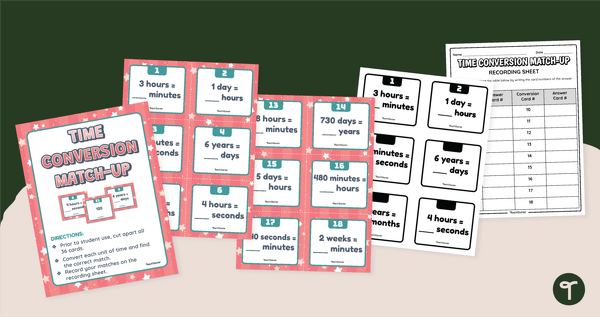
Time Unit Conversion Match-Up Game
Convert increments of time, including seconds, minutes, hours, days, weeks, and months, with a printable Time Conversion matching activity.
- Plus Plan
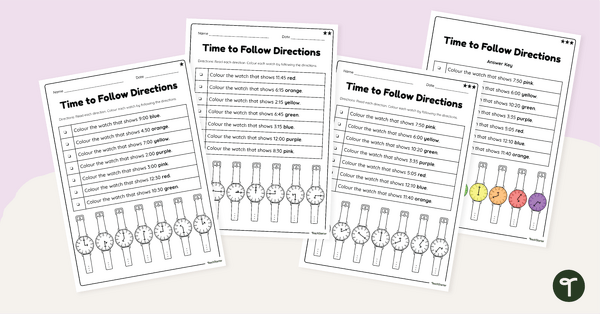
Following Directions Worksheets - Reading a Clock Review
Practise telling time to the half-hour, quarter-hour, and five-minute mark with a pack of printable Following Directions to Tell the Time worksheets.
- Plus Plan
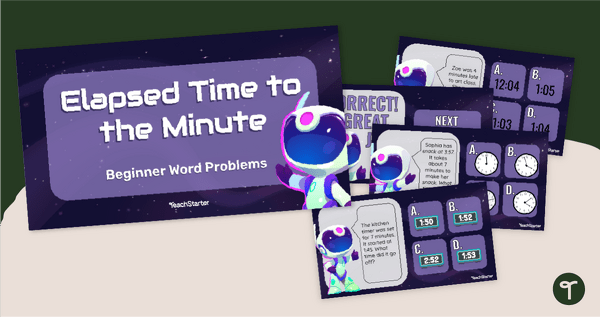
Elapsed Time Word Problems Game
Practise solving elapsed time word problems with an interactive Year 3 maths game.
- Plus Plan
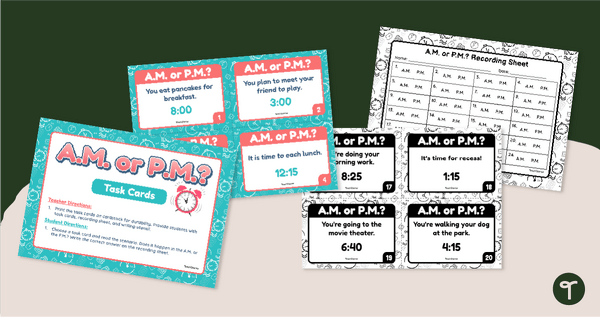
Task Cards - A.M. and P.M. Time
Help your students tell A.M. times from P.M. times with a set of 24 A.M./P.M. task cards.
- Plus Plan
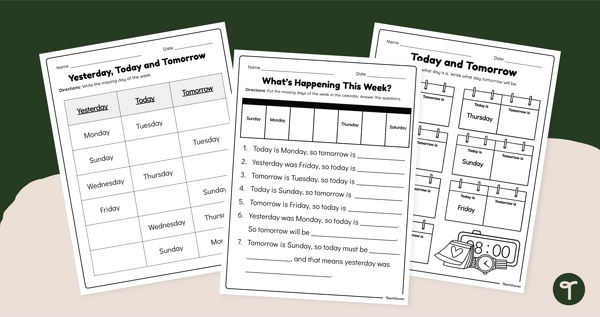
Ordering Days of the Week Worksheets
Practise ordering weekdays with a set of printable Yesterday, Today, and Tomorrow - Days of the Week Worksheets.
- Plus Plan
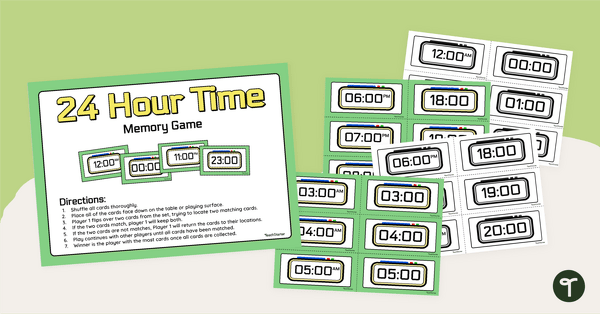
24-Hour Time Memory - Year 5 Maths Game
Practise converting 12-hour and 24-hour times with this fun 24-Hour Time Game.
- Plus Plan
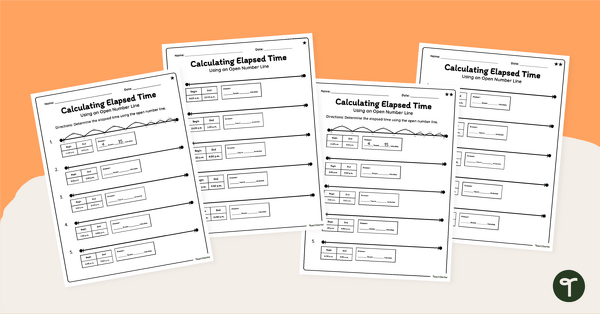
Elapsed Time on a Number Line Worksheets
Practise finding elapsed time using an open number line with a pair of differentiated elapsed time worksheets.
- Plus Plan
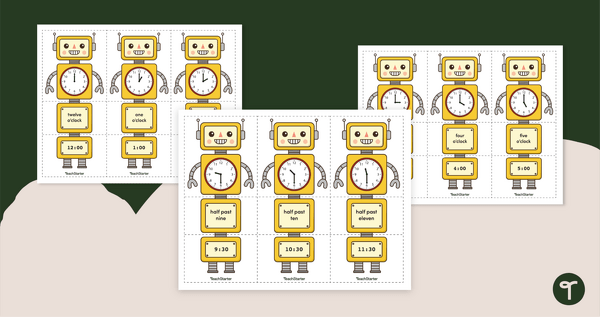
Time to the Hour and Half Hour Match-Up
Match cards with three different representations of time to practise reading clocks and time in their written form.
- Free Plan
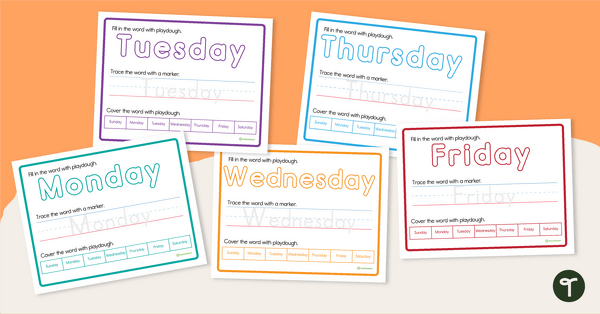
Days of the Week Playdough Mats
Use playdough mats to help your students identify, sequence and spell the days of the week.
- Plus Plan
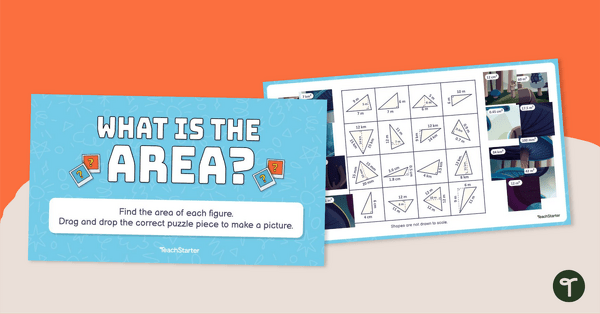
Interactive Area Puzzle (Triangles)
Have your students find the area of 16 triangles on the board and match the corresponding pieces to reveal a mystery picture.
- Plus Plan
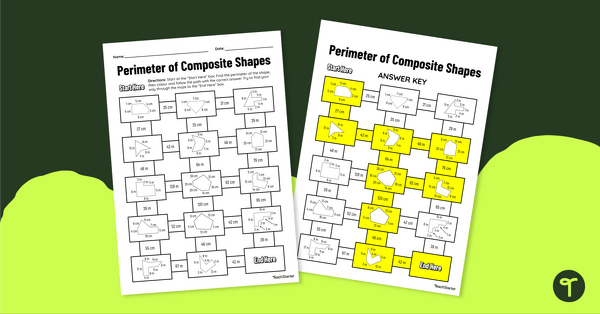
Perimeter of Composite Shapes Maze
Use this perimeter maze when teaching your students how to calculate the perimeter of composite shapes.
- Plus Plan
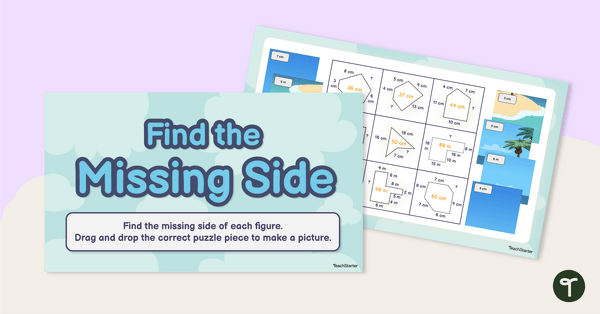
Find the Missing Side Interactive Puzzle
Explore perimeter with missing sides with your students using this interactive digital puzzle.
- Plus Plan
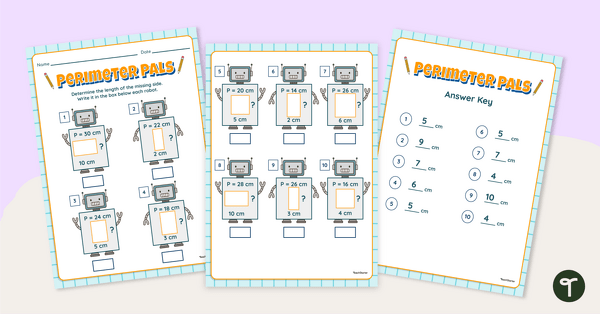
Find the Missing Side Worksheet
Use this missing side perimeter worksheet to help your students find the missing sides on a collection of rectangles and squares.
- Plus Plan
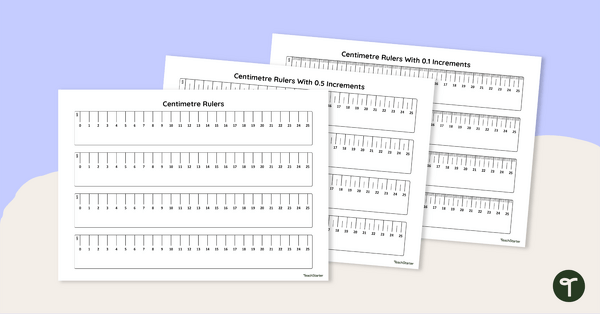
Printable Rulers for the Classroom
Excite your students about mastering precise measurements with these printable centimetre rulers.
- Plus Plan
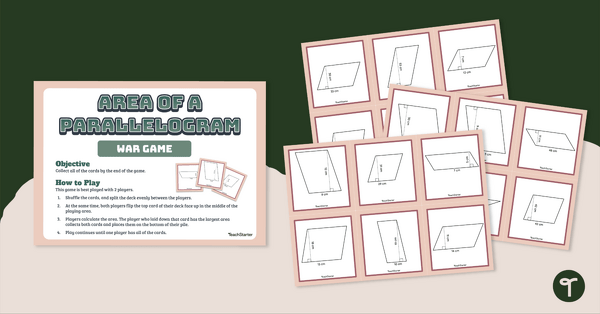
Area of a Parallelogram – War Game
Practise finding and comparing the area of a parallelogram with a game of WAR!
- Plus Plan
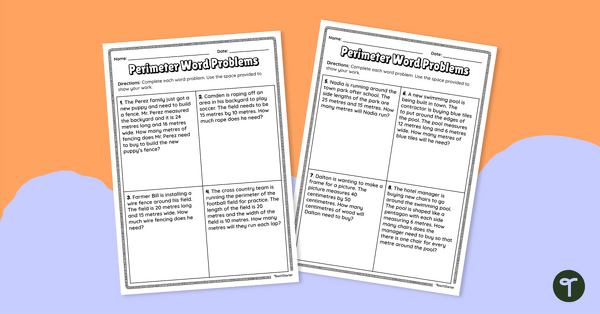
Perimeter Word Problems Worksheet
Get students solving real-life perimeter word problems with a printable worksheet for 3rd and 4th grade.
- Plus Plan
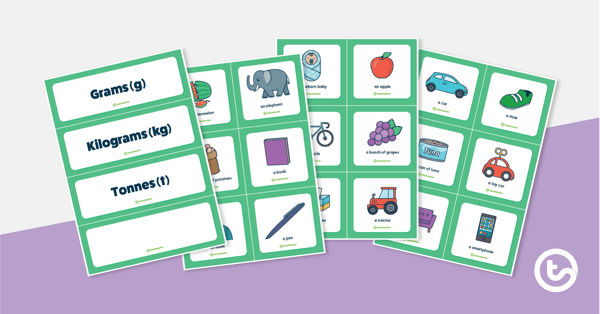
Selecting Units of Mass – Sorting Activity
A sorting activity to help students identify objects that should be measured in grams, kilograms and tonnes.
- Free Plan
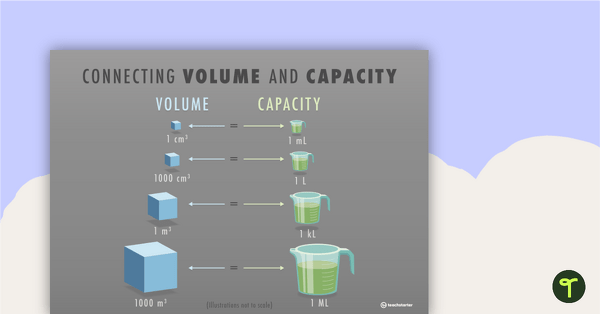
Connecting Volume and Capacity Posters
A set of three posters to help with connecting and converting units of volume and capacity.
- Measurement Worksheets
- Measurement Games
- Measurement Posters
- Measurement Projects
- Measurement Templates
- Measurement Teaching Presentations
- Measurement for Preschool/Kindergarten
- Measurement for Foundation Year
- Measurement for Year 1
- Measurement for Year 2
- Measurement for Year 3
- Measurement for Year 4
- Measurement for Year 5
- Measurement for Year 6
- Measurement for Year 7