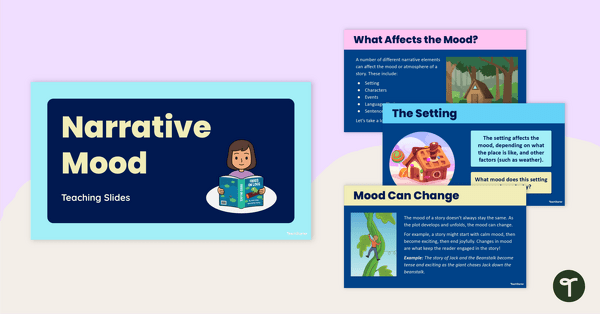
Explore narrative mood with this interactive presentation that helps students understand what mood is, why it matters and how to create it in their own writing.
Narrative Mood Explained for Your Students
Mood is an essential part of any good story. It’s the feeling readers experience as they journey alongside the characters in a text, created by narrative elements such as setting, events, language choices and sentence structures. Understanding narrative mood is essential for both reading comprehension and creative writing… that’s why we need to explicitly teach narrative mood to our students!
This comprehensive 20-slide teaching presentation has been created by our team to introduce your students to narrative mood and how authors achieve it. It covers key curriculum content, such as:
- What is mood?
- Why is mood important?
- What are some common story moods?
- What affects mood in a story?
- How can mood change?
- How do authors create mood?
By engaging with this resource, your students will learn tips and tricks for creating narrative mood that they can apply in their own writing. The resource also contains review activities to help students revise what they have learned throughout the presentation.
Read on to learn how to maximise the potential of this teaching tool in your classroom!
Activities to Reinforce Learning About Mood in Narrative Writing
This slide deck provides a solid foundation for introducing your students to mood in narrative writing and how it can be created using various narrative elements. Once students have explored the slides, you can extend their learning with a range of simple but effective activities. Here are some ideas from our team to get you started:
- Mood Hunt – Read the students a passage of text, then have them identify the mood. Have them pick out words or phrases that contribute to the mood they have named, then discuss how these language choices affect the reader.
- Mood Switch – Following on from the previous activity, have the students rewrite the passage in a completely different mood by changing elements such as the setting, key events, language choices or sentence length.
- Mood in Imagery – Explain that visual texts, such as illustrations and other images, can also convey mood in a narrative. Show the students examples of these, then discuss how artistic elements such as colour or line create particular moods.
Download This Narrative Mood Presentation
This narrative mood presentation can be accessed as a Microsoft PowerPoint or Google Slides presentation. Use the dropdown menu on the Download button to access your preferred version. (Note: You will be prompted to make a copy of the Google Slides presentation before accessing it.)
You now have everything you need to deliver a high-quality lesson about narrative mood with minimal preparation time!
This resource was created by Kaylyn Chupp, a teacher and a Teach Starter collaborator.
More Resources for Teaching Mood in Narrative Writing
Looking for more time-saving materials to use in your literature unit? Click below to browse more curriculum-aligned, teacher-created resources from the Teach Starter team.
[resource:16907] [resource:4477115] [resource:4665822]

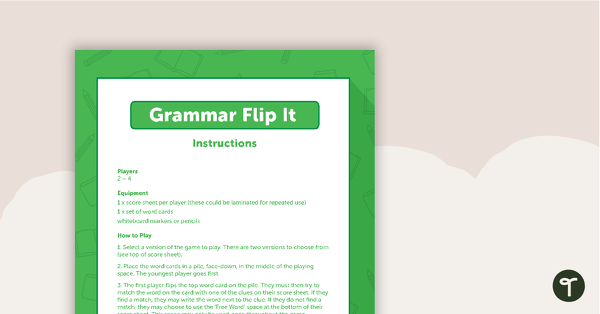
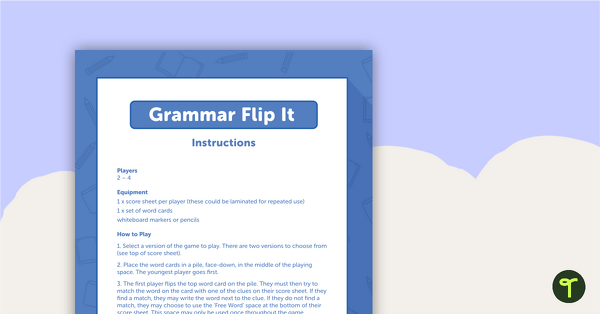
0 Comments
Write a review to help other teachers and parents like yourself. If you'd like to request a change to this resource, or report an error, select the corresponding tab above.