Math 1.6
Geometry and measurement. The student applies mathematical process standards to analyze attributes of two-dimensional shapes and three-dimensional solids to develop generalizations about their properties. The student is expected to:
- (1) classify and sort regular and irregular two-dimensional shapes based on
attributes using informal geometric language;
- (A) distinguish between attributes that define a two-dimensional or three-dimensional figure and attributes that do not define the shape;
- (B) create two-dimensional figures, including circles, triangles, rectangles, and squares, as special rectangles, rhombuses, and hexagons;
- (C) identify two-dimensional shapes, including circles, triangles, rectangles, and squares, as special rectangles, rhombuses, and hexagons and describe their attributes using formal geometric language;
- (D) identify three-dimensional solids, including spheres, cones, cylinders, rectangular prisms (including cubes), and triangular prisms, and describe their attributes using formal geometric language;
- (E) compose two-dimensional shapes by joining two, three, or four figures to produce a target shape in more than one way if possible;
- (F) partition two-dimensional figures into two and four fair shares or equal parts and describe the parts using words; and
- (G) identify examples and non-examples of halves and fourths.
- Free Plan
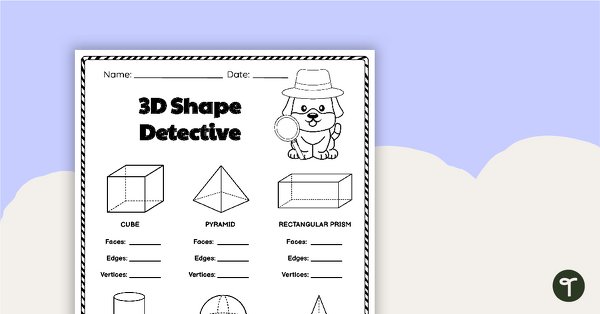
3D Shape Detective - Worksheet
Explore the properties of some common three-dimensional shapes with this printable worksheet.
- Free Plan
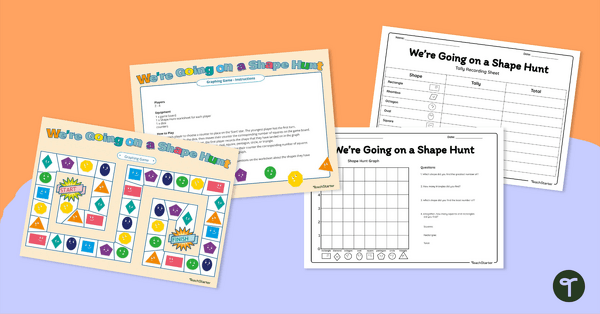
We're Going On a Shape Hunt! Graphing Game
Consolidate students' knowledge of 2D shapes while teaching about data collection, recording and graphing!
- Plus Plan
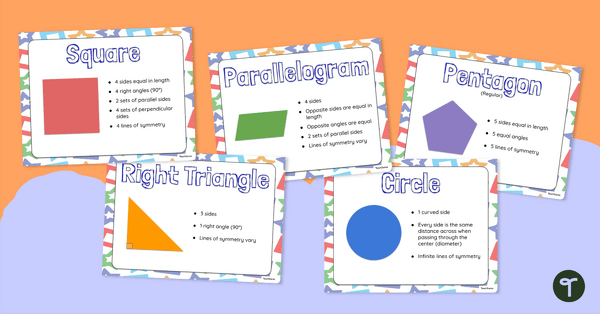
2D Shapes Anchor Chart Set
Hang this 2D shapes anchor chart set in your classroom to give students an easy reference for the attributes of two dimensional shapes.
- Plus Plan
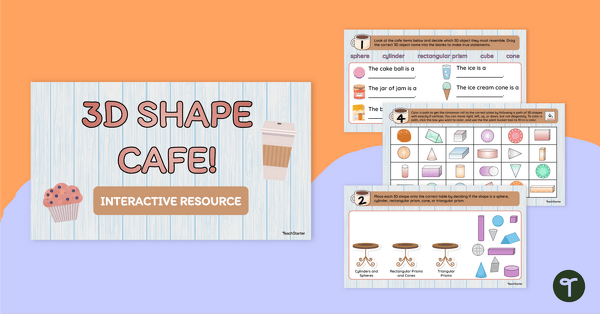
3D Shapes Cafe- Interactive Activity
Practice identifying 3D shapes and their properties in multiple ways with this engaging interactive activity.
- Plus Plan
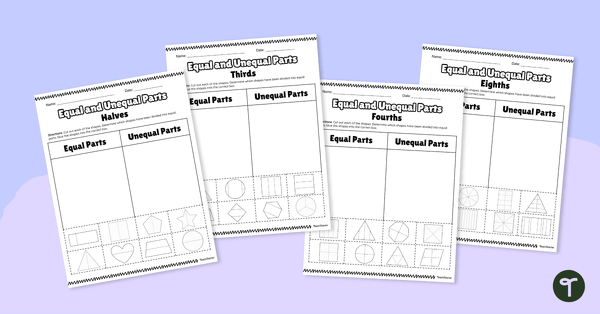
Equal and Unequal Parts – Basic Fraction Worksheets
Determine if shapes have been partitioned into equal parts with this fraction worksheet pack designed for first and second-grade students.
- Plus Plan
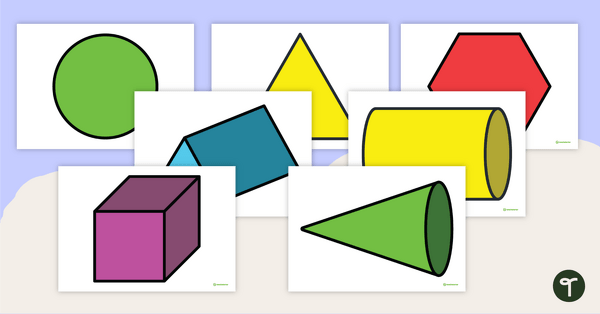
2D and 3D Shape Flashcards
Explore 2D shapes and 3D objects with this set of 20 full-page flashcards.
- Plus Plan
Drawing 2-D Shapes Worksheet
A worksheet asking students to draw specific 2-D shapes.
- Plus Plan
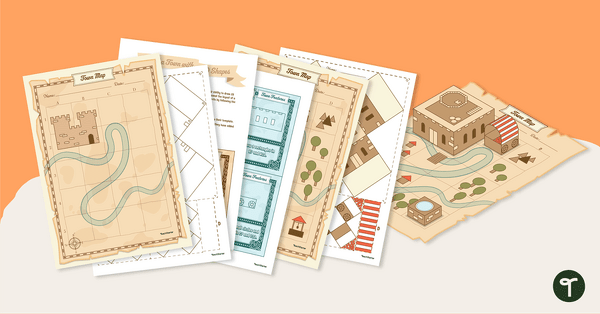
Ye Olde Geometry Town Project
Build a charming medieval town with our Ye Olde Geometry Town project, designed to give your students engaging hands-on practice with multiple geometry and social studies standards.
- Free Plan
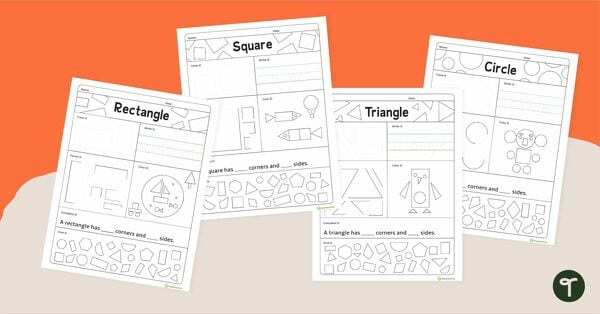
Free Shapes Worksheets for Kindergarten
Print your free Shapes Worksheets for kindergarten to practice shape identification.
- Plus Plan
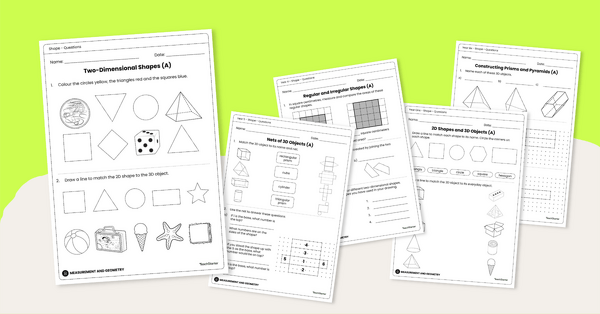
Shape Worksheet Sets (Kindergarten to 6th Grade Level)
Use these leveled worksheets sets with your elementary school students to explore 2D shapes and 3D shapes!
- Plus Plan
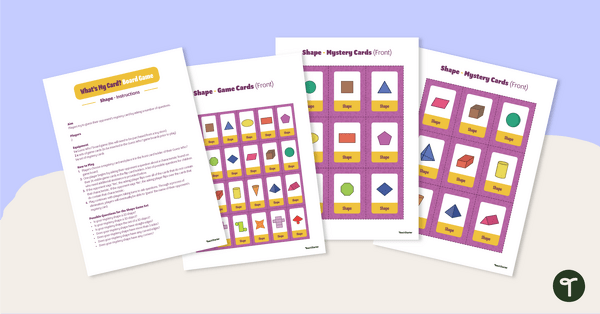
What's My Card? Shape Board Game
Consolidate knowledge of 2d shapes and 3D objects with a game of shape Guess Who!
- Plus Plan
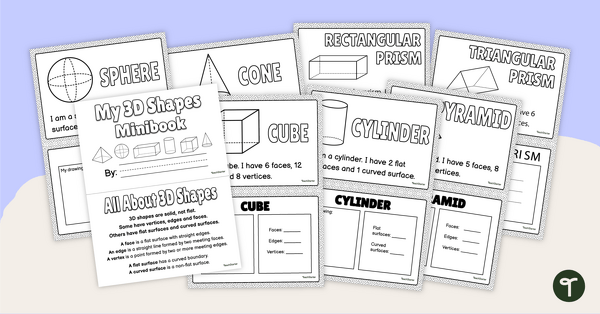
My 3D Shape Mini-Book
Explore the properties of some common three-dimensional shapes with this printable mini-book.
- Plus Plan
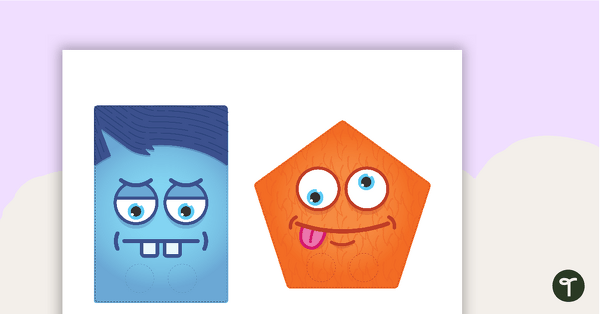
2D Shape Finger Puppets
Use these cute shape puppets when discussing 2-D shape names and their properties with your students.
- Plus Plan
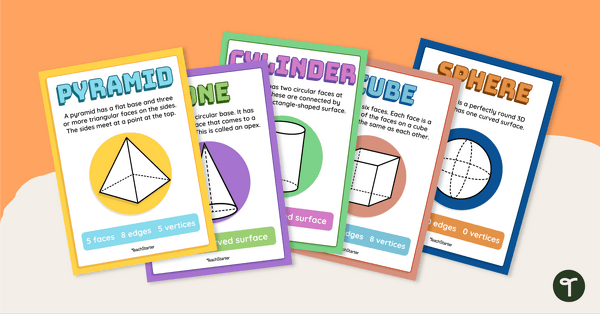
Properties of 3D Shapes - Poster Set
Help your students identify the names and properties of common 3D shapes with this set of five classroom posters.
- Plus Plan
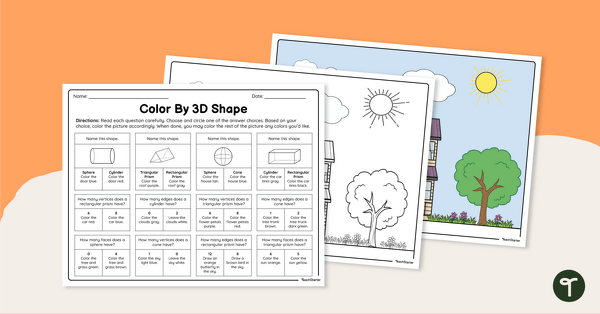
Color By 3D Shapes - Worksheet
Practice identifying 3D shapes and their attributes with a code-based coloring task!
- Plus Plan
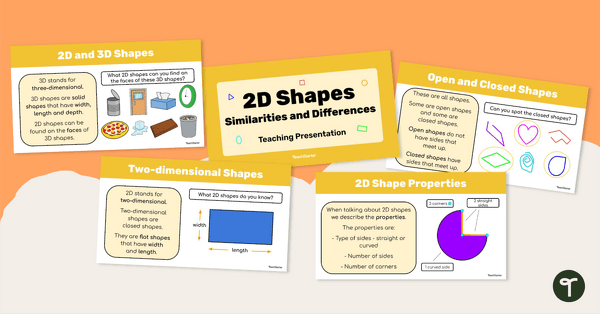
2D Shapes Similarities and Differences Presentation
This 18-slide deck supports teacher instruction to help enable students to identify similarities and differences between 2-D shapes.
- Plus Plan
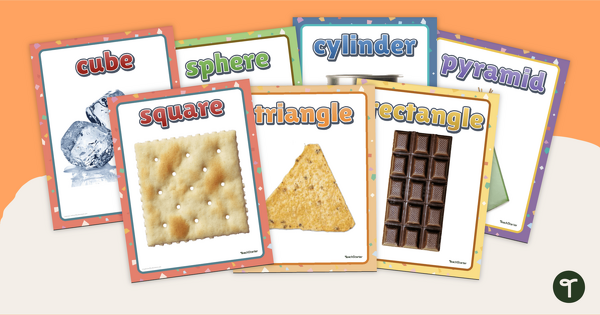
2D and 3D Shape Posters
Use this set of 14 brightly colored 2D and 3D shape posters to decorate your classroom and build academic vocabulary.
- Free Plan
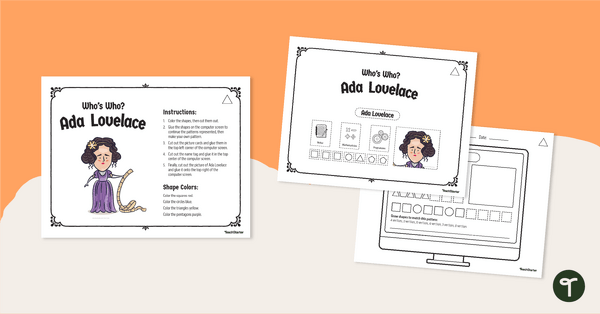
Ada Lovelace - Cut and Paste Shapes and Patterns Activity
Explore shapes and patterns with the female programmer, Ada Lovelace, with this cut-and-paste activity for young students.
- Free Plan
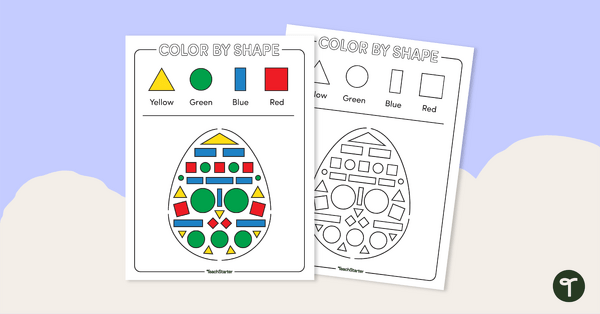
Color by 2D Shape - Egg
Practice identifying shapes and colors with this one-page worksheet.
- Plus Plan
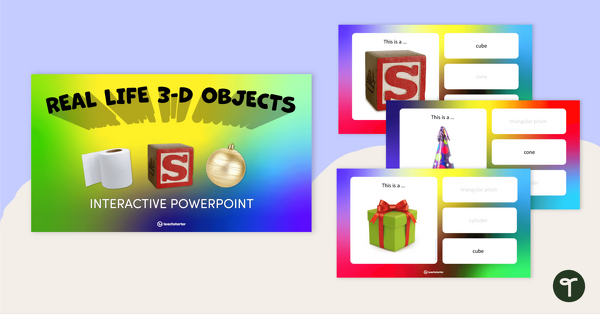
Real Life 3D Shapes – Interactive PowerPoint
Explore three-dimensional objects in the real world with this engaging interactive activity.
- Free Plan
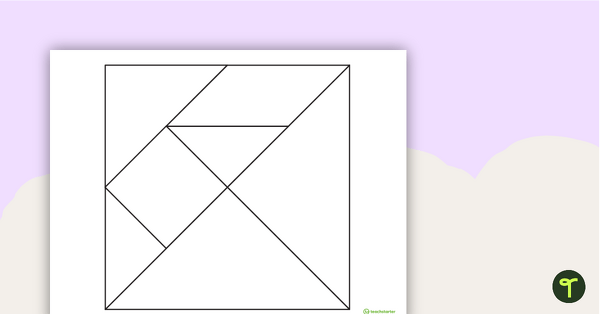
Tangram Pieces
A set of tangram pieces.
- Plus Plan
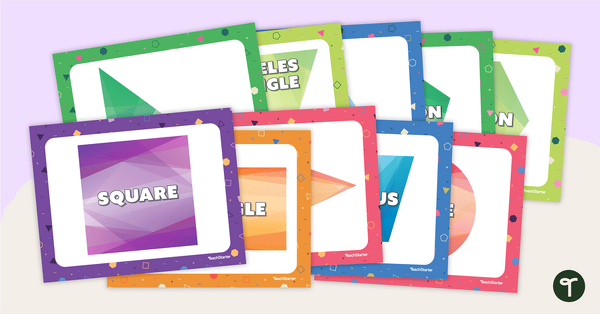
2D Shapes Poster Set
Use this set of 16 brightly colored 2D shapes with your geometry lessons.
- Plus Plan
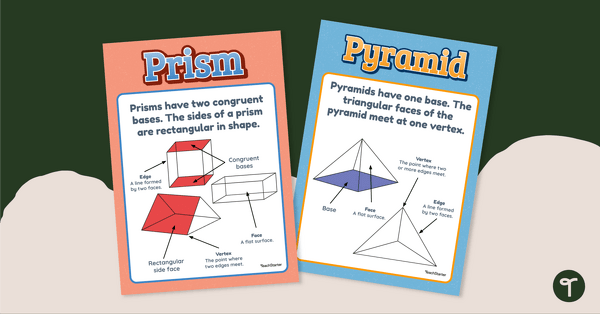
Properties of Pyramids and Prisms - Anchor Charts
Learn the properties of pyramids and prisms with these classroom posters.
- Free Plan
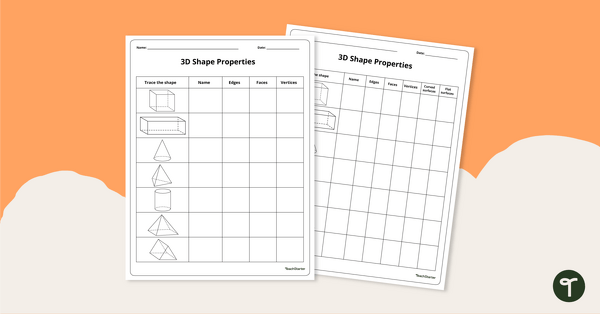
Attributes of 3D Shapes - Worksheet
A worksheet for students to practice giving attributes of 3D shapes.
- Plus Plan
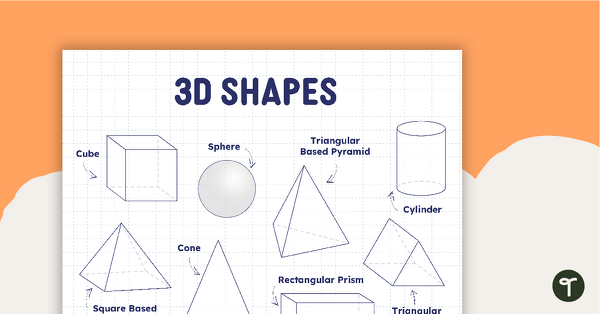
3D Shapes Anchor Chart
Learn the names of some common 3D shapes with this classroom anchor chart.
- Plus Plan
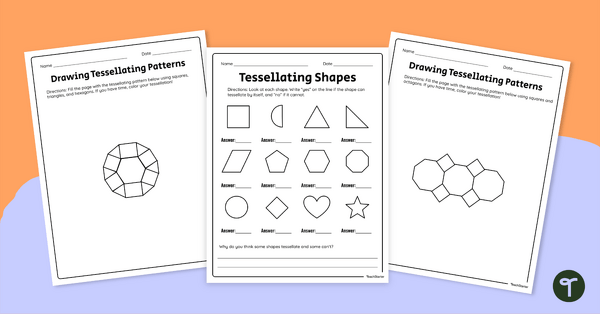
Tessellating Shapes Worksheet Set
Download this tessellating shapes worksheet set to introduce your students to the beauty of tesselations.
- Plus Plan
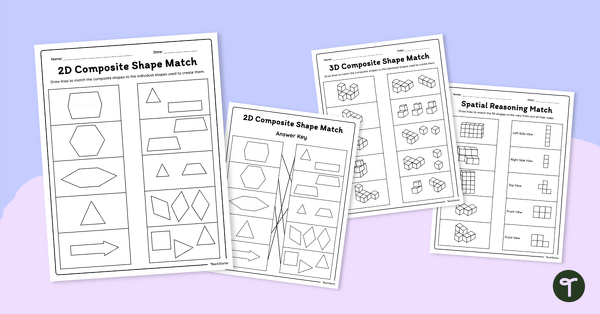
Spatial Reasoning Worksheets
Share these spatial reasoning worksheets with your students to help them master spatial relationship and composite shape standards.
- Plus Plan
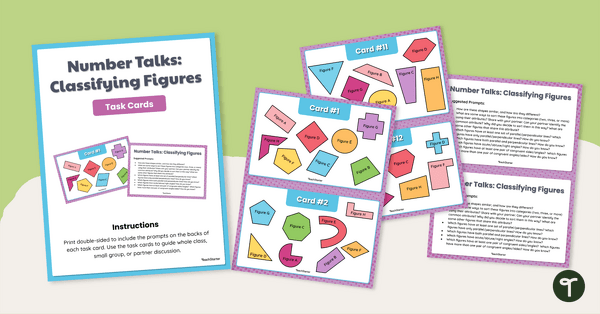
Classifying 2 Dimensional Shapes Number Talk Task Cards
Spark discussion with these classifying 2 dimensional shapes number talk task cards
- Plus Plan
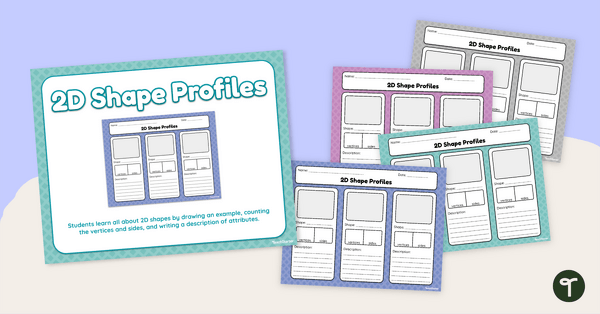
Attributes of Shapes Templates
Teach your students attributes of shapes by having them complete these 2D shape profiles that have many uses.
- Plus Plan
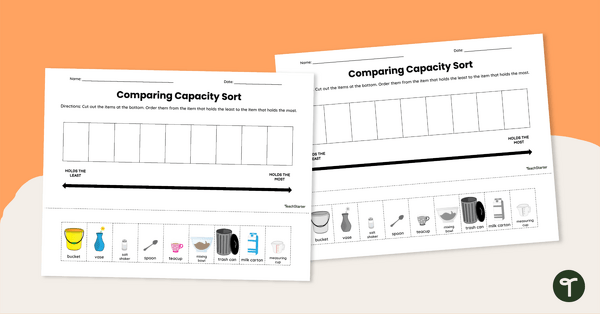
Comparing Capacity Kindergarten and 1st Grade Activity
Share this comparing capacity kindergarten and 1st grade activity with your students to introduce them to early measurement concepts.
- Plus Plan
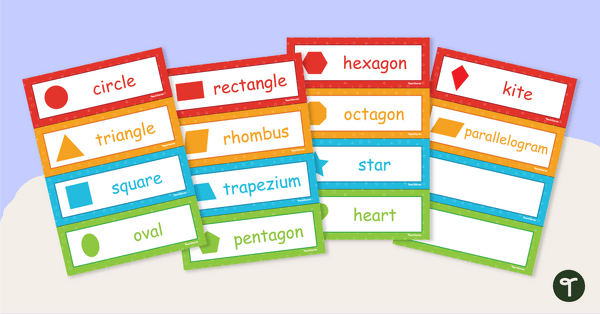
2D Shapes Flashcards
Use these 2D shapes flashcards to help familiarize your students with the most common two-dimensional shapes.
- Plus Plan
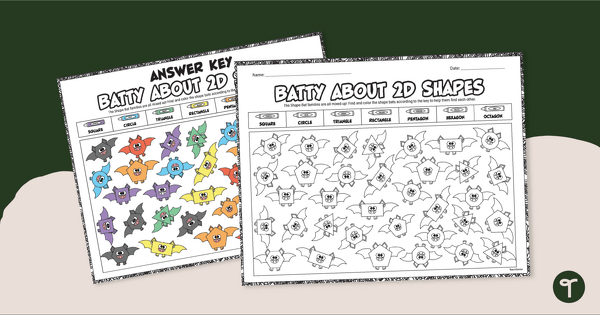
Halloween Shapes Worksheet - Batty for 2D Shapes
Go batty and identify the 2D shapes with a printable Halloween Shapes worksheet.