VC2E1LE03
discuss plots, characters and settings through a range of literary texts
- recognising similar characters and settings in a range of literary texts, for example traditional tales, narrative poems and fables
- discussing whether features of settings, including time (year, season) and place (country or city), are realistic or imagined
- discussing how plots develop, including beginnings (orientation), how the problem (complication) is introduced and how it is solved (resolution)
- Plus Plan
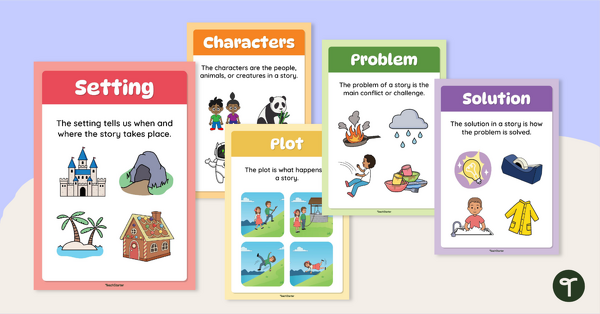
Story Elements Poster Set
Display this story elements poster set in your classroom when learning about narrative texts.
- Plus Plan
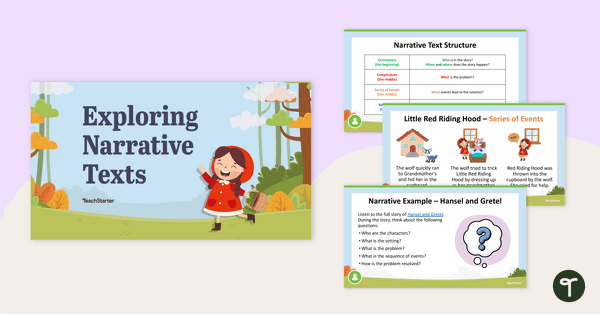
Exploring Narrative Texts PowerPoint
Teach your students about the key elements of narrative texts with this comprehensive teaching presentation.
- Plus Plan
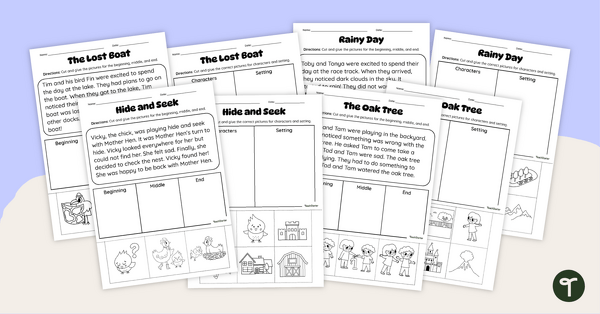
Beginning, Middle End Worksheets
Explore the main structure and story elements in a short story with these beginning, middle and end worksheets.
- Plus Plan
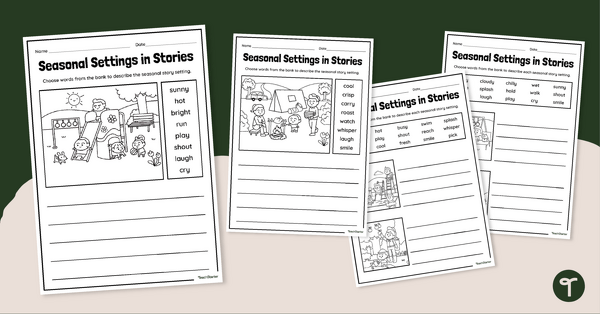
Seasonal Settings Descriptive Writing Task
Use this Seasonal Settings Descriptive Writing Worksheet Pack to help students strengthen their descriptive writing skills by exploring how different seasons influence the setting of a story.
- Plus Plan
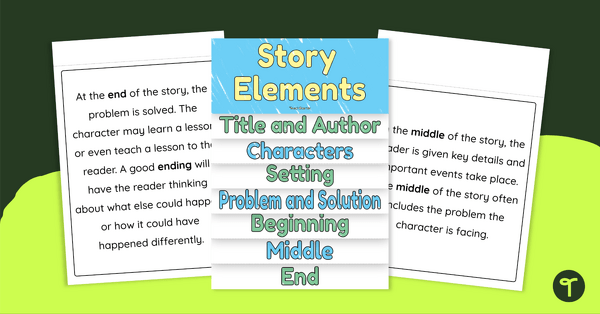
Narrative Elements Flipbook
Teach your students about narrative elements with this double-sided flipbook.
- Plus Plan
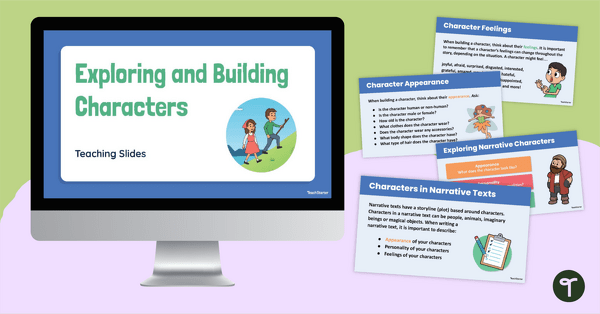
Exploring and Building Narrative Characters PowerPoint
Use this editable PowerPoint template when teaching younger students about how to build a character for a narrative text.
- Plus Plan
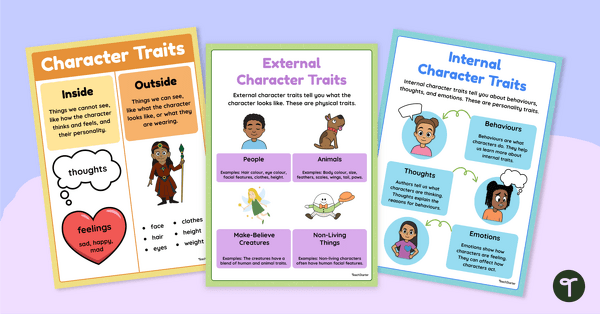
Character Traits Posters
Remind your students about the difference between external and internal character traits with this set of three classroom posters.
- Free Plan
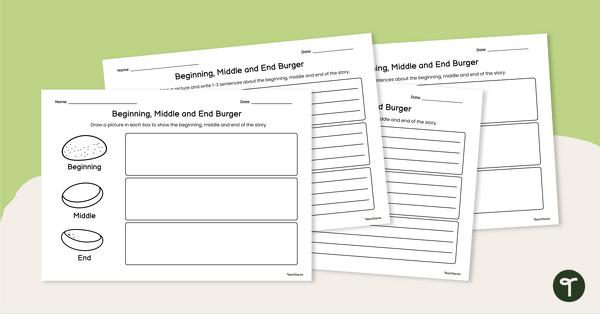
Story Beginning, Middle and End Graphic Organiser
Help your students write and draw about the beginning, middle and end of stories with this set of differentiated graphic organisers.
- Plus Plan
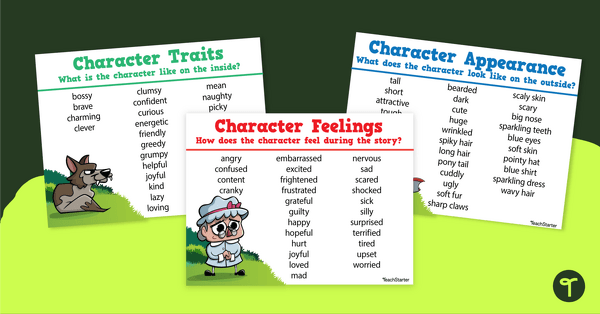
Character Traits, Feelings and Appearance - Posters
A set of 3 posters depicting words and phrases that can be used to describe a character's personality, feelings and appearance.
- Plus Plan
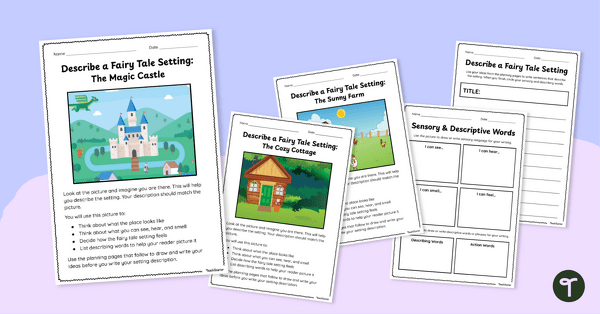
Describing Fairy Tales Settings: A Writing Activity
Guide students to describe fairy tale settings using visual prompts and scaffolded writing activities.
- Plus Plan
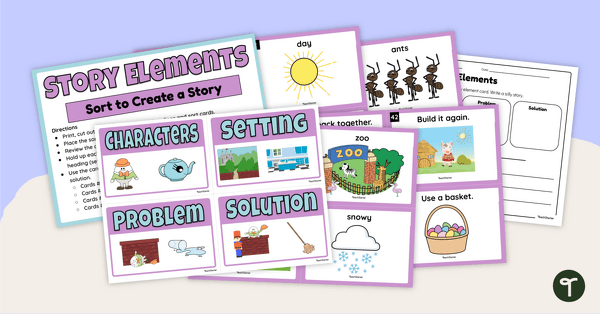
Create a Silly Story – Sorting Activity
Explore story characters, settings, problems and solutions by creating a silly story!
- Plus Plan
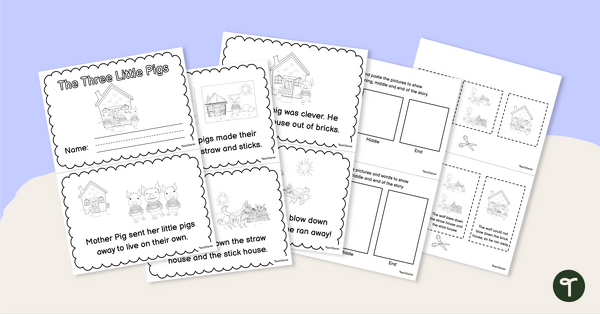
Beginning, Middle and End Mini-Book - The Three Little Pigs
Teach your students about the beginning, middle and end of a story with this mini-book retell of The Three Little Pigs.
- Free Plan
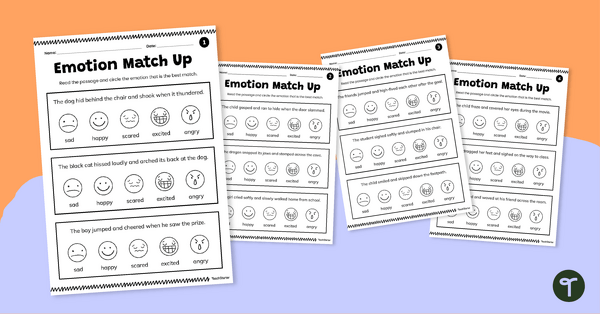
Emotion Match Passages Worksheet Pack
Help your students strengthen emotional vocabulary and early inferencing skills with this engaging set of Feeling Inferencing passages.
- Plus Plan
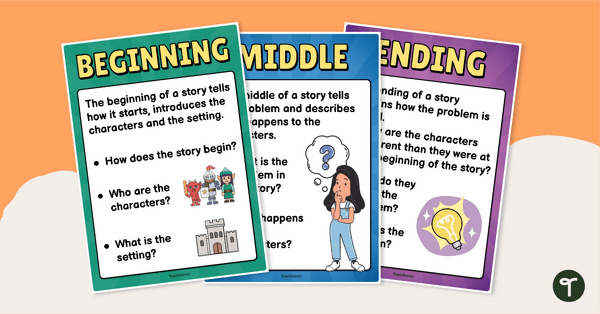
Beginning, Middle and End of Story Poster Set
Remind students of the elements that make up the beginning, middle and end of a story with this set of three posters.
- Plus Plan
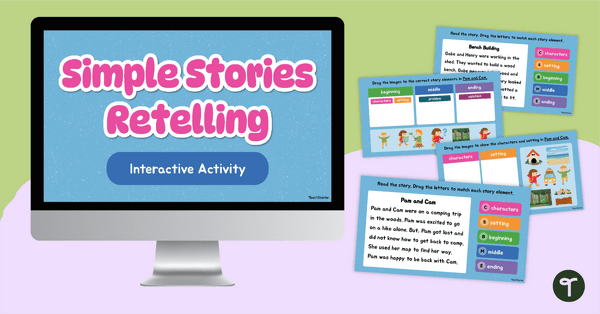
5 Elements of a Short Story Activity
Explore the 5 elements of a short story using this digital activity with five short stories.
- Free Plan
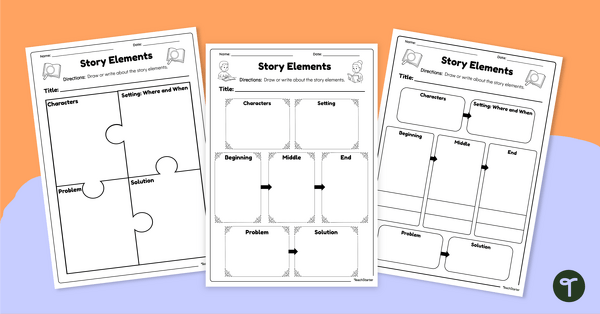
Narrative Elements Graphic Organisers – Portrait
Encourage your students to write and draw about various story elements with this set of differentiated graphic organisers.
- Plus Plan
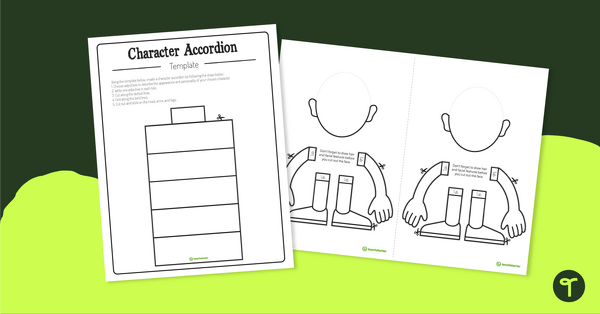
Character Adjective Concertina Template – Blank
Learn how adjectives can be used to describe a character's appearance and personality with a hands-on craft activity aligned to the English curriculum.
- Plus Plan
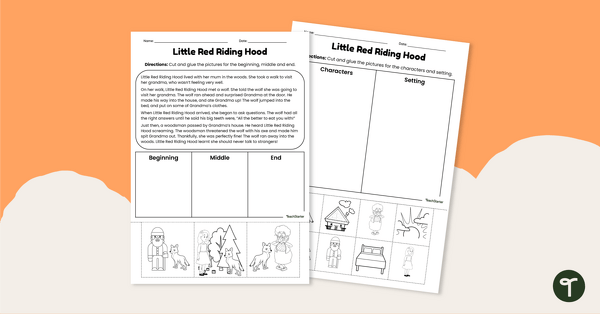
Story Elements Cut and Paste Worksheets – Little Red Riding Hood
Explore story characters, settings and main events with this set of cut-and-paste worksheets based on a well-known fairy tale.
- Plus Plan
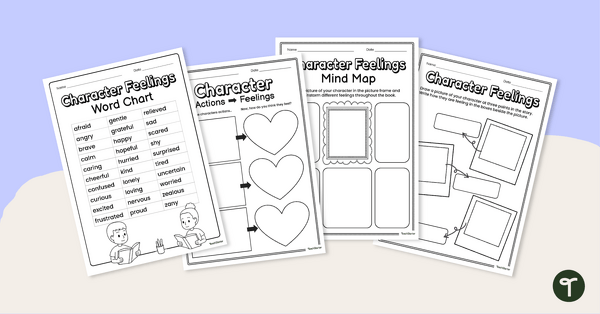
Character Emotions Chart and Worksheets
Explore character emotions in stories using this Character Emotions Chart and matching character Graphic Organisers
- Plus Plan
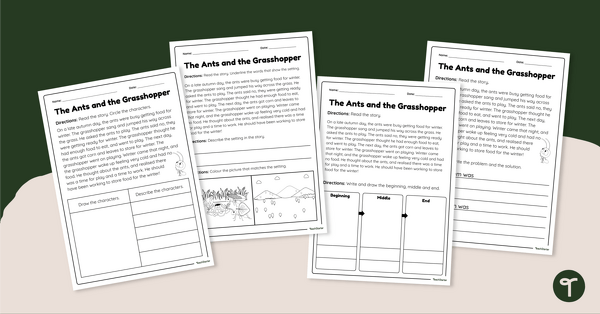
Story Elements Worksheets – The Ants and the Grasshopper
Practise identifying the story characters, settings and main events with this set of worksheets based on a traditional tale.
- Plus Plan
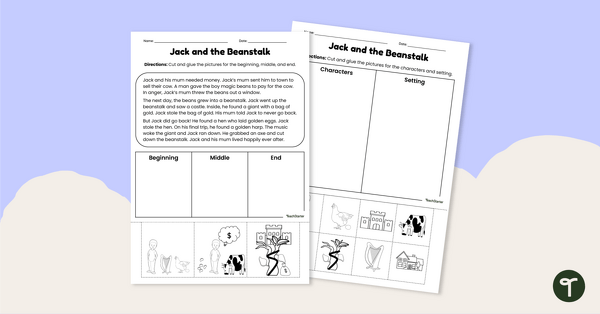
Story Elements Cut and Paste Worksheets – Jack and the Beanstalk
Explore story characters, settings and main events with this set of cut-and-paste worksheets based on a well-known fairy tale.
- Plus Plan
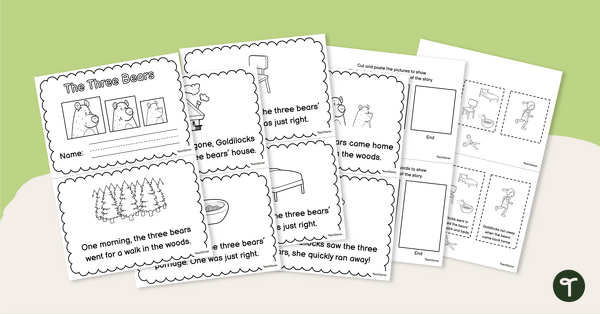
Beginning, Middle and End Mini-Book - The Three Bears
Teach your students about the beginning, middle and end of a story with this mini-book retell of The Three Bears.
- Plus Plan
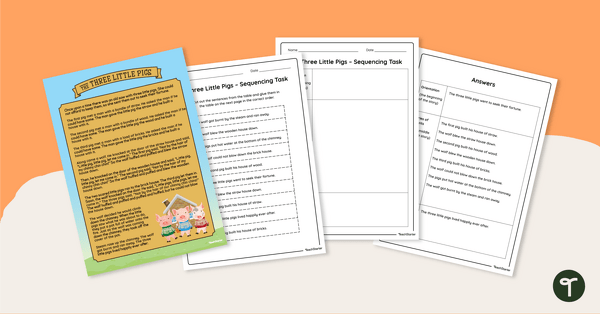
Three Little Pigs – Sequencing Worksheet
Identify the story beginning, series of events and ending with this narrative text sequencing activity.
- Plus Plan
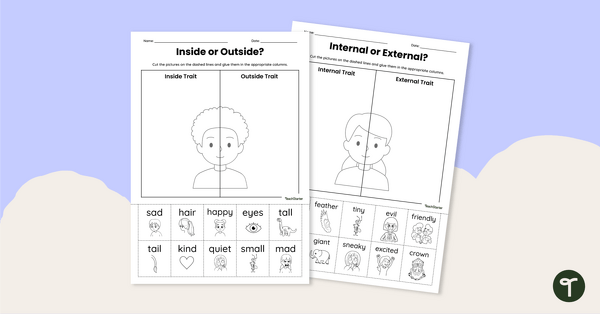
Internal and External Character Traits - Cut and Paste Worksheet
Explore the internal and external traits of story characters with this differentiated cut-and-paste worksheet.
- Plus Plan
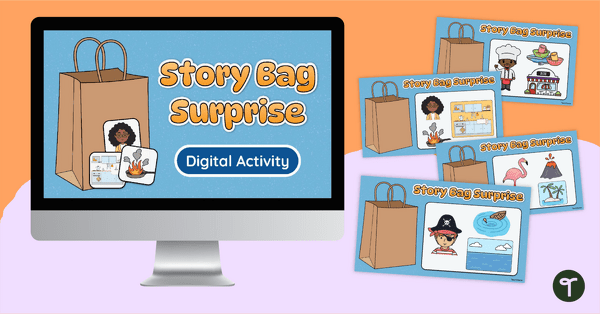
Story Bag Surprise - Story Elements Digital Activity
Introduce and explore different story elements with this story bag surprise digital activity for the whole class to enjoy.
- Plus Plan
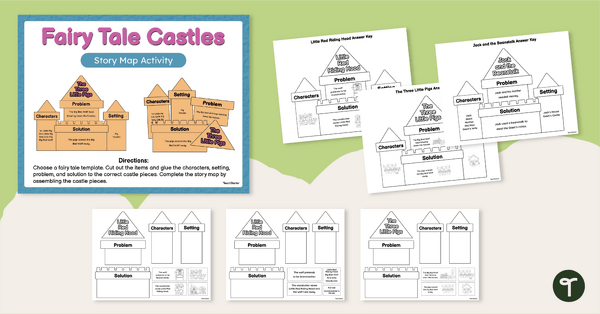
Narrative Elements Fairy Tale Sorting Activity
Explore narrative elements with this fairy tale sorting activity in the shape of a castle.
- Plus Plan
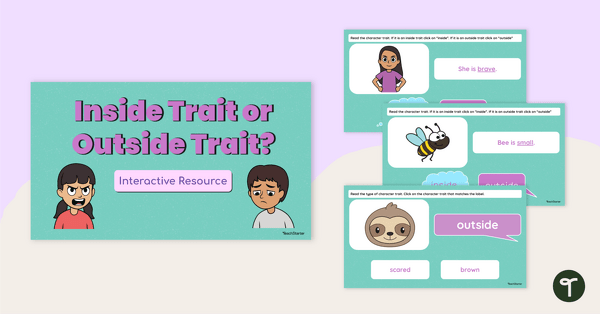
Inside Trait or Outside Trait? Interactive Game
Explore the internal and external traits of story characters with this interactive digital game.
- Plus Plan
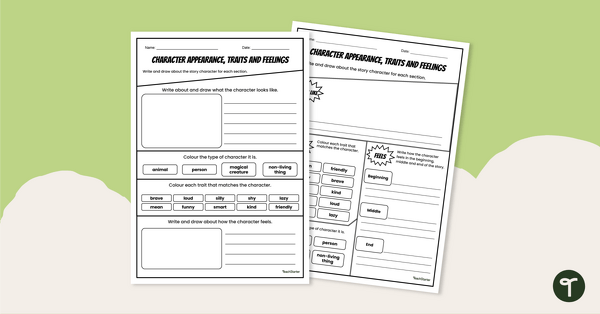
Character Appearance, Traits and Feelings - Worksheet
Explore and describe a character's personality, feelings and appearance with this differentiated worksheet to be used with any text.
- Plus Plan
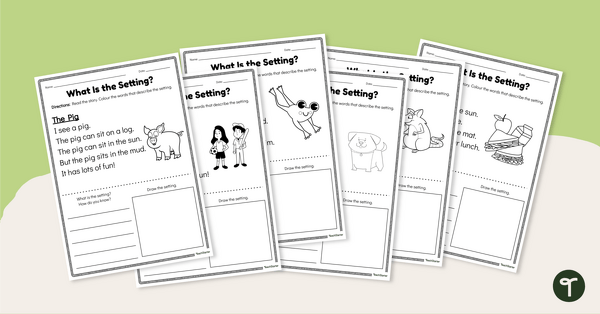
What Is the Setting? - Worksheets
Encourage your students to identify the setting in short and simple texts with this set of six worksheets.
- Plus Plan
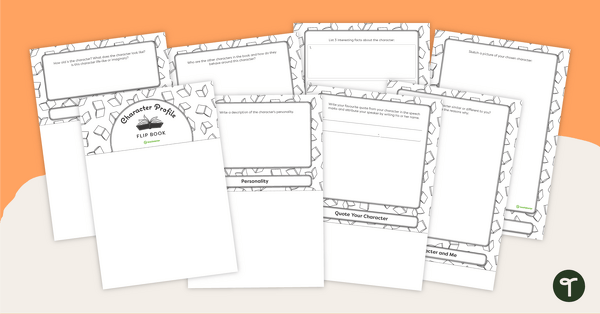
Character Profile Flip Book - Lower Primary
Explore story characters with this flipbook template for lower primary students.
- Plus Plan
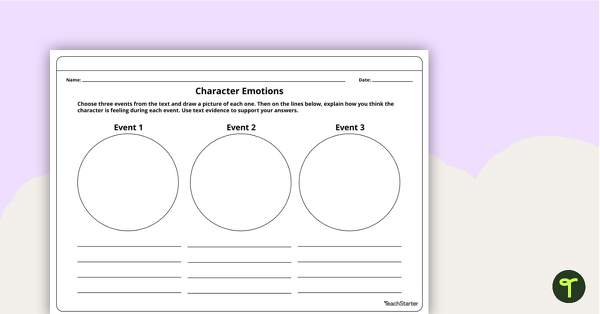
Character Emotions Worksheet
Make inferences about character's feelings with this one-page worksheet.
- Plus Plan
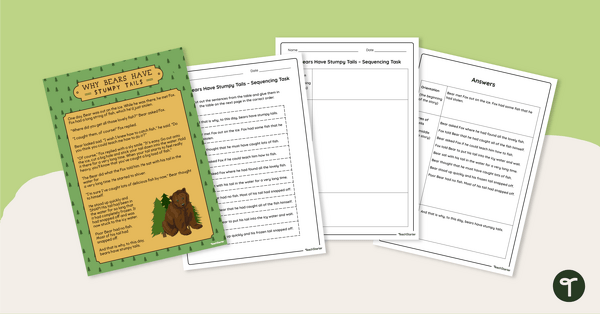
Why Bears Have Stumpy Tails – Sequencing Worksheet
Identify the story beginning, series of events and ending with this narrative text sequencing activity.