VC2E4LY08
identify the characteristic features used in different types of texts to meet the purpose and audience of the text
- identifying how authors use language to create imaginary worlds
- identifying how authors use techniques, such as headings, italics and bold text, to support readers or viewers to navigate specific texts
- identifying visual features such as images and layout used in informative texts to complement, add to or shape understanding of a topic
- Plus Plan
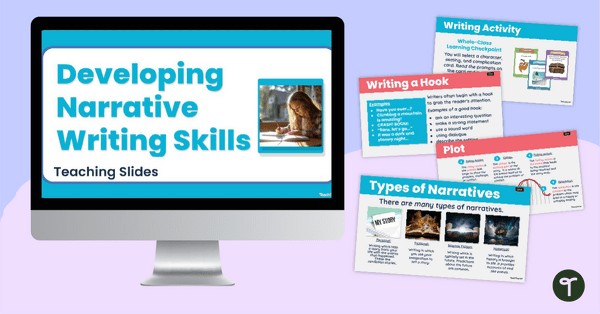
Developing Narrative Writing Skills PowerPoint - Year 3 and Year 4
Teach your students about the structure and language features of narrative texts with an engaging interactive Narrative Writing Teaching Slide Presentation.
- Plus Plan
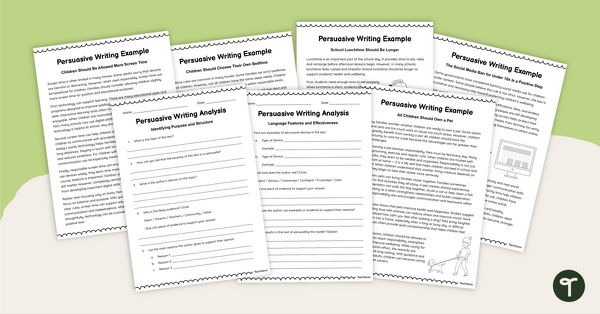
Persuasive Writing Examples and Analysis Worksheet
Use these persuasive writing examples to teach your students how purpose, structure and language features work together in strong persuasive texts.
- Plus Plan
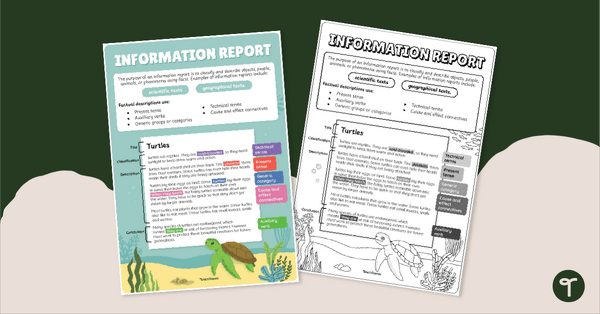
Information Report Text Type Poster With Annotations
Display this information report with annotations to help students identify the structure of this type of text.
- Plus Plan
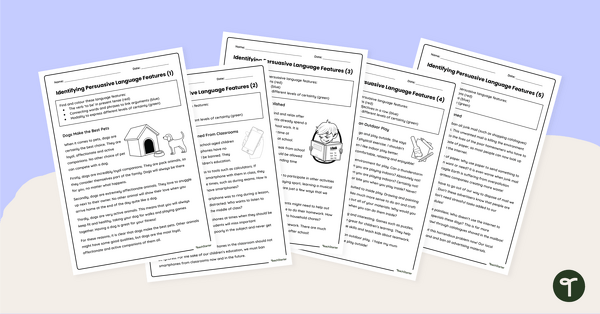
Identifying Persuasive Language Worksheets
Explore persuasive language with your students using this set of five persuasive texts on a variety of age-appropriate topics.
- Plus Plan
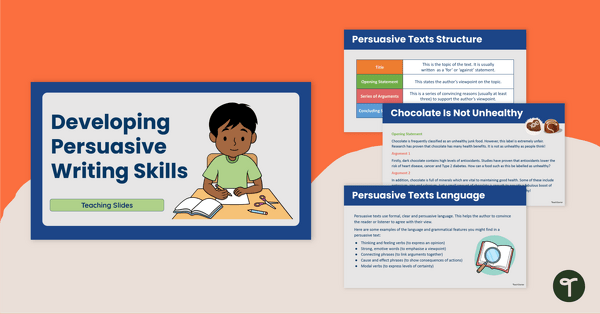
Developing Persuasive Writing Skills Teaching Slides
Teach your students persuasive writing skills with these interactive teaching slides specifically created for Year 3 and 4 students.
- Free Plan
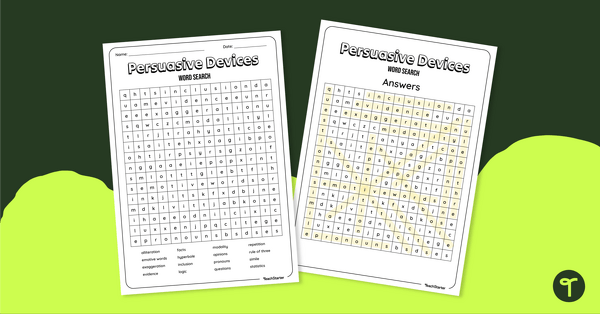
Persuasive Devices Word Search
Familiarise your students with the most common persuasive devices with a fun word search.
- Plus Plan
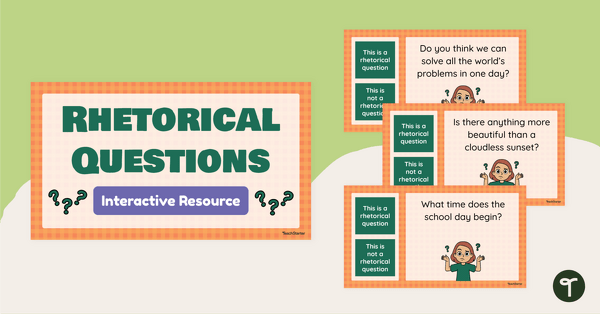
Rhetorical Questions Interactive Activity
Explore rhetorical questions with your students using this digital game perfect for your persuasive writing lessons.
- Plus Plan
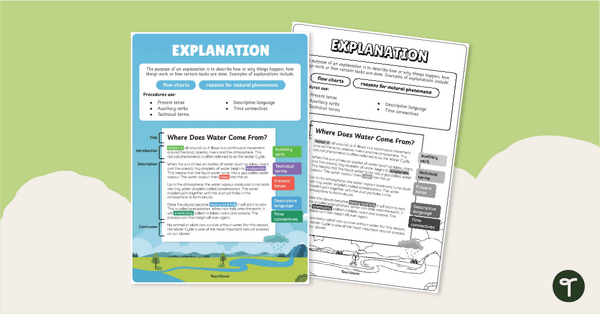
Explanation Text Type Poster With Annotations
Display this explanation text with annotations to help students identify the structure of an explanation.
- Plus Plan
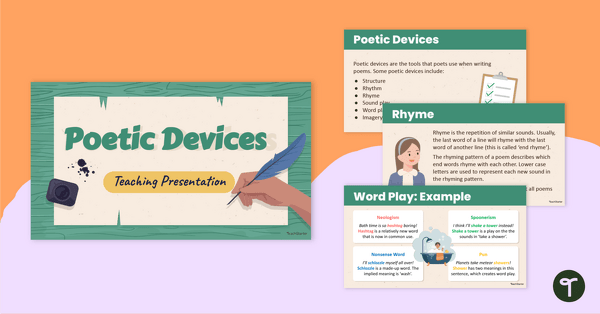
Poetic Devices Teaching Slides
Explore examples of poetic devices using this comprehensive and age-appropriate slide deck perfect for your poetry writing unit.
- Plus Plan
Developing Report Writing Skills Teaching Slides
Use this slide deck to teach your students about the purpose, structural elements and language features of information reports.
- Plus Plan
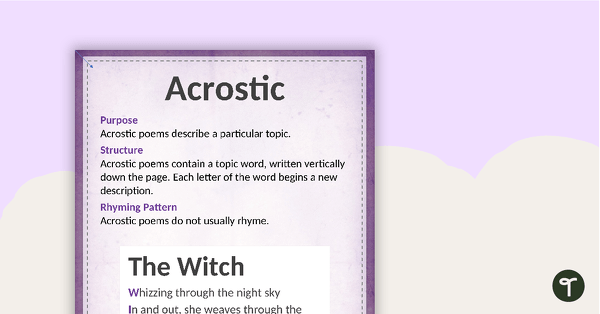
Types of Poetry Posters with Annotations
Use this set of 9 annotated posters when introducing structured forms of poetry to your students.
- Plus Plan
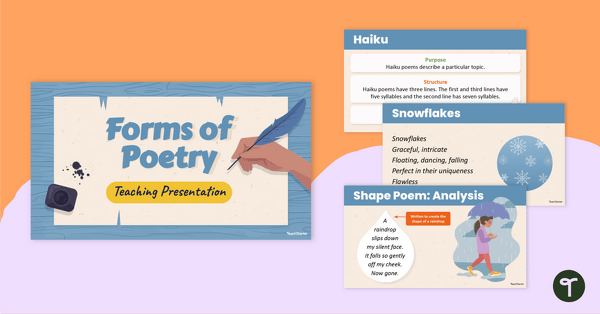
Forms of Poetry Teaching Slides
Explore the different forms of poetry with your students using this comprehensive and age-appropriate slide deck.
- Plus Plan
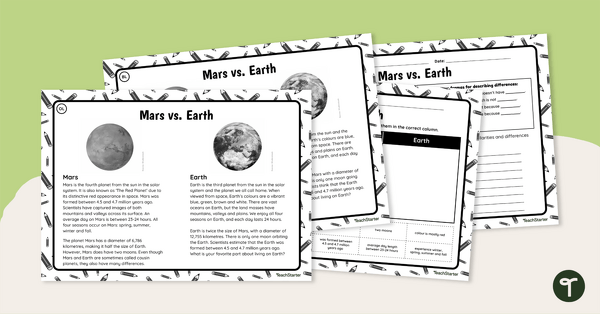
Mars vs. Earth - Differentiated Paired Passage Worksheets
Learn about the planets with differentiated compare and contrast passages, activities and writing opportunities.
- Plus Plan
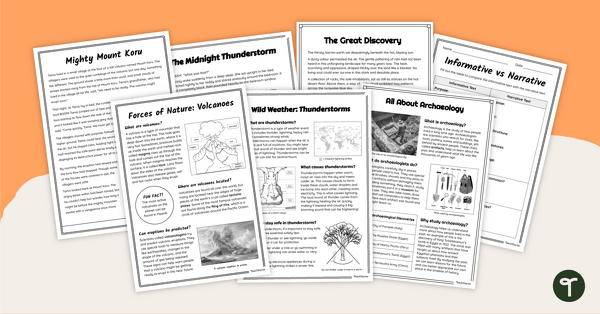
Comparing Narrative and Informational Text Worksheets
Use this set of comparing narrative and informational text worksheets to examine the purpose and features of these two common genres.
- Plus Plan
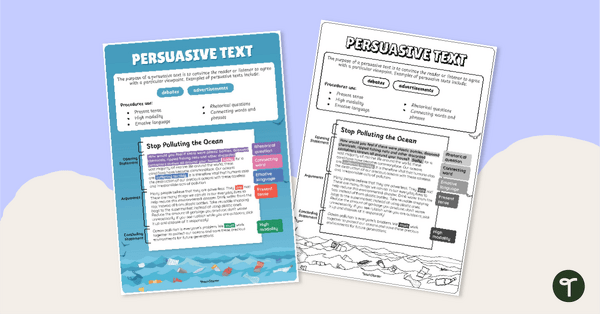
Persuasive Text Type Poster With Annotations
Display this Persuasive text with annotations to help students identify the structure of this type of text.
- Plus Plan
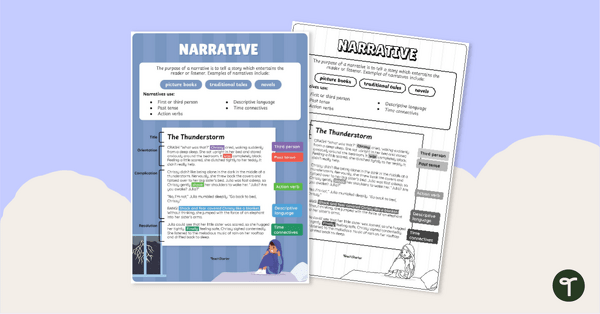
Narrative Text Type Poster With Annotations
Display this narrative text with annotations to help students identify the structure of a narrative.
- Plus Plan
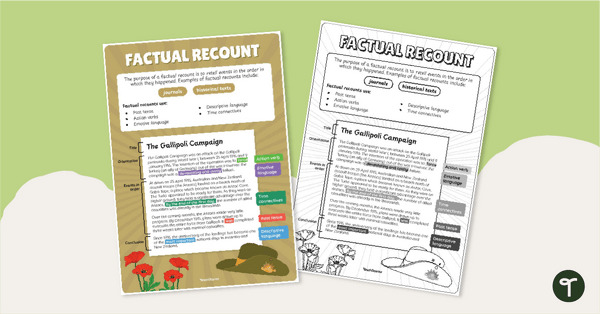
Factual Recount Text Type Poster With Annotations
Display this Factual Recount text with annotations to help students identify the structure of this type of text.
- Free Plan
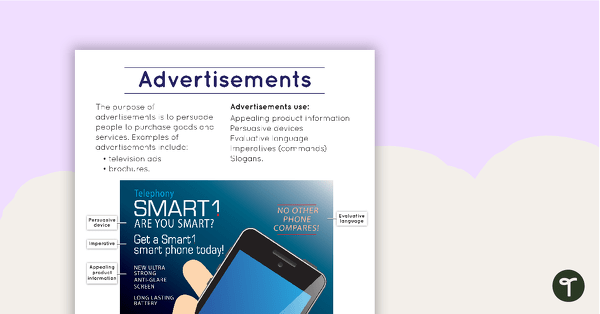
Advertisement Text Type Poster With Annotations
A poster about advertisements, including an annotated example.
- Plus Plan
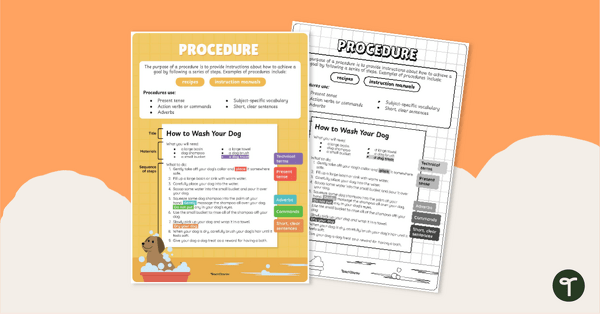
Procedure Text Type Poster With Annotations
Display this procedure text with annotations to help students identify the structure of a procedure.
- Free Plan
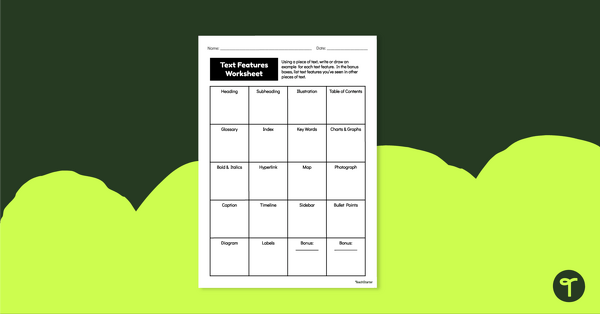
Nonfiction Text Features Worksheet
Download this nonfiction text features worksheet so students can practice locating different types of text features found in an information text.
- Plus Plan
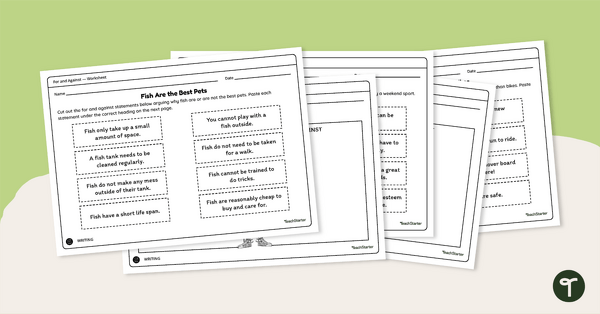
For and Against Worksheets
Explore 'for' and 'against' arguments for five different topics with this set of 'for' and 'against' sorting activities.
- Plus Plan
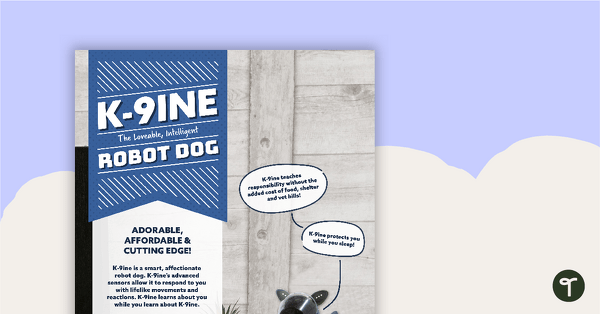
Advertisement Worksheet – K-9ine the Robot Dog
A comprehension worksheet for a persuasive magazine advertisement about a robotic dog.
- Plus Plan
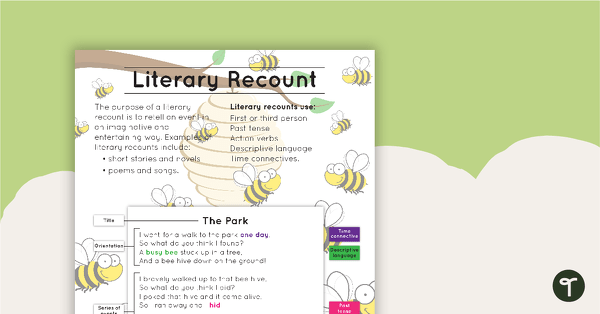
Literary Recount Text Type Poster With Annotations
A poster about literary recounts, including an annotated example.
- Plus Plan
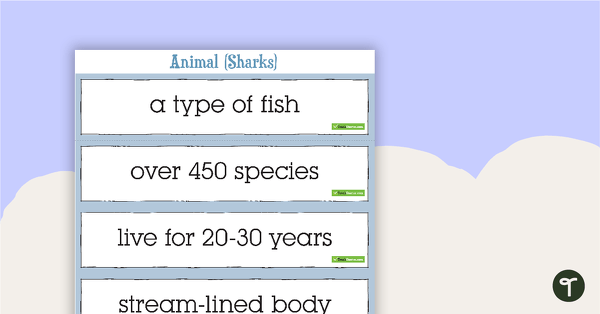
Fact File Sorting Activity
Use this fact sorting activity to teach your students about informative writing.
- Plus Plan
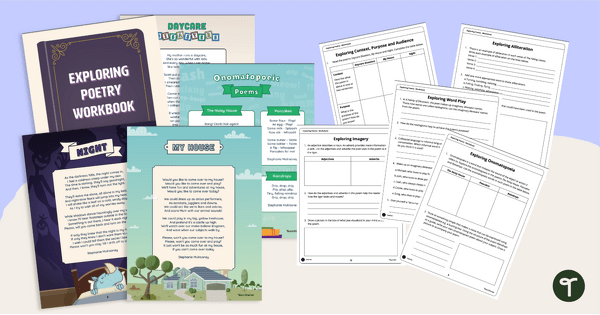
Exploring Poetry Workbook
Teach your students about all things poetry with this jam-packed poetry workbook created especially for primary school students.
- Plus Plan
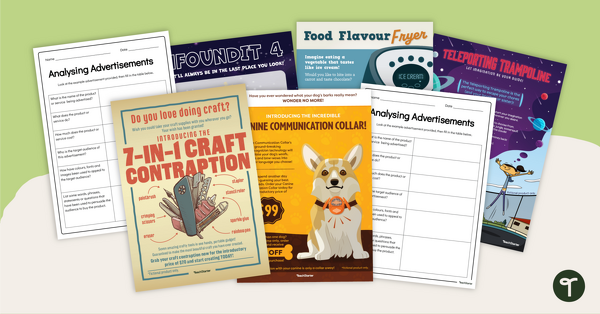
Advertisement Examples and Analysis Worksheets
Use these advertisement examples with accompanying analysis worksheets to teach your students about the purpose, structure and language features of product advertisements.
- Plus Plan
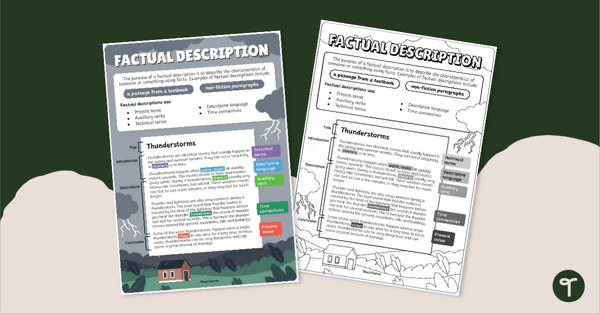
Factual Description Text Type Poster With Annotations
Display this factual description with annotations to help students identify the structure of this type of text.
- Plus Plan
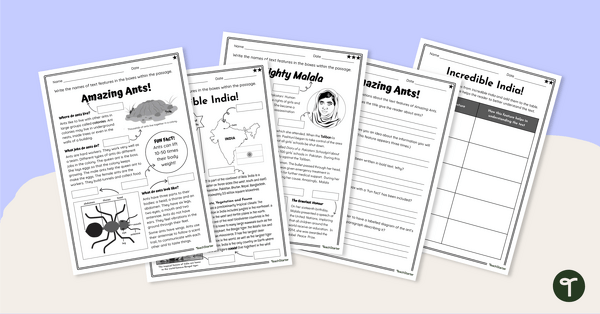
Label the Non-Fiction Text Features Worksheets
Have your students label text features in non-fiction texts with this set of three differentiation text features worksheets.
- Plus Plan
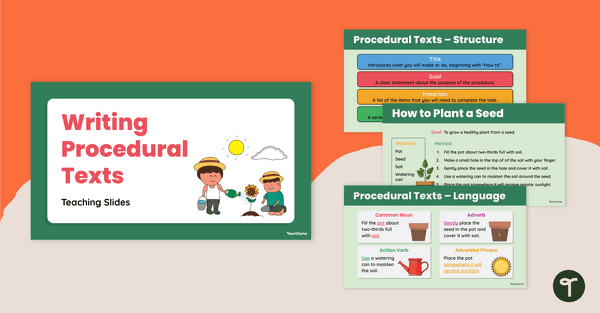
Writing Procedural Texts Teaching Slides
Use this procedural writing PowerPoint to teach your students about the purpose, structural elements and language features of procedure texts.
- Plus Plan
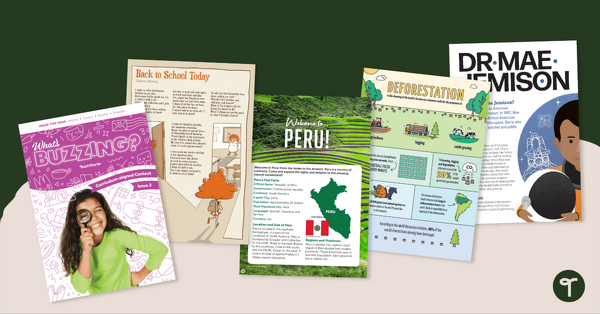
Year 4 Magazine – What’s Buzzing? (Issue 2)
A beautifully designed, 24-page reading magazine specifically designed for Year 4 students.
- Free Plan
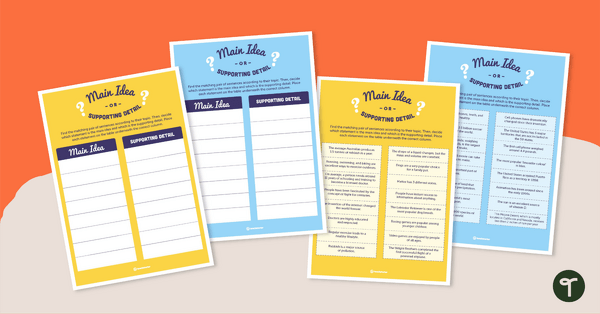
Main Idea or Supporting Detail? – Sorting Activity
An activity for students to determine which of 2 related facts is a main idea and which is a supporting detail.
- Plus Plan
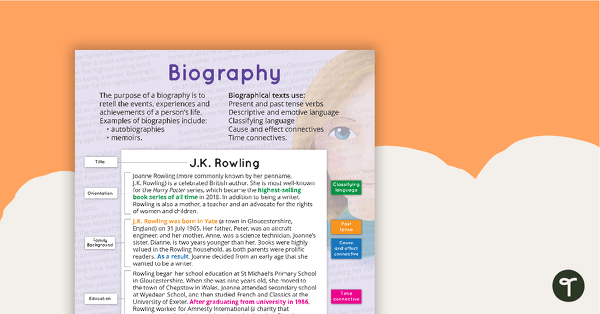
Biography Poster With Annotations
Use this biography poster to introduce your students to the structure and language features of biography writing through an annotated example.