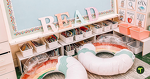

Decorating your classroom… whether you love it or dread it, it’s one of the first (and biggest!) steps in setting the tone for your school year.
But if you’ve been scrolling through teachers’ Instagram lately, you’ve probably noticed that classroom decor is changing. It’s no longer about filling every wall with bright displays. Instead, teachers are creating intentional, student-centered spaces that feel calm, functional, and welcoming. Think: softer lighting, natural textures, flexible setups, and displays that grow with student learning, not just décor that fills the walls.
If you’ve ever stood in an empty classroom wondering, “Where do I even start?”, you’re not alone. We’ve all been there! That’s why our teacher team at Teach Starter has rounded up a mix of practical ideas to help you build a space that works for both you and your students.
The most memorable classrooms reflect the students who learn there, not just the teacher who decorated them.
Classroom Decoration Ideas for 2026
1. Create a Flexible Clothesline Display
Looking for an easy, low‑effort way to display student work without committing to a full bulletin board? Try a simple clothesline display.
String a line across your classroom using ceiling hooks or wall anchors, and use clothespins to hang student work, anchor charts, or classroom visuals. It’s quick to set up, easy to update, and keeps your displays feeling fresh throughout the year.
Bonus: This approach creates a more flexible, gallery-style display that can grow and change right along with your students’ learning.
2. Use Peel & Stick Wallpaper
Do you want to transform part of your classroom without painting or making permanent changes? Peel-and-stick wallpaper is still one of the easiest ways to refresh your space.

Use it as a bulletin board background, behind shelves, or even on small sections of your walls to create visual interest and tie your classroom design together. With so many patterns and textures available, it’s easy to find something that matches your color palette and overall classroom feel.
Even better? It’s easy to remove at the end of the year, making it a great option for shared or temporary classroom spaces.
3. Use Free Letter & Number Cutouts
Make your life a whole lot easier with blank number and letter cutouts that you can use on your bulletin boards, classroom doors, and just about everywhere else. Bonus: The templates are free to download now!
You can also download full bulletin board kits — letters, pictures and all!
4. Swap Bulletin Board Paper for Fabric
Now that you have your letters, let’s talk about the bulletin boards themselves!
If you’re looking for a simple way to upgrade your bulletin boards, fabric is a game-changer.
Instead of using traditional paper, cover your boards with fabric for a look that’s softer, more polished, and much longer‑lasting. Fabric won’t wrinkle, fade, or tear like paper, which means you can set it up once and leave it up all year—one less thing to worry about during a busy school year.
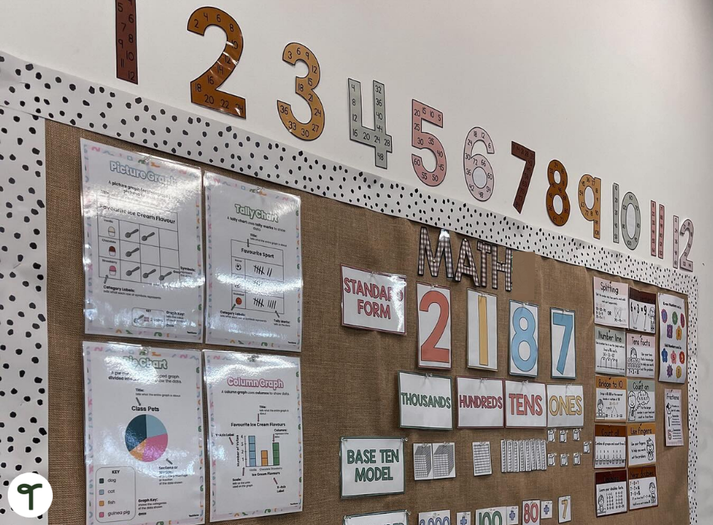
If you’re new to classroom decorating, here are a few tips from our Teach Starter teacher team to get started:
- Choose simple patterns or solid colors to keep your space feeling calm and not too busy
- Look for lightweight cotton or fabric rolls. They’re easy to work with and staple smoothly
- Iron or stretch the fabric tight before stapling to avoid wrinkles
- Use a staple gun or sturdy stapler and start from the center, working your way out to keep it even
You can also layer borders or add clips and pins to display student work, making your bulletin board both functional and easy to update.
Have an extra flat sheet lying around? Skip the bulletin board paper and use it as a background instead! Flat sheets are durable, easy to staple, and hold up beautifully throughout the school year. If you don’t have one at home, check out your local thrift store—you’ll often find affordable options in colors and patterns that fit perfectly with your classroom style.
5. Use Painter’s Tape to Hang Pictures Evenly
While you have the painter’s tape handy, we’ve got another one for you. If you’re hanging frames or shelves that require multiple nails, you don’t need to call another teacher or your favorite janitor to help you. Just grab your painter’s tape and tape along the back of the item you want to hang. Mark on the painter’s tape the spots where you’re going to need your nails or screws.
Now head to the wall with a level, tape the tape to the wall, drive in the nail or screw, and voila … perfectly spaced and ready for hanging!
6. Use Mirrors to Add Light and Space
Mirrors are one of the easiest (and most overlooked!) ways to brighten up your classroom.
Adding a few mirrors can help reflect natural light, making your space feel more open and inviting—especially if you don’t have a lot of windows. It’s a simple change that can make a big difference in how your classroom feels throughout the day.
And here’s the best part: you don’t need to spend a lot to make it happen.
Many teachers are leaning into thrifting right now to create more personalized, budget-friendly classrooms, and mirrors are a perfect place to start.
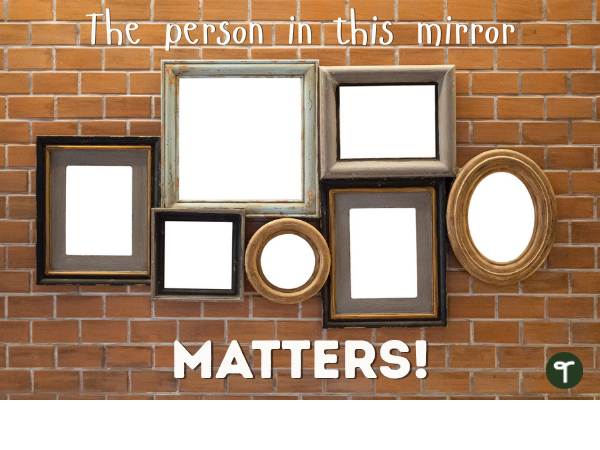
You can hang a mirror near your classroom entrance, add one to a calm-down space, or even create a small reflection station with positive affirmations. It’s a functional and stylish addition that helps your classroom feel more like a welcoming space than just a room. Or why not create a mirror wall with a strong message? They are so impactful in an elementary classroom or just outside in the hallway.
7. Soften Your Classroom Lighting
Once you’ve added mirrors to brighten your space, the next step is thinking about the lighting itself—because nothing changes the feel of a classroom faster than the lights you use.
Harsh fluorescent lighting can make even the most thoughtfully designed classroom feel cold and uninviting. It’s also not always the best choice for students throughout the day. Fluorescent lights can create a constant buzzing sound and subtle flickering that many students are sensitive to, even if they don’t realize it. Over time, this can contribute to eye strain, headaches, and difficulty concentrating.
Brighter, harsher lighting can also feel overstimulating, especially for younger students or those who are more sensitive to sensory input. This can make it harder for students to settle into tasks that require focus, like reading, writing, or independent work.
When possible, switch things up with softer lighting like desk lamps, clip lights, or string lights. Layering different light sources helps create a warmer, more relaxed atmosphere that supports focus and comfort throughout the day.
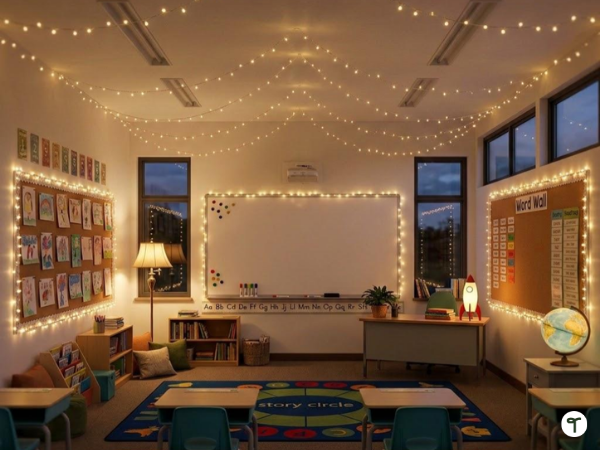
If you’re new to this, start small! Try turning off a few overhead lights during independent work or reading time, and turn on a lamp or two around the room. Even simple changes can make your classroom feel more inviting and help students settle into learning more easily.
Teacher Tip: Head to your local thrift store for lamps. They’re often much cheaper, and you’re giving them a second life instead of sending them to the landfill. That’s a win-win in our book!
8. Add a Classroom Snack Dispenser
Missing breakfast is a fact of life for some kids, and a rumbly tummy makes it hard to concentrate in school. That’s where a classroom snack dispenser can go a long way toward helping your students succeed.
Teacher Traci Bender of Virginia included this simple setup in her classroom, and she says it’s also great for simple rewards. Instead of plastic cups that would have to be cleaned (and load up the landfill), she included paper cupcake or baking cups as holders.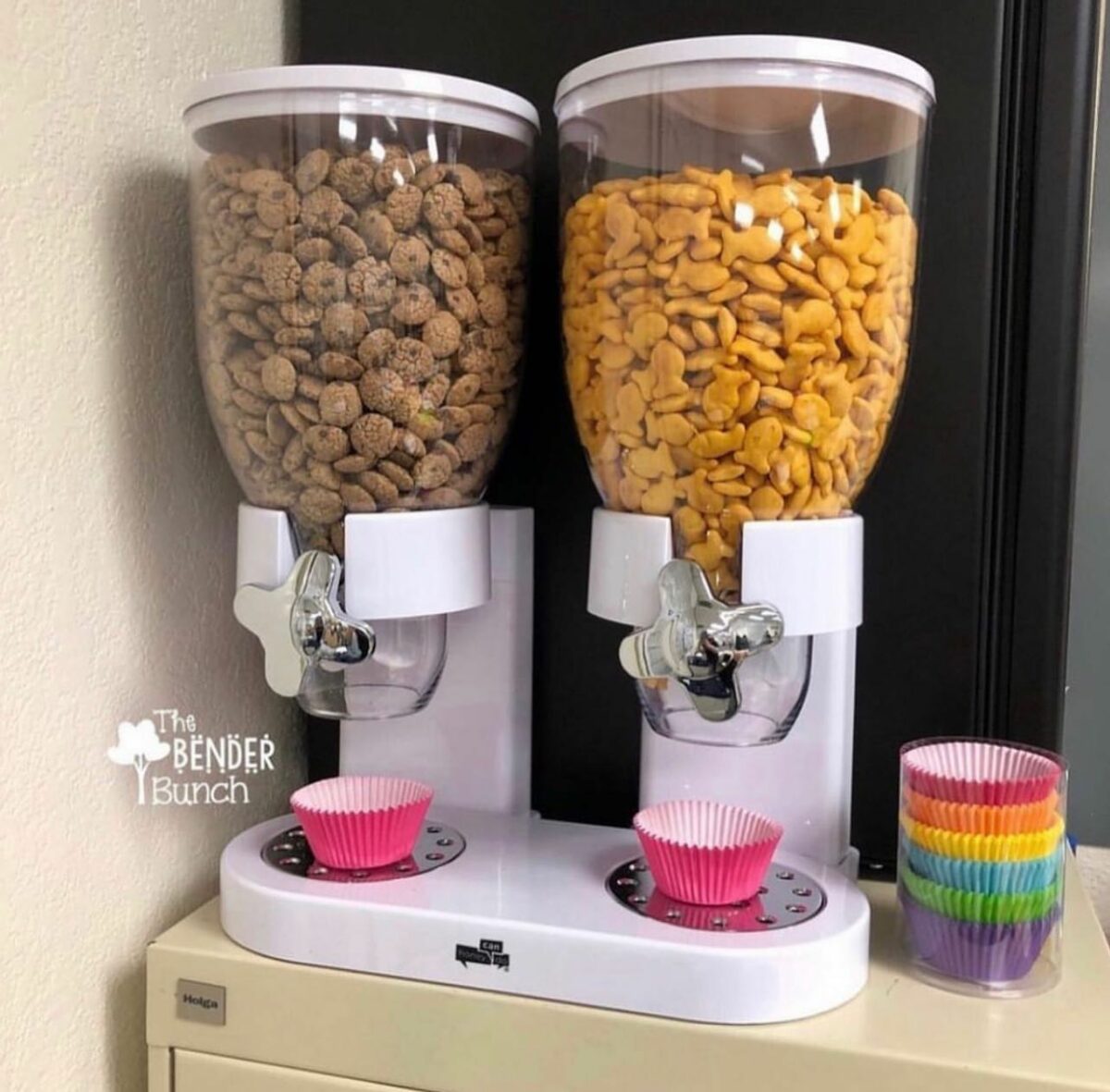
Photo courtesy of Virginia special education teacher Traci Bender
Be sure to check for any allergies among your students before adding this to your classroom setup.
9. Create a Pencil Dispenser
You’ve probably grabbed a straw from a dispenser a few thousand times over the years, but have you thought of using one of those dispensers for classroom pencils? Leave it to a kindergarten teacher to come up with this genius idea for storing her trusty Ticonderogas and making them easy for students to access!
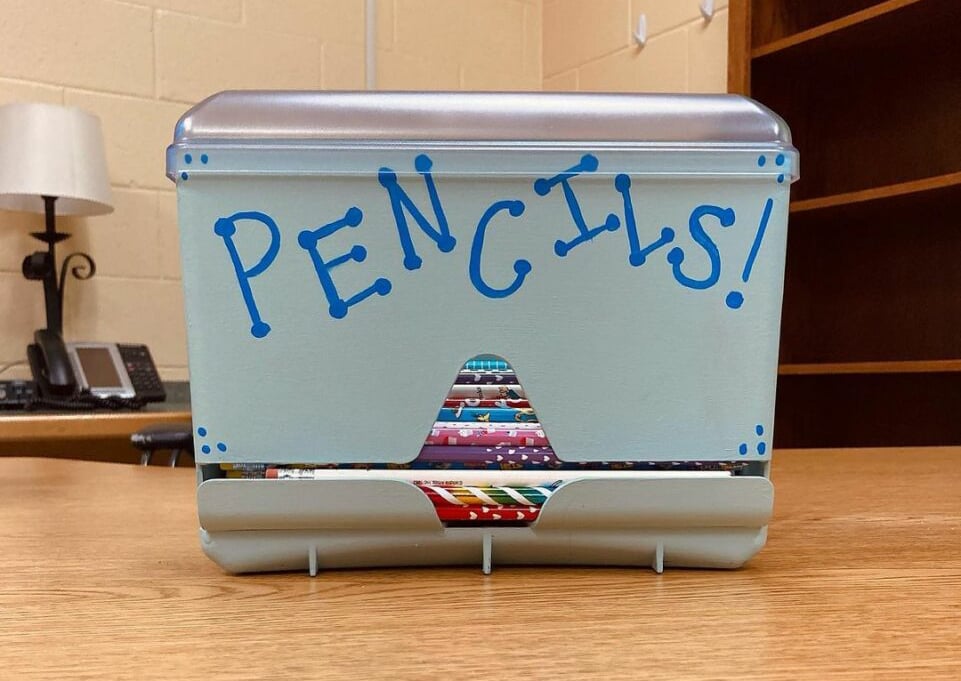
Photo courtesy of Kindergarten teacher Sarah Pennington of Atlanta, Georgia
Georgia kindergarten teacher Sarah shared this fun idea with Teach Starter, and we don’t think we’ll ever store pencils the old way again. Check your local restaurant supply store for a dispenser, or find one on Amazon.
Can’t find this kind of straw dispenser? You can also use the type that has a pull-up top — don’t worry, it’s plastic — after all, straws and pencils are about the same size.
10. Swap Bulletin Boards for Flexible Displays
Traditional bulletin boards aren’t your only option anymore.
If you love the look of gallery walls at home, why not bring that same idea into your classroom? Creating a flexible display wall allows you to showcase student work in a way that feels intentional, modern, and easy to update.
Try using simple options like clipboards, wall-mounted clips, or push-pin display systems to hold student work. These make it easy to swap pieces in and out regularly, keeping your displays fresh and meaningful without extra effort.
Want to make it even easier? Create your own display clips by hot-gluing clothespins to thumbtacks. This quick DIY trick makes it easy to push them into bulletin boards or walls—no stapler needed—and lets you change out student work in seconds.
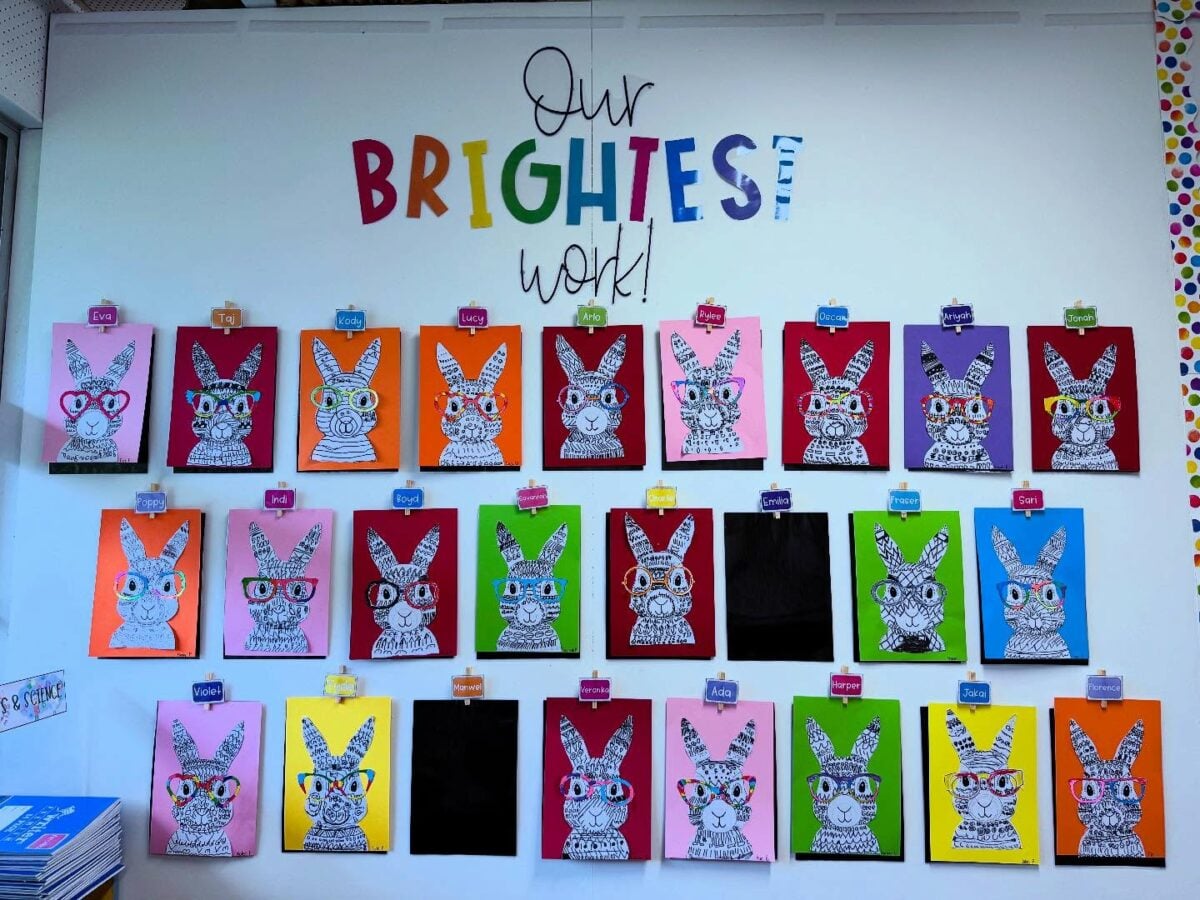
Photo courtesy of @misspodlichsclassroom
Miss Podlich took it a step further by creating name labels for each student and attaching them to the clothespins. This way, every piece of work on display is clearly labeled and celebrated.
Our classroom theme packs include perfectly sized name labels, making it easy to recreate this look in your own classroom.
The result is a clean, gallery‑style display that celebrates student learning in a way that feels more like a home‑away‑from‑home than a traditional classroom wall.
11. Bring in Greenery (Real or Faux)
Plants are one of the easiest ways to make a classroom feel calm and inviting. Bonus: Classroom plants can boost the overall mental well-being of the people around them — that’s you and your students!
Whether you choose real plants or low‑maintenance faux vines, adding greenery softens the space and creates a more relaxed learning environment. Try draping vines across shelves, placing small plants around the room, or creating a dedicated “green corner” to bring the outdoors in.
If you’re looking to take things a step further, consider turning that green corner into a true feature space.
A simple greenery wall can transform part of your classroom into a calming reading nook, a reset space, or even an interactive display area. The easiest way to create this look is by using interlocking faux greenery panels (like boxwood panels), which are widely available online. You can attach them using heavy-duty Command Strips or secure them with zip ties and magnetic hooks if you’re working with metal surfaces.
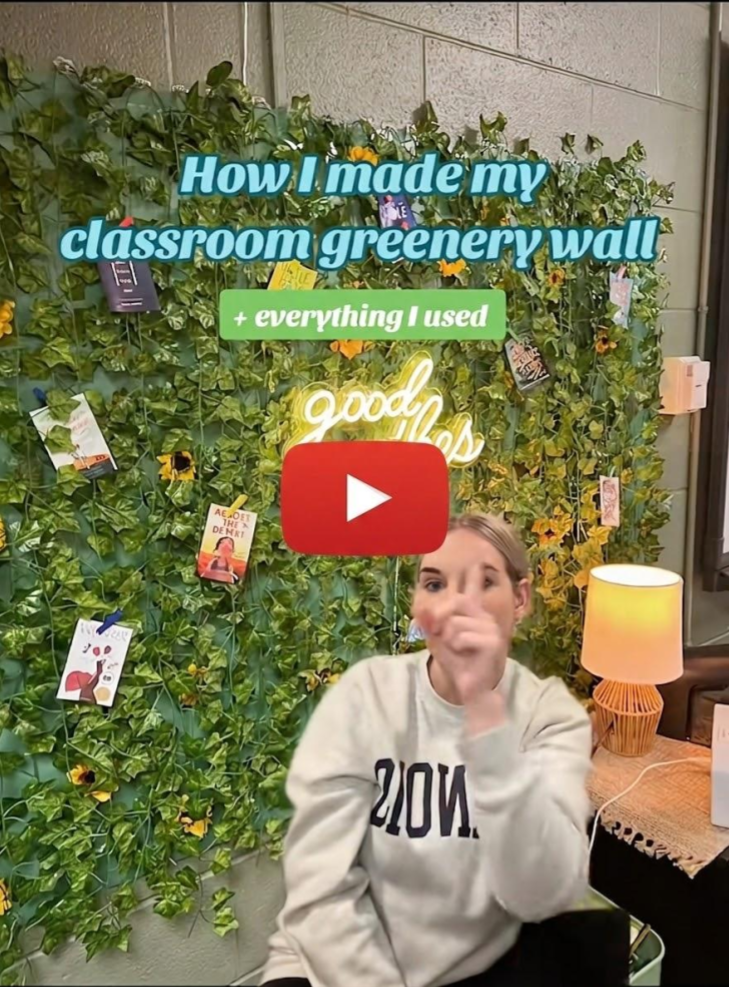
Once your greenery wall is in place, you can build on it in a few different ways. Try adding affirmation cards, student work, or vocabulary visuals to make the space both beautiful and functional.
And if you’re working with cinderblock walls (which, let’s be honest, most classrooms are), this is a great way to soften that harsh look and instantly warm up your space.
Want to add a little personality? Consider hanging a small neon sign right on top of your greenery wall. Many affordable options are available online, and something simple like “Read,” “Shine,” or “Create” can turn an ordinary corner into a standout moment in your classroom.
It’s a simple, creative way to design a space that feels calm, welcoming, and intentionally designed for your students.
Find out which plants are the best for teachers … and which ones you’ll want to avoid!
12. Choose a Cohesive Color Palette
Instead of using every color in the rainbow, try choosing 3–4 main colors and sticking with them throughout your classroom.
A consistent color palette instantly makes your space feel calmer, more organized, and thoughtfully designed. When everything (from labels and bins to bulletin boards and displays) follows the same color scheme, it reduces visual clutter and helps students stay focused on what matters.
If you’re not sure where to start, think about the feel you want your classroom to have. Do you want it to feel calm and cozy? Bright and energetic? Nature-inspired? From there, choose a few colors that support that vibe and repeat them across your space.
Here are a few simple tips to make it work:
- Start with a base color (like white, beige, black, or light gray)
- Add 1–2 main colors that you’ll use most often
- Finish with an accent color for small pops of interest
- Repeat those colors consistently across labels, decor, and displays
You don’t have to buy all new materials, either. Small changes, like swapping bin labels, borders, or backgrounds, can help tie everything together.
A cohesive color palette doesn’t just make your classroom look better; it helps create a space where students feel calm, focused, and ready to learn.
Not sure what color palette to choose? Head to your local hardware store and grab free paint sample cards. Arrange them on a bulletin board to help plan your classroom design.
13. Hang Hand Signs
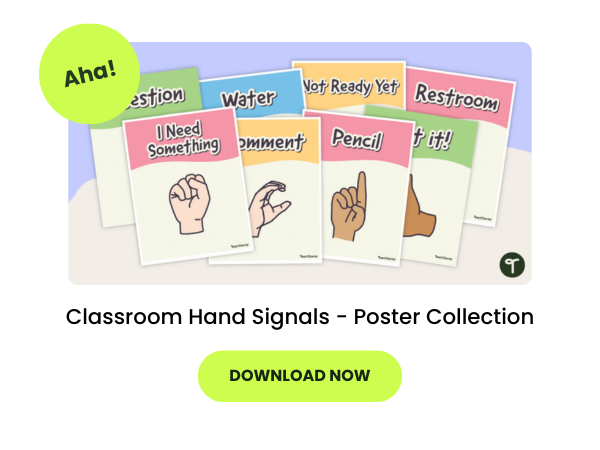
We love this classroom management trick to prevent students from shouting out in the middle of a lesson. Teach your students a few hand signals so they can quietly let you know they’ve got to go to the bathroom, have a question, need to fill their water bottle, and so on.
Hang signs featuring the different hand signals and what they mean prominently in your classroom to help them remember!
14. Add ASL to Your Alphabet
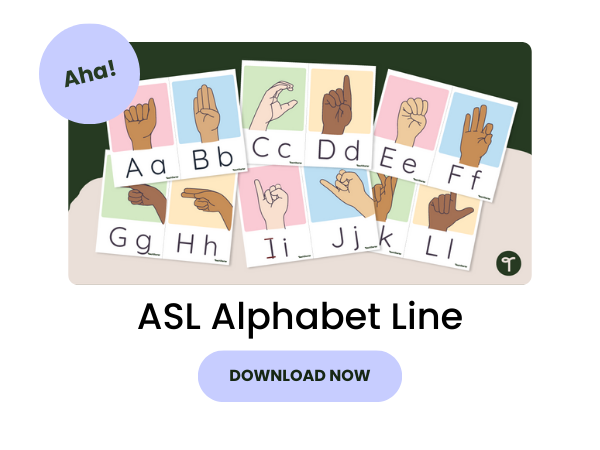
While we’re on the subject of hand signs, there are countless benefits to teaching American Sign Language in elementary school — among them ensuring that deaf students have classmates who are better able to communicate with them.
To start kids off early with ASL, add the various letter signs to your classroom alphabet display! This way, students have a visual reference not just of their capital and lowercase letters but also of all the letters they’re learning to finger-spell.
Not sure where to start? You can print out these American Sign Language flashcards and cut them up to post on your wall, or hang these ASL pennant banners all around your whiteboard!
15. Create a Gallery Wall for Student Work
Gallery walls aren’t just for living rooms anymore.
Create a classroom display that feels both creative and affordable by designing your own gallery wall with colorful construction paper frames. Cut frames in a variety of shapes, sizes, and colors—some with scalloped edges, some with clean lines, and even a few circles or unusual shapes to add visual interest.
To make your gallery wall functional, attach a page protector to the center of each frame. Simply cut off the strip with the binder holes, being careful not to cut into the pocket itself, and tape the page protector onto the wall inside the frame opening. Add a piece of colored paper to each page protector to complete the look.
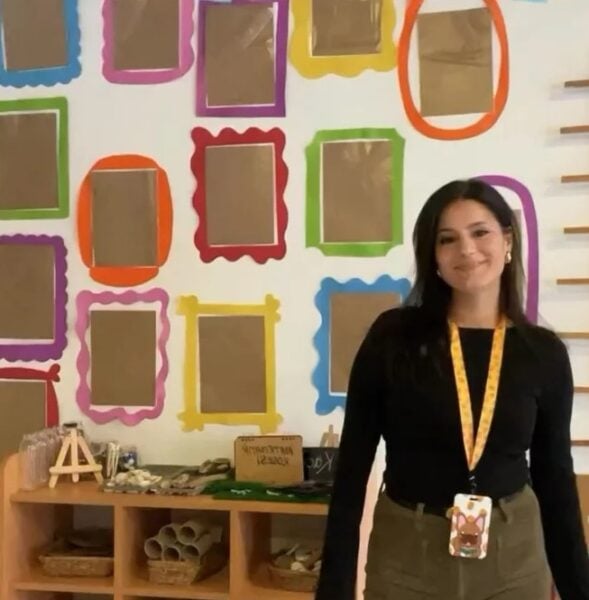 Use them to frame:
- student artwork
- class photos
- positive affirmations
- classroom quotes
- writing samples
When students create a piece of artwork, a special writing piece, or bring you a colored picture they’re proud of, simply slide it into one of the frames. No stapling, no rehanging, and no redesigning your bulletin board every few weeks.
The best part? As student work changes throughout the year, your display evolves with it. It’s a simple way to make your classroom feel more like a curated learning space and less like a collection of posters taped to a wall. Best of all, it’s inexpensive to create and easy to update—exactly what busy teachers like you need.
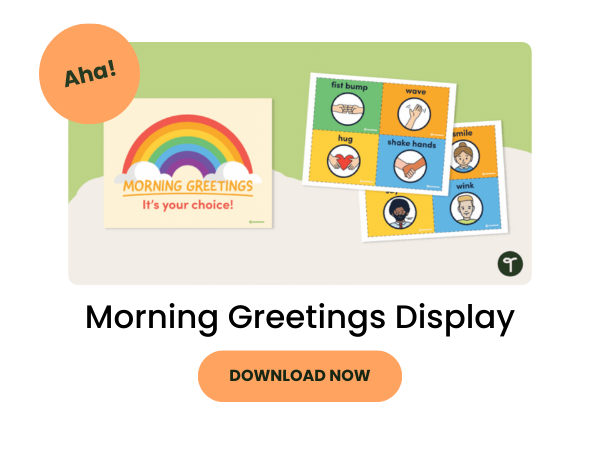
16. Greet Each Day With a Sign
Classroom greetings can set the tone for the rest of the school day. Have some fun — and decorate your doorway with some creative greeting ideas. Students can point to or tap the greeting they want to exchange with you for a fun interaction that will start the day off right.
17. Create a Calm-Down (Reset) Space
Supporting students’ social and emotional development is vital in today’s classroom, and that includes providing them with tools and spaces to manage their emotions throughout the day.
Instead of a traditional “chill-out corner,” many teachers are now creating flexible reset spaces where students can take a break, refocus, and return to learning when they’re ready.
Even the most well-regulated students have moments when they feel overwhelmed, distracted, or frustrated. Having a designated space to pause and reset helps students build the skills they need to manage those feelings independently.
First-grade teacher Laura White of California set up this beautiful classroom library, complete with innertube chairs, to create a relaxing space for diving into a new story.
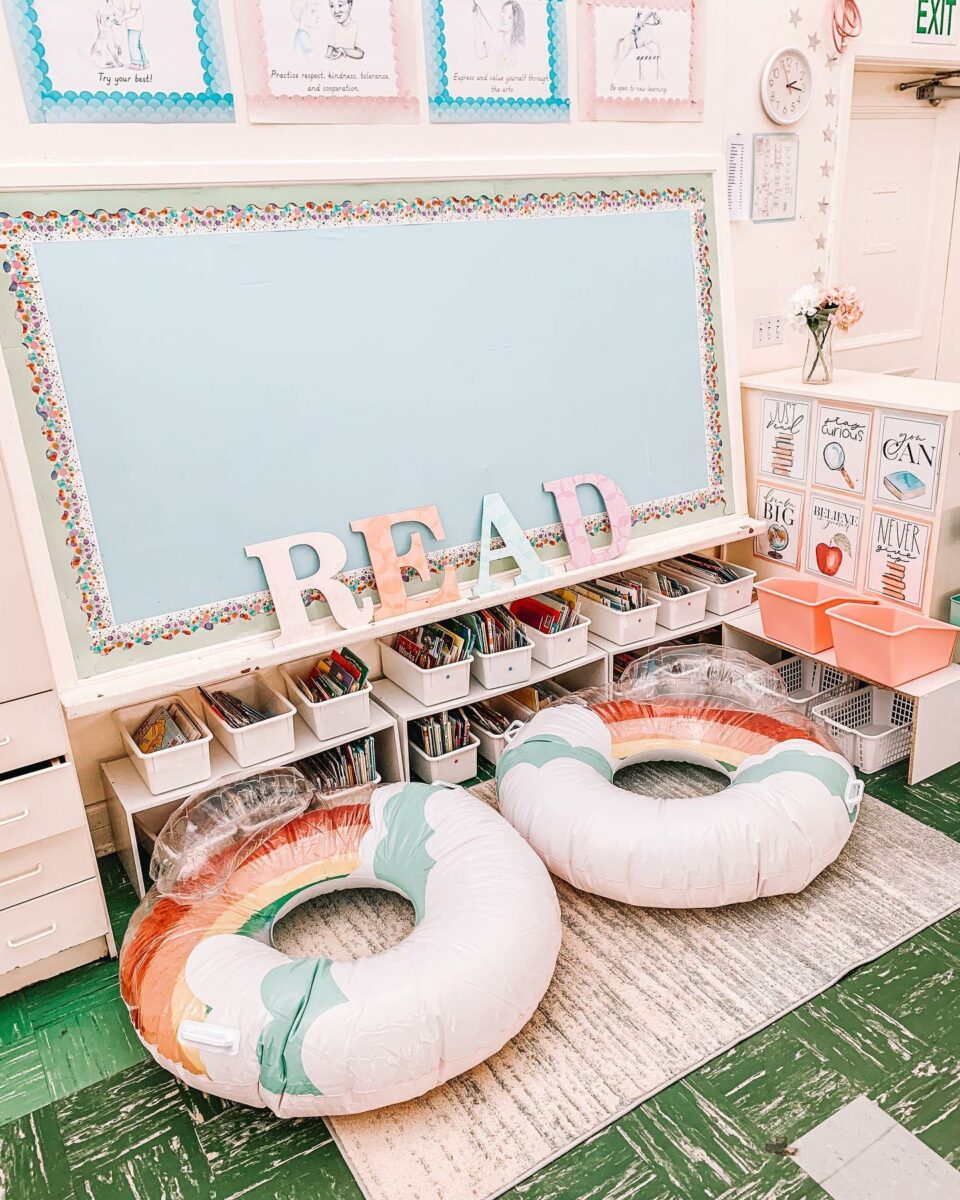
Photo courtesy of first-grade teacher Laura White of California
If you’re setting up a reset space for your students this school year, aim to keep it simple and inviting. Our teacher team at Teach Starter recommends:
- adding soft seating like a rug, pillow, or bean bag
- including calming visuals or neutral tones
- offering a few tools like fidgets, breathing cards, or a timer
- keeping the space quiet and low-stimulation
The goal isn’t to remove students from learning. It’s to support them in getting back to it in a way that feels safe and manageable.
When thoughtfully designed, a reset space becomes a powerful part of your classroom; not just for behavior support, but for building independence, self-awareness, and confidence.
18. Face-Out Display for Your Classroom Library
If you’re looking for a decorating idea that’s inexpensive but packs a big punch, this is it.
Most classroom libraries store books spine-out on shelves, just like a traditional library. The problem? Many younger students choose books based on the cover, not the title. By displaying a selection of books face-out, you’re putting those colorful, engaging covers front and center and making it easier for students to discover their next great read.
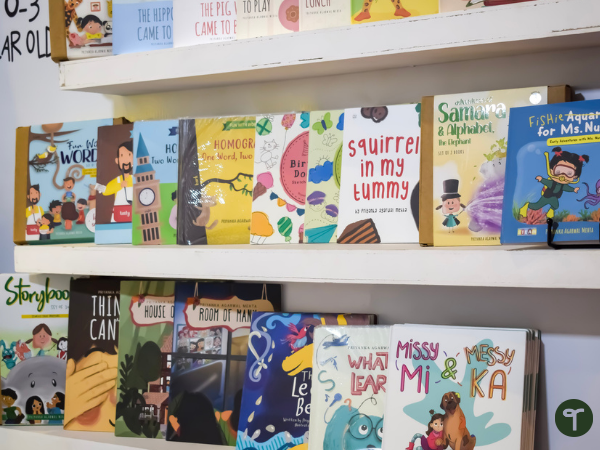
The best part is that you don’t need an expensive book display to make it work. Try using inexpensive picture ledges, thrifted plate stands, dollar-store easels, or even small baskets to showcase your featured titles. Rotate the books throughout the year to highlight seasonal reads, classroom favorites, or books that connect to your current lessons.
Not only does a face-out display make your classroom library feel more inviting, but it also helps create the cozy, bookstore-inspired atmosphere that so many teachers are embracing right now. Sometimes a small change can have a big impact—and this is one of those classroom upgrades that students will notice right away.
19. Pick a Classroom Theme and Stick to It
Let’s face it—the fewer decisions you have to make, the faster you can get your classroom set up and ready for students.
One of the easiest ways to create a cohesive classroom is to start with a single design style or color palette and build from there. Whether you’re drawn to calming neutrals, nature-inspired greens, bright boho colors, retro vibes, or a modern rainbow aesthetic, having a clear vision from the start can make decorating feel much less overwhelming.
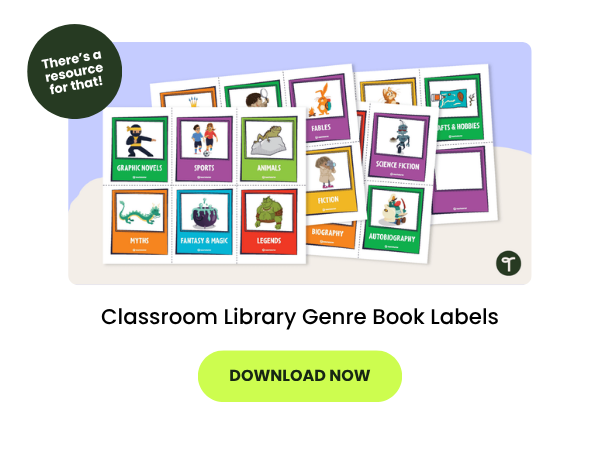
The best part? You don’t have to piece everything together yourself. Our classroom decor packs include coordinated resources designed to help you create a polished, organized look throughout your room. From welcome signs and desk tags to labels, borders, classroom displays, and more, you’ll have everything you need to create a space that feels intentional, inviting, and uniquely yours.
20. Use Your Clock as Part of Your Decor
Your kids are bound to look at your classroom clock a LOT over the course of the school year, so make good use of that prime piece of real estate. Teacher Jeanie Culip used hers as the “o” in “you” for this inspiring message, but the sky is really the limit here!
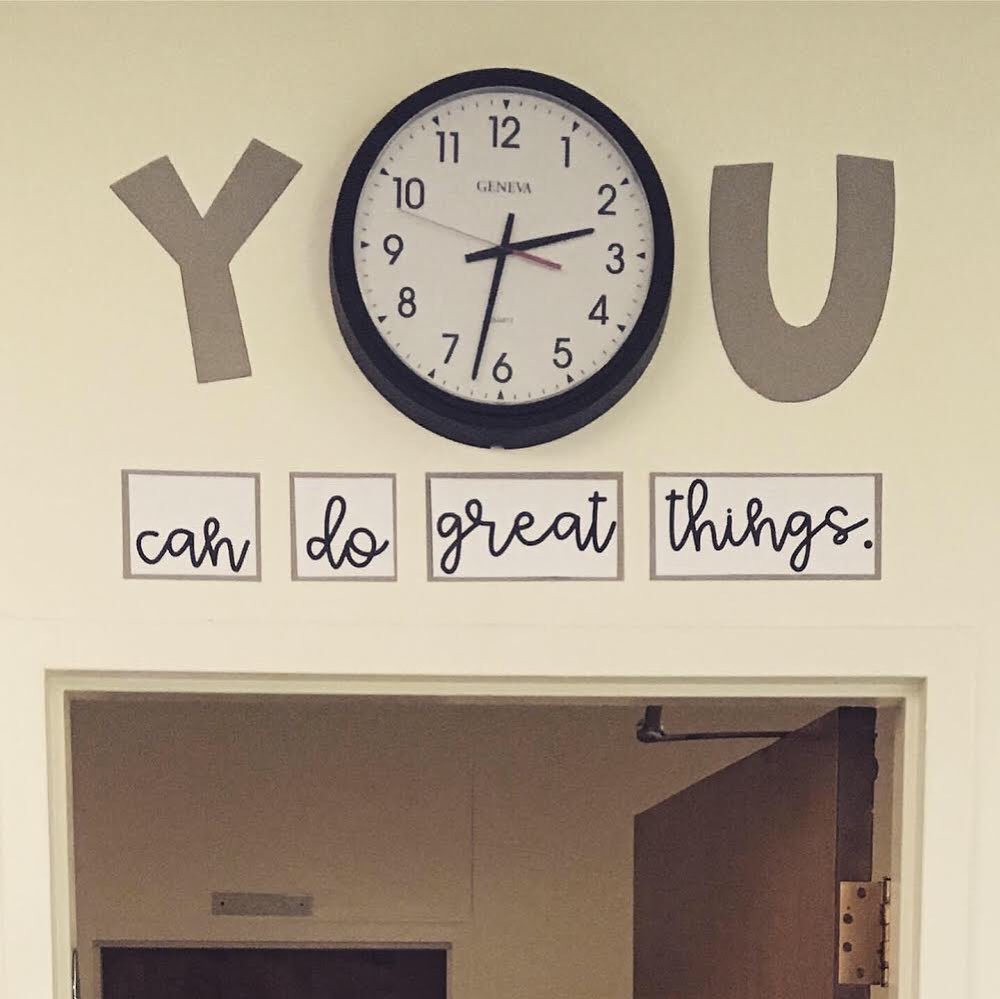
Photo courtesy of Janie Cullip
Use the clock as the “o” in dozens of different words and phrases (“Believe in Yourself” is another one of our favorites!), or turn it into the center of a bright sunshine display. Add rays featuring positive affirmations, growth mindset reminders, or student goals to create a meaningful focal point in your classroom. Every time students check the time, they’ll be greeted with a little extra encouragement, too!
21. Build a Classroom Community Photo Wall
One of the biggest classroom design trends right now is creating spaces that reflect the students who spend their days there.
A classroom community photo wall is a simple way to make your students feel like they truly belong from day one. Dedicate a bulletin board, wall space, or section of your classroom to displaying class photos, snapshots from school events, student achievements, field trips, and special classroom memories collected throughout the year.
Don’t have photos yet? Start with a beginning-of-the-year display featuring student self-portraits, “All About Me” activities, or photos from the first week of school. As the year progresses, continue adding new memories to create a visual timeline of your classroom community.
Want to elevate the look? Display photos in thrifted frames or hang them from a wire display with mini clothespins for a clean, gallery-style feel.
Not only will students love spotting themselves and their friends throughout the day, but you’ll also be creating a space that tells the story of your year together. By May, that empty wall will have transformed into one of the most meaningful displays in your classroom.
22. Create a “Look What We Learned” Wall
Not every bulletin board needs to be perfectly decorated before the first day of school.
Instead, consider leaving one board intentionally blank and transforming it into a “Look What We Learned” Wall that evolves throughout the year.
As students master new skills, complete projects, reach goals, and explore new topics, add examples of their learning to the display. This might include anchor charts, writing samples, science investigations, math strategies, student artwork, photos, or classroom achievements.
Unlike traditional bulletin boards that often stay the same for months, this display grows alongside your students. It serves as a visual reminder of just how much they’ve accomplished and gives students a sense of pride and ownership in the classroom.
For an extra-special touch, let students help curate the display by choosing pieces they’re proud of or writing short reflections about what they learned. Not only does this make the board more meaningful, but it also encourages students to recognize and celebrate their own growth.
By the end of the school year, you’ll have more than just a bulletin board. You’ll have a visual timeline of your class’s learning journey.
23. Create a Positivity Walk
Carry along the positivity theme by creating a positivity walk for your students! Hang posters that encourage a growth mindset near where they line up to go to lunch or along the wall outside of your classroom, so they’ve always got a reminder to look on the bright side of life! You could include their names or photos to really reinforce that this positivity walk belongs to them!
Take a peek at some ready-to-print classroom posters to add positivity to the wall!
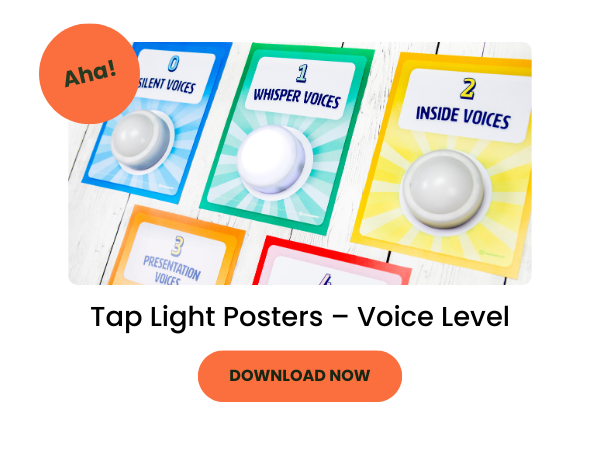
24. Use Tap Lights for Sound Levels
Add these tap light posters to your tap lights for a great classroom display to highlight voice-level expectations in the classroom.
25. Make a Share Chair
Find a stool or chair at a secondhand store or garage sale (we’ve also seen some sturdy options at stores like Five Below), and paint on the words “share chair.” Use this extra bit of classroom furniture to prepare for a year of students taking turns sharing their work with their classmates!
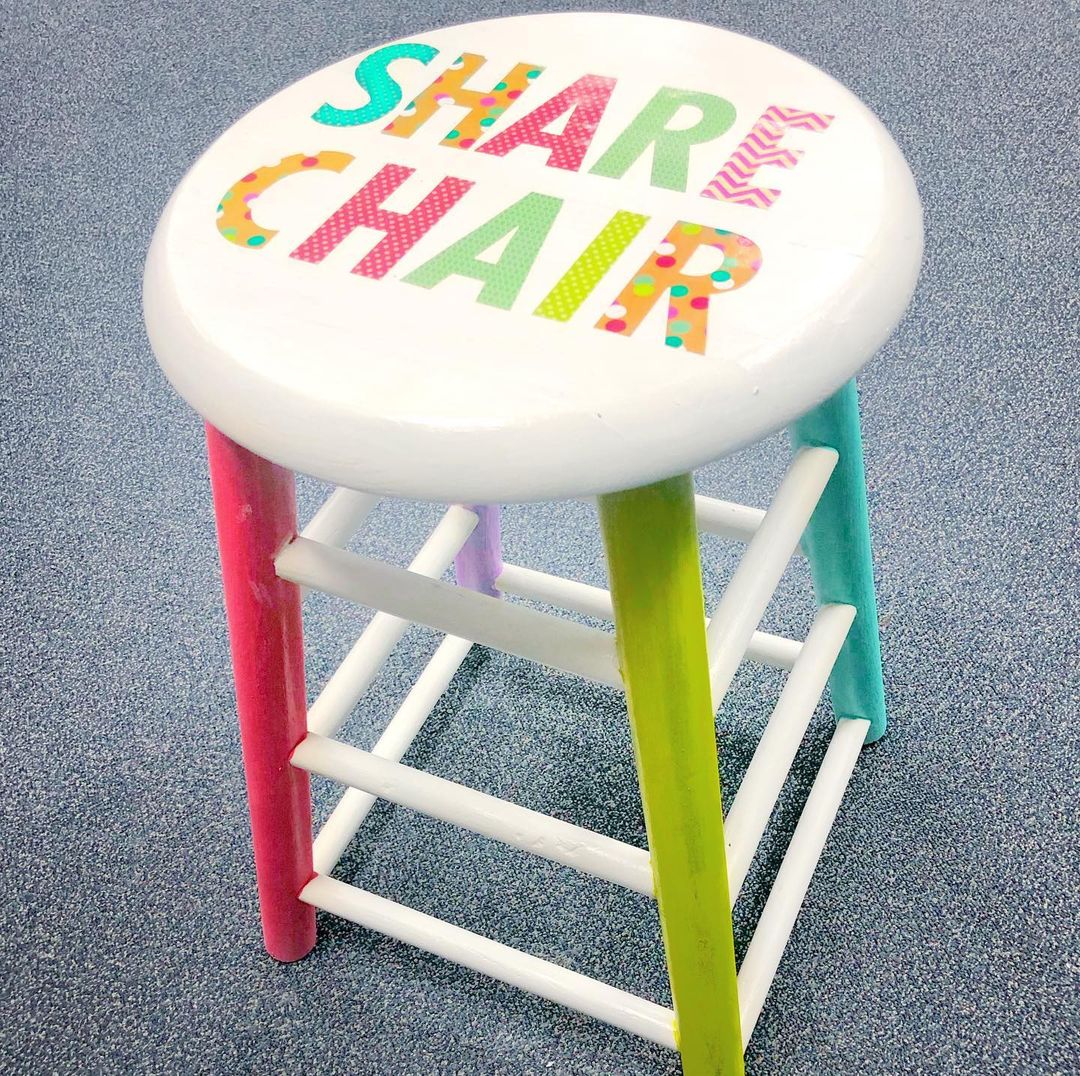
Photo courtesy of behavior teacher Emily Rosen of Texas
Texas behavior teacher Emily Rosen created the share chair above — we’ve also seen them called author’s chairs or reader’s chairs for her writing lessons to get kids excited about sharing their writing during her literacy block! You can also use the share chair for show and tell, for read-alouds, and a whole lot more.
26. Track the Books You’ve Read
If you struggle to find time to swap out your bulletin boards throughout the year, try a permanent display like fourth-grade teacher Bailey Russel did with this “Book We Have Read” display. Ms. Russel laminated each book cover preview so they can be used year after year, and students can admire a visual of all the stories they’ve listened to or read!
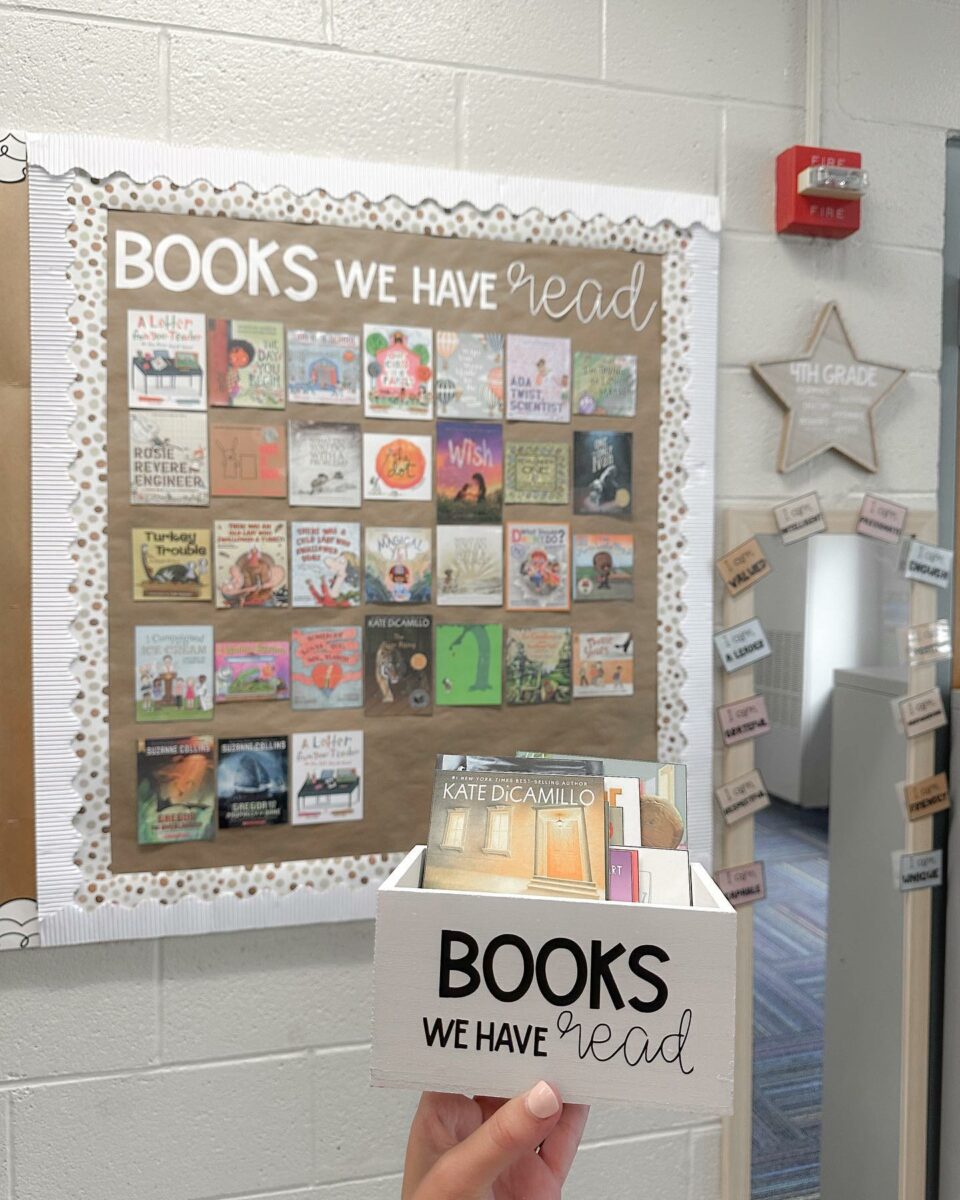
Photo courtesy of fourth-grade teacher Bailey Russell
How to Decorate Cinder Block Walls
Decorating can be tricky if you have a classroom with cinder block walls, but not to fear! We have some ideas that will help make your space just as bright and colorful as any other room.
To hang your posters, student artwork or other wall decor, you’ll want to collect some of the following materials:
- Self-Adhesive Hooks (be sure to clean the wall with rubbing alcohol first for the best adhesion possible)
- Mounting Putty
- Landscape Block Adhesive (only use this for permanent decor)
- Self-Sticking Display Strips
- Hot Glue Gun (the glue will pull off easily to switch decor later)
Fire Safety Concerns to Keep in Mind When Decorating a Classroom
You have creative ideas and beautiful decor goals for your classroom, but will they pass fire safety codes? Save time by reviewing your school’s fire safety rules before collecting your classroom decor. In general, here are some tips to keep in mind to keep your kids safe and the fire marshal happy:
- Fire extinguishers should remain in plain view without decor hiding them.
- No decorations should block the emergency exit windows or doors.
- Don’t hang any decor or plants from the lights, sprinkler pipes or ceilings.
- Exit signs should be visible at all times.
- Bookcases should be secured to the wall.
- Don’t plug in more than one power strip to an electrical outlet.
- Don’t use extension cords for permanent use, and do not connect extension cords between adjacent classrooms.
- Any decor or supplies should not be closer than three feet to the ceiling and 18″ to automatic sprinkler heads.
- Extra paper products and supplies should be stored in approved storage closets, not in open classrooms.
- Stay away from any upholstered furniture in your classroom.
- Check with your school’s fire safety rules before bringing in any kind of space heater.
- Do not decorate with open-flame candles.




Comments