English Language Arts Teaching Resources
Explore English Language Arts (ELA) activities, worksheets, games and more teaching resources created by teachers for teachers just like you! You'll find ELA resources aligned with the Common Core State Standards (CCSS), and ELAR resources that align to TEKS.
This collection of teacher-created resources for elementary and middle school teachers was designed with students and teachers in mind, including differentiated activities and worksheets ready to print and add to your lesson plan.
Each game, activity and more have undergone a careful review by a member of our ELA teaching team to ensure it's classroom — and student — ready.
What Is ELA in Education?
In most educational instances, ELA stands for English Language Arts, the subject that encompasses reading, writing, speaking, listening and language skills development in American schools.
ELA curriculum standards vary from state to state and even school district to school district, but they typically include instruction in the following areas:
1. Reading
In ELA classes, students learn to read, understand and interpret a variety of texts, including fiction and non-fiction. They develop reading comprehension skills such as identifying main ideas and making inferences while building their understanding of vocabulary.
2. Writing
As they progress through elementary and middle school, students learn the skills they need for effective written communication by learning to create types of texts — such as narratives and persuasive essays, research papers, and descriptive pieces.
They also learn to organize their ideas, use proper grammar and punctuation and refine their writing through revision and editing.
3. Speaking and Listening
While English instruction in the US was once heavily focused on grammar and reading comprehension, education experts saw a call to move toward a more student-centered means of teaching that paved the way to today's ELA curriculum ... and to the inclusion of oral communication as a focus in the curriculum.
Through speaking and listening activities, kids learn to express themselves clearly, listen actively, ask questions, participate in discussions and deliver presentations. They also learn to articulate their thoughts and understand different perspectives while developing their critical thinking abilities.
4. Language
Finally, students study grammar, vocabulary and syntax to enhance their understanding of English and how it should be used.
The curriculum includes proper sentence structure, word choice, spelling and punctuation rules. Language instruction also includes figurative language, idioms and understanding context.
ELA as English Language Acquisition
You may have noticed that we said ELA stands for English Language Arts in most educational instances. So, what else can it stand for?
In some schools, ELA is the abbreviation used for English Language Acquisition, and it's the name given to programs created to help English language learners as they tackle the language.
This form of ELA has marked similarities with the ELA described above, as it focuses on helping students build oral, reading and writing skills. However, there are distinct differences as one focuses on educating native speakers and the other on ELL students.
English vs. Language Arts — Why Is English Called Language Arts?
Some of your students may have parents who remember attending English classes as children but are unfamiliar with the concept of English language arts.
How do you explain the difference to them?
The fact is, some districts may well use the term English for what another district terms "English language arts." In other places, the two refer to very different concepts. In many areas, English is the name for courses taught on a high school level, while English language arts applies to elementary level work.
To explain why their children are enrolled in language arts coursework, it may be helpful to break down the various components of language arts — as we have done above — and their role in students' literacy growth.
What Is ELAR?
ELAR stands for English Language Arts and Reading. While much of the country's schools follow an ELA curriculum, ELAR is unique to Texas, where ELAR is an integrated subject that combines the study of language arts skills with the development of reading abilities.
This collection includes hundreds of ELAR activities, aligned directly with TEKS standards to ensure Texas teachers have everything they need for their lesson plans.
- Free Plan
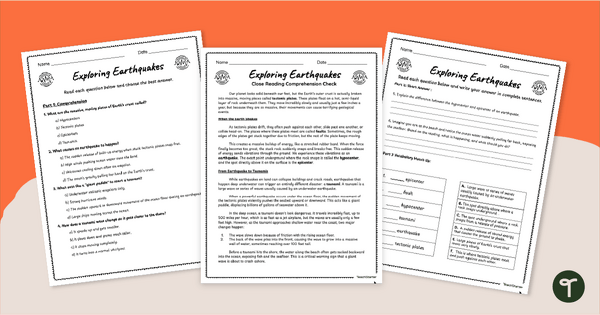
Exploring Earthquakes Comprehension Worksheets
Give your students a clear, engaging introduction to earthquakes, what causes them, and how scientists measure them with printable Earthquakes Comprehension Worksheets.
- Free Plan
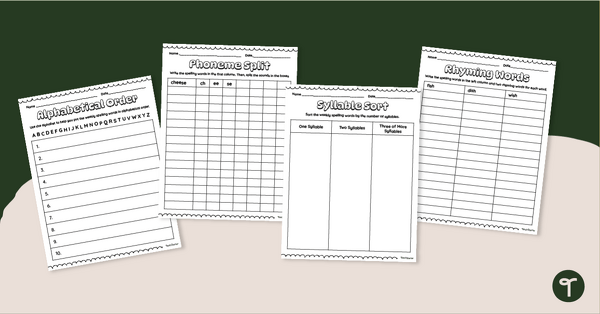
Free Spelling Worksheets for Any List
Grab these spelling worksheets for any list and use them to prep your weekly spelling homework with ease!
- Free Plan
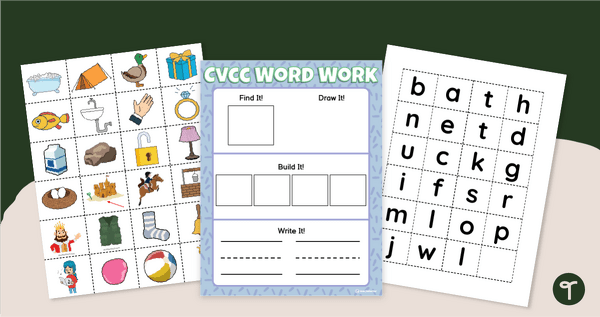
CVCC Word Work Mat
Practice segmenting and spelling simple words with this set of 24 CVCC picture task cards.
- Plus Plan
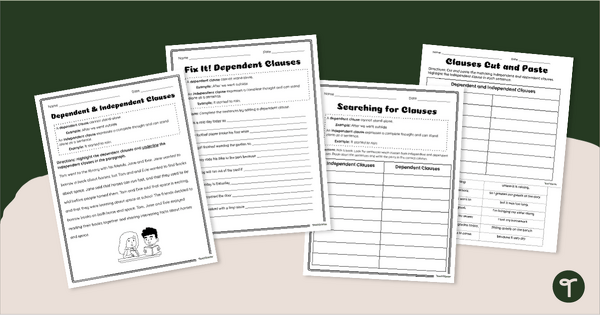
Independent and Dependent Clauses Worksheet Pack
Introduce the concept of independent and dependent clauses with a set of printable sentence structure worksheets.
- Free Plan
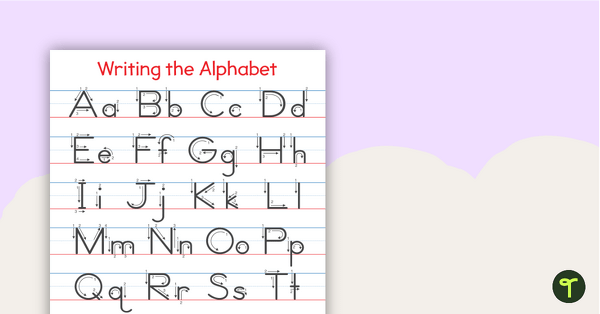
Writing the Alphabet - Handwriting Poster
A poster to assist students when learning how to form letters.
- Plus Plan
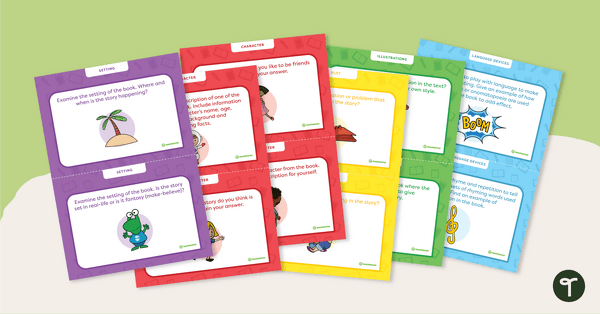
Literary Element Task Cards (Primary Grades)
A set of 12 task cards for primary students to use after reading a picture book.
- Free Plan
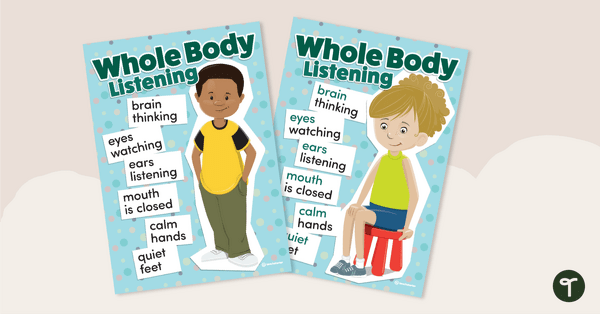
Whole Body Listening Poster Pack
Print a Whole Body Listening Poster Pack to highlight the characteristics of a good listener.
- Plus Plan
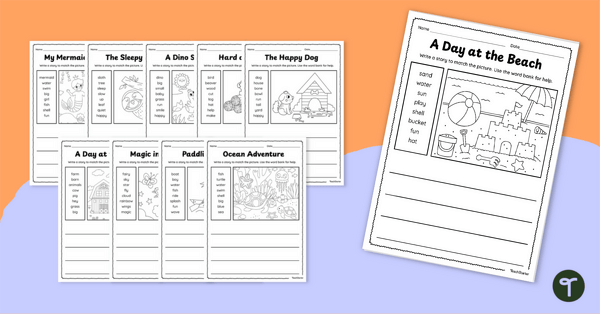
Story Writing Prompt Worksheets
Use these early years story writing worksheets with picture prompts and word banks with your early writers.
- Free Plan
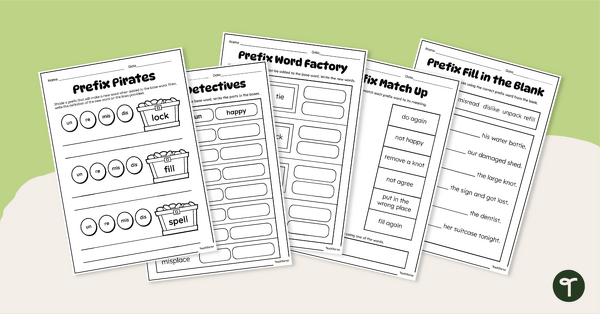
Prefix Worksheet Pack - 2nd Grade
Use this Prefix Worksheet Pack as an engaging prefix activity for Grade 2 that teach students how to use the most common prefixes—un‑, re‑, mis‑, dis‑, and pre‑.
- Free Plan
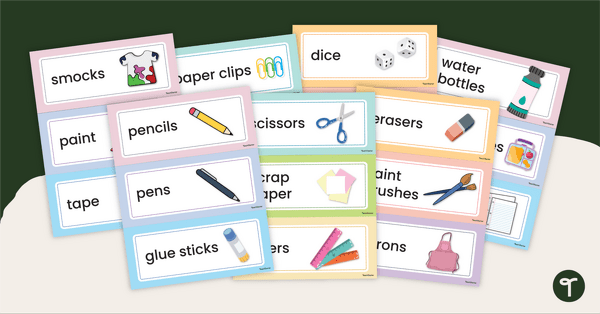
Read the Room - Classroom School Supply Labels With Pictures
Label where school supplies and equipment are housed in your classroom with free printable classroom labels with pictures.
- Free Plan
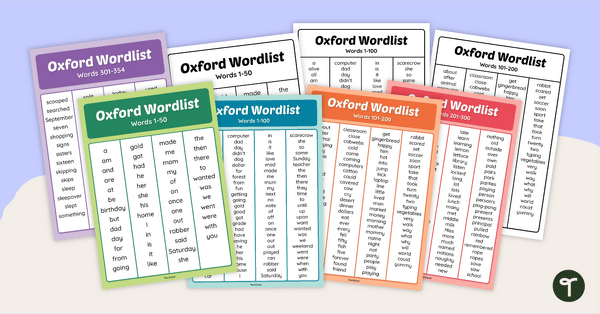
Oxford Wordlist Mats - Words 1 to 354
Use this set of five Oxford Wordlist Mats as a planning tool for high frequency word activities.
- Free Plan
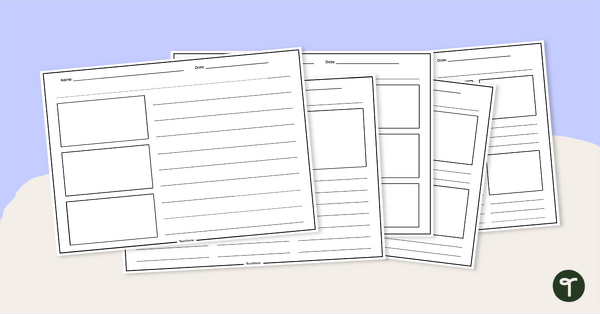
Free Blank Story Board Template Pack
Use these storyboards to help your students visually represent the key events and changes within a story.
- Plus Plan
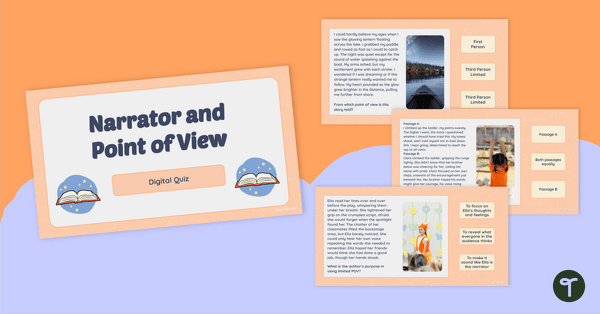
Narrator and Point of View Digital Quiz
Discover how narrator and point of view can be taught in a fun and engaging way with this interactive quiz designed to help elementary students become confident readers and critical thinkers.
- Plus Plan
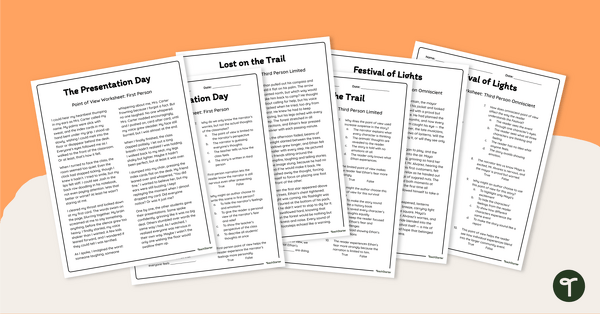
Narration and Point of View Worksheets
Use these narration and point of view comprehension passages to help students explore different narrative voices in literary texts.
- Plus Plan
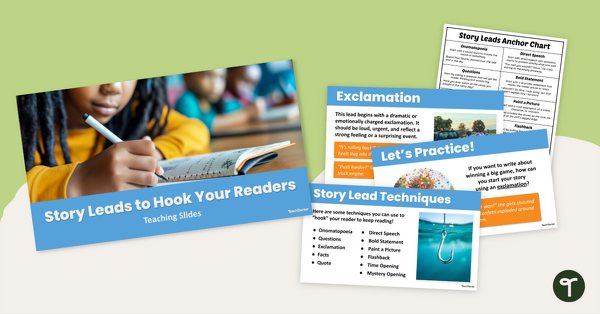
Narrative Writing Lesson: Story Leads to Hook Readers
Hook readers with this narrative writing lesson that introduces your students to eleven story starting strategies.
- Plus Plan
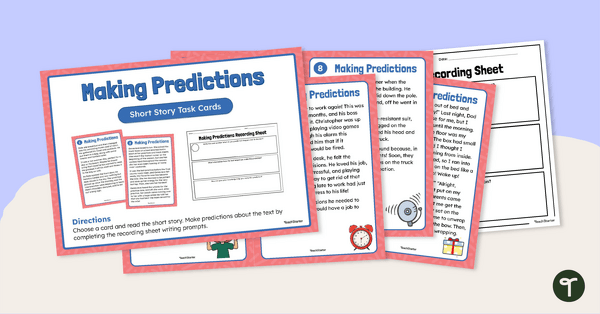
Short Stories for Making Predictions Task Cards
Explore the comprehension strategy of predicting using these short stories for making predictions task cards.
- Plus Plan
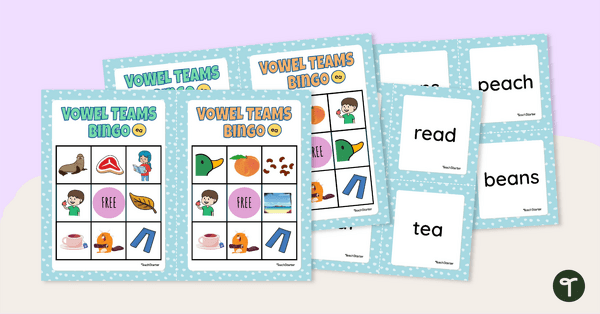
EA Vowel Team Bingo Game
Practice decoding words that include the EA long /e/ vowel team sound with this BINGO game for up to 20 players.
- Plus Plan
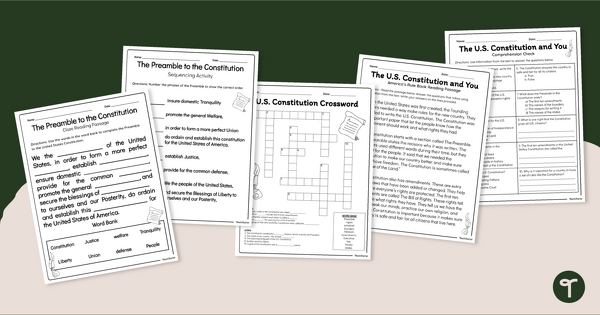
Printable U.S. Constitution Day Worksheet Pack
Learn about Constitution Day in the United States with a pack of printable U.S. Constitution worksheets for 2nd and 3rd grade.
- Free Plan
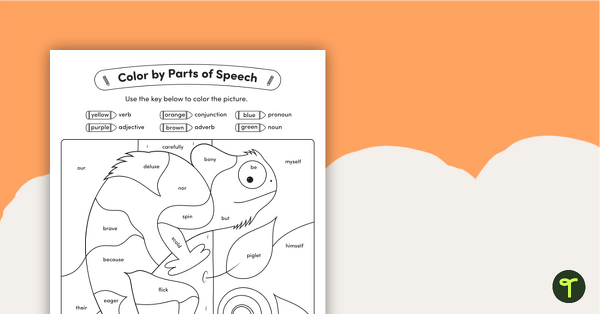
Color by Parts of Speech Worksheet – Chameleon
Practice identifying different parts of speech with this fun color-by-code worksheet.
- Free Plan
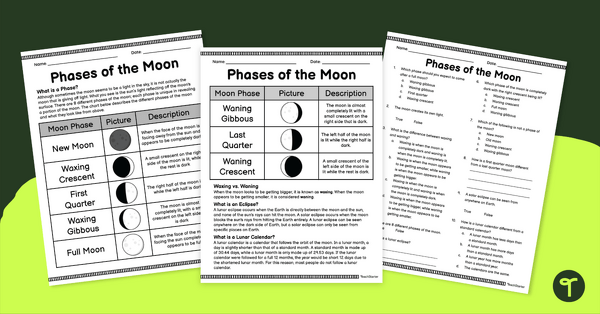
Phases of the Moon – Comprehension Worksheet
Analyze different moon phases and how their visual appearances change over time with this reading comprehension worksheet.
- Plus Plan
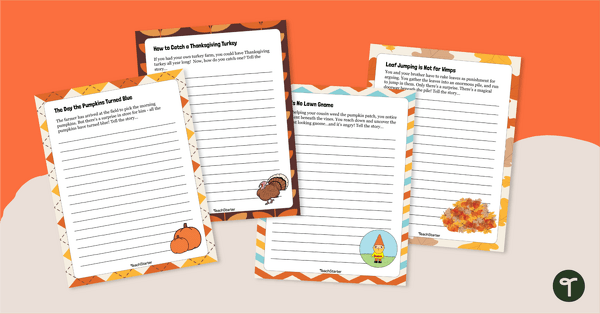
Fall Narrative Writing Prompts for Kids
Celebrate Fall and write imaginative stories using a collection of narrative writing prompts for second graders and beyond!
- Plus Plan
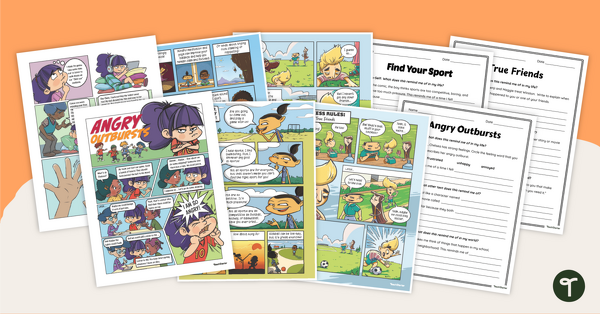
Making Reading Connections Using Comics
Get your students making reading connections with these engaging comics and accompanying worksheets that help students link what they read to their own experiences, other texts and the wider world.
- Free Plan
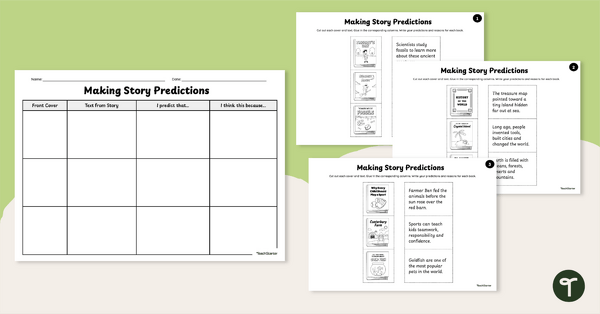
Free Story Prediction Worksheet
Encourage students to think critically before reading with this Story Prediction Worksheet.
- Plus Plan
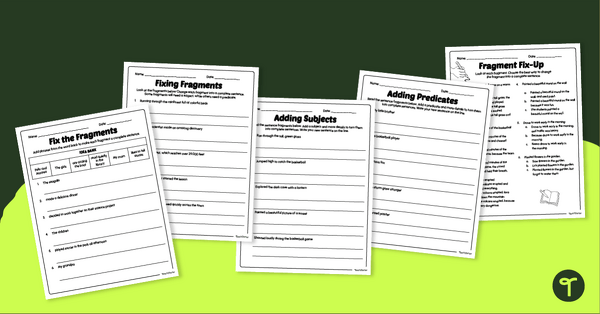
Fixing Sentence Fragments Worksheet Pack
Use this no-prep sentence fragments worksheet pack to help your students improve their sentence writing skills.
- Free Plan
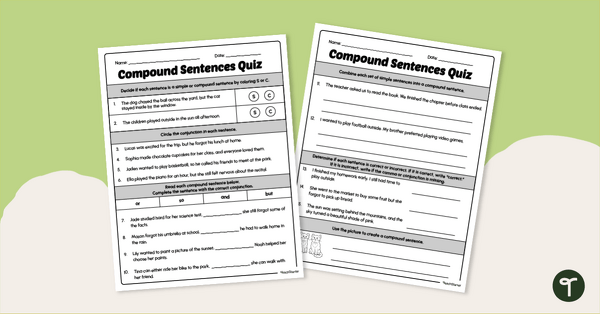
Compound Sentence Quiz
Assess your students ability to identify, write, and edit compound sentences with a printable Compound Sentence Quiz.
- Free Plan
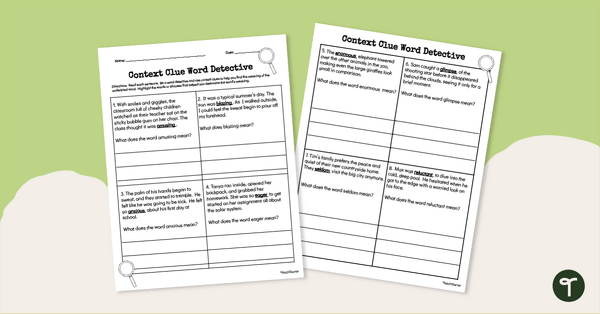
Word Detective Worksheet - Context Clues
Assign our Word Detective Worksheet to give your students extra practice in using context clues to find the meaning of unfamiliar words.
- Free Plan
Differentiated Spelling Bee Word Lists
Prepare your students for school spelling competitions with printable Spelling Bee Word Lists for simple, common, difficult, and challenging spelling words.
- Free Plan
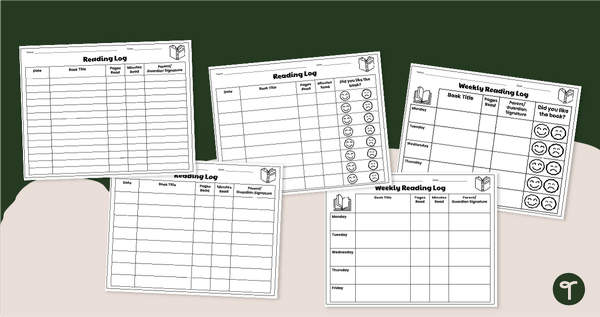
Student Reading Log Printables
Track your students' at-home reading with this printable reading log.
- Plus Plan
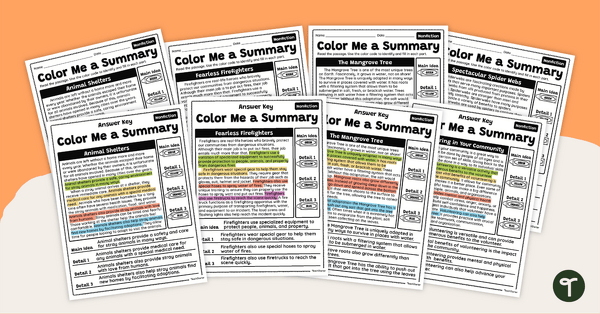
Color-Coding Summarizing Nonfiction Text Worksheets
Practice summarizing small nonfiction texts with this fun color-coding set of worksheets.
- Plus Plan
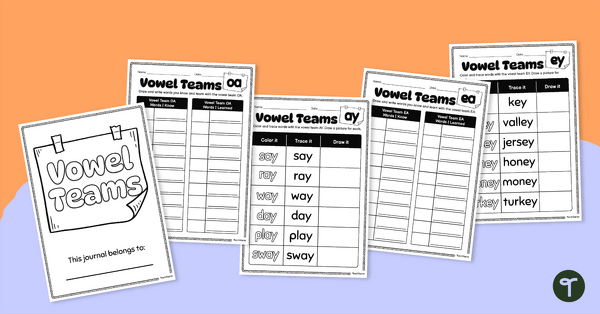
Vowel Teams Phonics Journal
Help students remember and record words and examples of different vowel digraphs during your phonics lessons.
- Plus Plan
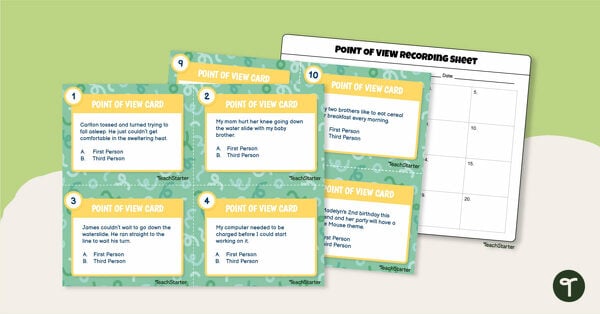
Point of View Task Cards - Beginner Set
Use these colorful, fun task cards to help your beginning reader identify first, and third-person point of view (POV)
- Plus Plan
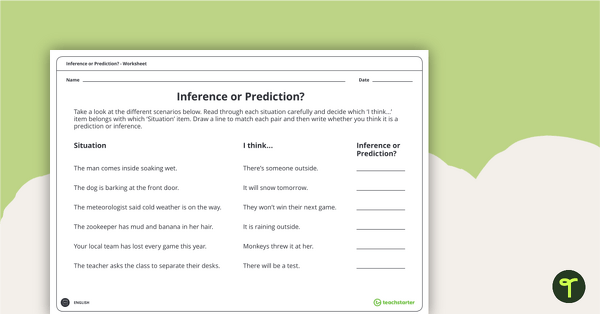
Inference and Prediction Worksheet Pack
Download this inference and prediction worksheet pack to teach your students how to confidently distinguish between these two strategies through a range of activities.
- English Language Arts Worksheets
- English Language Arts Games
- English Language Arts Templates
- English Language Arts Posters
- English Language Arts Flashcards
- English Language Arts Word Walls
- English Language Arts Projects
- English Language Arts for Pre-K
- English Language Arts for Kindergarten
- English Language Arts for 1st Grade
- English Language Arts for 2nd Grade
- English Language Arts for 3rd Grade
- English Language Arts for 4th Grade
- English Language Arts for 5th Grade
- English Language Arts for 6th Grade
- English Language Arts for 7th Grade