Forms of Energy Teaching Resources
Explore forms of energy in your science classes with experiments, activities and more resources for teachers!
From lesson plans on electricity to worksheets about thermal energy, this collection is packed with NGSS curriculum-aligned printables and digital resources created by teachers for teachers like you. You'll save time on your lesson plans with easily editable resources, plus you'll be able to meet your students' needs with differentiated options.
Best of all? Every single resource has been carefully reviewed by the science teachers on the Teach Starter team to ensure it's ready for your classroom and your students!
Is this your first year covering the different forms of energy in your classroom? Or maybe you are just looking for fresh ideas? Read on for a primer from our teacher team, including a look at the two main types that these forms can fall into.
What Are the 2 Types of Energy?
Energy can take a variety of forms — from the mechanical energy involved in stretching a rubberband to the motion energy in a gust of wind — but every form of energy can be classified into just two main types. Before we dive into the long list of forms of energy that exist in the universe, it might help to take a look at these types:
- Potential Energy
- Kinetic Energy
Read on to learn how we explain these types to our students!
What Is Potential Energy? A Kid-Friendly Definition and Example
Potential energy is the energy that an object has because of its position or condition.
Let's say you take out a rubberband and stretch it way, way, way out with your hands. Because it is stretched out, the rubberband is full of potential energy that will help it fly farther when it is finally released!
What Is Kinetic Energy?
Kinetic energy is the energy of an object in motion. This type of energy depends on the object's mass and speed.
Let's look at that rubberband example again! It may have potential energy when held in a stretched-out position, but once it is released, the rubberband now has kinetic energy as it flies through the air!
What Are Forms of Energy? Examples for Kids
Now that we've covered the two types of energy let's look at the different forms of energy that fall under each type. We've developed these explanations to help you as you work with students to gain a deeper understanding of how energy affects people and the environment around us!
4 Forms of Potential Energy
- Elastic Energy — This is the energy that can be found when an object is stretched or compressed. Elastic energy can be found in a coiled spring or a stretched rubber band.
- Nuclear Energy — Nuclear energy is a form of energy that originates from the nucleus, or the core, of an atom. This kind of energy is commonly used to generate electricity, but it requires the process of releasing it from the atom.
- Gravitational Energy — Gravitational energy is the energy an object has due to its position in a gravitational field. For example, if you hold a book high in the air, its height creates the potential for the book to fall. This is its gravitational energy and its potential energy!
- Chemical Energy — This type of energy is stored in atoms and molecules.
5 Forms of Kinetic Energy
- Mechanical Energy — Mechanical energy is the energy possessed by an object due to its motion or position.
- Electrical Energy — This is the energy produced by the flow of electric charges or electrons. The electricity that we use to power our computers and our lights is a form of electrical energy!
- Light Energy — Light energy is the energy that we see as visible light. We can get this energy from natural sources like the sun or human-made sources like the lightbulb.
- Thermal Energy — Also called heat energy, thermal energy is a form that most students have experienced in their lives. It's energy that comes from the heat of an object or system, such as the energy of the sun.
- Sound Energy — This form is the energy produced by vibrations that create sound waves. It's the type of energy involved when we speak or sing, and it's also the energy involved in all the noises produced around us.
- Free Plan
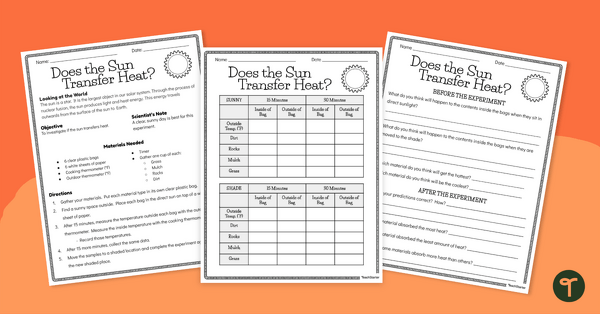
Does the Sun Transfer Heat? – Science Experiment
Discover how the sun transfers thermal energy and which objects absorb more heat with this science experiment for kids.
- Plus Plan
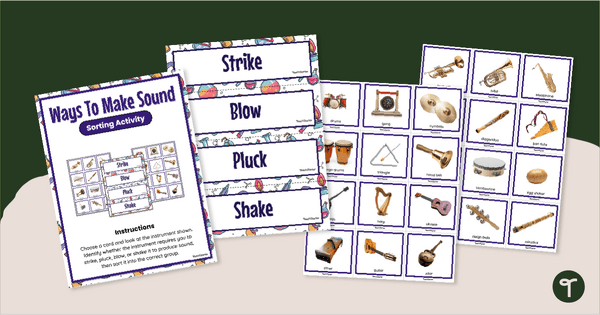
How Sound Is Made - Sorting Activity
Sort instruments that need to be plucked, blown, struck, or shaken to produce sound with our printable ‘How Sound Is Made’ Sorting Activity.
- Plus Plan
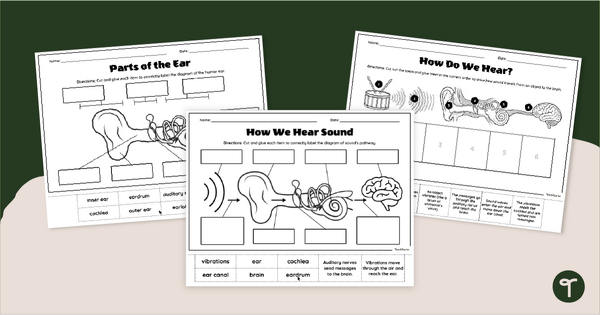
‘How We Hear Sound’ Worksheets
Explore how sound travels through the ear with a set of cut-and-paste How We Hear Sound Worksheets.
- Free Plan
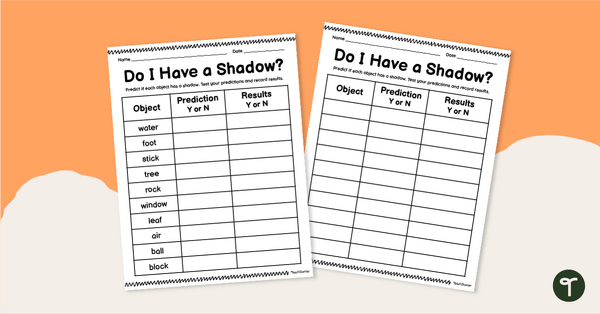
Do I Have a Shadow? Activity (K-1)
Explore light and shadow while practicing science inquiry skills with an engaging Predict and Observe Shadow Experiment for early learners.
- Plus Plan
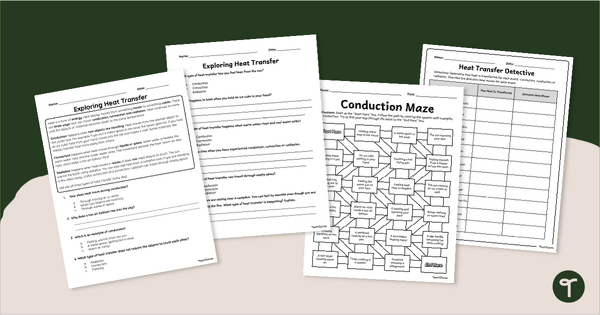
Heat Transfer Worksheets
Explore how heat moves with a pack of printable Heat Transfer Worksheets.
- Plus Plan
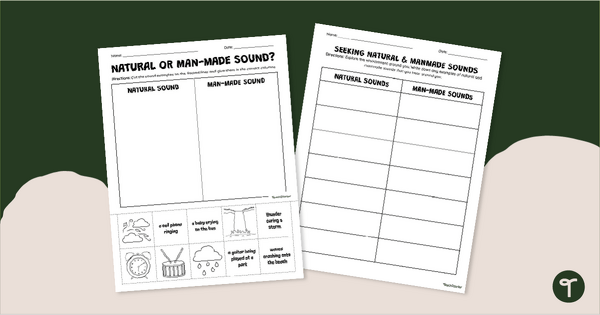
Natural or Man-Made Sound? Worksheet Pack
Use sound energy worksheet to help students differentiate between natural and man-made sounds by sorting their sources.
- Plus Plan
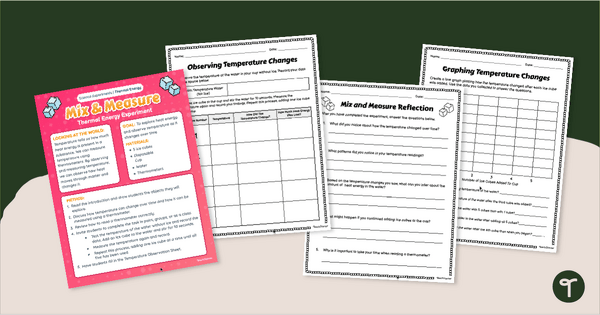
Mix & Measure Temperature Experiment
Explore temperature changes and practice reading a thermometer with our Mix and Measure Temperature Experiment.
- Plus Plan
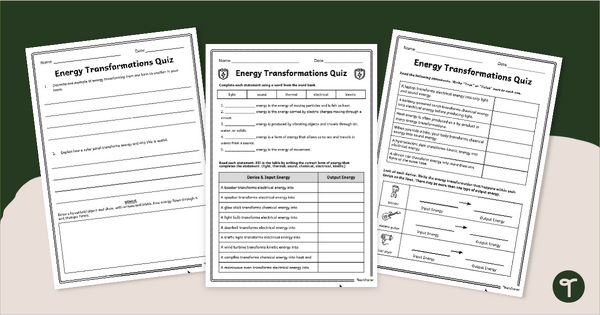
Energy Transformation Quiz
Assess your students’ knowledge of how energy changes form with a printable Energy Transformation Quiz.
- Plus Plan
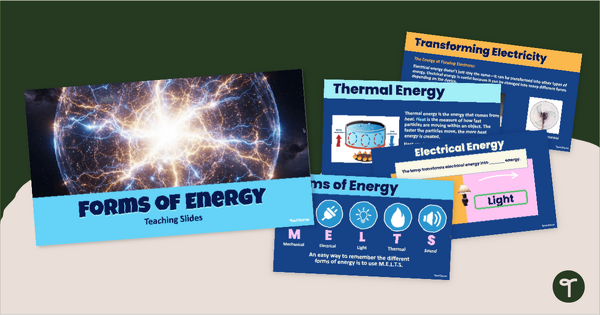
Forms of Energy PowerPoint
Teach your students about energy types with an engaging Forms of Energy PowerPoint Presentation.
- Plus Plan
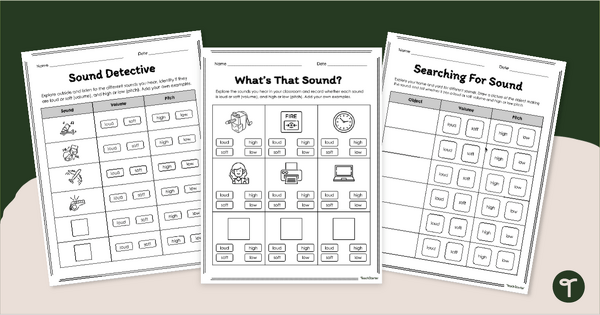
Sound Scavenger Hunt Activity Sheets (Pitch & Volume)
Explore pitch and volume with Sound Scavenger Hunt Activity Sheets.
- Plus Plan
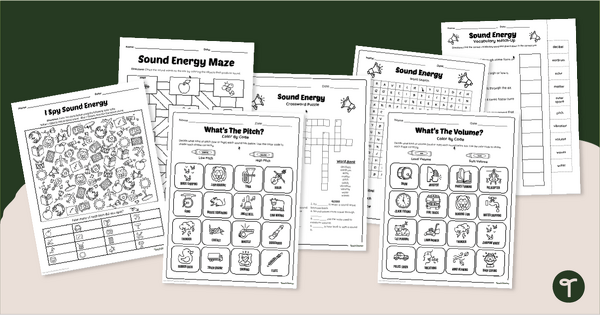
Sound Energy Activity Sheets
Explore sound energy, pitch, and volume with a variety of Sound Energy Activity Sheets.
- Plus Plan
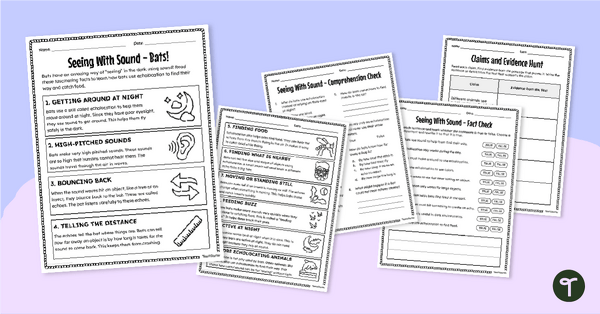
Bats and Echolocation Worksheets - Comprehension
Read and learn about how bats use echolocation to navigate and find food with a printable Echolocation Worksheet Pack.
- Plus Plan
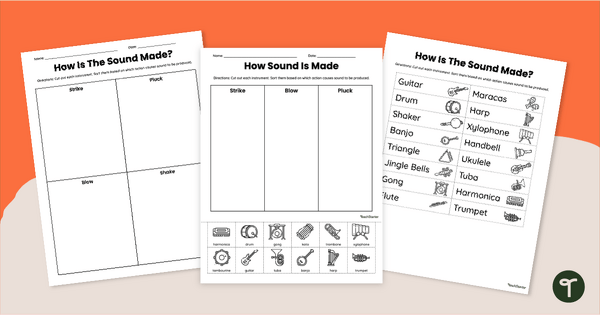
How Instruments Make Sound Worksheet Pack
Explore how musical instruments produce sound with this engaging cut-and-sort How Instruments Make Sound Worksheet Pack
- Plus Plan
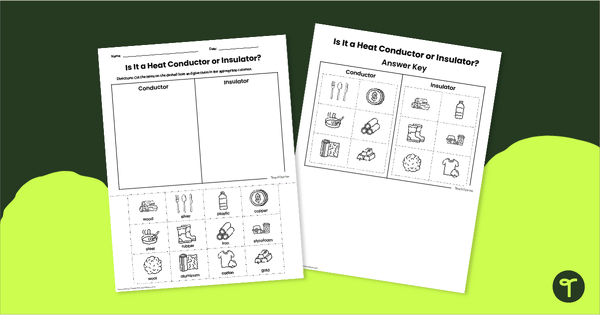
Thermal Conductor or Insulator? Worksheet
With this hands-on Thermal Conductor or Insulator Worksheet, students will cut and sort conductors and insulators.
- Plus Plan
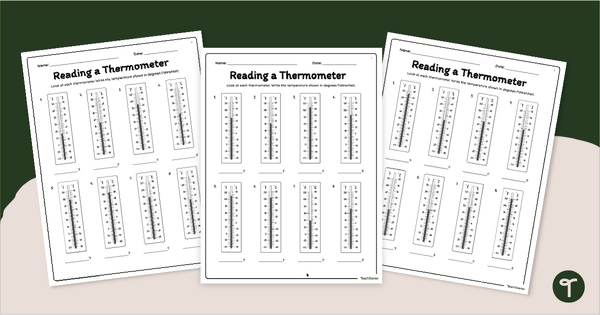
Reading a Thermometer Worksheets
Practice reading the temperature with a set of printable Reading a Thermometer Worksheets.
- Plus Plan
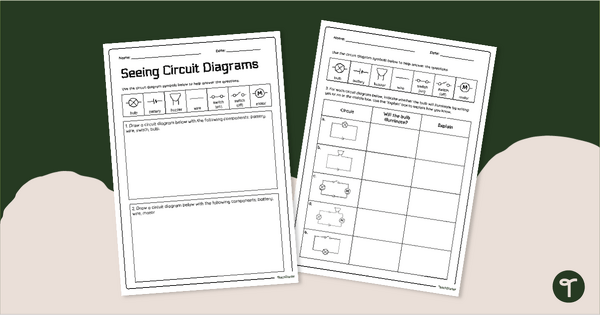
Drawing a Circuit Diagram Worksheet
Practice drawing and analyzing electrical circuits with our Drawing a Circuit Diagram Worksheet.
- Plus Plan
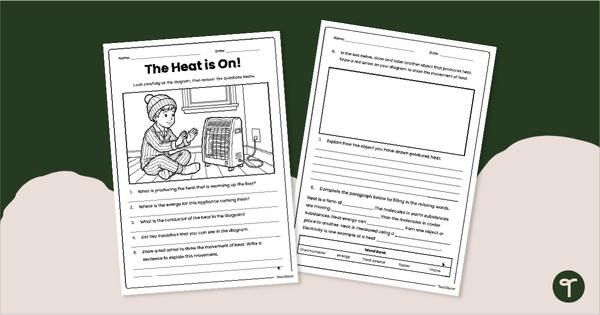
The Heat is On - Moving Heat Worksheet
Explore heat energy and how it moves with a printable Moving Heat Worksheet.
- Plus Plan
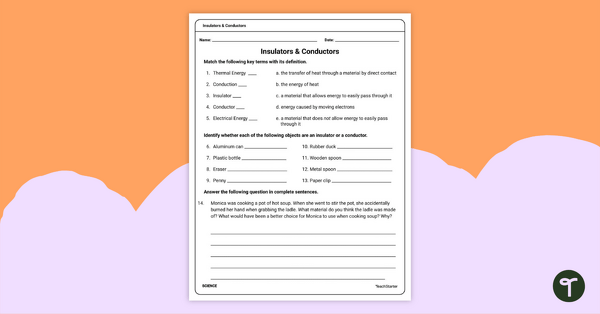
Conductors and Insulators Worksheet
Use this insulators and conductors worksheet with your students to practice identifying the characteristics of thermal and electrical energy.
- Plus Plan
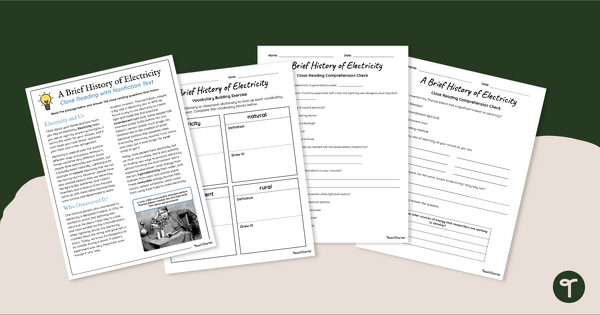
The History of Electricity - Reading Comprehension Worksheet
Read to learn about the history of electricity with a pack of printable Reading Comprehension worksheets.
- Plus Plan
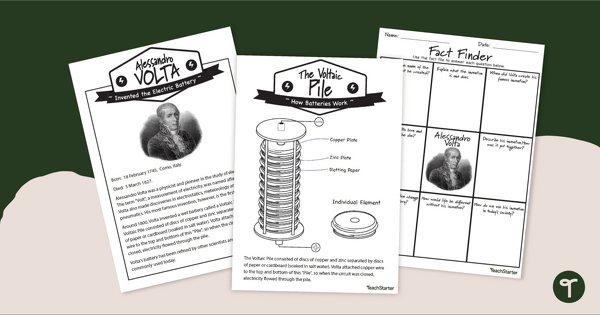
Famous Inventor Fact File - Alessandro Volta Comprehension Worksheet
Read and learn about Alessandro Volta and his amazing innovations with a Fact File reading passage and comprehension worksheet.
- Plus Plan
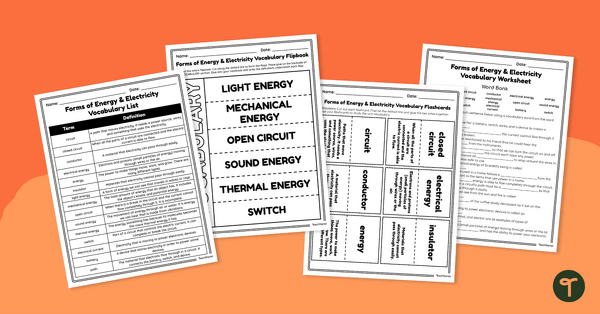
Forms of Energy & Electricity Vocabulary Worksheets
Review forms of energy and electricity terms with this science vocabulary worksheet pack.
- Free Plan
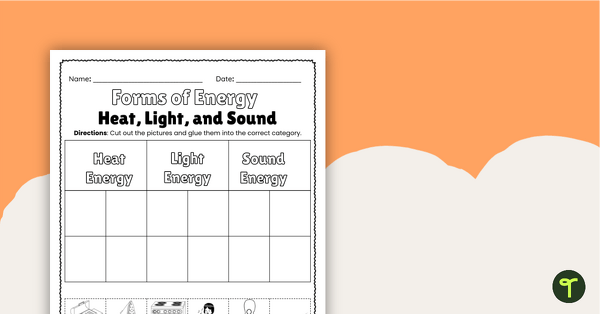
Forms of Energy (Heat, Light and Sound) Worksheet
Identify different forms of energy with this cut and paste worksheet.
- Plus Plan
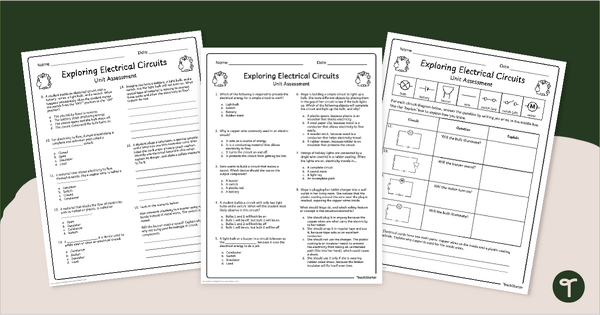
Exploring Electrical Circuits Assessment
Assess your students’ knowledge of electrical circuits and safety with a printable Electrical Circuits Assessment.
- Free Plan
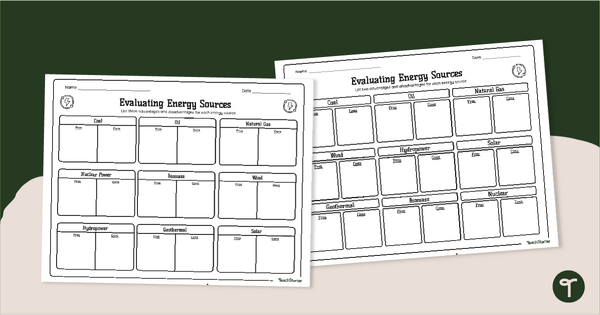
Energy Source Pros and Cons Chart
Examine the pros and cons of different energy sources with our printable Evaluating Energy Sources - Pros and Cons Chart.
- Plus Plan
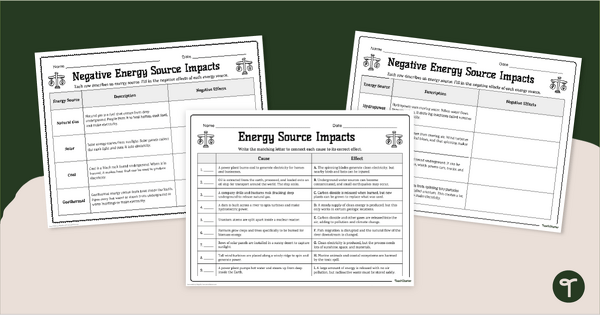
Energy Source Impact Worksheets
Explore the effects of alternative energy sources with a pair of printable Energy Source Impact Worksheets.
- Plus Plan
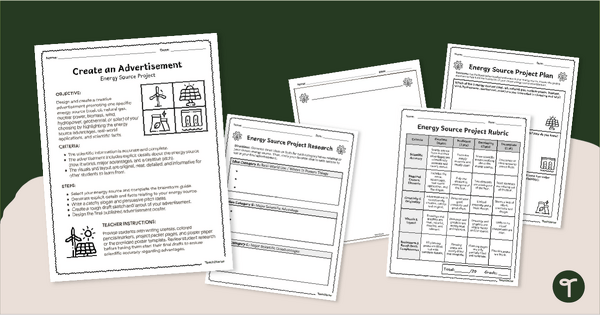
Alternative Energy Sources Poster Project
Research, explore, and learn about alternative energy sources with an engaging Energy Sources Poster Project.
- Plus Plan
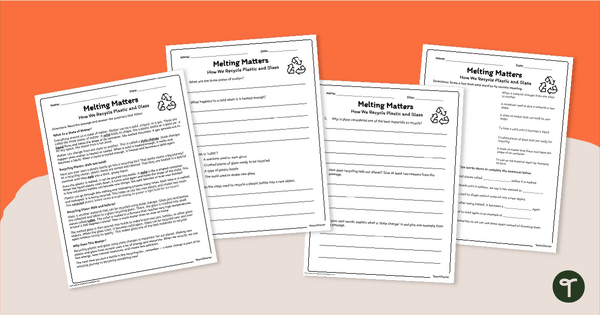
Recycling Plastic and Glass Worksheet Pack
Explore the role of heat in recycling materials and boost reading comprehension skills with a Recycling Plastic and Glass worksheet pack.
- Plus Plan
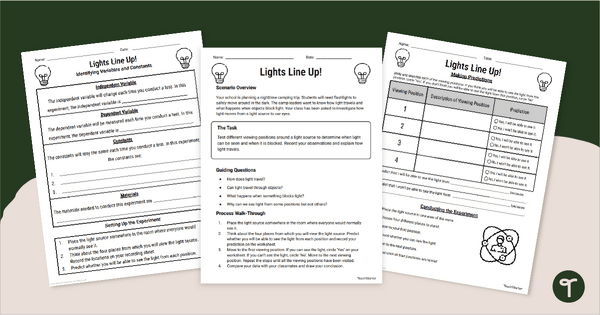
Exploring How Light Travels Experiment
Help your students uncover how light moves with this hands‑on How Light Travels experiment pack.
- Free Plan
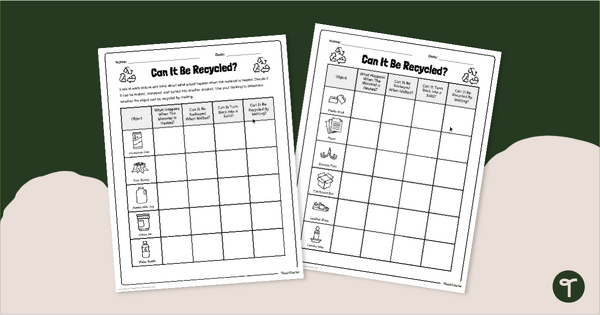
Recycling With Heat Worksheet
Explore how reversible and irreversible changes lend themself to recycling with a printable Recycling With Heat Worksheet.
- Free Plan
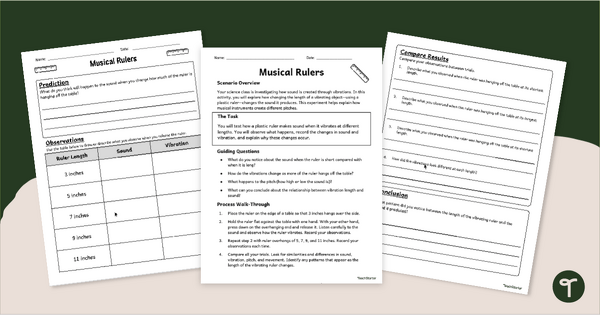
Musical Ruler Sound Experiment
Observe how sound is created through vibrations with an engaging Musical Rulers Sound Experiment.
- Plus Plan
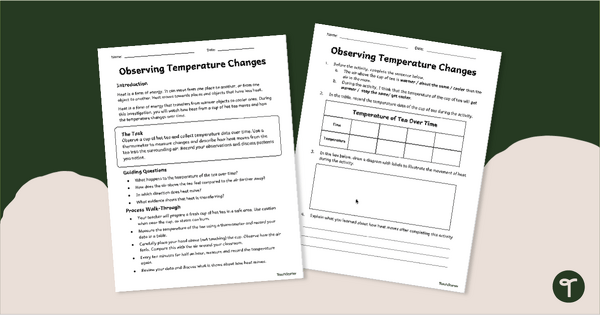
Observing Temperature Changes - Moving Heat Experiment
Explore heat transfer and practice measuring temperature with a thermometer in this Moving Heat Experiment.
- Plus Plan
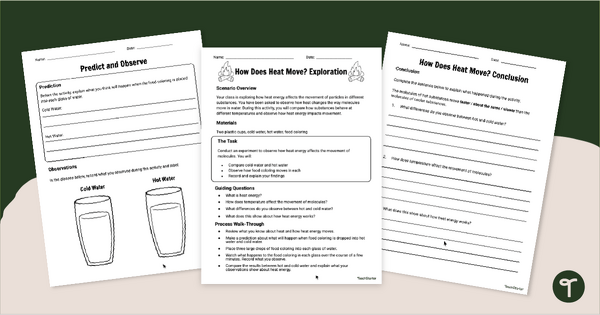
How Does Heat Move? Experiment
Observe how heat moves in hot and cold water with an engaging How Does Heat Move? Experiment.