Phonics Teaching Resources
Make teaching phonics easy with printable phonics worksheets, activities, games and more designed for elementary ELA and ELAR teachers.
This collection of curriculum-aligned teaching resources has been carefully reviewed by our expert teaching team to make sure every resource is classroom-ready — so we can make your lesson planning easier!
New to teaching phonics, or just looking for new ways to engage your students? Read on for a primer from our teacher team!
What Is Phonics?
You've likely heard the word "phonics" thousands of times throughout your own education and maybe on one of those old as from the '90s. But what is phonics, exactly?
Phonics is technically defined as the systematic instruction of the relationships between letters and sounds in written language. But that's a mouthful, isn't it? More simply, phonics is the word we use to refer to the method of teaching reading by focusing on the relationship between written letters and the sounds they represent.
In phonics, kids learn how to decode written words by recognizing the sound-symbol correspondence.
Phonics vs. Phonemic Awareness
When we start talking about letters and their sounds, we start to wander into phonemic awareness territory. So what's the difference?
The words phonics and phonemic are similar, and the two concepts are — surprise, surprise — related. But there are key differences.
Phonemic awareness is essentially the ability to identify and manipulate individual sounds — aka phonemes — in spoken language. It's those individual sounds and their correspondence to the letter symbols that can be used by kids to then decode written words.
So students learn to recognize the individual sounds of spoken language (phonemes) and how these sounds can be represented by letters (graphemes) in written language. Then they apply this knowledge to decode written words by understanding the sound-symbol correspondence.
Consider this example:
- Let's say your student can identify the separate sounds in a spoken word such as "cat" (i.e., /k/ /a/ /t/). That's phonemic awareness.
- Now let's say you're teaching that same student that the letter "c" represents the /k/ sound and that the letter "a" represents the /a/ sound, and that these sounds combine to form the word "cat." That's phonics!
How to Teach Phonics
OK, you probably already know that phonics is all about teaching word recognition via grapheme-phoneme associations and letter-sound correspondences.
It’s a means of teaching early readers the pieces that make up a word so they can blend them together to decode the English language as readers and writers.
But how do you teach it?
In the earliest stages, phonics instruction typically begins with teaching students the most common letter-sound relationships. You start with consonants, then move on to vowels, then consonant blends.
Students then learn to sound out words by decoding the letters and blending the sounds together to form words.

Phonics Vocabulary Terms
The English language system is one of the hardest to teach and learn, so how do you teach phonics? Let’s start with the phonics vocabulary.
- For starters, there are 26 letters that create approximately 44 phonemes, the word for the individual speech sounds that make up words. Put together, phonemes make words. OK, easy enough, right?
- Well, these phonemes can be written in over more than 200 different letter combinations, known as graphemes. Graphemes can be made up of 1 letter (such as “p” in “pig”), 2 letters (such as “gh” in ghost), 3 letters (such as “igh” in night), or 4 letters (such as “ough” in rough).
- Then there are digraphs or two letters that work together to make one sound — such as “ph” in graph. But wait, isn’t that a grapheme? Yup, a digraph is a type of grapheme.
- So is a trigraph, trigraphs, aka three letters that work together to make one sound, such as “dge” in edge.
- And if you’re teaching phonics, you can’t forget dipthongs, the name for a sound that is formed by the combination of two vowels in a single syllable, such as “ou” in loud.
Most students will spend kindergarten, first, and even second grade getting a handle on all phonics elements!
- Plus Plan
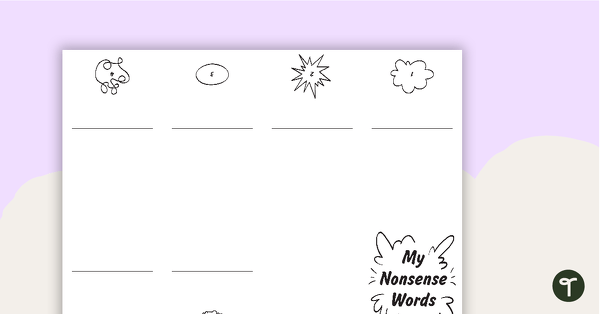
My Nonsense Word Mini-Book - Template
Celebrate Read Across America and Roald Dahl Day by creating a nonsense word mini-book with this handy template.
- Plus Plan
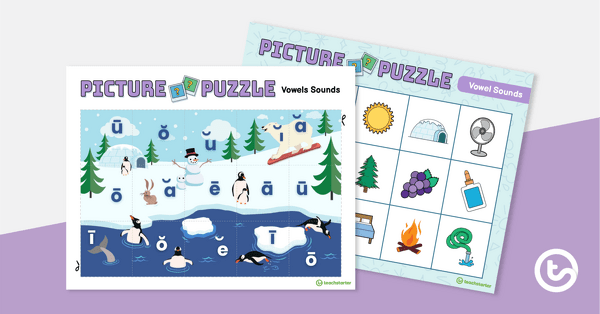
Vowel Sounds Winter Picture Puzzle
Distinguish between long and short vowel sounds with this 15 piece vowel picture puzzle.
- Plus Plan
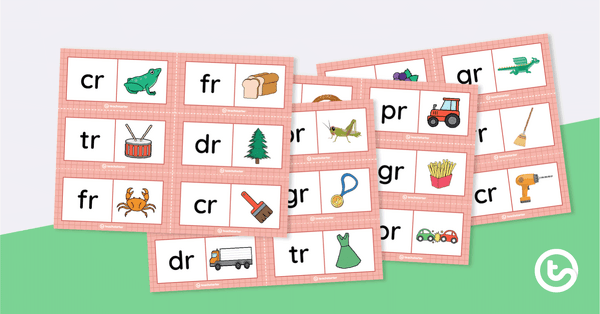
R Blends Dominoes
Practice decoding and spelling words that feature R consonant blends with this set of 28 dominoes.
- Plus Plan
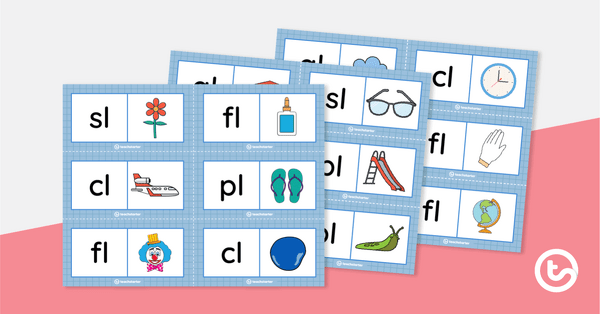
L Blends Dominoes
Practice decoding and spelling words that feature L consonant blends with this set of 28 dominoes
- Plus Plan
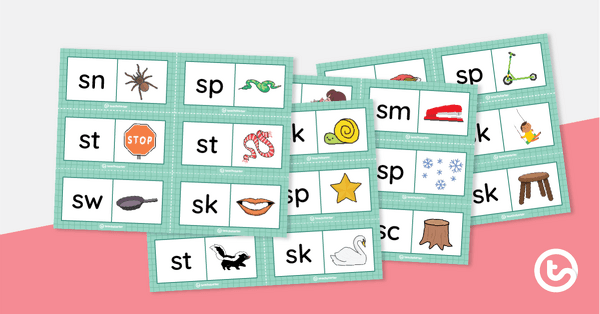
S Blends Dominoes
Practice decoding and spelling words with S consonant blends.
- Plus Plan
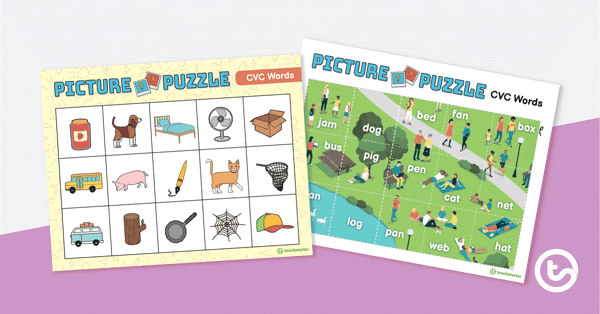
Reading CVC Words - Picture Puzzle
Decode CVC words with this 15 piece puzzle.
- Plus Plan
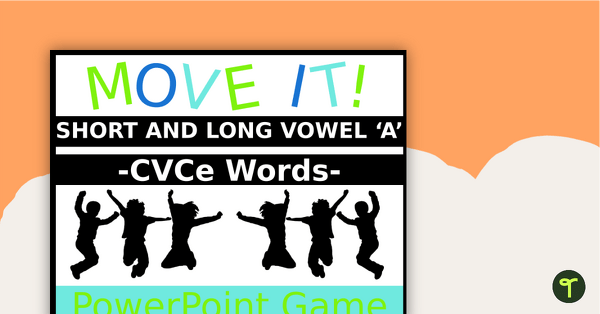
Move It! - Long and Short Vowel 'A' PowerPoint Game
An active PowerPoint game to practice reading and identifying long and short vowel 'a' words.
- Plus Plan
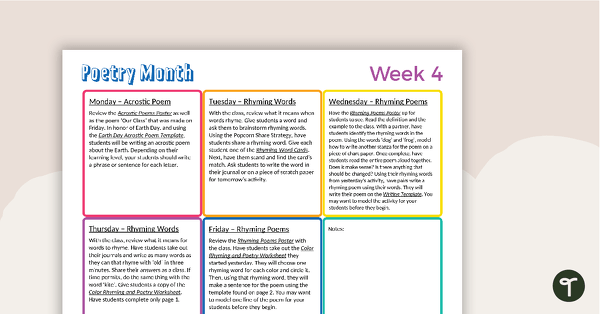
Primary Weekly Poetry Guide - Weeks 4 and 5
Use this weekly poetry guide to celebrate National Poetry Month in your primary classroom.
- Plus Plan
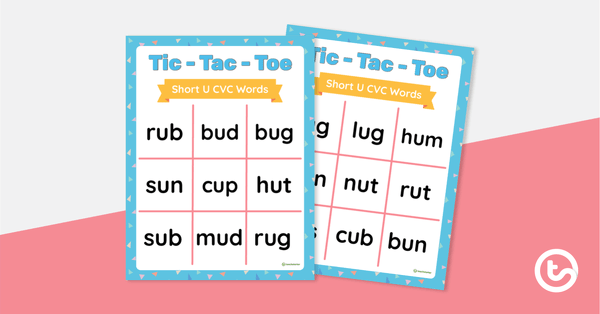
Tic-Tac-Toe Game: Short U CVC Words
Practice reading short /u/ CVC words with this set of 6 tic-tac-toe games.
- Plus Plan
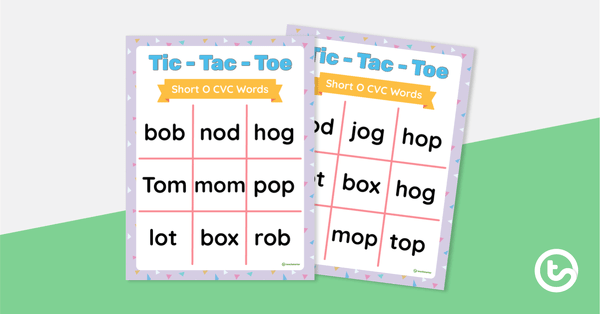
Tic-Tac-Toe Game: Short O CVC Words
Practice reading short /o/ CVC words with this set of 6 tic-tac-toe games.
- Plus Plan
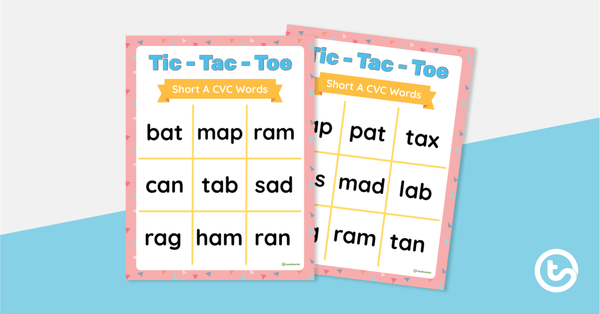
Tic-Tac-Toe Game: Short A CVC Words
Practice reading short /a/ CVC words with this set of 6 tic-tac-toe games.
- Plus Plan
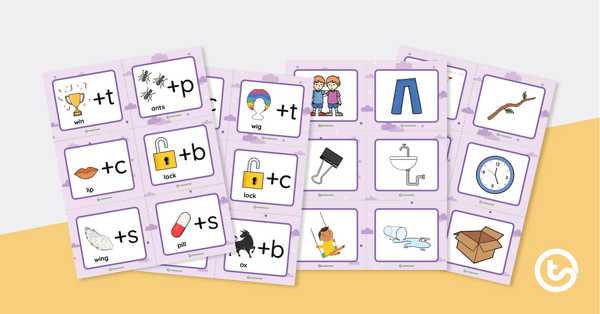
Phoneme Addition Match-Up Activity
Create new words by adding initial phonemes through 32 match-up cards.
- Plus Plan
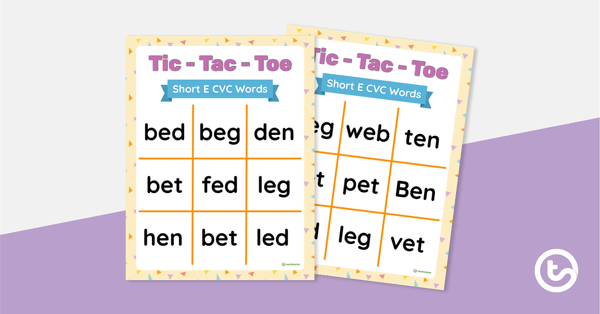
Tic-Tac-Toe Game: Short E CVC Words
Practice reading short /e/ CVC words with this set of 6 tic-tac-toe games.
- Plus Plan
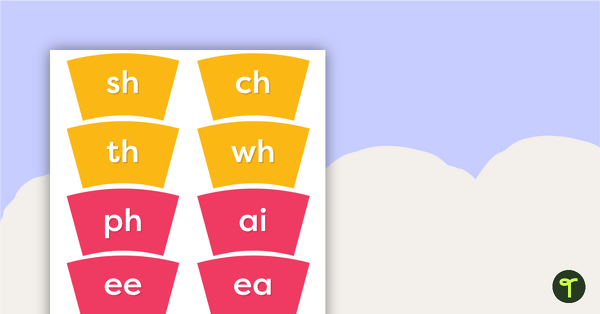
Classroom Spinner Template - Digraphs
A classroom spinner template focusing on digraphs.
- Plus Plan
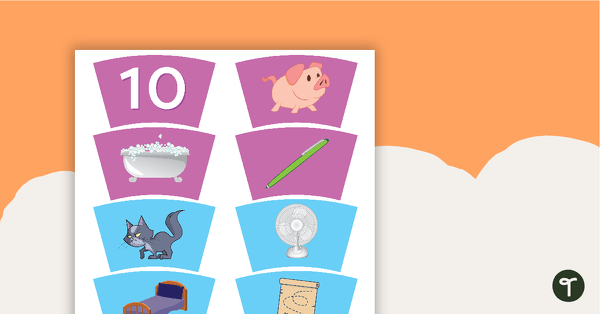
Classroom Spinner Template - CVC Words
A classroom spinner template focusing on CVC words.
- Plus Plan
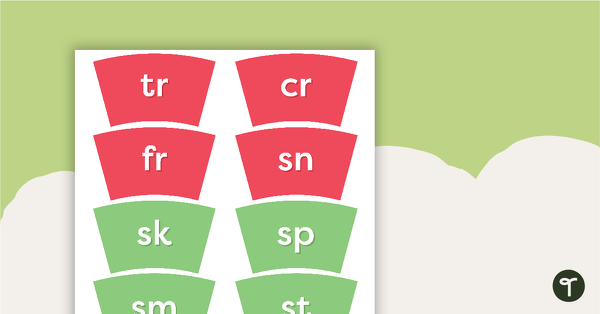
Classroom Spinner Template - Blends
A classroom spinner template focusing on blends.
- Plus Plan
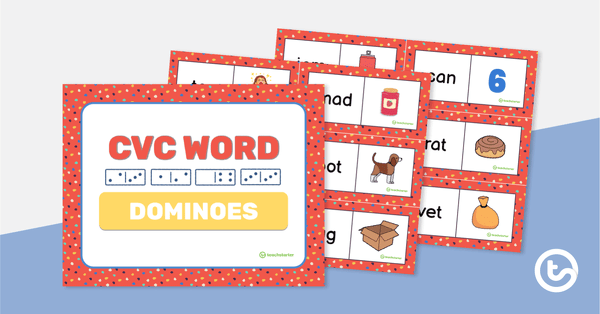
CVC Word Dominoes
Practice decoding and spelling CVC words with this set of 30 dominoes.
- Plus Plan
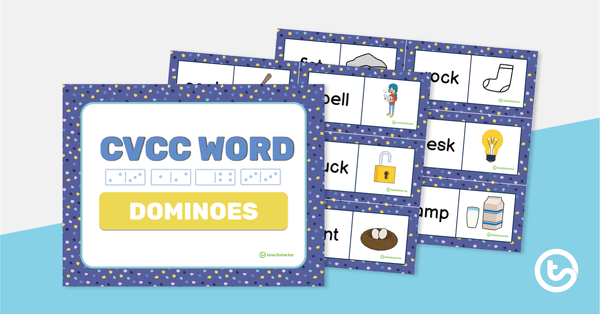
CVCC Word Dominoes
Practice decoding and spelling CVCC words with this set of 28 dominoes.
- Plus Plan
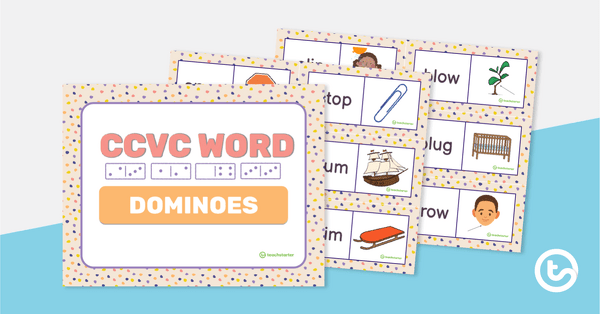
CCVC Word Dominoes
Practice decoding and spelling CCVC words with this set of 28 dominoes.
- Plus Plan
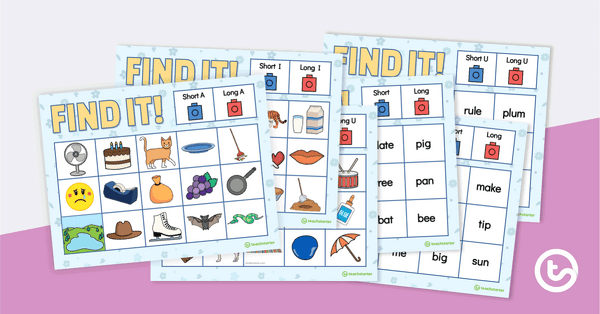
FIND IT! Long and Short Vowels - Task Cards
Practice distinguishing between short vowel sounds and long vowel sounds with this set of 16 task cards.
- Plus Plan
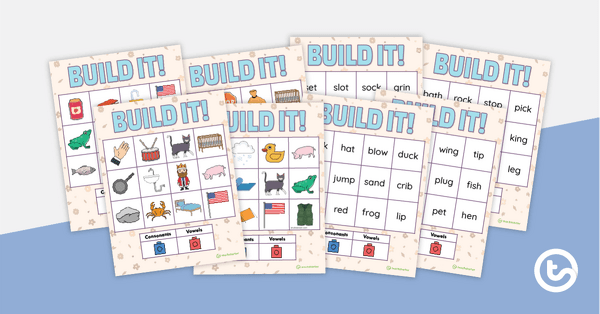
BUILD IT! CVC, CCVC, and CVCC Words
Encourage your students to practice decoding and spelling CVC, CCVC, and CVCC words with this set of 15 task cards.
- Plus Plan
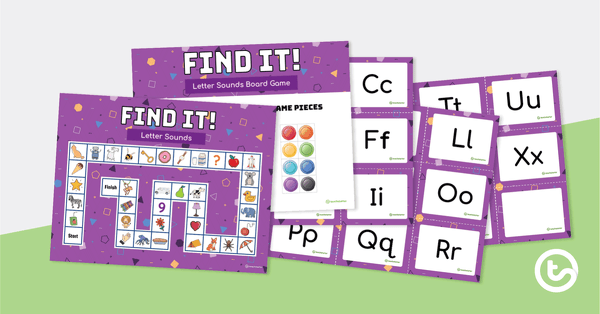
FIND IT! Letter Sounds Board Game
Develop letter-sound relationships using this engaging multiplayer board game with 26 alphabet cards that players match to recognizable pictures.
- Plus Plan
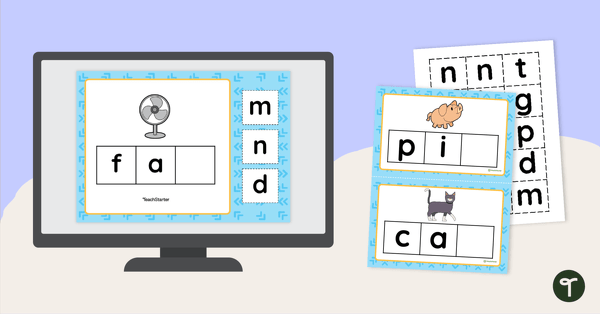
How Does It End? - Final Sounds Printable or Interactive Activity
Practice spelling CVC words with this set of 15 fill-in-the-blank word cards and their matching missing letters.
- Plus Plan
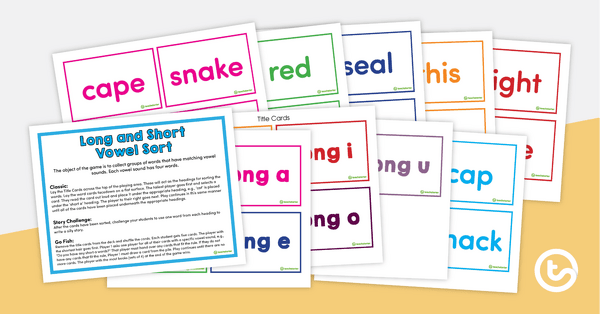
Long and Short Vowel Sort
A set of 40 sorting cards to practice long and short vowel sounds.
- Plus Plan
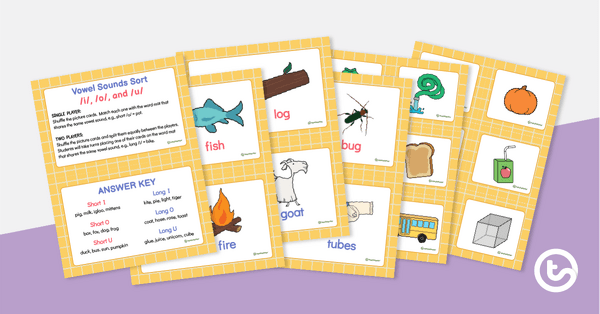
Vowel Sounds Sort - /i/, /o/, and /u/
Practice distinguishing between long and short vowel sounds for letters /i/, /o/ and /u/ by sorting this set of 24 picture cards into categories.
- Plus Plan
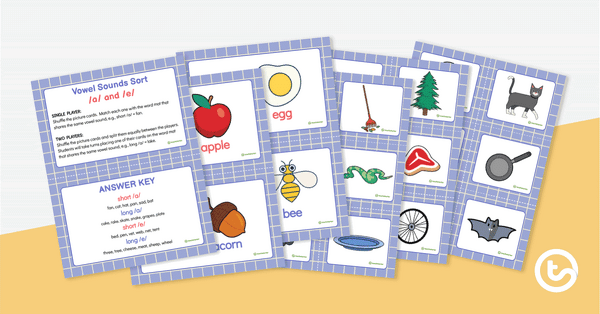
Vowel Sounds Sort - /a/ and /e/
Practice distinguishing between long and short vowel sounds for letters /a/ and /e/ by sorting this set of 24 picture cards into categories.
- Plus Plan
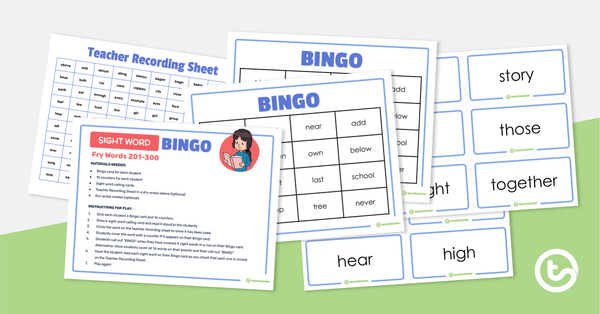
Sight Word BINGO (Fry Word List 201-300)
Practice learning sight words 201-300 on the Fry Sight Word List with our set of 22 Sight Words Bingo cards.
- Plus Plan
Alphabetize the Aquarium Activity
A set of 4 mats for students to practice alphabetizing.
- Plus Plan
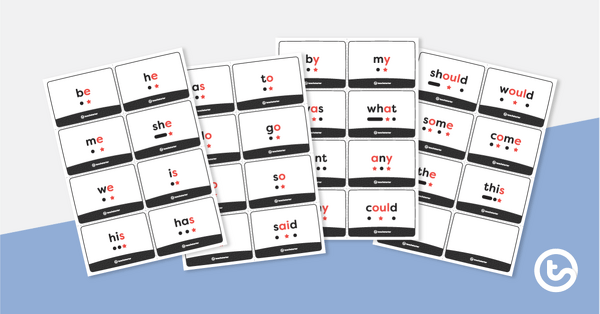
Phoneme Segmentation Flashcards - Tricky Words
A set of 30 tricky word phoneme segmentation flashcards.
- Plus Plan
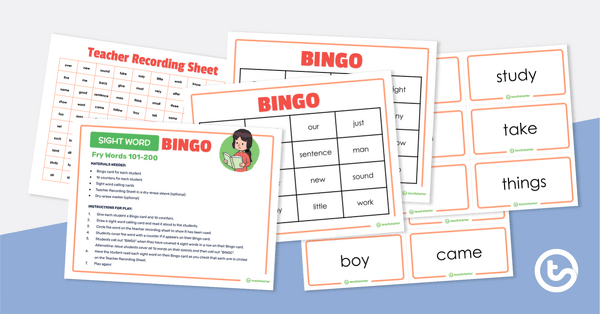
Sight Word BINGO (Fry Word List 101-200)
Practice learning sight words 101-200 on the Fry Sight Word List with our set of 22 Sight Words Bingo cards.
- Plus Plan
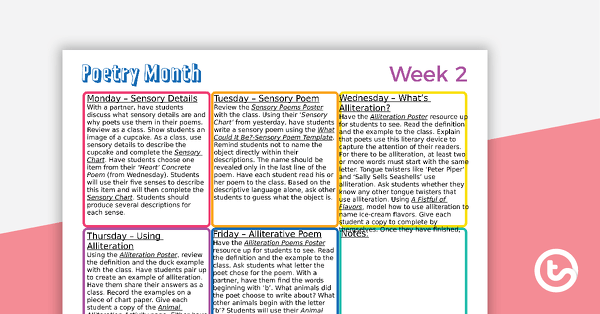
Primary Weekly Poetry Guide - Week 2
Use this weekly poetry guide to celebrate National Poetry Month in your primary classroom.
- Plus Plan
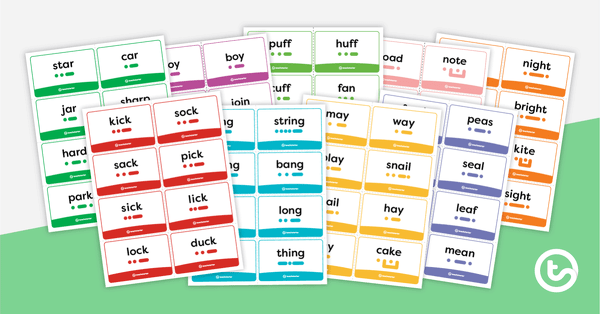
Phoneme Segmentation Flashcards – Set 2
A set of over 180 decodable phoneme segmentation flashcards.