Types of Writing Teaching Resources
Explore the different types of writing with your students this school year with printable RACES writing strategy worksheets, constructed response activities, graphic organizers and more teacher resources created by teachers for teachers.
This collection of curriculum-aligned teaching resources has been carefully reviewed by our expert teaching team to make sure every resource is classroom-ready — so we can make your lesson planning easier!
New to teaching the types of writing, or just looking for new ways to engage your students? Read on for a primer from our teacher team!
What Are the Different Types of Writing? 4 Main Writing Genres to Share With Students
If you're introducing the different types of writing — or different genres of writing — to your students, it can help to have some basic descriptions of each type at hand. That's exactly what our teacher team has put together for you!
When we sit down to write any text, we have a goal for writing. Sometimes we're looking to tell a story. Sometimes we want to share information. Other times a piece of writing is created to persuade the reader.
The goal or purpose of a text, as well as its audience, helps us determine what type of writing we need to create.
There are many different genres of writing that students will encounter as readers and writers over their lifetimes, but let's start with the four main types of writing that we cover in elementary and middle school.
1. Narrative Writing
Narrative writers tell stories, making up characters and creating different settings for their readers. The goal of this type of writing is to entertain the reader.
2. Persuasive Writing
If you're trying to convince a reader of something, you'll need to engage in persuasive writing. This type involves trying to convince a reader to take a specific action or to agree with your point of view.
3. Descriptive Writing
When we want to describe something to a reader, the type of writing we create is called descriptive writing. In this genre, we use vivid details to paint a picture in the reader's mind.
4. Informative Writing
If your goal is to create a piece of text that provides the reader with facts or instructions about a specific topic, the type of writing to choose is informative writing.
- Plus Plan
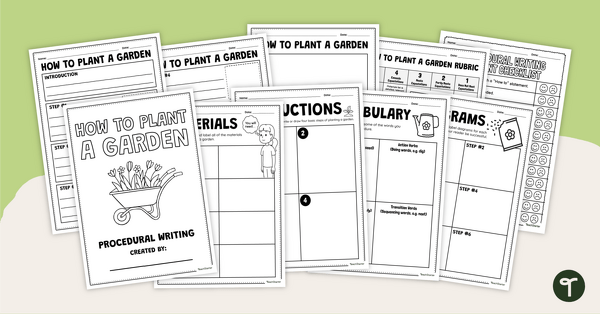
How to Plant a Garden – Procedural Writing Project
Get your students writing high-quality procedure texts with this fun “How to Plant a Garden” procedural writing project.
- Plus Plan
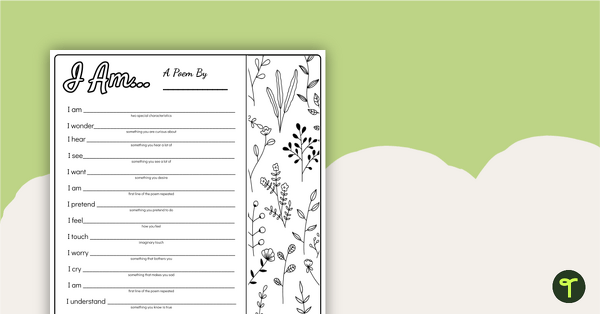
I Am Poem Template
Get to know your students and create back-to-school poems with a printable ‘I Am… Poem template.
- Plus Plan
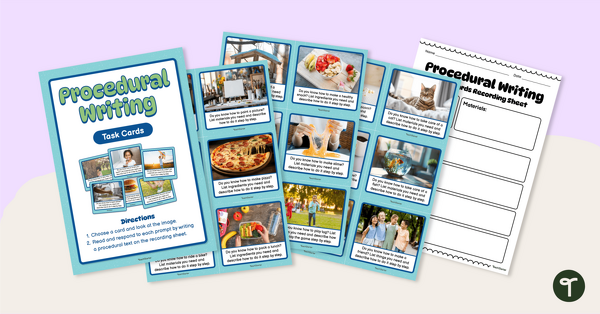
Procedural Writing Prompt Task Cards
Need some procedural writing ideas? Download these task cards to use as a writing center activity during your procedure writing unit.
- Plus Plan
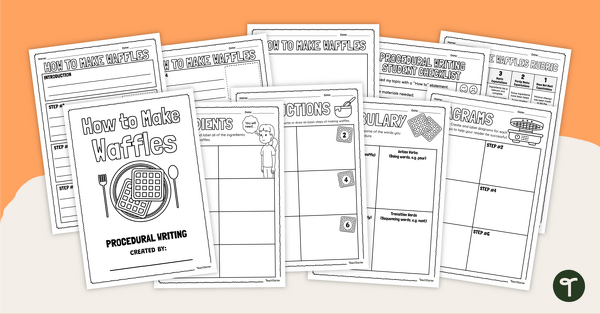
How to Make Waffles - Procedural Writing Project
Get your students writing high-quality procedure texts with this fun “How to Make Waffles” procedural writing project.
- Plus Plan
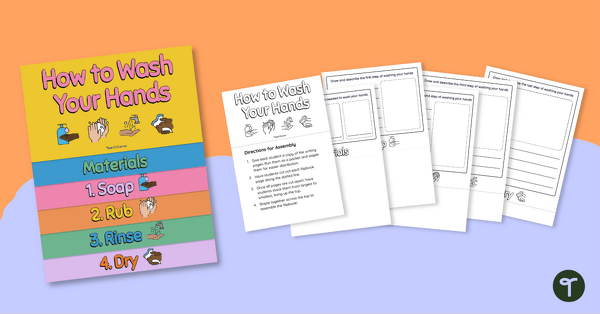
How to Wash Your Hands Flipbook
Use this “How to Wash Your Hands” procedural writing activity to help familiarize your students with the structural elements of procedure texts.
- Plus Plan
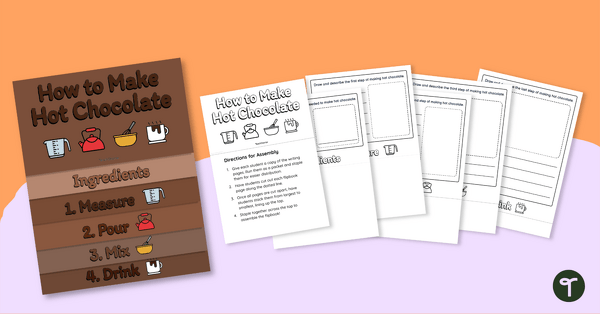
How to Make Hot Chocolate Flipbook
Use this “How to Make Hot Chocolate” procedural writing activity to help familiarize your students with the structural elements of procedure texts.
- Plus Plan
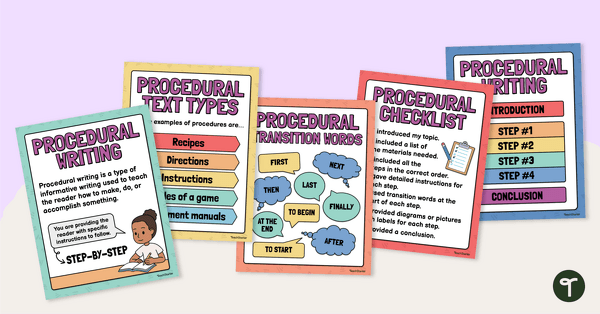
Procedural Writing Posters
Display this set of 5 procedural writing anchor charts in your classroom during your procedural writing unit.
- Plus Plan
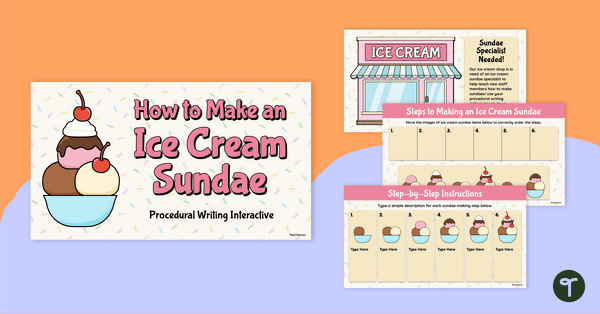
How to Make an Ice Cream Sundae Interactive Activity
Use this “How to Make an Ice Cream Sundae” procedural writing interactive activity to model the purpose, structural elements and language features of procedure texts.
- Plus Plan
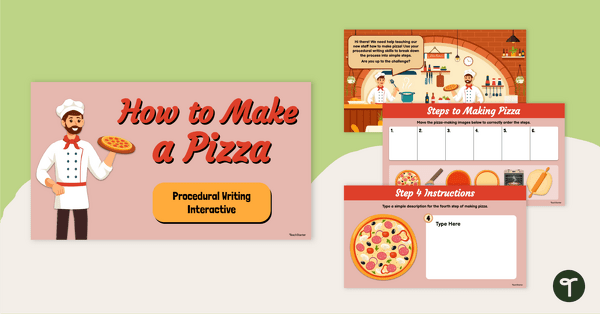
How to Make a Pizza Interactive Activity
Use this “How to Make a Pizza” procedural writing interactive activity to model the purpose, structural elements and language features of procedure texts.
- Plus Plan
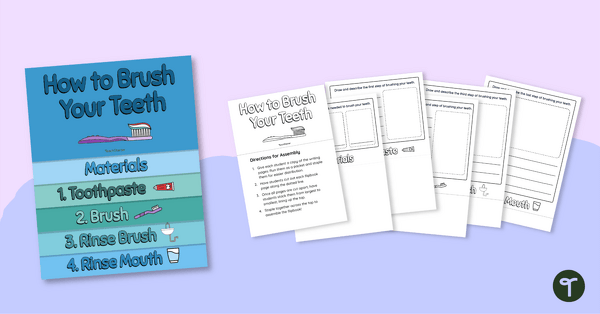
How to Brush Your Teeth Flipbook
Use this “How to Brush Your Teeth” procedural writing activity to help familiarize your students with the structural elements of procedure texts.
- Plus Plan
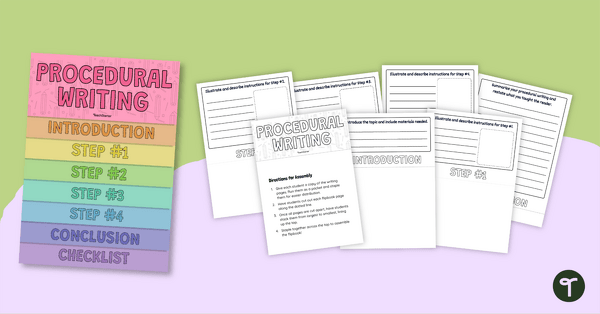
Procedural Writing Flipbook
Get your students to write a procedure text using this easy-to-compile flipbook scaffold.
- Plus Plan
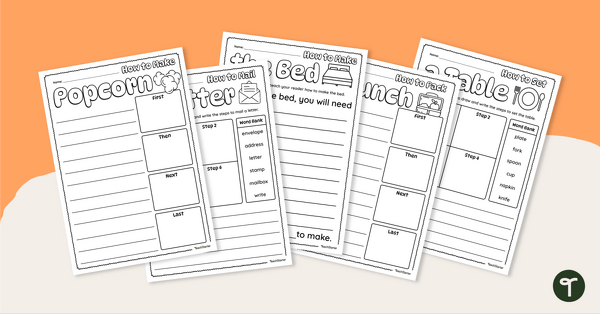
Procedural Writing Templates – "How to" Prompts
Get your students to write procedural texts with this set of differentiated procedure writing prompt templates.
- Plus Plan
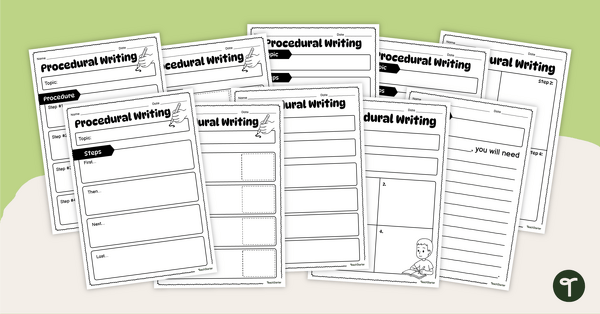
Procedural Writing Graphic Organizers
Get your students to write procedural texts with this set of 10 differentiated graphic organizers.
- Plus Plan
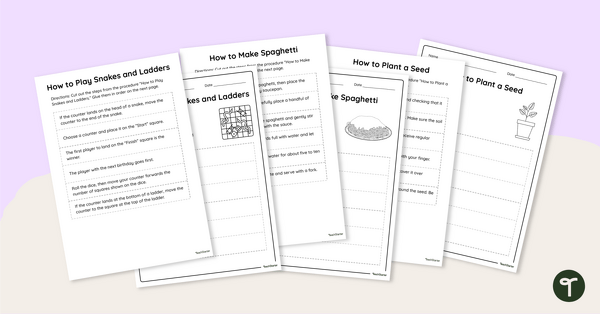
Sequence a Procedural Text – Cut and Paste Worksheets
Use these procedural writing examples to teach your students about sequencing instructions in a logical order.
- Plus Plan
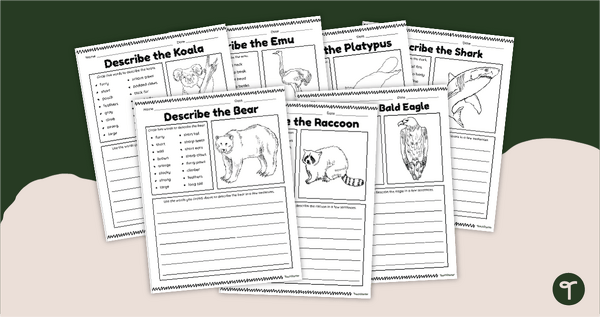
Describing Animal Adaptations - Informative Writing Prompt Worksheets
Write to describe animals and their adaptations with a printable pack of informative writing worksheets.
- Plus Plan
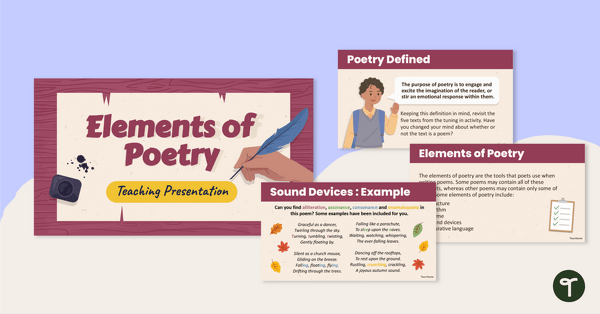
Elements of Poetry Teaching Slides
Explore the key elements of poetry with your students using this comprehensive and age-appropriate slide deck perfect for your poetry writing unit.
- Plus Plan
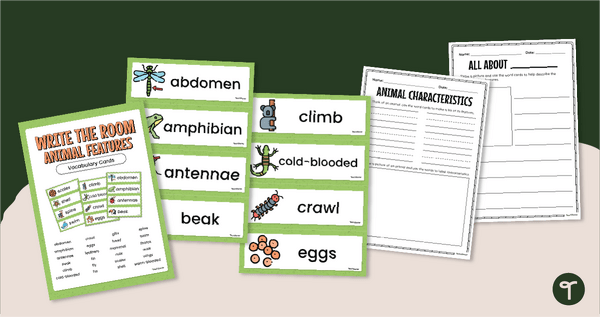
Animal Characteristics - Write the Room Activity
Help your young students read and write about features of animals with a printable Animal Characteristics Write the Room activity.
- Plus Plan
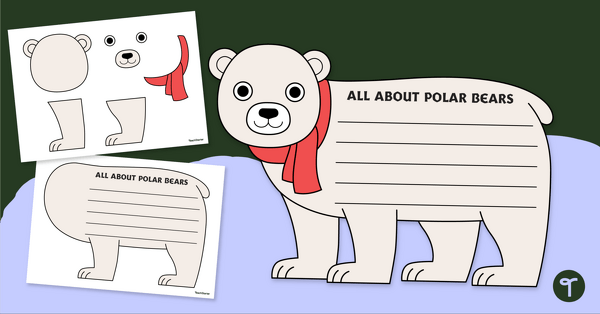
Polar Bear Craft Template
Pair a polar bear craft and informational writing to create a fun winter animals bulletin board.
- Plus Plan
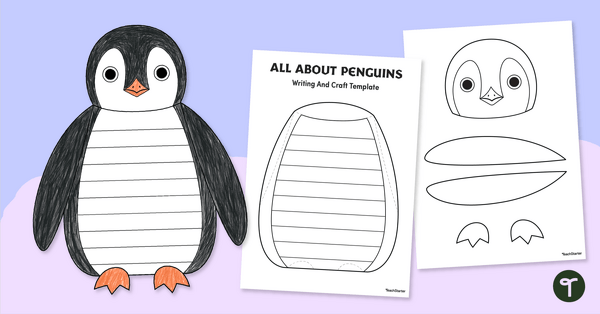
Penguin Craft & Writing Template
Research and write about penguins and their adaptations, then create a fun penguin craft to display student work.
- Plus Plan
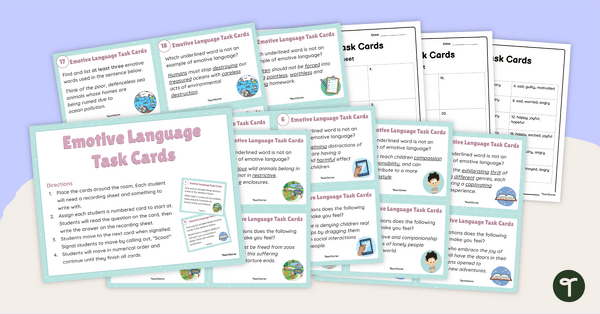
Emotive Language Task Cards
Get students exploring emotive language examples with this set of task cards perfect for your persuasive writing unit.
- Plus Plan
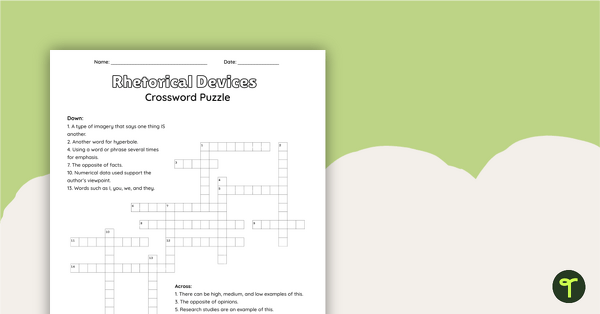
Rhetorical Devices Crossword
Familiarize your students with the most common rhetorical devices with an engaging crossword puzzle.
- Free Plan
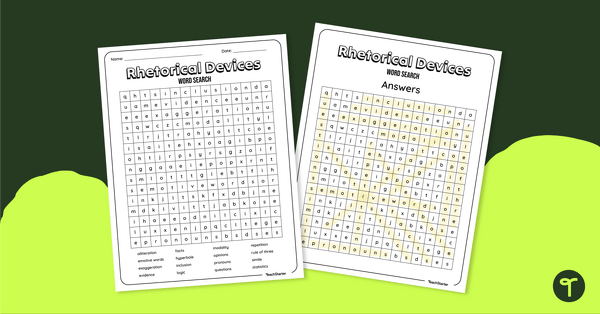
Rhetorical Devices Word Search
Familiarize your students with the most common rhetorical devices with a fun word search.
- Plus Plan
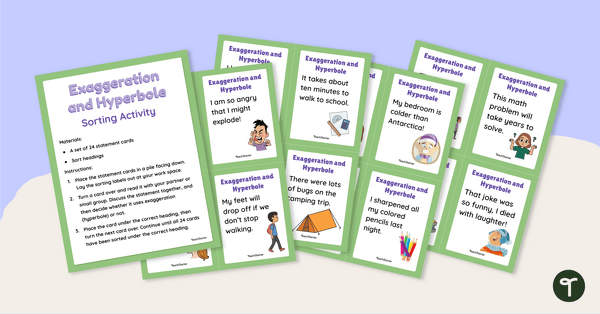
Exaggeration and Hyperbole Sorting Activity
Explore examples of hyperbole with your students using this set of 24 sorting cards perfect for your reading centers.
- Plus Plan
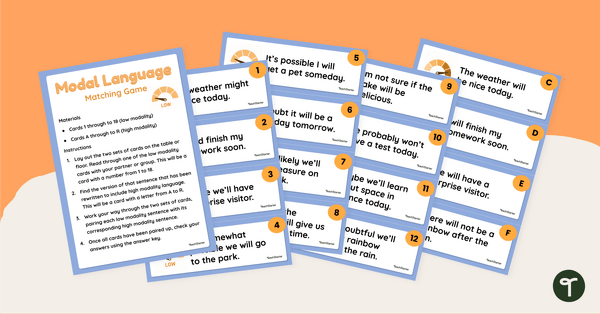
Modal Language Matching Activity
Have students explore high modality and low modality language with this matching game to use during your persuasive writing unit.
- Plus Plan
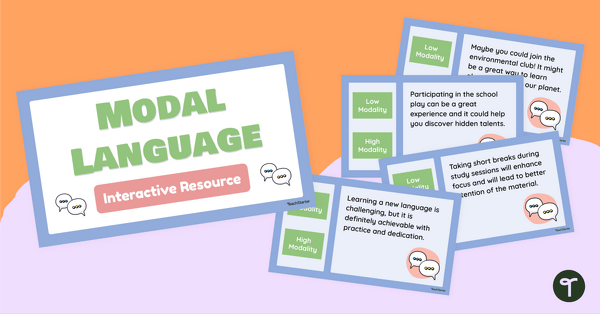
Modal Language Interactive Activity
Explore the language of modality with your students using this digital game perfect for your persuasive writing lessons.
- Plus Plan
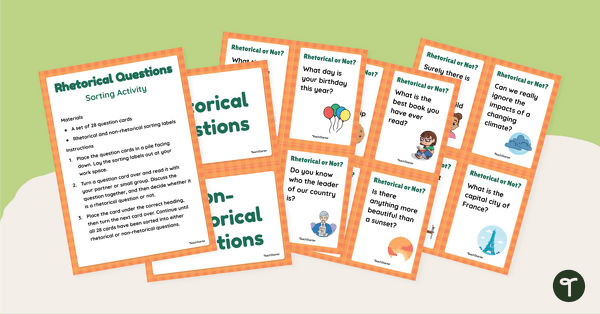
Rhetorical Questions Sorting Activity
Explore examples of rhetorical questions with your students using this set of 28 sorting cards perfect for reading centers.
- Plus Plan
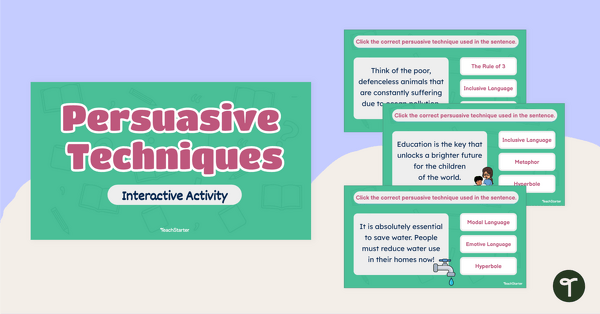
Persuasive Techniques Interactive Activity
Explore persuasive technique examples with your students using this digital game perfect for your persuasive writing lessons.
- Plus Plan
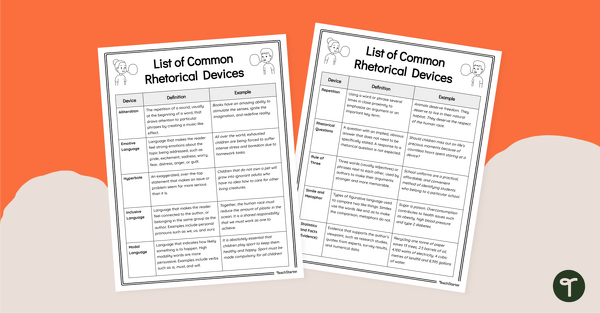
List of Rhetorical Devices
Download this list of rhetorical devices for your students to refer to when writing a persuasive essay.
- Plus Plan
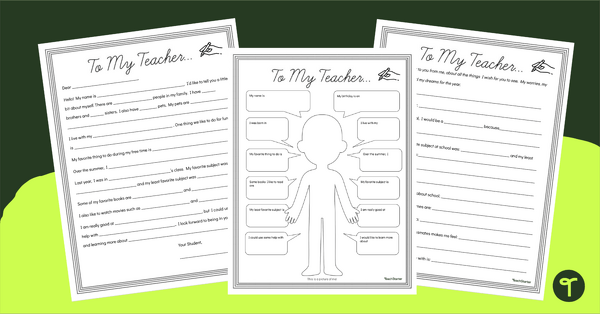
A Letter to My Teacher Activity Sheets
Get to know your students a bit better using a ‘Letter to Teacher’ template.
- Plus Plan
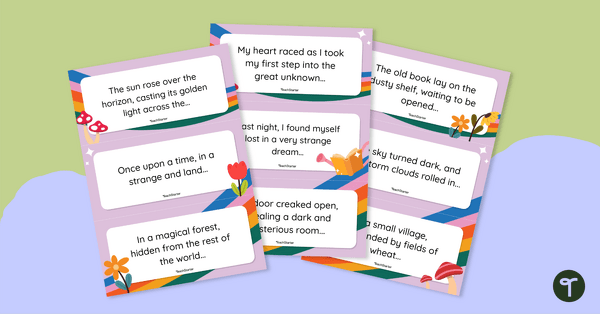
Inspiring Story Starters - Task Cards
Get your students writing during Read Across America week with this set of inspirational narrative story starter task cards.
- Plus Plan
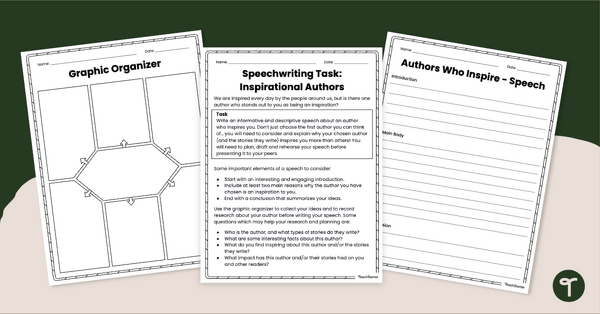
Inspirational Authors – Speechwriting Project
Research and celebrate an inspiring author during Read Across America Week with this speech-writing task.
- Plus Plan
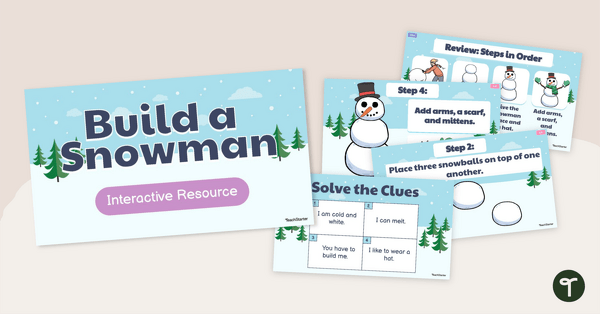
Interactive Build A Snowman Sequencing Activity
Practice sequencing and writing procedural texts with an interactive How to Build a Snowman game.
- Types of Writing Templates
- Types of Writing Worksheets
- Types of Writing Posters
- Types of Writing Games
- Types of Writing Word Walls
- Types of Writing Projects
- Types of Writing for Kindergarten
- Types of Writing for 1st Grade
- Types of Writing for 2nd Grade
- Types of Writing for 3rd Grade
- Types of Writing for 4th Grade
- Types of Writing for 5th Grade
- Types of Writing for 6th Grade