Social Awareness Teaching Resources
Help your students build social awareness skills with activities and printables, social skills worksheets and more SEL teaching resources created by teachers specifically for elementary and middle school students.
This collection is full of digital and printable activities created by the expert teachers of the Teach Starter team to help teachers as they work with students on being more socially aware, recognize social cues, understand social dynamics and treat the people around them with kindness and courtesy.
Each teaching resource in this social awareness teaching resource collection has undergone rigorous review by the Teach Starter team to ensure it's ready for the classroom ... and your students!
Curious about teaching social awareness and wondering how to build students' social skills? Read on for some tips from our expert teachers!
What Is Social Awareness? A Kid-Friendly Definition
Being socially aware is not something that comes naturally to every child, and explaining what social awareness means can be tough. Our teacher team has created this kid-friendly definition to help!
Social awareness is understanding how other people feel and what they need. When we are socially aware, we notice how others are doing, and we make an effort to be kind and helpful to them.
Social awareness also means paying attention to the rules and ways people behave in different situations.
Being socially aware means we are more sensitive to the feelings of people around us, and we can then use our social skills — such as the ability to be kind, to listen and to cooperate – to work with others. It means we can empathize with others, understand diverse perspectives and navigate social interactions effectively.
Social Awareness Examples for Kids
Now that you've explained the social awareness meaning, it helps to explore what it actually looks like when you put it into practice. Many of your students may have at least some skills already at hand — depending on the individual student and grade level.
A kindergartner, for example, may show empathy by giving a crying friend a hug or sharing a toy, but they're typically not yet able to understand that people have different perspectives.
So how can your students show they're socially aware? Let's look at some kid-friendly social awareness examples!
- Taking turns on the playground or at the water fountain.
- Sharing crayons or gluesticks with classmates.
- Making eye contact with friends when they're speaking.
- Paying attention when a teacher is speaking and not interrupting.
- Collaborating with classmates to complete a group assignment.
- Using conflict resolution skills to address issues with a friend.
- Offering to help the gym teacher put away the basketballs or helping the school librarian shelve the books that have been left out by other students.
What Is the Difference Between Self Awareness and Social Awareness?
We teach students both self awareness and social awareness in elementary and middle school, and the two relate to one another as important aspects of emotional intelligence.
But where social awareness is focused outward on the emotions, perspectives and needs of others, self awareness focuses inward on recognizing those concepts in oneself.
Social Awareness and Emotional Intelligence
Emotional intelligence is an umbrella term that involves a number of the core components of a social emotional learning curriculum — including self awareness, self management and relationship management, as well as social awareness.
So how does social awareness specifically tie back to emotional intelligence? Being emotionally intelligent involves not just recognizing emotions in one's self but in others — the basic component of social awareness for our students.
Take social dynamics, for example. Understanding the social dynamics at play in a particular situation is a big part of being socially aware. Recognizing group norms, cultural differences and power dynamics all help our students to avoid causing offense or discomfort in others. It's a great example of having the emotional intelligence required to navigate a situation!
- Free Plan
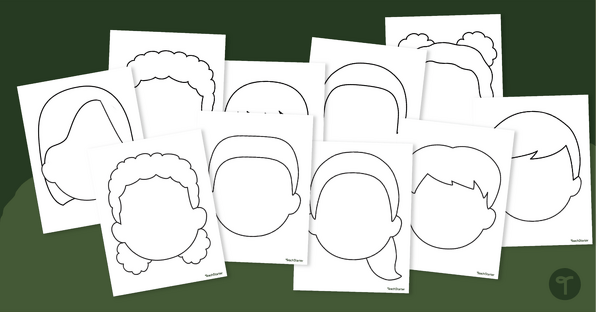
Free Blank Face Templates
Use these blank face templates to create fun back-to-school art celebrating the individuality and diversity of your new students!
- Free Plan
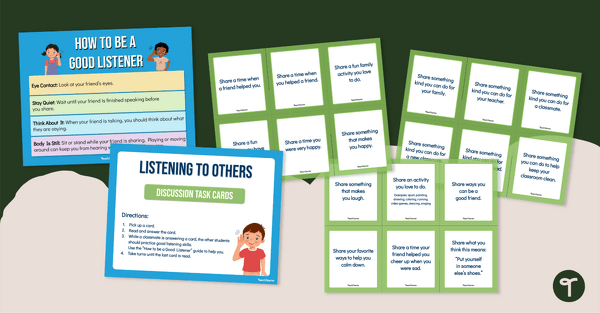
Listening to Others – Discussion Task Cards and Poster
Give students the opportunity to work on their listening skills and learn what it means to be a good listener with this set of 42 discussion cards and classroom poster.
- Free Plan
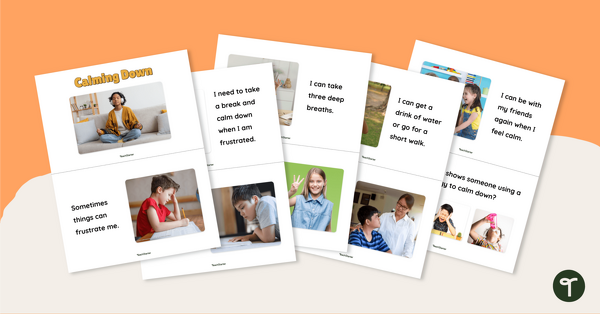
Calming Down Mini-Book
Help your students to keep calm when they are experiencing heightened emotions with this social story mini-book.
- Free Plan
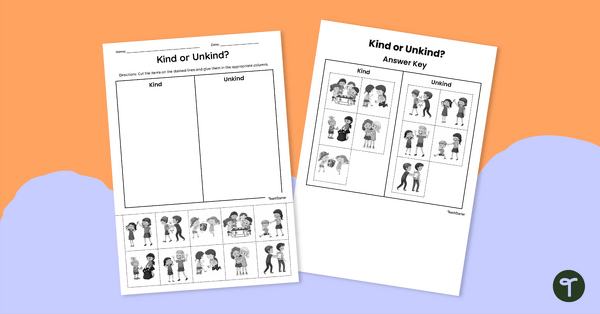
Kind or Unkind Cut-and-Paste Worksheet
Explore kind and unkind scenarios with your students using this engaging cut-and-paste worksheet.
- Free Plan
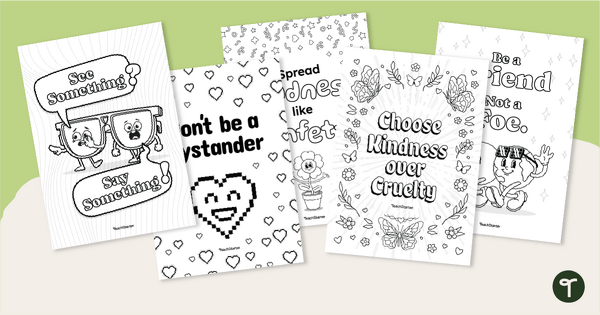
Anti-Bullying Coloring Sheets
Discourage bullying and promote kindness in the classroom with a set of printable Anti-Bullying Coloring Sheets.
- Free Plan
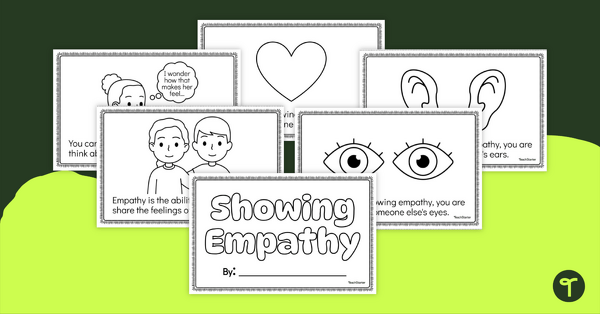
Showing Empathy Mini-Book
Empower young minds and hearts with the gift of empathy! Download this free SEL mini-book designed for primary students.
- Free Plan
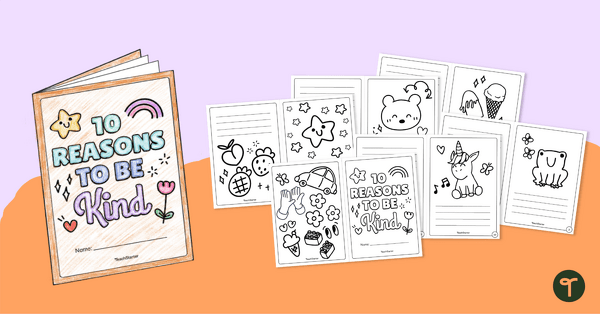
Kindness Mini-Book (10 Reasons to be Kind)
Explore all of the reasons to be kind with your students using this mini-book template.
- Free Plan
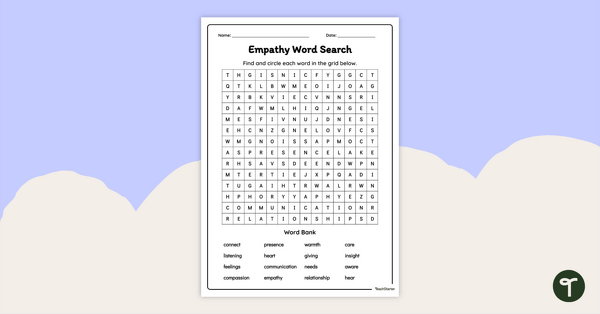
Empathy Word Search
Introduce or review vocabulary terms related to empathy with this free word search worksheet.
- Free Plan
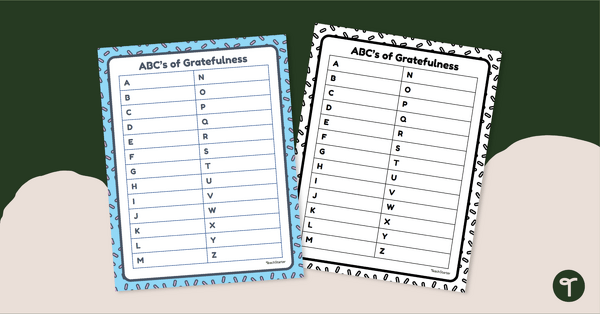
ABC's of Gratefulness - A to Z Gratitude List
Make a list of things to be grateful for with a printable A to Z gratitude list template.
- Plus Plan
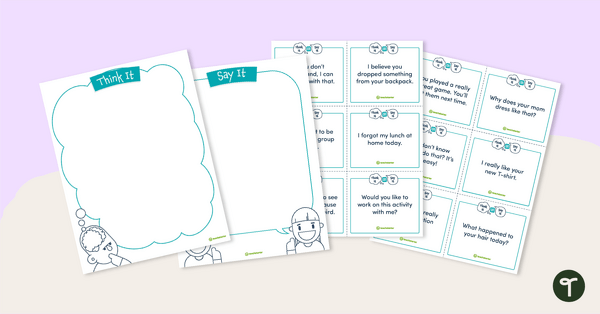
Think It or Say It? - Sorting Activity
Practice using a filter when speaking with others with this sorting activity.
- Free Plan
Negativity Free Zone Sign
Negativity Free Zone Sign.
- Free Plan
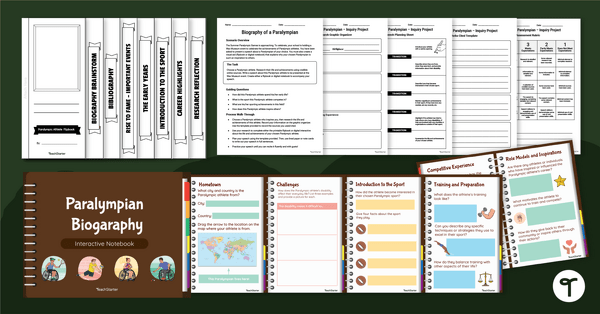
Biography of a Paralympian – Inquiry-Based Project
Have your students investigate the life and achievements of a famous Paralympic athlete with this inquiry-based learning project.
- Plus Plan
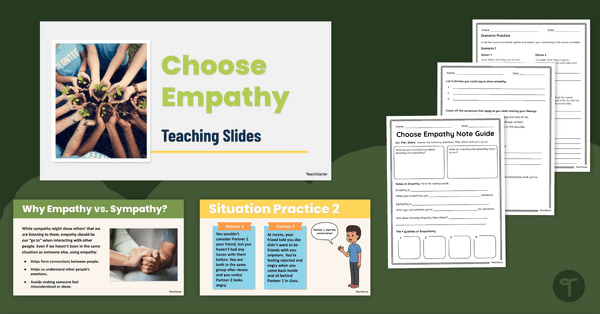
Choose Empathy Teaching Slides & Note Guide
Help your students understand the difference between empathy and sympathy while learning how to be empathetic with this set of teaching slides and note guide.
- Plus Plan
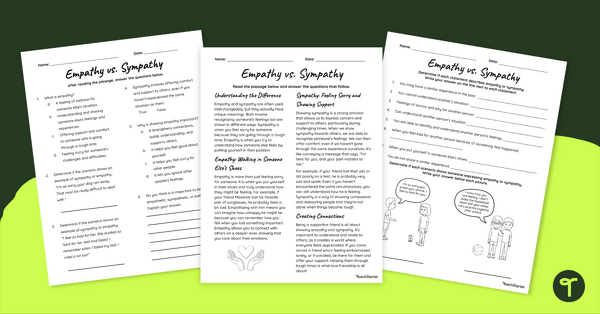
Empathy vs. Sympathy – 5th Grade Reading Comprehension Worksheet
Challenge your students to learn the differences between empathy and sympathy with this reading comprehension worksheet.
- Plus Plan
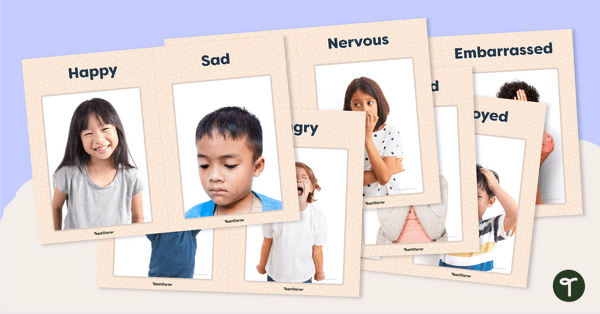
Recognizing Feelings - Flashcards
Improve your students' emotional literacy with this set of feelings flashcards.
- Plus Plan
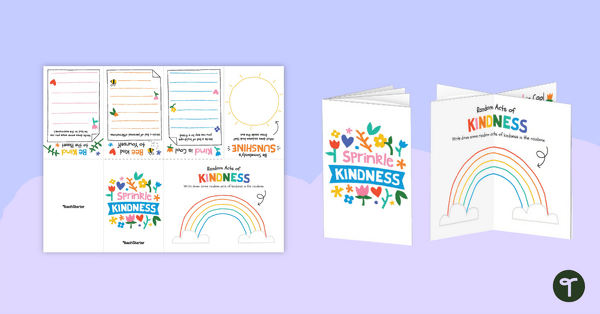
Sprinkle Kindness Activity Book Template
Encourage students to write about ways to be kind to people and the planet with a printable sprinkle kindness activity book.
- Plus Plan
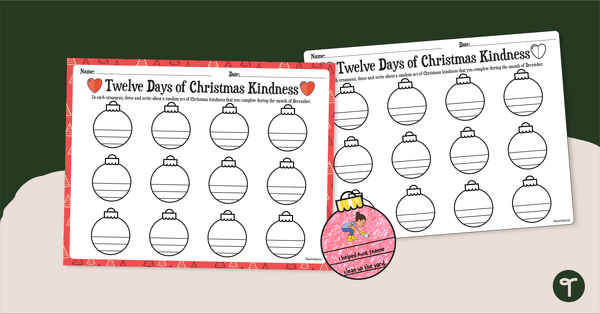
Twelve Days of Kindness – Christmas Challenge Worksheet
Challenge your students to commit 12 random acts of Christmas kindness with a printable kindness activity for elementary school students.
- Free Plan
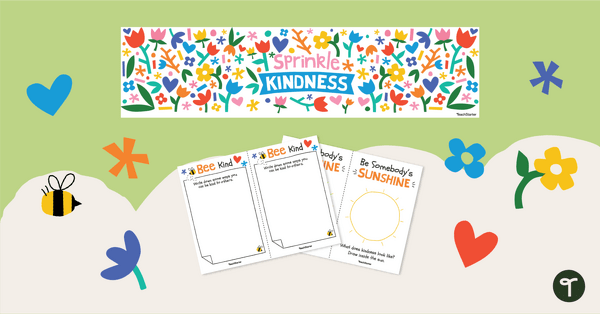
Sprinkle Kindness - Bulletin Board Set
Get your students reflecting on ways to show kindness with this interactive bulletin board!
- Free Plan
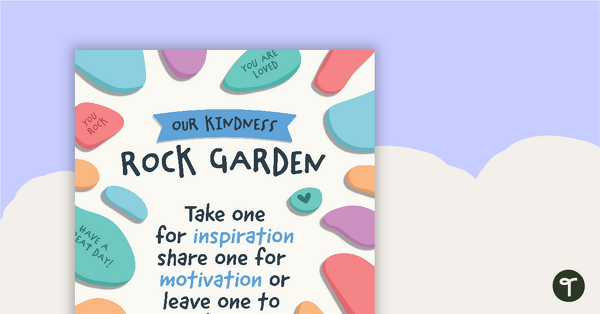
Our Kindness Rock Garden Poster
Poster to display when creating a classroom kindness rock garden.
- Free Plan
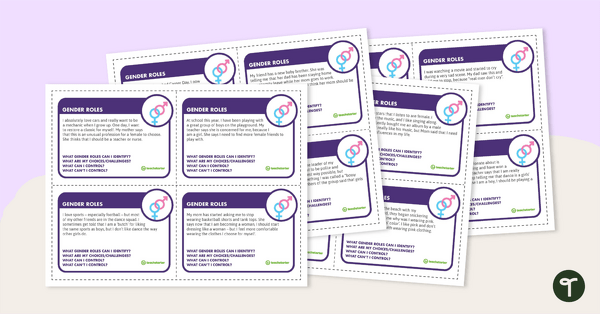
International Women's Day Gender Roles Task Cards
A set of 8 social strategy scenario task cards that explore issues and ideas related to International Women’s Day.
- Plus Plan
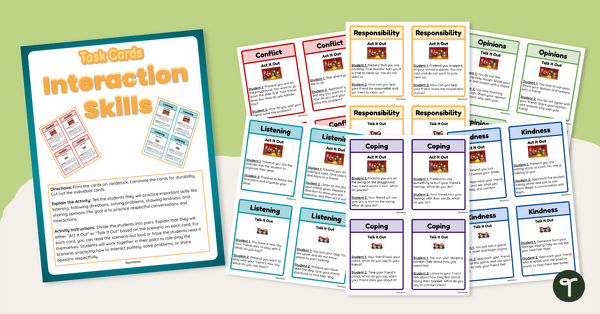
Oral Language Activities
Share these oral language activities with your students to help them practice listening to others, expressing opinions, receiving instructions, and more!
- Plus Plan
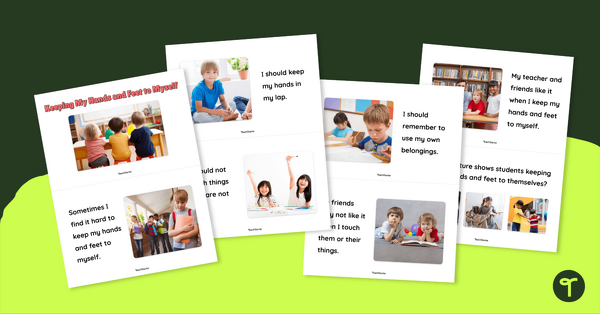
Keeping My Hands and Feet to Myself Mini-Book
Teach your students about the importance of keeping their hands and feet to themselves with this printable mini-book.
- Plus Plan
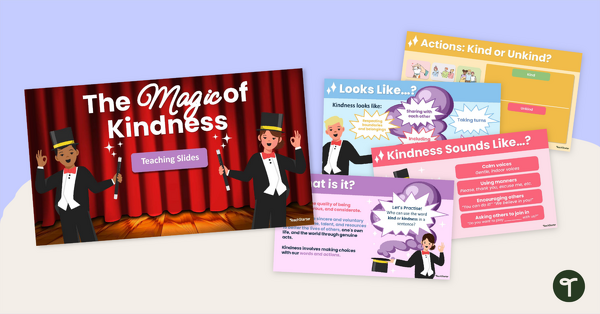
Kindness Teaching Slides—The Magic of Kindness
Guide students through understanding the importance of kindness with this set of teaching slides.
- Plus Plan
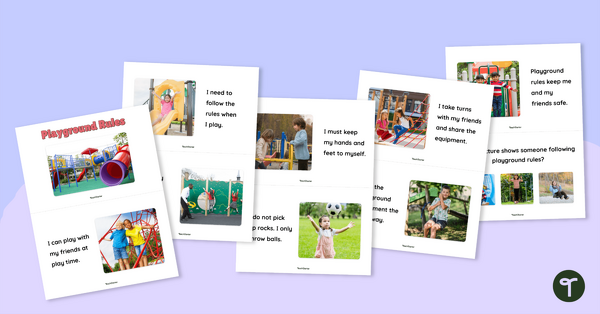
Playground Rules Mini-Book
Remind your students about playground rules with this printable mini-book.
- Plus Plan
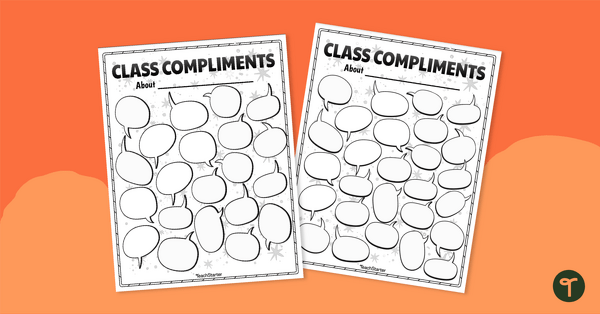
Class Compliments - SEL Worksheets
Encourage kindness and boost morale by creating a wall of compliments for each student with a printable self-esteem activity.
- Plus Plan
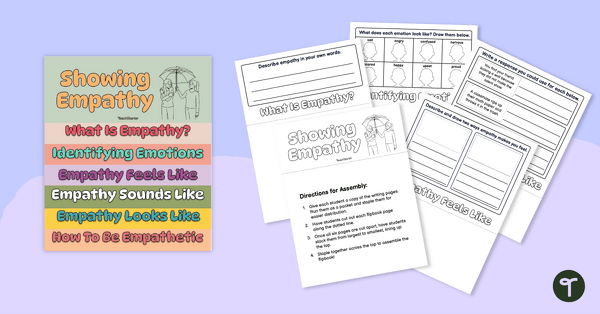
Showing Empathy Flipbook
Cultivate compassion in young minds! Download our printable empathy flipbook tailored for 1st and 2nd-grade students.
- Free Plan
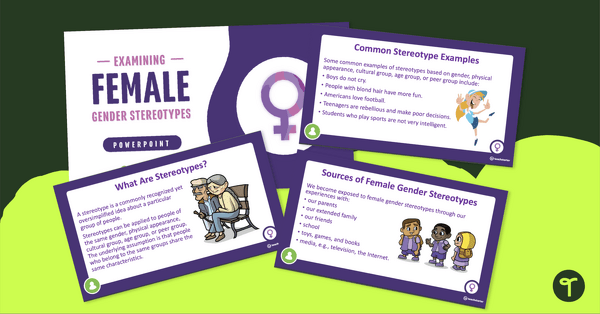
Examining Female Gender Stereotypes PowerPoint
A 14 slide editable PowerPoint template to use when examining female gender stereotypes with your students.
- Plus Plan
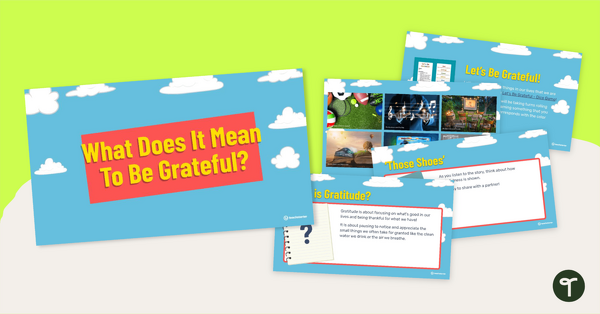
What Does It Mean To Be Grateful? Teaching Slide Deck
Use this editable teaching slide deck when teaching your students about gratitude.
- Plus Plan
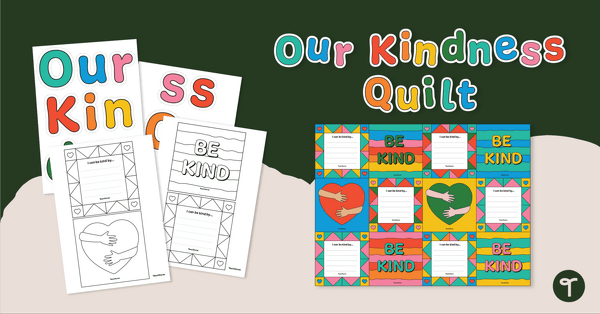
Kindness Quilt Bulletin Board Set
Create classroom community and promote kindness with a World Kindness Day kindness quilt bulletin board printable.
- Plus Plan
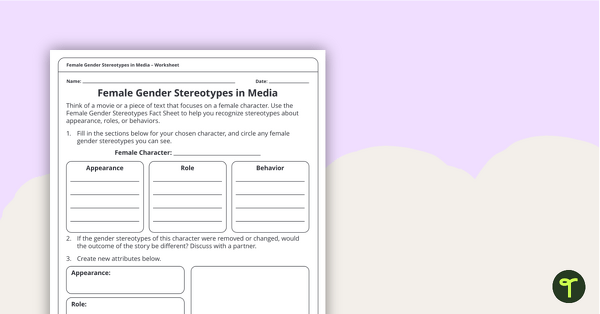
Female Gender Stereotypes in Media – Worksheet
A worksheet asking students to identify potential female gender stereotypes in popular movies and texts.
- Plus Plan
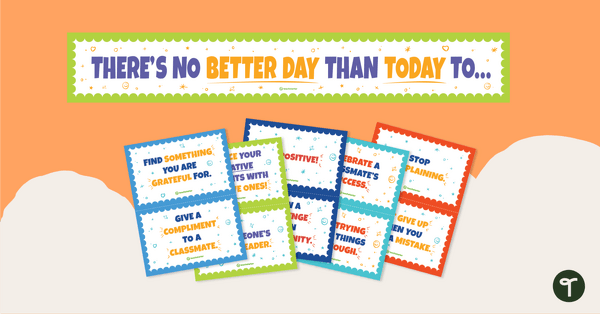
There's No Better Day... - Bulletin Board Display
Practice social-emotional skills in the classroom and beyond with this interactive bulletin board display.
- Free Plan
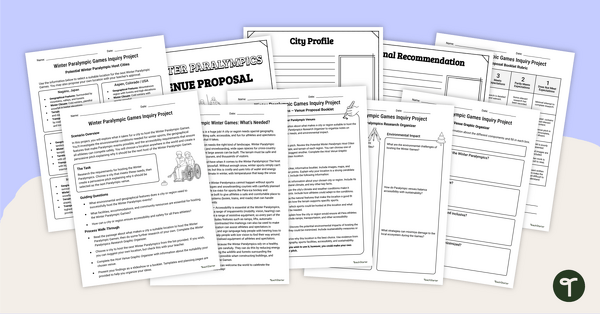
Winter Paralympic Games – Inquiry-Based Project
Have your students investigate the requirements of being a Paralympic Winter Games host city with this inquiry-based learning project.
- Social Awareness Templates
- Social Awareness Posters
- Social Awareness Worksheets
- Social Awareness Games
- Social Awareness for Pre-K
- Social Awareness for Kindergarten
- Social Awareness for 1st Grade
- Social Awareness for 2nd Grade
- Social Awareness for 3rd Grade
- Social Awareness for 4th Grade
- Social Awareness for 5th Grade
- Social Awareness for 6th Grade