A poster with 3 steps to clarify the meaning of words.
- 1- Re-read the sentence
- 2- Look for smaller words inside the word
- 3- Use a dictionary, the internet, or an app
Contains a choice of 3 versions to print.
Updated: 01 Aug 2016
A poster with 3 steps to clarify the meaning of words.
Non-Editable: PDF
Pages: 3 Pages
Grades: 2 - 7
Determine the meaning of words and phrases in a text relevant to a grade 2 topic or subject area.
Read grade-level text with purpose and understanding.
Use context to confirm or self-correct word recognition and understanding, rereading as necessary.
Determine the meaning of the new word formed when a known prefix is added to a known word (e.g., happy/unhappy, tell/retell).
Use a known root word as a clue to the meaning of an unknown word with the same root (e.g., addition, additional).
Determine the meaning of words and phrases as they are used in a text, distinguishing literal from nonliteral language.
Read grade-level text with purpose and understanding.
Use sentence-level context as a clue to the meaning of a word or phrase.
Determine the meaning of words and phrases as they are used in a text, including those that allude to significant characters found in mythology (e.g., Herculean).
Determine the meaning of general academic and domain-specific words or phrases in a text relevant to a grade 4 topic or subject area.
Use context (e.g., definitions, examples, or restatements in text) as a clue to the meaning of a word or phrase.
Use context to confirm or self-correct word recognition and understanding, rereading as necessary.
Use context (e.g., cause/effect relationships and comparisons in text) as a clue to the meaning of a word or phrase.
Determine the meaning of words and phrases as they are used in a text, including figurative, connotative, and technical meanings.
Verify the preliminary determination of the meaning of a word or phrase (e.g., by checking the inferred meaning in context or in a dictionary).
Use context within and beyond a sentence to determine the meaning of unfamiliar words;
Identify the meaning of and use words with affixes un-, re-, -ly, -er, and -est (comparative and superlative), and -ion/tion/sion; and
Establish purpose for reading assigned and self-selected texts;
Monitor comprehension and make adjustments such as re-reading, using background knowledge, checking for visual cues, and asking questions when understanding breaks down.
Use context within and beyond a sentence to determine the meaning of unfamiliar words and multiple-meaning words;
Establish purpose for reading assigned and self-selected texts;
Describe how the author's use of imagery, literal and figurative language such as simile, and sound devices such as onomatopoeia achieves specific purposes;
Use context within and beyond a sentence to determine the relevant meaning of unfamiliar words or multiple-meaning words;
Use context within and beyond a sentence to determine the relevant meaning of unfamiliar words or multiple-meaning words;
Monitor comprehension and make adjustments such as re-reading, using background knowledge, asking questions, and annotating when understanding breaks down.
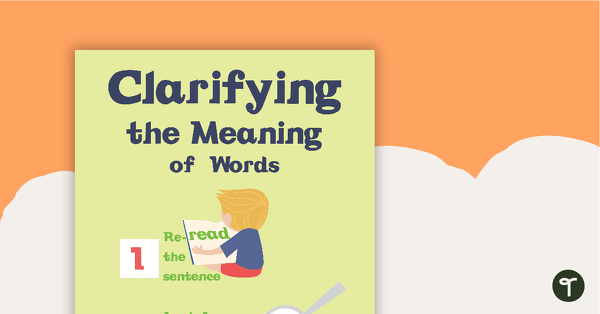
A poster with 3 steps to clarify the meaning of words.
Contains a choice of 3 versions to print.
Determine the meaning of words and phrases in a text relevant to a grade 2 topic or subject area.
Read grade-level text with purpose and understanding.
Use context to confirm or self-correct word recognition and understanding, rereading as necessary.
Determine the meaning of the new word formed when a known prefix is added to a known word (e.g., happy/unhappy, tell/retell).
Use a known root word as a clue to the meaning of an unknown word with the same root (e.g., addition, additional).
Determine the meaning of words and phrases as they are used in a text, distinguishing literal from nonliteral language.
Read grade-level text with purpose and understanding.
Use sentence-level context as a clue to the meaning of a word or phrase.
Determine the meaning of words and phrases as they are used in a text, including those that allude to significant characters found in mythology (e.g., Herculean).
Determine the meaning of general academic and domain-specific words or phrases in a text relevant to a grade 4 topic or subject area.
Use context (e.g., definitions, examples, or restatements in text) as a clue to the meaning of a word or phrase.
Use context to confirm or self-correct word recognition and understanding, rereading as necessary.
Use context (e.g., cause/effect relationships and comparisons in text) as a clue to the meaning of a word or phrase.
Determine the meaning of words and phrases as they are used in a text, including figurative, connotative, and technical meanings.
Verify the preliminary determination of the meaning of a word or phrase (e.g., by checking the inferred meaning in context or in a dictionary).
Use context within and beyond a sentence to determine the meaning of unfamiliar words;
Identify the meaning of and use words with affixes un-, re-, -ly, -er, and -est (comparative and superlative), and -ion/tion/sion; and
Establish purpose for reading assigned and self-selected texts;
Monitor comprehension and make adjustments such as re-reading, using background knowledge, checking for visual cues, and asking questions when understanding breaks down.
Use context within and beyond a sentence to determine the meaning of unfamiliar words and multiple-meaning words;
Establish purpose for reading assigned and self-selected texts;
Describe how the author's use of imagery, literal and figurative language such as simile, and sound devices such as onomatopoeia achieves specific purposes;
Use context within and beyond a sentence to determine the relevant meaning of unfamiliar words or multiple-meaning words;
Use context within and beyond a sentence to determine the relevant meaning of unfamiliar words or multiple-meaning words;
Monitor comprehension and make adjustments such as re-reading, using background knowledge, asking questions, and annotating when understanding breaks down.

We create premium quality, downloadable teaching resources for primary/elementary school teachers that make classrooms buzz!
Would you like something changed or customised on this resource? While our team makes every effort to complete change suggestions, we can't guarantee that every change will be completed.
Did you spot an error on this resource? Please let us know and we will fix it shortly.
Are you having trouble downloading or viewing this resource? Please try the following steps:
If you are still having difficulty, please visit the Teach Starter Help Desk or contact us .
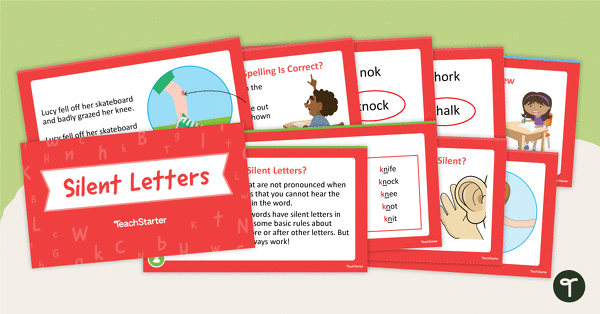
A 24-slide editable PowerPoint presentation about silent letters.
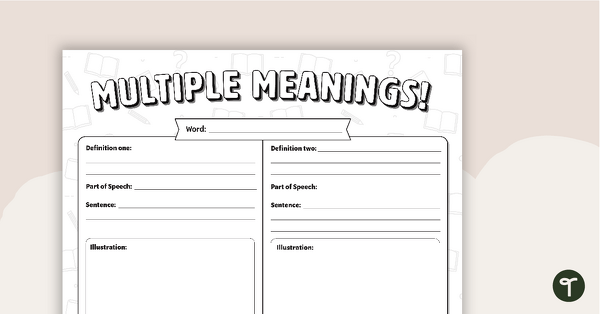
A worksheet to use in the classroom when identifying multiple-meaning words.
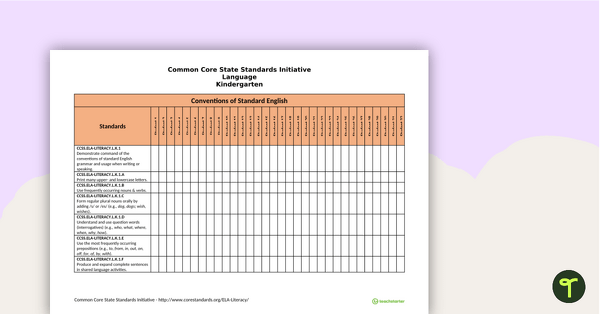
Individual student and whole class trackers using the Language Common Core Standards.
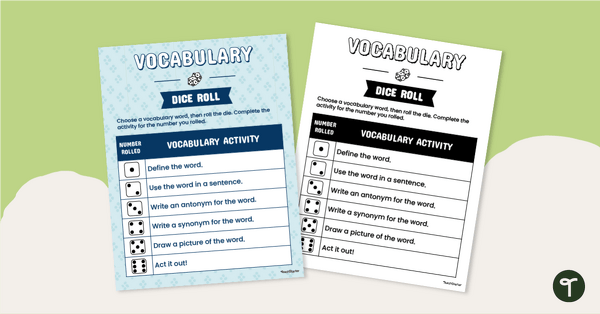
Use our ‘Dice Roll’ Content Vocabulary Activity as an opportunity to help your students grow their vocabulary skills in the classroom.
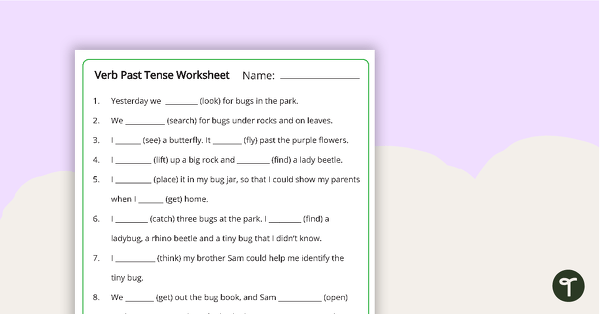
A worksheet with simple and irregular past tense verbs added to complete the sentences.
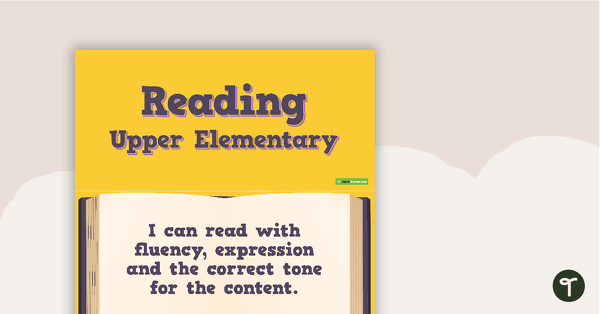
A set of 26 'I can' statement cards focusing on reading for upper elementary.
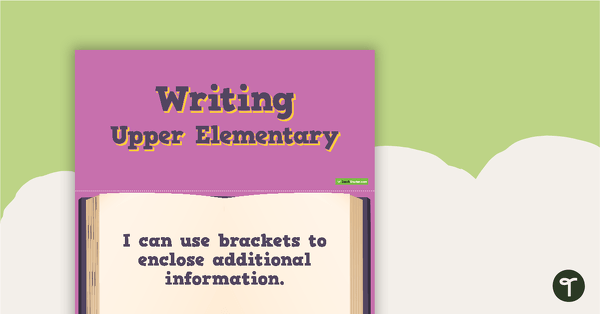
A set of 25 'I can' statement cards focusing on writing for upper elementary.
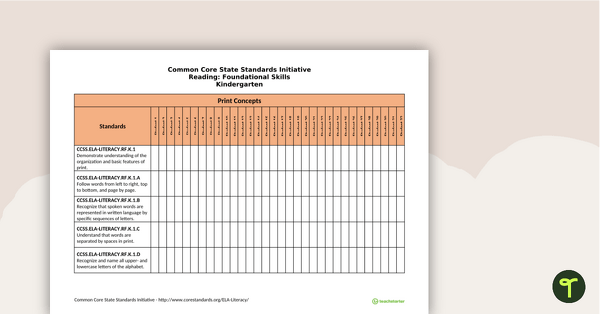
Individual student and whole class trackers using the Reading: Foundational Skills Common Core Standards.
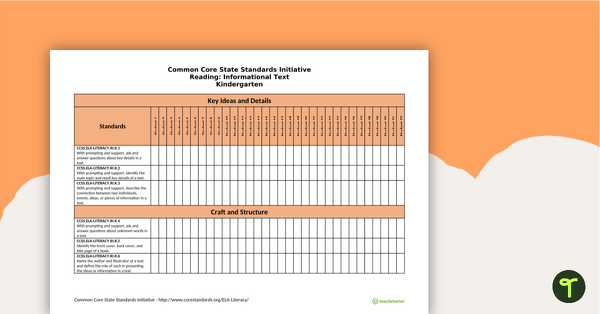
Individual student and whole class trackers using the Reading: Informational Text Common Core Standards.
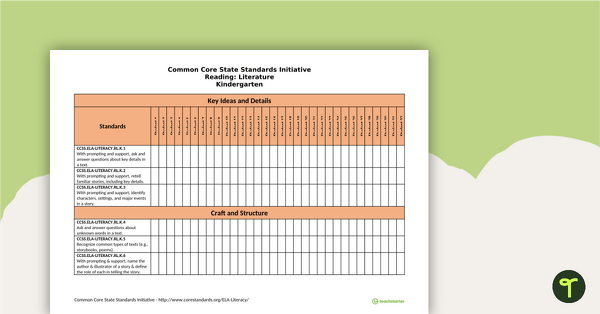
Individual student and whole class trackers using the Reading: Literature Common Core Standards.
0 Comments
Write a review to help other teachers and parents like yourself. If you'd like to request a change to this resource, or report an error, select the corresponding tab above.