ELAR 3.8
Multiple genres: listening, speaking, reading, writing, and thinking using multiple texts--literary elements. The student recognizes and analyzes literary elements within and across increasingly complex traditional, contemporary, classical, and diverse literary texts. The student is expected to:
- (1) infer the theme of a work, distinguishing theme
from topic;
- (A) explain the relationships among the major and minor characters;
- (B) analyze plot elements, including the sequence of events, the conflict, and the resolution; and
- (C) explain the influence of the setting on the plot.
- Plus Plan
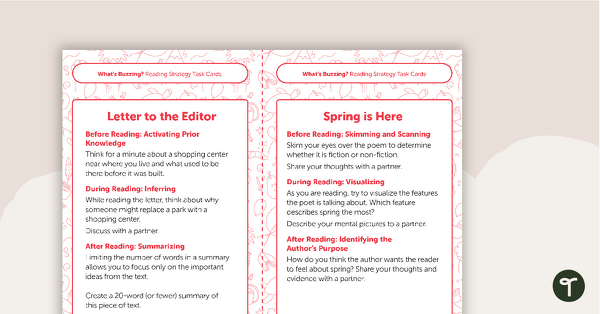
Grade 3 Magazine - "What's Buzzing?" (Issue 1) Task Cards
A set of five literacy rotation task cards to be used in conjunction with issue 1 of Teach Starter's Grade 3 magazine.
- Plus Plan
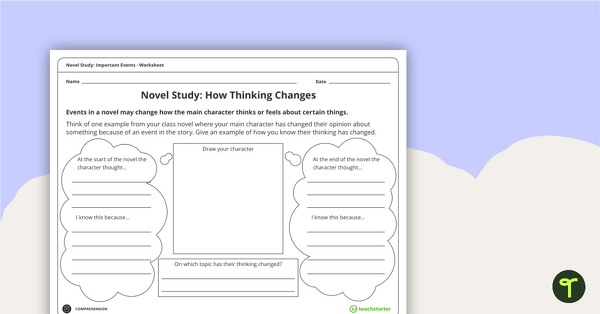
Novel Study Worksheet Pack
Download this set of novel study worksheets that can be used with any text to support your students in exploring characters and events in literature.
- Plus Plan
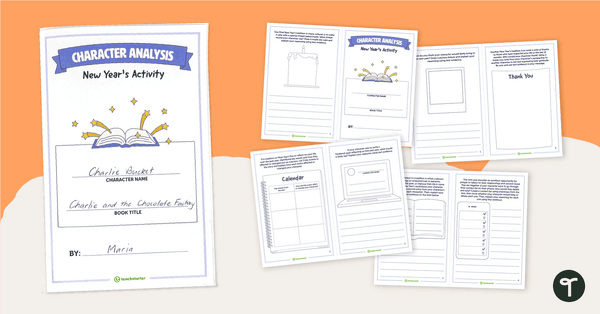
Character Analysis: New Year's Activity
Practice inferring how a character would ring in the new year with this 7-activity booklet.
- Plus Plan
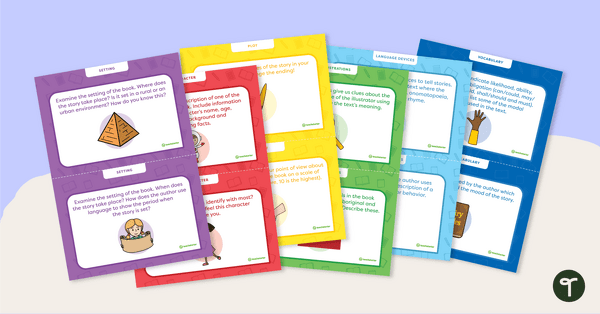
Literary Element Task Cards - Upper Elementary
Explore the wonders of children's literature with this set of 14 literature study task cards for upper elementary students.
- Plus Plan
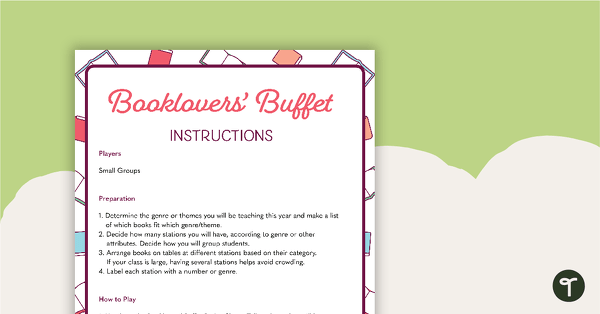
Booklovers' Buffet
A fun reading activity to help students discover books they enjoy.
- Plus Plan
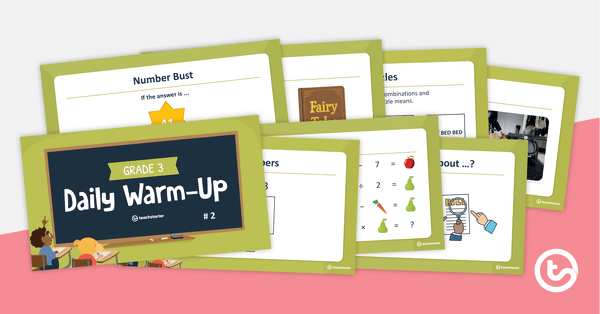
Grade 3 Daily Warm-Up – PowerPoint 2
A 64-slide PowerPoint presentation containing a variety of quick warm-up activities.
- Plus Plan
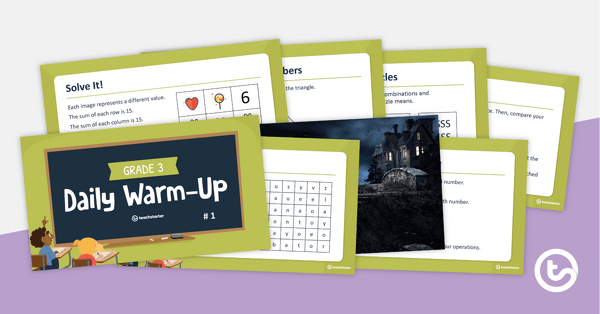
Grade 3 Daily Warm-Up – PowerPoint 1
A 68-slide PowerPoint presentation containing a variety of quick warm-up activities.
- Plus Plan
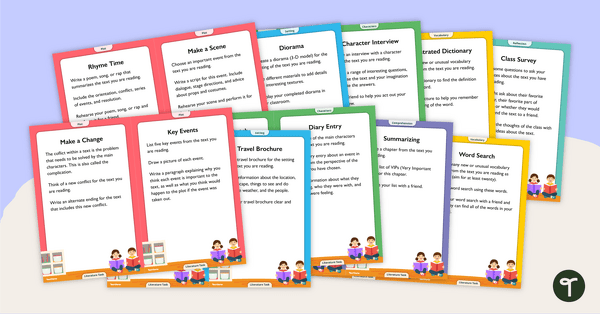
Literature Task Cards
A set of 30 literature tasks to assist your students with examining and responding to literature.
- Plus Plan
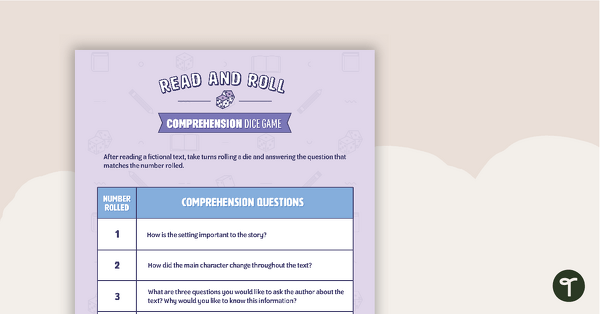
Read and Roll - Comprehension Dice Game
A fun reading comprehension game to play after reading a fictional text.