ELAR 3.9
Multiple genres: listening, speaking, reading, writing, and thinking using multiple texts--genres. The student recognizes and analyzes genre-specific characteristics, structures, and purposes within and across increasingly complex traditional, contemporary, classical, and diverse texts. The student is expected to:
- (1) demonstrate knowledge of
distinguishing characteristics of well-known children's
literature such as folktales, fables, fairy tales, legends, and myths;
- (A) explain rhyme scheme, sound devices, and structural elements such as stanzas in a variety of poems;
- (B) discuss elements of drama such as characters, dialogue, setting, and acts;
- (C) recognize characteristics and structures of informational text, including:
- (D) the central idea with supporting evidence;
- (i) features such as sections, tables, graphs, timelines, bullets, numbers, and bold and italicized font to support understanding; and
- (ii) organizational patterns such as cause and effect and problem and solution;
- (iii) recognize characteristics and structures of argumentative text by:
- (E) identifying the claim;
- (i) distinguishing facts from opinion; and
- (ii) identifying the intended audience or reader; and
- (iii) recognize characteristics of multimodal and digital texts.
- Plus Plan
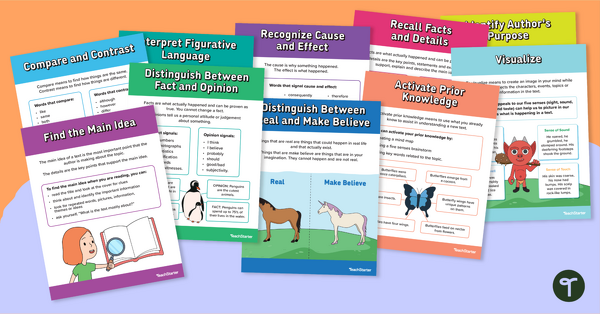
Reading Comprehension Strategies Anchor Charts
Provide young readers with concrete examples of reading strategies with a set of 18 ready-made reading anchor charts.
- Plus Plan
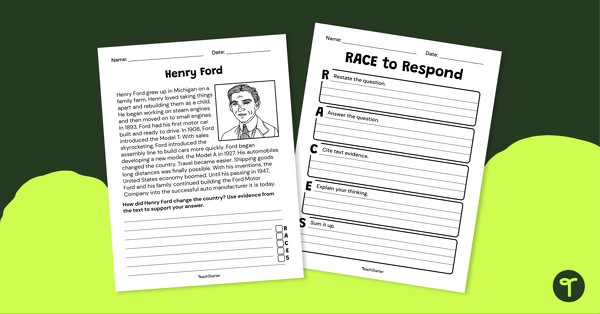
Henry Ford Worksheet- RACES Writing Strategy
Provide students with Social Studies and Writing instruction using the RACES strategy for constructed response paragraphs.
- Plus Plan
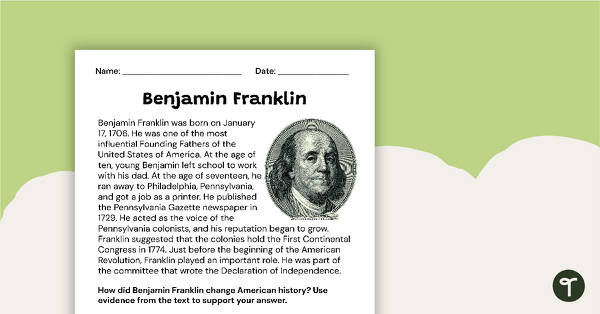
Benjamin Franklin - Constructed Response Worksheet
Learn facts about Benjamin Franklin with an informational reading and writing activity focusing on the constructed response format.
- Plus Plan
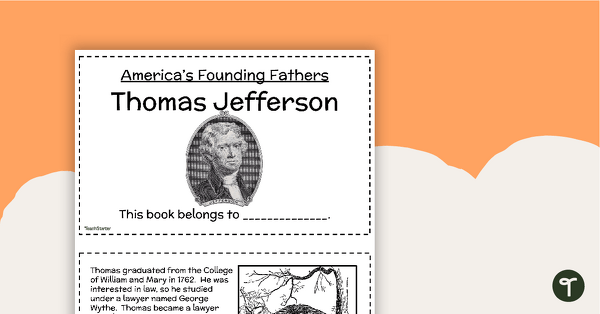
Thomas Jefferson Printable Mini-Book
Read and learn about Thomas Jefferson with a printable informational reader and activity booklet.
- Plus Plan
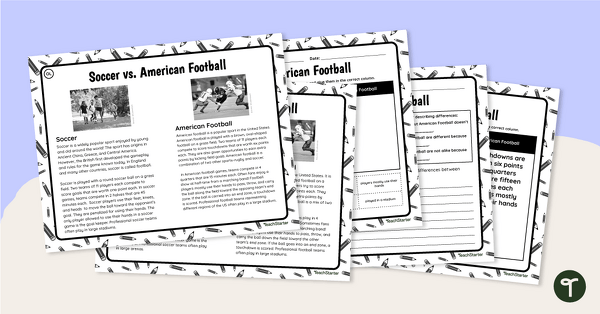
Soccer vs. Football -Differentiated Paired Passage Worksheets
Differentiate reading instruction with nonfiction texts, compare and contrast activities, and response to text writing opportunities.
- Plus Plan
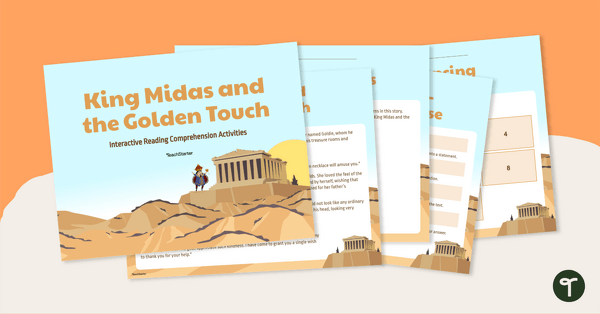
Reading Comprehension Worksheets-King Midas and the Golden Touch Google Interactive and Printable Resources
Review and practice multiple reading skills using the text “King Midas and the Golden Touch” with these digital and print resources.
- Plus Plan
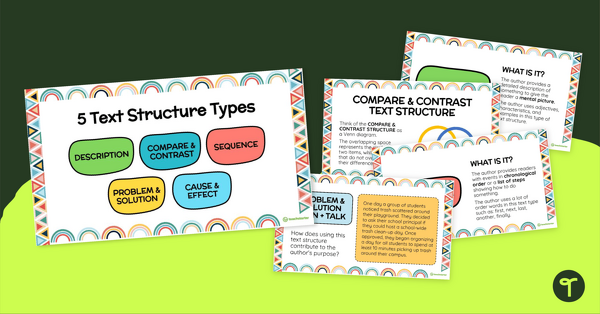
Text Structures Slide Deck
An editable text structure instructional slide deck to use when teaching text structures to your students.
- Plus Plan
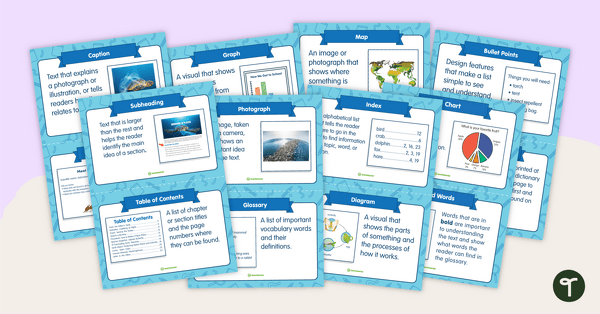
Text Features Flashcards
Teach students the definitions of text features such as headings, sidebars, captions and many more with this set of flashcards for elementary students.
- Plus Plan
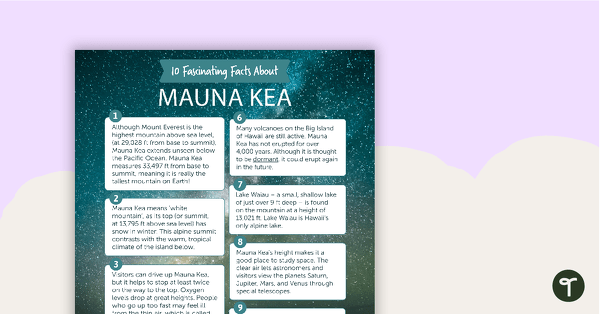
10 Fascinating Facts About Mauna Kea – Comprehension Worksheet
A comprehension worksheet paired with an article about Mauna Kea in Hawaii.
- Plus Plan
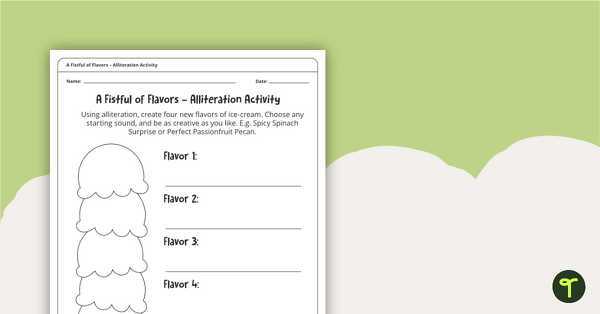
A Fistful of Flavors Alliteration Activity
Make alliteration fun with a printable worksheet that challenges students to create flavors of ice cream.
- Plus Plan
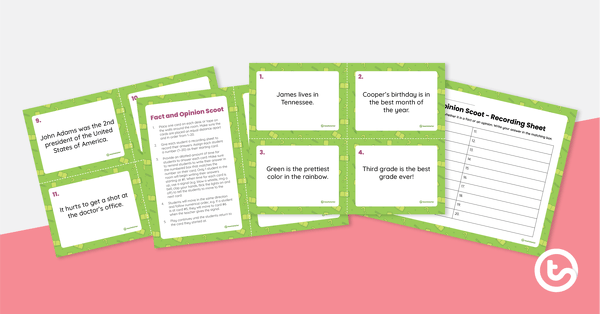
Fact and Opinion Scoot Activity
A set of 20 fact and opinion task cards to use as a whole-class scoot activity.
- Plus Plan
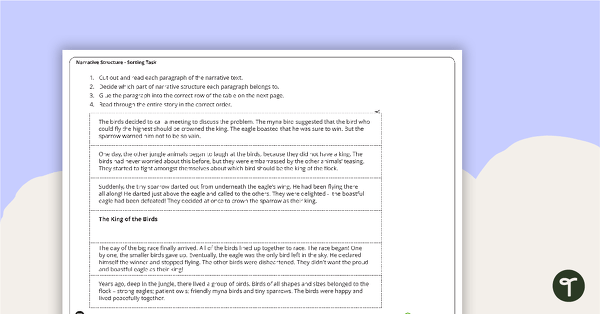
Narrative Structure Worksheet
Use this narrative structure worksheet to teach your students about the characteristic stages of narrative texts.
- Plus Plan
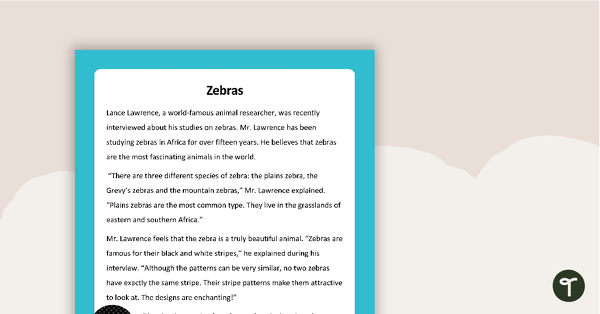
Distinguish Between Fact and Opinion Worksheets
Help students distinguish between fact and opinion with this engaging zebra-themed comprehension task designed to strengthen critical thinking and reading skills.
- Plus Plan
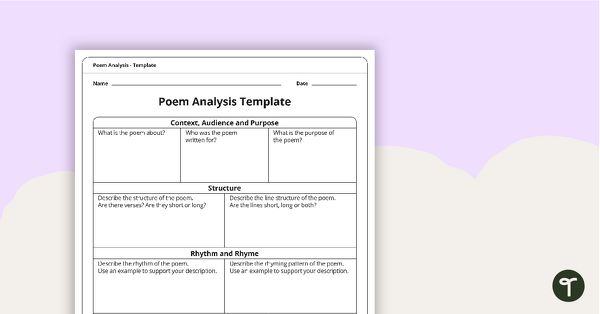
Poetry Analysis Template
A template for students to use when analyzing a poem.
- Plus Plan
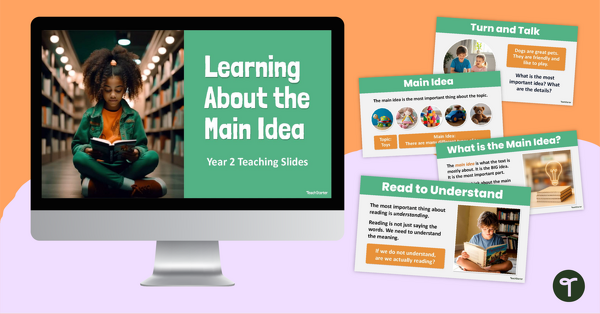
Learning About the Main Idea Teaching Slides - 3rd Grade
Help students understand how to work out the main idea in texts with this set of teaching slides.
- Plus Plan
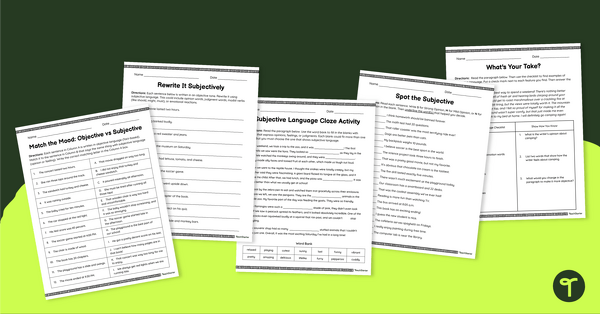
Subjective Language Worksheet Pack
Teach subjective language with these five engaging worksheets designed to help students recognize and explore how personal opinions and emotions shape writing.
- Plus Plan
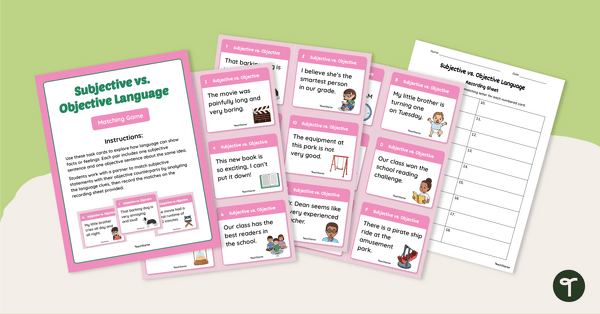
Subjective vs. Objective Language Matching Game
Teach subjective vs objective language with this hands-on matching game designed to help students identify facts and feelings in sentences.
- Plus Plan
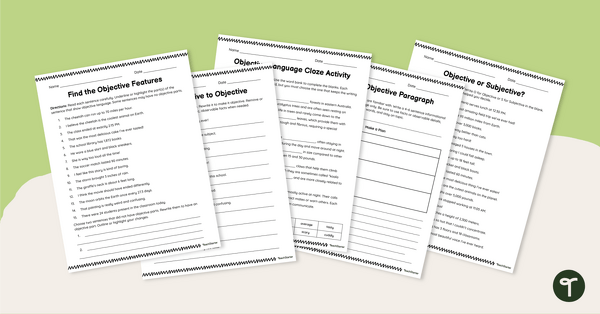
Objective Language Worksheet Pack
Use these objective language worksheets to teach your students about the specific language features found in neutral, factual writing.
- Plus Plan
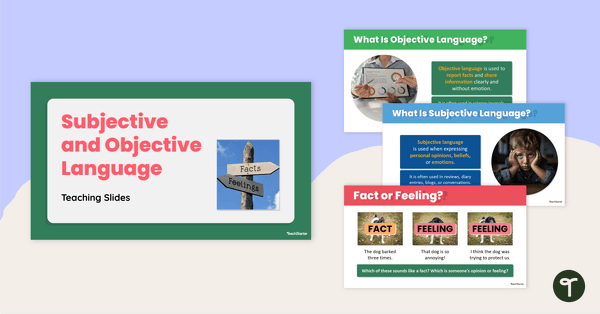
Subjective and Objective Language Teaching Slides
Teach your students how to confidently identify subjective and objective language in texts with this engaging, age-appropriate slide deck.
- Plus Plan
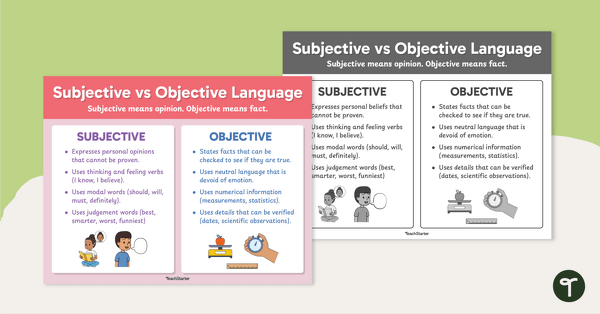
Subjective Language vs Objective Language Poster
Display this vibrant subjective language vs objective language poster in your classroom to illustrate the differences between personal opinions and factual statements.
- Plus Plan
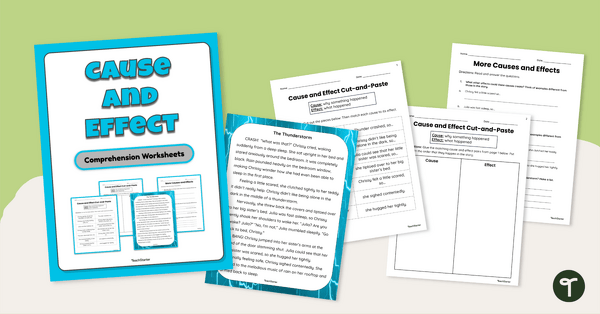
Cause and Effect Comprehension Worksheets
Use these cause and effect comprehension worksheets to give your students practice reading, sequencing, and matching effects to their causes.
- Plus Plan
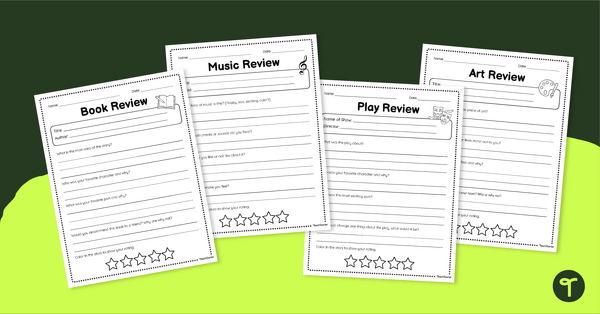
Review Writing Templates Pack
Use these review writing templates when reviewing a variety of genres with your students.
- Plus Plan
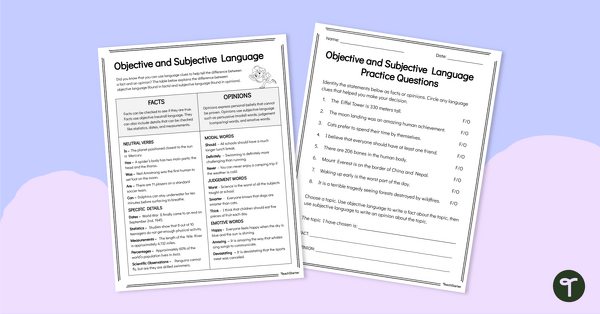
Objective and Subjective Language Worksheet
Use this objective and subjective language worksheet to help students distinguish between facts and opinions.
- Plus Plan
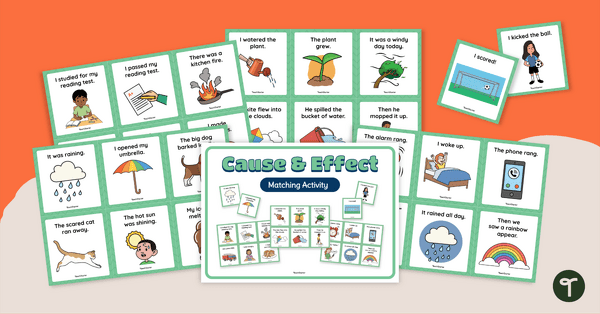
Cause and Effect Matching Cards
Build comprehension skills with your students using this cause and effect matching activity.
- Plus Plan
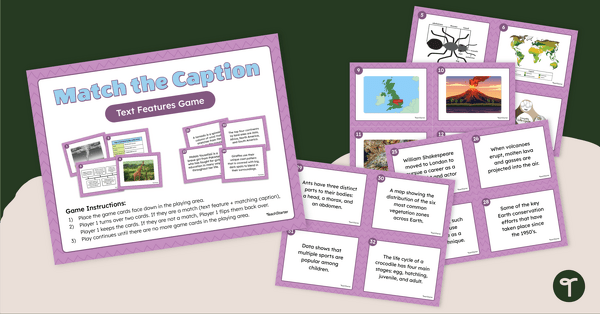
Caption Text Feature Matching Game
Teach your students about the caption text feature with this engaging and collaborative matching game.
- Plus Plan
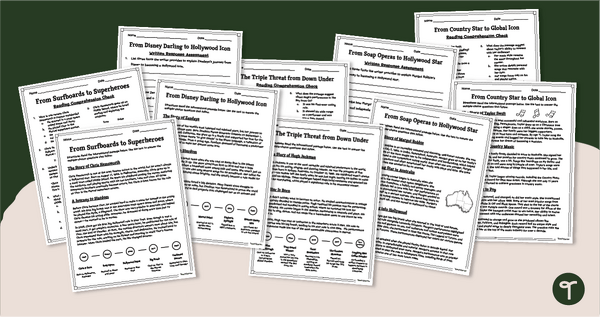
Celebrity Biography Worksheets - Reading Comprehension Worksheets 3rd-4th
Download our celebrity biography reading comprehension worksheets PDF resource to help your 3rd and 4th graders practice reading comprehension skills.
- Plus Plan
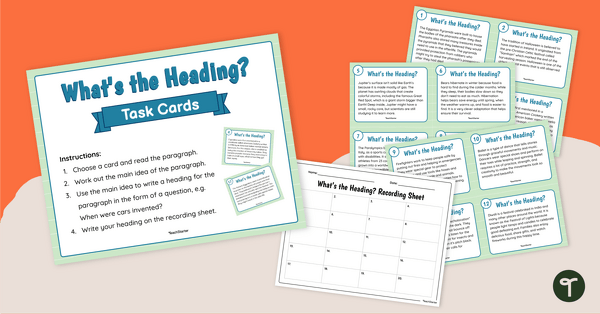
What’s the Heading? Task Cards
Explore the heading text feature with this set of task cards perfect for reading centers.
- Plus Plan
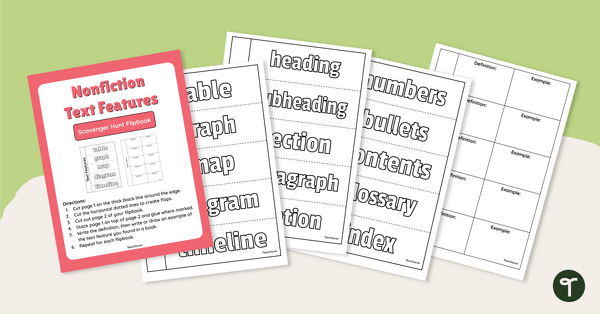
Nonfiction Text Features – Scavenger Hunt Flipbook
Get students exploring nonfiction text features with this set of scavenger hunt flipbooks perfect for elementary students.
- Plus Plan
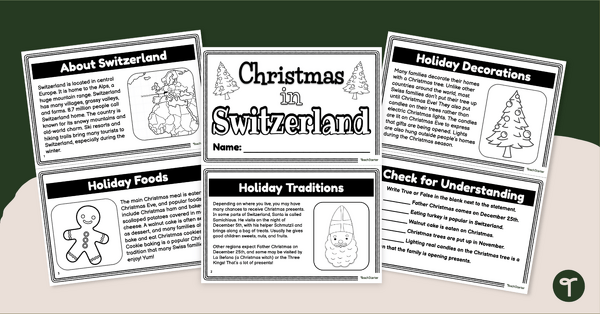
Christmas in Switzerland Activity Book
Introduce your students to Christmas in Switzerland with a printable Christmas Around the World mini-book.
- Plus Plan
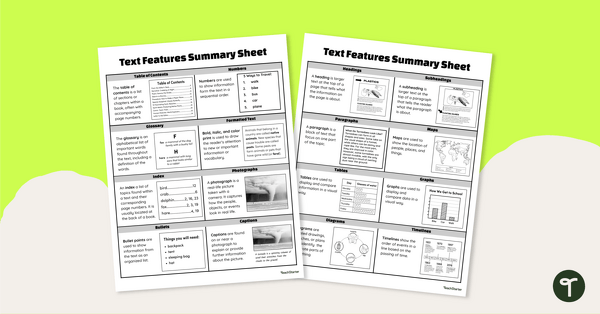
Nonfiction Text Features Study Guide
Download this list of text feature examples to teach your students about the purpose of these important textual elements.
- Plus Plan
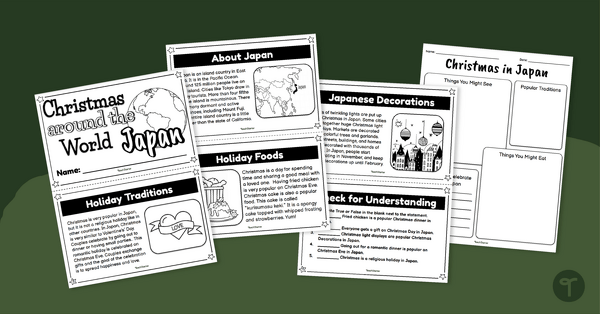
Christmas in Japan - Holidays Around the World Mini Book
Introduce your students to Japanese Christmas traditions and decorations with a printable Christmas in Japan Mini Book.
- Plus Plan
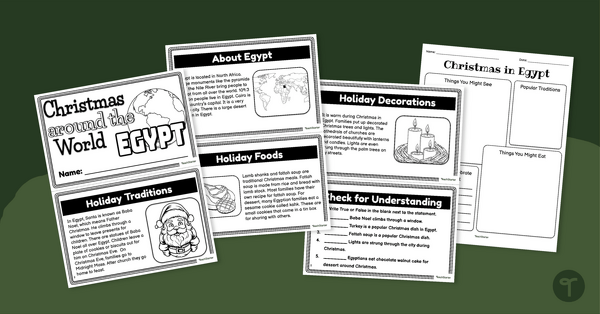
An Egyptian Christmas - Holidays Around the World Mini Book
Introduce your students to Egyptian Christmas traditions and decorations with a printable Christmas in Egypt Mini Book.