ELAR 3.9
Multiple genres: listening, speaking, reading, writing, and thinking using multiple texts--genres. The student recognizes and analyzes genre-specific characteristics, structures, and purposes within and across increasingly complex traditional, contemporary, classical, and diverse texts. The student is expected to:
- (1) demonstrate knowledge of
distinguishing characteristics of well-known children's
literature such as folktales, fables, fairy tales, legends, and myths;
- (A) explain rhyme scheme, sound devices, and structural elements such as stanzas in a variety of poems;
- (B) discuss elements of drama such as characters, dialogue, setting, and acts;
- (C) recognize characteristics and structures of informational text, including:
- (D) the central idea with supporting evidence;
- (i) features such as sections, tables, graphs, timelines, bullets, numbers, and bold and italicized font to support understanding; and
- (ii) organizational patterns such as cause and effect and problem and solution;
- (iii) recognize characteristics and structures of argumentative text by:
- (E) identifying the claim;
- (i) distinguishing facts from opinion; and
- (ii) identifying the intended audience or reader; and
- (iii) recognize characteristics of multimodal and digital texts.
- Plus Plan
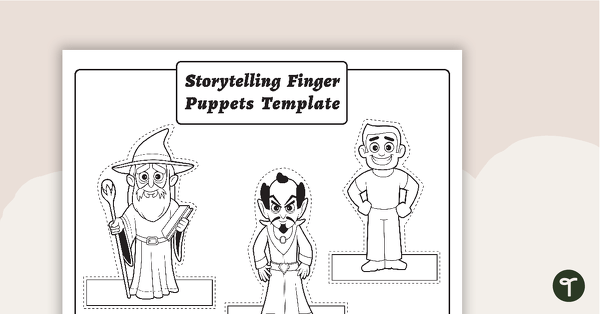
Storytelling Finger Puppets Template
A set of 15 finger puppets that can be used to spark the imagination for creative writing or to perform puppet shows.
- Plus Plan
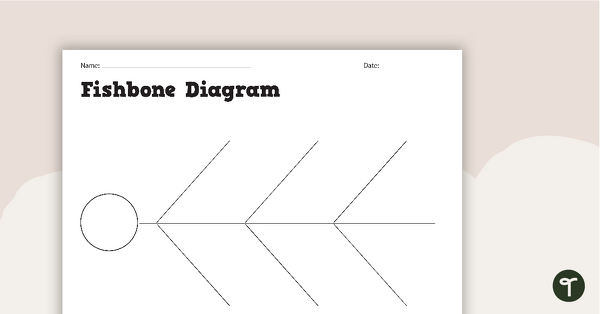
Fishbone/Herringbone Diagram Graphic Organizer
A blank fishbone and herringbone diagram to use in any subject area.
- Free Plan
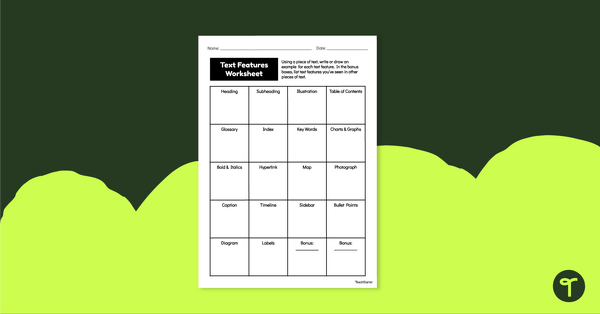
Text Features Worksheet
Download this nonfiction text features worksheet so students can practice locating different types of text features found in a nonfiction text.
- Plus Plan
Poetic Devices Teaching Slides
Explore examples of poetic devices using this comprehensive and age-appropriate slide deck perfect for your poetry writing unit.
- Plus Plan
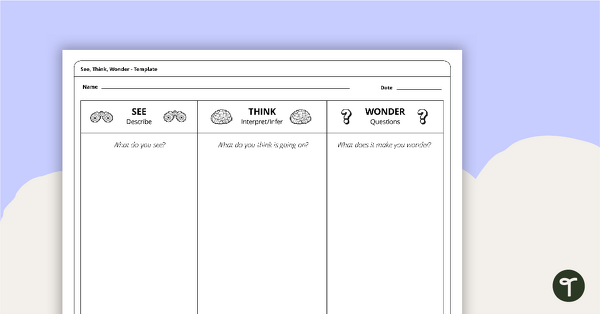
See, Think, Wonder - Template
A See, Think, Wonder Template is useful in encouraging students to make careful observations and interpretations.
- Plus Plan
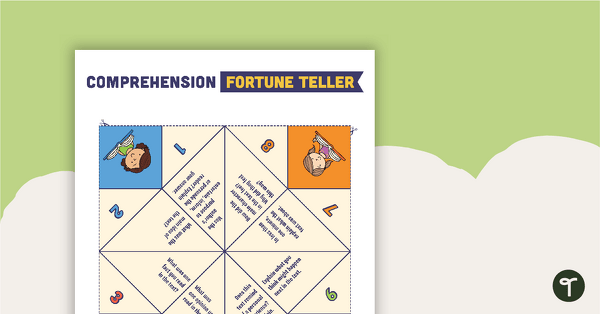
Comprehension Paper Fortune Teller
A fun reading comprehension strategy activity for students to use after reading a text.
- Plus Plan
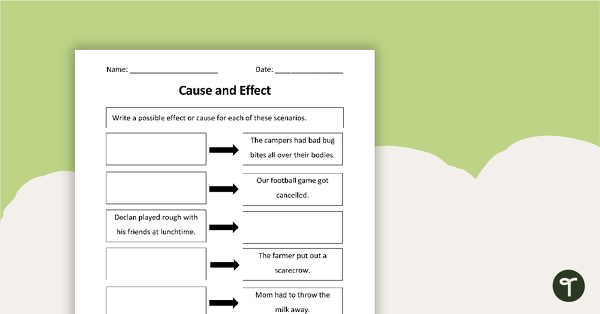
Cause and Effect Worksheet Pack
Build literacy confidence with these cause and effect worksheets, helping students identify relationships between events, actions and outcomes in sentences and short paragraphs.
- Plus Plan
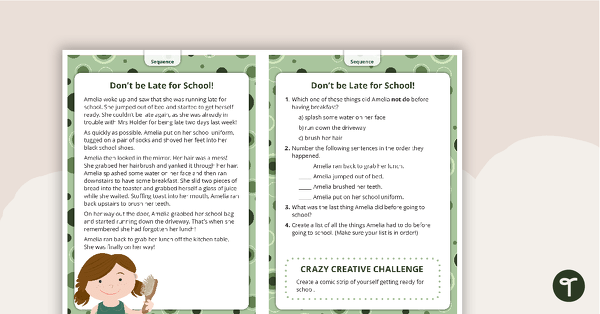
Sequencing Reading Comprehension Task Cards and Worksheets
Use these sequencing reading comprehension task cards to help your students identify, organize and retell events in the correct order when reading various texts.
- Plus Plan
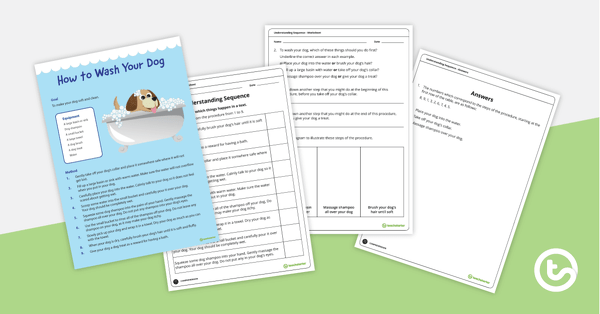
Procedural Writing Sequencing Worksheet – How to Wash Your Dog
Use this procedural writing worksheet to teach your students about the importance of sequence in procedure texts.
- Plus Plan
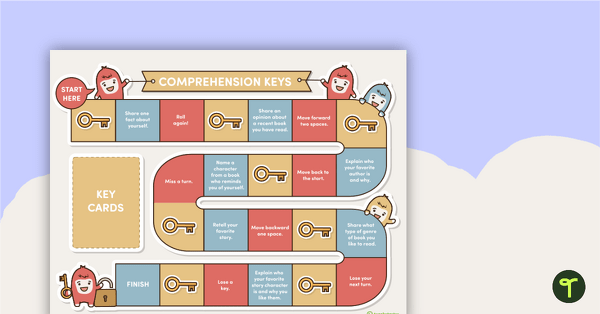
Comprehension Keys Board Game
A fun comprehension strategy board game for students to play during literacy rotations.
- Plus Plan
Celebrating Poetry Month in the Primary Grades – Weeks 4 and 5
Celebrate National Poetry Month in the primary classroom with this planning guide and set of resources.
- Plus Plan
Celebrating Poetry Month in the Primary Grades - Week 3
Celebrate National Poetry Month in the primary classroom with this planning guide and set of resources.
- Plus Plan
Celebrating Poetry Month in the Primary Grades - Week 2
Celebrate National Poetry Month in the primary classroom with this planning guide and set of resources.
- Plus Plan
Spring Is Here – Animated Poem Video
Use this spring poem with your students to welcome in the season of springtime.