ELAR 5.9
Multiple genres: listening, speaking, reading, writing, and thinking using multiple texts--genres. The student recognizes and analyzes genre-specific characteristics, structures, and purposes within and across increasingly complex traditional, contemporary, classical, and diverse texts. The student is expected to:
- (1) demonstrate knowledge of
distinguishing characteristics of well-known children's
literature such as folktales, fables, legends, myths, and tall tales;
- (A) explain the use of sound devices and figurative language and distinguish between the poet and the speaker in poems across a variety of poetic forms;
- (B) explain structure in drama such as character tags, acts, scenes, and stage directions;
- (C) recognize characteristics and structures of informational text, including:
- (D) the central idea with supporting evidence;
- (i) features such as insets, timelines, and sidebars to support understanding; and
- (ii) organizational patterns such as logical order and order of importance;
- (iii) recognize characteristics and structures of argumentative text by:
- (E) identifying the claim;
- (i) explaining how the author has used facts for or against an argument; and
- (ii) identifying the intended audience or reader; and
- (iii) recognize characteristics of multimodal and digital texts.
- Free Plan
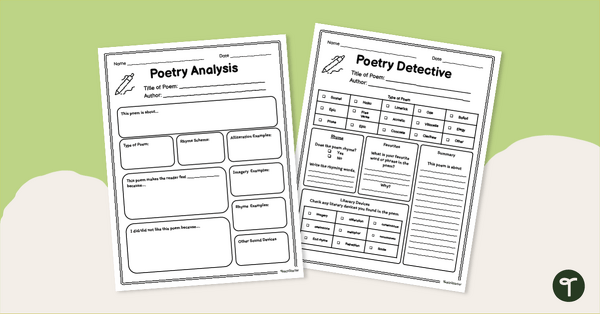
Poetry Analysis Worksheet Pack
Analyze and comprehend a variety of poetry types with these printable poetry analysis worksheets.
- Plus Plan
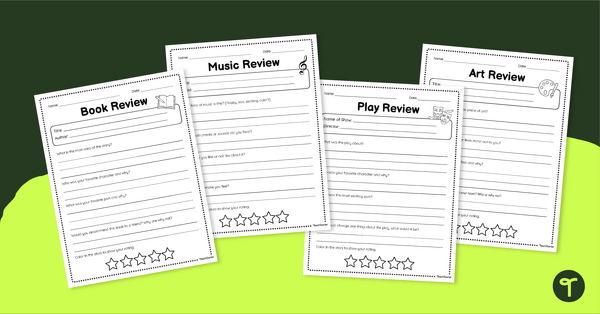
Review Writing Templates Pack
Use these review writing templates when reviewing a variety of genres with your students.
- Plus Plan
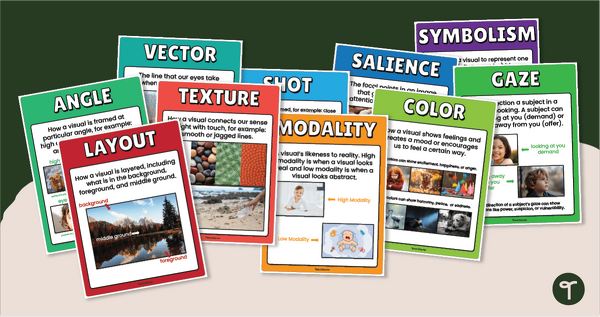
Visual Literacy Techniques Poster Pack
Teach your students how to uncover hidden meanings in images with this vibrant set of Visual Literacy Technique Posters!
- Plus Plan
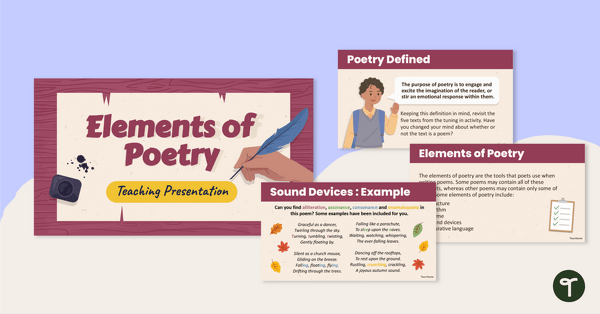
Elements of Poetry Teaching Slides
Explore the key elements of poetry with your students using this comprehensive and age-appropriate slide deck perfect for your poetry writing unit.
- Plus Plan
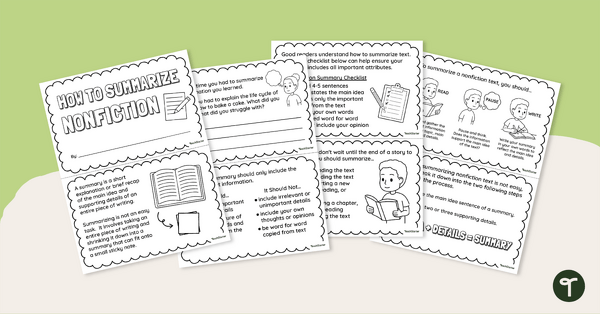
How to Summarize Nonfiction Mini Book
Explore the elements needed for a good summary of nonfiction texts with this How to Summarize Nonfiction mini-book.
- Plus Plan
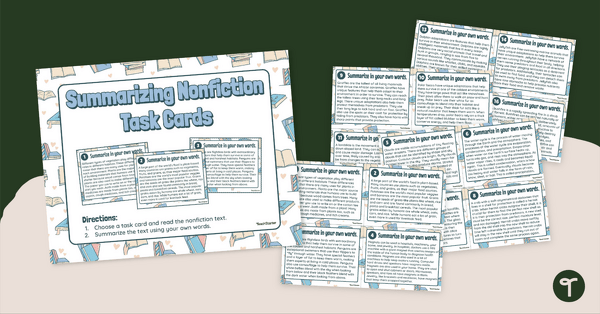
Summarizing Nonfiction Task Cards
Guide students along their summarizing journey with this set of nonfiction texts on task cards for students to summarize.
- Plus Plan
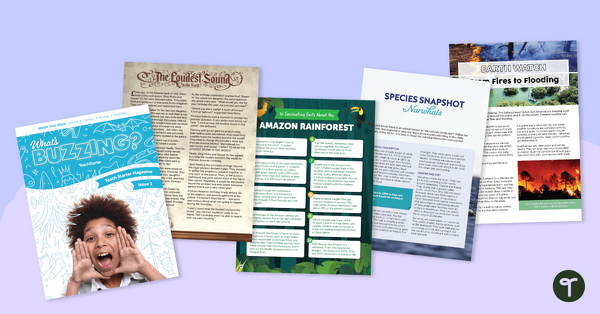
Grade 5 Magazine - What's Buzzing? (Issue 1)
A beautifully designed, 24-page reading magazine specifically designed for Grade 5 students.
- Plus Plan
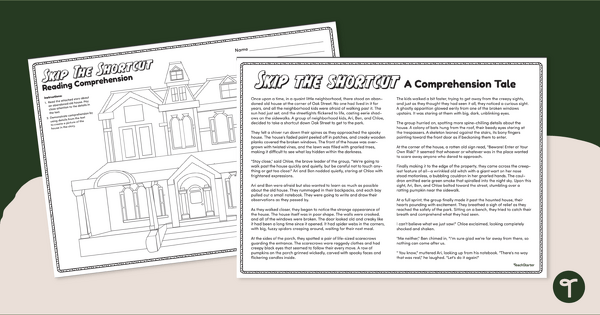
Read and Draw - Halloween Worksheets
Practice reading comprehension skills with an exciting read-and-draw comprehension worksheet for 4th grade.
- Plus Plan
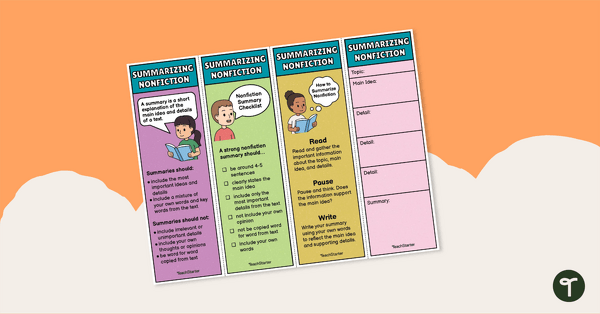
Summarizing Nonfiction Bookmarks
Learn about how to summarise nonfiction texts with these printable bookmarks.
- Plus Plan
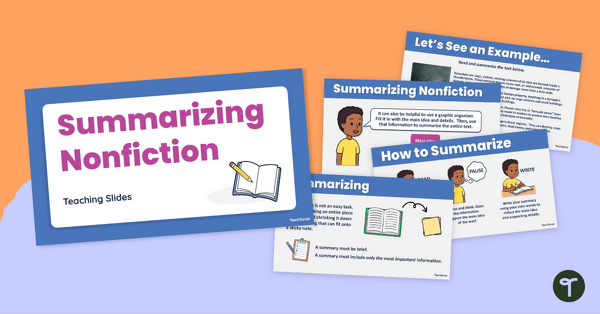
Summarizing Nonfiction Teaching Slides
Build summarizing skills with nonfiction texts using these teaching slides.
- Plus Plan
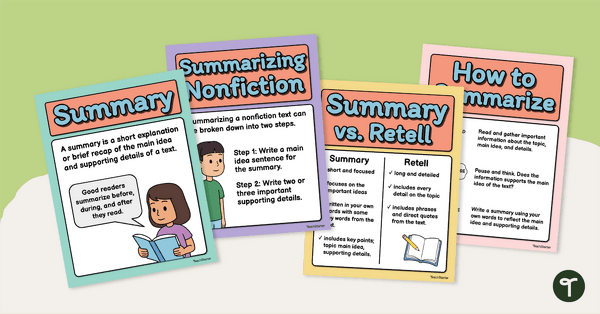
Summarizing Poster Set
Learn about how to effectively summarize a piece of text with this classroom poster set.
- Plus Plan
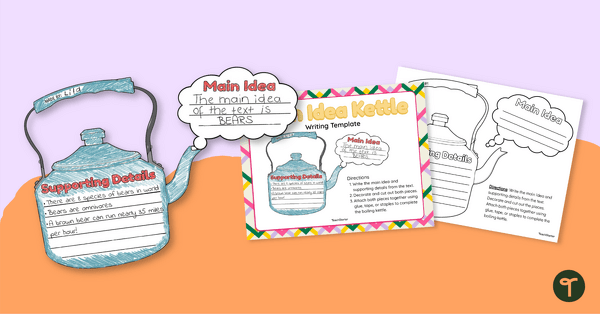
Main Idea Kettle Writing Template
Create a cute kettle template to help students understands the main idea and supporting detail while reading.
- Plus Plan
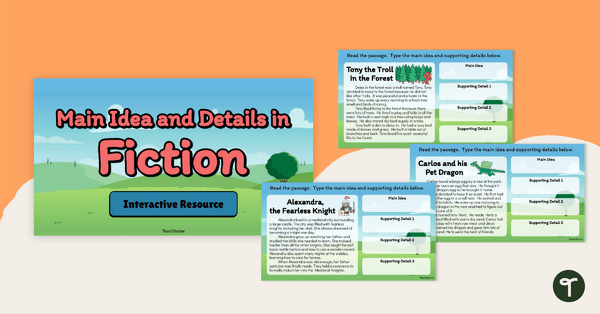
Finding the Main Idea in Fiction Texts Interactive Activity
Help your students easily find the main idea and support details in a fiction text with this interactive activity.
- Plus Plan
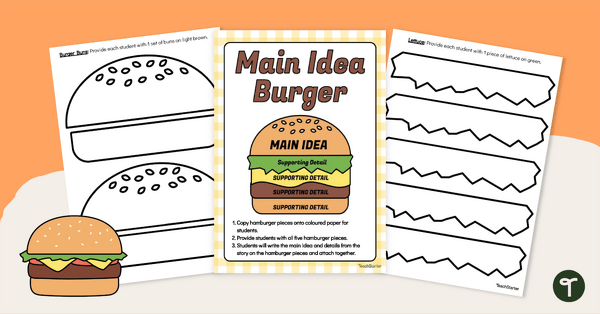
Main Idea and Details Burger Template
Practice finding the main idea and supporting details of a piece of text with this hamburger template.
- Plus Plan
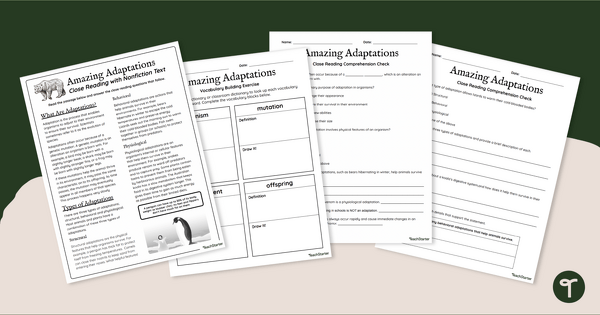
Plant and Animal Adaptations - Comprehension Worksheets
Boost reading comprehension skills with a comprehension passage, with questions, about structural, behavioral and physiological adaptations.
- Plus Plan
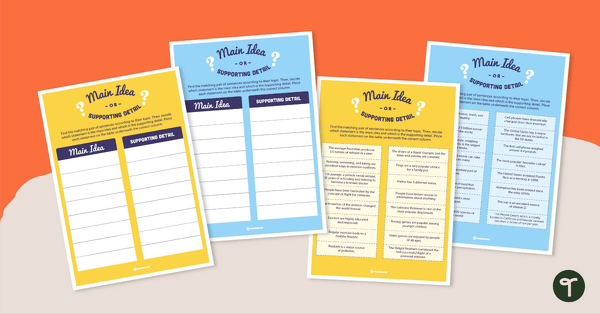
Main Idea or Supporting Detail – Sorting Activity
An activity for students to determine which of 2 related facts is a main idea and which is a supporting detail.
- Plus Plan
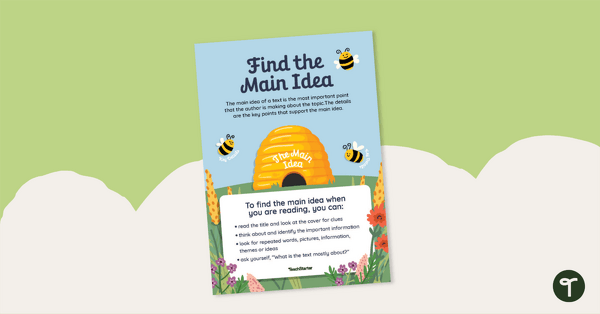
Find the Main Idea Anchor Chart
Highlight how to find the main idea when reading a piece of text with this main idea poster.
- Free Plan
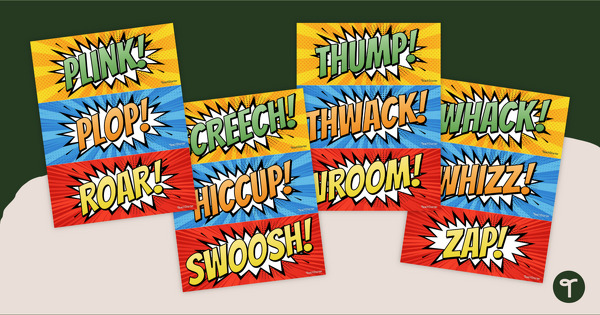
Onomatopoeia Words - Vocabulary Display
Display a fun onomatopoeia word wall in your classroom with printable cards containing onomatopoeia examples.
- Plus Plan
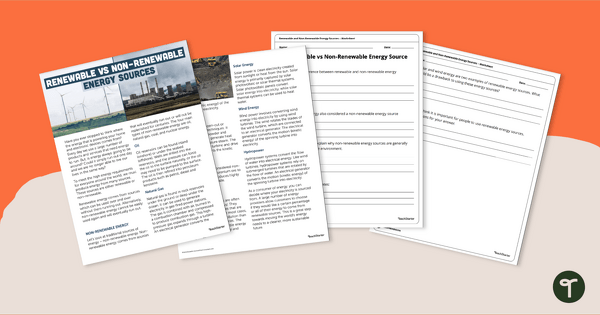
Renewable vs. Nonrenewable Energy Sources Worksheets
Discover the difference between renewable and nonrenewable energy sources with a comprehension passage and worksheet.
- Plus Plan
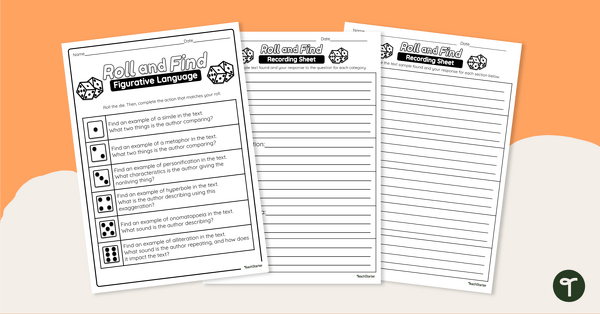
Roll and Find – Figurative Language Worksheet
Explore, identify and interpret figurative language with this engaging roll and find activity.
- Plus Plan
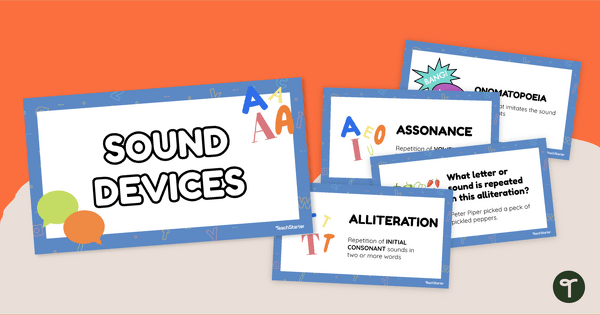
What Are Sound Devices? Teaching Slides
Teach sound devices in literature with this engaging PowerPoint presentation that helps students identify and understand common sound techniques used by authors and poets.
- Plus Plan
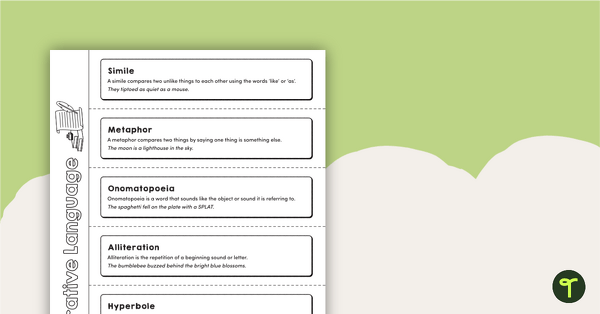
Figurative Language Flip Book
Practice identify examples of figurative language with this flip book template for kids.
- Plus Plan
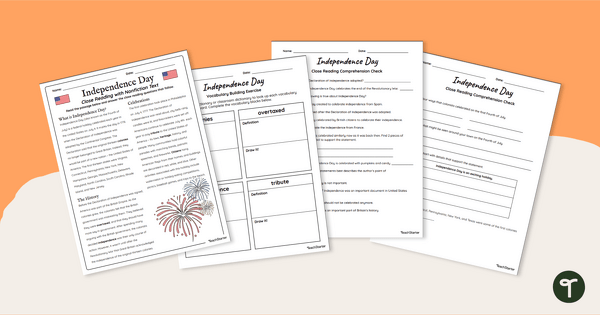
Independence Day Reading Comprehension Pack
Enhance your students' comprehension, vocabulary, and writing skills with this nonfiction Independence Day reading passage and accompanying activities.
- Plus Plan
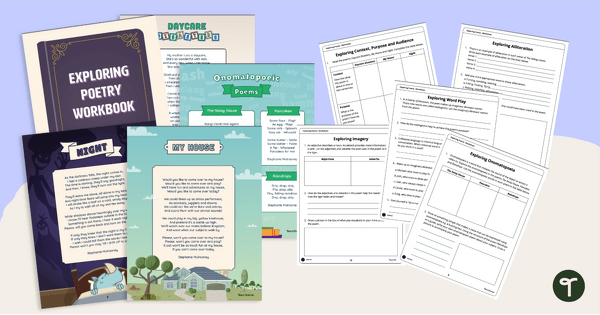
Exploring Figurative Language in Poetry Workbook
Teach your upper elementary and middle school students to read, analyze, and discuss poetry with a printable and digital poetry workbook.
- Plus Plan
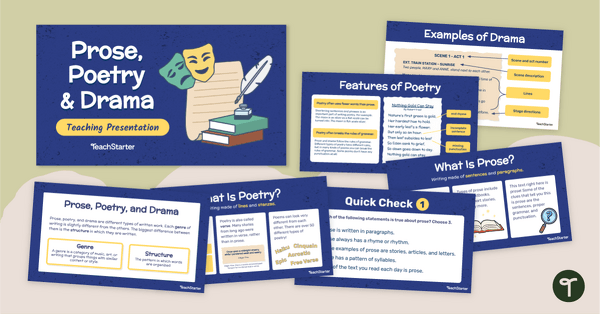
Prose, Poetry, and Drama Teaching Presentation
Teach your students the difference between poetry, prose, and drama with an interactive Google Slides teaching presentation.
- Plus Plan
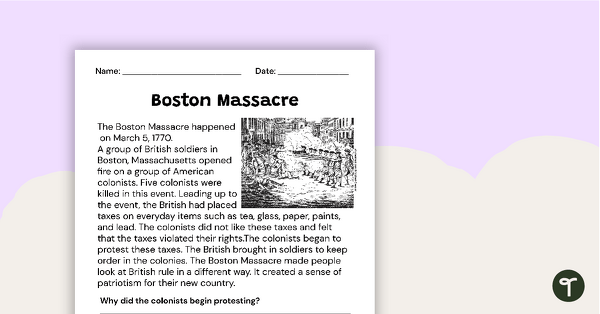
Boston Massacre Passage and Writing Prompt Worksheet
Learn facts about the Boston Massacre with an informational reading passage and an informational writing prompt for fourth grade.
- Plus Plan
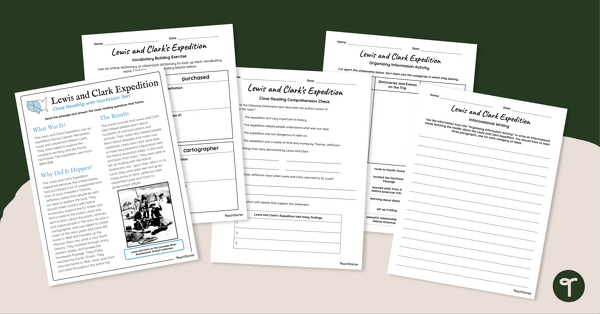
Lewis and Clark Close Read Comprehension Pack
Enhance your students' comprehension, vocabulary, and writing skills with a close reading passage and activity pack about the Lewis and Clark Expedition.
- Plus Plan
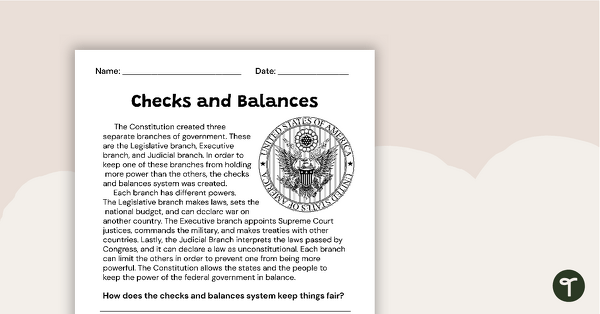
Checks and Balances - RACES Writing Prompt Worksheet
Practice using the RACES writing strategy and unravel the mysteries of the U.S. Government system of checks and balances with a passage, organizer, and prompt.
- Plus Plan
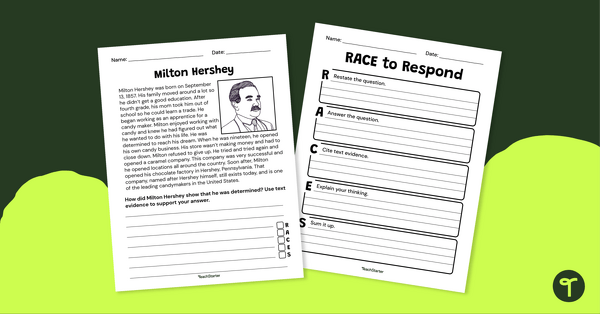
Milton Hershey RACES Writing Strategy Worksheets
Bring National Chocolate Day into your classroom with a biography and RACES writing worksheet about Milton Hershey.
- Plus Plan
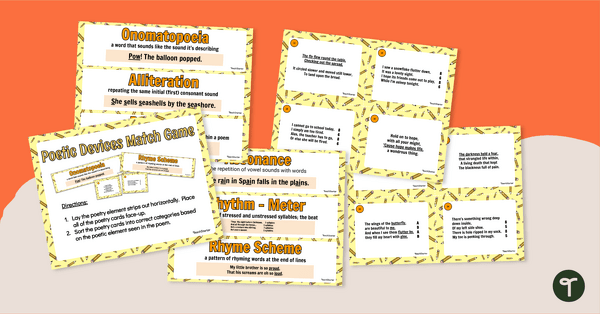
Poetry Match Game - Elements of Poetry Activity
Practice identifying poetic elements in examples of poems with a poetry sorting activity for fourth grade and fifth grade.
- Plus Plan
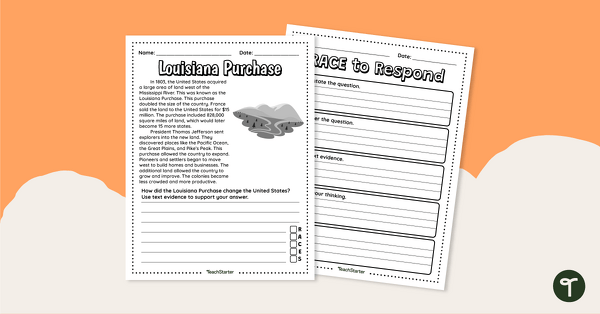
The Louisiana Purchase -Constructed Response Worksheet
Integrate reading, writing, and Social Studies content with a Louisiana Purchase Constructed Response worksheet and graphic organizer.
- Plus Plan
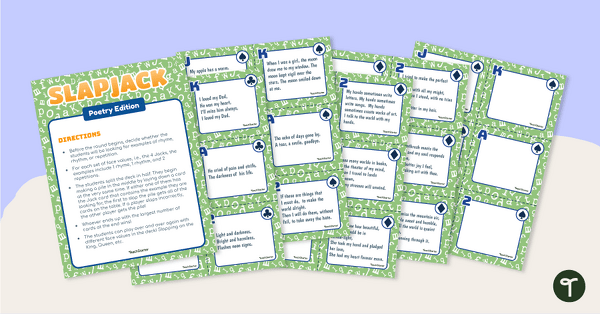
Poetry Slapjack Game - Grades 4-5
Learn to identify rhyme, rhythm, and repetition with a poetry Slapjack Game!