ELAR K.2
Developing and sustaining foundational language skills: listening, speaking, reading, writing, and thinking--beginning reading and writing. The student develops word structure knowledge through phonological awareness, print concepts, phonics, and morphology to communicate, decode, and spell. The student is expected to:
- (1) demonstrate phonological awareness by:
- (A) identifying and producing rhyming words;
- (i) recognizing spoken alliteration or groups of words that begin with the same spoken onset or initial sound;
- (ii) identifying the individual words in a spoken sentence;
- (iii) identifying syllables in spoken words;
- (iv) manipulating syllables within a multisyllabic word; and
- (v) blending syllables to form multisyllabic words;
- (vi) segmenting multisyllabic words into syllables;
- (vii) blending spoken onsets and rimes to form simple words;
- (viii) blending spoken phonemes to form one-syllable words;
- (ix) segmenting spoken one-syllable words into individual phonemes;
- (x) demonstrate and apply phonetic knowledge by:
- (B) identifying and matching the common sounds that letters
represent;
- (i) using letter-sound relationships to decode, including VC, CVC, CCVC, and CVCC words;
- (ii) recognizing that new words are created when letters are changed, added, or deleted such as it - pit - tip - tap; and
- (iii) identifying and reading at least 25 high-frequency words from a research-based list;
- (iv) demonstrate and apply spelling knowledge by:
- (C) spelling words with VC, CVC, and CCVC;
- (i) spelling words using sound-spelling patterns; and
- (ii) spelling high-frequency words from a research-based list;
- (iii) demonstrate print awareness by:
- (D) identifying the front cover, back cover, and title page
of a book;
- (i) holding a book right side up, turning pages correctly, and knowing that reading moves from top to bottom and left to right with return sweep;
- (ii) recognizing that sentences are comprised of words separated by spaces and recognizing word boundaries;
- (iii) recognizing the difference between a letter and a printed word; and
- (iv) identifying all uppercase and lowercase letters; and
- (v) develop handwriting by accurately forming all uppercase and lowercase letters using appropriate directionality.
- (A) identifying and producing rhyming words;
- Plus Plan
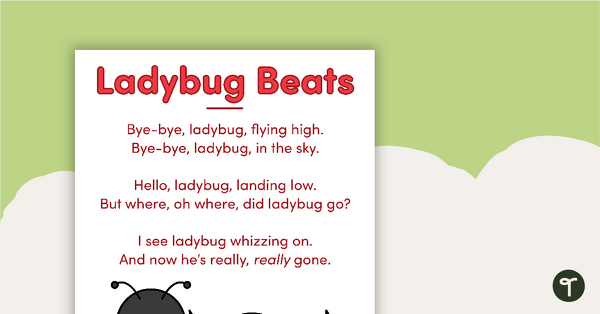
Ladybug Beats Poem - Simple Rhyming Poetry Poster
A simple rhyming poem to develop vocabulary, reading, speaking, and listening in the early years.
- Plus Plan
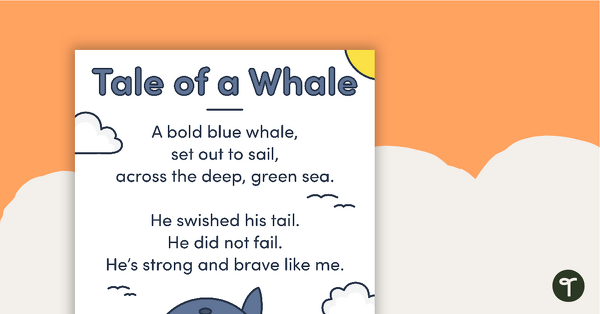
Tale of a Whale - Simple Rhyming Poetry Poster
A simple rhyming poem that is perfect to explore phonics and rhyming words in the early years.
- Plus Plan
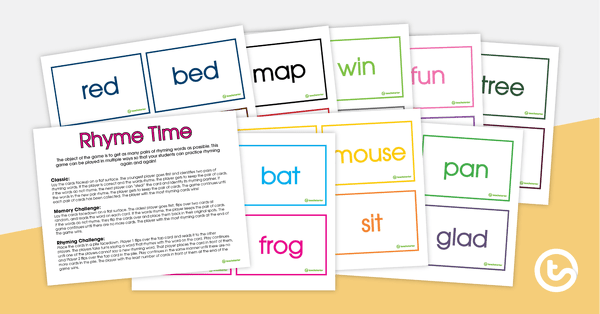
Rhyme Time - Match-Up Activity
A set of 32 match-up cards for students to practice rhyming.
- Plus Plan
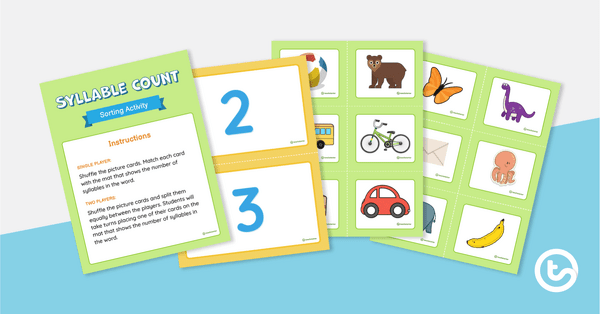
Syllable Count Sorting Activity
Practice segmenting and counting syllables in words with this set of 24 picture sorting cards.
- Plus Plan
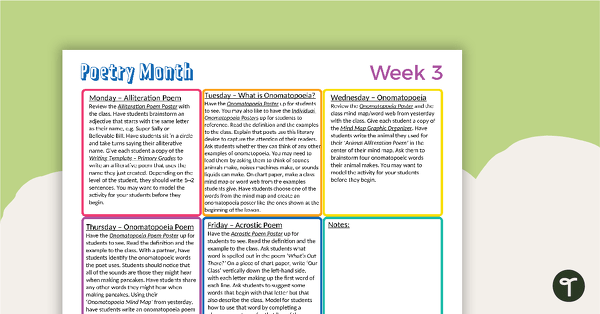
Primary Weekly Poetry Guide - Week 3
Use this weekly poetry guide to celebrate National Poetry Month in your primary classroom.
- Plus Plan
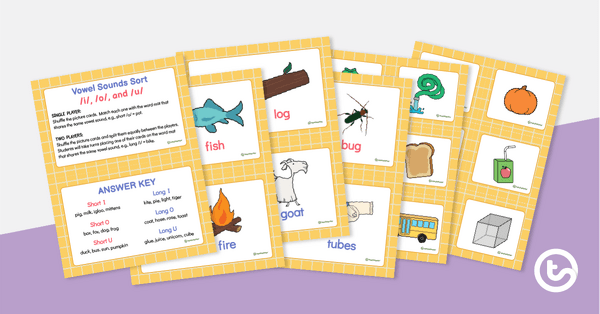
Vowel Sounds Sort - /i/, /o/, and /u/
Practice distinguishing between long and short vowel sounds for letters /i/, /o/ and /u/ by sorting this set of 24 picture cards into categories.
- Plus Plan
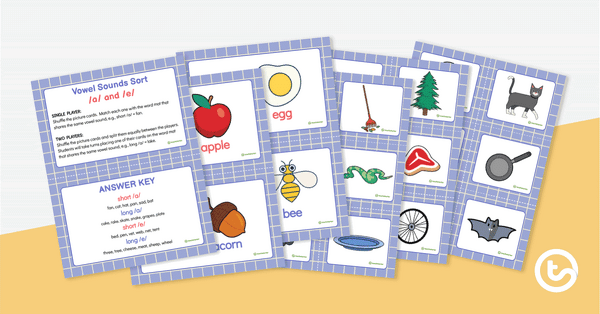
Vowel Sounds Sort - /a/ and /e/
Practice distinguishing between long and short vowel sounds for letters /a/ and /e/ by sorting this set of 24 picture cards into categories.
- Plus Plan
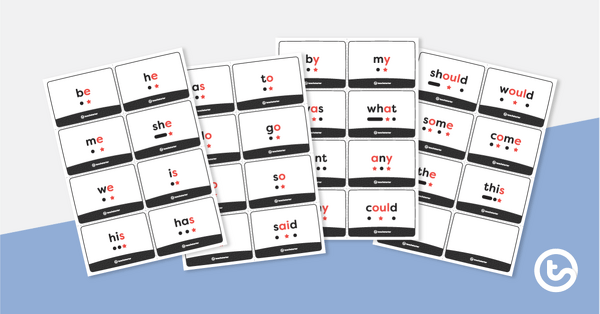
Phoneme Segmentation Flashcards - Tricky Words
A set of 30 tricky word phoneme segmentation flashcards.
- Plus Plan
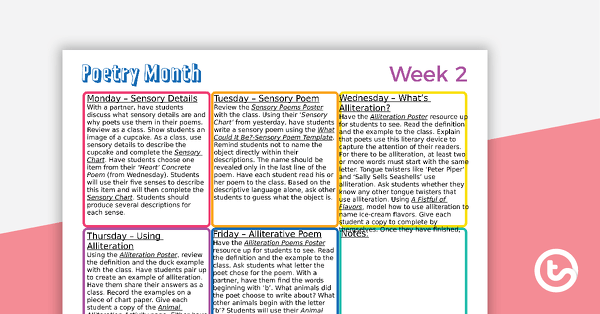
Primary Weekly Poetry Guide - Week 2
Use this weekly poetry guide to celebrate National Poetry Month in your primary classroom.
- Plus Plan
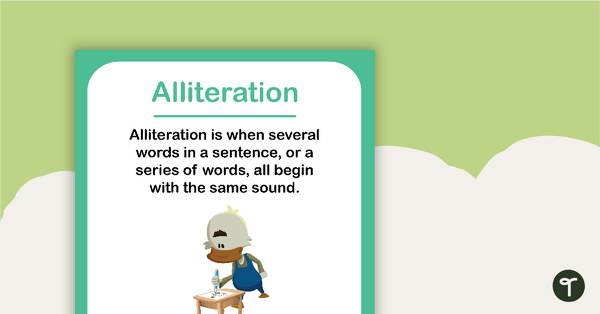
Alliteration Poster For Young Students
A poster to use with young students when teaching alliteration.
- Plus Plan
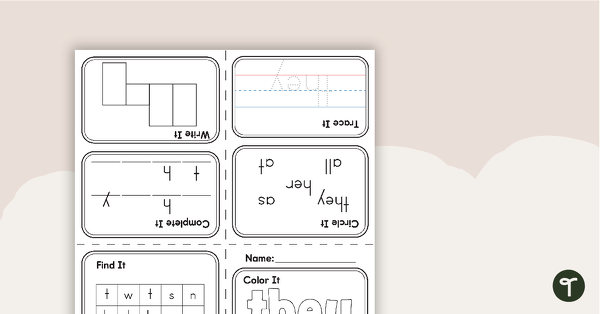
My Little Sight Word Book - They
A little book of activities for the sight word ‘they’.
- Plus Plan
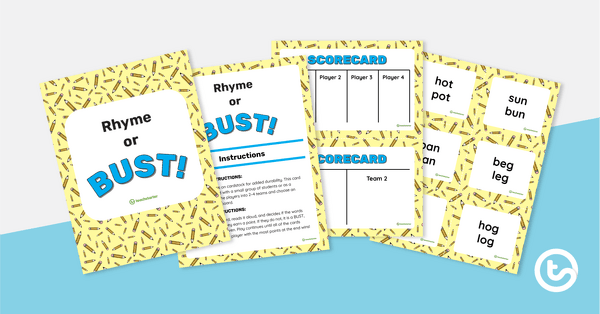
Rhyme or BUST! Card Game
Engage your students in this rhyme recognition activity that awards points for correctly identifying rhyming pairs.
- Plus Plan
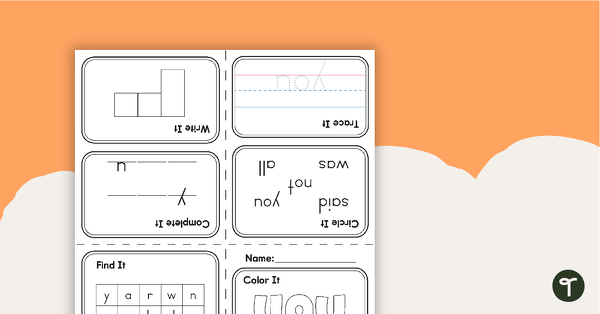
My Little Sight Word Book - You
A little book of activities for the sight word ‘you’.
- Plus Plan
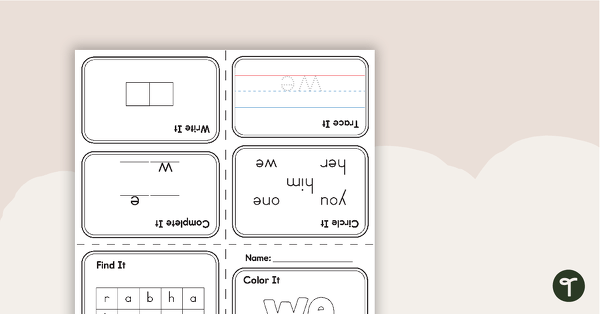
My Little Sight Word Book - We
A little book of activities for the sight word ‘we’.
- Plus Plan
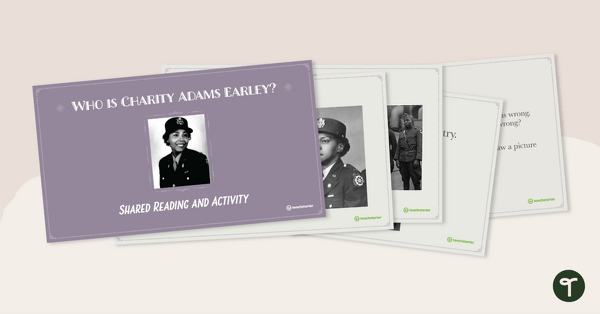
Who Is Charity Adams Earley? – Shared Reading and Activity
Read along to learn about soldier & activist Charity Adams Earley with this 13-slide PowerPoint presentation.
- Plus Plan
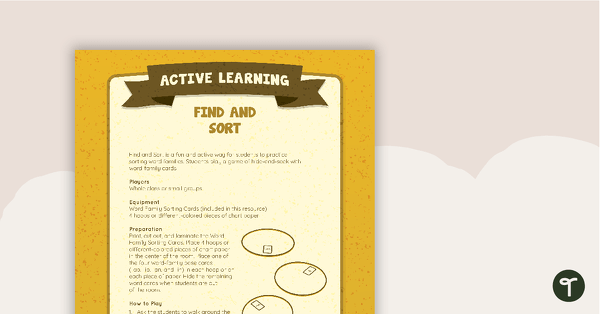
Find and Sort Active Game
An active game that allows students to practice sorting word families.
- Plus Plan
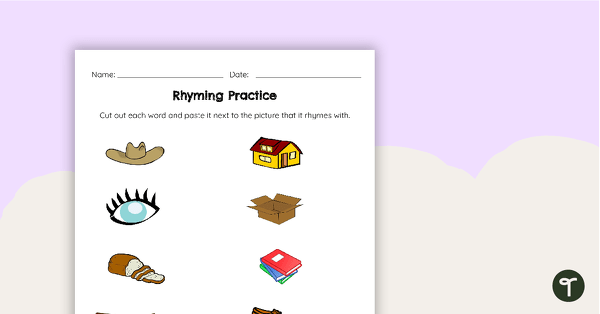
Rhyming Practice - Cut and Paste Worksheet
Practice identifying rhyming words with this cut and paste worksheet.
- Plus Plan
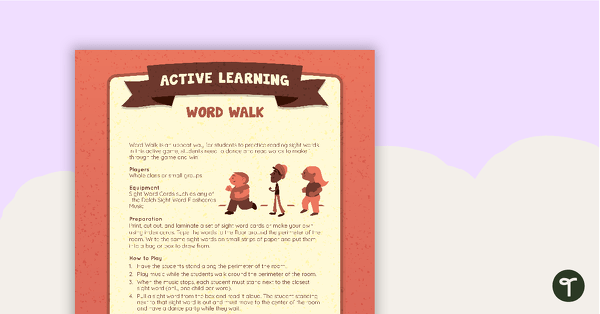
Word Walk Active Game
An active game that allows students to practice reading sight words.
- Plus Plan
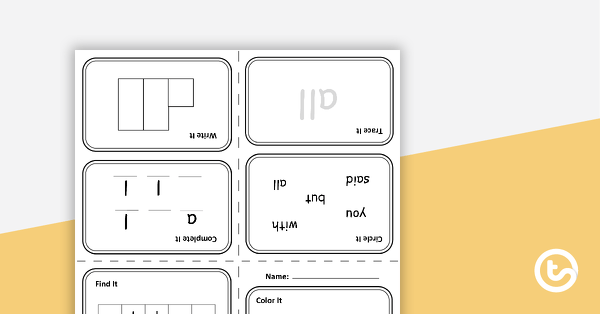
My Little Sight Word Book - Editable
An editable little book for learning sight words.
- Plus Plan
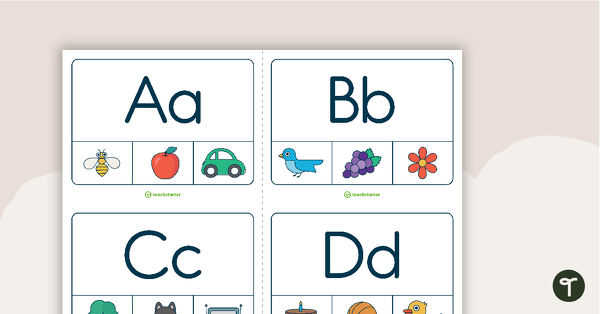
Initial Sound Clip Cards (Version 2)
A hands-on activity to practice initial sounds.
- Plus Plan
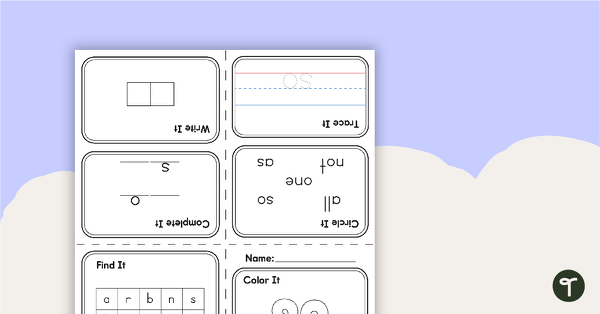
My Little Sight Word Book - So
A little book with activities for the sight word ‘so’.
- Plus Plan
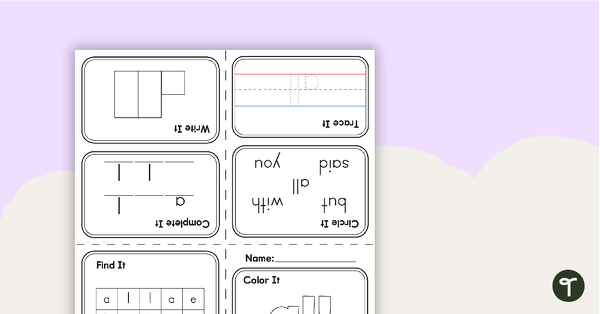
My Little Sight Word Book - All
A little book with activities for the sight word 'all'.
- Plus Plan
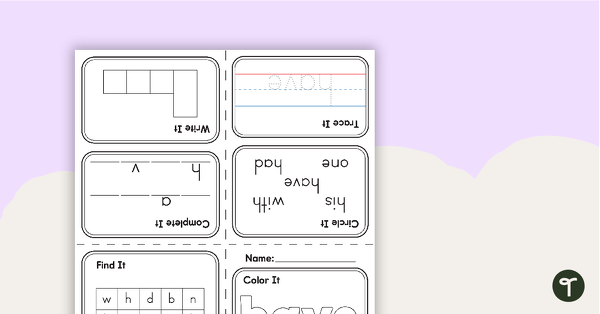
My Little Sight Word Book - Have
A little book with activities for the sight word ‘have’.
- Plus Plan
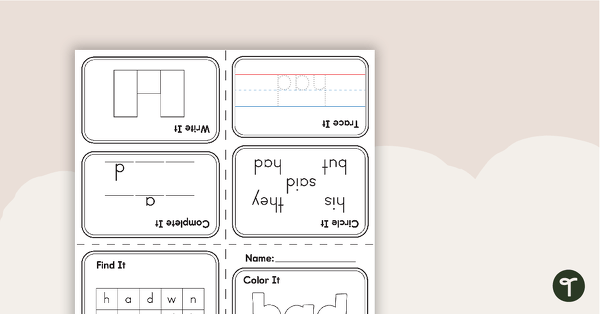
My Little Sight Word Book - Had
A little book with activities for the word ‘had’.
- Plus Plan
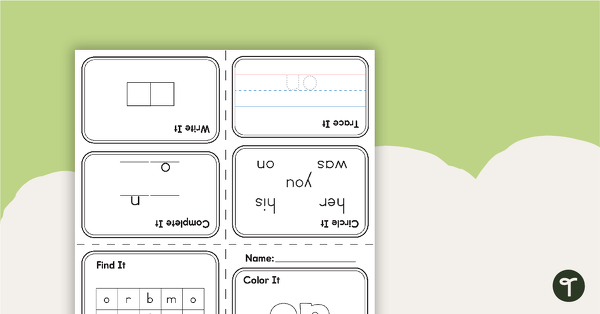
My Little Sight Word Book - On
A little book with activities for the sight word ‘on’.
- Plus Plan
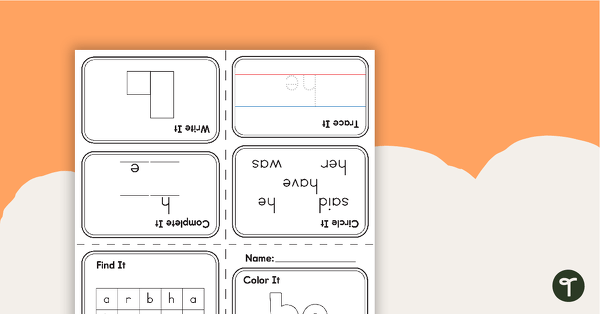
My Little Sight Word Book - He
A little book with activities for the sight word ‘he’.
- Plus Plan
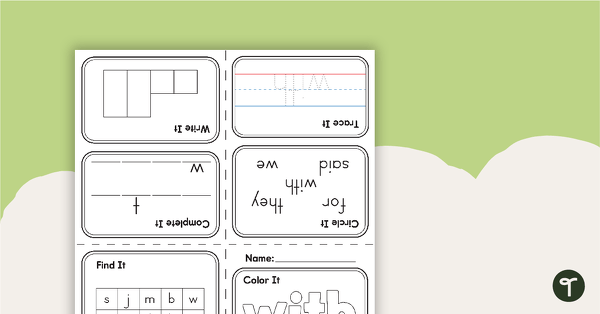
My Little Sight Word Book - With
A little book with activities for the sight word ‘with’.
- Plus Plan
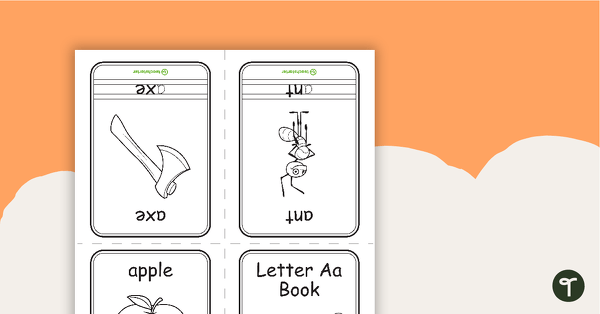
Little Alphabet Book Worksheets (A-Z)
A set of 26 worksheets to assist younger students with letter recognition and formation.
- Plus Plan
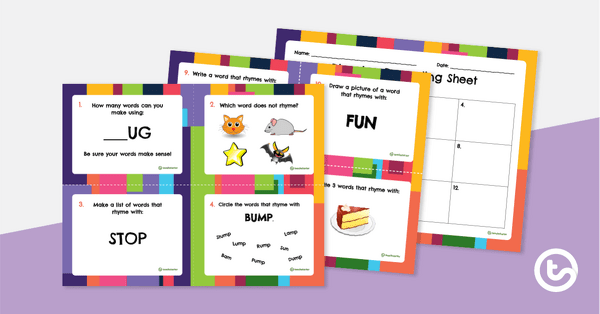
Rhyming Task Cards
A set of 12 task cards to practice rhyming.
- Plus Plan
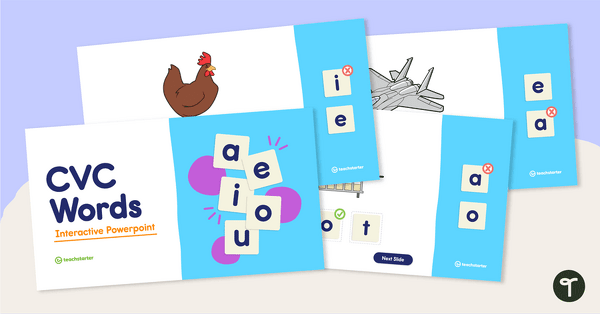
Segmenting and Blending CVC Words Interactive PowerPoint
Practice reading CVC words with your students with our interactive PowerPoint.
- Plus Plan
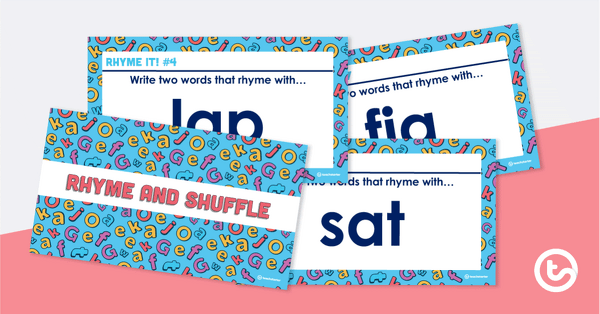
Rhyme and Shuffle - Rhyming PowerPoint Game
Practice producing rhyming words while being active with this whole-class movement game.
- Plus Plan
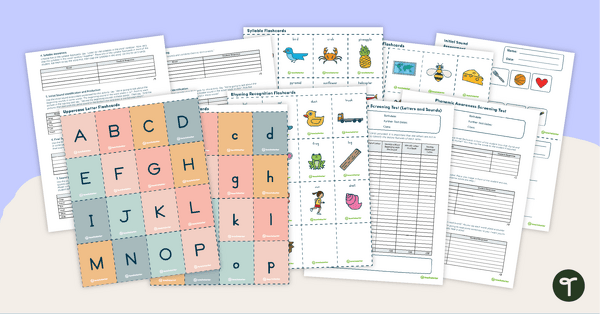
Diagnostic Reading Assessment for Teachers (Phonological Awareness)
Test your students' phonological awareness with this diagnostic reading assessment.