VC2E3LY10
use comprehension strategies, such as visualising, predicting, connecting, summarising, monitoring and questioning, to analyse texts by drawing on a growing knowledge of context, text structures and language features to build literal and inferred meanings
- making predictions about a text, drawing on knowledge of the topic, subject-specific vocabulary and experience of texts on the same topic
- identifying important ideas, events or details in texts
- learning new content from reading and listening, and asking questions to expand understanding
- comparing and contrasting how different texts present similar ideas or information
- drawing inferences, using evidence from the text and prior knowledge and experience; for example, making predictions about a character's likely actions or about the content of tabbed pages on a website
- determining the relevance of a text for a particular task
- Plus Plan
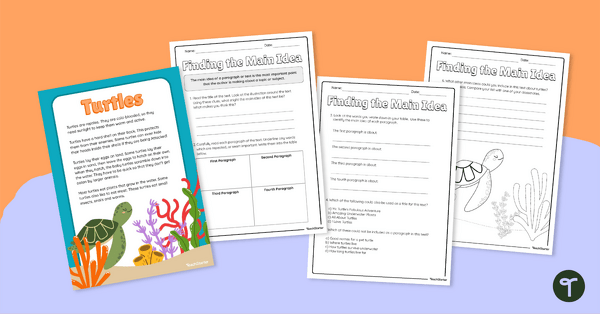
Finding The Main Idea - Comprehension Task (Turtles)
Explore the wonderful world of turtles with this comprehension task focusing on the main idea.
- Plus Plan
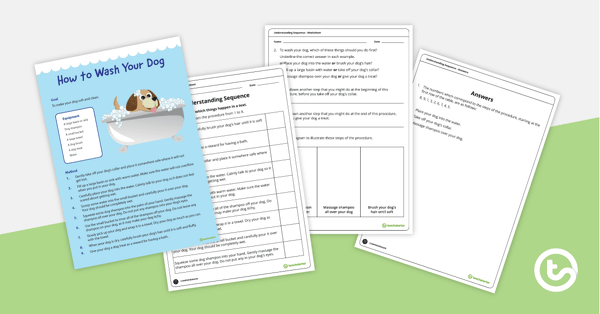
Procedural Writing Sequencing Worksheet – How to Wash Your Dog
Use this procedural writing worksheet to teach your students about the importance of sequence in procedure texts.
- Plus Plan
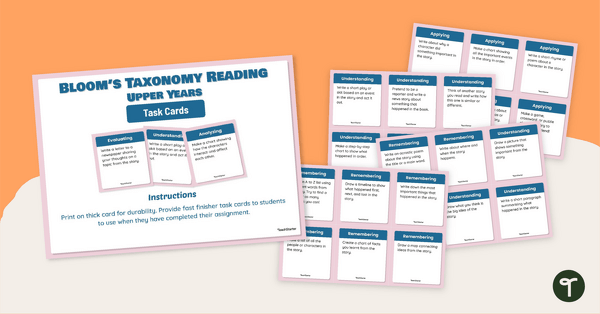
Bloom's Taxonomy Reading Comprehension Task Cards
Deepen your students' reading comprehension with a set of reading task cards based on Bloom's taxonomy.
- Plus Plan
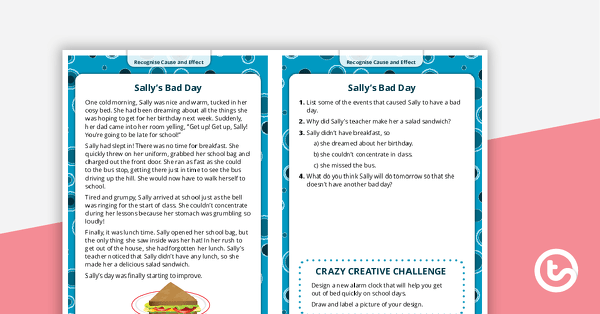
Comprehension Task Cards - Recognising Cause And Effect
A set of comprehension task cards to help students recognise cause and effect when reading.
- Plus Plan
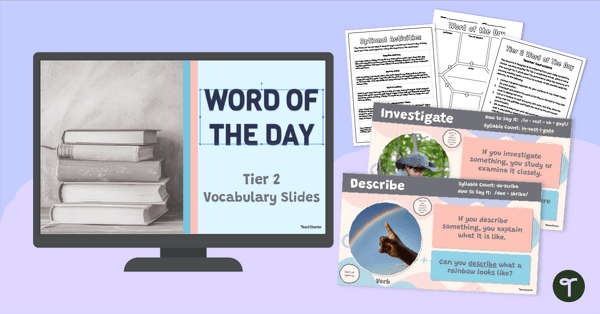
Children’s Word of the Day - Tier 2 Vocab Warmup Slides
Boost academic vocabulary skills and provide your students with daily tier 2 vocabulary review using our Children’s Word of the Day Warmup Slides for Year 2.
- Plus Plan
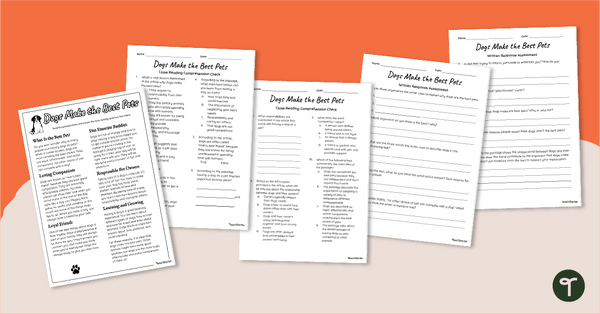
Dogs Make The Best Pets - Reading Comprehension Test
Assess reading comprehension skills with printable Reading and Writing Comprehension worksheets.
- Free Plan
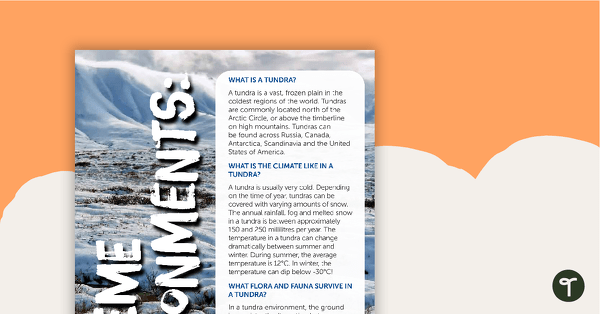
Extreme Environments: Lands of Ice and Sand – Worksheet
A comprehension worksheet for an information report from the Year 4 magazine (Issue 3).
- Free Plan
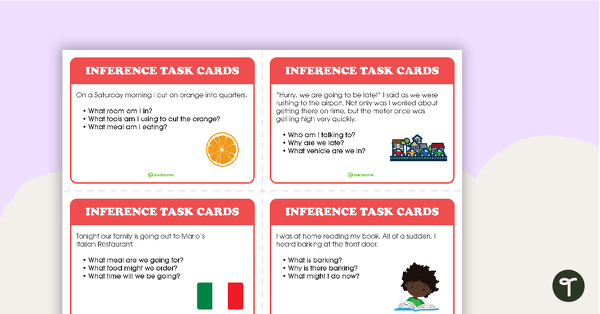
Inferring Written Scenario Task Cards
Task cards that help students use their knowledge and ideas to help them decode ideas in texts
- Plus Plan
Comprehension Strategies - Interactive PowerPoint
An engaging 48 slide interactive PowerPoint to use in the classroom when developing comprehension strategies.
- Plus Plan
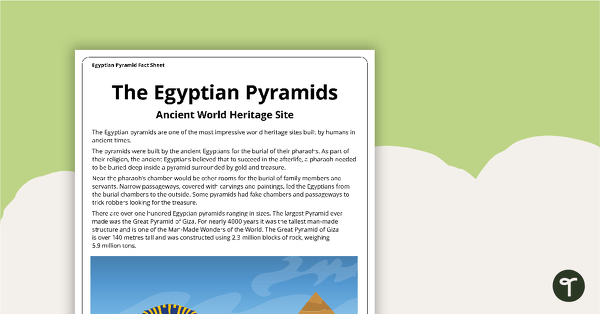
The Egyptian Pyramids - Comprehension Task
A 2 page comprehension task for students to use in the classroom when learning about the Egyptian pyramids.
- Plus Plan
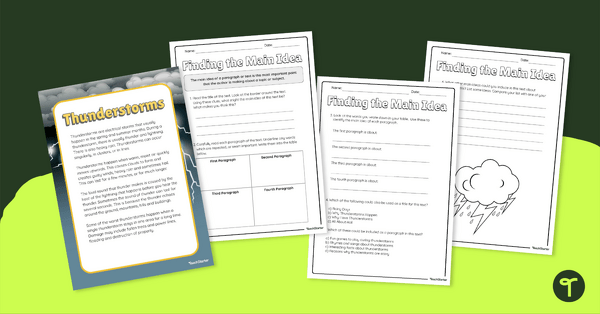
Finding the Main Idea - Comprehension Task (Thunderstorms)
Teach your students how to identify the main idea of a piece of text with this worksheet pack.
- Plus Plan
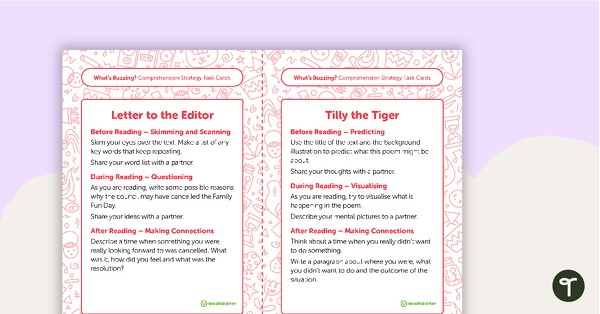
Year 3 Magazine - "What's Buzzing?" (Issue 2) Task Cards
A set of five literacy rotation task cards to be used in conjunction with Issue 2 of Teach Starter’s Year 3 magazine.
- Plus Plan
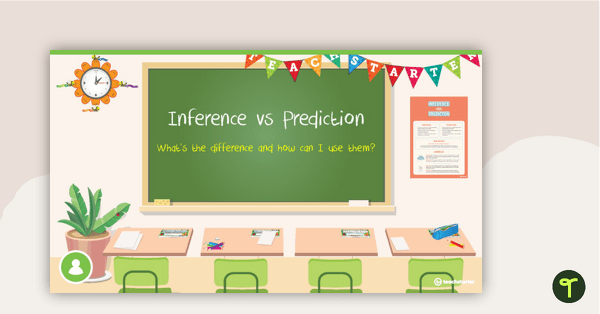
Inference vs Prediction - Presentation
A teaching presentation outlining the similarities and differences between inference and prediction.
- Plus Plan
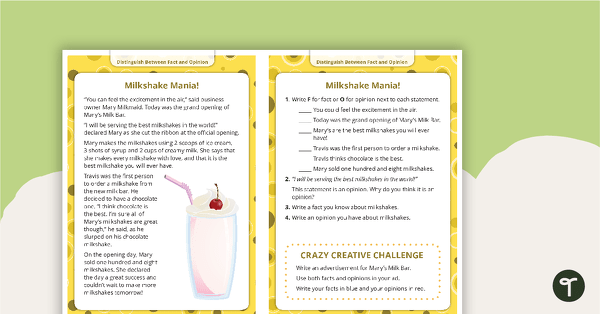
Comprehension Task Cards - Distinguishing Between Fact and Opinion
A set of comprehension task cards to help students distinguish between fact and opinion when reading.
- Plus Plan
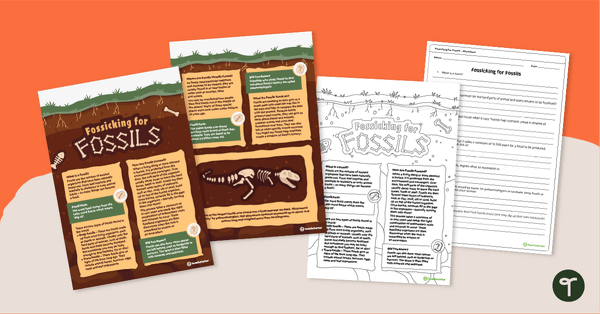
Fossicking for Fossils – Comprehension Worksheet
Use a Fossil Comprehension worksheet to teach your year 5 and 6 students about what fossils are, how they’re formed, and more!
- Plus Plan
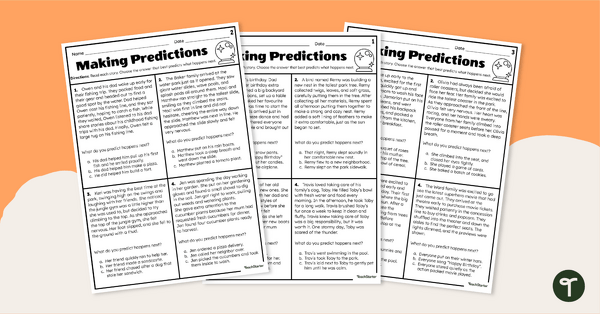
Making Predictions Reading Comprehension Worksheet Pack
Improve students' reading comprehension with our Making Predictions Reading Comprehension Worksheet Pack, which features engaging short stories.
- Plus Plan
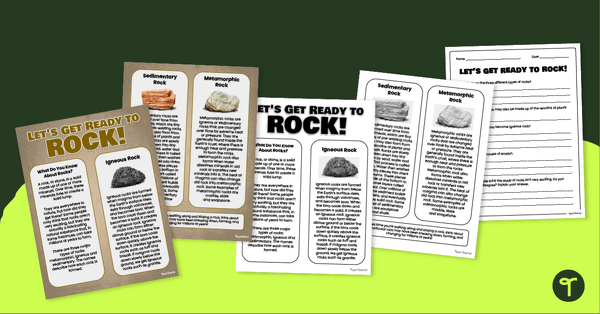
Let's Get Ready to Rock! – Reading Comprehension Worksheet
Read and discover the three types of rock with a set of Year 3 Reading Comprehension Worksheets.
- Plus Plan
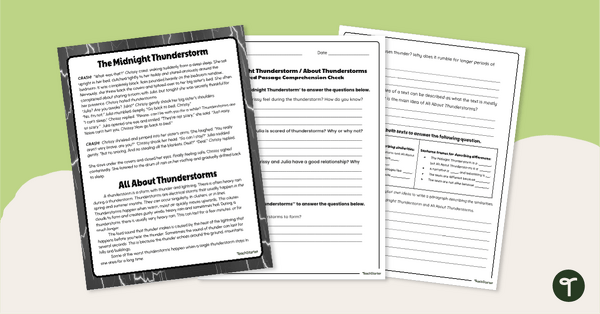
Paired Passage Worksheets - Thunderstorms
Use paired passages to help your student practise applying reading comprehension strategies.
- Plus Plan
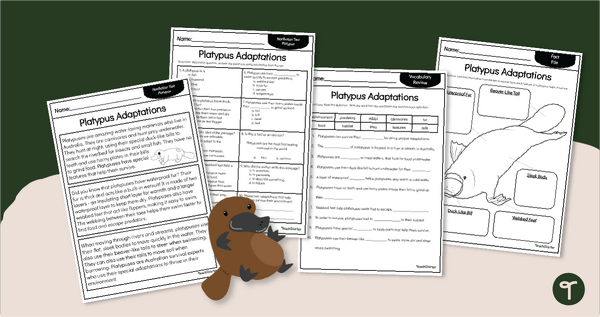
Platypus Adaptations - Reading Passage & Questions
Learn about the physical and behavioural adaptations of the platypus with a set of printable reading comprehension worksheets for Years 3-5.
- Plus Plan
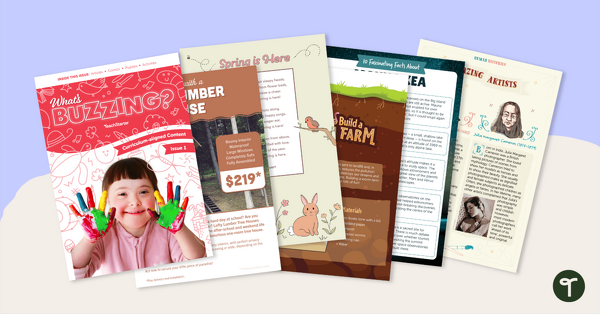
Year 3 Magazine - What's Buzzing? (Issue 1)
A beautifully designed, 24-page reading magazine specifically designed for Year 3 students.
- Free Plan
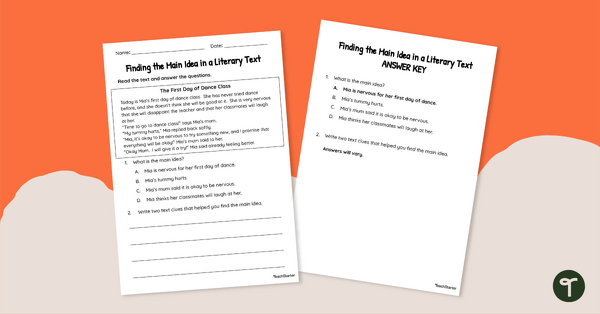
Finding the Main Idea in a Literary Text Worksheet
Find the main idea and supporting story clues of a literary text passage and answer the comprehension questions.
- Free Plan
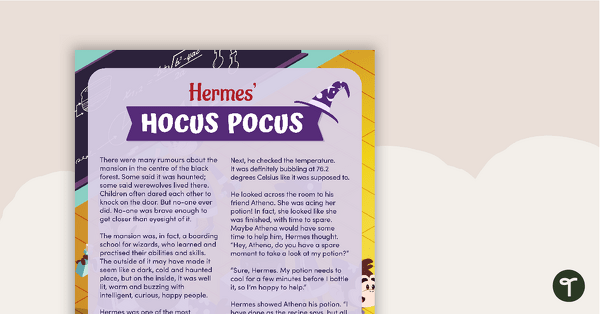
Hermes' Hocus Pocus – Comprehension Worksheet
A comprehension worksheet for a narrative from the Year 3 magazine (Issue 3).
- Plus Plan
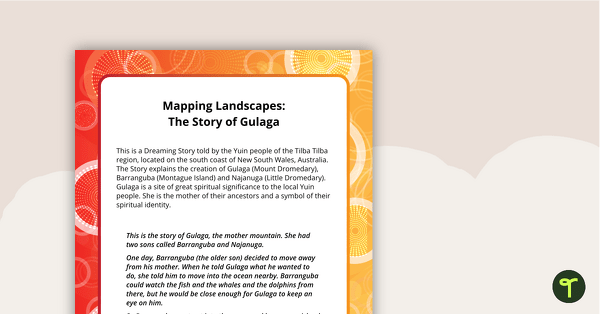
The Story of Gulaga - Comprehension and Activity Worksheet
A comprehension and linked activity based on an Aboriginal Dreaming Story.
- Plus Plan
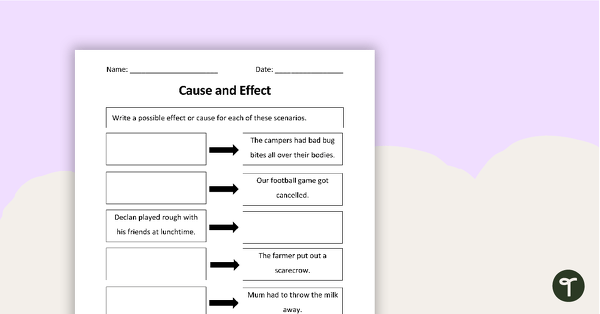
Cause and Effect - Scenario Worksheet
A worksheet and answer sheet to use when teaching students the cause and effect comprehension strategy.
- Plus Plan
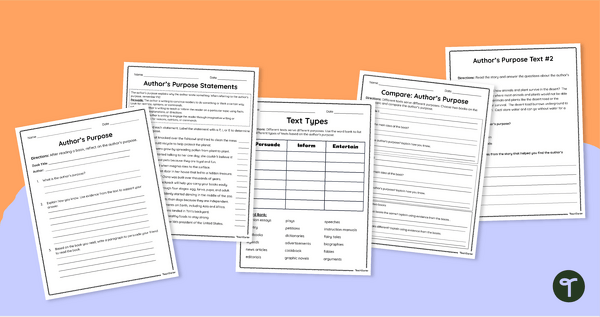
Author's Purpose Worksheet Set
Assess reading comprehension by using this comprehensive Author's Purpose Worksheet Set.
- Free Plan
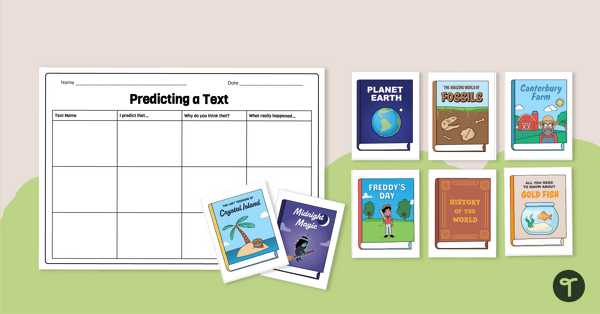
Free Story Prediction Worksheet
Encourage students to think critically before reading with this Story Prediction Worksheet.
- Plus Plan
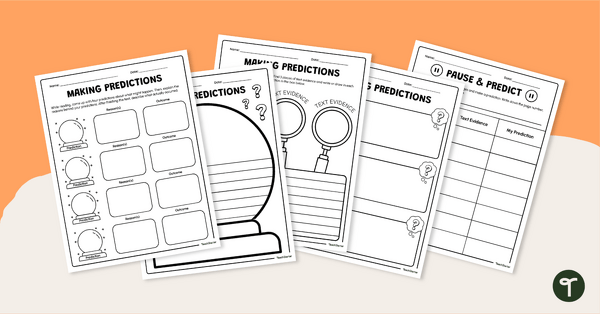
Making Predictions Graphic Organiser Pack
Enhance reading comprehension by using these Making Predictions Graphic Organiser templates in your classroom.
- Free Plan
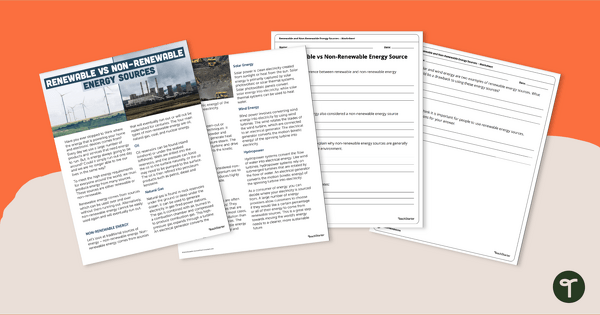
Renewable vs Non-Renewable Energy Sources – Worksheet
Discover the difference between renewable and non-renewable energy sources with a comprehension passage and worksheet.
- Plus Plan
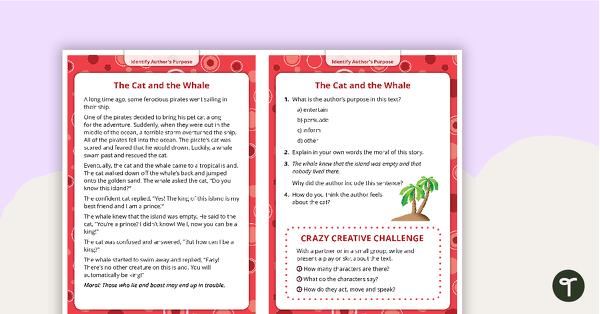
Comprehension Task Cards - Identifying Author's Purpose
A set of comprehension task cards to help students identify the author's purpose when reading.
- Plus Plan
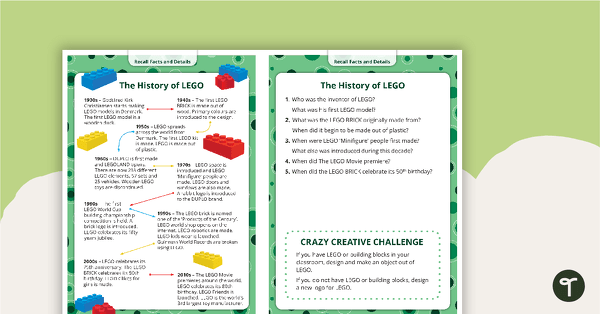
Comprehension Task Cards - Recalling Facts And Details
A set of comprehension task cards to help students recall facts and details when reading.
- Plus Plan
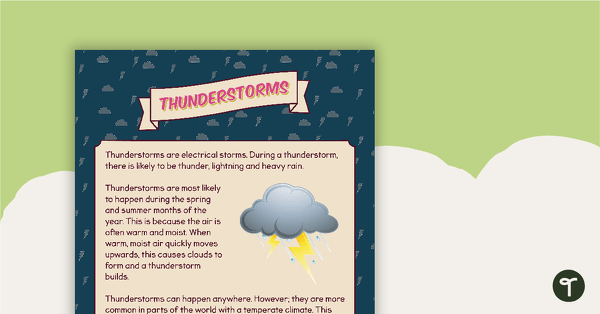
Comprehension - Thunderstorms
A comprehension activity using an information text about thunderstorms.
- Plus Plan
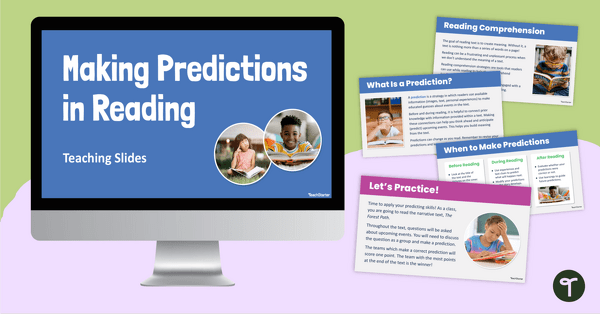
Making Predictions PowerPoint
Use this Making Predictions PowerPoint to engage students in the learning of predicting during reading.