VC2E6LA03
explain how different types of texts are typically organised into characteristic stages and phases depending on purposes, recognising how authors often adapt text structures and language features
- exploring a range of everyday, community, literary and informative texts, discussing elements of text structure and language features, and comparing the overall structure and effect of authors’ choices in 2 or more texts
- examining a text to identify strategies such as exaggeration to create humour
- recognising that texts are organised into stages, such as an introduction, and that introductions may be divided into phases; for example, the introduction stage of a narrative may begin with a phase that is a ‘hook’ or a flashback
- explaining the characteristic stages and phases in reviews, discussing alternative positions or historical recounts, and identifying any adaptations of typical structures or language features
- Free Plan
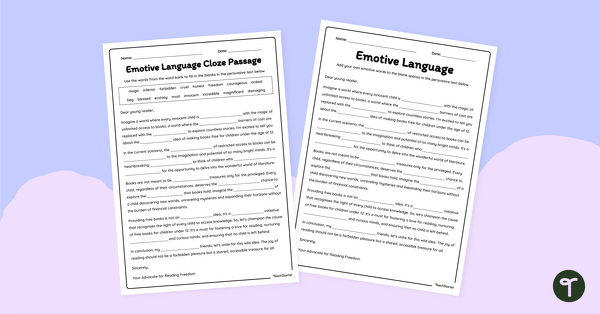
Emotive Language Cloze Passage Worksheet
Get students using emotive language examples in their persuasive writing with this differentiated cloze passage worksheet.
- Plus Plan
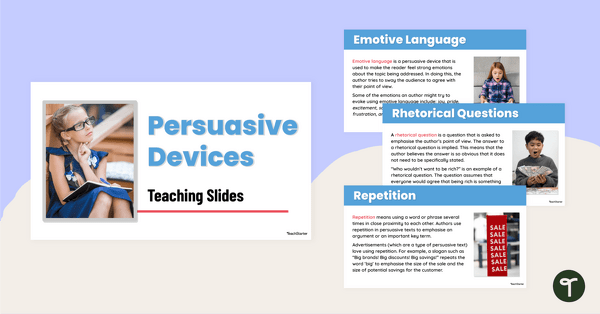
Persuasive Devices Teaching Slides
Explore persuasive language devices with your students using this detailed and age-appropriate slideshow perfect for your persuasive writing unit.
- Plus Plan
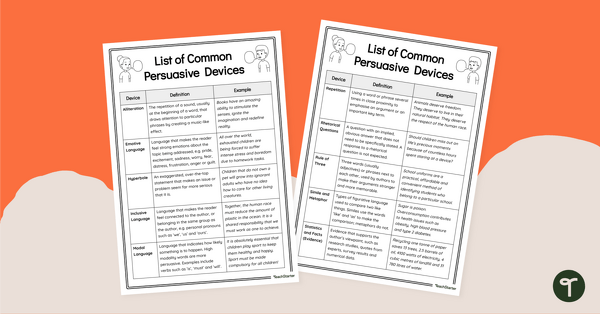
List of Persuasive Devices
Download this list of persuasive devices for your students to refer to when writing a persuasive text.
- Plus Plan
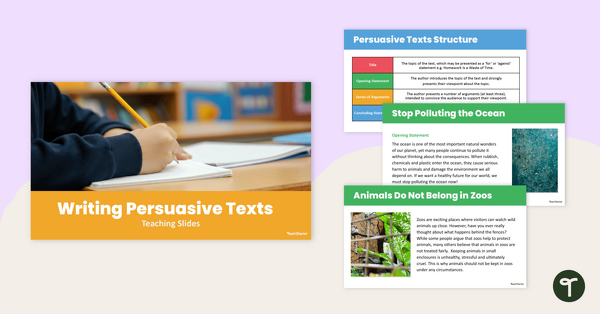
Writing Persuasive Texts Teaching Slides
Teach your students about writing a persuasive text using this detailed slideshow targeted at upper primary school students.
- Plus Plan
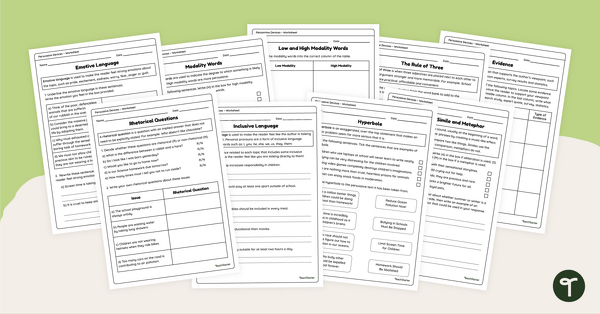
Persuasive Devices Worksheet Pack
Explore persuasive language techniques with your students using this nine-page worksheet pack perfect for your persuasive writing unit.
- Plus Plan
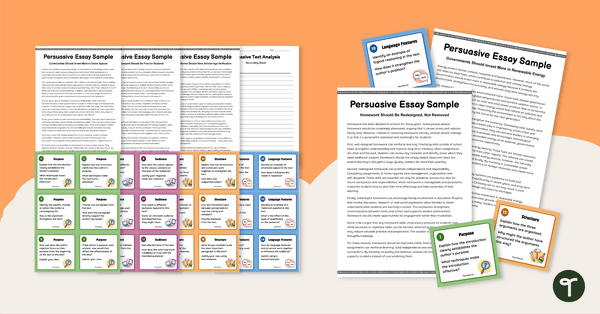
Persuasive Text Example Pack with Analysis Task Cards
Use this persuasive text example pack with accompanying task cards to teach your students how purpose, structure and language features work together in strong persuasive texts.
- Plus Plan
Writing Narrative Texts Teaching Slides
Teach your students the features of narrative texts using this detailed slideshow targeted at upper primary school students.
- Plus Plan
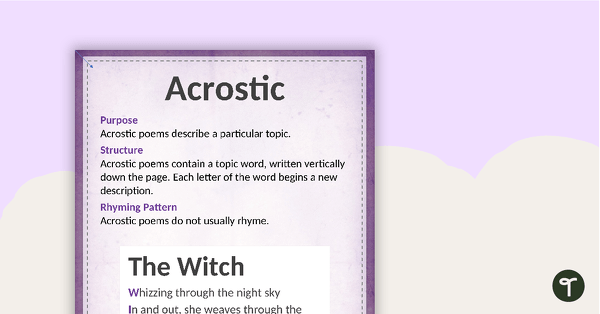
Types of Poetry Posters with Annotations
Use this set of 9 annotated posters when introducing structured forms of poetry to your students.
- Plus Plan
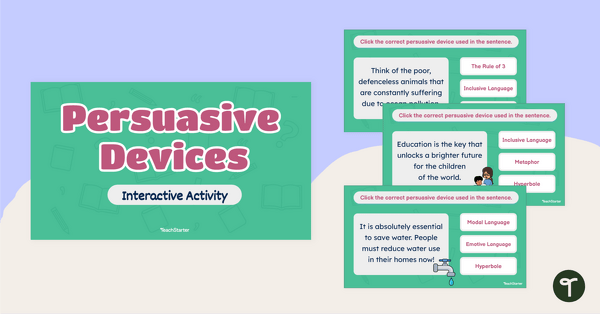
Persuasive Devices Interactive Activity
Explore persuasive device examples with your students using this digital game perfect for your persuasive writing lessons.
- Plus Plan
Write a Biography PowerPoint
Use this age-appropriate biography PowerPoint to teach your students about the purpose, structure and features of biographical texts.
- Plus Plan
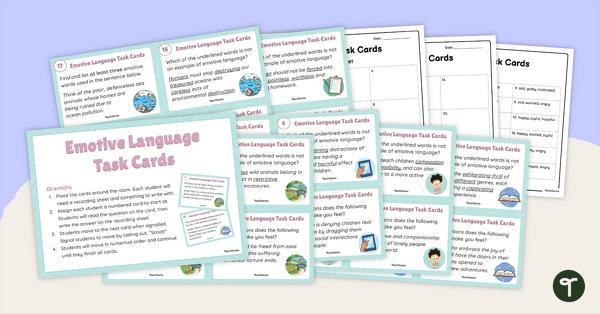
Emotive Language Task Cards
Get students exploring emotive language examples with this set of task cards perfect for your persuasive writing unit.
- Plus Plan
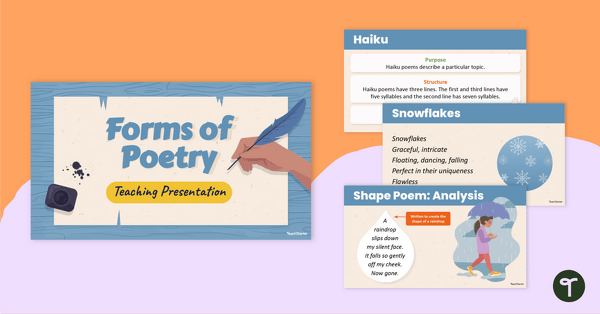
Forms of Poetry Teaching Slides
Explore the different forms of poetry with your students using this comprehensive and age-appropriate slide deck.
- Plus Plan
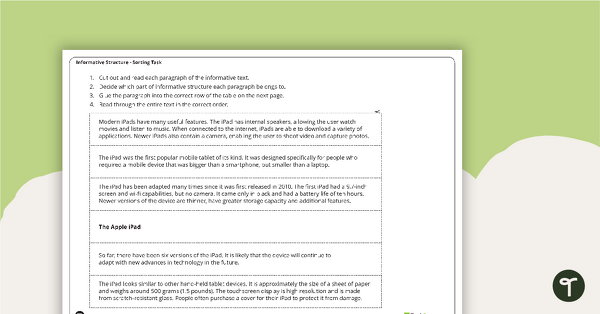
Information Report Structure Worksheet – The Apple iPad
Teach your students about information report structure with this cut-and-paste sequencing worksheet.
- Plus Plan
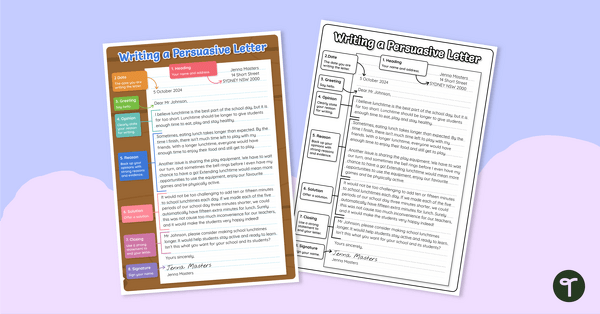
Writing a Persuasive Letter Poster
Use this writing a persuasive letter poster to teach your students the structure and features of persuasive letters.
- Plus Plan
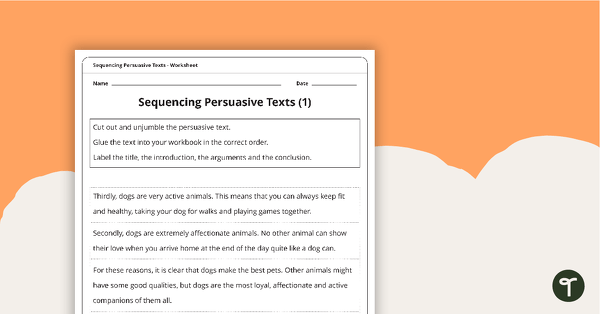
Persuasive Essay Structure Sorting Worksheet
Teach your students about persuasive essay structure with this cut-and-paste sequencing worksheet.
- Plus Plan
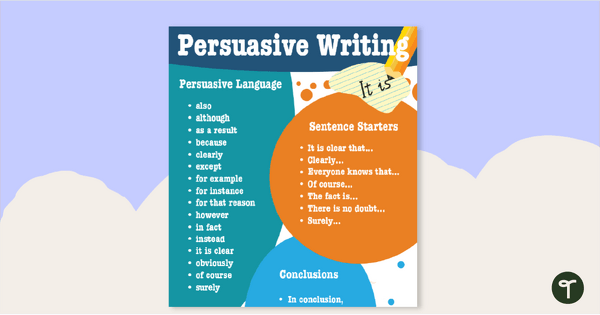
Language in Persuasive Writing Anchor Chart
Introduce students to the language associated with persuasive writing with a printable persuasive writing anchor chart.
- Plus Plan
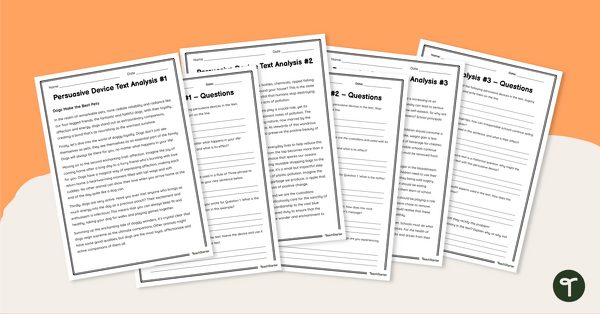
Analysing Persuasive Devices Worksheets
Get students analysing persuasive techniques and their effects on audiences with this set of three texts with accompanying questions.
- Plus Plan
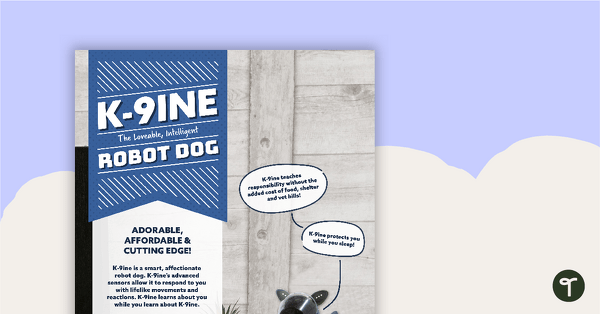
Advertisement Worksheet – K-9ine the Robot Dog
A comprehension worksheet for a persuasive magazine advertisement about a robotic dog.
- Plus Plan
Introduction to Historical Recounts PowerPoint
A 17 slide editable PowerPoint template to use when teaching older students about the structure and language features of historical recounts.
- Plus Plan
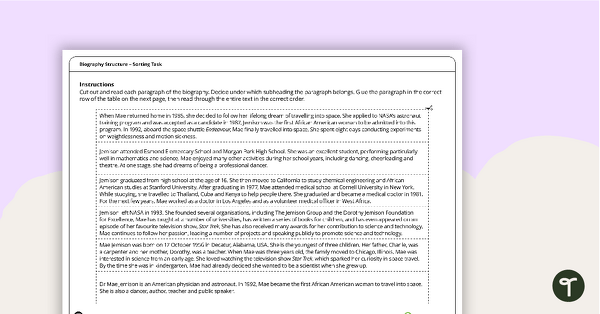
Biography Structure Sorting Worksheets
Teach biography structure with engaging sorting worksheets that help students understand the key sections of a biography using authentic text examples.
- Plus Plan

Advertisement Worksheet – Milton Mentor
A comprehension worksheet for a persuasive magazine advertisement about a digital personal assistant.
- Plus Plan
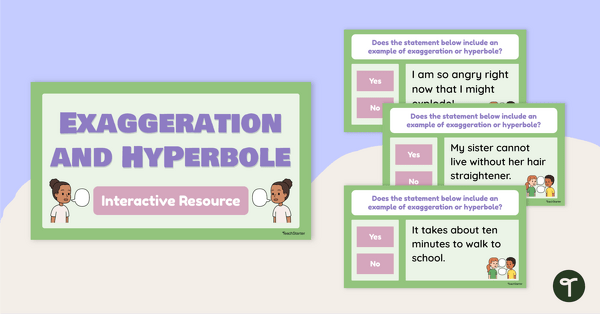
Exaggeration and Hyperbole Interactive Activity
Explore hyperbole examples with your students using this digital game perfect for lesson warm-ups or lesson wrap-ups.
- Plus Plan
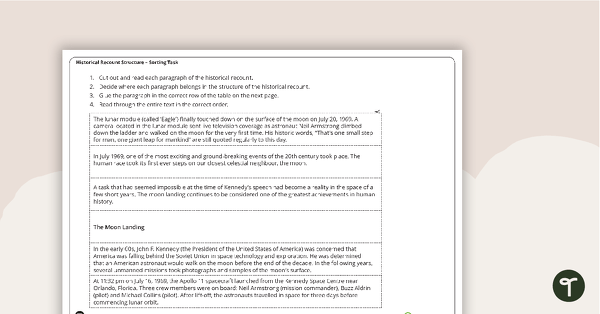
The Moon Landing - Historical Recount Structure Sorting Task
A sorting task to help students learn about the structure of a historical recount.
- Plus Plan
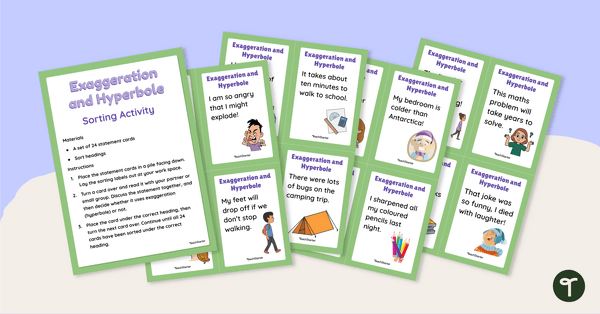
Exaggeration and Hyperbole Sorting Activity
Explore examples of hyperbole with your students using this set of 24 sorting cards perfect for your collaborative group work.