Year 2
The English curriculum is built around the three interrelated strands of language, literature and literacy. Teaching and learning programs should balance and integrate all three strands. Together, the strands focus on developing students' knowledge, understanding and skills in listening, reading, viewing, speaking, writing and creating. Learning in English builds on concepts, skills and processes developed in earlier years, and teachers will revisit and strengthen these as needed.
In Year 2, students communicate with peers, teachers, students from other classes and community members.
Students engage with a variety of texts for enjoyment. They listen to, read, view and interpret spoken, written and multimodal texts in which the primary purpose is to entertain, as well as texts designed to inform and persuade. These encompass traditional oral texts, picture books, various types of print and digital stories, simple chapter books, rhyming verse, poetry, non-fiction, film, multimodal texts, dramatic performances and texts used by students as models for constructing their own work.
The range of literary texts for Foundation to Year 10 comprises Australian literature, including the oral narrative traditions of Aboriginal and Torres Strait Islander Peoples, as well as the contemporary literature of these two cultural groups, and classic and contemporary world literature, including texts from and about Asia.
Literary texts that support and extend Year 2 students as independent readers involve sequences of events that span several pages and present unusual happenings within a framework of familiar experiences. Informative texts present new content about topics of interest and topics being studied in other areas of the curriculum. These texts include language features such as varied sentence structures, some unfamiliar vocabulary, a significant number of high-frequency sight words and words that need to be decoded phonically, and a range of punctuation conventions, as well as illustrations and diagrams that support and extend the printed text.
Students create a range of imaginative, informative and persuasive texts including imaginative retellings, reports, performances, poetry and expositions.
(source: www.australiancurriculum.edu.au)
Achievement Standard
Receptive modes (listening, reading and viewing)
By the end of Year 2, students understand how similar texts share characteristics by identifying text structures and language features used to describe characters and events, or to communicate factual information.
They read texts that contain varied sentence structures, some unfamiliar vocabulary, a significant number of high-frequency sight words and images that provide extra information. They monitor meaning and self-correct using knowledge of phonics, syntax, punctuation, semantics and context. They use knowledge of a wide variety of letter-sound relationships to read words of one or more syllables with fluency. They identify literal and implied meaning, main ideas and supporting detail. Students make connections between texts by comparing content. They listen for particular purposes. They listen for and manipulate sound combinations and rhythmic sound patterns.
Productive modes (speaking, writing and creating)
When discussing their ideas and experiences, students use everyday language features and topic-specific vocabulary. They explain their preferences for aspects of texts using other texts as comparisons. They create texts that show how images support the meaning of the text.
Students create texts, drawing on their own experiences, their imagination and information they have learnt. They use a variety of strategies to engage in group and class discussions and make presentations. They accurately spell words with regular spelling patterns and spell words with less common long vowel patterns. They use punctuation accurately, and write words and sentences legibly using unjoined upper- and lower-case letters.
(source: www.australiancurriculum.edu.au)
- Plus Plan
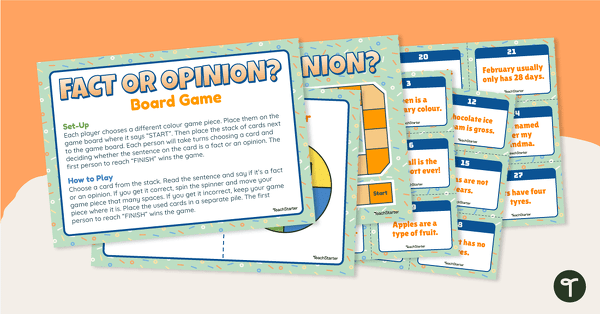
Fact and Opinion Board Game
Practise differentiating between fact and opinion with a fun and engaging board game.
- Plus Plan
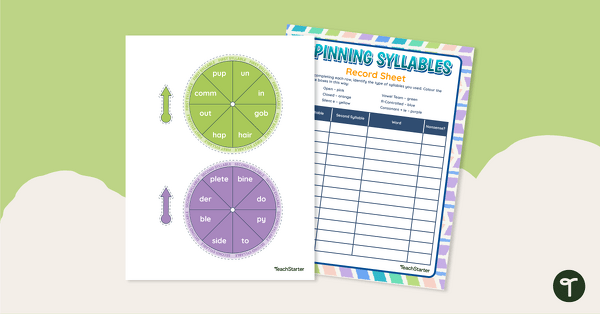
Spinning Syllables Game
Create words using a variety of syllable types with these spinners.
- Plus Plan
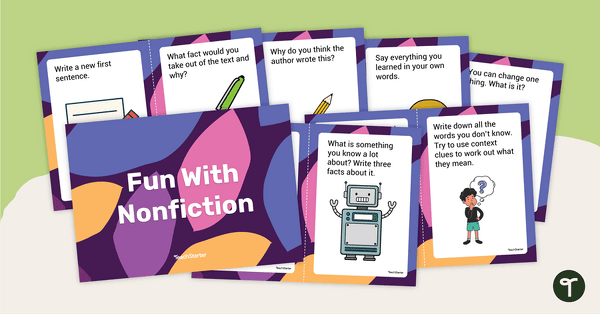
Fun With Nonfiction Task Cards
Solidify your nonfiction reading response lessons with this set of 12 comprehension task cards.
- Plus Plan
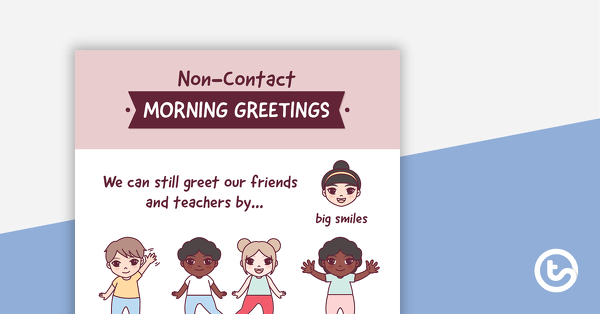
Non-Contact Morning Greetings Posters
Non-contact greetings that students can do with their teachers and peers.
- Plus Plan
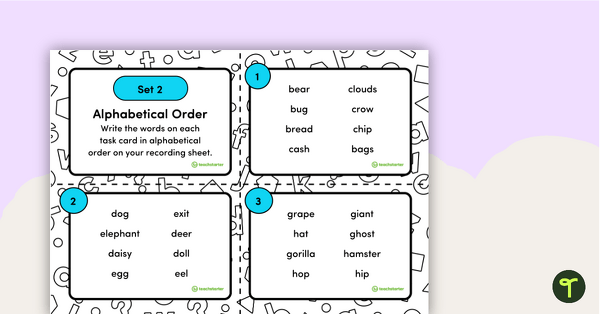
Alphabetical Order Task Cards – Set 2
A set of 11 task cards alphabetising a series of words to the first and second letters.
- Plus Plan
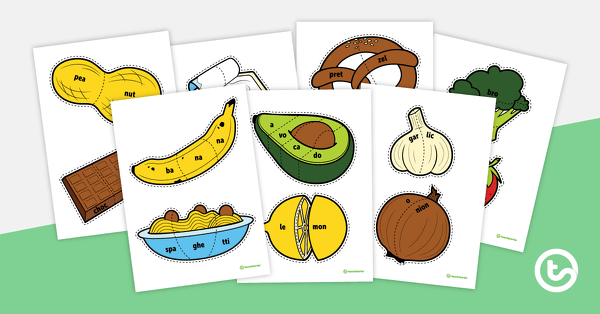
Food-Themed Syllable Puzzle
A fun food-themed phonics activity for lower years that helps to develop syllable recognition.
- Plus Plan
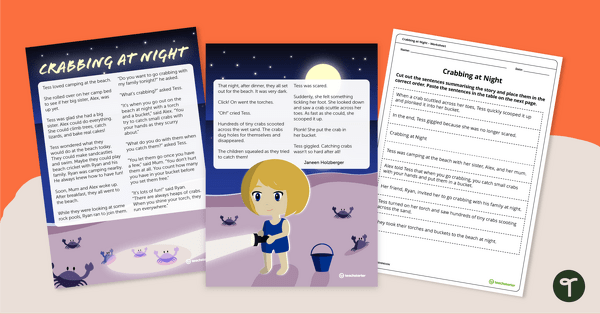
Crabbing at Night - Sequencing Worksheet
Identify the story beginning, series of events and ending with this narrative text sequencing activity.
- Plus Plan
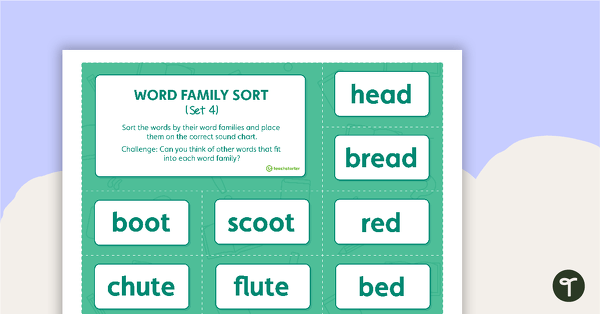
Word Family Sorting Activity – Set 4
A sorting activity to practice word families.
- Plus Plan
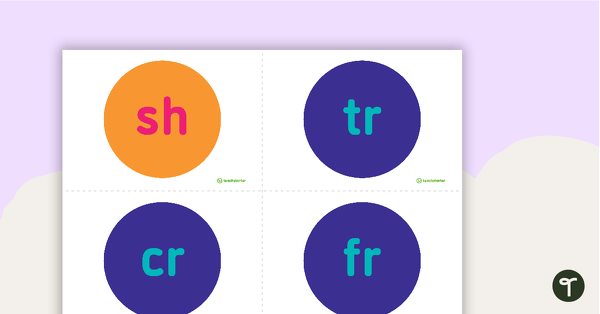
Blend and Digraph Flashcards
A set of 32 blend and digraph cards that can be used in a variety of ways.
- Plus Plan
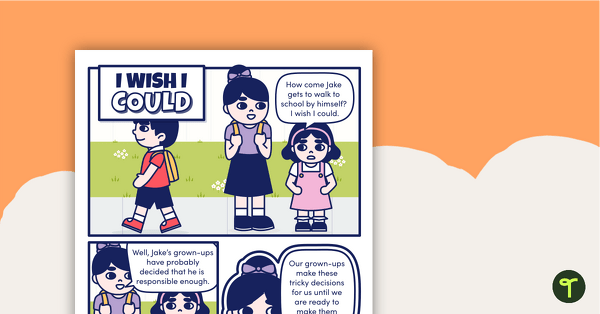
I Wish I Could – Worksheet
A comprehension worksheet for a comic from the Year 2 magazine (Issue 3).
- Plus Plan
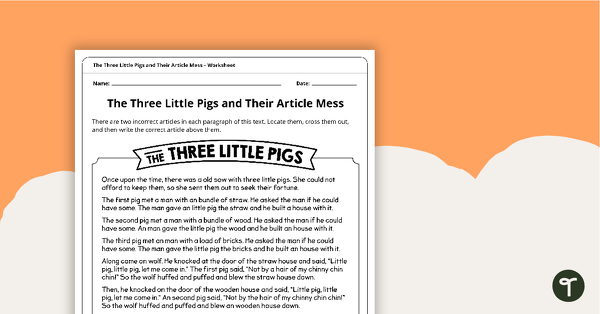
The Three Little Pigs and Their Article Mess - Worksheet
A reading exercise of the classic story of The Three Little Pigs with incorrect articles students need to fix.
- Free Plan
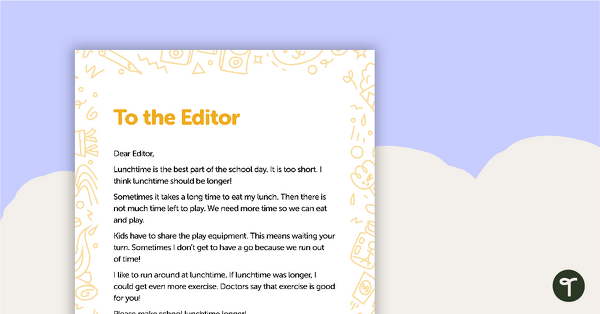
Letter to the Editor (Longer Lunchtimes) – Worksheet
A comprehension worksheet for a letter to the editor from the Year 1 magazine (Issue 3).
- Plus Plan
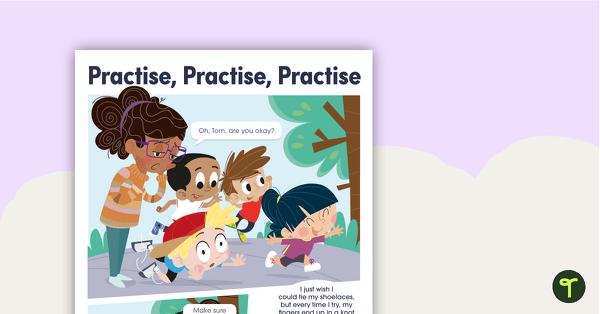
Practise, Practise, Practise (Tying Your Shoelaces) – Worksheet
A comprehension worksheet for a comic from the Year 1 magazine (Issue 2).
- Plus Plan
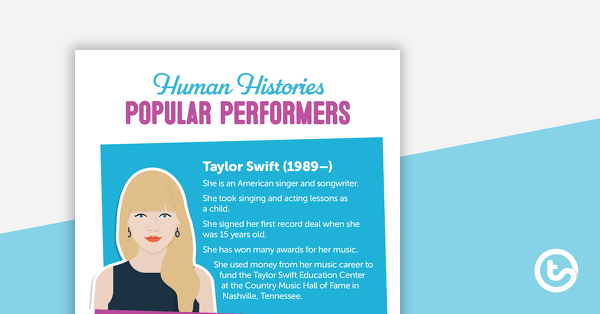
Human Histories: Popular Performers
A comprehension worksheet for a human histories article from the Year 1 magazine (Issue 2).
- Plus Plan
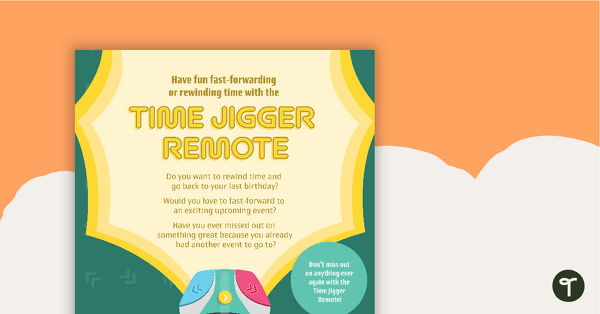
Time Jigger Remote – Worksheet
A comprehension worksheet for a fake advertisement from the Year 2 magazine (Issue 2).
- Plus Plan
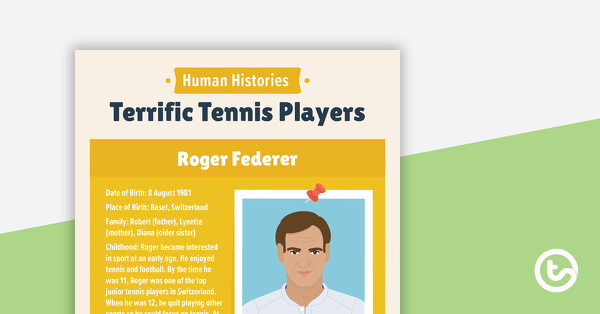
Human Histories: Terrific Tennis Players – Worksheet
A comprehension worksheet for a human histories article from the Year 2 magazine (Issue 2).
- Plus Plan
10 Fascinating Facts About Minibeasts – Worksheet
A comprehension worksheet for a fascinating facts article from the Year 2 magazine (Issue 2).
- Plus Plan
Art Attack! Shape – Worksheet
A comprehension worksheet for a magazine article from the Year 2 magazine (Issue 3).
- Plus Plan
Tongue Twisters – Worksheet
A comprehension worksheet for a magazine article from the Year 1 magazine (Issue 3).
- Plus Plan
Wolfie: A Tell-all Interview – Worksheet
A comprehension worksheet for a narrative from the Year 2 magazine (Issue 3).
- Plus Plan
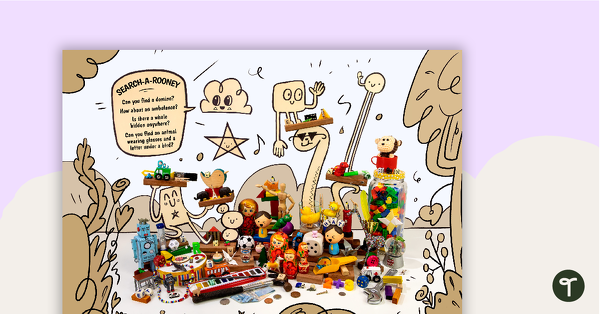
Search-a-Rooney 1 – Comprehension Worksheet
A comprehension worksheet for a image stimulus poster where students need to locate objects and characters.
- Plus Plan
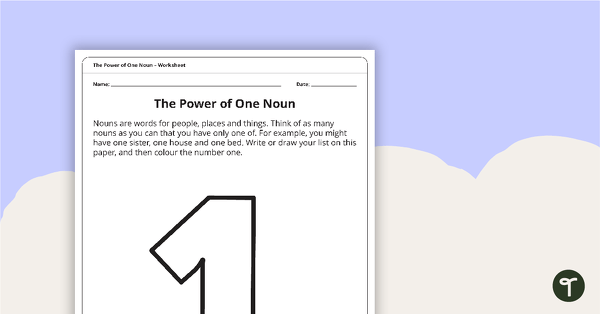
The Power of One Noun
A worksheet that can be used when studying nouns or as a getting to know you activity.
- Plus Plan
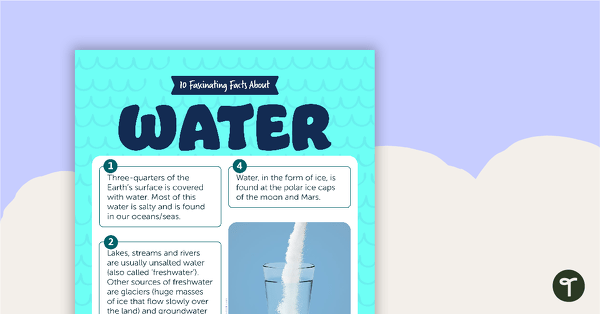
10 Fascinating Facts About Water – Worksheet
A comprehension worksheet for a magazine article from the Year 2 magazine (Issue 3).
- Plus Plan
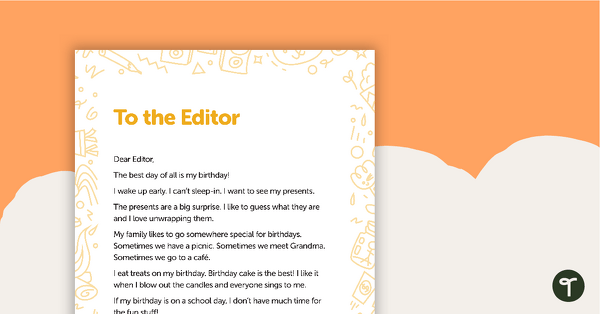
Letter to the Editor (No-School Birthdays) – Worksheet
A comprehension worksheet for a letter to the editor from the Year 1 magazine (Issue 2).
- Plus Plan
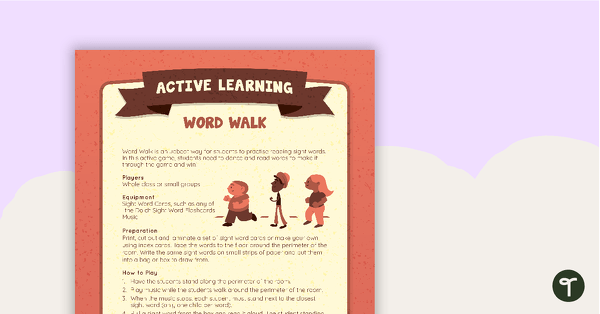
Word Walk Active Game
An active game that allows students to practise reading sight words.
- Plus Plan
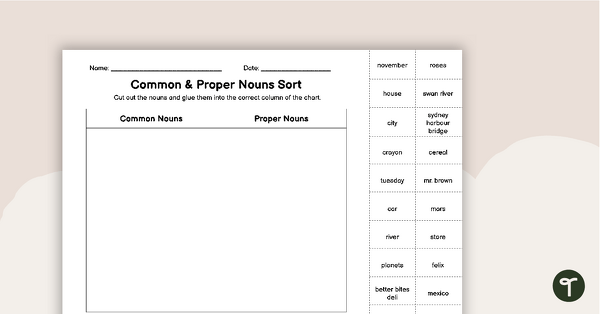
Common and Proper Nouns Sort - Cut and Paste Worksheet
A sorting worksheet to practise identifying common and proper nouns.
- Plus Plan
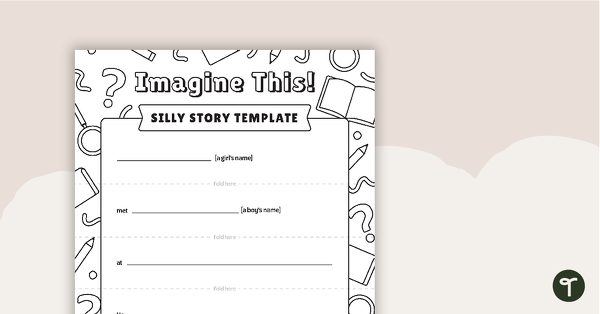
Imagine This! Silly Story Template
A template to use as a fun writing activity.
- Plus Plan
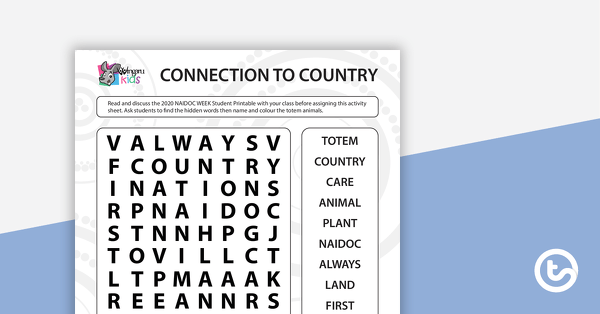
NAIDOC Week Connection to Country Word Search - Lower Primary
A NAIDOC Week Connection to Country Word Search suitable for lower primary school students.
- Free Plan
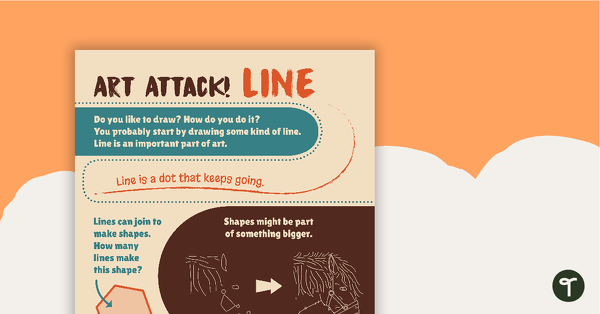
Art Attack! Line – Worksheet
A comprehension worksheet for a magazine article from the Year 1 magazine (Issue 3).
- Plus Plan
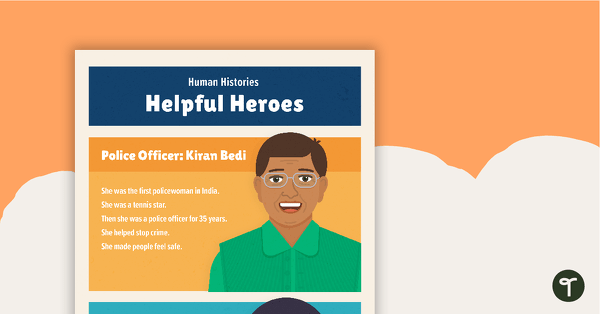
Human Histories: Helpful Heroes – Comprehension Worksheet
A comprehension worksheet for an article about people around the world who have dedicated their lives to helping others.
- Free Plan
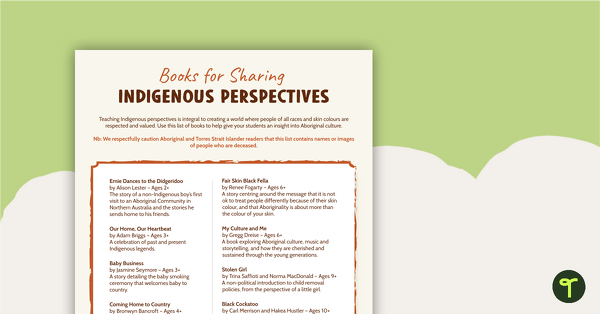
Books for Sharing Indigenous Perspectives - Poster
A list of Indigenous storybooks for the classroom recommended by Aboriginal education organisation, Wingaru Education.
- Plus Plan
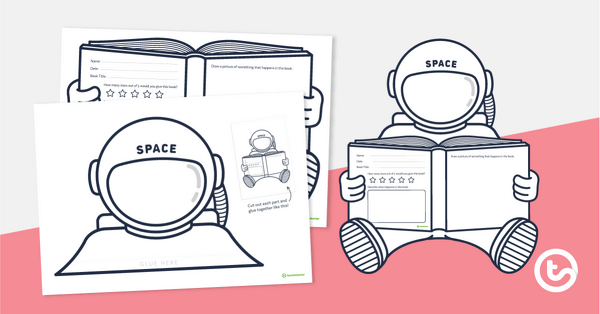
Astronaut Book Report Template
A fun book report template for students to review their favourite book.