Science
Science provides an empirical way of answering interesting and important questions about the biological, physical and technological world. The knowledge it produces has proved to be a reliable basis for action in our personal, social and economic lives. Science is a dynamic, collaborative and creative human endeavour arising from our desire to make sense of our world through exploring the unknown, investigating universal mysteries, making predictions and solving problems. Science aims to understand a large number of observations in terms of a much smaller number of broad principles. Science knowledge is contestable and is revised, refined and extended as new evidence arises.
The Australian Curriculum: Science provides opportunities for students to develop an understanding of important science concepts and processes, the practices used to develop scientific knowledge, of science’s contribution to our culture and society, and its applications in our lives. The curriculum supports students to develop the scientific knowledge, understandings and skills to make informed decisions about local, national and global issues and to participate, if they so wish, in science-related careers.
In addition to its practical applications, learning science is a valuable pursuit in its own right. Students can experience the joy of scientific discovery and nurture their natural curiosity about the world around them. In doing this, they develop critical and creative thinking skills and challenge themselves to identify questions and draw evidence-based conclusions using scientific methods. The wider benefits of this ‘scientific literacy’ are well established, including giving students the capability to investigate the natural world and changes made to it through human activity.
The ability to think and act in scientific ways helps build the broader suite of capabilities in students as confident, self-motivated and active members of our society.
- Plus Plan
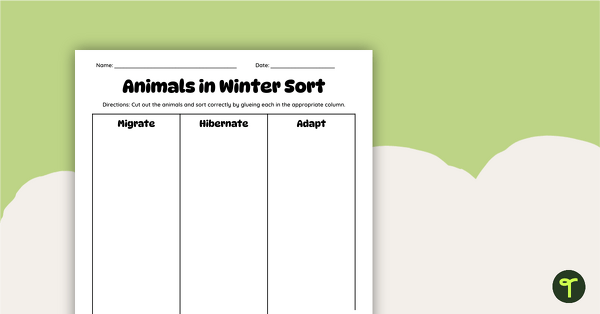
Hibernate, Migrate, or Adapt? Year 1 Animal Printables
Cut and sort animals that hibernate, migrate, and adapt with a Year 1 worksheet for science class.
- Plus Plan
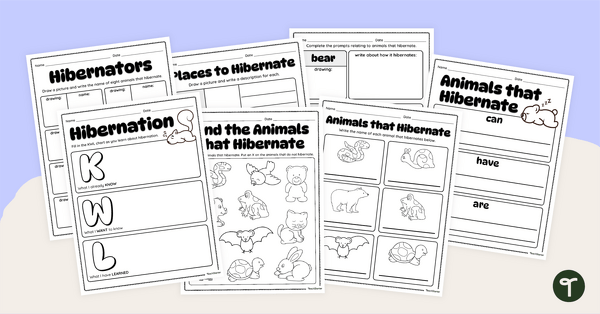
Animals and Hibernation Worksheet Pack
Help your students learn about animals that hibernate with a printable pack of worksheets about animals and hibernation.
- Plus Plan
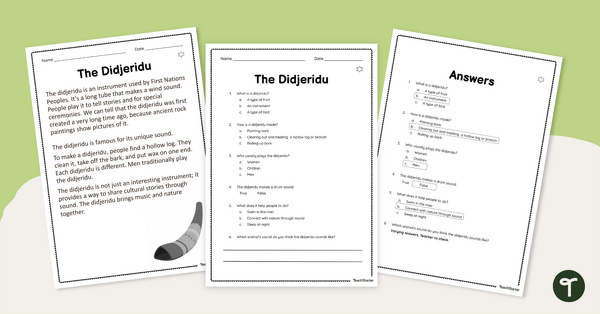
Sound Energy Didjeridu Research Task
Delve into learning about the didjeridu, its characteristic sounds, and its significance in First Nations Culture with this read-and-respond activity.
- Plus Plan
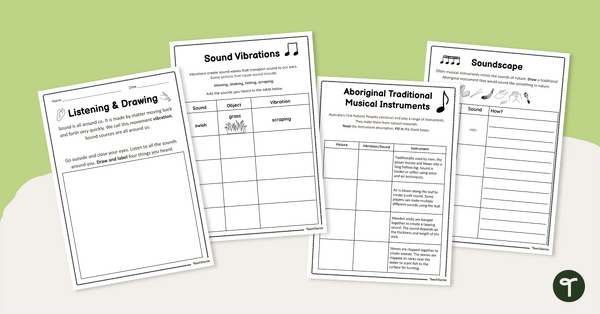
Sound Energy (First Nations Instruments) Investigation
Use this sound energy investigation to help your students record their learnings about First Nations traditional instruments and how they produce sound.
- Plus Plan
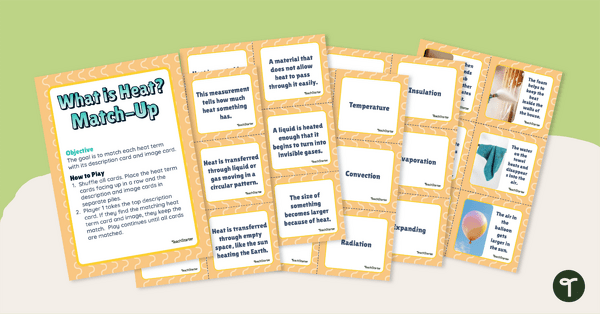
Heat Energy Vocabulary Match Up Activity
Explore different heat energy vocabulary words with this definition and word match-up activity.
- Plus Plan
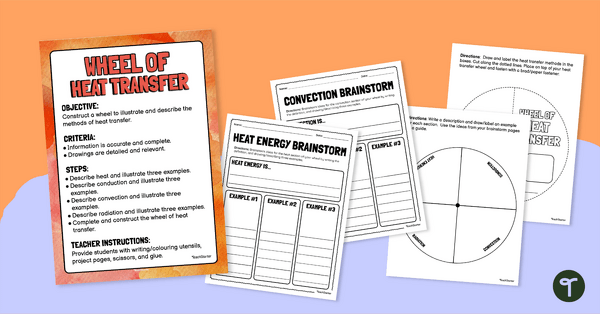
Wheel of Heat Transfer Project
Explore the process of heat transfer with this engaging wheel of heat project.
- Plus Plan

Sound Energy Task Cards
Reinforce student understanding of sound energy facts and vocabulary with this set of 24 task cards.
- Free Plan
Desert Word Wall Vocabulary
Spark discussion and build academic vocabulary with a desert related vocabulary word wall.
- Plus Plan
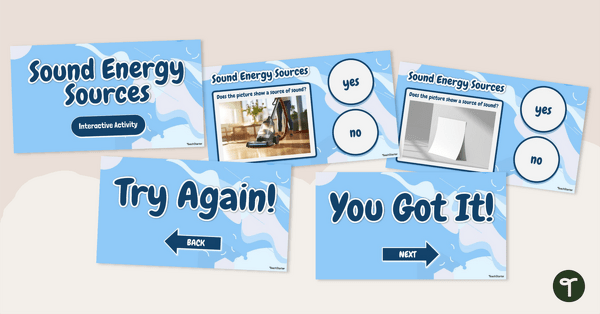
Sound Energy Sources Interactive Activity
With your students, explore the sources of sound energy and how we sense them using this interactive science activity.
- Plus Plan
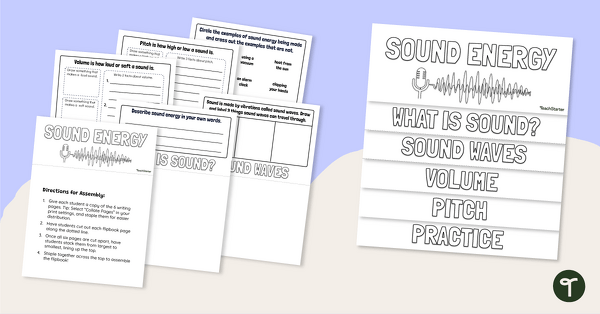
Sound Energy Flip Book for Grade 2 Science
Encourage your students to record their knowledge about sound energy using this fun flip book activity.
- Plus Plan
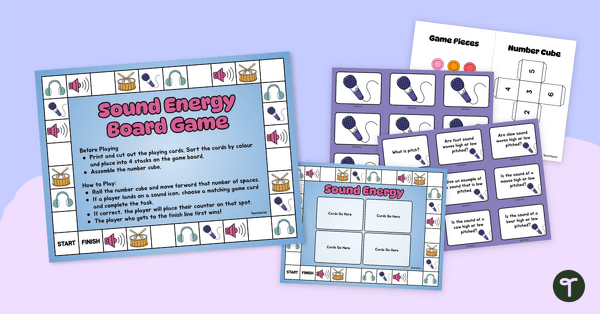
Sound Energy Board Game for Grade 2
Enable your students to practise identifying and describing sound energy sources with this fast-paced board game!
- Plus Plan
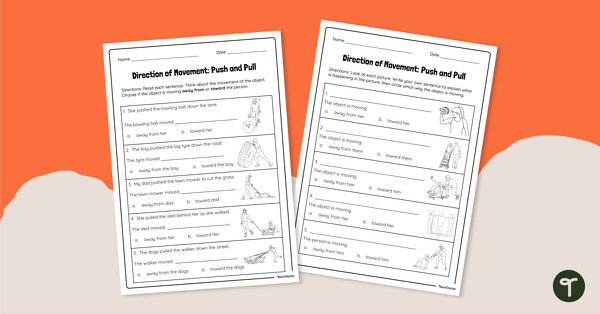
Direction of Force Worksheets
Teach students about the direction of forces applied to common objects with this two-page worksheet for lower primary students.
- Plus Plan
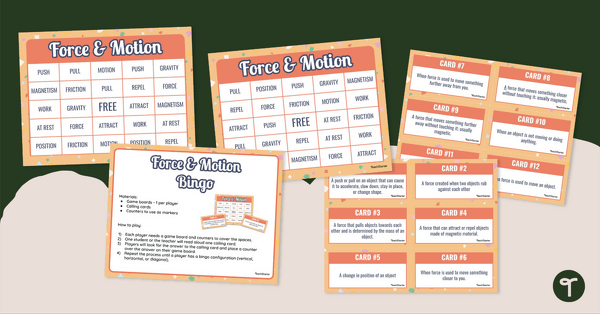
Force and Motion Bingo
Play a forces and motion game with your students to reinforce key subject-specific vocabulary.
- Plus Plan
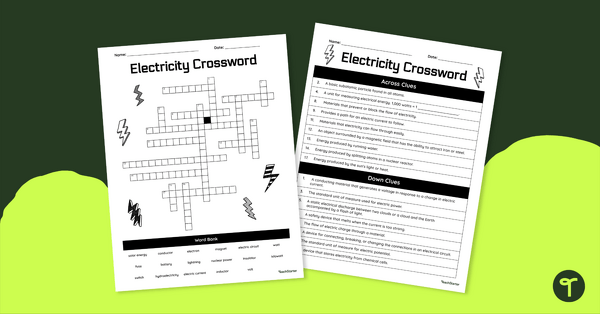
Electricity Crossword
Review vocabulary for electricity concepts with a science crossword puzzle.
- Plus Plan
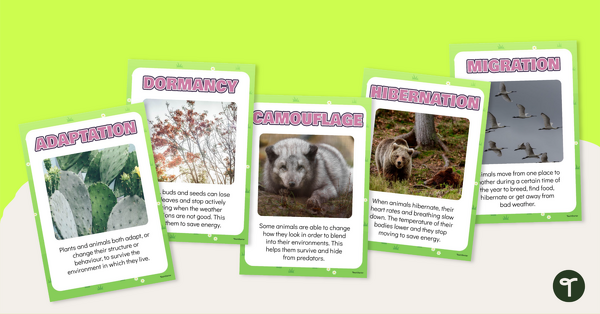
How Seasons Affect Plants and Animals Poster Set
Display these informative posters in your Grade One classroom to remind students of the five ways animals and plants adapt to seasonal changes in their environment.
- Plus Plan
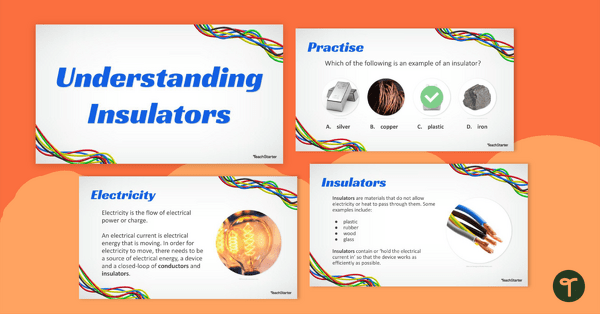
Understanding Insulators Teaching Slides for Year 6
Teach your students about electrical and thermal insulators with this teaching presentation.
- Plus Plan
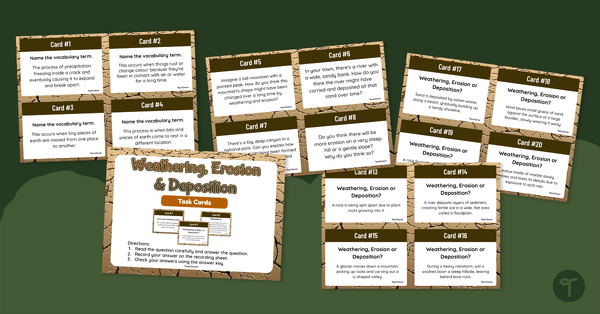
Slow Changes to Earth's Surface Task Cards
Guide your students to answer vocabulary and situational questions about weathering, erosion and deposition with this set of 24 task cards.
- Plus Plan
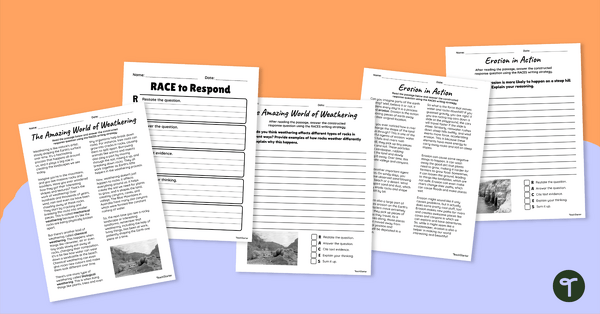
Weathering and Erosion – RACES Writing Strategy Worksheets
Combine reading, writing and science with two worksheets about weathering and erosion using the RACES writing strategy for text evidence.
- Plus Plan
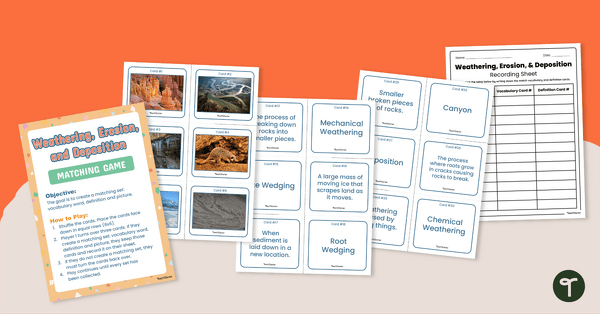
Weathering, Erosion and Deposition Matching Game
Challenge your students to identify different slow changes to Earth’s surface with this matching game designed for year 4 and 5 students.
- Plus Plan
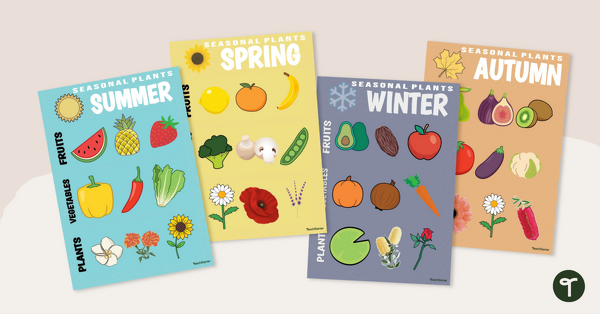
Seasonal Changes in Plants Posters
Display these seasonal plants posters to show your students the variations in fruit, vegetable and plant growth across Earth’s four seasons.
- Plus Plan
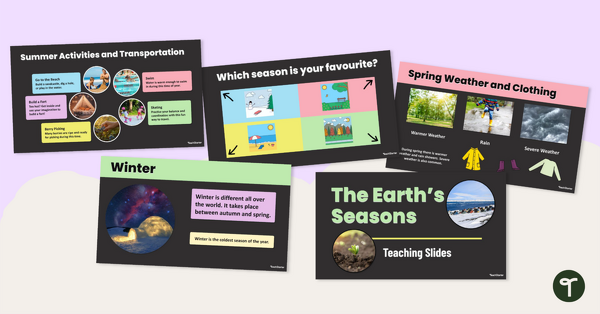
The Earth's Seasons Teaching Slides
Use this fact-packed digital teaching resource to show your students the names and characteristics of Earth’s four seasons.
- Plus Plan
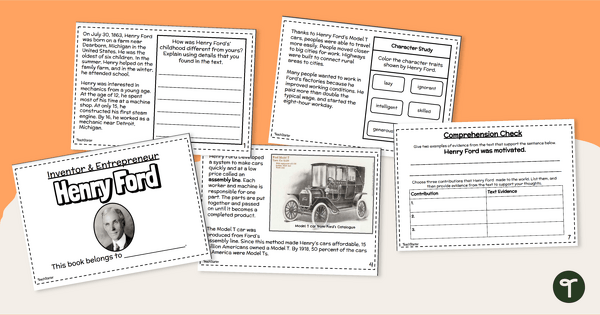
Henry Ford Mini Book - Famous Inventor Activity Book
Provide students with cross-curricular history, science and reading instruction with a printable Henry Ford mini book.
- Plus Plan
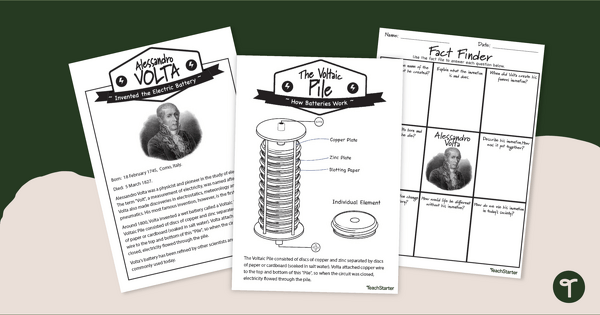
Famous Inventors Fact File — Alessandro Volta Comprehension Worksheet
Print an Alessandro Volta fact file worksheet to introduce students to this famous inventor and expand their understanding of electricity!
- Plus Plan
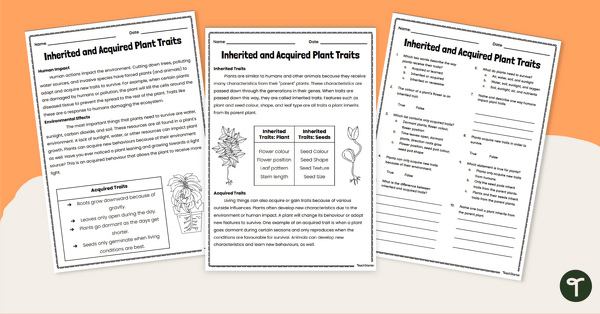
Inherited and Acquired Traits of Plants - Comprehension Worksheet
Read and learn about inherited and acquired traits in plants with a printable reading comprehension passage and worksheet.
- Plus Plan
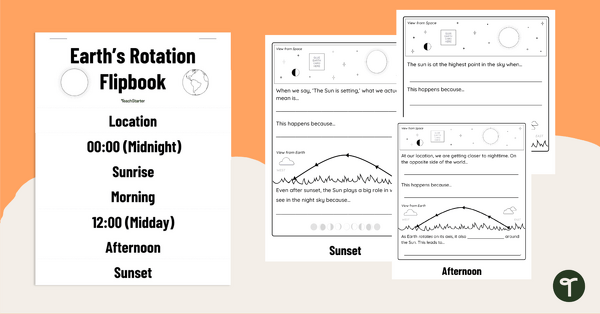
Earth's Rotation – Flipbook
Model and explain how Earth’s rotation causes the sun to move across the sky with this interactive flipbook.
- Plus Plan
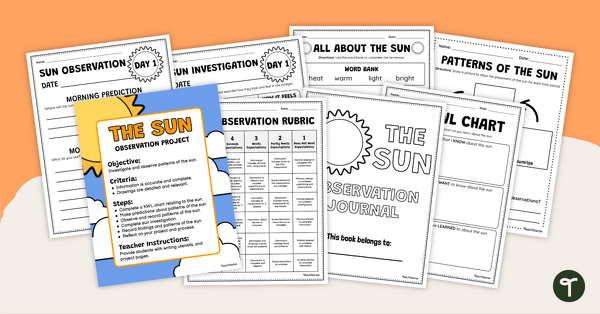
Sun Observation Project
Use observations of the sun to describe patterns that can be predicted with this journal project.
- Plus Plan
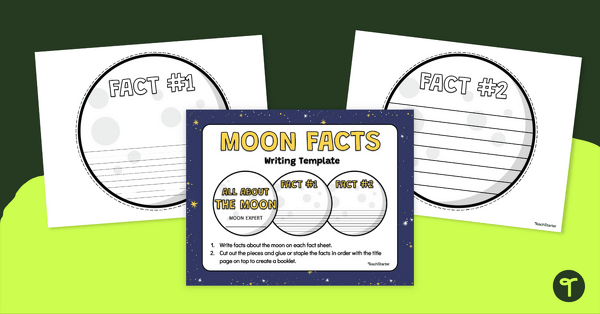
Moon Facts Writing Template
Describe and illustrate information about the moon with a printable writing template.
- Plus Plan
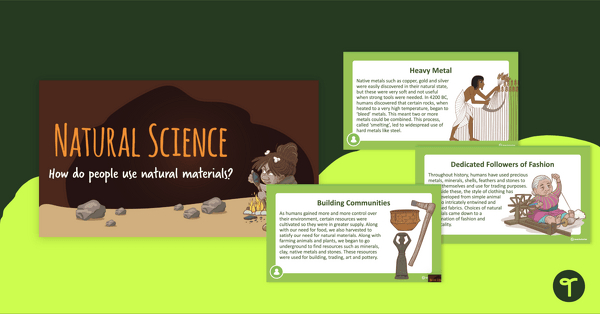
Natural Science PowerPoint - How Do People Use Natural Resources?
A teaching presentation discussing natural resources and how humans interact with them.
- Plus Plan
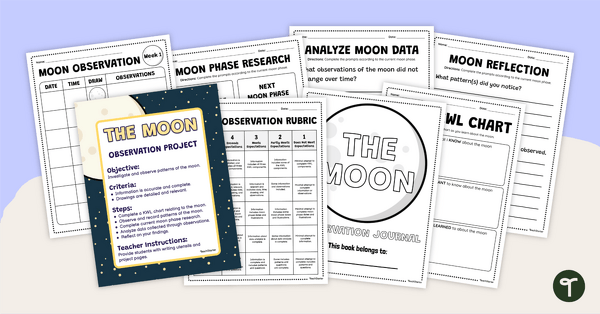
Phases of the Moon – Journal Project
Observe, describe and record patterns of the lunar cycle with this moon-tracking project.
- Plus Plan
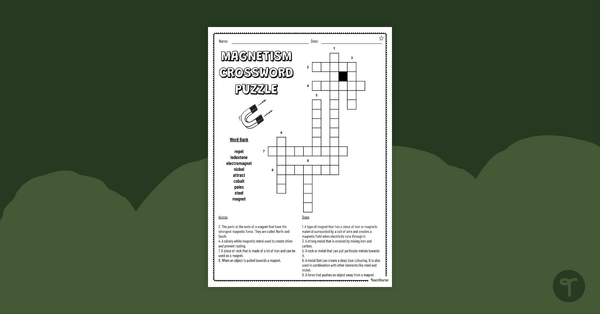
Magnetism Crossword Puzzle
Use this magnetism crossword puzzle to reinforce the scientific vocabulary related this non-contact force.
- Plus Plan
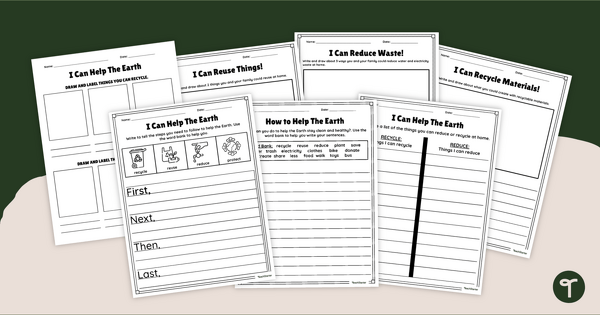
Write About It! Recycling Writing Prompt Worksheets
Differentiate writing instruction in primary grades with informational writing prompts about recycling and conservation.
- Plus Plan
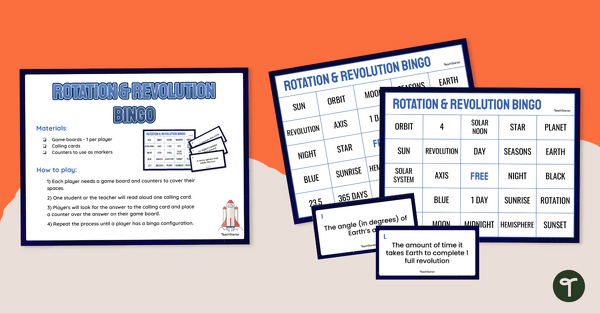
Rotation and Revolution Bingo
Engage your students with a lively game of bingo while learning about Earth’s rotation and revolution.