Measurement
- Plus Plan
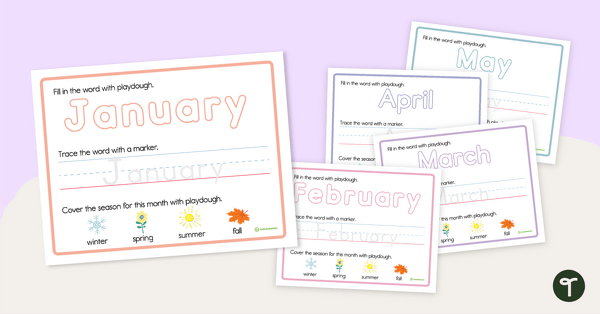
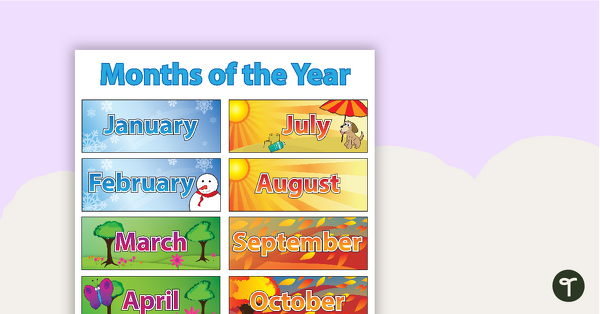
Months of the Year Worksheets
Read, write, and spell the months of the year with a set of printable Months of the Year worksheets for early years.
- Plus Plan

Day and Night Sorting Activity
Help your prep students understand and apply the concepts of day and night with this fun sorting activity.
- Plus Plan

Digital Clock Template
Use an interactive digital clock to practice telling time during daily classroom calendar lessons.
- Plus Plan

Printable Maths Mats - Graphic Organisers
Practice working on specific math concepts with our set of 5 printable math graphic organisers.
- Free Plan

Days of the Week – Worksheet
A comprehension worksheet for a magazine article from the Foundation magazine (Issue 3).
- Plus Plan

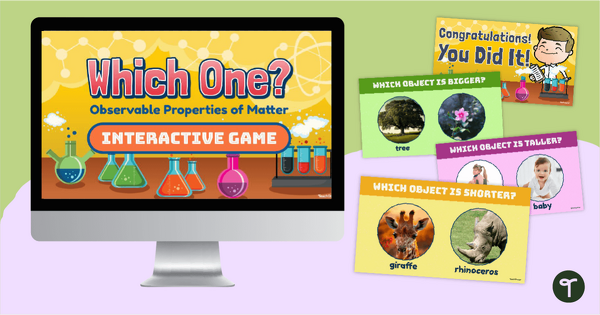
Which Holds More? – Interactive PowerPoint
An interactive PowerPoint quiz that asks students to compare the capacity of various containers.
- Plus Plan

Which Is Heavier? – Interactive PowerPoint
An interactive PowerPoint quiz that asks students to compare the mass of various everyday objects.
- Plus Plan

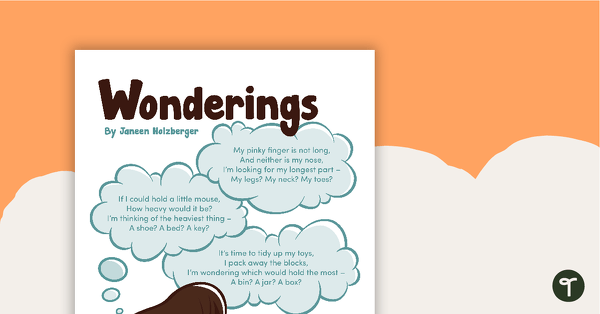
Wonderings – Worksheet
A comprehension worksheet for a magazine article from the Foundation magazine (Bonus Issue).
- Plus Plan

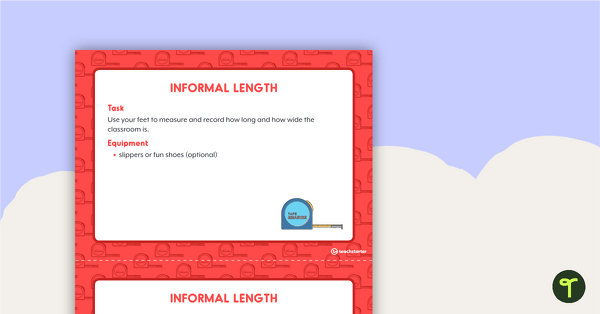
Informal Measurement - Task Cards
A set of task cards to use when learning about informal measurement.
- Plus Plan

Individual Australian Currency Posters
Individual educational posters depicting Australia currency.
- Plus Plan

Australian Currency Poster - Coins
A poster showing different Australian coins and their values.
- Plus Plan

Months of the Year Poster — Southern Hemisphere
A poster displaying the months of the year.
- Plus Plan

Heavy and Light Hands-on Task
A fun hands-on teaching resource that explores indirect comparisons of objects.
- Plus Plan

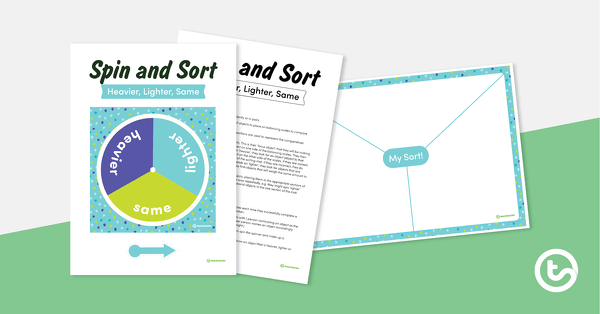
Spin and Sort – Heavier, Lighter, Same
An open-ended sorting activity based on using a spinner.
- Plus Plan

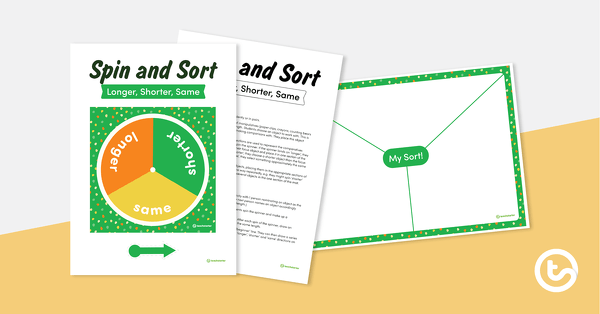
Spin and Sort – Longer, Shorter, Same
An open-ended sorting activity based on using a spinner.
- Plus Plan

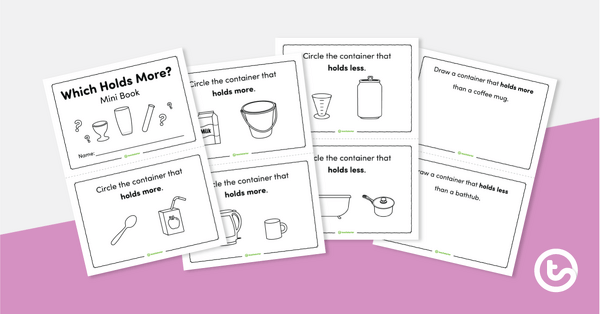
Which Holds More? – Mini Book
A mini book that allows students to compare the capacity of various containers.
- Plus Plan

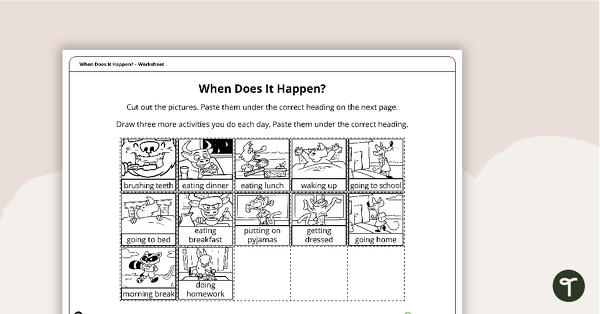
When Does It Happen? Worksheet
A cut and paste activity where students order familiar daily events.
- Plus Plan

Australian Dollar Note Sheets
A sheet of Australian dollar notes to use with games and activities.
- Plus Plan

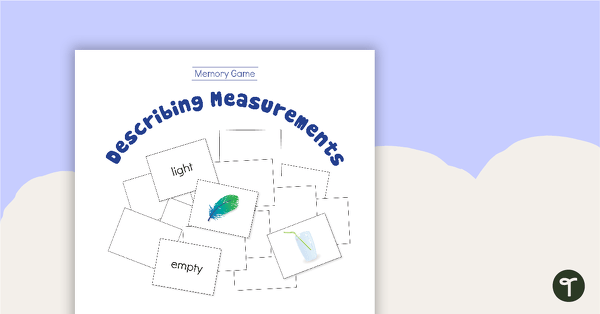
Describing Measurements - Memory Game
A memory game to play in the classroom when developing suitable language to describe different measurements.
- Plus Plan
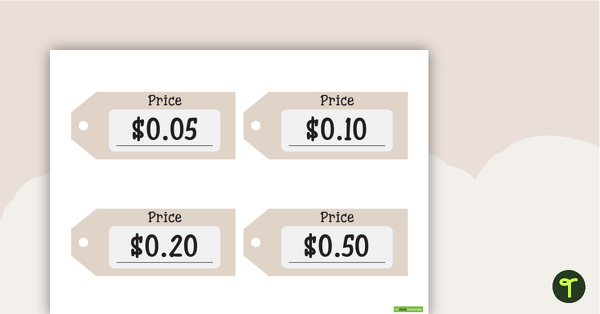
Australian Coins Small Change Poster
A poster showing different amounts and the coins that can be used to make them.
- Plus Plan

Australian Money Word Wall Vocabulary
Seventy-five money vocabulary cards.
- Plus Plan

Months of the Year Poster - Northern Hemipshere
A poster displaying the months of the year.
- Plus Plan
Daily Classroom Bulletin Boards
Print out the Monday to Friday (includes Saturday and Sunday) posters and display them in your classroom or on the front door.
- Plus Plan
Money and Financial Mathematics Teaching Resource Pack
A collection of resources exploring money and financial mathematics.
- Plus Plan

Time Teaching Resource Pack
A collection of resources exploring time concepts.
- Plus Plan

Days of the Week
A 30 minute lesson in which students will learn the days of the week in the correct order.
- Plus Plan

Learning Time! Unit Plan
This Mathematics unit addresses the concept of time for young learners. It focuses on the days of the week, connecting familiar events to particular days and sequencing events in time order.
- Plus Plan

It's About Time!
An assessment task in which students will cut and paste familiar events under the headings, Morning, Afternoon and Evening.
- Plus Plan

How Long is This Going to Take?
A 30-minute lesson in which students will estimate the time needed to complete a set of given tasks.
- Plus Plan

Times of Day
A 30-minute lesson in which students will know and identify the days of the week and link specific events to when they occur – morning, afternoon, and evening.
- Plus Plan

Informal Times of Day
A 30-minute lesson in which students will know and identify the days of the week and link events to specific informal times of the day, i.e., morning, afternoon, and evening.