Addition Strategies Teaching Resources
Make teaching addition strategies easier this school year with worksheets, printables, maths games, and more created by primary teachers for primary teachers. Using strategies in maths teaches students to think flexibly about numbers and will help them develop automaticity.
This collection contains Australian V9 curriculum-aligned resources that are easy to edit so you can easily differentiate resources for your individual students!
Has it been a while since you taught maths, or at least this particular part of the curriculum? Read on for a primer from our teacher team!
What Are Addition Strategies?
The term addition strategies refers to the different methods and techniques that can be used by our students to solve addition problems. These strategies are an important part of developing fluency and building a deeper conceptual understanding — not to mention more efficient than counting as students flex their maths muscles!
6 Addition Strategy Examples That Help Primary Students Build Fluency
Looking for examples of some of the addition strategies that can help put your students on the path to a more procedural model? Here are a few that can be used side by side:
Counting On
This strategy involves starting with the larger number in a maths problem and counting on from there.
Counting On Example — If students are looking to find the sum of 7 + 3, they would start with 7 and count on 3 more (8, 9, 10).
Split Addition Strategy
Using the split addition strategy can be helpful when adding larger numbers. To use it, students will draw on their place value skills, breaking down numbers into their individual digits and adding them one column at a time, starting with the ones place, then the tens place, etc.
Split Addition Strategy Example — A student might want to add 37 and 48. To do this, they would follow three steps.
Step 1: Split the numbers based on place value: 37 = 30 + 7 48 = 40 + 8
Step 2: Add the corresponding parts separately: 30 + 40 = 70 7 + 8 = 15
Step 3: Combine the results: 70 + 15 = 85
Making 10
Finding ways to make one of the numbers a multiple of 10 and then adding the remaining number is called ' making 10' and can help early maths students.
Making 10 Strategy Example — If a student wants to find the sum of 7 + 4, they could make 7 into 10 by adding 3 and having 1 left to add on.

Doubles
The doubles strategy for addition is based on the fact that adding a number to itself is the same as doubling that number.
Doubles Strategy Example — To add 8 + 7, one can think of it as 7 + 7 (which equals 14) and then add one more to get 8 + 7 = 15.
Number Bonds
This addition strategy involves breaking the problem down into smaller parts that can be added together.
Number Bonds Strategy Example — To find the sum of 7 + 3, you could think of the problem as (5 + 2) + 3.
Maths Mentals
Rounding, front-end estimation and compensation can all help students get better at addition!
- Plus Plan
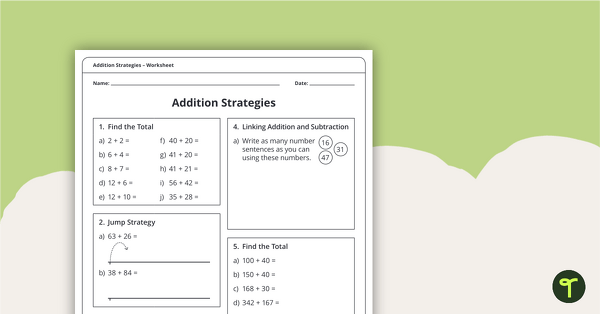
Addition and Subtraction Strategy Worksheets
Reinforce addition and subtraction strategies through this worksheet pack one‑ and two‑digit calculations.
- Plus Plan
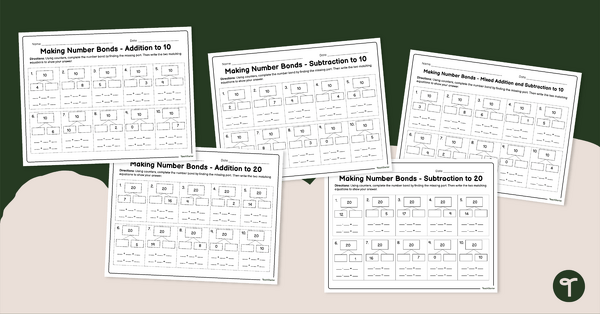
Making 10 and 20 Number Bonds Worksheet Pack
Strengthen number bonds skills with a differentiated worksheet pack that helps students build addition and subtraction fluency using part-part-whole relationships.
- Plus Plan
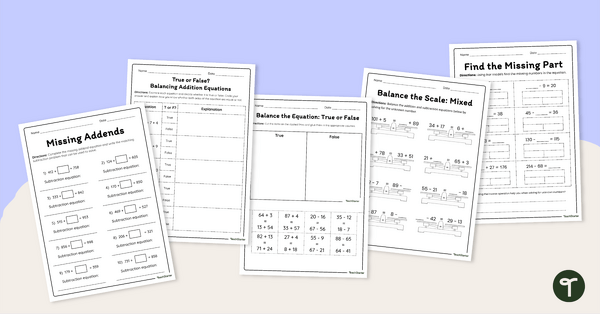
Balancing Addition and Subtraction Equations Worksheet Pack
Support balancing addition and subtraction equations with this engaging worksheet pack.
- Plus Plan
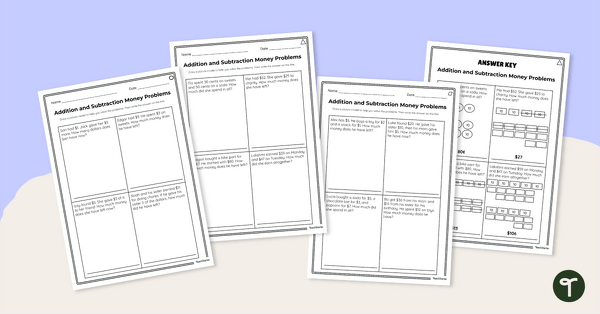
Money Addition and Subtraction Word Problems Worksheets
Use our money addition and subtraction word problems worksheets to give your students differentiated practice modelling a variety of one and two-digit word problems.
- Plus Plan
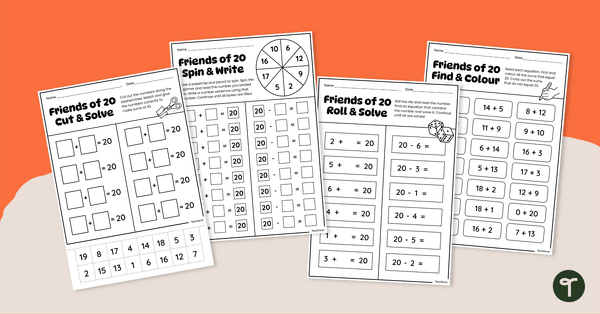
Friends of 20 Worksheet Pack
Strengthen friends of 20 knowledge with this engaging worksheet pack.
- Free Plan
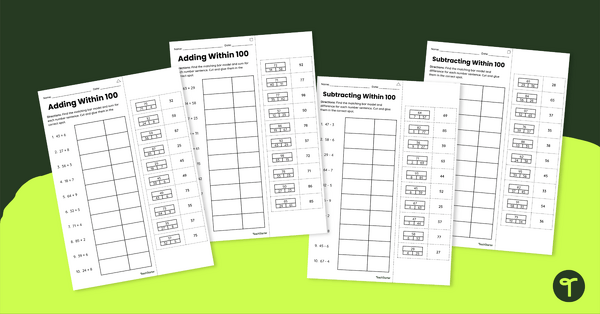
Adding and Subtracting with the Bar Model — Cut and Paste Worksheet
Practise adding and subtracting two-digit numbers using the bar model with this cut and paste worksheet pack.
- Free Plan
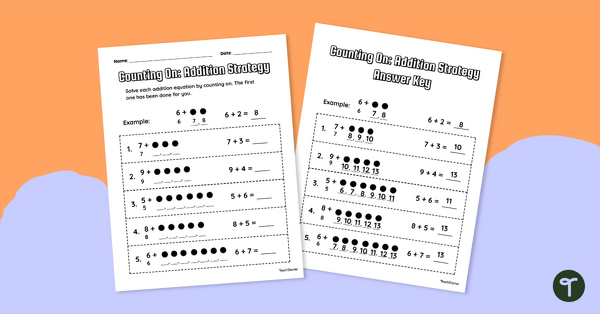
Counting On: Addition Strategy Worksheet
Practise the “counting on” addition strategy to solve addition problems to 20.
- Plus Plan
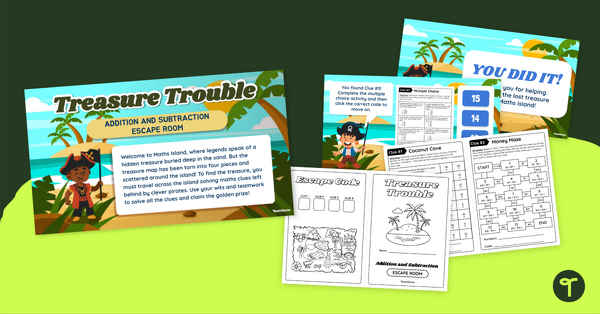
Mixed Addition and Subtraction Word Problems Escape Room
Search for a lost treasure in our mixed addition and subtraction word problems escape room that will give your students varied practice adding and subtracting one and two-digit numbers.
- Plus Plan
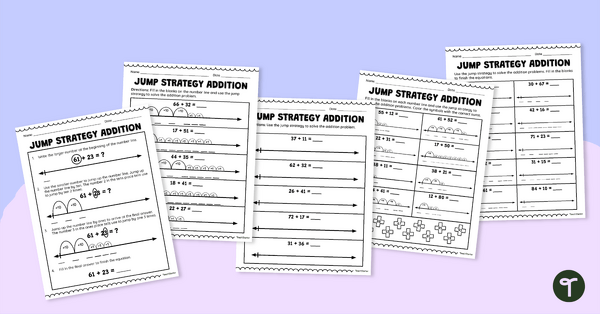
Jump Strategy Addition Worksheet Pack
Practise using the jump strategy with this worksheet set.
- Plus Plan
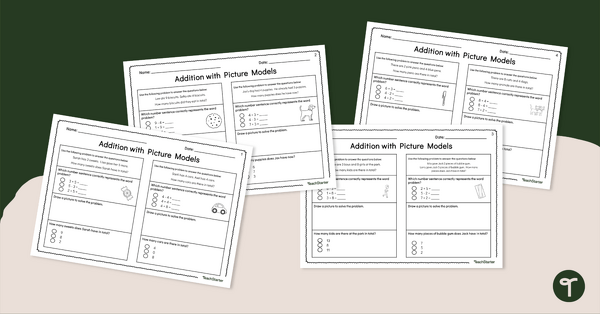
Modeling Addition Word Problem Worksheets
Modeling addition is easy with these word problem worksheets that provide practice with real-world addition scenarios.
- Plus Plan
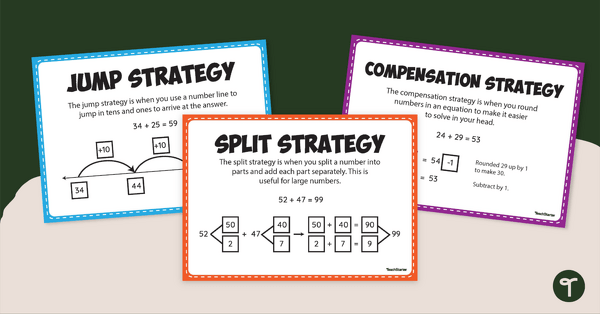
Double-Digit Addition Strategies Posters
Remind your students to use different addition strategies with a set of printable two-digit addition strategies.
- Plus Plan
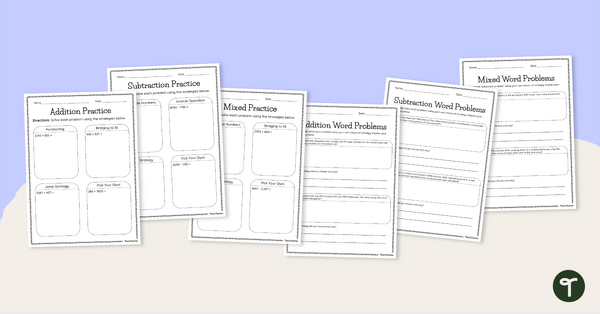
Addition and Subtraction Strategies Worksheet Pack
Support addition and subtraction strategies with this engaging worksheet pack.
- Plus Plan
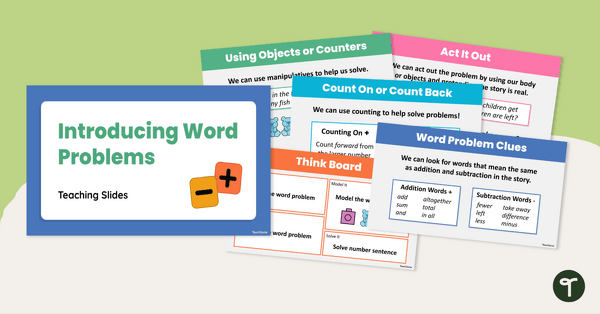
Addition and Subtraction Word Problems - Year 1 Teaching Slides
Introduce addition and subtraction word problems with this clear, interactive teaching slide deck.
- Plus Plan
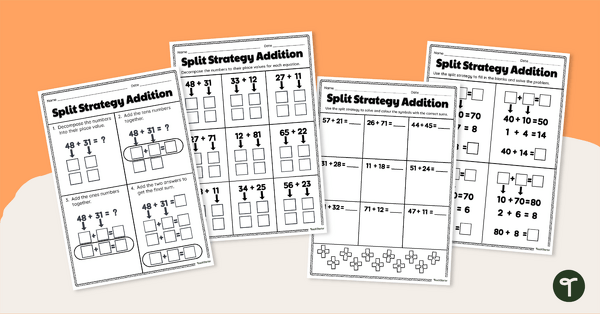
Split Strategy Addition Worksheet Pack
Practise using the split strategy with this worksheet set.
- Plus Plan
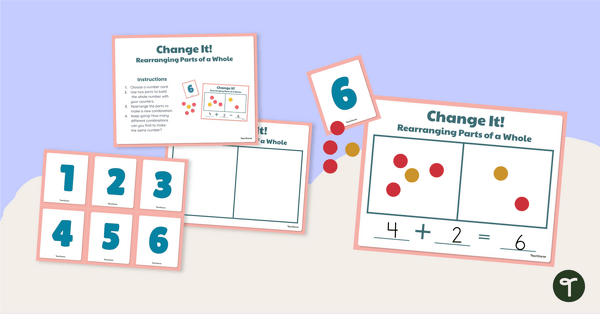
Rearrange the Parts – Addition to 20 Hands-On Activity
Practise addition to 20 by rearranging the parts of whole numbers into different combinations with this hands-on maths activity.
- Plus Plan
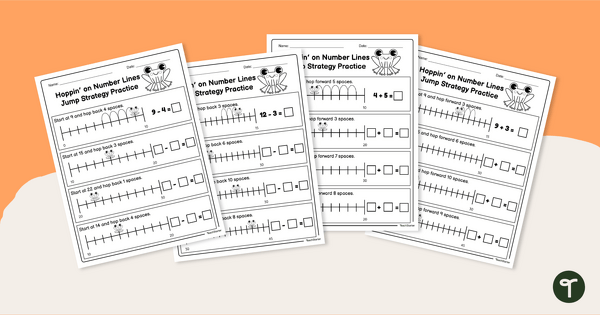
Hop on Number Lines - Worksheet Pack
Hop your way to addition mastery with a pack of two addition on a number line worksheets.
- Plus Plan
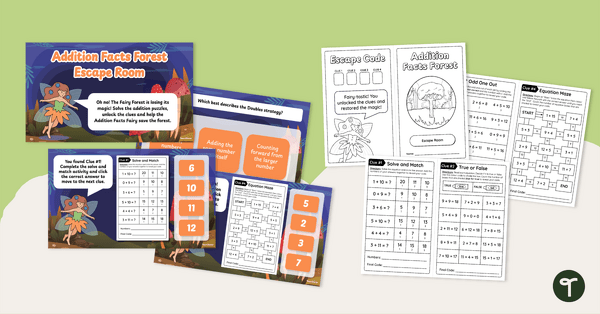
Addition Fact Practice: Numbers to 20 Escape Room
Engage students in addition fact practice with an interactive escape room and companion student notebook that make learning fun, hands-on and meaningful.
- Plus Plan
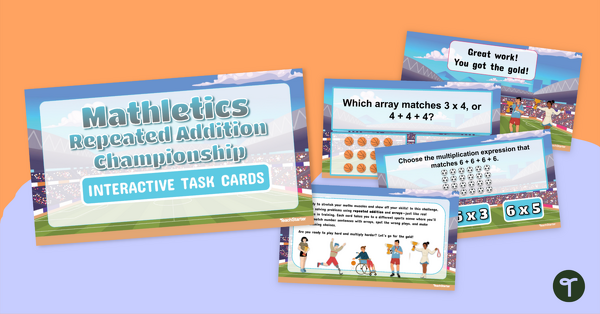
Repeated Addition Arrays Interactive Task Cards
Use our repeated addition arrays interactive task cards to introduce multiplication in a way your learners will more easily understand.
- Plus Plan
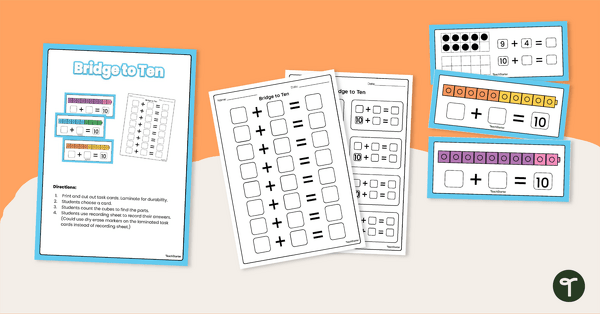
Bridge to Ten Addition Strategy Task Cards
Help students quickly bridge to ten to assist with their addition strategies using linking cubes.
- Plus Plan
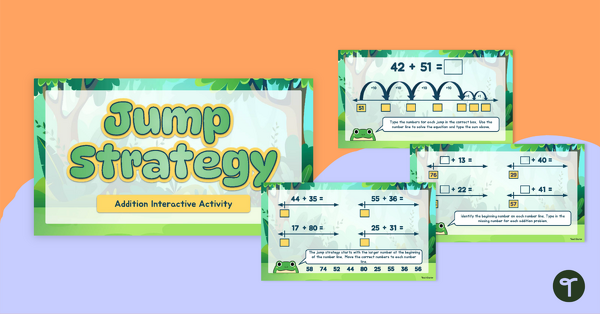
Jump Strategy Addition Interactive Activity
Practise using the addition jump strategy with this fun interactive activity.
- Plus Plan
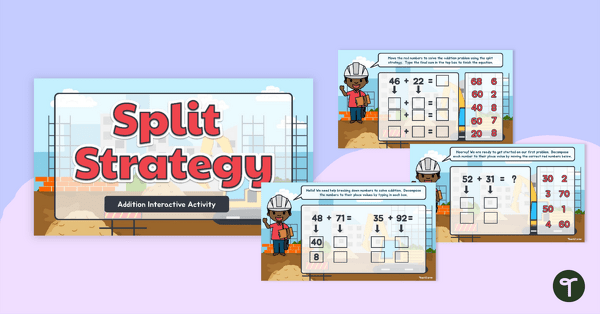
Split Strategy Interactive Activity
Practise using the addition split strategy with this fun interactive activity.
- Plus Plan
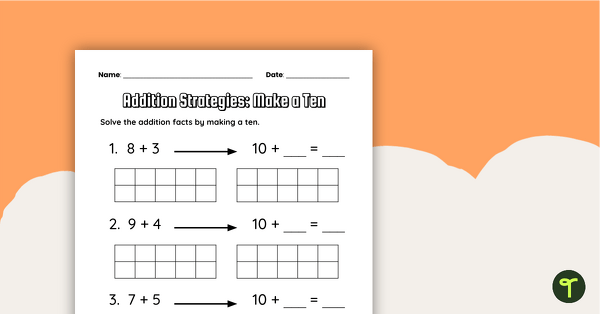
Addition Strategies: Make a Ten Worksheet
A 2-page worksheet that uses ten frames to model the “making ten” addition strategy.
- Plus Plan
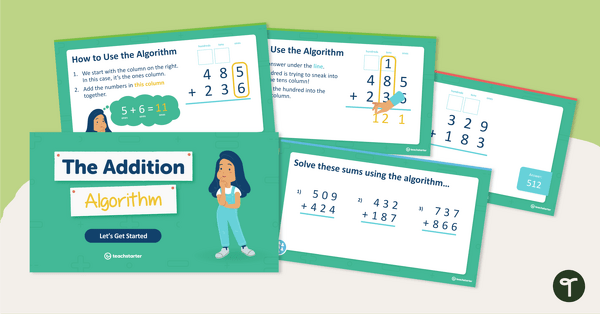
The Addition Algorithm – Teaching Slides
Use these editable, interactive teaching slides to guide your students through standard algorithm addition with regrouping.
- Plus Plan
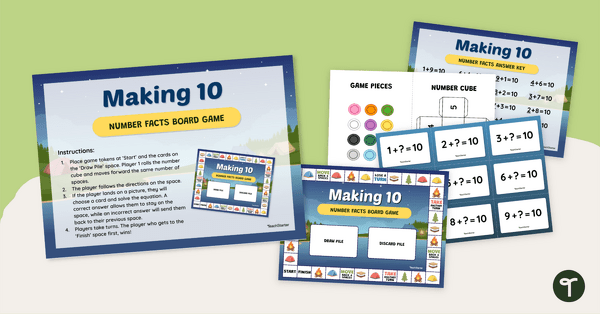
Making a Ten Board Game
Introduce this Making a Ten board game to your students to give them practise using the ‘make a ten’ addition strategy.
- Plus Plan
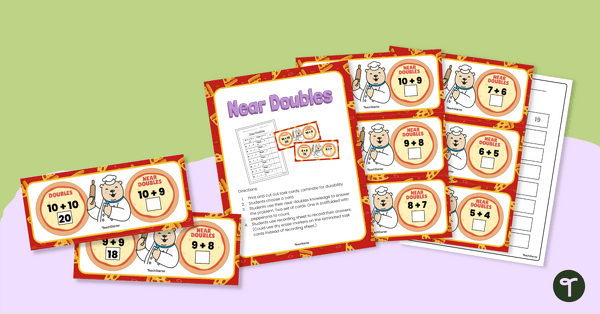
Pizza-Themed Near Doubles Task Cards
Practise quick recall of near doubles facts with this cute pizza-themed task cards activity.
- Plus Plan
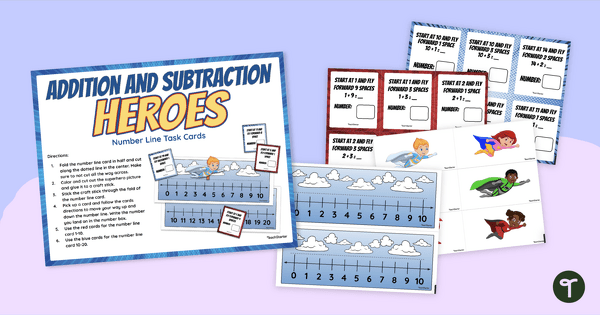
Number Line Task Cards - Superhero Addition and Subtraction Activity
Fly through addition and subtraction on a number line with an exciting Number Line Superhero task card activity.
- Plus Plan
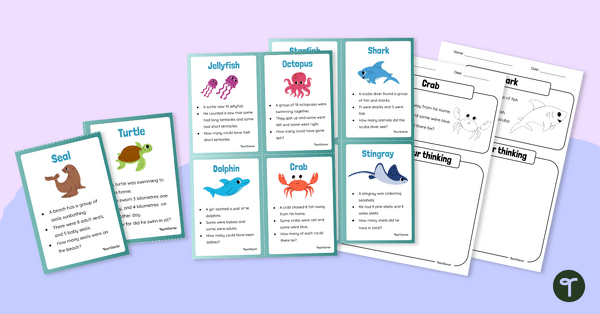
Part Part Whole Word Problem Task Cards and Worksheet
Explore these animal-themed part-part-whole word problems that will open discussions with your young mathematicians.
- Free Plan
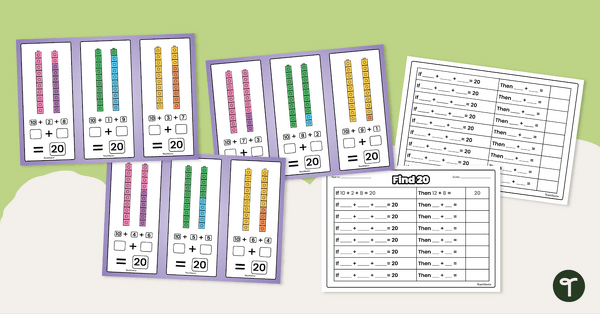
Find 20 Addition Strategy Task Cards
Practise finding 20 with this set of linking cube task cards.
- Free Plan
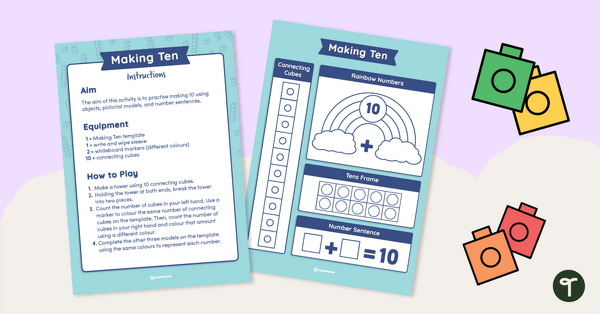
Making Ten Activity Mat
A template that encourages students to demonstrate multiple ways to make 10.
- Plus Plan
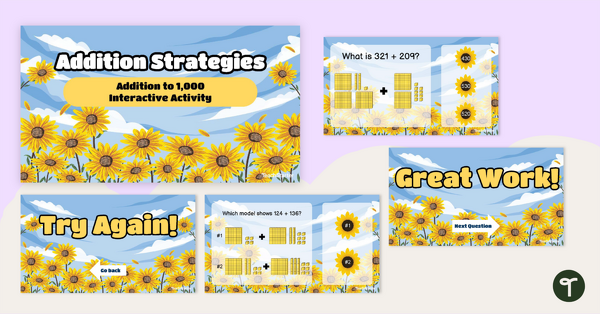
Addition to 1000 Sunflower Interactive Activity
Practise solving addition problems using a variety of addition strategies with this interactive activity.
- Plus Plan
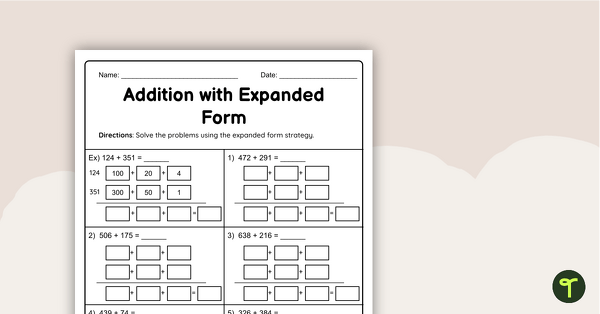
Adding within 1000 Expanded Form Worksheet
Practise using the split strategy by working through this expanded form addition worksheet.
- Free Plan
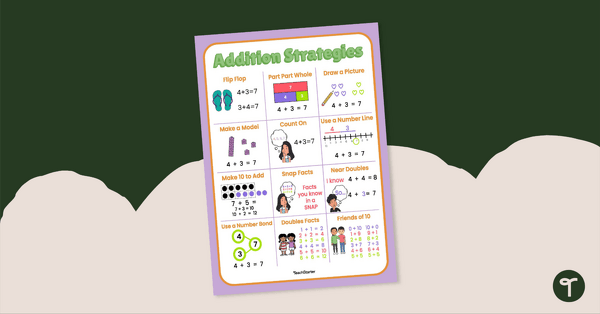
Addition Strategies Cheat Sheet
Help students understand the different addition strategies with this helpful cheat sheet.