Self Awareness Teaching Resources
Help your students develop self awareness with activities, printables and more social and emotional teaching resources designed specifically for primary school students.
Created by teachers, for teachers, this collection is full of digital and printable activities designed to help students recognise their emotions and learn to identify their own strengths and weaknesses. Each teaching resource has undergone rigorous review by the Teach Starter team to ensure it's ready for the classroom ... and your students!
Curious about teaching self awareness and wondering how it applies to kids in your classroom? Read on for some tips from our expert teachers!
What Is Self Awareness? A Kid-Friendly Definition
Most students are not terribly self aware when they enter primary school, and that's completely normal. After all, any adults aren't very adept at self awareness! That's why it's so important to include these lessons in your planning to help students flex those muscles and become more aware of who they are.
So how do you explain the meaning of self awareness to your class, and how do you teach it? Let's start with a kid-friendly definition.
Self awareness means understanding yourself, your feelings and how your actions affect other people.
You might tell your students that being self-aware is a bit like having a mirror inside your mind that can help you see who you are and how you can make good choices.
Explain to students that when you're self-aware, you know what you're good at and what you might need to work on to become your own superhero.
Why Is Self Awareness Important?
Learning to be self-aware is part of gaining control of one's own emotions, thoughts and actions, and the lessons we teach in the classroom contribute to our students' personal growth, social interactions and overall well-being in the immediate future and well into adulthood.
When kids (and adults!) lack self awareness, they tend to struggle with poor decision-making, and they may have trouble understanding how their behaviour affects others. This can lead to misunderstandings and conflicts with peers and others around them or even unintentional harm to relationships, as they may struggle to empathise or consider the perspectives of others.
Self Awareness Examples for Kids
Explaining self-awareness by providing a definition is one thing, but surely you want to dig a little deeper.
Here are some examples from our teacher team that you can use to illustrate what it means to be self-aware — and why it's so important!
- Identifying Emotions — Being able to label our emotions with names like happiness, sadness, anger or excitement is a great example of being self-aware. For example, your students might learn to say, 'I feel happy when I play with my friends at recess.'
- Understanding Your Talents — Another example of self awareness that kids can easily relate to is identifying one's strengths or talents. It can be helpful to consider things we can do well and things we want to work on to improve. For example, a student might say 'I am very good at singing, but I would like to practise my spelling to improve.'
- Seeing Strengths in Our Peers — Acknowledging our own strengths is only part of being self-aware. It's also good for students to identify (and celebrate) the strengths of others. This will help them build better relationships in the long run.
- Plus Plan
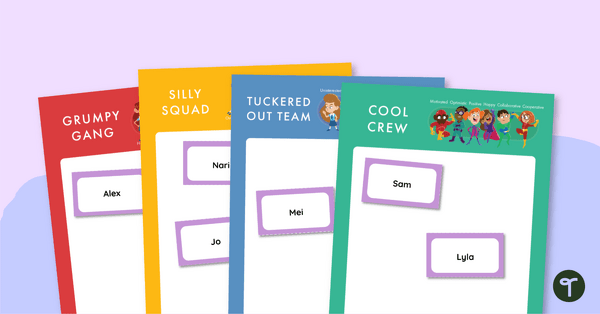
Emotional Self-Regulation Check-In Posters
Promote emotional awareness and self-regulation in your classroom with this daily mood check-in routine.
- Plus Plan
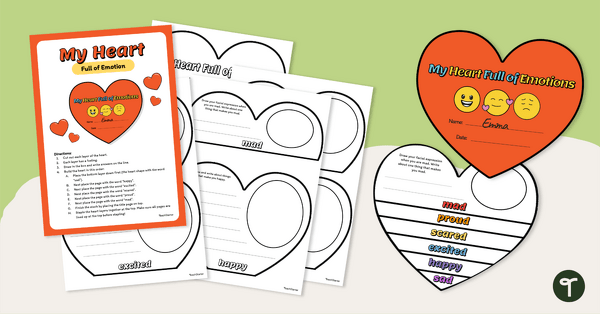
My Heart Full of Emotions Activity
Promote mindfulness and self reflection by writing out descriptions of different emotions.
- Free Plan
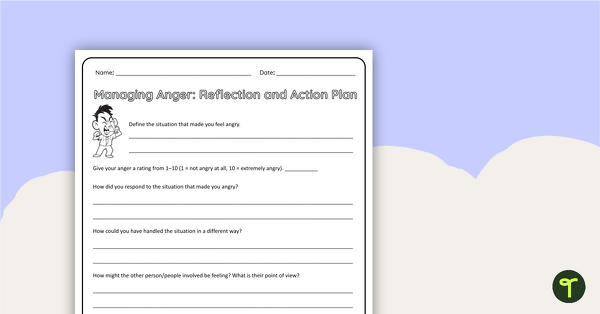
Managing Anger Worksheet (Upper Primary)
Help older students identify and manage angry feelings with this self-reflection and action plan worksheet.
- Free Plan
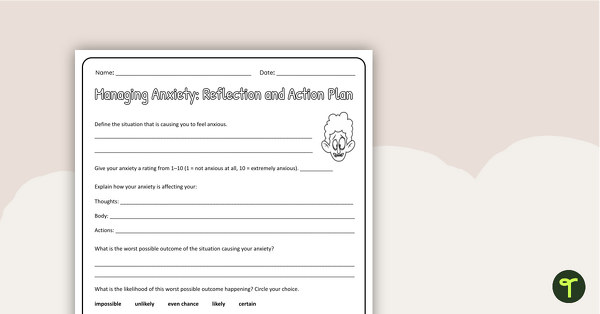
Managing Anxiety Worksheet (Upper Primary)
Help older students identify and manage anxious feelings with this self-reflection and action plan worksheet.
- Free Plan
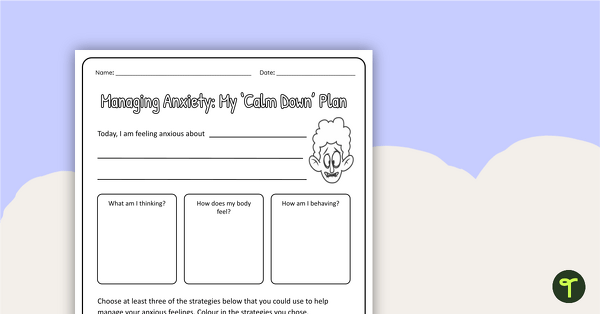
Managing Anxiety Worksheet (Lower Primary)
Help students identify and manage anxious feelings with this self-reflection worksheet.
- Plus Plan
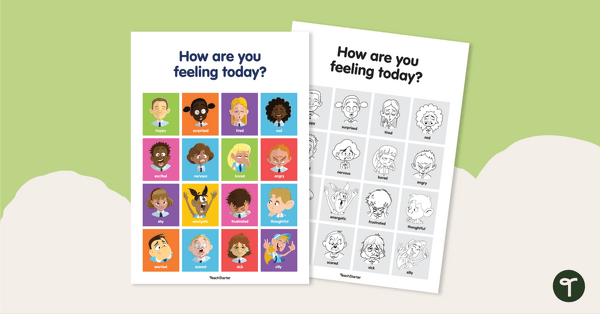
How Are You Feeling Today? Poster
Help students to recognise and identify their feelings and emotions with this colourful classroom display poster.
- Free Plan
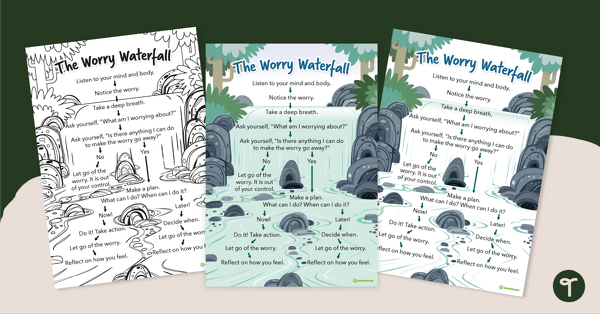
The Worry Waterfall – Anxiety Management Poster
Teach your students how to deal effectively with worrying thoughts with this classroom poster.
- Plus Plan
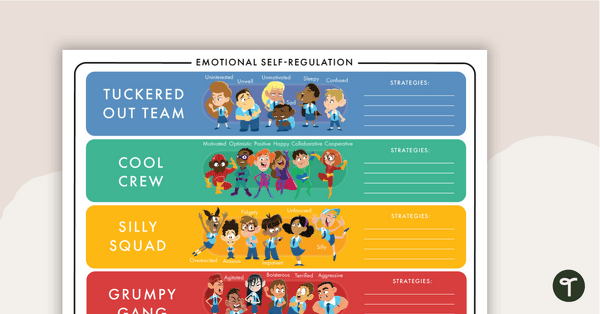
Emotional Self-Regulation Poster
Promote emotional awareness and self-regulation in your classroom with this classroom poster.
- Plus Plan
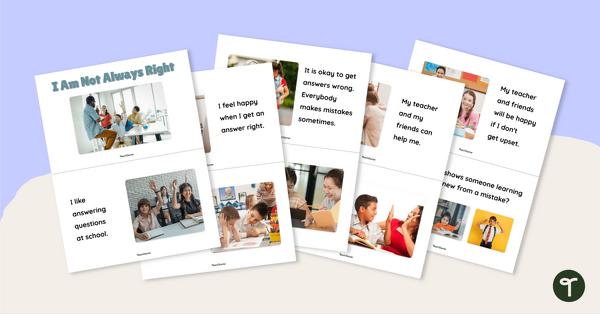
I Am Not Always Right Mini-Book
Help your students learn how to cope when they make a mistake with this social story mini-book.
- Plus Plan
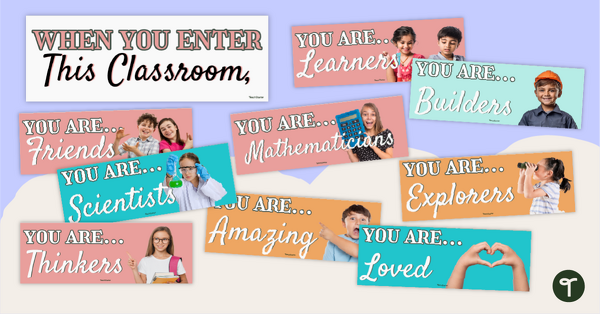
When You Enter This Classroom - Door Display
Welcome your students into your classroom with a ‘When You Enter This Classroom” Student Affirmations Classroom Door Display
- Free Plan
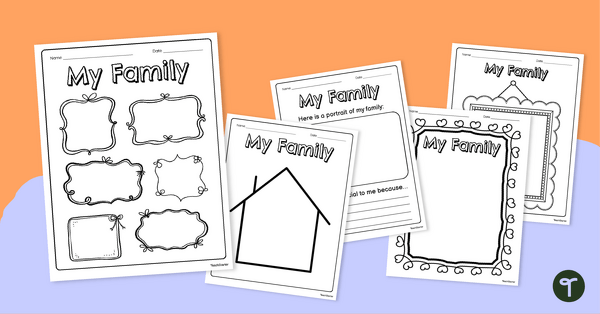
My Family Portrait Templates
Encourage your students to explore their identity through these Family Portrait Worksheets Templates.
- Plus Plan
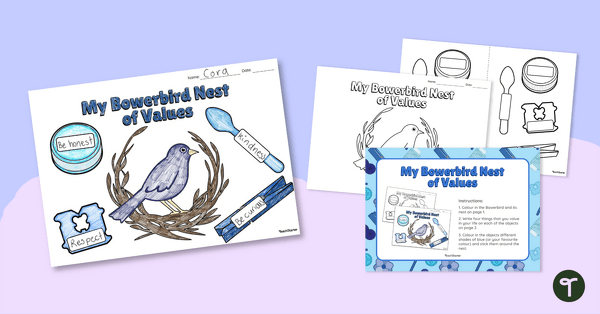
My Bowerbird Nest of Values Template
Help students understand what they value with this Bowerbird nest of values craft template.
- Plus Plan
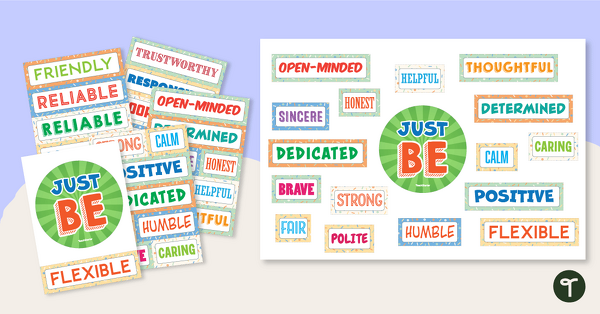
Just Be - Positive Character Traits Classroom Display
Set an optimistic tone and promote positivity with a Character Education One-Word Back to School board.
- Plus Plan
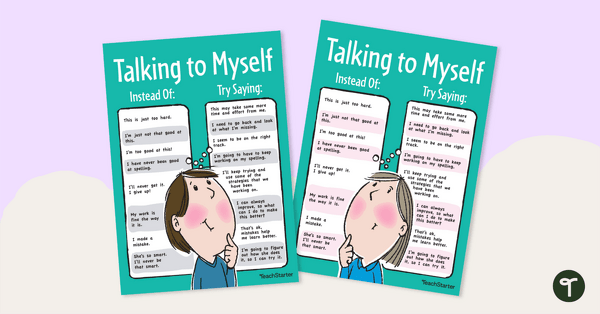
Positive Self Talk Poster: Talking to Myself
Highlight the benefits of positive self talk and having a growth mindset with this classroom poster.
- Plus Plan
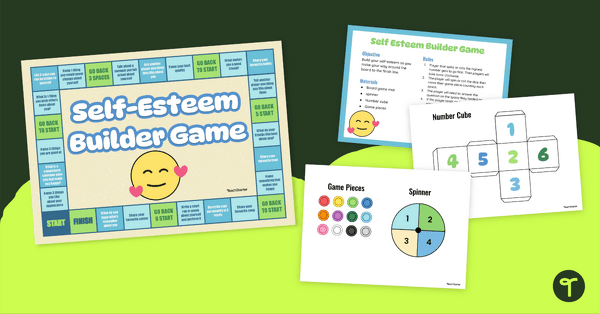
Self-Esteem Builder Board Game
Explore how to build self-esteem with your students using this fun self-esteem game board.
- Plus Plan
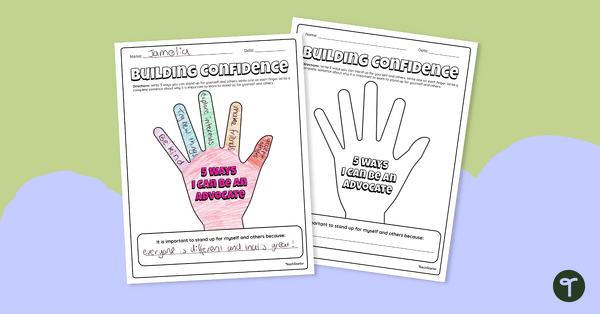
Building Confidence Worksheet
Give students an opportunity to brainstorm ways they can be an advocate for themselves and others with this building confidence worksheet.
- Plus Plan
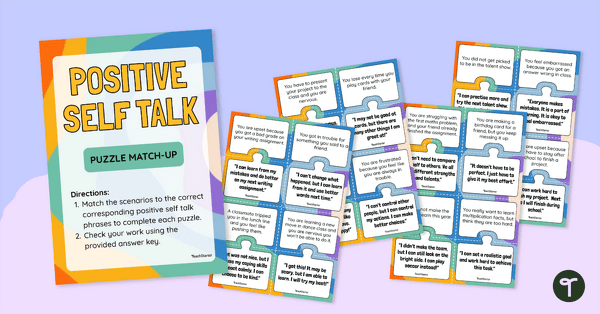
Positive Self Talk Match-Up
Teach your students how positive self talk in challenging situations can boost self-esteem with this match-up activity.
- Plus Plan
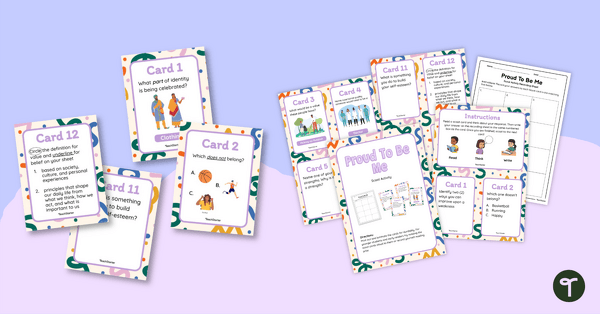
Proud to be Me Scoot Game
Engage students in identifying and describing personal identity while also promoting discussion with this active activity.
- Plus Plan
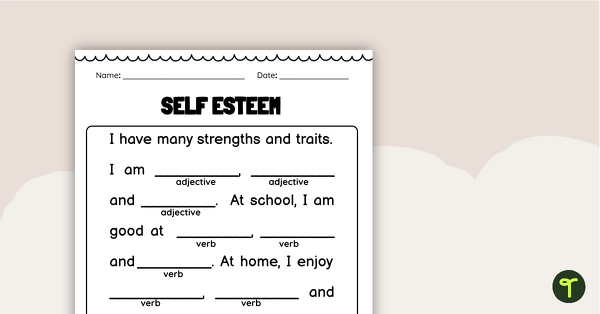
Building Self-Esteem Worksheet
Explore everything there is to know about self-esteem with your students using this cloze worksheet.
- Plus Plan
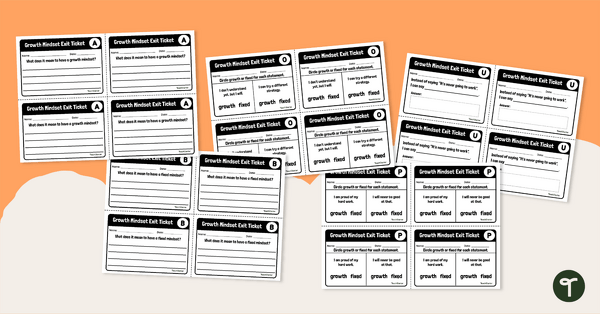
Growth Mindset Exit Tickets
Assess your student's understanding of everything growth mindset with this set of exit tickets.
- Plus Plan
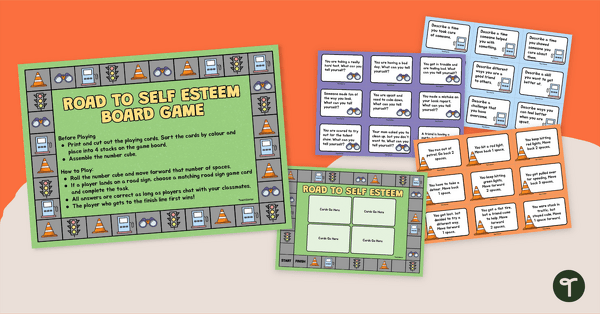
Road to High Self-Esteem Board Game
Help students understand what self-esteem is and how to boost their own self-esteem with this board game.
- Plus Plan
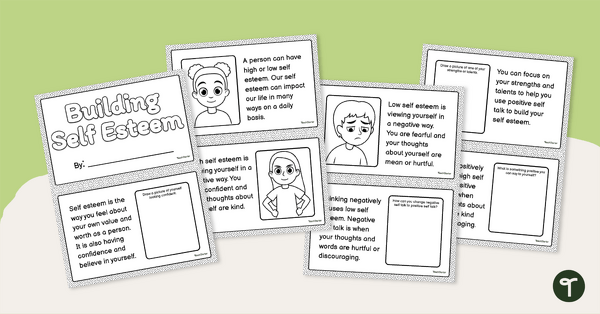
Self-Esteem Activity Mini-Book
Build up your student's self-esteem with this activity mini book template.
- Free Plan
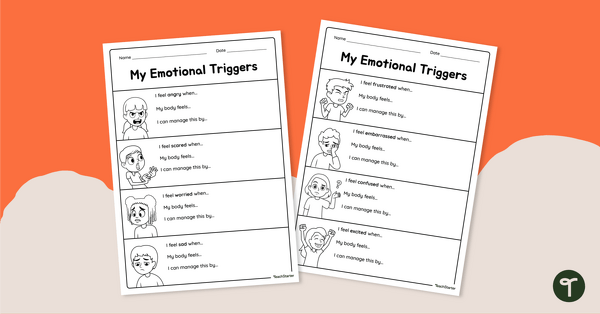
My Emotional Triggers Worksheet
Help your early years students explore the situations that trigger them to experience certain emotional responses with this 2-page emotional triggers worksheet.
- Plus Plan
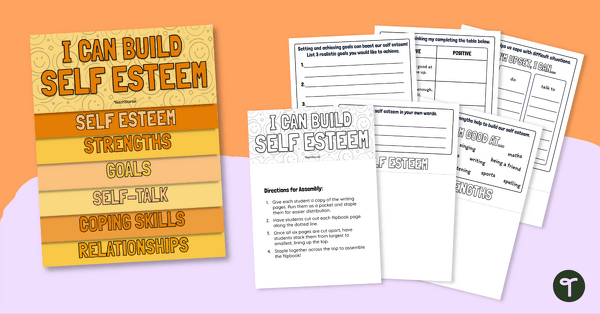
Self -Esteem Flipbook
Explore the topic of self-esteem with your students using this engaging flipbook template.
- Plus Plan
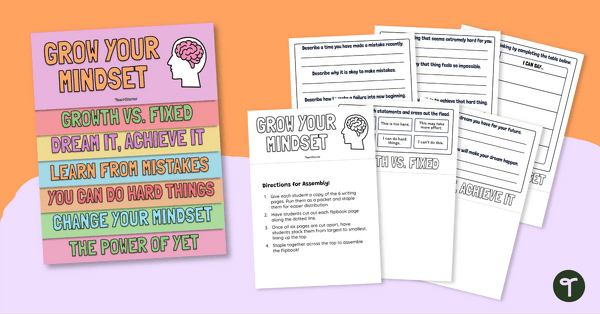
Growth Mindset Flipbook
Explore the topic of growing your mindset with your students using this engaging flipbook template.
- Plus Plan
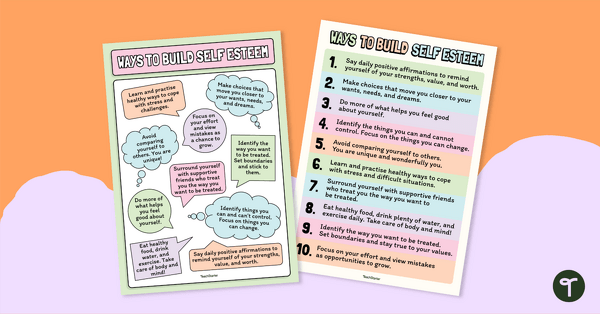
Ways to Build Self-Esteem Classroom Poster
Nurture your students by providing them with simple ways to build up their self-esteem with this set of classroom posters.
- Plus Plan
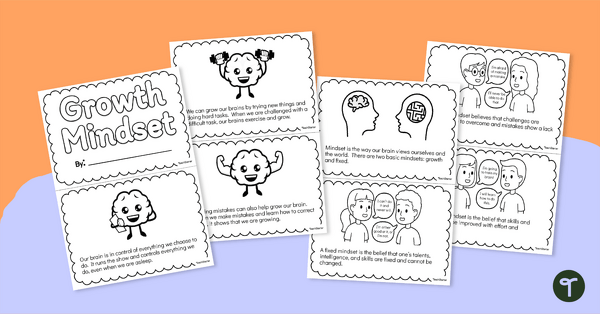
Growth Mindset Mini-Book
Teach your students about growth mindset with this printable book, perfect for your social emotional lessons!
- Plus Plan
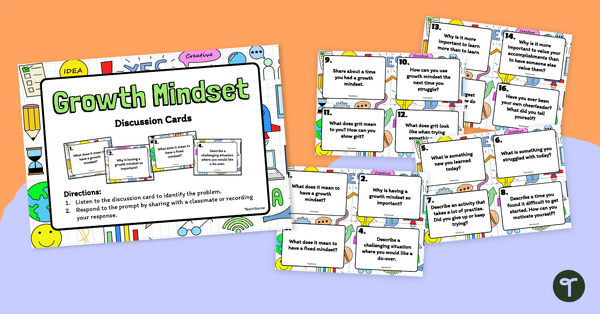
Growth Mindset Discussion Cards
Explore growth mindset with your students with this set of discussion cards.
- Plus Plan
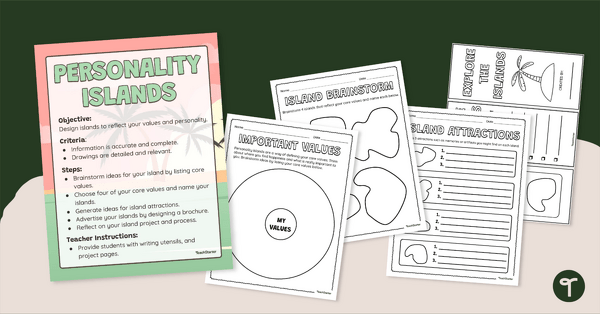
Personality And Values Activity (Personality Islands Project)
Explore your students’ personalities and values with this fun personality island project.
- Plus Plan
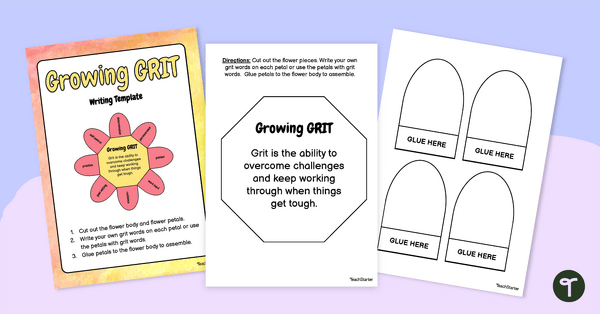
Growing GRIT Writing Template
Encourage students to think about what grit is as well as words that describe grit with this craft template.
- Free Plan
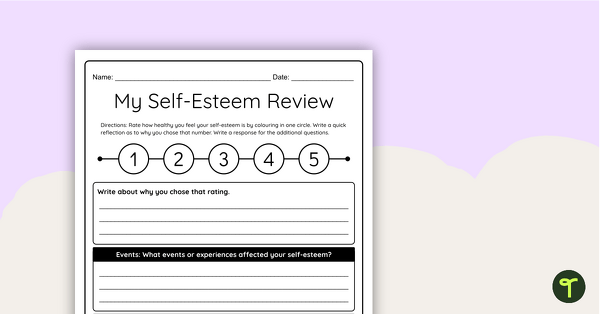
My Self-Esteem Review Template
Help students reflect on their own self esteem with this self-esteem rating template.
- Plus Plan
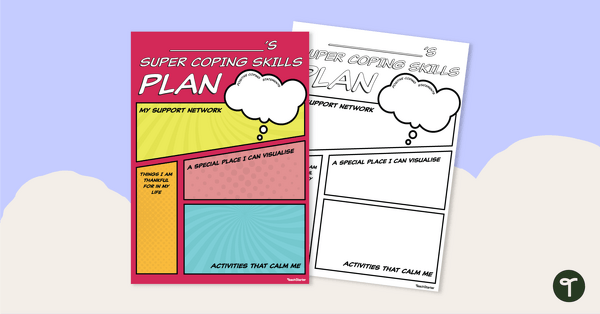
My Personal Coping Skills Plan – Template
Ensure your students have a personalised coping plan for those challenging moments with this comic-themed printable template.
- Self Awareness Posters
- Self Awareness Templates
- Self Awareness Worksheets
- Self Awareness Labels, Signs & Decorations
- Self Awareness Games
- Self Awareness for Foundation Year
- Self Awareness for Year 1
- Self Awareness for Year 2
- Self Awareness for Year 3
- Self Awareness for Year 4
- Self Awareness for Year 5
- Self Awareness for Year 6