Vocabulary Teaching Resources
Explore vocabulary games, printable worksheets, cloze reading activities, task cards and more primary school teaching resources designed to help you help your students build their vocabulary skills!
This extensive collection of teaching resources has been created by teachers for teachers like you. Aligned to the Australian curriculum, the collection includes word-of-the-week activities, teaching presentations and more to save primary teachers time on lesson planning.
Created by expert teachers, each resource in this English collection has been carefully reviewed and curated by our team. That means it's ready to use in the classroom! You'll even find editable resources, plus differentiated options.
New to teaching this part of the English curriculum, or just looking for fresh ways to engage your students? Read on for a primer from our teaching team, including some vocabulary teaching techniques and tips for teaching this important part of the curriculum to your primary students.
What Is Vocabulary?
It may seem obvious, but let's start at the beginning.
In a primary school context, vocabulary can be defined as the set of words that a student is expected to know and understand. It includes not just the words themselves but also their meanings, spellings and how to use them in different contexts.
Teaching vocabulary at this level is focused on the development of a strong foundation of language skills, which will serve our students well as they continue to learn and communicate throughout their lives.
Vocabulary Teaching Techniques to Try in Your Classroom
Teaching vocabulary at the primary school level involves a host of different techniques to help students learn new words. Some of those include:
- Providing definitions and examples of words
- Using visual aids to help students understand new words
- Encouraging students to use new words in their writing
- Teaching students to use context clues to figure out the meaning of unfamiliar words
- Teaching students strategies to decode new words they encounter, including the introduction of common prefixes, suffixes and root words
Students need both explicit and implicit vocabulary instruction in primary school to learn new words as they will build a strong foundation of words, not just by picking them up while reading and listening to others, but also through direct instruction.
Teaching Vocabulary in Primary School
Teaching vocabulary for the first time? Here are some topics you can expect to cover, depending on your year level!
- Basic high-frequency words
- Vocabulary related to specific subjects
- Words with multiple meanings (and how to use them in context)
- Synonyms and antonyms
- Prefixes and suffixes
- Root words
- Words with irregular spellings and pronunciation
Vocabulary Teaching Ideas
Looking for some ideas to get your students excited about vocabulary? In addition to the teacher-created resources in this collection, here are a few favourite ideas from our teacher team!
Erase a Word Pronunciation Challenge
In this pronunciation game, you can select word lists related to current units or use a high frequency word list to improve student vocabulary.
Supplies
- 3 whiteboard erasers
- Vocabulary list(s)
How to Play
- Break students into three teams, and have them stand in lines in front of your whiteboard.
- Write three lists of words onto the board — one list in front of each team.
- On the teacher's signal, the first person from each team goes up to the board and reads aloud one of the words on the list.
- If they get the word correct, they erase the word and go to the back of their team's line.
- The first team to erase all of the words on their list is the winner.
A-Z Vocabulary Relay Race
This is a fun, physical vocabulary game that is great to play outdoors or in a large multi-purpose area. Students play in teams, racing to complete a list of words (one for every letter of the alphabet) around a familiar topic or theme.
Supplies
- pens or pencils
- A4 paper
- tape
How to Play
- Divide students into mixed-ability teams of 4 to 5 students.
- Students stand in a line on one side of the space. On the other side of the space, place a pen or pencil and tape to the ground a sheet of paper with the letters A-Z listed down the side.
- Choose a topic that the students are familiar with. This will be the theme for all the words the students write on their A-Z list. Alternatively, you can choose a unit you're currently studying as your topic.
- The race begins with the leader running to the paper and writing a word beginning with the letter A that is related to the theme. Once they've written the word — spelled correctly — they run back to their team.
- The next team member runs up to the paper and writes a word beginning with B, before running back to their team so a teammate can go up to write a word starting with C, and so on.
- If a student cannot come up with a word, they can call a friend to help. If they still can't come up with a word, they can call the teacher for help.
- Teams continue this word relay until they have written a word for every letter. The first team to complete their word list (and have it verified by the teacher!) are the winners.
Snake Words
In this game, students work in teams (similar to the A-Z relay detailed above) to create a word snake on the board. Students have a limited time (e.g. 10 seconds) to write their word or their team risks being eliminated.
Supplies
- 4 -5 different coloured whiteboard markers or chalk
- a timer or stopwatch
How to Play
- Split students into 4 to 5 mixed-ability teams of equal numbers.
- Have each team select a leader and send them to the classroom whiteboard.
- Team leaders should take a coloured marker and stand in a line.
- The teacher begins the game by writing a letter of the alphabet on the board, and starting the timer.
- The first team leader writes a word beginning with that letter and must complete the word within the time limit. For example, if the teacher wrote the letter G, they might write galaxy. Then they hand their marker to the next person in their team.
- The second team leader uses the last letter of the previous word as the first letter of the next word, also within the time limit. Using the example word above, the next student may write 'yoghurt.' Then they hand their marker to the next person from their team. Note: Students write the words without spaces, in essence creating a word snake. E.g. galaxyoghurt
- If a student cannot come up with a word within the time limit, they can pass it to the next team member, but you should set a limit to the number of passes each team can have. After this, the team is eliminated.
- The last team standing is the winner!
- Plus Plan
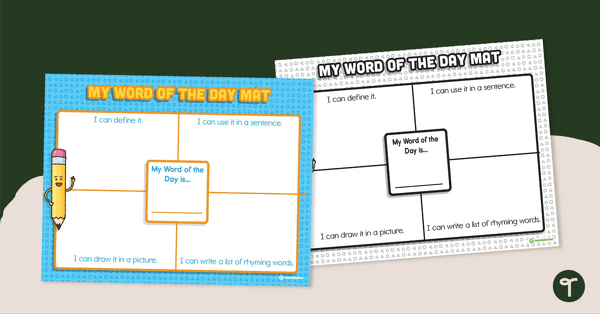
My Word of the Day Mat
A fun worksheet to use in the classroom when building vocabulary.
- Plus Plan
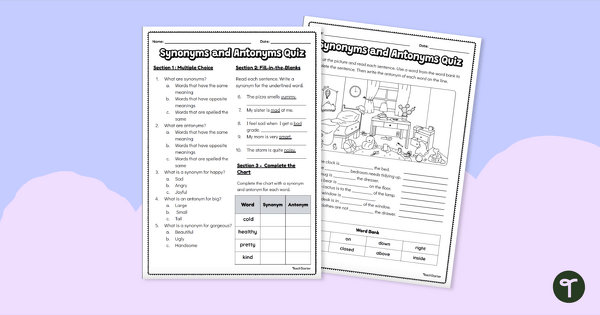
Synonyms and Antonyms Quiz
Assess your students’ knowledge of synonyms and antonyms with a vocabulary quiz.
- Plus Plan
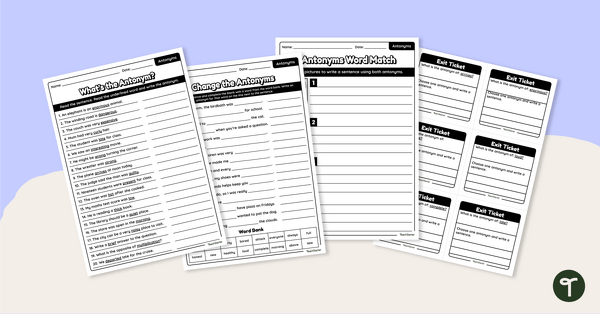
Antonym Worksheets
Practise identifying and using antonyms with a set of worksheets for students in Year 4.
- Plus Plan
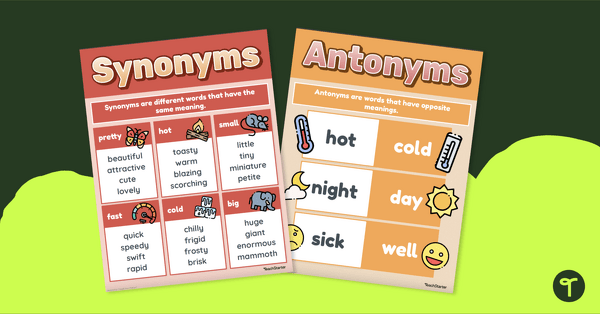
Synonym and Antonym Posters
Print a pair of handy synonym and antonym anchor charts for your students to reference during writing lessons.
- Plus Plan
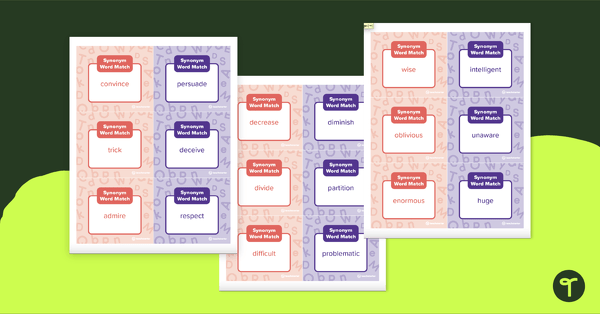
Synonym Cards Match-Up Game
Download these synonym cards to help your students recognise words with similar meanings by playing an engaging, hands-on matching game.
- Plus Plan
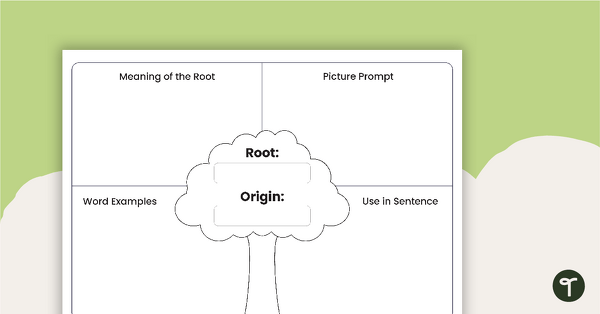
Roots Graphic Organiser Template
Use this graphic organiser to explore roots and their origins.
- Plus Plan
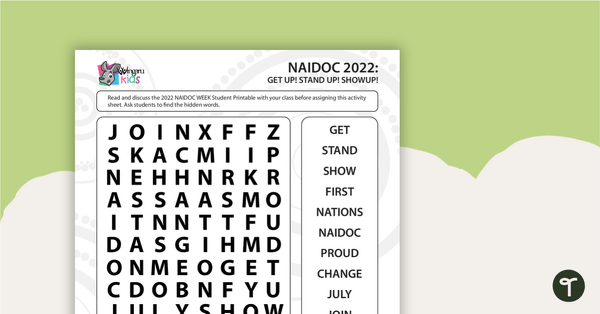
NAIDOC Week Find-a-Word – Lower Years
A lower-years find-a-word puzzle emphasising topic words from information sheet about the NAIDOC 2022 theme: “Get Up! Stand Up! Show Up!”
- Plus Plan
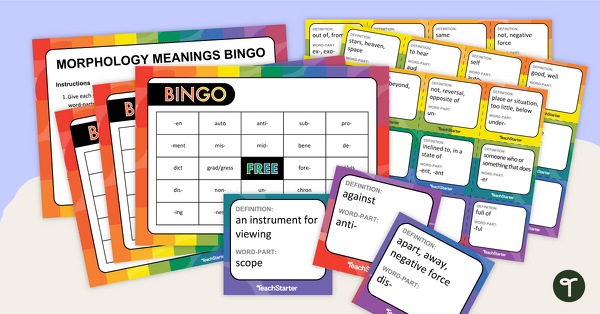
Morphology Bingo
Examine word parts and identify their morphological meanings in this engaging bingo game.
- Plus Plan
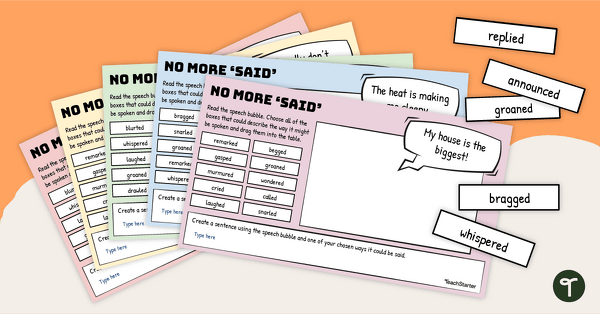
No More 'Said' – Google Interactive Activity
Interpret dialogue by determining which style of speaking best describes the written phrase.
- Plus Plan
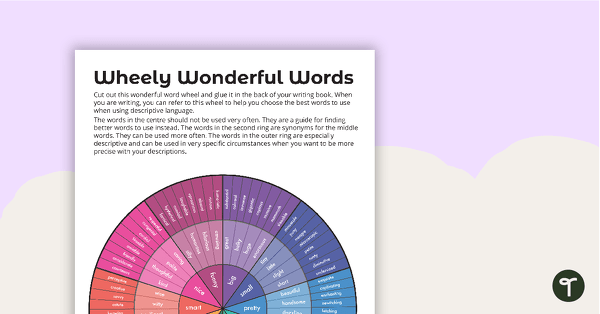
Wheely Wonderful Words – Overused Adjectives
Banish overused adjectives with a handy adjective-synonym word wheel!
- Plus Plan
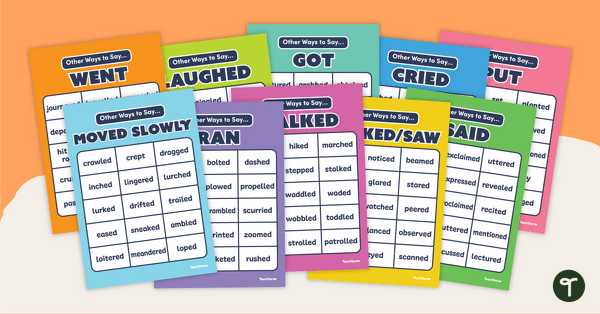
Vivid Verbs Poster Pack
Teach your students to omit boring, overused verbs from their writing with a classroom set of vivid verb posters.
- Plus Plan
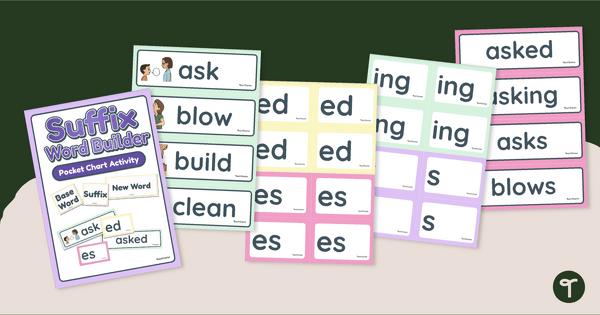
Suffix Word Building Activity
Build words using the suffixes -ed, -es, -s, and -ing with a printable word-building pocket chart card pack.
- Plus Plan
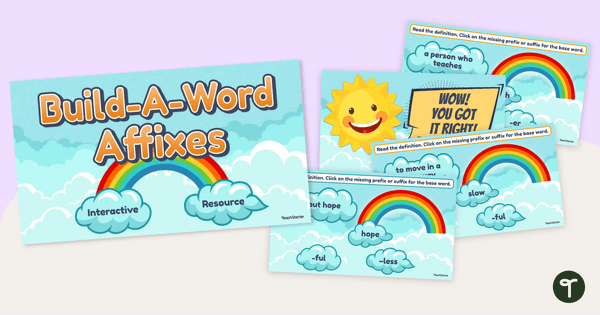
Rainbow Affixes - Prefix and Suffix Interactive
Define words with prefixes and suffixes with a self-checking interactive game!
- Plus Plan
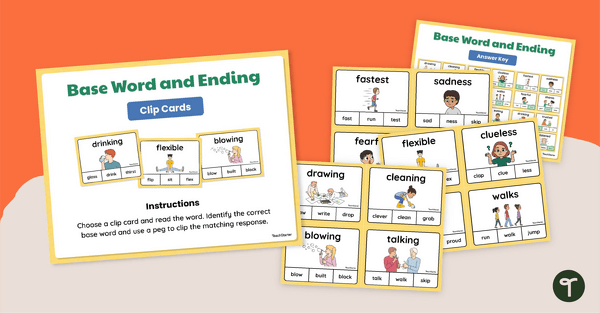
Base Word and Ending Clip Cards
Support your students' understanding of word structure with this Base Word and Ending Clip Cards activity.
- Plus Plan
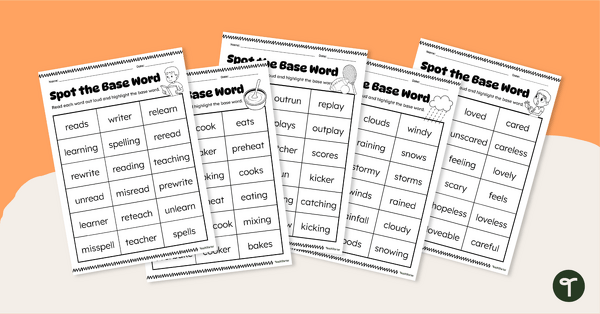
Find the Base Word - Highlight and Read Sheets
Strengthen your students’ vocabulary with this Find the Base Word Worksheet Set.
- Plus Plan
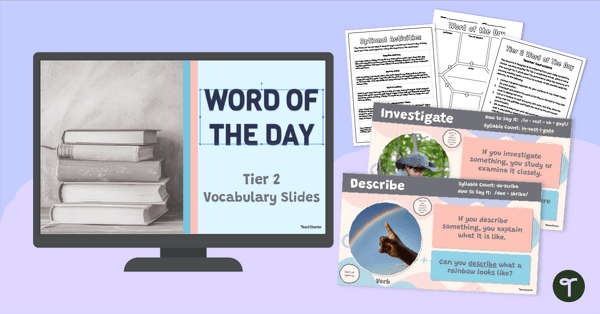
Children’s Word of the Day - Tier 2 Vocab Warmup Slides
Boost academic vocabulary skills and provide your students with daily tier 2 vocabulary review using our Children’s Word of the Day Warmup Slides for Year 2.
- Plus Plan
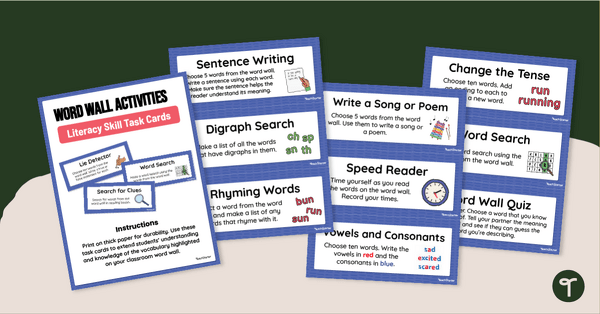
Interactive Word Wall Activities - Task Cards
Build literacy and vocabulary skills with our printable set of 40 Interactive Word Wall Activities.
- Plus Plan
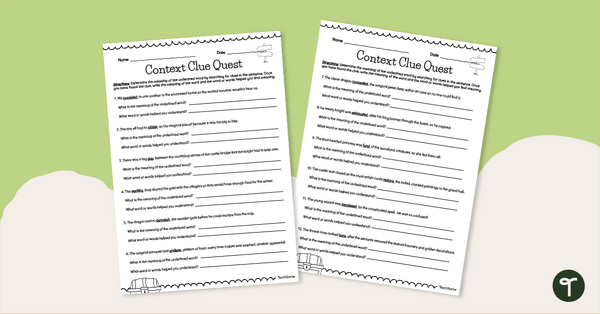
Context Clues - Printable Word Meaning Worksheet
Download a Context Clues - Printable Word Meaning Worksheet to help your students practice finding word meaning in context.
- Plus Plan
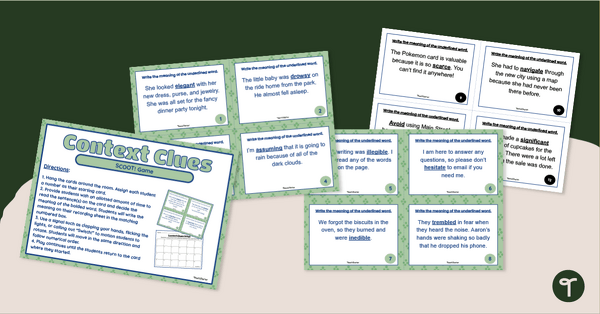
SCOOT! Context Clues Activity Cards
Play SCOOT!, a Context Clues Activity, to practise identifying unknown words in sentences.
- Plus Plan
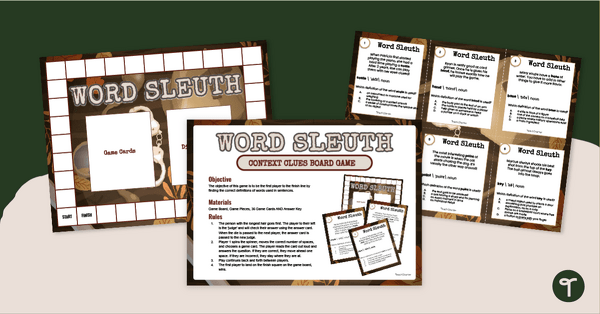
Word Sleuth - Context Clues Game
Play ‘Word Sleuth’, one of our context clues games for upper primary students to help improve vocabulary skills.
- Plus Plan
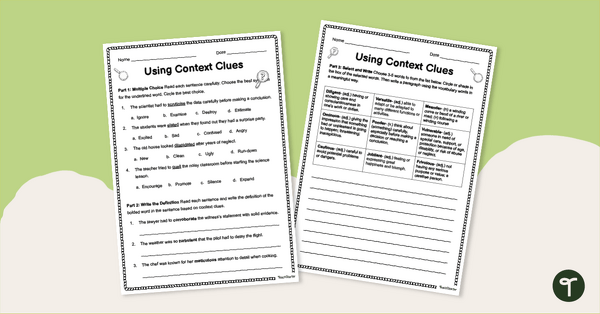
Using Context Clues Worksheet
Try a ‘Using Context Clues’ Worksheet to help your students determine the meaning of unfamiliar words based on the surrounding text.
- Plus Plan
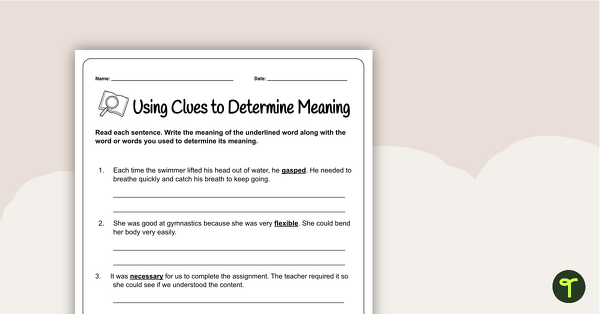
Using Context Clues to Determine Word Meaning Worksheet
Practise defining unfamiliar words by looking for context clues within a sentence.
- Plus Plan
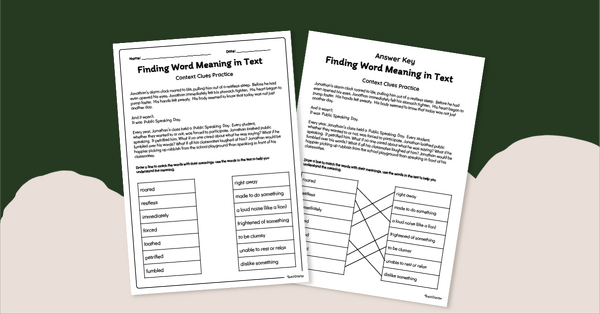
Finding Word Meaning In Text - Context Clues Activity Sheet
Use context clues to determine word meaning in text with a printable Context Clues Activity Sheet.
- Plus Plan
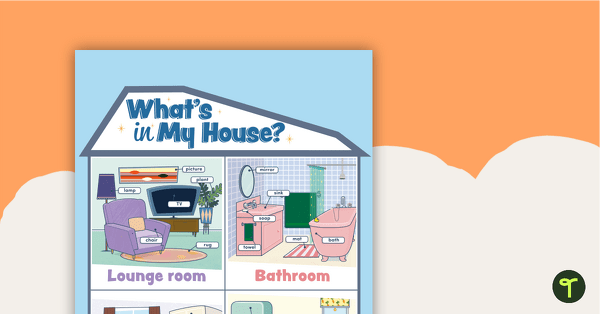
What's in My House? – Poster
A vocabulary poster highlighting common household items.
- Plus Plan
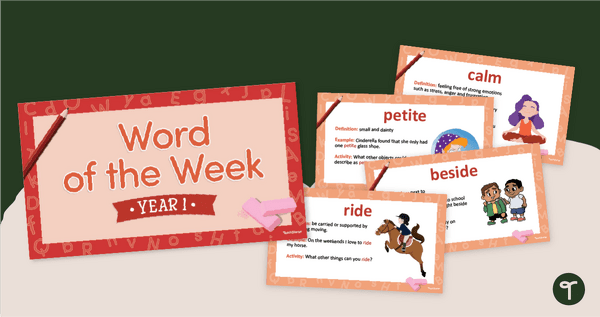
Word of the Week PowerPoint - Year 1 Vocabulary
A 43 page flip book for introducing new year 1 vocabulary words.
- Plus Plan
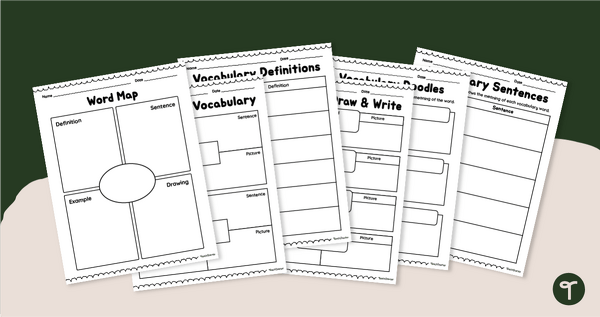
Vocab Graphic Organisers - Lower Years
Use Vocabulary Graphic Organisers to help your early years' students build their vocabulary skills.
- Plus Plan
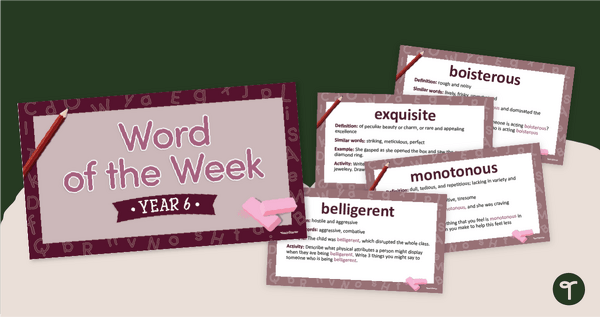
Word of the Week PowerPoint – Year 6 Vocabulary Words
A 40 slide PowerPoint template for introducing new vocabulary to Year 6 students.
- Plus Plan
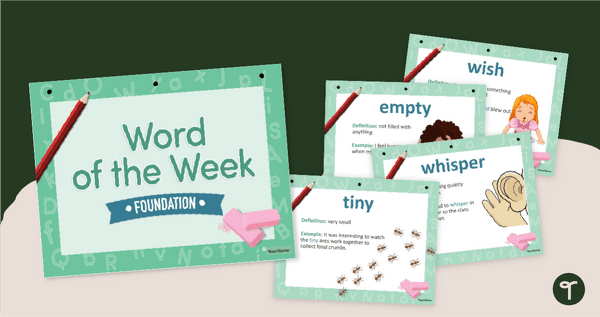
Word of the Week PowerPoint - Foundation
A 40 slide PowerPoint Template for introducing new vocabulary to foundation students.
- Free Plan
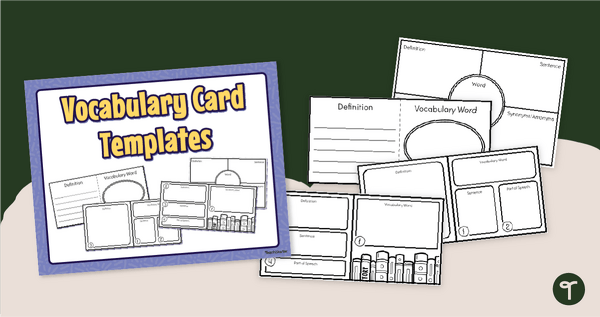
Editable Vocabulary Card Template Pack
Create English vocabulary cards to help your students study new vocabulary terms with our editable Vocabulary Card Template pack.
- Plus Plan
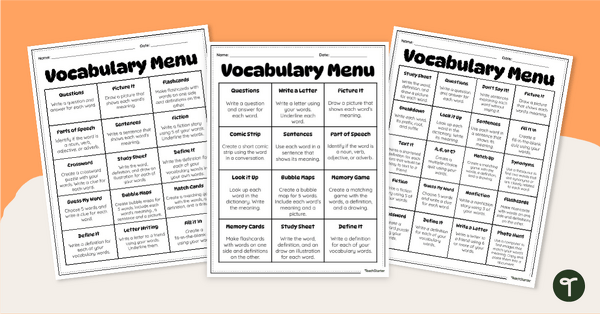
Vocabulary Activity Choice Boards - Differentiated
Use our Differentiated Vocabulary Activity Choice Boards to give your students daily independent vocabulary practice.
- Plus Plan

Vocabulary Journal Template - Mini Book
Use our printable vocabulary journal template to make and keep daily vocabulary learning logs in the classroom.
- Plus Plan
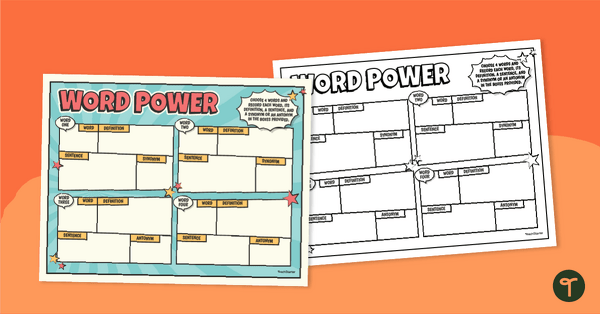
Comic-Inspired Vocabulary Sheet
Expand your students’ vocabulary skills with our Word Power! Comic Book-Inspired Vocabulary Sheet!