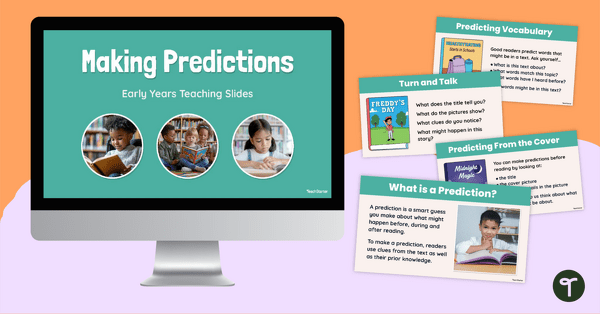
Use these Making Predictions Reading Strategy teaching slides when introducing the concept of predicting during reading to your early years students.
Making Predictions Reading Strategy Lesson Slides
Introduce your early years students to the powerful reading strategy of making predictions with this engaging and easy-to-follow teaching slide deck. Designed specifically for younger learners, this resource helps students understand how good readers think ahead by using clues from the text, pictures, and their prior knowledge.
Specifically created for the early years classroom, these slides are clear, purposeful, and visually supportive without being overcrowded, ensuring students can stay focused and actively engaged throughout the lesson.
What Students Learn in These Making Predictions Slides
Throughout this lesson, students are guided step-by-step to develop their predicting skills across different stages of reading:
- Predicting from the cover – Students use the title, images, and visual clues to make initial predictions before reading begins.
- Predicting from illustrations – Learners observe pictures closely to infer what might happen next in the story.
- Reading and confirming predictions – Students learn how to check whether their predictions were correct as they read.
- Adjusting predictions when necessary – Children are encouraged to think flexibly and update their ideas when new information is revealed.
- Using prediction vocabulary – Students are introduced to key language such as I think…, I predict…, Maybe…, and I wonder… to help express their thinking.
- Predicting using prior knowledge – Learners connect their own experiences and knowledge to the text to make more meaningful predictions.
Download and Explore How to Make Smart Predictions Today!
Use the dropdown menu to choose between the PowerPoint or Google Slide version of this set of Making Predictions Teaching Slides today.
This resource was created by Lindsey Phillips, a Teach Starter collaborator.
More Making Predictions Activity for the Early Years
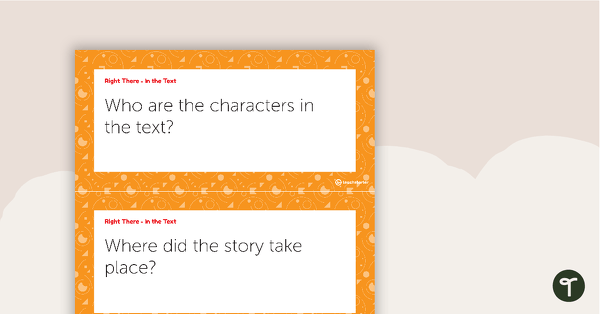
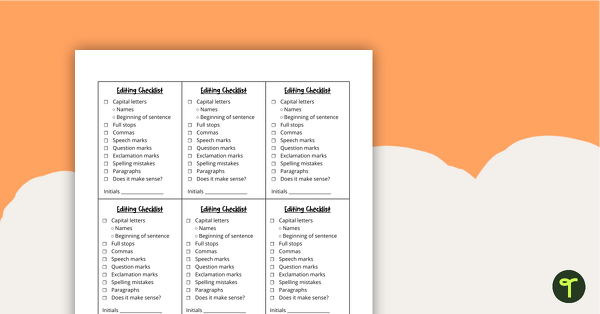
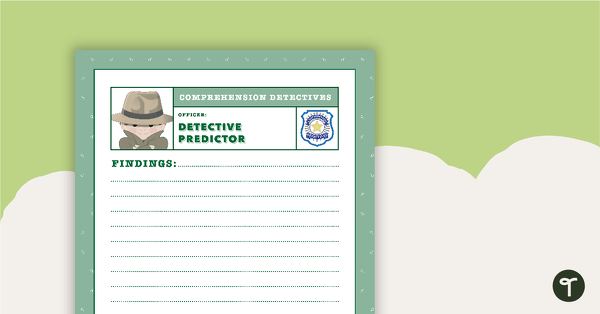
Are you looking for more making predictions activities to use in your early years classroom? We have you covered…
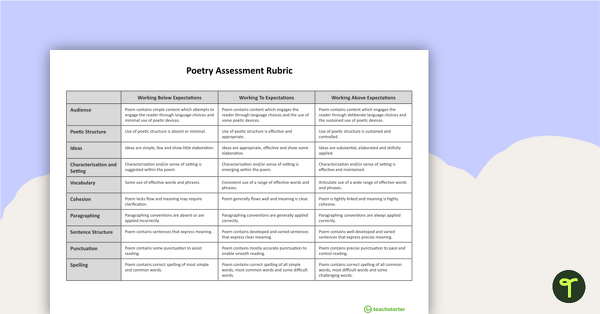
[resource:4524309] [resource:5141160] [resource:5137960]

0 Comments
Write a review to help other teachers and parents like yourself. If you'd like to request a change to this resource, or report an error, select the corresponding tab above.