VC2E3LE03
discuss how an author uses language and illustrations to build plots and portray characters and settings in literary texts, and explore how mood is created through settings and events
- identifying and discussing how the use of descriptive language creates setting, influences atmosphere and draws readers into events that follow, for example ‘The castle loomed dark and forbidding.’
- discussing the language used to describe the traits of characters in stories, their actions and motivations, for example ‘Dev was so lonely; he desperately wanted a pet, so he hatched a plan to get what he wanted.’
- Plus Plan
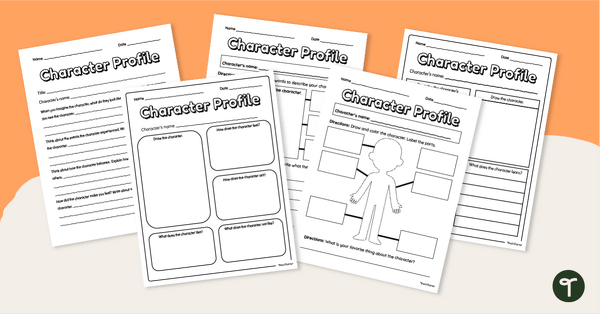
Character Profile Template Pack
Explore the personality, appearance, feelings and actions of a character from a narrative with this printable character profile templates.
- Plus Plan
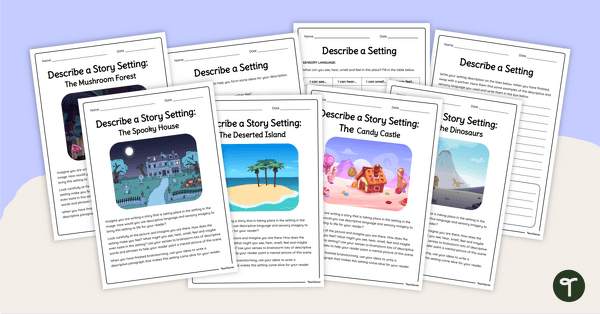
Describe a Story Setting Worksheets
Download these engaging story setting worksheets that help students brainstorm descriptive language and write vivid setting descriptions with ease.
- Plus Plan
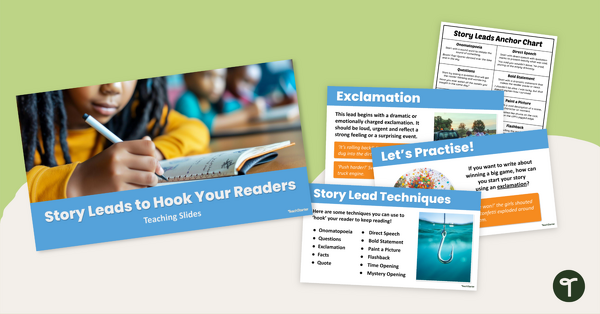
Narrative Writing Lesson - Story Leads to Hook Readers
Hook readers with this narrative writing lesson that introduces your students to eleven story lead strategies.
- Plus Plan
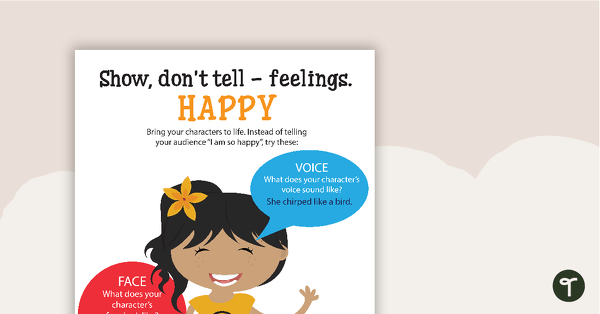
Show Don’t Tell Posters – Character Feelings
Use this set of Show, Don’t Tell posters to help your students describe character emotions through vivid details instead of simple statements.
- Plus Plan
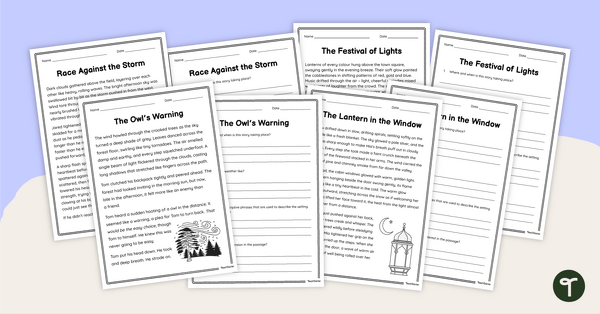
Mood in Narrative Writing – Text Analysis Worksheets
Teach mood in narrative writing with this set of four worksheets designed to help students explore narrative atmosphere in the context of real texts.
- Free Plan
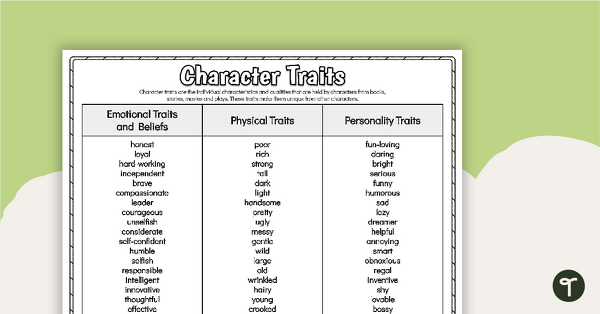
Free Character Traits List
Teach your students to analyse characters more effectively by providing them with a list of character traits.
- Plus Plan
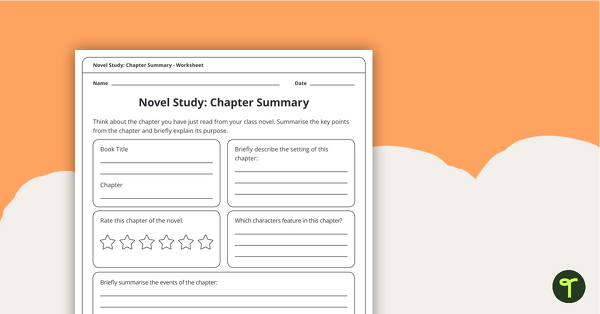
Novel Study Worksheet Pack
Download this set of novel study worksheets that can be used with any text to support your students in exploring characters and events in literature.
- Plus Plan
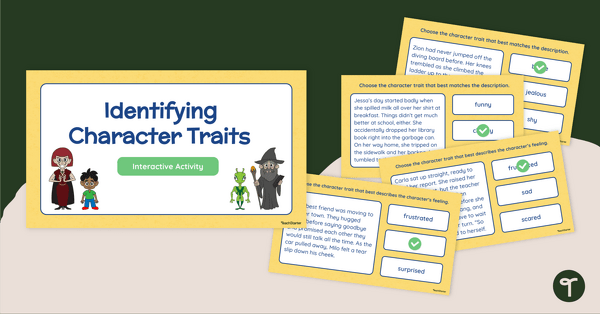
Identifying Character Traits Interactive Activity
Get your students identifying character traits with this engaging digital quiz that helps students understand how language reveals personality in writing.
- Plus Plan
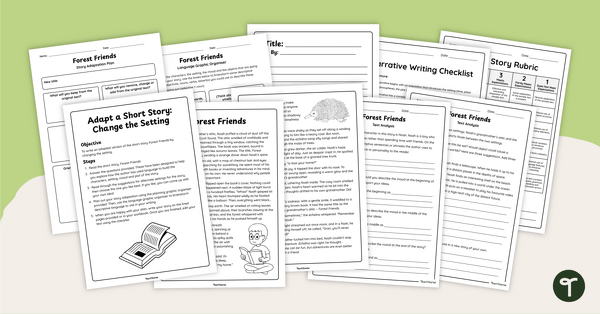
Adapt a Short Story – Change the Narrative Setting
Explore the role the narrative setting plays within a story with this engaging and fully scaffolded writing project booklet for primary students.
- Plus Plan
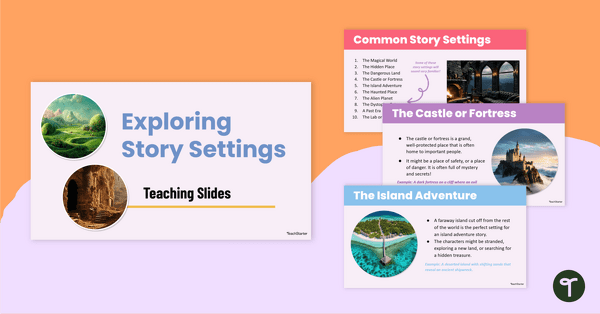
Examples of Story Settings Teaching Slides
Discover engaging examples of story settings with this teaching presentation that introduces students to ten classic settings in children’s literature.
- Plus Plan
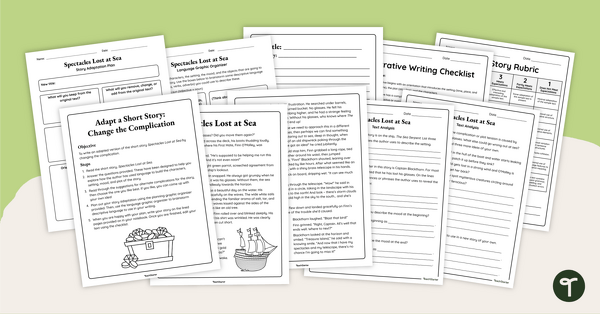
Adapt a Short Story – Change the Complication
Explore the role the complication of a story plays within narrative structure with this engaging and fully scaffolded writing project booklet.
- Plus Plan
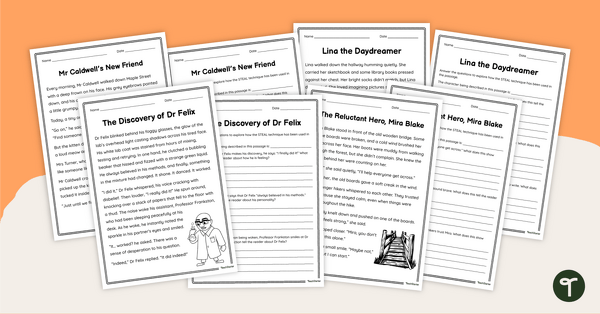
Character Description – Text Analysis Worksheets
Teach character description with this set of four worksheets that help students explore how authors use the STEAL technique to bring characters to life.
- Plus Plan
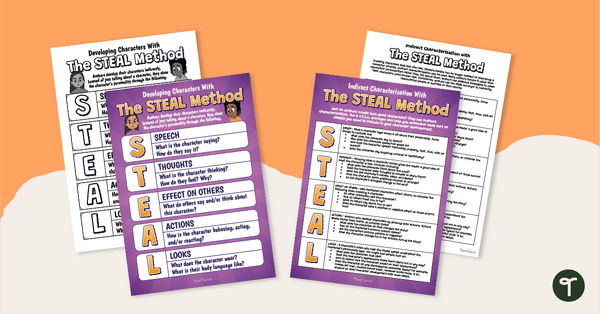
STEAL Characterisation Anchor Charts
Use the S.T.E.A.L. method of characterisation to help your students ‘steal’ the show with their writings using handy printable anchor charts.
- Plus Plan
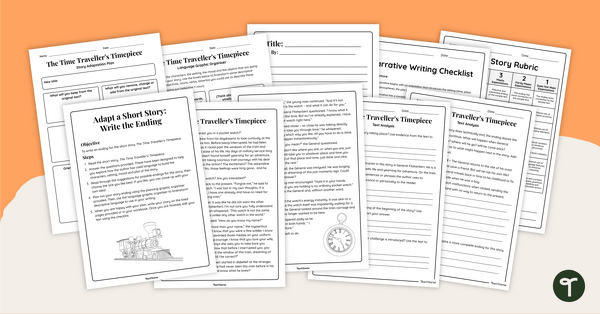
Adapt a Short Story – Write the Ending
Get your students to write the ending of an existing story with this engaging and fully scaffolded writing project booklet.
- Plus Plan
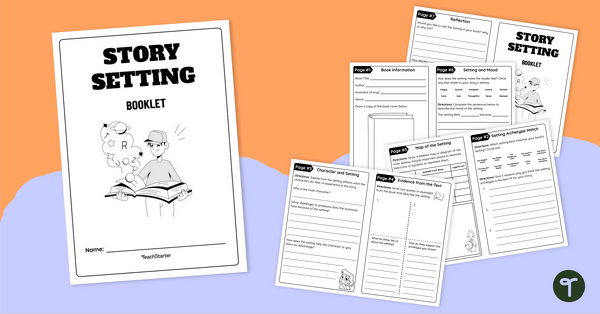
Story Settings Booklet
Explore common story settings in literature with this engaging 8-page mini book that helps students analyse settings from their own reading.
- Plus Plan
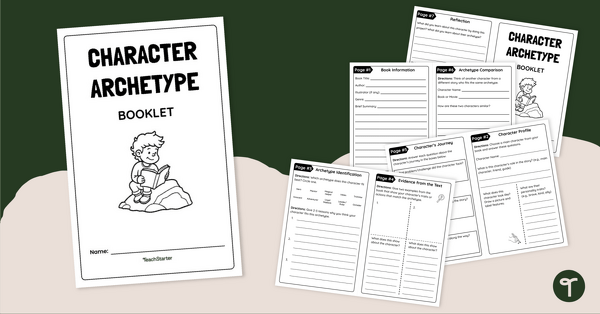
Archetype Characters Booklet
Explore archetype characters with this engaging 8-page mini book that helps students analyse a character from a book they have recently read.
- Plus Plan
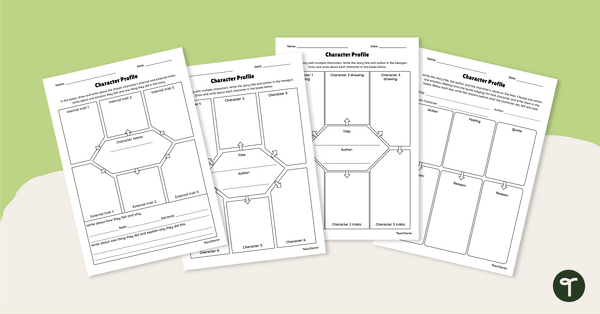
Character Profile - Graphic Organisers
Explore the internal and external traits of story characters with a set of differentiated graphic organisers.
- Plus Plan
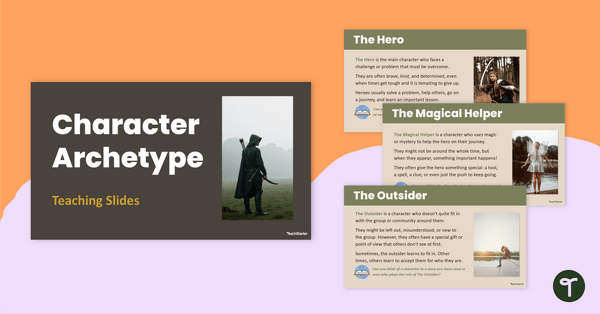
Character Archetype Teaching Slides
Download this character archetype slide deck to help your students identify and analyse common character types in literature.
- Plus Plan
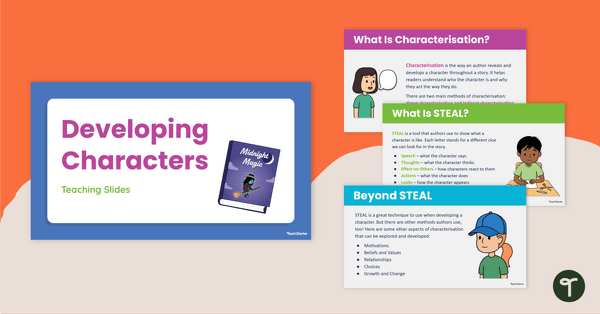
Develop a Character Teaching Slides
Teach your students how to develop a character using the STEAL technique and other characterisation methods with this comprehensive teaching presentation.
- Plus Plan
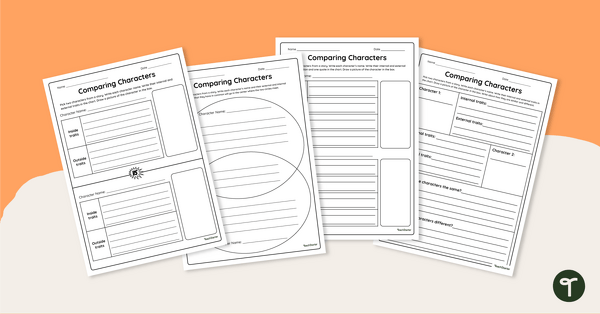
Comparing Characters - Graphic Organisers
Encourage your students to compare story characters with this set of differentiated graphic organisers that can be used with any text.
- Plus Plan
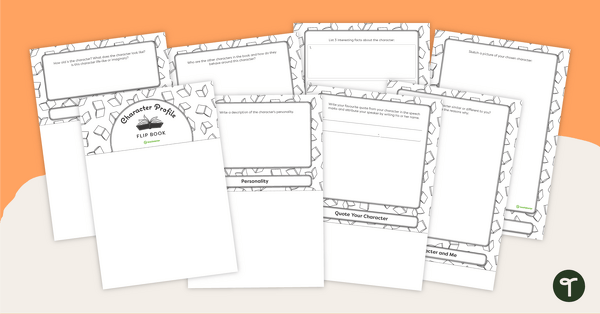
Character Profile Flip Book - Lower Primary
Explore story characters with this flipbook template for lower primary students.
- Plus Plan
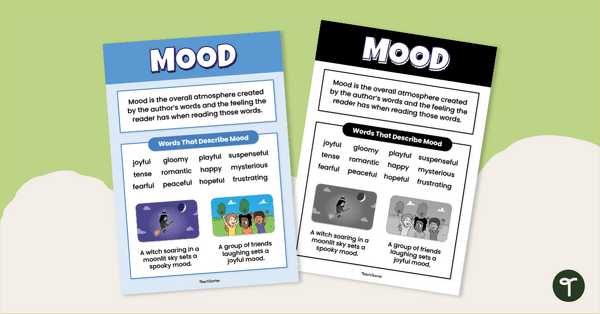
Mood Anchor Chart- Literary Element Poster
Introduce your students to mood, the atmosphere-creating literary element, with a printable Mood Anchor Chart.
- Plus Plan
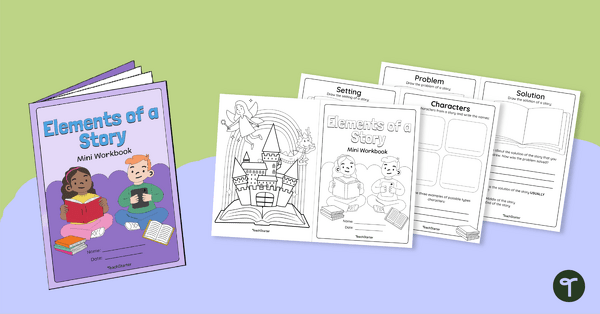
Elements of a Story Activity Workbook
Explore the different elements of a narrative story with this student mini workbook.
- Plus Plan
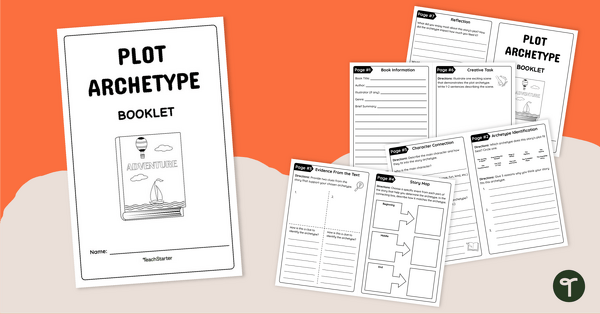
Plot Archetypes Booklet
Explore plot archetypes with this engaging 8-page mini book that helps students analyse familiar story structures.
- Plus Plan
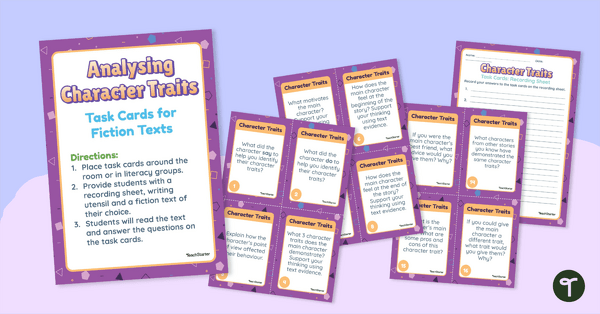
Character Analysis Task Cards
Get your students to perform a character analysis for any fictional character using this set of 20 task cards.
- Plus Plan
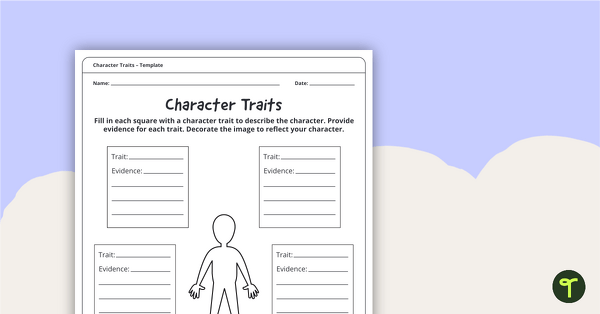
Character Traits Graphic Organiser
Describe the most notable mental and moral qualities of a real or fictional person.
- Plus Plan
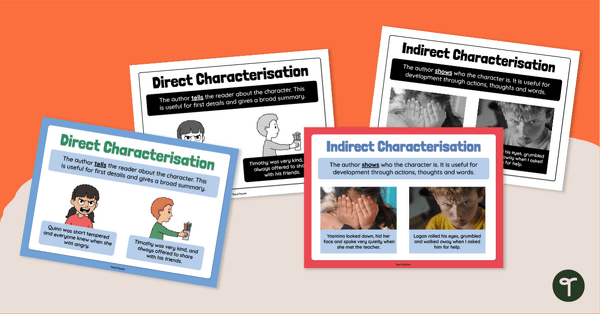
Direct and Indirect Characterisation Anchor Chart
Reference a direct and indirect characterisation anchor chart to teach your students the difference between types of characterisation.
- Plus Plan
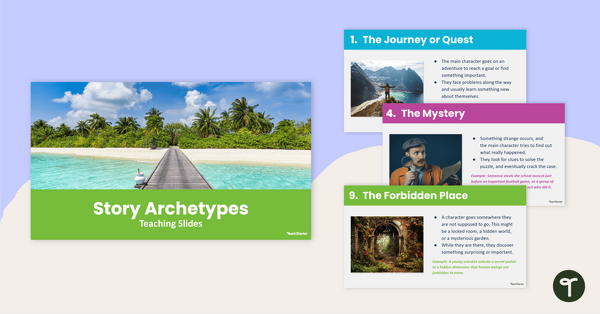
Story Archetypes Teaching Slides
Teach story archetypes with this engaging slide deck that introduces students to ten of the most common plot patterns in literature.
- Plus Plan
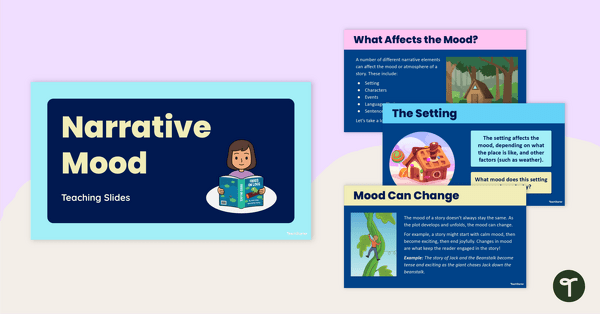
Narrative Mood Teaching Slides
Explore narrative mood with this interactive presentation that helps students understand what mood is, why it matters and how to create it in their own writing.
- Plus Plan
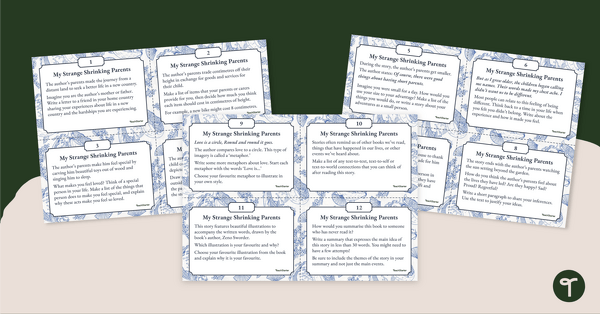
My Strange Shrinking Parents – Literature Task Cards
Deep dive into the characters and themes of Zeno Sworder’s highly acclaimed book, My Strange Shrinking Parents, with this set of 12 literature task cards.