VC2E3LE04
identify and discuss some literary devices, including rhythm and onomatopoeia in poetry and prose, and discuss the ways that they shape the reader’s reaction
- discussing the effects of imagery in texts, for example the use of imagery related to nature in haiku poems
- generating questions to discuss effects, for example ‘Why does the poet use onomatopoeia in this line of the poem?’
- Plus Plan
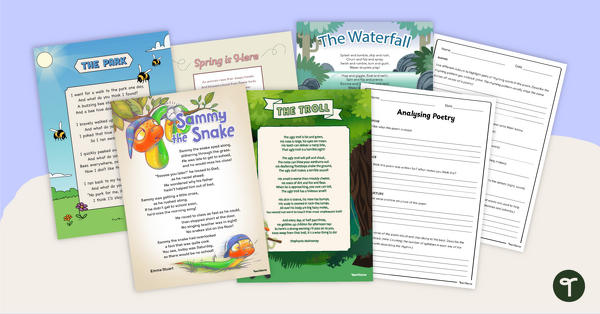
Poetry Analysis Worksheets – Year 3 and 4
Teach poetry analysis skills with this set of engaging children’s poems, accompanied by an analysis worksheet exploring purpose, audience, structure, sound and imagery.
- Plus Plan
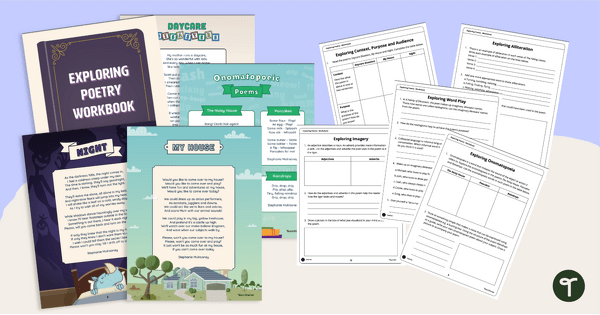
Exploring Poetry Workbook
Teach your students about all things poetry with this jam-packed poetry workbook created especially for primary school students.
- Plus Plan
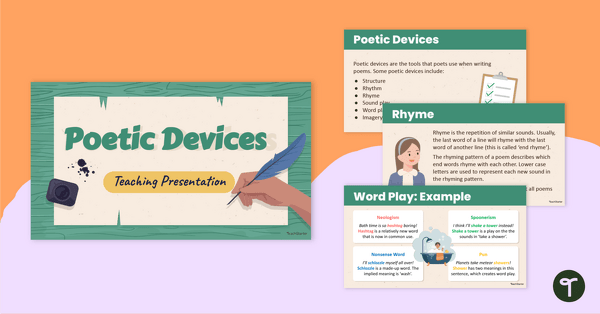
Poetic Devices Teaching Slides
Explore examples of poetic devices using this comprehensive and age-appropriate slide deck perfect for your poetry writing unit.
- Plus Plan

Five Senses Imagery Teaching Slides
Teach five senses imagery with an engaging slide deck that helps students understand how authors use descriptive language to create vivid mental pictures and richer reading experiences.
- Plus Plan
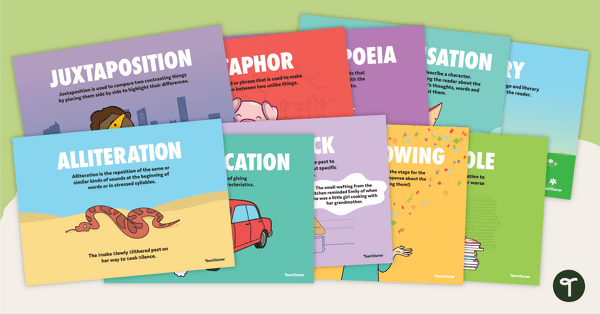
Literary Devices Poster Pack
Explore the various literary devices used by authors with the set of colourful classroom posters.
- Plus Plan
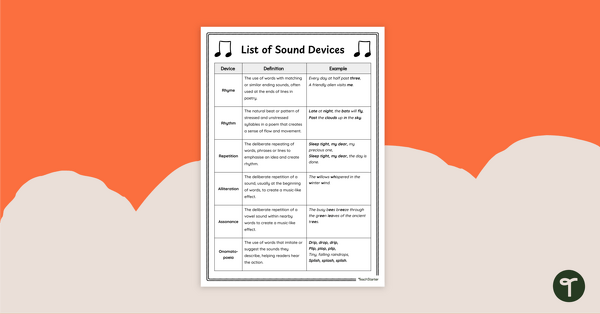
List of Sound Devices
Download this list of sound devices in poetry to help students recognise, understand and confidently use sound techniques that bring poems to life.
- Plus Plan
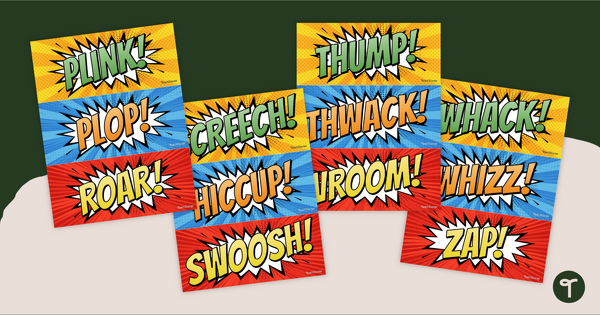
Onomatopoeia Examples - Word Wall Display
Display a fun onomatopoeia word wall in your classroom with printable cards containing 45 onomatopoeia examples.
- Plus Plan
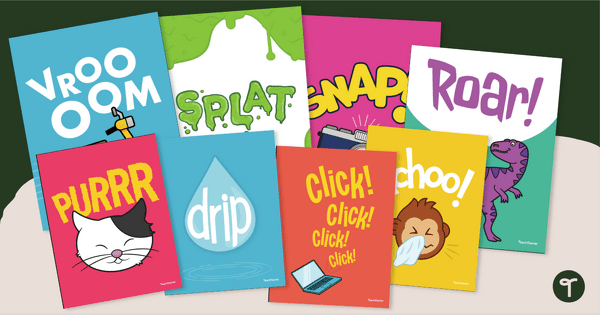
Figurative Language Posters – Onomatopoeia
Help young readers and writers recognise onomatopoeias with a set of onomatopoeia classroom posters.
- Plus Plan
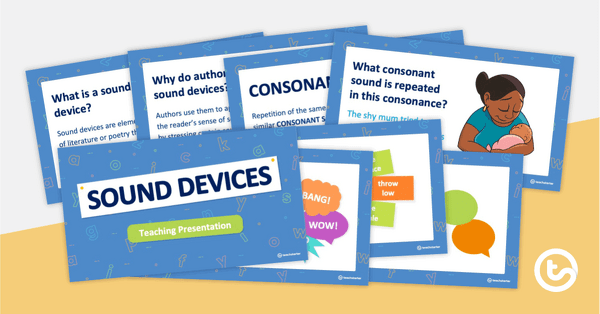
What Are Sound Devices? PowerPoint
Teach sound devices in literature with this engaging PowerPoint presentation that helps students identify and understand common sound techniques used by authors and poets.
- Plus Plan
Exploring Poetry - Year 3 and Year 4 Unit Plan
This English unit addresses common poetic devices such as sound play, word play and imagery and explores how these may be applied to narrative poetry.
- Plus Plan
Developing Narrative Writing Skills Unit Plan - Year 3 and Year 4
This English unit addresses the narrative text type, specifically how to plan and write an engaging story.
- Plus Plan
Narrative Texts - Language Features
A 60 minute lesson in which students will identify and explore the language features of narrative texts.
- Plus Plan
Sound Play in Poetry - Alliteration
A 60 minute lesson in which students will identify and explore alliteration in poetry.
- Plus Plan
Exploring Poetic Devices
A 60 minute lesson in which students will explore the common literary devices found in poetry.
- Plus Plan
Sound Play in Poetry - Onomatopoeia
A 60 minute lesson in which students will identify and explore onomatopoeia in poetry.
- Plus Plan
Spring Is Here – Animated Poem Video
Use this spring poem with your students to welcome in the season of springtime.