Year 3 Teaching Resources
Explore printable worksheets, digital activities, games and more Year 3 resources, all aligned to the Australian curriculum! The teacher-created resources have all been designed with primary teachers and students in mind to meet the special needs of children as they transition into the middle years of their primary school education.
Carefully curated and thoroughly reviewed by the expert teachers of the Teach Starter team to ensure they're classroom-ready, our Year 3 resources can save you lesson planning time this school year with editable and differentiated options at the ready.
Teach Starter’s Year 3 resources utilise a vast array of resource types and have something for every learning area. Here's just a taste of what you'll find for your classroom!
- Spelling words and English worksheets
- Fractions activities and Maths worksheets
- Social and emotional learning activities
- Narrative writing stimuli
- Language conventions practice
- And so much more!
Are you new to teaching Year 3? Here's a look at what this year of primary school is all about!
What Is Year 3 in Australia?
Year 3 sits right in the middle of primary school for most students in Australia as the fourth year of compulsory education.
How Old Are Kids in Year 3?
The exact age of students will vary slightly by state (and birthday!), but most children in your Year 3 class will be 8 to 9 years old.
What Do Students Learn in Year 3?
Year 3 is a big one for Australian students. Many will sit the NAPLAN tests, and more than a few will hit double digits before the year is through. This is a big year for Maths between the introduction of more complex fractions and formal multiplication, as well as even more skill-building in other learning areas.
Exactly what they're expected to learn will depend to some degree on the state or territory where you are teaching, but here's a look at what your students can expect to encounter in the key areas of the curriculum!
English
Year 3 students continue to develop their reading, writing, speaking, and listening skills in their English lessons. Reading will involve more complex texts, including longer novels, non-fiction texts, and poetry.
Students will also be expected to analyse these texts more deeply, examining themes, character development, and literary techniques. Comprehension skill-building will require deeper analysis of texts and drawing inferences from what is read.
While Year 2 instruction focuses on basic writing skills such as sentence structure and punctuation, this older group of students will move toward more advanced writing skills such as paragraphing, using descriptive language, and organising ideas in a logical way.
Grammar and spelling will also become a greater focus this year, with an emphasis on understanding and applying more complex grammar rules and spelling patterns.
Maths
Fractions feature front and centre of the Year 3 Maths curriculum. Students will learn to identify, compare, and order unit fractions (those being fractions with a numerator of 1), as well as use them in simple problem-solving contexts.
We already alluded to this being a big year for multiplication, and is it ever! Year 3 students learn the basic multiplication facts — such as 2 x 2 = 4 and 3 x 3 = 9 — and they begin to use these facts to solve multiplication and division problems. They also learn to interpret and create simple multiplication and division problems.
Students will have the chance to build upon their understanding of measurement concepts from Year 2, including length, mass, and capacity. They'll learn to measure and estimate using standard units, plus how to compare and order measurements.
Maths students will expand their knowledge of 2D shapes this year, and they will begin to learn about three-dimensional shapes and their properties.
Place value is still a big part of maths, of course. Year 3 students expand their understanding of place value to include numbers up to 10,000, and they learn to read, write, and compare four-digit numbers. They also learn to use place value to solve addition and subtraction problems.
Science
Science instruction in Year 3 is more focused on building a deeper understanding of scientific concepts and their applications, as compared to Year 2. It also emphasises the development of scientific inquiry skills that will help kids become more proficient in conducting scientific investigations and communicating their findings.
Students in Year 3 learn to ask questions, plan and conduct investigations, collect and record data, and communicate their findings as part of their development of science inquiry skills. They spend a portion of the year learning about the characteristics of living things, including plants and animals. Year 3 students will have the chance to explore the life cycles of plants and animals, as well as learning about the needs of living things and their habitats.
While they're learning about things that live on Earth, they're also learning about the planet itself, exploring geological features such as rocks, soil, and minerals. They also explore heat energy and how it can be transferred from one object to another.
Last, but certainly not least, Year 3 students learn about the properties and states of matter, including solids and liquids (gasses are explored later on in primary school).
Humanities and Social Sciences
Building on the foundation set in Year 2, Year 3 HAAS lessons build a deeper understanding of historical events and concepts, as well as exploring the social and economic systems that underpin Australian society.
Students learn about the historical events, people, and places that have shaped Australia's history. They explore the concept of change and continuity over time and learn to use historical sources to investigate the past. Students also study significant cultural events celebrated in our country and how they contribute to Australia's diversity and identity.
Geography instruction will guide students as they learn about the physical and cultural characteristics of places and regions. They'll learn more about the representation of Australia as states and territories, and as Countries/Places of First Nations Australians. Students will also begin exploring Australia's neighbours such as New Zealand, Papua New Guinea, and Indonesia.
Civics instruction sees Year 3 students strengthening their understanding of what it means to live in a democratic society. They will draw upon their own personal experiences to examine why rules are important and to discuss how they can be active participants in the communities to which they belong.
Health and Physical Education
With their bodies rapidly changing, Year 3 students learn about the factors that influence their health and wellbeing, including the importance of good nutrition, hygiene, and sleep. They also learn about social and emotional health, including how to manage their feelings, develop positive relationships, and make safe and healthy choices.
In Year 3, there are a number of different types of safety on tap in lessons, including road safety, water safety, and personal safety. They develop an understanding of risk and learn strategies for staying safe in different situations.
Year 3 students also learn about the importance of being active and informed citizens in their community. They learn about the benefits of volunteering and begin to develop an understanding of the responsibilities and rights of individuals in society.
The Arts
In Year 3, students develop more advanced skills in drawing, painting, and other visual arts techniques. This includes studying the elements of art — such as line, shape, colour, and texture — and beginning to use these to create more complex artworks.
In music class, these children are learning all about musical notation and how to read and write simple music, while drama instruction explores different forms of drama, including role-playing, improvisation, and scripted performance. Students get the chance to learn about the elements of drama, such as character, plot, and setting, and begin to use these to create their own dramatic works.
- Plus Plan
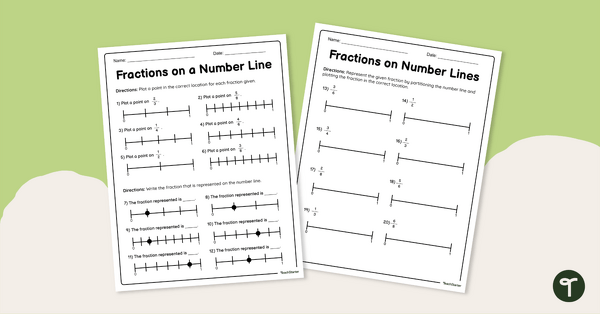
Fractions on a Number Line – Worksheet
Improve student understanding of fractions on a number line with this printable maths worksheet.
- Free Plan
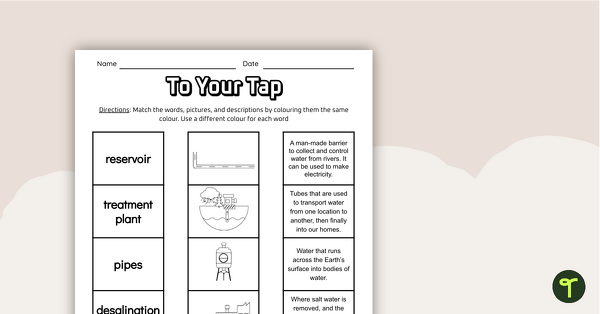
To Your Tap - Water Worksheet
Identify the places where water travels before entering homes with a vocabulary-matching worksheet.
- Plus Plan
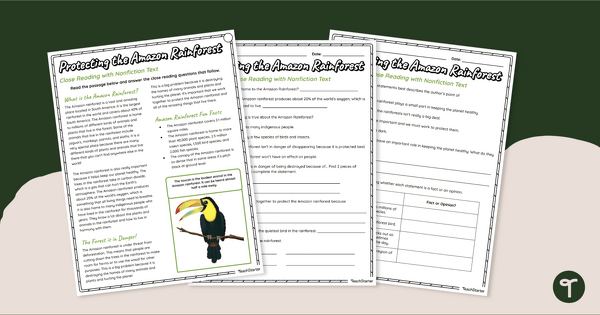
Amazon Rainforest Facts - Reading Passage
Read and learn about conservation with a reading passage and comprehension worksheet on the Amazon Rainforest.
- Free Plan
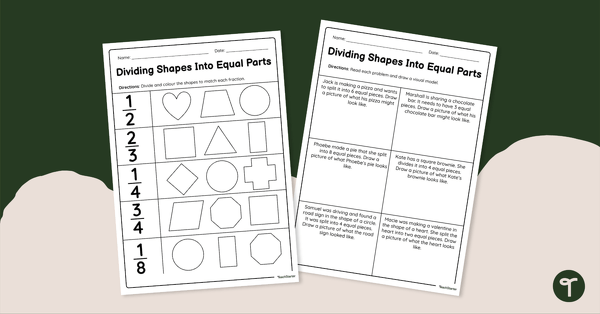
Dividing Shapes Into Equal Parts – Worksheet
Practise dividing shapes and shading fraction models with this maths worksheet for year 2 and 3 students.
- Free Plan
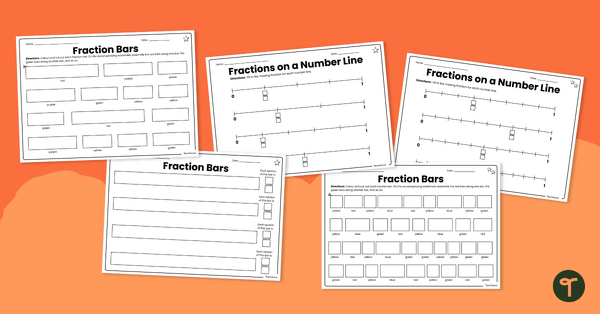
Fraction Bars and Number Lines – Cut and Paste Worksheet
Build a fraction bar by piecing together unit fractions and identifying them on a number line with this set of differentiated worksheets.
- Plus Plan
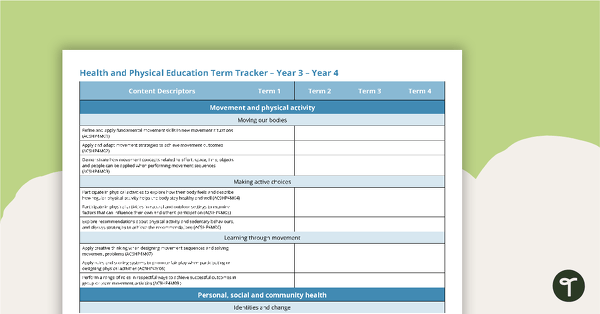
Health and Physical Education Term Tracker (Australian Curriculum) - Years 3 and 4
A Health and Physical Education term tracker using the Australian Curriculum Years 3 and 4 content descriptors and codes.
- Plus Plan
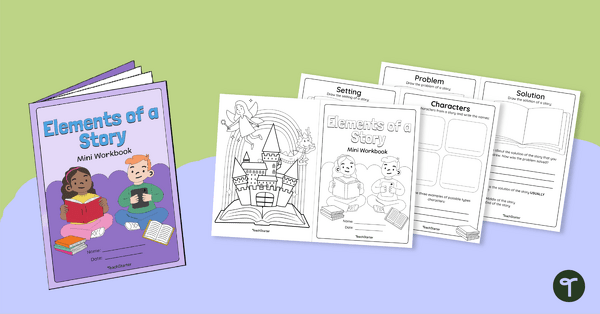
Elements of a Story Activity Workbook
Explore the different elements of a narrative story with this student mini workbook.
- Plus Plan
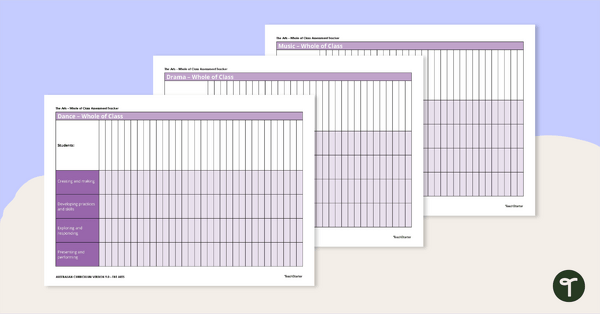
Whole Class The Arts Assessment Tracker
A whole class assessment tool using the Australian Curriculum codes to monitor student progress in The Arts.
- Plus Plan
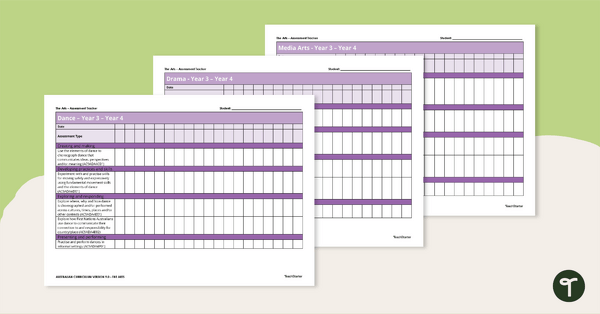
The Arts Years 3 and 4 Assessment Trackers
A 5 page set of assessment trackers using the Australian Curriculum codes to monitor student progress in The Arts.
- Plus Plan
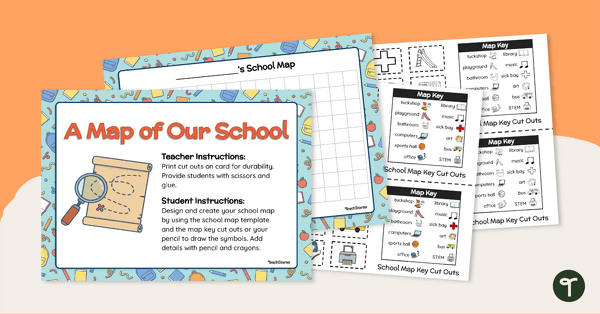
A Map of Our School - Mapmaking Project
Develop map skills with a school map-making project.
- Plus Plan
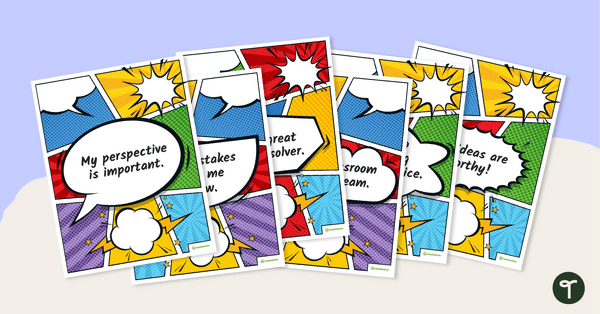
Positive Affirmations for Kids - Posters
Help your students overcome self-doubt with this set of posters containing positive affirmations for kids.
- Free Plan
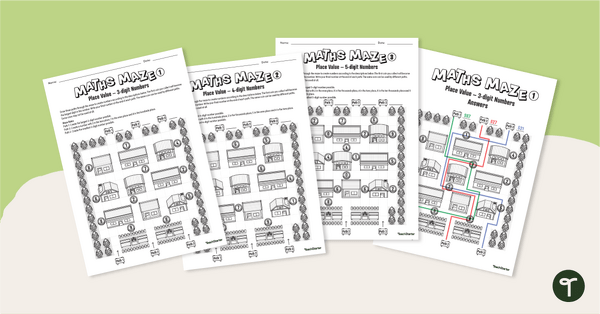
Maths Mazes (Place Value)
Determine the correct paths through each maze using knowledge of place value.
- Plus Plan
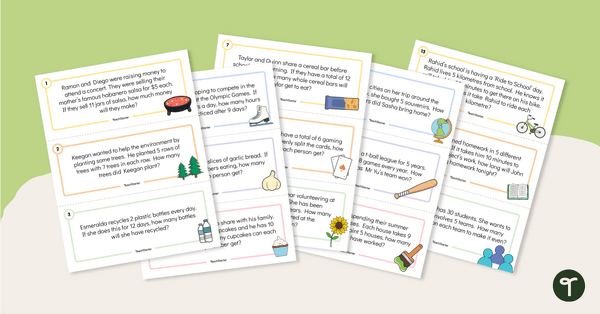
Multiplication and Division Word Problems Task Cards (Facts of 2, 5 and 10)
Use a range of strategies to solve multiplication and division problems with 2, 5 and 10 times tables.
- Free Plan
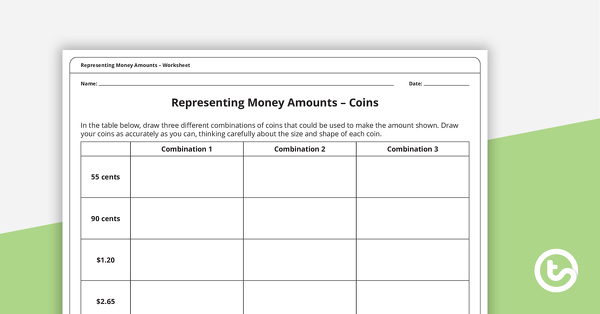
Representing Money Amounts – Worksheet
A worksheet for students to practise representing money amounts in multiple ways.
- Plus Plan
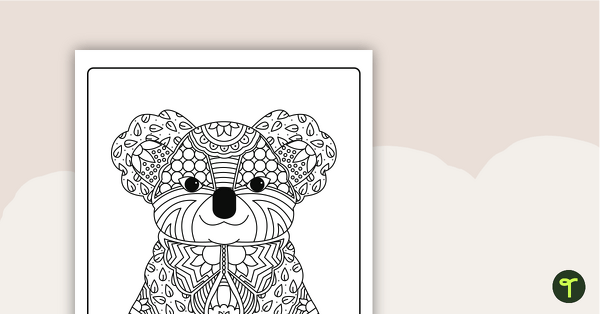
Koala Mindful Colouring Sheet
A koala mindful colouring in sheet.
- Free Plan
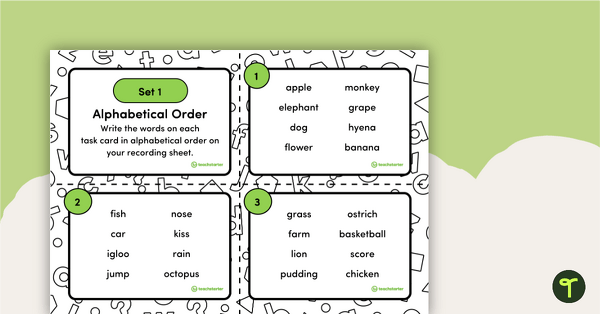
Alphabetical Order Task Cards – Set 1
A set of 11 task cards alphabetising a series of words to the first letter.
- Plus Plan
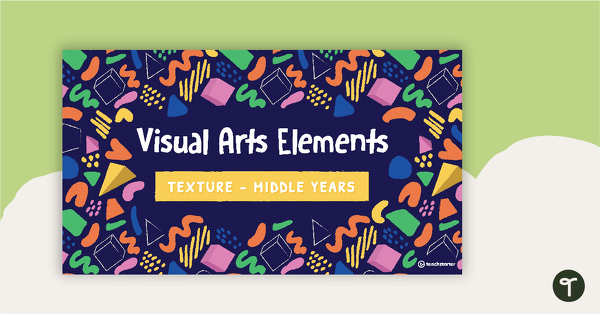
Visual Arts Elements Texture PowerPoint - Middle Years
A 28 slide teaching presentation to use when investigating texture in Visual Art.
- Plus Plan
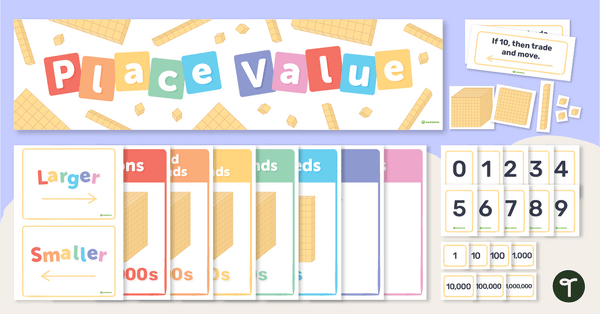
Place Value Wall Display
A place value wall display for the classroom.
- Plus Plan
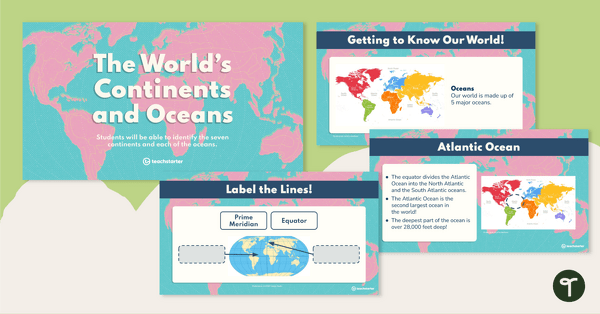
The World's Continents and Oceans – Teaching Presentation
Explore the seven continents and five oceans of the world with this comprehensive teaching presentation.
- Plus Plan
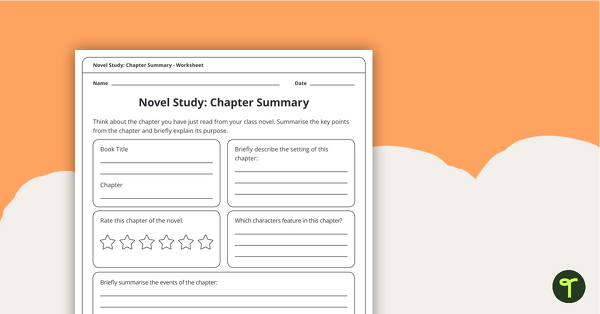
Novel Study Worksheet Pack
Download this set of novel study worksheets that can be used with any text to support your students in exploring characters and events in literature.
- Plus Plan
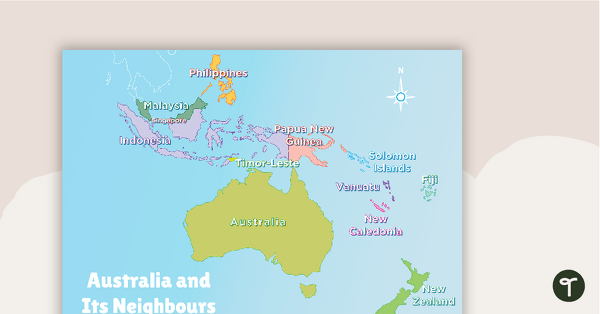
Australia and Its Neighbours - Poster and Labelling Activity
A set of maps and worksheet for students to use when looking at Australia and its neighbours.
- Plus Plan
Inference vs Prediction Teaching Slides
Use this inference vs prediction teaching presentation to help your students tell the difference between these two essential reading comprehension strategies.
- Free Plan
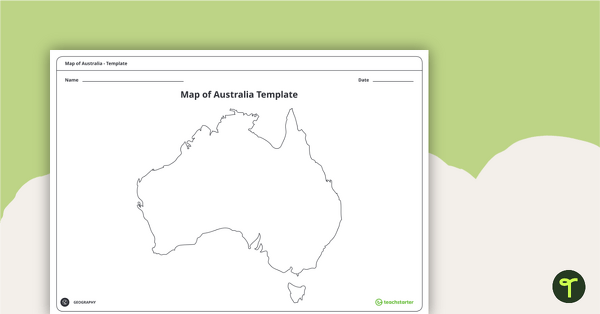
Blank Map of Australia - Template
Record and represent data about the location of significant places with this printable blank map of the continent of Australia.
- Plus Plan
Questioning Comprehension Strategy Teaching Slides
Teach the questioning comprehension strategy to your class with this engaging slide deck that explores how to ask purposeful questions to deepen understanding of texts.
- Free Plan
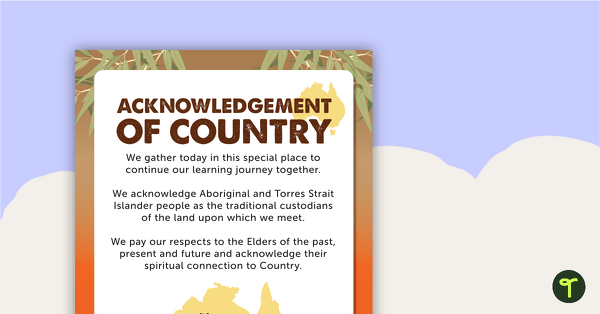
Acknowledgement of Country Poster
A simple Acknowledgement of Country poster to display in your classroom.
- Plus Plan
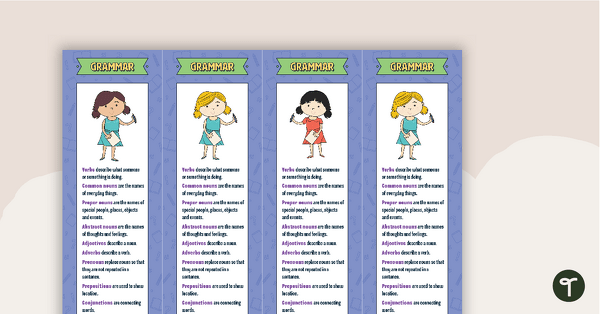
Grammar and Punctuation Checklist Bookmarks
Use these grammar and punctuation checklist bookmarks to support your students in editing their writing.
- Free Plan
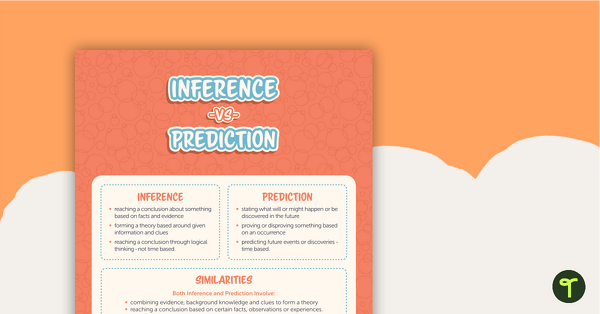
Predicting and Inferring Poster
Support predicting and inferring skills with this engaging one-page poster that helps students understand how to use clues and prior knowledge to think more deeply about texts.
- Plus Plan
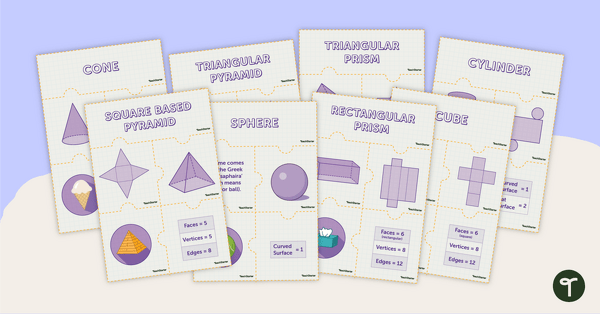
3D Objects and Their Properties - Puzzles
Explore the names and properties of some of the most common 3D shapes with this set of 8 puzzles.
- Plus Plan
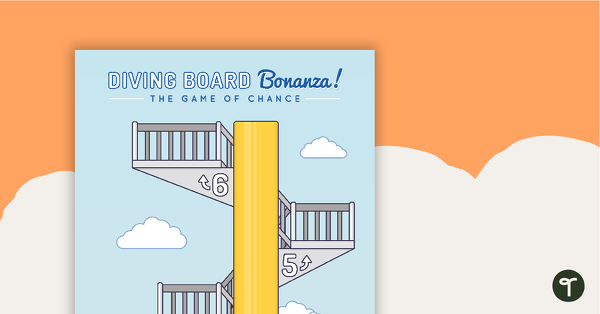
Diving Board Bonanza! - Chance Game
A fun chance game for students to play when learning about probability.
- Plus Plan
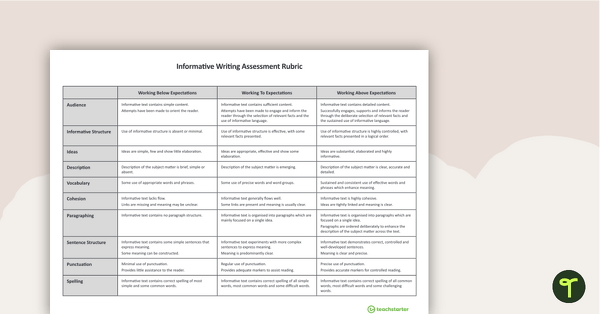
NAPLAN-Style Assessment Rubric - Informative Writing
A NAPLAN-style rubric designed to help teachers to assess students' informative writing.
- Plus Plan
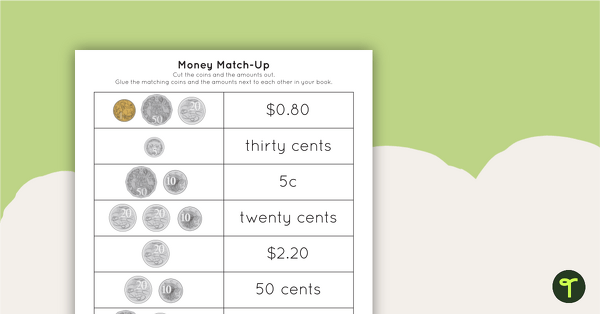
Money Match-Up Activity (Australian Currency)
An activity to help students recognise Australian coins and their combined amounts.
- Plus Plan
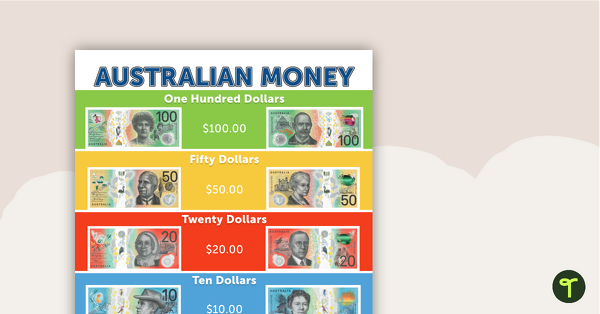
Australian Currency Poster
A visual stimulus showing all of the Australian currency and the different ways they are written.