Foundation Year
The English curriculum is built around the three interrelated strands of language, literature and literacy. Teaching and learning programs should balance and integrate all three strands. Together, the three strands focus on developing students' knowledge, understanding and skills in listening, reading, viewing, speaking, writing and creating. Learning in English builds on concepts, skills and processes developed in earlier years, and teachers will develop and strengthen these as needed.
In the Foundation year, students communicate with peers, teachers, known adults and students from other classes.
Students engage with a variety of texts for enjoyment. They listen to, read and view spoken, written and multimodal texts in which the primary purpose is to entertain, as well as some texts designed to inform. These include traditional oral texts, picture books, various types of stories, rhyming verse, poetry, non-fiction, film, multimodal texts and dramatic performances. They participate in shared reading, viewing and storytelling using a range of literary texts, and recognise the entertaining nature of literature.
The range of literary texts for Foundation to Year 10 comprises Australian literature, including the oral narrative traditions of Aboriginal and Torres Strait Islander Peoples, as well as the contemporary literature of these two cultural groups, and classic and contemporary world literature, including texts from and about Asia. Literary texts that support and extend Foundation students as beginner readers include decodable and predictable texts that range from caption books to books with one or more sentences per page. These texts involve straightforward sequences of events and everyday happenings with recognisable, realistic or imaginary characters. Informative texts present a small amount of new content about familiar topics of interest; a small range of language features, including simple and compound sentences; mostly familiar vocabulary, known, high-frequency words and single-syllable words that can be decoded phonically, and illustrations that strongly support the printed text.
Students create a range of imaginative, informative and persuasive texts including pictorial representations, short statements, performances, recounts and poetry.
(source: www.australiancurriculum.edu.au)
Achievement Standard
Receptive modes (listening, reading and viewing)
By the end of the Foundation year, students use predicting and questioning strategies to make meaning from texts. They recall one or two events from texts with familiar topics. They understand that there are different types of texts and that these can have similar characteristics. They identify connections between texts and their personal experience.
They read short, decodable and predictable texts with familiar vocabulary and supportive images, drawing on their developing knowledge of concepts of print, sounds and letters and decoding and self-monitoring strategies. They recognise the letters of the English alphabet, in upper and lower case and know and use the most common sounds represented by most letters. They read high-frequency words and blend sounds orally to read consonant-vowel-consonant words. They use appropriate interaction skills to listen and respond to others in a familiar environment. They listen for rhyme, letter patterns and sounds in words.
Productive modes (speaking, writing and creating)
Students understand that their texts can reflect their own experiences. They identify and describe likes and dislikes about familiar texts, objects, characters and events.
In informal group and whole class settings, students communicate clearly. They retell events and experiences with peers and known adults. They identify and use rhyme, and orally blend and segment sounds in words. When writing, students use familiar words and phrases and images to convey ideas. Their writing shows evidence of letter and sound knowledge, beginning writing behaviours and experimentation with capital letters and full stops. They correctly form known upper- and lower-case letters.
(source: www.australiancurriculum.edu.au)
- Plus Plan
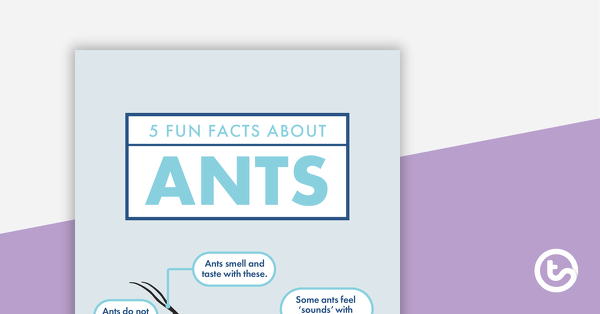
5 Fun Facts About Ants - Read and Respond Worksheet
A '5 fun facts ...' information sheet and worksheet.
- Plus Plan
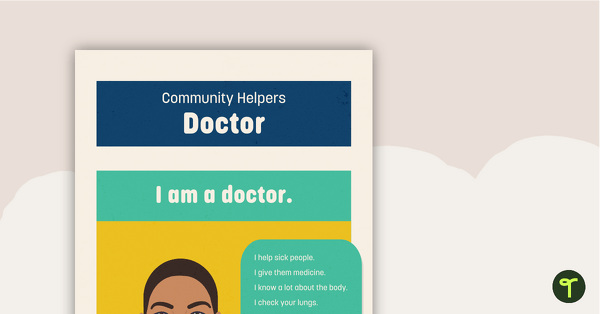
Community Helpers: Doctor – Comprehension Worksheet
A comprehension worksheet for an article from the Foundation magazine (Bonus Issue).
- Plus Plan
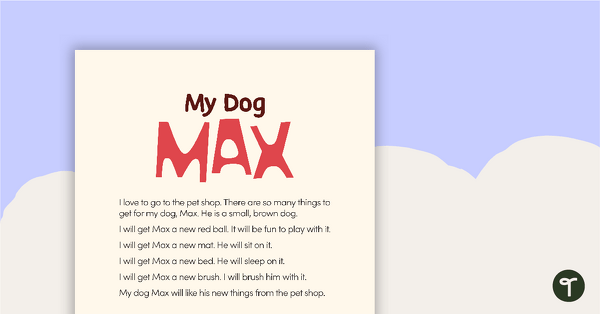
My Dog Max – Comprehension Worksheet
A comprehension worksheet for a narrative from the Foundation magazine (Issue 1).
- Plus Plan
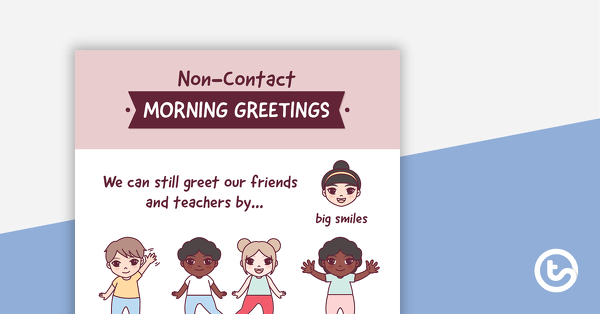
Non-Contact Morning Greetings Posters
Non-contact greetings that students can do with their teachers and peers.
- Plus Plan
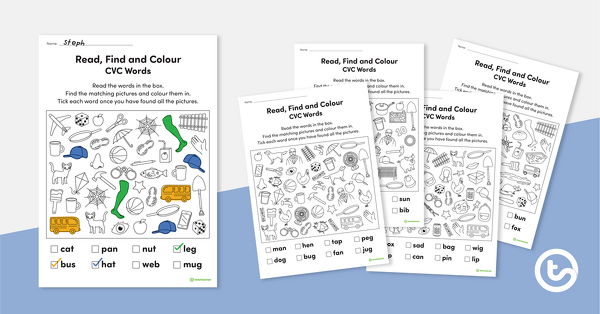
Read, Find and Colour – CVC Words
Consolidate your students' decoding skills with this set of search and find worksheets.
- Plus Plan
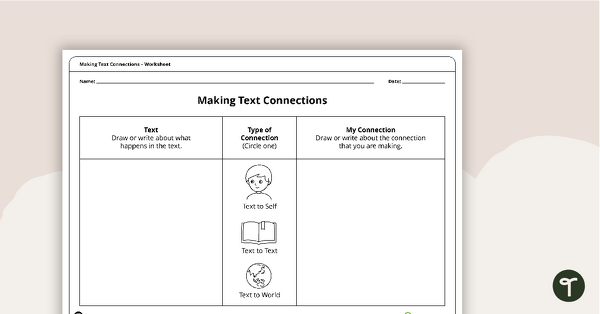
Making Text Connections Graphic Organiser (F–2)
A graphic organiser to use with students when making connections with a text.
- Plus Plan
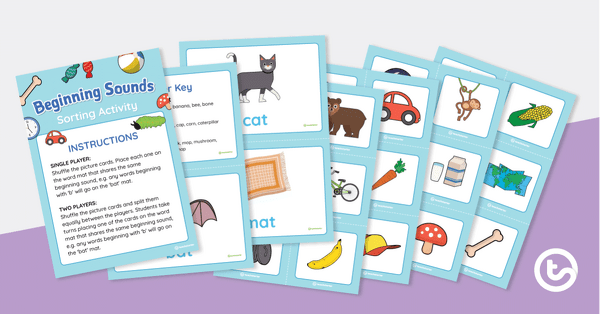
Beginning Sounds Sorting Activity
Practise identifying beginning sounds of words by sorting this set of 24 picture cards.
- Plus Plan
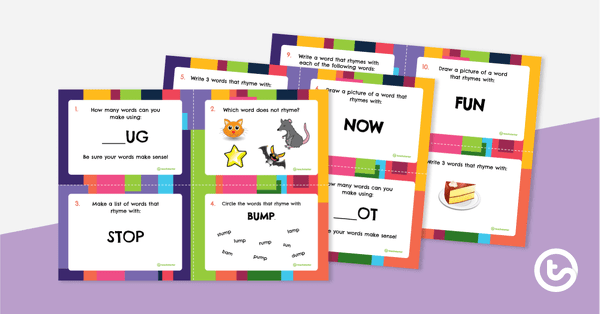
Rhyming Task Cards
A set of 12 task cards to practice rhyming.
- Free Plan
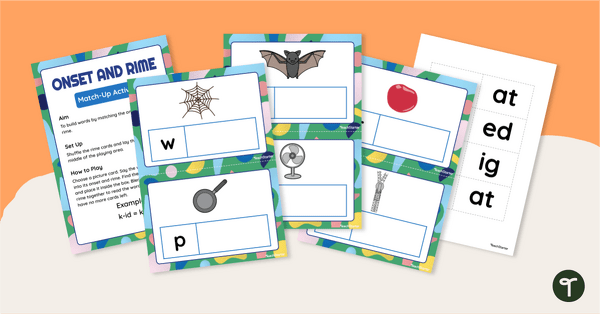
Onset and Rime Match-Up Activity
Practise building words by matching the onset and the rime using this match up activity.
- Plus Plan
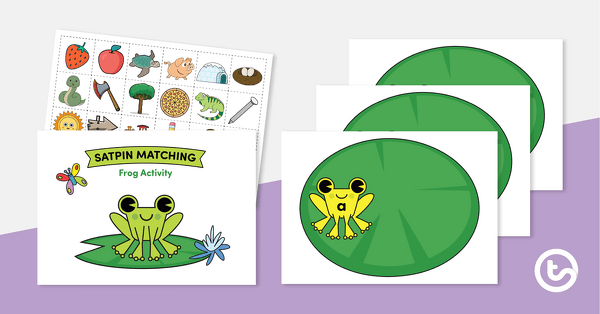
SATPIN Matching Activity - Frog and Lily Pads
A SATPIN matching activity using lilly pads.
- Plus Plan
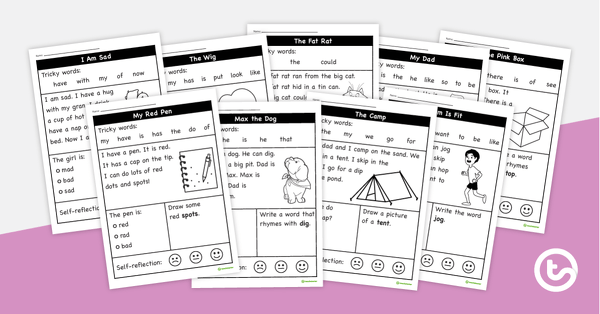
Decodable Text Worksheets – Single Graphemes (Set 2)
A set of 10 decodable text worksheets for early readers.
- Plus Plan
Where Is My Hat? – Worksheet
A comprehension worksheet for a comic from the Foundation magazine (Issue 1).
- Plus Plan
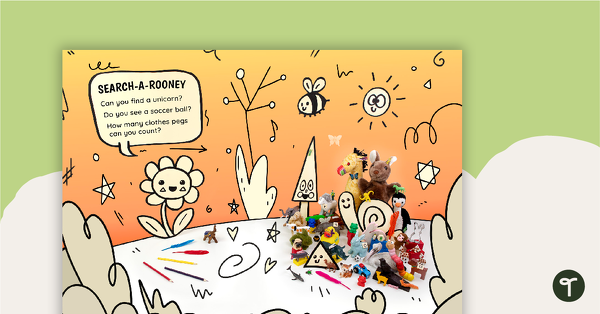
Search-a-Rooney 2 – Comprehension Worksheet
A comprehension worksheet for a image stimulus poster where students need to locate objects and characters.
- Plus Plan
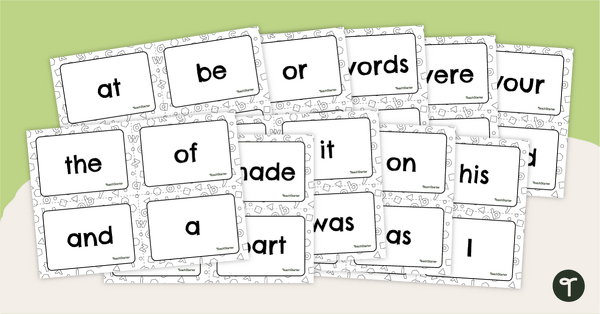
Fry Sight Words Flash Cards
A set of flash cards for the first 100 Fry Sight Words.
- Free Plan
Days of the Week – Worksheet
A comprehension worksheet for a magazine article from the Foundation magazine (Issue 3).
- Plus Plan
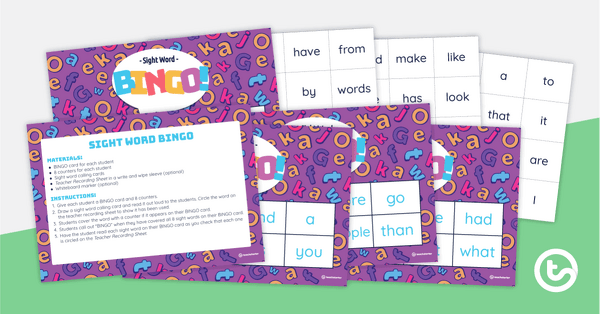
Sight Word BINGO (Fry Word List)
A set of 25 BINGO cards to practise reading the first 100 words on the Fry Sight Word List.
- Free Plan
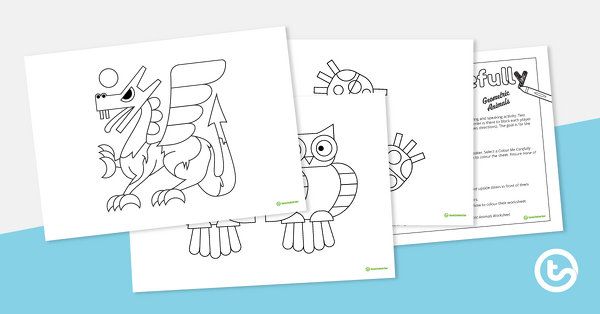
Colour Me Carefully – Geometric Animals – Worksheets
A set of four colouring pages to be used as speaking and listening activities.
- Plus Plan
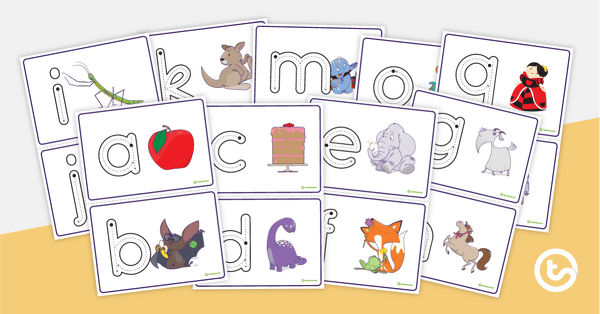
Lowercase Letter Formation Task Cards
Teach the basic formation of lowercase letters with this set of task cards.
- Plus Plan
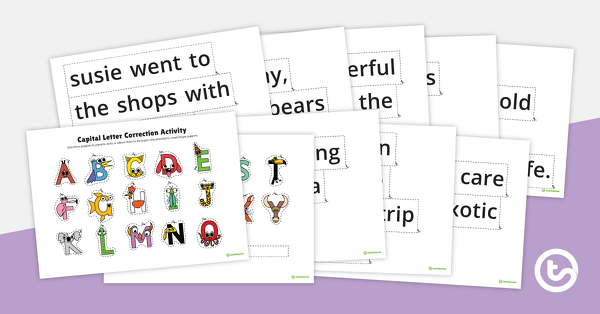
Capital Letter Correction Match-Up Activity
A cute activity where students edit sentences with capital letter puppets.
- Plus Plan
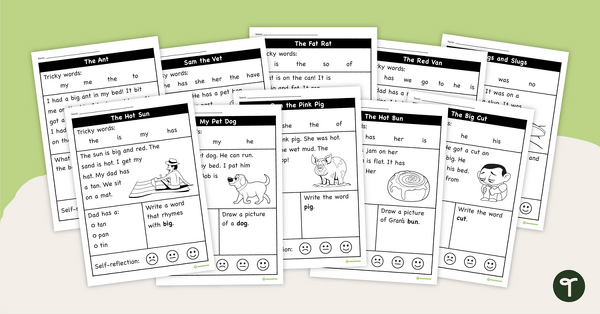
Decodable Text Worksheets - Single Graphemes (Set 1)
A set of 10 decodable text worksheets for early readers.
- Plus Plan
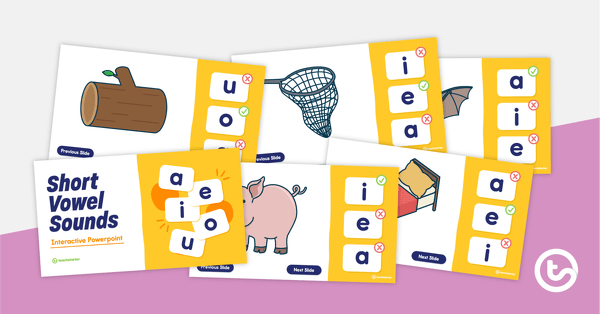
Identifying Short Vowel Sounds Interactive PowerPoint
An interactive quiz to practise identifying short vowel sounds in words.
- Free Plan
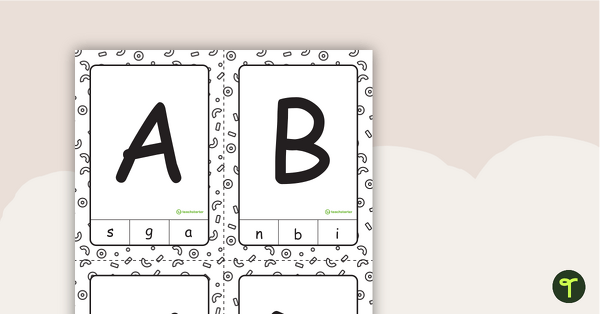
Upper and Lowercase Peg Cards
An upper and lowercase matching activity combined with a fine motor activity for the early years classroom.
- Free Plan
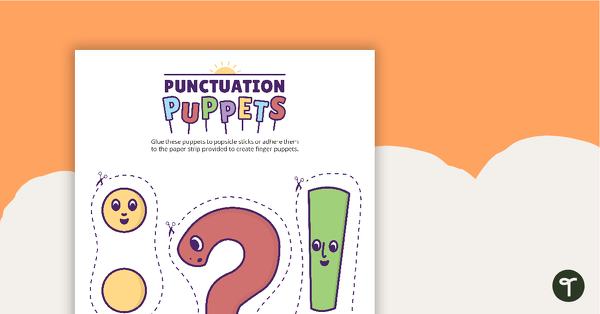
Punctuation Puppets
A range of different punctuation characters that can be cut out and used as puppets.
- Free Plan
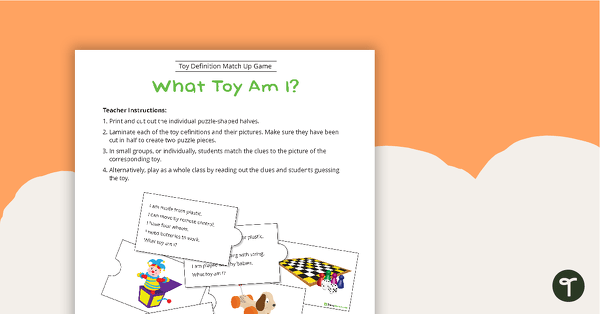
What Toy Am I? - Toy Definition Match Up Game
A set of 20 puzzle cards for students to match pictures of toys to their definition.
- Plus Plan
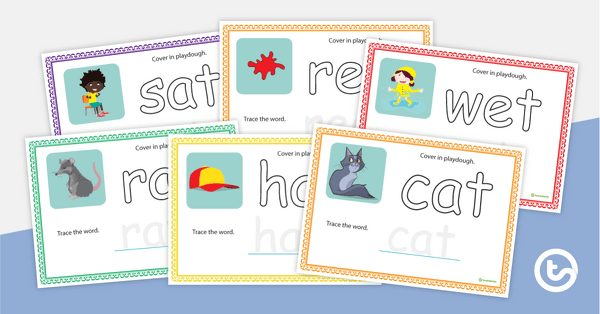
CVC Words – Playdough Mats
45 pages of three-letter consonant-vowel-consonant words for students to practise writing and forming in playdough.
- Free Plan
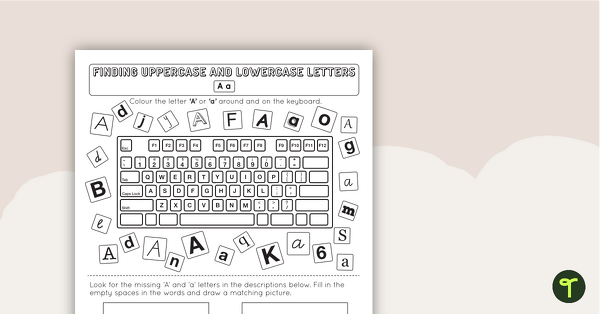
Recognising Uppercase and Lowercase Letters on a Keyboard Worksheet
A 26 page collection of worksheets (1 for each letter of the alphabet) to help students recognise uppercase and lowercase letters on a keyboard.
- Free Plan
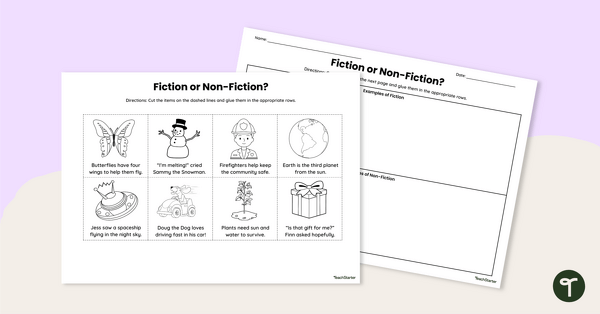
Fiction or Non-Fiction? Cut and Paste Worksheet
Use this fiction and non-fiction worksheet when teaching your students about the differences between fiction and non-fiction texts.
- Plus Plan
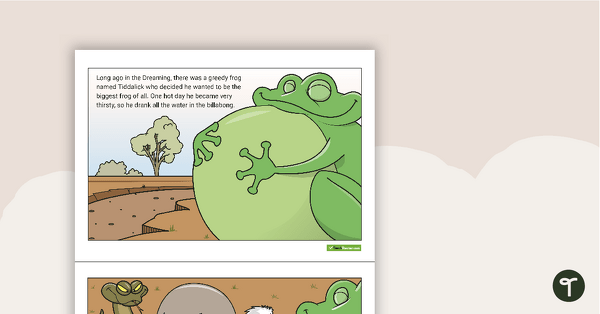
Tiddalick the Frog Dreaming Story Sequencing Activity Cards
Use these Tiddalick the Frog sequencing activity cards as a resource for teaching Australian Dreaming Stories.
- Free Plan
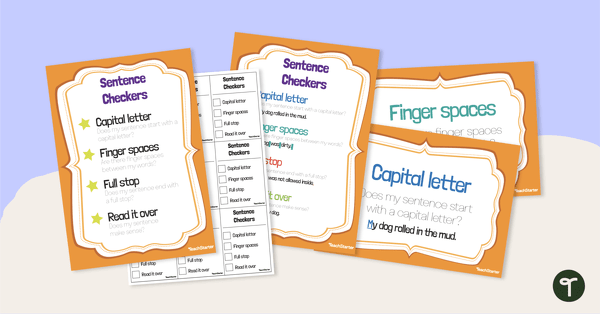
Sentence Checker Posters and Checklist
A set of educational posters outlining the key features to take note of when writing sentences.
- Plus Plan
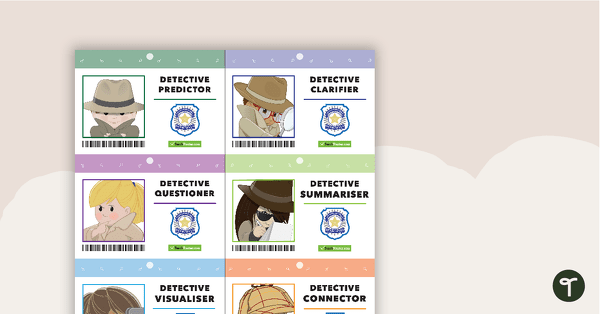
Reading Detectives Name Tags
8 colourful reading detective name tags to assign students during guided reading sessions.
- Plus Plan
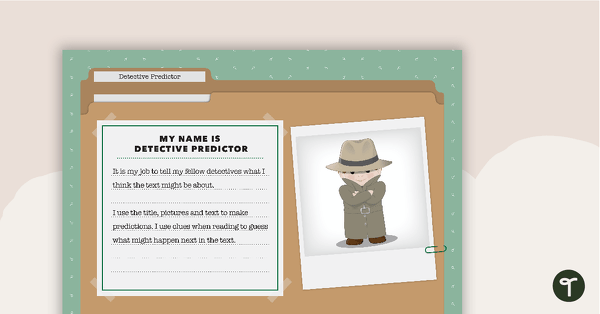
Reading Detectives Posters and Banner
8 colourful reading detective posters and a banner to display in the classroom.
- Plus Plan
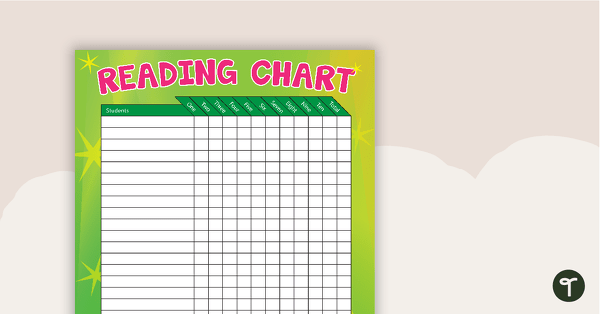
Student Reading Chart
A chart to record the number of books your students have read.