Energy Teaching Resources
Explore energy in your science classroom with engaging activities, printable worksheets and more teacher resources aligned with the NGSS curriculum.
This collection of teacher-created resources covers everything you need to introduce primary students to sound, light, heat, electricity and so much more! Save time on your lesson plans with easily editable resources and differentiated options that have been carefully reviewed by the science teachers on the Teach Starter team to ensure they're ready for your classroom and your students.
Is this your first year engaging kids on the topic of energy? Or maybe you are just looking for fresh ideas? Read on for a help from our teacher team!
What Is Energy? A Kid-Friendly Definition
Ever wish you had a script handy to introduce any topic to your class for the first time? We hear you! The Teach Starter site is packed with kid-friendly definitions made just for teachers! Here's one that we use to explain what energy means to our students:
Energy is the ability to do work or cause change. It's found all around us — even when we can't see it — making things happen!
For example, energy is what makes a lightbulb glow or creates the sound we hear when we play a musical instrument.
- Free Plan
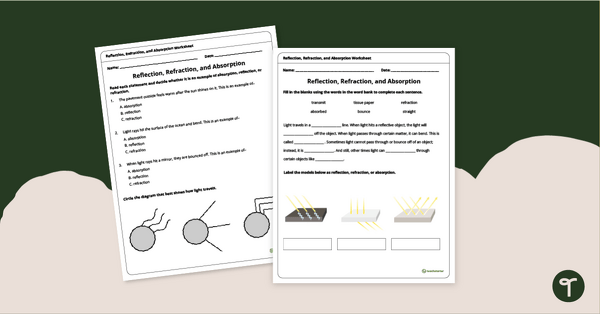
Reflection, Refraction, and Absorption Worksheet
Use a Reflection, Refraction, and Absorption worksheet to ensure students understand light energy.
- Plus Plan
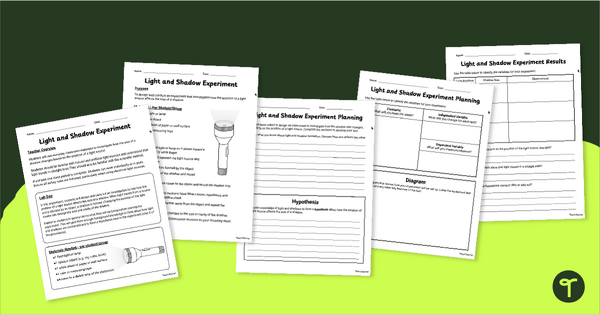
Light and Shadow Experiment Design Activity
Explore light and shadow while developing science inquiry skills with our Light and Shadow Experiment design activity pack.
- Plus Plan
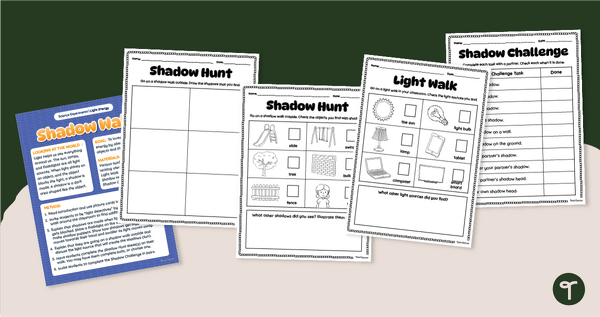
Shadow Walk Activity Pack (K-1)
Explore light and shadow while building science observation skills with a printable Shadow Walk Activity Pack.
- Free Plan
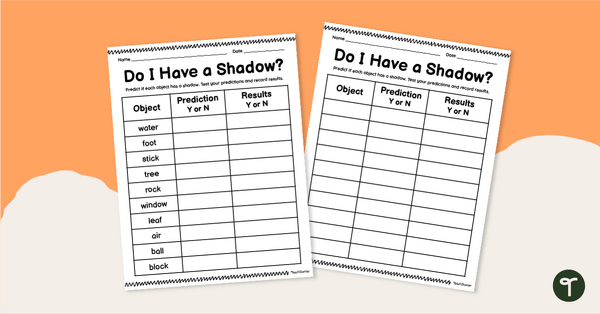
Do I Have a Shadow? Activity (K-1)
Explore light and shadow while practicing science inquiry skills with an engaging Predict and Observe Shadow Experiment for early learners.
- Plus Plan
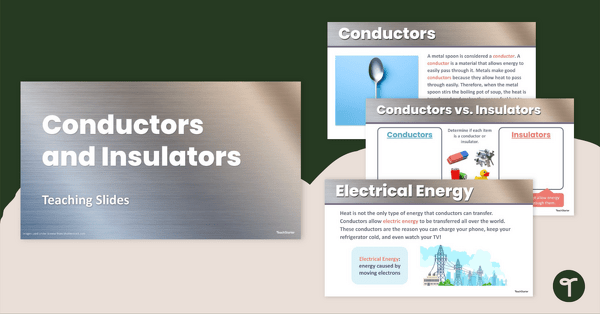
Conductors and Insulators Teaching Slides
Teach your students about insulators and conductors of thermal and electrical energy with this set of teaching slides.
- Free Plan
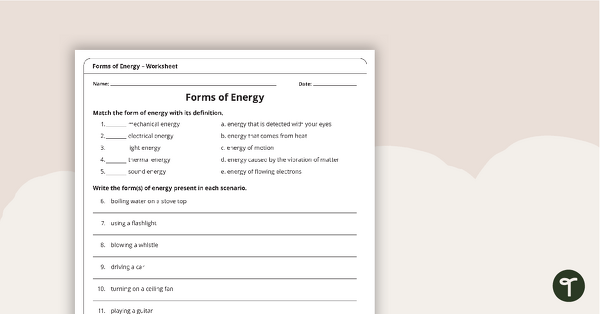
Forms of Energy Worksheet
A worksheet about the different forms of energy.
- Plus Plan
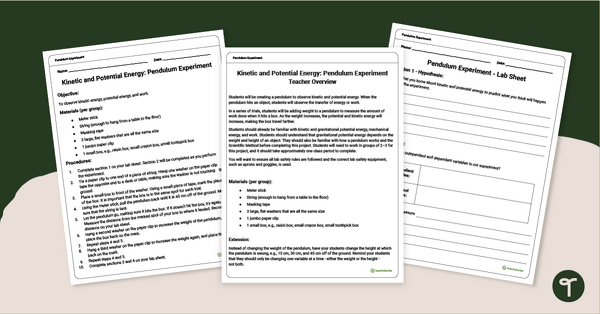
Kinetic and Potential Energy: Pendulum Experiment
A science experiment to use with your students when learning about kinetic and potential energy and work.
- Plus Plan
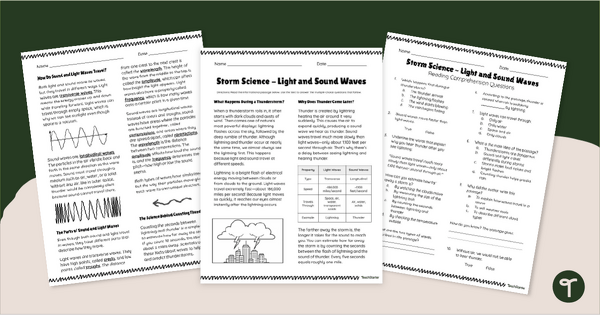
Light and Sound Waves - Reading Comprehension Worksheet
Explore the movement of light and sound waves in thunderstorms with a printable Light and Sound Wave Reading Comprehension Worksheet.
- Plus Plan
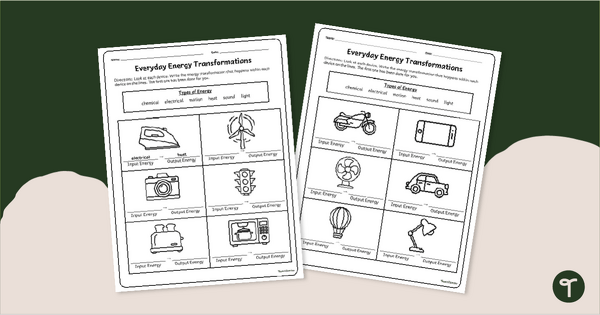
Everyday Energy Transformations Worksheet
Practice identifying energy transformations with our Everyday Energy Transformations Worksheet.
- Plus Plan

Exploring Sound Energy PowerPoint (2nd Grade)
Explore sound energy, how it is produced, and more with our Year 2 Exploring Sound Energy PowerPoint teaching presentation.
- Plus Plan
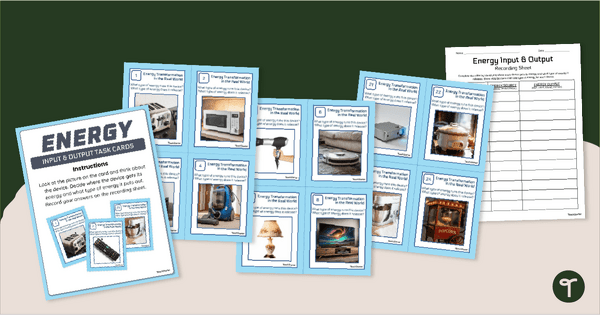
Real-World Energy Transformation Task Cards
Explore how energy is used and transformed in everyday devices with our printable Energy Transformation Task Cards.
- Plus Plan
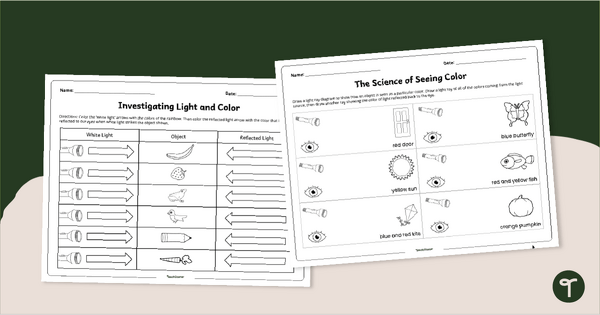
The Science of Seeing Color Worksheet Pack
Explore how the human eye perceives color with our Science of Seeing Color Worksheet Pack.
- Plus Plan
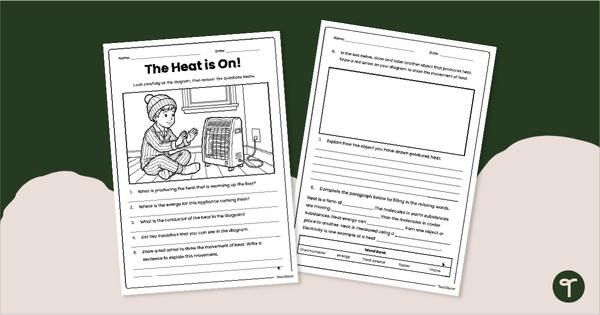
The Heat is On - Moving Heat Worksheet
Explore heat energy and how it moves with a printable Moving Heat Worksheet.
- Plus Plan
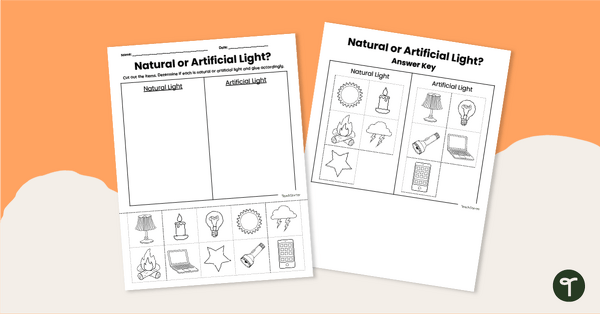
Natural and Artificial Light Worksheet - Cut and Paste
Sort examples of natural and artificial light with a printable Sources of Light Worksheet for Kindergarten.
- Free Plan
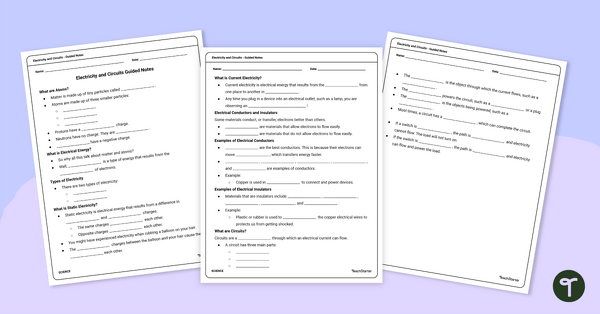
Electricity and Circuits Guided Notes
Use this set of guided notes when teaching your students about electricity and circuits.
- Plus Plan
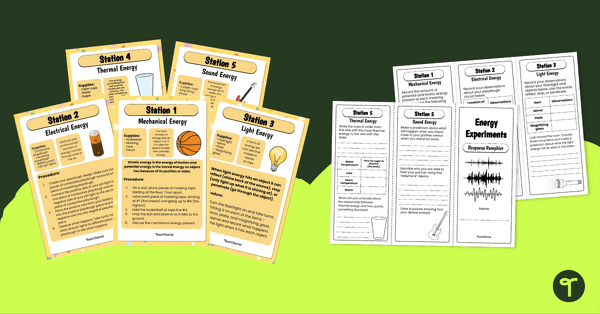
Forms of Energy – Science Experiments for Kids
Investigate mechanical, electrical, light, thermal, and sound energy with this set of science activities for kids.
- Free Plan
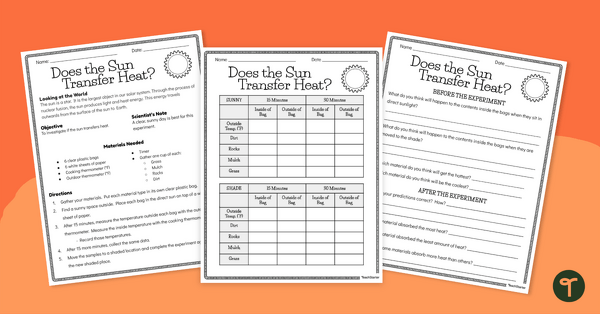
Does the Sun Transfer Heat? – Science Experiment
Discover how the sun transfers thermal energy and which objects absorb more heat with this science experiment for kids.
- Plus Plan
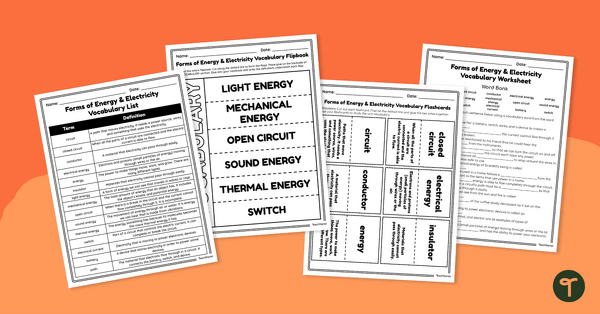
Forms of Energy & Electricity Vocabulary Worksheets
Review forms of energy and electricity terms with this science vocabulary worksheet pack.
- Free Plan
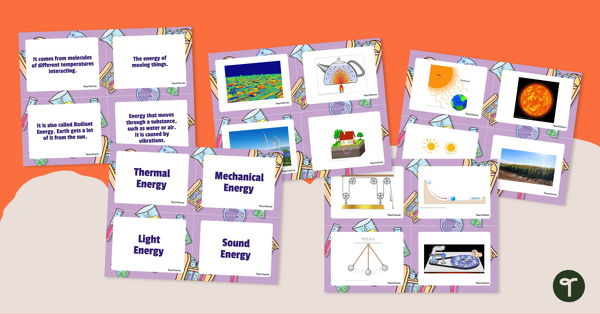
Forms of Energy Sorting Activity
Help students identify the different forms of energy with this set of 24 sorting cards.
- Plus Plan
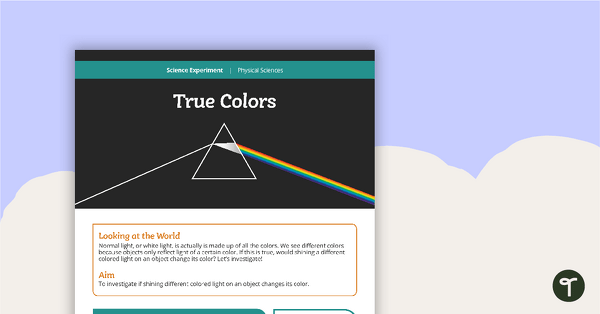
Science Experiment - True Colors
A science experiment that explores the perception of color.
- Free Plan
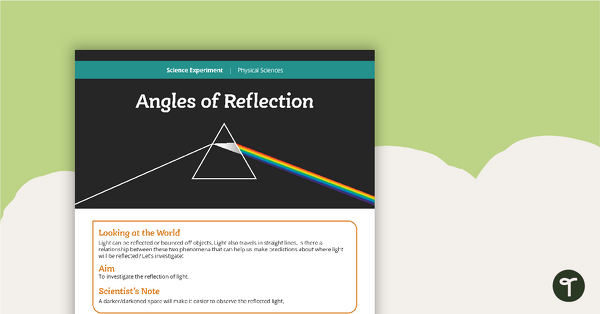
Science Experiment - Angles of Reflection
A science experiment that explores reflected light.
- Plus Plan
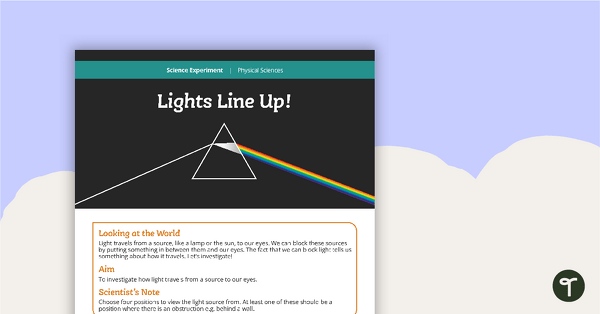
Science Experiment - Lights Line Up!
A science experiment which explores light.
- Plus Plan
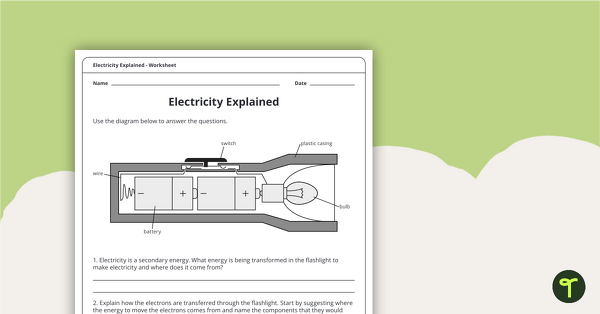
How Does a Flashlight Work? Energy Transfer Worksheet
Explore the inner workings of a flashlight and discover how energy flows through a circuit with a printable Energy Transfer Worksheet.
- Plus Plan
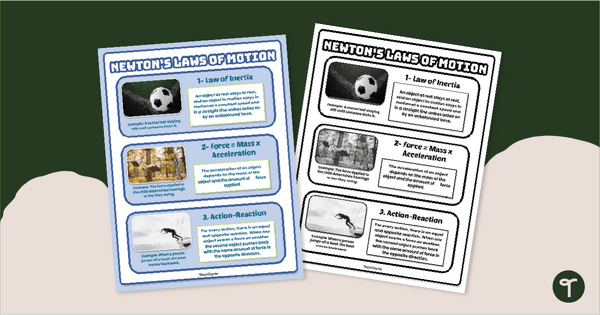
Newton's Laws of Motion Poster
Introduce the laws of motion and energy transfer with a printable Newton’s Laws of Motion Poster.
- Plus Plan
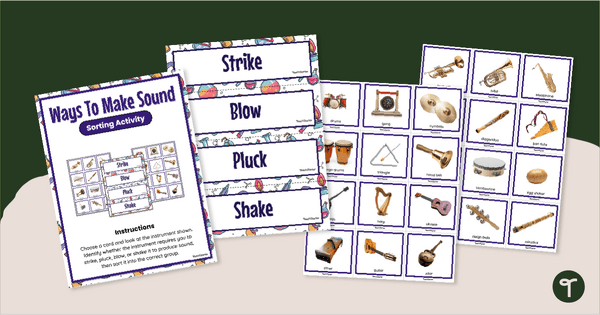
How Sound Is Made - Sorting Activity
Sort instruments that need to be plucked, blown, struck, or shaken to produce sound with our printable ‘How Sound Is Made’ Sorting Activity.
- Plus Plan
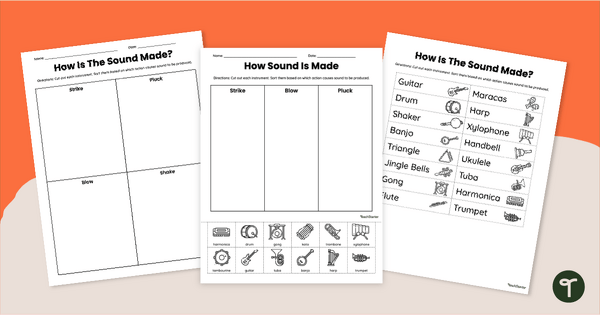
How Instruments Make Sound Worksheet Pack
Explore how musical instruments produce sound with this engaging cut-and-sort How Instruments Make Sound Worksheet Pack
- Plus Plan
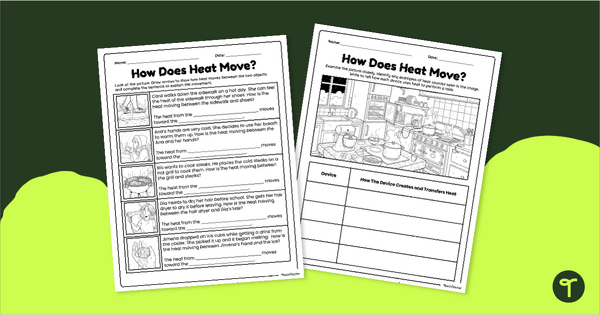
How Does Heat Move? Heat Transfer Worksheet
Explore heat transfer and sources of heat with our "How Does Heat Move?" Heat Transfer Worksheet.
- Plus Plan
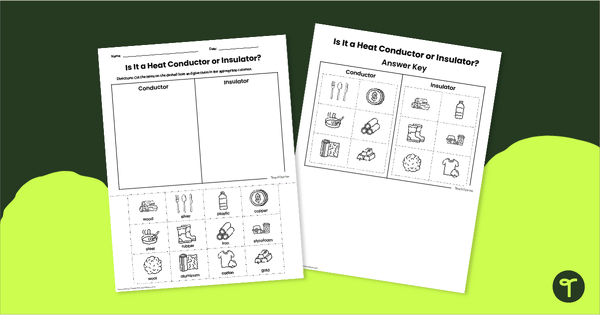
Thermal Conductor or Insulator? Worksheet
With this hands-on Thermal Conductor or Insulator Worksheet, students will cut and sort conductors and insulators.
- Plus Plan
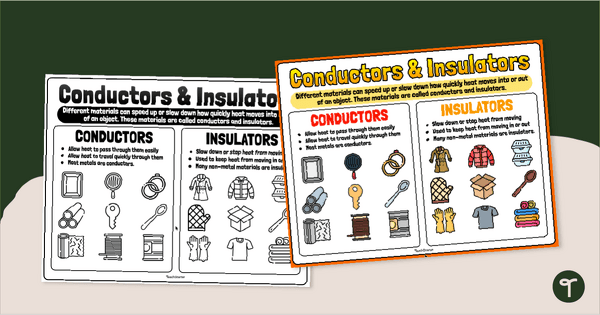
Thermal Conductors and Insulators Poster
Help students clearly understand how heat transfer is improved and prevented with a Thermal Conductors and Insulators Poster.
- Plus Plan
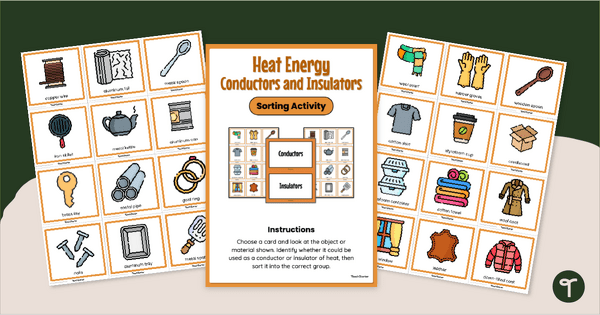
Sorting Heat Conductors and Insulators Activity
Explore and identify examples of thermal energy conductors and insulators with a printable Heat Conductors and Insulators Activity.
- Plus Plan
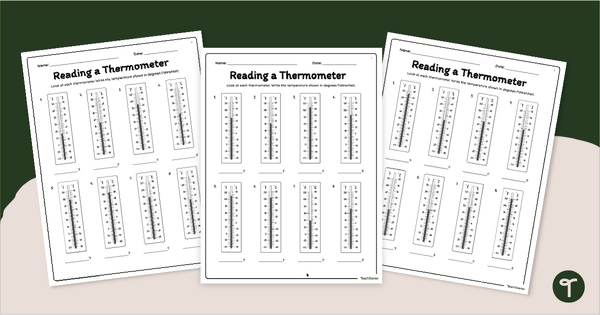
Reading a Thermometer Worksheets
Practice reading the temperature with a set of printable Reading a Thermometer Worksheets.
- Plus Plan
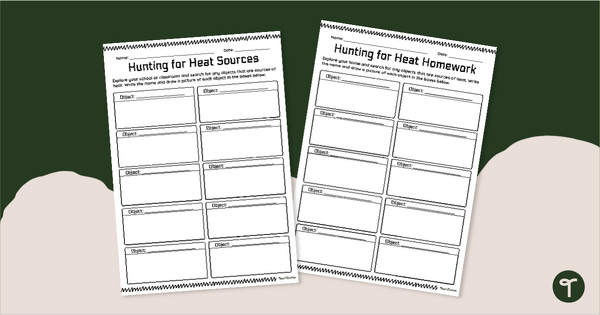
Hunting for Heat Sources Activity
Identify heat sources in the world around you with a printable Hunting for Heat Sources activity sheet.