Year 1
The English curriculum is built around the three interrelated strands of language, literature and literacy. Teaching and learning programs should balance and integrate all three strands. Together, the strands focus on developing students' knowledge, understanding and skills in listening, reading, viewing, speaking, writing and creating. Learning in English builds on concepts, skills and processes developed in earlier years, and teachers will revisit and strengthen these as needed.
In Year 1, students communicate with peers, teachers, known adults and students from other classes.
Students engage with a variety of texts for enjoyment. They listen to, read, view and interpret spoken, written and multimodal texts designed to entertain and inform. These encompass traditional oral texts including Aboriginal stories, picture books, various types of stories, rhyming verse, poetry, non-fiction, film, dramatic performances and texts used by students as models for constructing their own texts.
The range of literary texts for Foundation to Year 10 comprises Australian literature, including the oral narrative traditions of Aboriginal and Torres Strait Islander Peoples, as well as the contemporary literature of these two cultural groups, and classic and contemporary world literature, including texts from and about Asia. Literary texts that support and extend Year 1 students as independent readers involve straightforward sequences of events and everyday happenings with recognisably realistic or imaginary characters. Informative texts present a small amount of new content about familiar topics of interest and topics being studied in other areas of the curriculum. These include decodable and predictable texts which present a small range of language features, including simple and compound sentences, some unfamiliar vocabulary, a small number of high-frequency words and words that need to be decoded phonically, as well as illustrations and diagrams that support the printed text.
Students create a variety of imaginative, informative and persuasive texts including recounts, procedures, performances, literary retellings and poetry.
(source: www.australiancurriculum.edu.au)
Achievement Standard
Receptive modes (listening, reading and viewing)
By the end of Year 1, students understand the different purposes of texts. They make connections to personal experience when explaining characters and main events in short texts. They identify that texts serve different purposes and that this affects how they are organised. They describe characters, settings and events in different types of literature.
Students read aloud, with developing fluency. They read short texts with some unfamiliar vocabulary, simple and compound sentences and supportive images. When reading, they use knowledge of the relationship between sounds and letters, high-frequency words, sentence boundary punctuation and directionality to make meaning. They recall key ideas and recognise literal and implied meaning in texts. They listen to others when taking part in conversations, using appropriate language features and interaction skills.
Productive modes (speaking, writing and creating)
Students understand how characters in texts are developed and give reasons for personal preferences. They create texts that show understanding of the connection between writing, speech and images.
They create short texts for a small range of purposes. They interact in pair, group and class discussions, taking turns when responding. They make short presentations on familiar topics. When writing, students provide details about ideas or events, and details about the participants in those events. They accurately spell high-frequency words and words with regular spelling patterns. They use capital letters and full stops and form all upper- and lower-case letters correctly.
(source: www.australiancurriculum.edu.au)
- Plus Plan
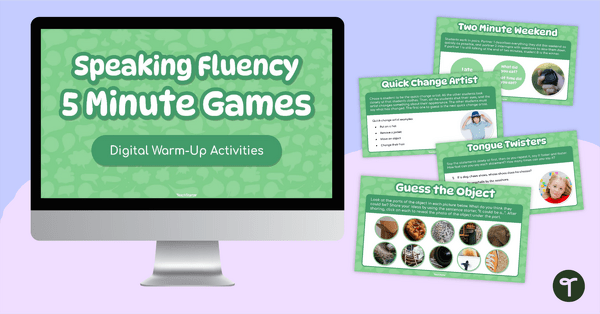
5 Minute Speaking Fluency Activities Warm Up
Improve your students' communication skills with these 5 minute speaking fluency activities.
- Free Plan
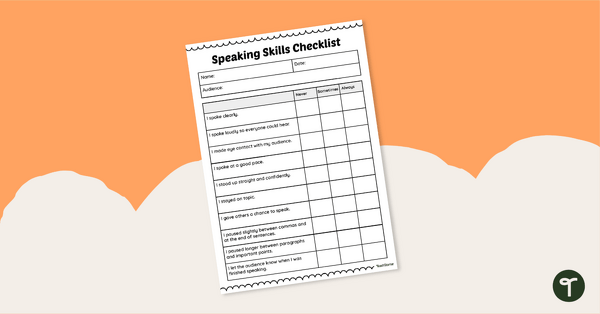
Speaking Skills Assessment Checklist
Help students take ownership of their communication skills with this speaking skills checklist.
- Free Plan
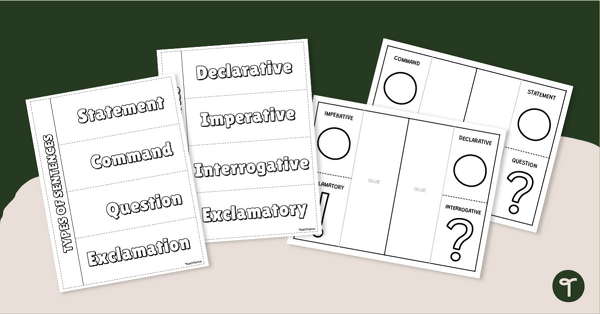
4 Types of Sentences Flipbook
Create a helpful types of sentences flipbook with our Differentiated 4 Kinds of Sentences foldable graphic organisers.
- Plus Plan
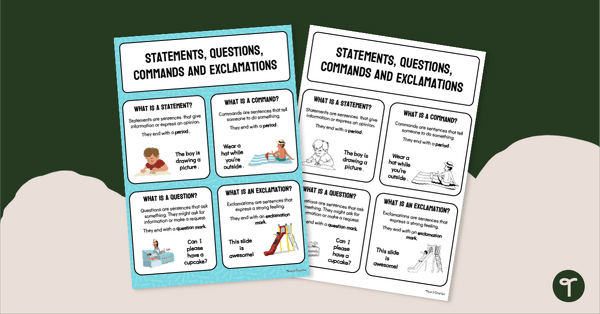
Statement, Question, Command, Exclamation – Poster
Discover the features of statement, question, command, and exclamation sentences with a printable Types of Sentences poster.
- Plus Plan
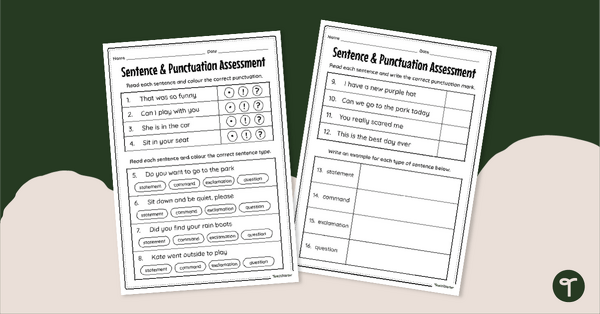
Sentence Types Quiz (Year 1)
Assess your students ability to identify types of sentences and their matching punctuation with a printable Sentence Types Quiz for Year 1.
- Plus Plan
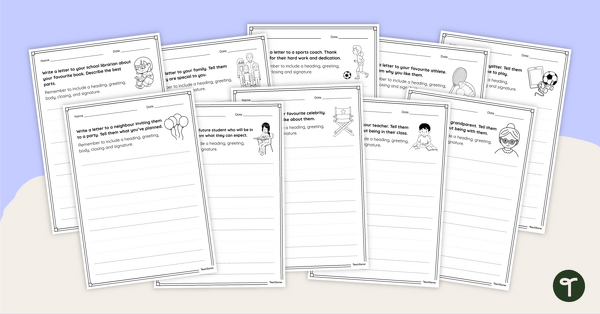
Letter Writing Prompts Worksheets
Encourage young writers with these letter writing prompts, designed to help students master letter structure while engaging with fun, relatable topics.
- Plus Plan
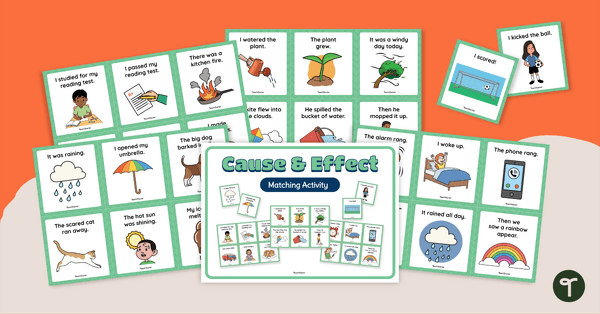
Cause and Effect Matching Cards
Build comprehension skills with your students using this cause and effect matching activity.
- Plus Plan
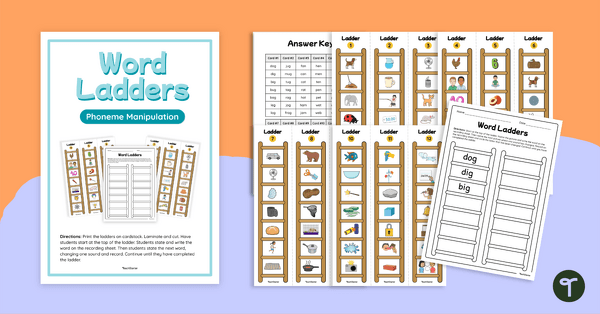
Sound Manipulation Word Ladder Activity
Develop your students' phonological awareness with this phoneme substitution word ladder activity.
- Plus Plan
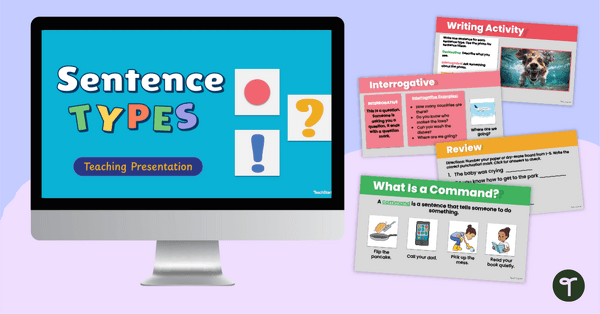
Statement, Question, Command & Exclamation Sentences PowerPoint
Introduce statement, command, question, and exclamation sentences with an interactive teaching slide deck.
- Free Plan
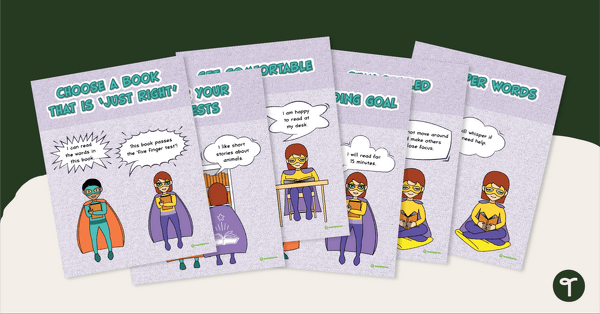
Super Stamina Reading Posters
Highlight strategies students can use to read for longer periods of time with this printable poster set for a school library or classroom.
- Plus Plan
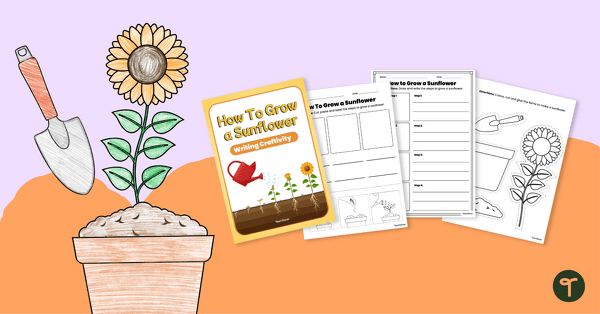
How to Grow A Sunflower – Procedural Writing Craftivity
Use this printable sunflower craft template to teach your students all they need to know about procedural writing!
- Plus Plan
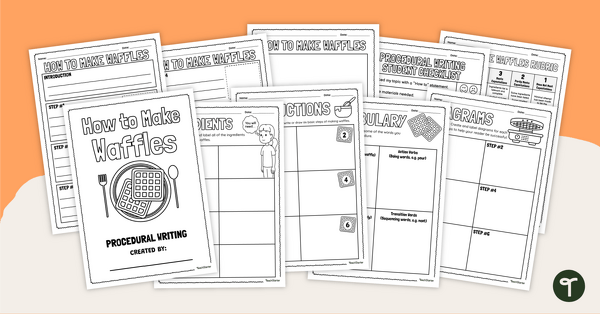
How to Make Waffles – Procedural Writing Project
Get your students writing high-quality procedure texts with this fun “How to Make Waffles” procedural writing project.
- Plus Plan
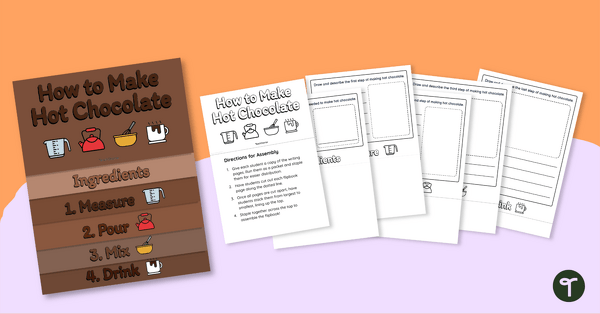
How to Make Hot Chocolate Flipbook
Use this “How to Make Hot Chocolate” procedural writing activity to help familiarise your students with the structural elements of procedure texts.
- Plus Plan
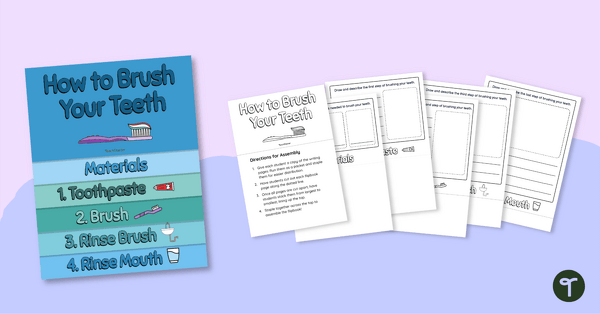
How to Brush Your Teeth Flipbook
Use this “How to Brush Your Teeth” procedural writing activity to help familiarise your students with the structural elements of procedure texts.
- Plus Plan
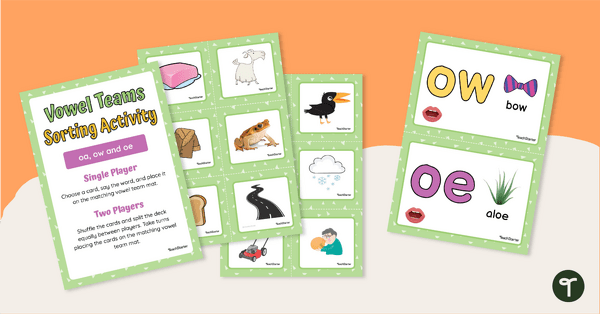
Vowel Teams Sorting Activity (OA, OW and OE)
Decode words with the OA, OW and OE vowel teams using 18 picture cards with sorting mats.
- Free Plan
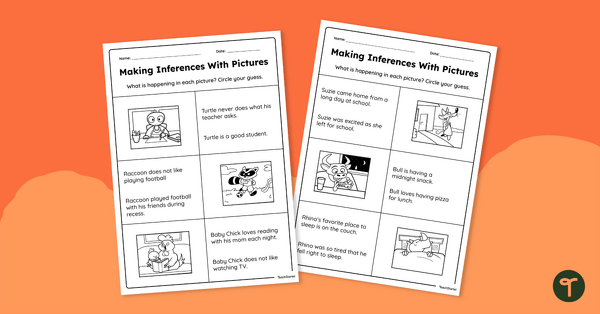
Making Inferences With Pictures Worksheet
Guide your students to use pictures to make inferences with this reading worksheet.
- Plus Plan
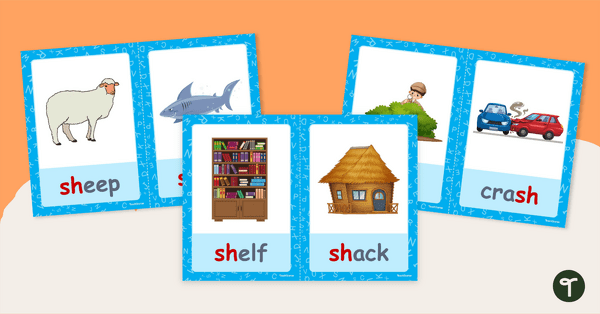
Sh Digraph Words With Images
Learn words that contain the 'sh' digraph with these word and picture flashcards.
- Plus Plan
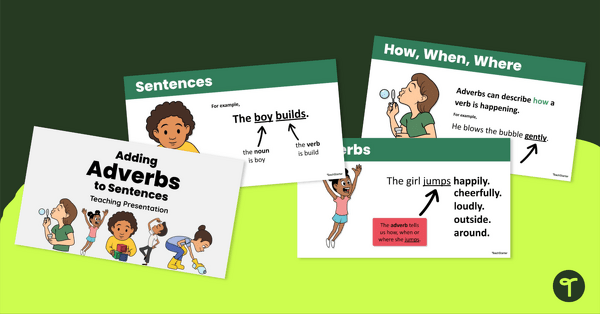
Adding Adverbs to Sentences Teaching Presentation
Enjoy this fun drama game with your students as you teach them that adverbs describe how, when or where a verb is happening!
- Plus Plan
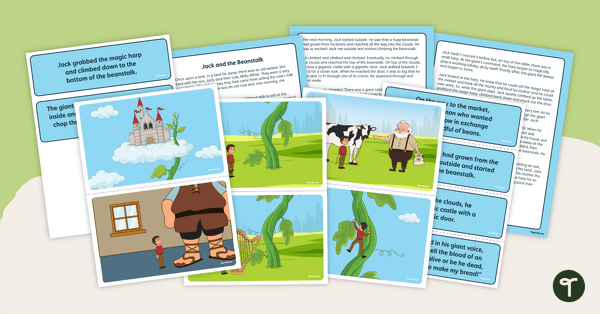
Jack and the Beanstalk Retelling Activity Cards
Teach your students about retelling with this set of sequencing cards for Jack and the Beanstalk.
- Plus Plan
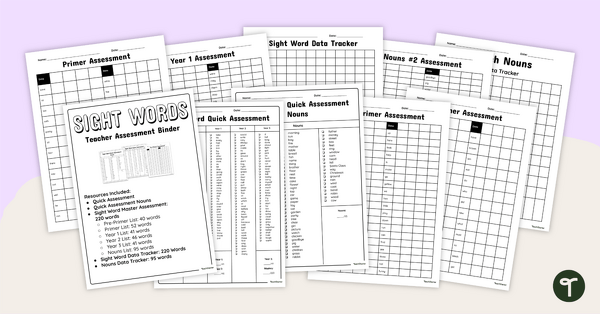
Literacy Teaching Toolkit - Sight Word Assessments
Track Dolch sight word mastery with this set of printable assessments and data sheets to add to your literacy teaching toolkit.
- Plus Plan
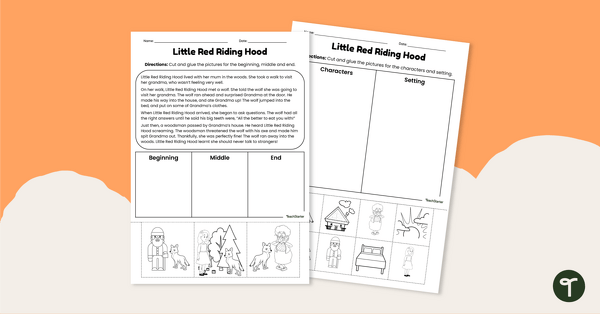
Story Elements Cut and Paste Worksheets – Little Red Riding Hood
Explore story characters, settings and main events with this set of cut-and-paste worksheets based on a well-known fairy tale.
- Free Plan
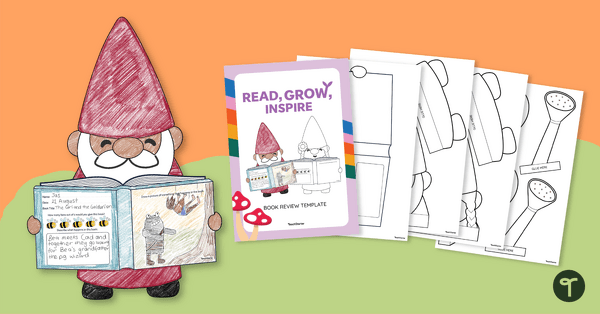
Book Review Templates – Garden Theme
Create a display of student book reviews using this garden-themed book report template.
- Plus Plan
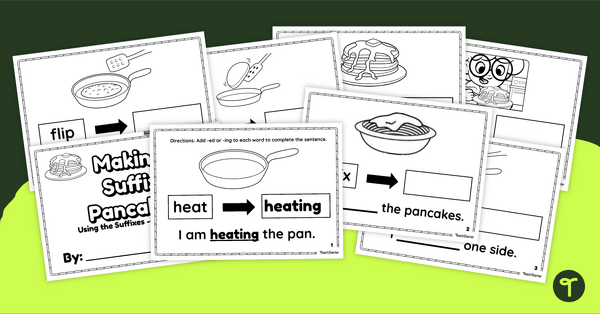
Suffixes Mini Book
Learn to make pancakes and use the suffixes -ed and -ing with a printable mini-book.
- Plus Plan
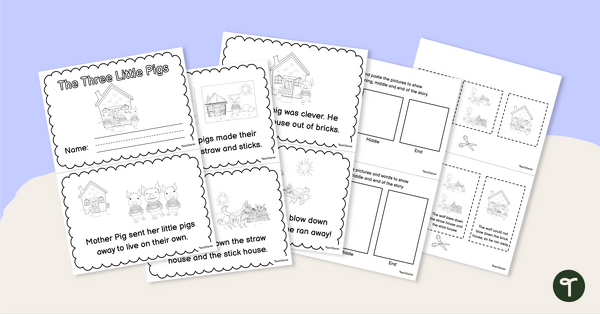
Beginning, Middle and End Mini-Book - The Three Little Pigs
Teach your students about the beginning, middle and end of a story with this mini-book retell of The Three Little Pigs.
- Plus Plan
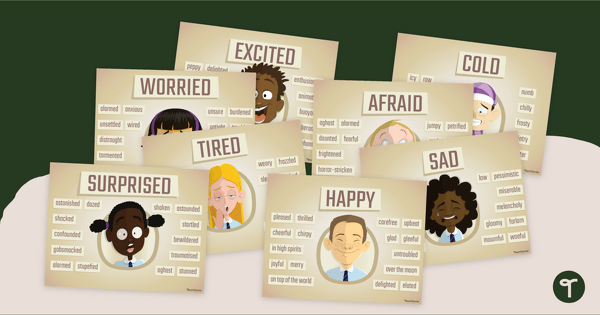
Synonym Poster Pack - Emotions Chart Display
Blend social-emotional learning and vocabulary building activities with a set of 15 emotional synonyms anchor charts.
- Plus Plan
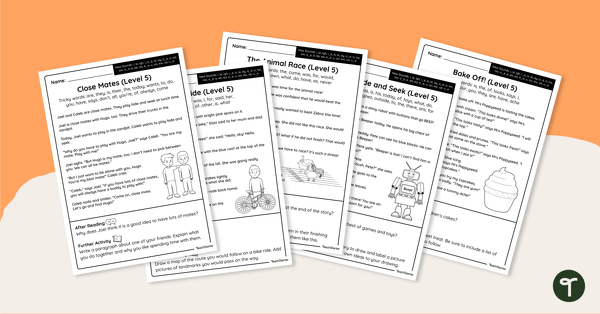
Level 5 Decodable Readers - Worksheet Pack
A set of one-pager worksheet versions of the texts from our Level 5 decodable readers.
- Plus Plan
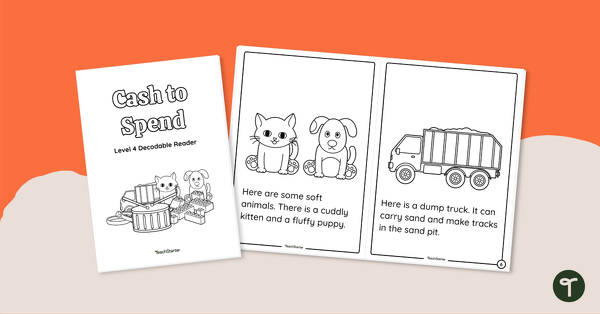
Cash to Spend - Decodable Reader (Level 4)
Develop confident, successful readers with this phonics-based, printable decodable book.
- Plus Plan
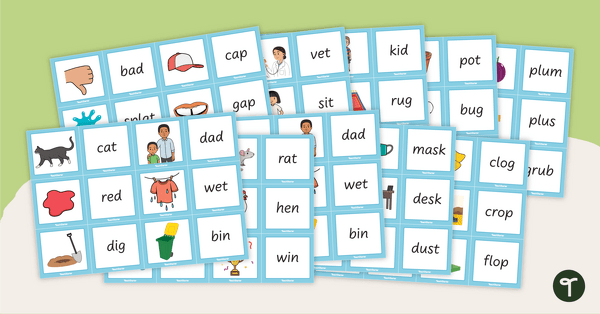
CVC/CCVC/CVCC Word Flashcards
A comprehensive set of flashcards for CVC, CCVC, and CVCC words.
- Plus Plan
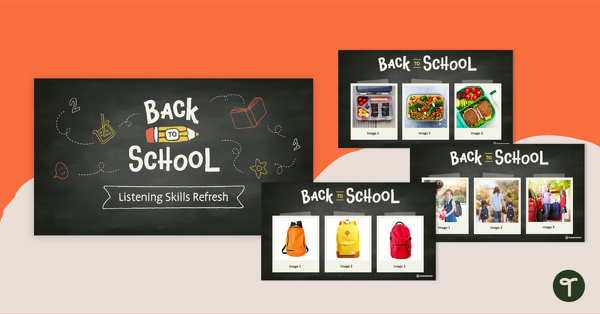
Back to School – Listening Skills Refresh PowerPoint
Refresh student listening skills with a Back to School Listening Skill activity and and script.
- Free Plan
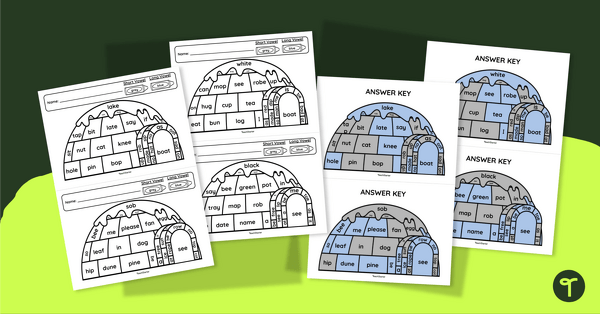
Colour By Vowel Sound - Winter Worksheet
Use a chilly colour by vowel sound worksheet to bring a bit of Winter into the classroom this season.
- Plus Plan
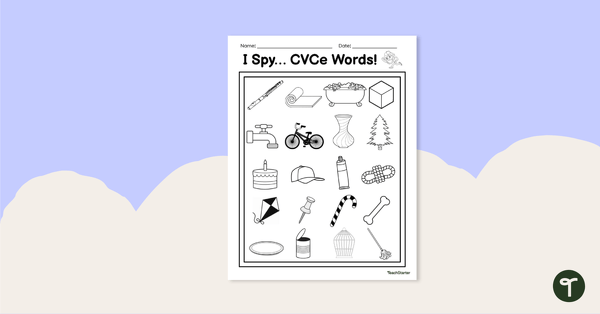
I Spy CVCe Words - Worksheet
Identify words that contain the magic e with this printable black and white worksheet.
- Plus Plan
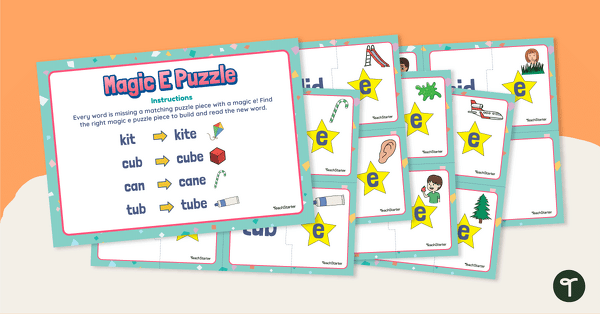
Magic E Words - Match-Up Activity
Explore words containing long vowel sounds created by the magic e.