Animals Teaching Resources
Explore animal life in your science classroom with printable worksheets, classroom posters, and more teaching resources all about the different types of animals, their life cycles, characteristics and more!
This teacher-created collection includes a series of animal-focused teacher resources covering reptiles, birds, fish, mammals, and amphibians plus resources that classify a selection of vertebrates and invertebrates!
This comprehensive collection of teaching resources includes editable curriculum-aligned lessons on wildlife, endangered species and more — all ready to be printed and used in the classroom!
New to teaching this section of the science curriculum or looking for some fresh ideas? Read on for some tips on teaching about animal classification from our teacher team!
What Is Animal Classification? A Kid-Friendly Definition
In science class (and in professional study) animals are classified into groups based on physical and genetic characteristics. Scientists use a classification system called the Linnaean system to group different animals into progressively more specific categories, starting with the largest (and most inclusive group) and ending with the smallest and most specific group.
The categories are:
- Kingdom
- Phylum
- Class
- Order
- Family
- Genus
- Species
Helping students to remember these categories of biological animal classification, you might want to use a mnemonic such as:
- King Philip came over from Germany swimming.
- King Philip came over for good spaghetti.
- King Philip came over for good soup.
Sometimes the word "domain" is added to the top of the animal classification list, and in those cases you can add the word "dear" to your mnemonic sentences to help your students recall them all.
In the Linnaean system, every animal in nature is assigned a unique scientific name. The name includes their genus and species and it's used globally to refer to that animal — so, for example, a dog is a dog, but it's also a "canis lupus familiarise" according to its scientific name.
The animal classification system is used all around the world to help scientists understand the relationships between different animals and how they evolved over time.
Teaching About Animal Classification in Elementary School
How in-depth should your lesson planning be for animal classification? In the elementary grades, learning classifications of animals sets the stage for understanding how important this system is when scientists are studying animals in the natural world.
Consider this: In elementary school, students typically learn about the basic categories of animal classification, such as mammals, birds, fish, reptiles, and amphibians.
Your animal classification lessons can extend into learning about specific examples of animals within each category, such as lions and elephants for mammals, and eagles and penguins for birds.
By the time they head off to high school, students should already know the characteristics that define each group — such as the presence of fur or feathers (in birds) or most mammals' ability to give birth to live young. Students should also know about the classification of animals within each group, such as the different types of mammals or birds.
Ready to get started? Explore the resources in this collection!
- Plus Plan
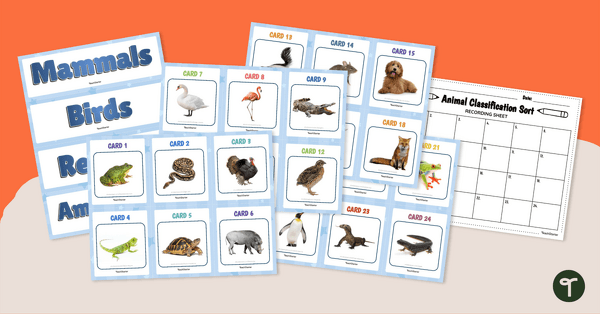
Animal Classification Sort
Determine if an animal is an amphibian, reptile, mammal, or bird with this sorting activity.
- Free Plan
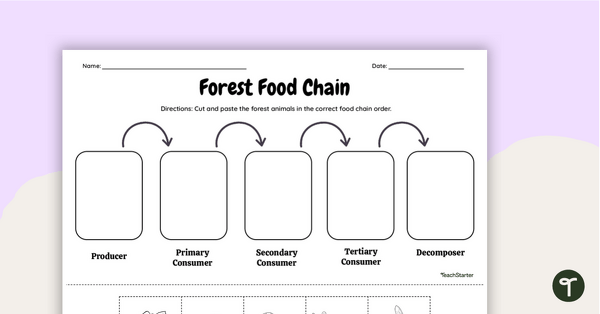
Forest Food Chain – Cut and Paste Worksheet
Create a forest food chain to show how energy flows between organisms with this cut-and-paste worksheet.
- Free Plan
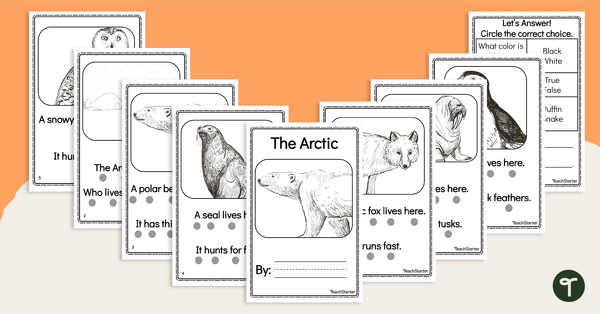
In the Arctic - Free Decodable Book
Engage your students and inspire them to read and learn about life in the Arctic with a printable book for 2nd grade.
- Plus Plan
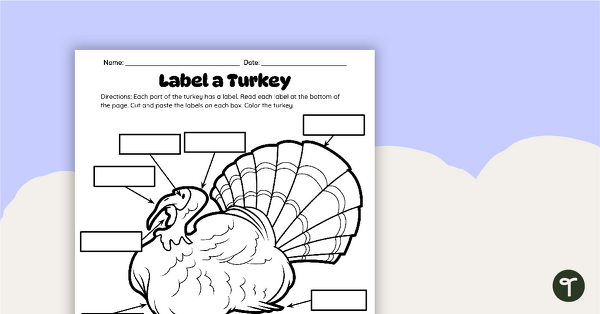
Label a Turkey Worksheet
Bring Tom Turkey and animal studies into your Thanksgiving lesson plans with a turkey labeling worksheet.
- Plus Plan
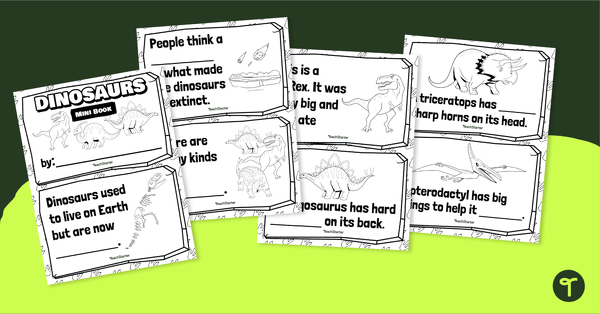
Printable Book - Dinosaurs
Learn about dinosaurs with a printable book for preschoolers, kindergartners, and first-graders.
- Plus Plan
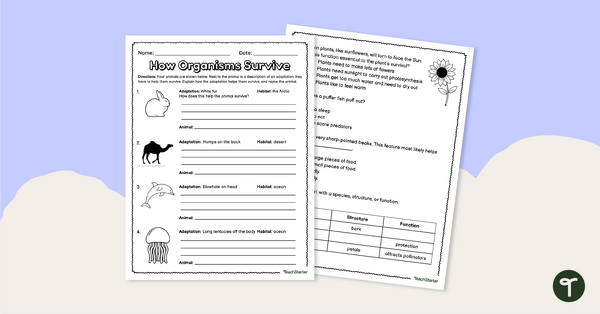
How Organisms Survive – Worksheet
Use this worksheet to identify and describe different animal and plant adaptations which help them survive in their environment.
- Free Plan
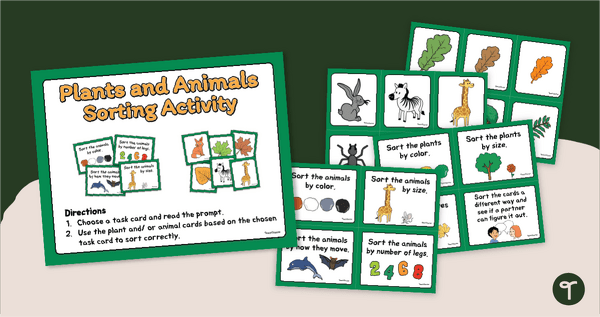
Grouping Plants and Animals – Sorting Activity (K-1)
Sort plants and animals using different characteristics with a set of task cards and picture cards.
- Plus Plan
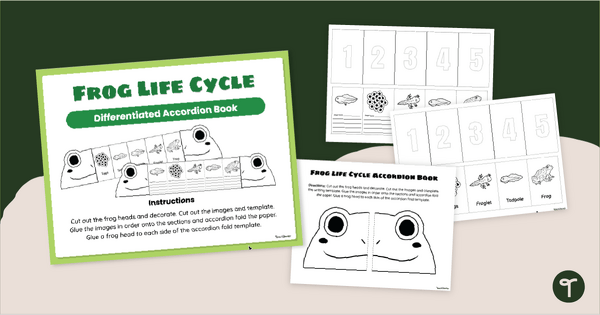
Frog Life Cycle Foldable Template
Sequence the stages in a frog's life cycle with a differentiated Frog Life Cycle Foldable Template.
- Plus Plan
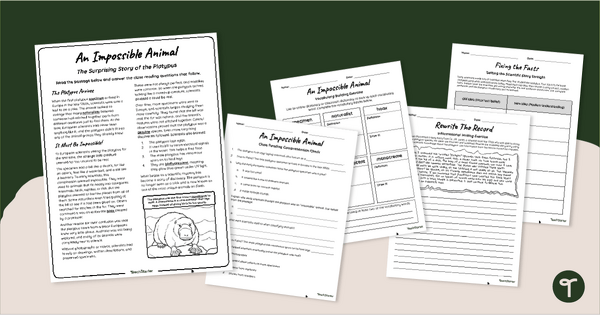
‘An Impossible Animal’ Platypus Reading Comprehension Worksheet
Explore how scientific study and collaboration allowed for understanding more about an animal species using our ‘An Impossible Animal’ Platypus Reading Comprehension Worksheets.
- Free Plan
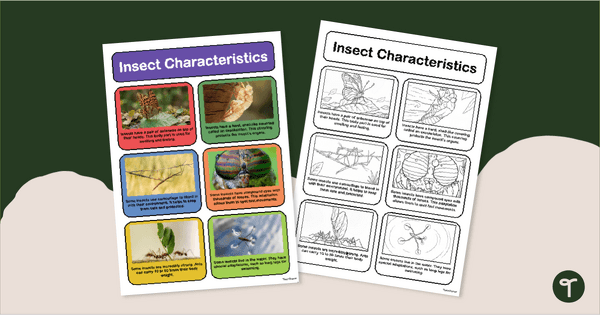
Facts About Insects Poster
Display this poster showcasing interesting insect facts and characteristics in your classroom.
- Plus Plan
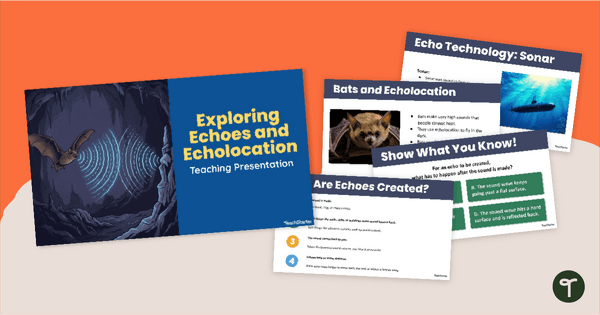
Echoes and Echolocation PowerPoint
Explore sound energy and how it is used with an engaging interactive Echoes and Echolocation PowerPoint Presentation.
- Plus Plan
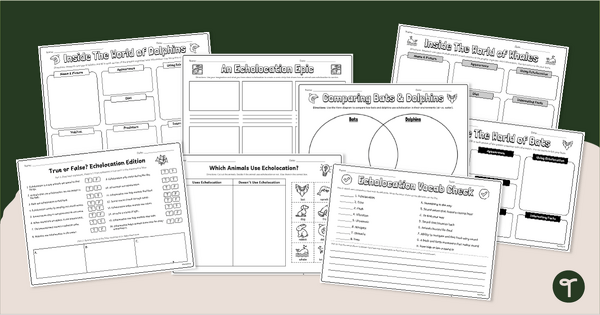
Echolocation Activity Sheets
Explore the benefits of sound on animal survival with a set of printable Echolocation Activity Sheets.
- Plus Plan
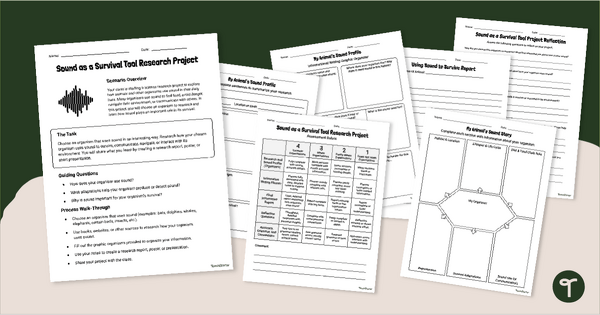
Animals Surviving With Sound Research Project
Assign an Animal Sound Research Project to encourage your students to explore how animals use sound to survive in the wild.
- Plus Plan
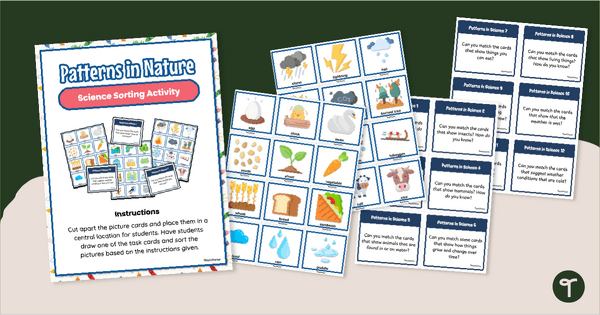
Patterns in Nature - Science Sorting Activity
Explore and observe patterns in nature with a printable Patterns In Nature Sorting Activity.
- Plus Plan
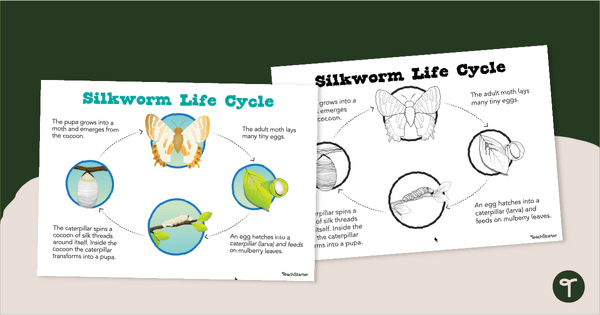
Silkworm Moth Life Cycle Poster
Display the stages in a silkworm moth's life with a printable Silkworm Moth Life Cycle Diagram Poster Pack.
- Plus Plan
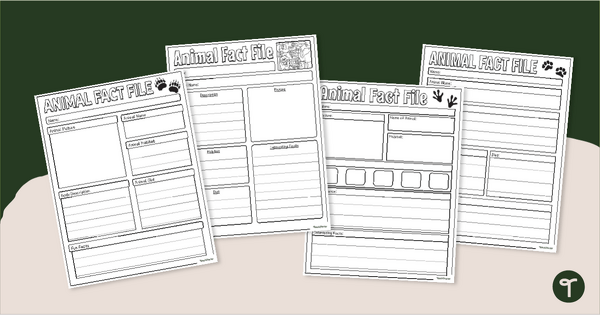
Animal Fact File Template Pack
Use an Animal Fact File Template to introduce your students to the informational researching and writing process.
- Plus Plan
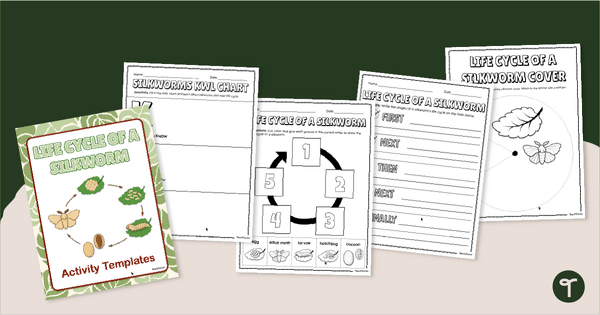
Silkworm Life Cycle Worksheet Pack
Explore the stages in a silkworm's life with a printable Life Cycle of a Silkworm Worksheet Pack.
- Plus Plan
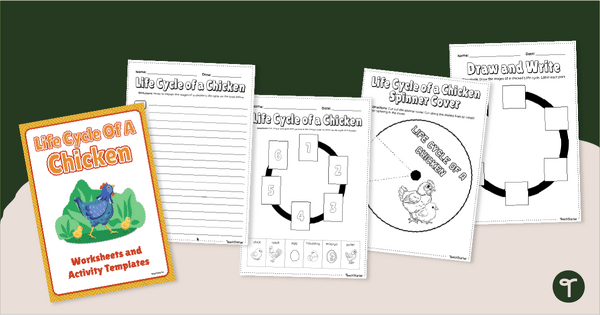
Life Cycle of a Chicken Worksheet Pack
Teach your students about the stages in a chicken's life cycle with our Life Cycle of a Chicken Worksheet Pack.
- Plus Plan
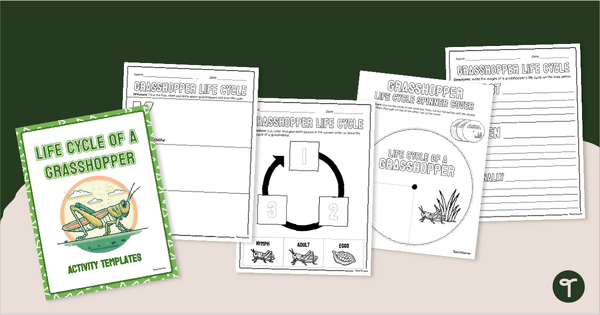
Life Cycle of a Grasshopper Worksheet Pack
Explore the stages in a grasshopper's life with a printable Life Cycle of a Grasshopper Worksheet Pack.
- Plus Plan
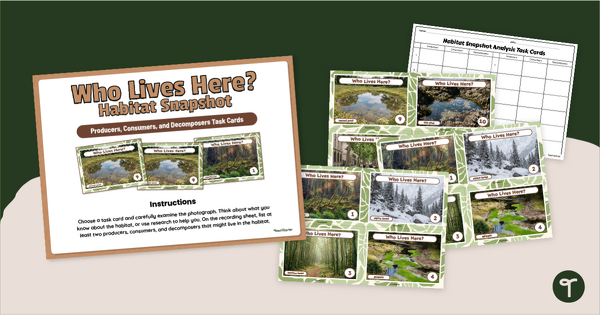
Who Lives Here? Animal Habitat Task Cards
Identify producers, consumers, and decomposers in different habitats with our Who Lives Here? Animal Habitat Task Cards.
- Plus Plan
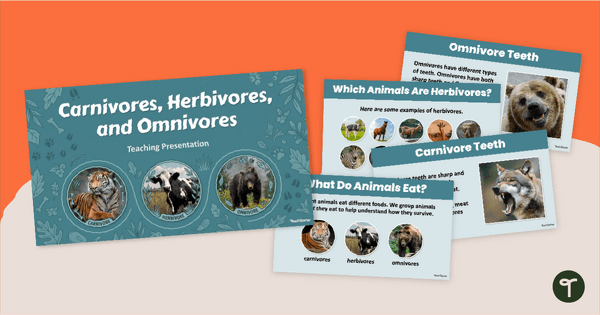
Carnivores, Herbivores, and Omnivores PowerPoint
Explore types of consumers and how they get their food with an engaging Carnivores, Herbivores, and Omnivores PowerPoint.
- Plus Plan
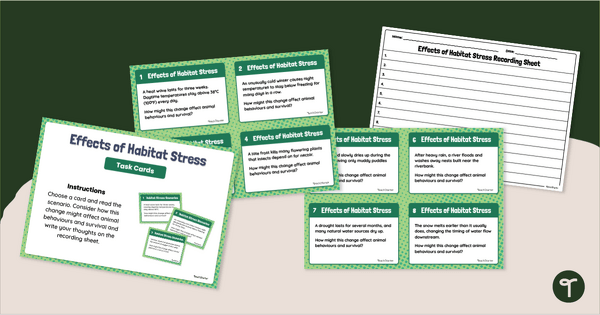
Effects of Habitat Stress Activity Cards
Explore how environmental stress affects plants and animals with our Effects of Habitat Stress Activity Cards.
- Plus Plan
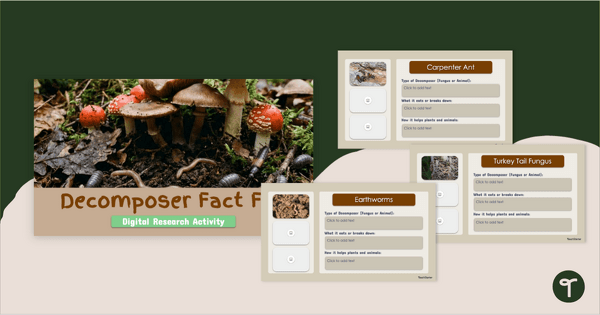
All About Decomposers Activity Deck - Digital Interactive Notebook
Research and explore decomposers and their roles in ecosystems with a Digital All About Decomposers Activity Slide Deck.
- Plus Plan
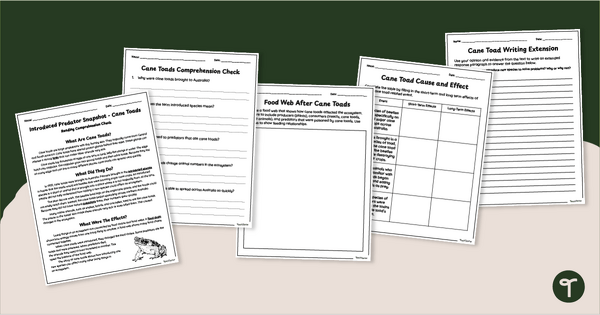
Cane Toads - Invasive Species Worksheet Pack
Explore the effects of introduced predators with our printable Cane Toads - Invasive Species Worksheet Pack.
- Plus Plan
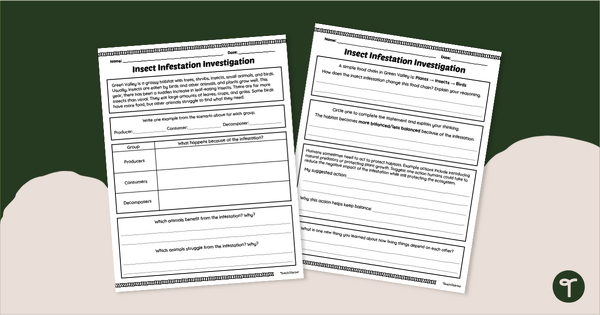
Insect Infestation - Habitat Impact Worksheet
Explore the effects of rapid insect population growth in ecosystems with our Insect Infestation Habitat Impact Worksheet.
- Plus Plan
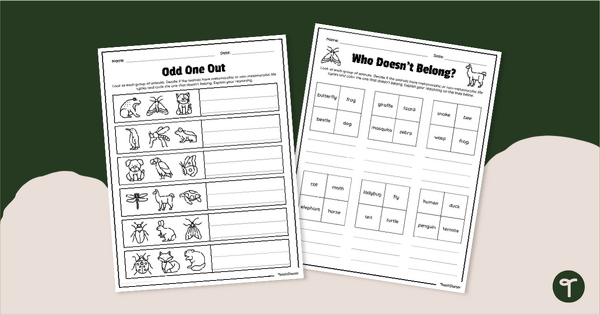
Odd One Out - Animal Classification Handouts (Life Cycles)
Explore non-metamorphic and metamorphic life cycles with our printable ‘Odd One Out’ Animal Classification Handouts.
- Plus Plan
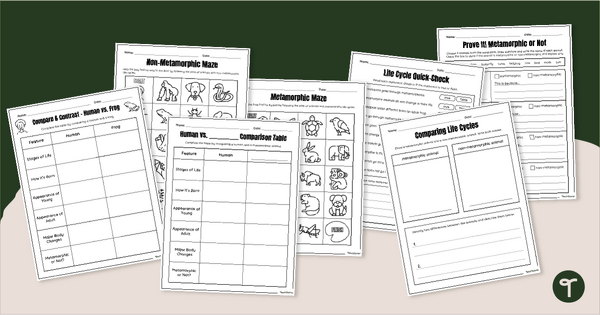
Metamorphic or Not? Worksheets
Draw, write, and compare animal life cycles with our printable “Metamorphic or Not?” Worksheets.
- Plus Plan
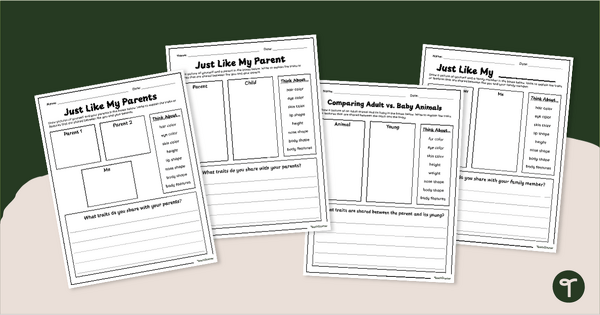
Just Like My Parent - Adult vs. Baby Animal Worksheets
Compare animals and humans with their young with our ‘Just Like My Parent’ Adult vs. Baby Animal Worksheets.
- Free Plan
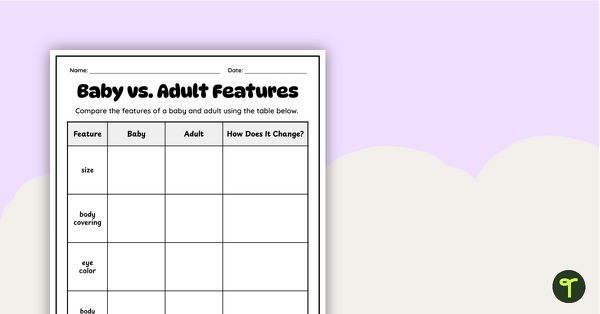
Comparing Baby vs. Adult Features Worksheet
Compare human adults and their babies with a printable Adult vs. Baby Comparison Worksheet.
- Plus Plan
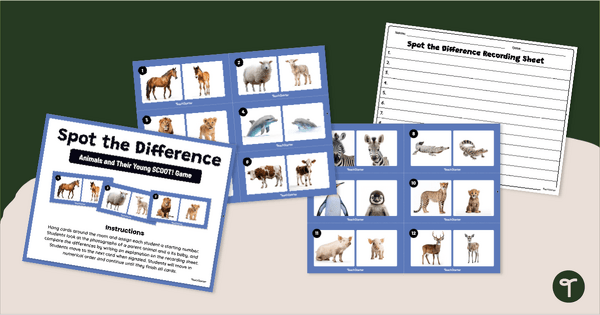
Animals and Their Young - Spot the Difference Game
Observe and identify the differences between adult and baby animals with an engaging Spot the Difference Game for the classroom.
- Plus Plan
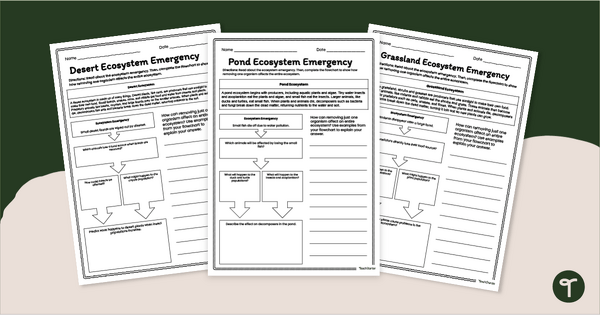
Investigating Food Chain Disruptions Worksheet Pack
Explore what happens when a food source is removed from an ecosystem with our Investigating Food Chain Disruptions Worksheet Pack.
- Plus Plan
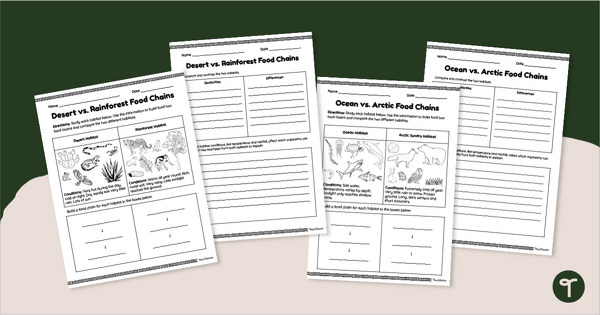
Comparing Food Chains Across Habitats Worksheet Pack
Compare and contrast different habitats and how energy flows through them with our Comparing Food Chains Across Habitats Worksheet Pack.