Animals Teaching Resources
Explore animal life in your science classroom with printable worksheets, classroom posters, and more teaching resources all about the different types of animals, their life cycles, characteristics and more!
This teacher-created collection includes a series of animal-focused teacher resources covering reptiles, birds, fish, mammals, and amphibians plus resources that classify a selection of vertebrates and invertebrates!
This comprehensive collection of teaching resources includes editable curriculum-aligned lessons on wildlife, endangered species and more — all ready to be printed and used in the classroom!
New to teaching this section of the science curriculum or looking for some fresh ideas? Read on for some tips on teaching about animal classification from our teacher team!
What Is Animal Classification? A Kid-Friendly Definition
In science class (and in professional study) animals are classified into groups based on physical and genetic characteristics. Scientists use a classification system called the Linnaean system to group different animals into progressively more specific categories, starting with the largest (and most inclusive group) and ending with the smallest and most specific group.
The categories are:
- Kingdom
- Phylum
- Class
- Order
- Family
- Genus
- Species
Helping students to remember these categories of biological animal classification, you might want to use a mnemonic such as:
- King Philip came over from Germany swimming.
- King Philip came over for good spaghetti.
- King Philip came over for good soup.
Sometimes the word "domain" is added to the top of the animal classification list, and in those cases you can add the word "dear" to your mnemonic sentences to help your students recall them all.
In the Linnaean system, every animal in nature is assigned a unique scientific name. The name includes their genus and species and it's used globally to refer to that animal — so, for example, a dog is a dog, but it's also a "canis lupus familiarise" according to its scientific name.
The animal classification system is used all around the world to help scientists understand the relationships between different animals and how they evolved over time.
Teaching About Animal Classification in Elementary School
How in-depth should your lesson planning be for animal classification? In the elementary grades, learning classifications of animals sets the stage for understanding how important this system is when scientists are studying animals in the natural world.
Consider this: In elementary school, students typically learn about the basic categories of animal classification, such as mammals, birds, fish, reptiles, and amphibians.
Your animal classification lessons can extend into learning about specific examples of animals within each category, such as lions and elephants for mammals, and eagles and penguins for birds.
By the time they head off to high school, students should already know the characteristics that define each group — such as the presence of fur or feathers (in birds) or most mammals' ability to give birth to live young. Students should also know about the classification of animals within each group, such as the different types of mammals or birds.
Ready to get started? Explore the resources in this collection!
- Plus Plan
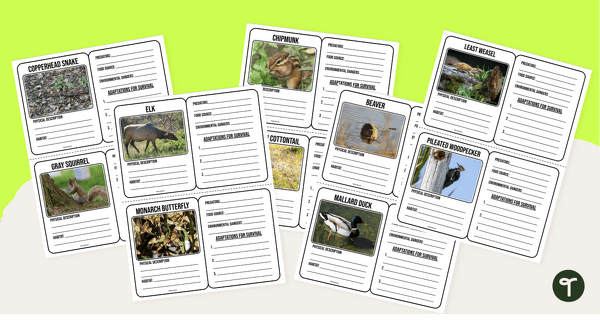
Forest Animal Adaptations Trading Cards
Discover the adaptations of animals in the forests and woodlands with printable animal trading card templates.
- Plus Plan
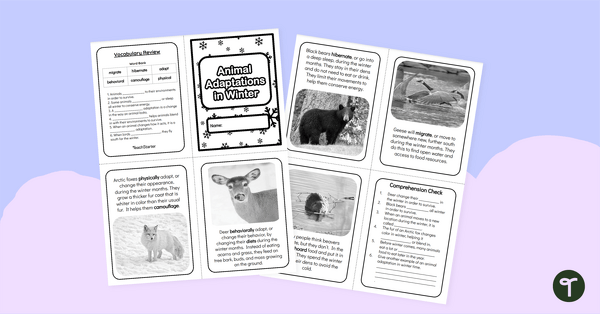
Animals in Winter - Adaptations Mini Book
Discover the amazing adaptations of animals in winter with a printable mini-book.
- Plus Plan
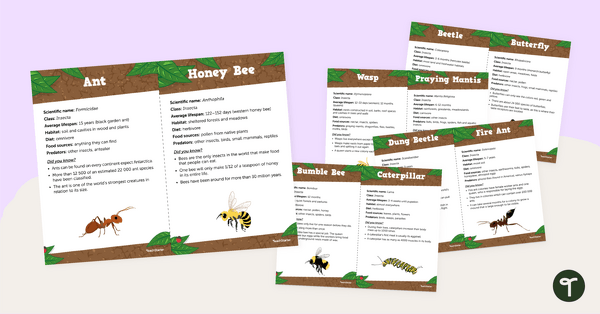
Types of Insects - Fact Cards
Discover facts and features related to a variety of insects with a handy set of insect fact cards.
- Plus Plan
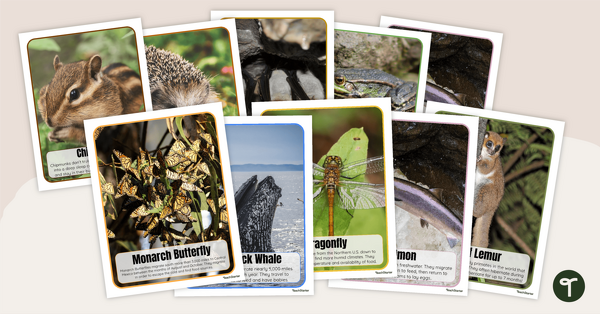
Animals that Hibernate & Migrate Picture Posters
Explore animal hibernation and migration and learn about the animals that use these behavioral adaptations with a printable animal poster pack.
- Plus Plan
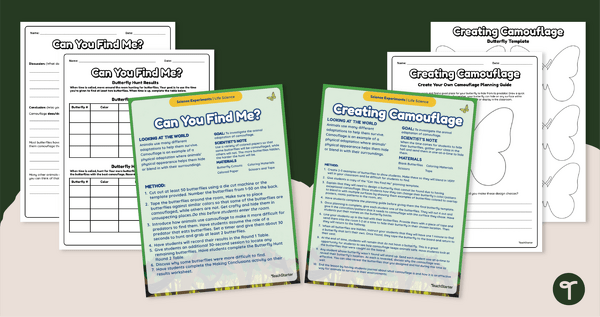
Butterfly Camouflage Activity Pack
Experience camouflage in butterflies and create an engaging scientific simulation with our printable butterfly camouflage activity pack.
- Plus Plan
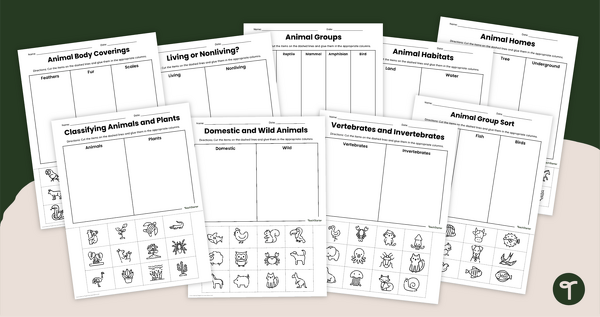
Animal Classification Worksheets for Kindergarten
Identify and sort animals according to their characteristics with a printable pack of kindergarten science worksheets.
- Plus Plan
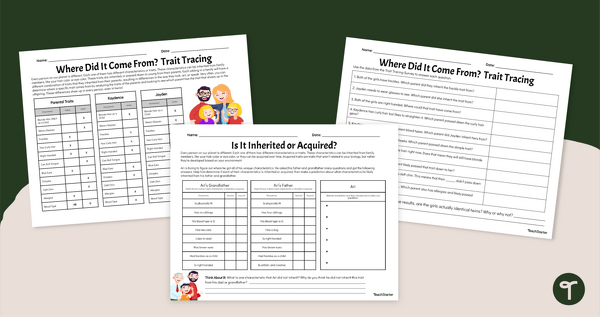
Is It Inherited or Acquired? Traits Worksheets
Introduce your students to inherited and acquired traits with printable basic genetics worksheets for elementary grades.
- Plus Plan
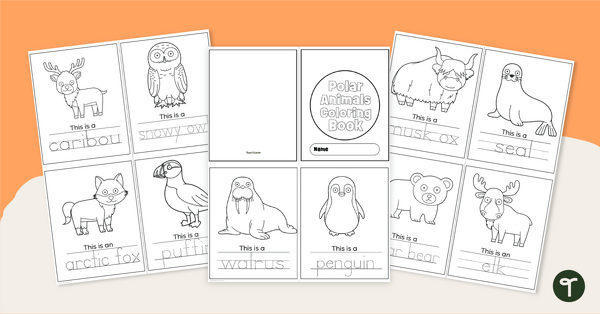
Winter Animals Coloring Page Booklet
Engage your little learners and build vocabulary skills with a printable winter animals coloring book.
- Plus Plan
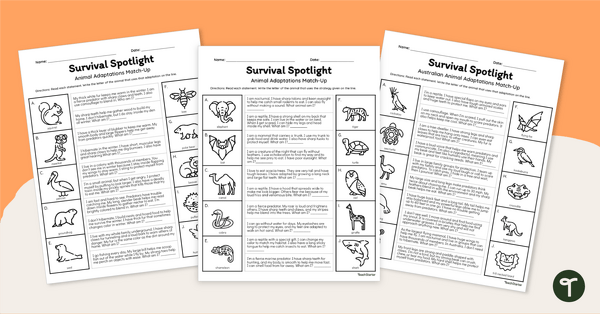
Survival Spotlight - Physical Adaptations Animal Riddle Worksheets
Shine a spotlight on animal adaptations and solve riddles with printable animal adaptation riddle worksheets.
- Plus Plan
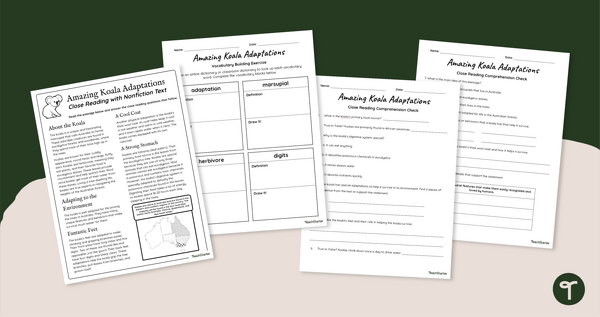
Koala Adaptations Comprehension Worksheets for 4th Grade
Learn about the physical and behavioral adaptations of the koala with a set of printable reading comprehension worksheets for 4th grade.
- Plus Plan
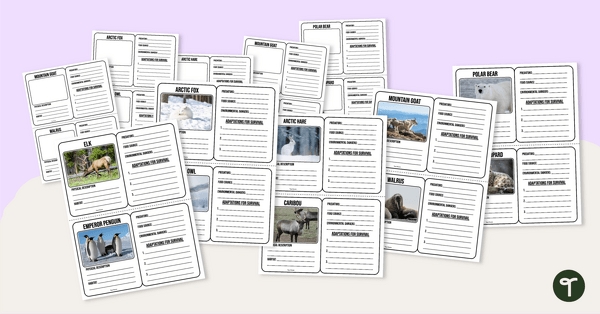
Animals in the Tundra - Adaptation Trading Cards
Discover the adaptations of animals in the tundra with printable animal trading card templates.
- Plus Plan
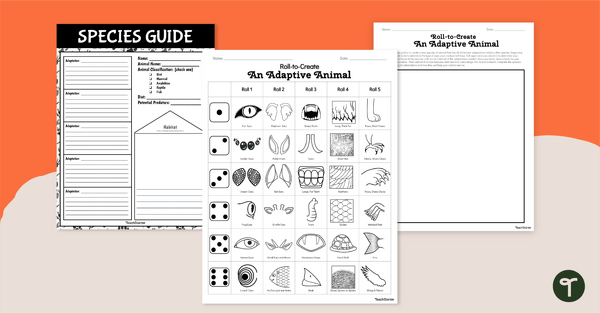
Roll to Create an Animal - Adaptations Activity
Roll to choose cool animal adaptations for a mystery animal using a fun dice game and report template.
- Plus Plan
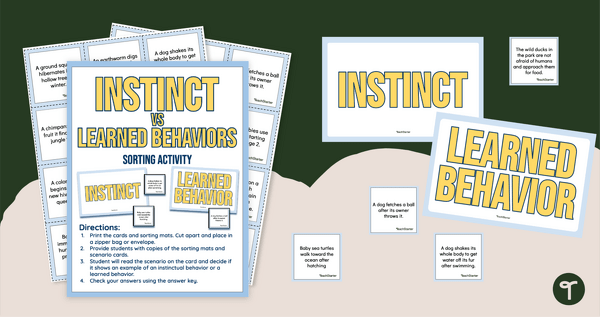
Instinct vs. Learned Behavior Sort
Help your students determine the difference between a learned behavior and an instinct with a thought-provoking sorting activity.
- Plus Plan
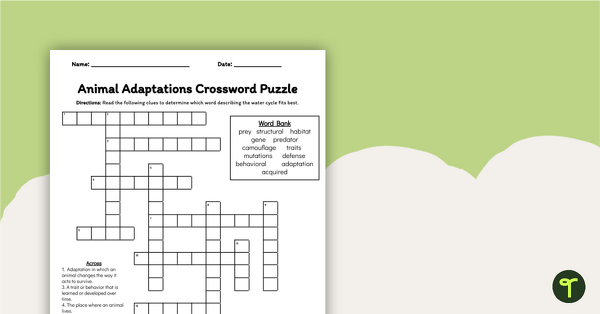
Animal Adaptations Crossword Puzzle
Use an Animal Adaptations Crossword puzzle to review concepts related to physiological, structural, and behavioral adaptations.
- Plus Plan
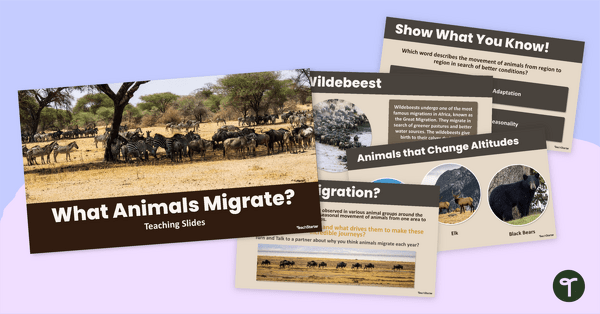
What Animals Migrate? Teaching Slide Deck
Discover why animals migrate and which ones make the longest journeys with an interactive teaching slide deck.
- Plus Plan
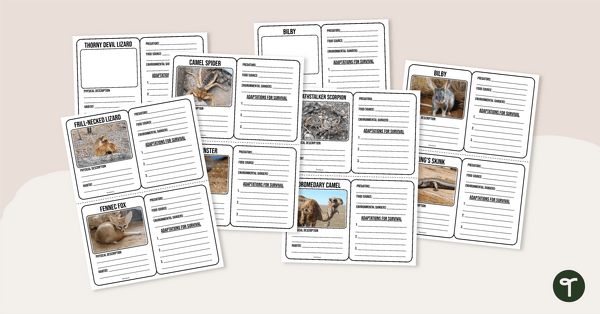
Desert Animal Adaptations - Trading Card Templates
Discover amazing desert animals’ adaptations and display your learning with printable animal trading card templates.
- Plus Plan
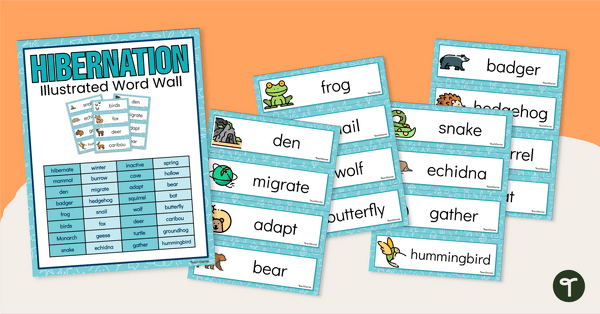
Hibernation Word Wall - Illustrated
Discover the world of hibernation-related vocabulary with an illustrated hibernating animals word wall display.
- Plus Plan
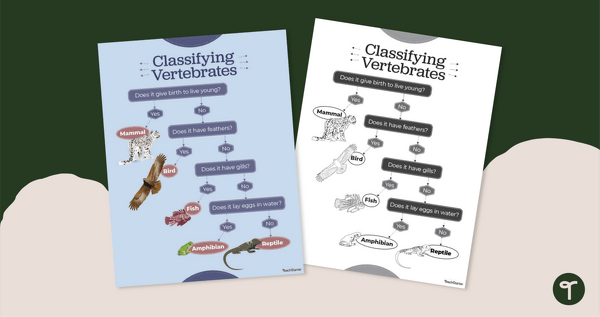
Classifying Vertebrates Flow Chart Poster
Classify vertebrates using an animal classification flowchart poster.
- Plus Plan
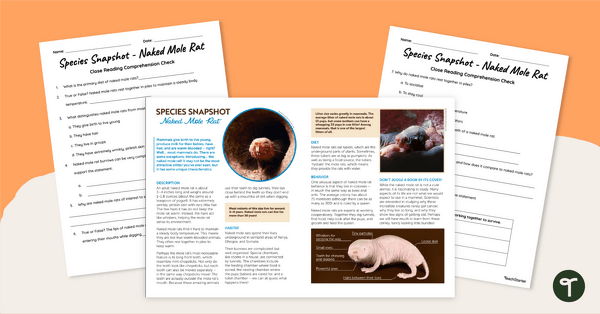
Naked Mole Rats – Comprehension Worksheet
Read and learn facts about the naked mole rat with a printable reading comprehension worksheet pack for 5th grade.
- Plus Plan
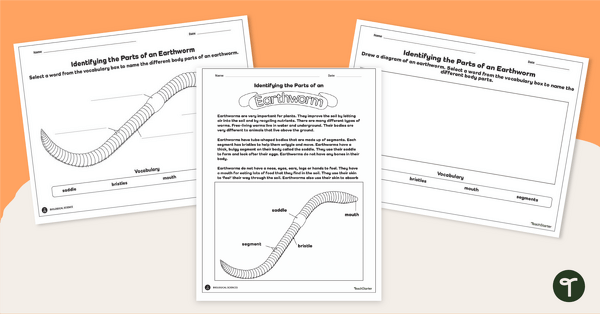
Identifying the Parts an Earthworm Worksheet
Read, learn and label the parts of a worm with a set of printable animal features worksheets.
- Plus Plan
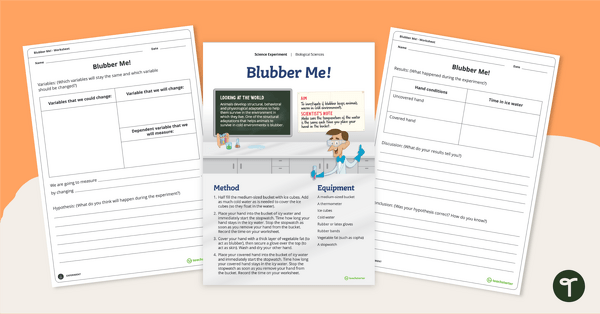
Animal Blubber Experiment - Polar Adaptations Activity
Explores the structural adaptation of blubber with an Arctic Animal Adaptation experiment..
- Plus Plan
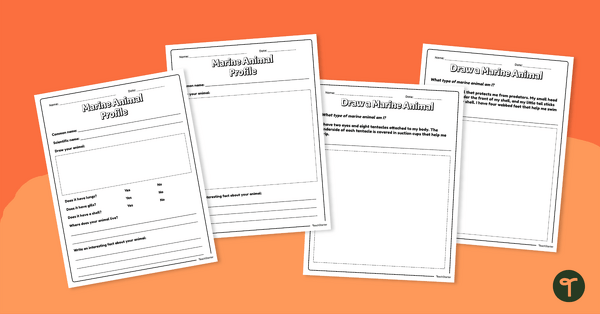
Ocean Animal Research Activity Sheets
Research and record information about marine animals with one of four ocean animal worksheets.
- Plus Plan
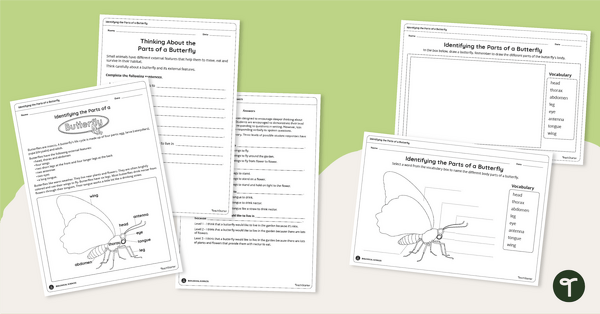
Parts of a Butterfly - Labeling Activity Sheets
Learn about the anatomy of a butterfly with a printable reading passage and butterfly labeling worksheets.
- Plus Plan
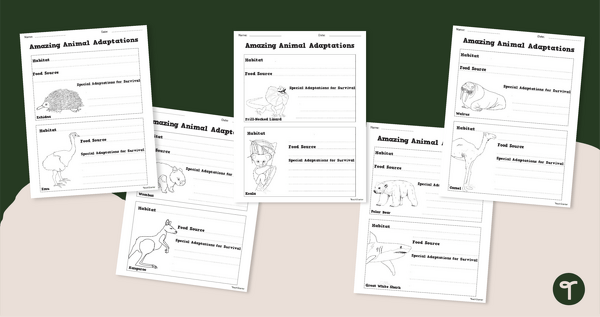
Amazing Animals With Adaptations - Worksheets
Research and write about amazing animal adaptations with our Amazing Animals Adaptation Worksheets.
- Plus Plan
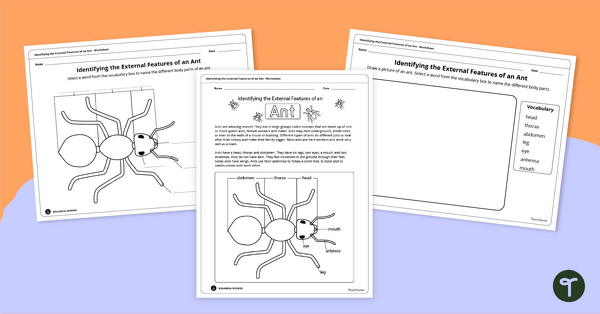
Parts of an Ant - Labeling Activity
Learn about the anatomy of an ant with a printable reading passage and ant labeling worksheets.
- Plus Plan
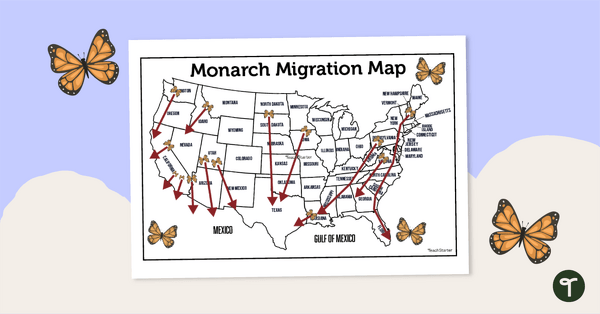
Monarch Butterfly Migration Map
Use a Monarch Butterfly Migration map to introduce your students to a natural phenomenon of migratory animal behavior.
- Plus Plan
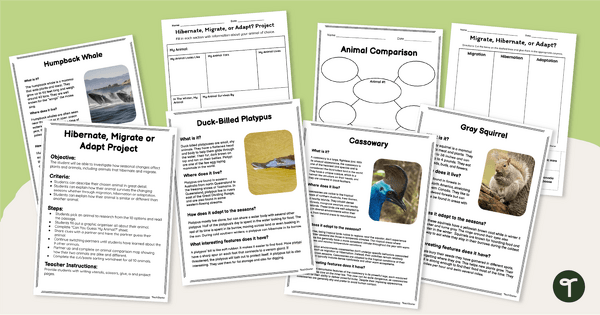
Adapting, Migrating, & Hibernating Animals Research Project
Set this classroom project for students to explore the topic of how seasons affect animals, and develop a species-specific profile on a chosen animal.
- Plus Plan
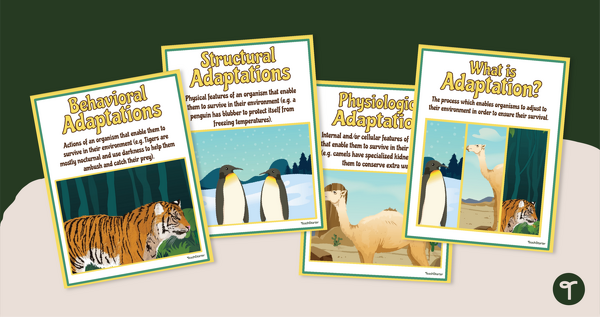
Three Types of Environmental Adaptations Posters
Teach your students the different types of behavioral, structural and physiological adaptations with a set of 4 printable posters.
- Free Plan
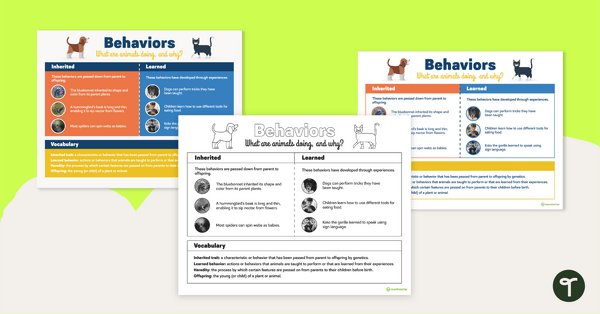
Inherited versus Learned Behaviors Poster
Explain the difference between inherited and learned behaviors with a set of printable anchor charts.
- Plus Plan
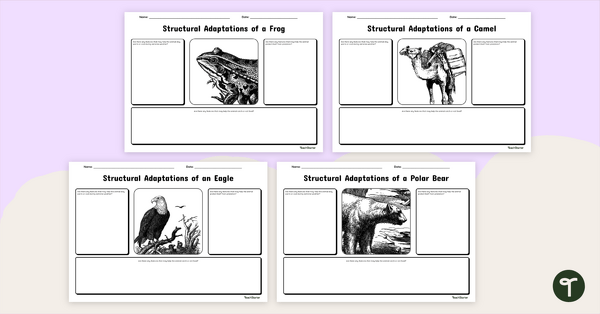
Structural Adaptations Worksheets
Investigate the structural adaptations of animals with various animal adaptation worksheets.
- Free Plan
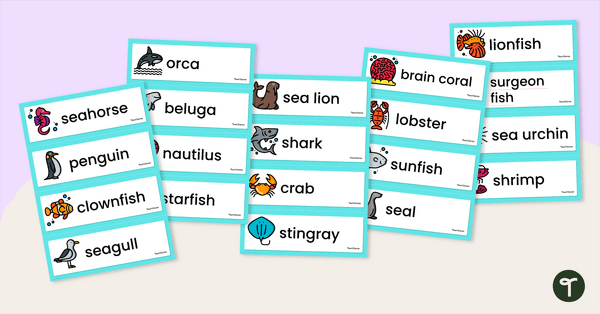
Ocean Animals Word Wall Cards with Pictures
Introduce your students to the amazing animals in the sea with an illustrated ocean animal word wall.
- Free Plan
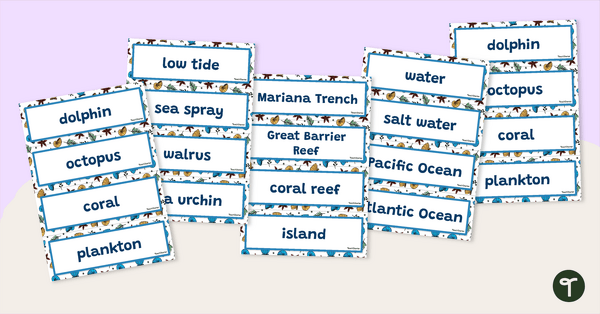
Ocean & Marine Word Wall Vocabulary
64 marine life word wall vocabulary cards.