Expository Writing Teaching Resources
Whether you call it expository writing, informational writing or writing informative texts in your classroom, it's important for students to learn to write in a manner that shares straightforward information on a certain topic to educate their reader. It's a skill that will serve them well throughout their education and well into adulthood.
Getting your students started with informative writing this school year? The Teach Starter team of teachers has put together everything you need to teach this core writing type to your elementary writers, including printable worksheets, writing prompts, writing templates, and more.
Each resource in this collection has been thoroughly reviewed to ensure it's ready to be used in your classroom, and you'll find editable options so you can make the adjustments you need to meet state-level standards and meet your students where they are.
New to teaching this type of writing or looking for a handy refresher? Read on for a primer from our teacher team, including a definition you can use explain what you mean when you introduce expository or informative writing to your students.
What Is Informative Writing or Expository Writing? A Kid-Friendly Definition
We have always found it is helpful to have a definition handy when we are introducing the different genres of writing to our class. Here's one the ELA teachers on our team use for expository writing:
Expository writing is a type of writing that is created to educate the reader with facts.
This type of writing goes by a number of names, so maybe your district calls it something else. Here's a look at just a few of the names it may be called:
- Expository writing
- Informational writing
- Explanatory writing
- Informative Writing
Informative Writing vs. Persuasive Writing — How to Explain the Difference to Your Students
Informative writing is just one of the many writing styles your students will learn in elementary school, but it's important to establish the clear differences between them.
Take persuasive writing, for example. Like informational writing, it requires becoming educated on the topic a student is writing about, and it involves using facts in writing.
On the other hand, a persuasive writing essay is written to convince the reader of something. In higher grades, it transitions into opinion writing because it takes a side on a topic rather than remaining impartial.
That's not true of an expository writing piece, which takes a "just the facts, Jack" form.
What Are the 5 Elements of Informative Writing?
As you dive into teaching informational writing, there are 5 elements you'll want students to focus on explaining to the reader. They're often called the 5 Ws:
- Who
- What
- When
- Where
- Why
Students may also include a sixth element, which explains "how" something happened.
5 Informative Writing Examples to Share With Your Students
You may want to start your students off on your informational writing unit with examples to help familiarize them with this sort of writing. Fortunately, informational writing is found all around us in daily life.
Students have almost surely read more than a few examples of expository writing along the way, but they may not have known what to call it.
Some examples that students will likely recognize include:
- Procedural or "how to" texts such as instruction manuals or recipes
- School cafeteria menus
- Road signs
- Event flyers
- This description of informative writing!
Consider challenging students to bring an example of informative writing to class as a form of homework!
- Plus Plan
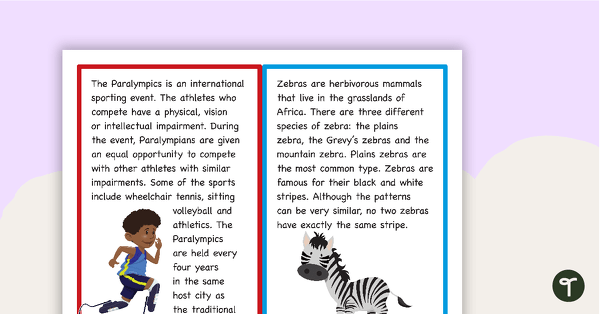
Informative Paragraphs Sequencing Activity
Teach your students about informational text paragraph structure with this hands-on sequencing activity.
- Plus Plan
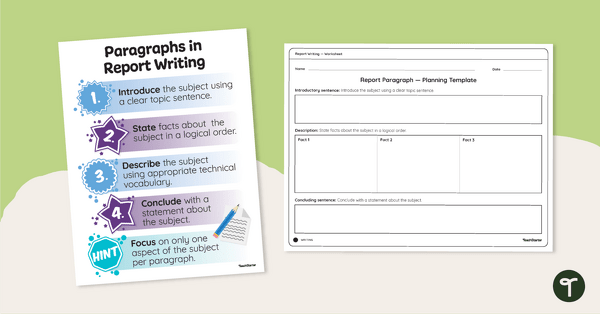
Report Writing Paragraph Structure – Poster and Planning Template
Explore the structure of a paragraph with this classroom poster and paragraph planning scaffold.
- Plus Plan
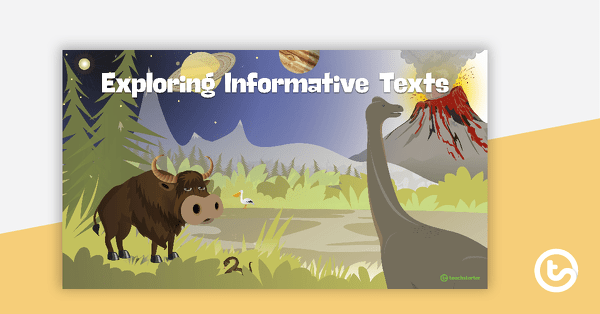
Exploring Informational Texts Teaching Slides
Teach your students how to write an informational text using this detailed slideshow targeted at lower elementary school students.
- Plus Plan
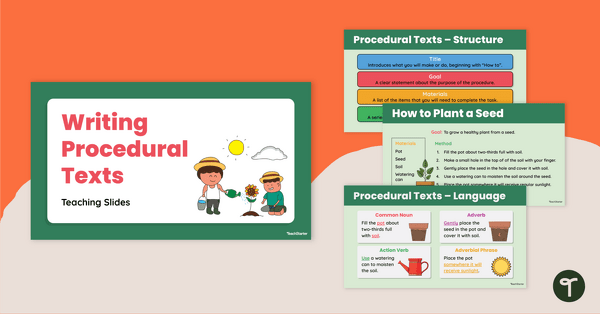
Writing Procedural Texts Teaching Slides
Use this procedural writing PowerPoint to teach your students about the purpose, structural elements and language features of procedure texts.
- Plus Plan
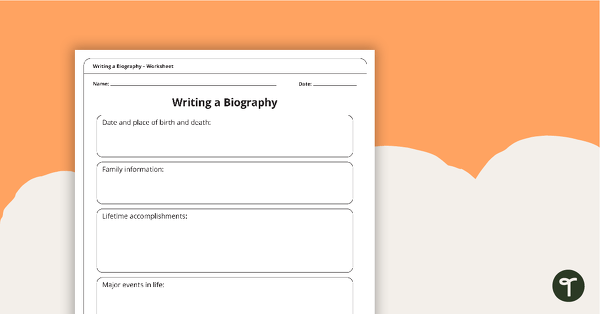
Biography Writing Template Pack
Download this biography writing template pack to help students structure engaging biographies with differentiated layouts suited for various writing projects.
- Free Plan
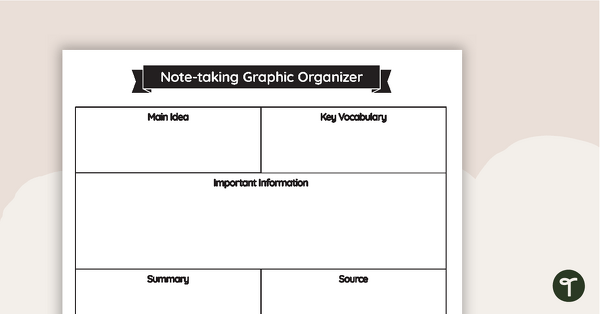
Note-taking Graphic Organizer
A graphic organizer for students to use when taking notes.
- Plus Plan
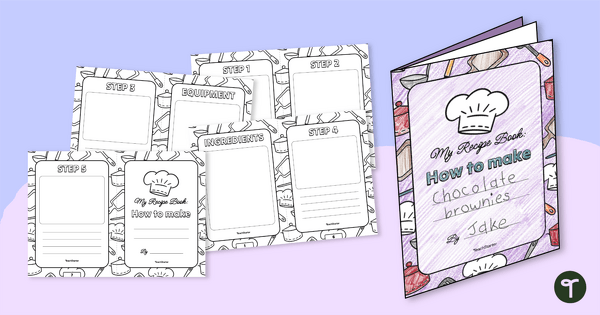
Procedural Writing – Printable Recipe Book Template
Download this printable recipe book template to use when teaching procedural writing to your 1st- and 2nd-graders.
- Plus Plan
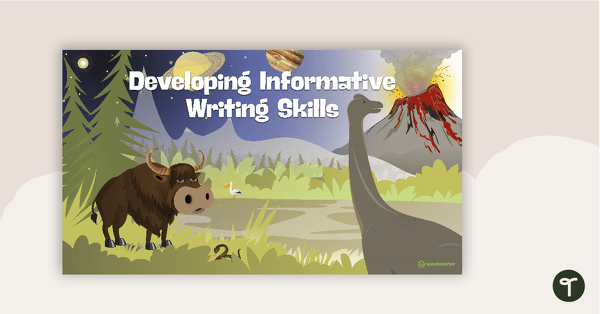
Developing Report Writing Skills Teaching Slides
Use this slide deck to teach your students about the purpose, structural elements and language features of informational texts.
- Free Plan
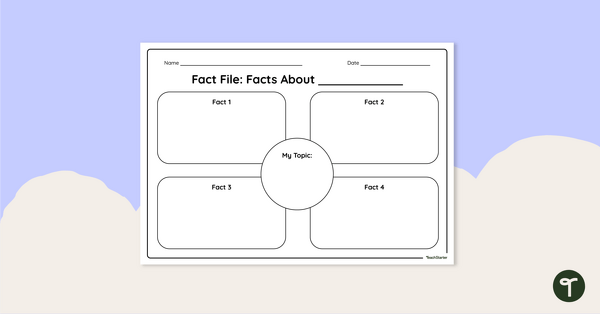
Build a Fact File Template
Get a sense of separating fact from opinion in texts with this graphic organizer.
- Plus Plan
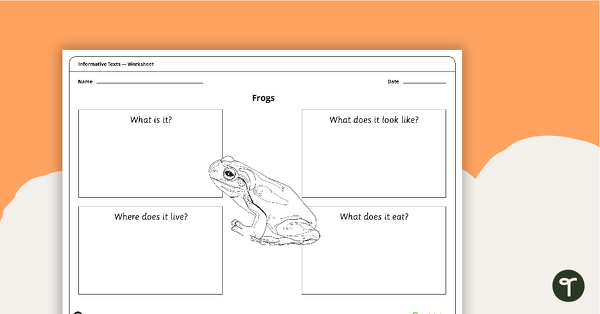
Build an Animal Fact File – Cut and Paste Worksheets
Use this set of 5 writing prompts to assess your students’ informative writing skills.
- Plus Plan
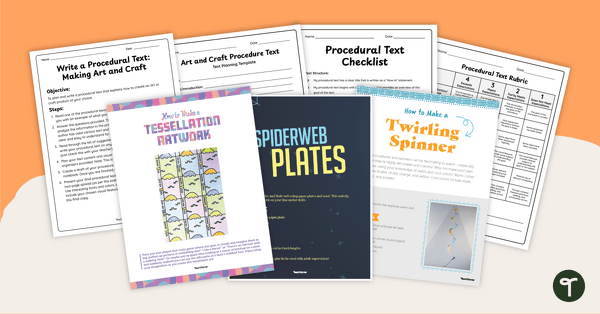
Making Art and Craft – Procedure Writing Project
Get your students to create a high-quality procedural text that teaches others how to make an art or craft creation using this fully scaffolded writing project booklet.
- Plus Plan
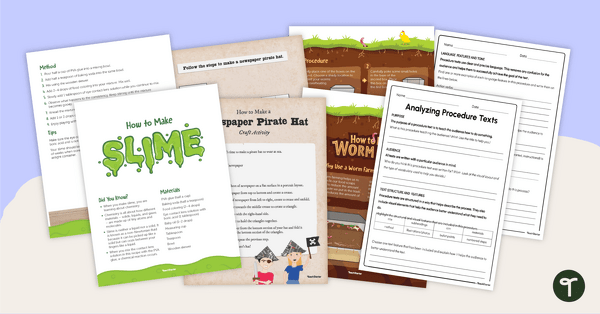
Procedural Text Examples and Analysis Worksheet
Use these procedural text examples with accompanying analysis worksheets to teach your students about the purpose, structure and language features of procedural writing.
- Plus Plan
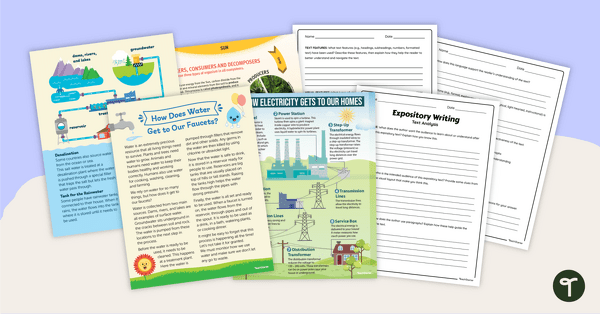
Expository Text Examples and Analysis Worksheets
Use these expository text examples with accompanying analysis worksheets to teach your students about the purpose, structure and language features of expository writing.
- Plus Plan
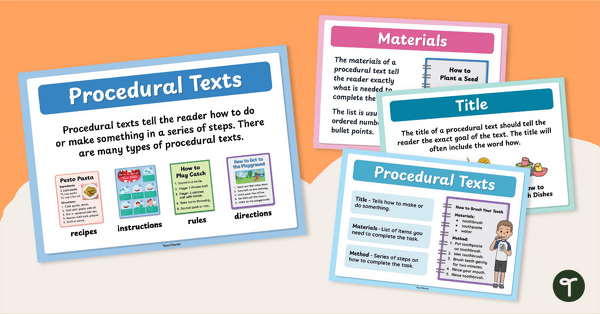
Procedure Text Poster Pack
Use this set of procedure texts posters to support your young writers understand the purpose and elements of procedure writing.
- Plus Plan
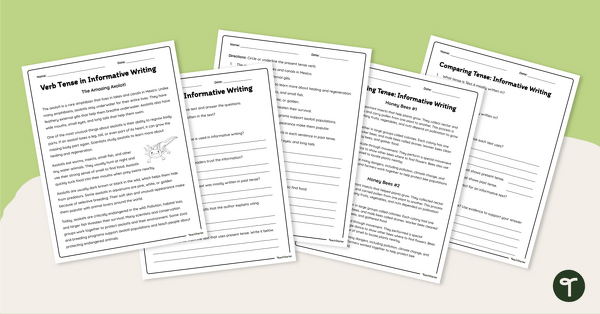
Verb Tense in Informative Writing Worksheets
Download these informative writing worksheets to help your students understand why present tense is most commonly used in informational writing.
- Plus Plan
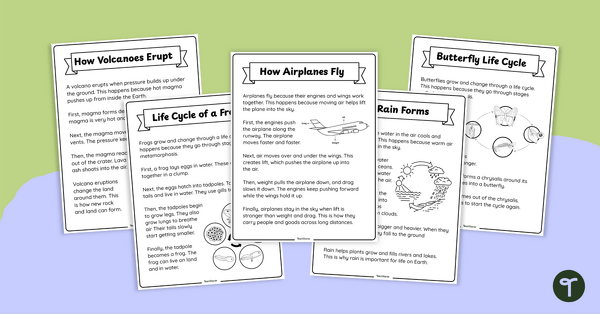
Explanation Report Text Examples and Worksheet Pack
Use this set of explanation text examples and analysis worksheets to help students identify and apply key features of explanation texts.
- Plus Plan
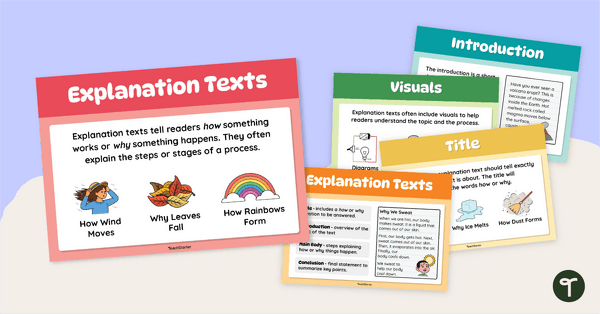
Explanation Text Poster Pack
Use this Explanation Text poster set with your students to clearly show the structure and text elements of an explanation text.
- Plus Plan
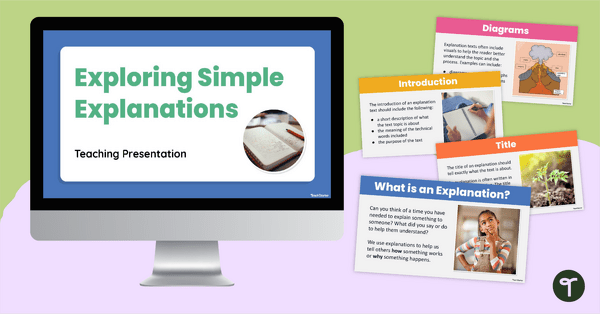
Exploring Simple Explanations PowerPoint
Use this Exploring Simple Explanations PowerPoint to teach your students about what explanation texts are, why they are written, and how they are structured.
- Plus Plan
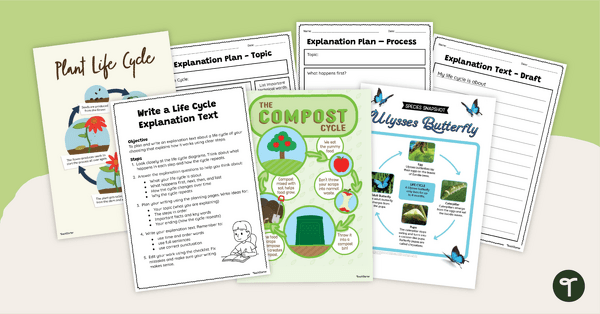
Life Cycle Explanation Project Writing Scaffold Pack
Use this project including life cycles and explanation planning templates when exploring explanations with your early years students.
- Plus Plan
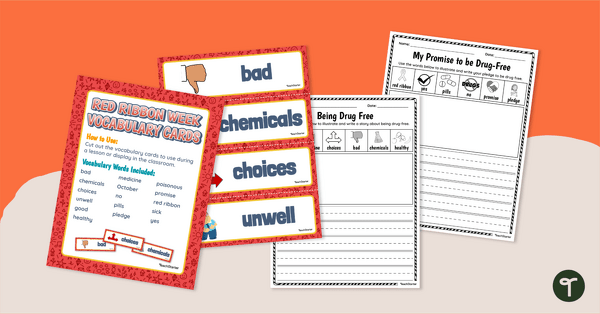
Red Ribbon Week - Write the Room Activity
Use these Red Ribbon Week Writing prompts with your students during literacy centers.
- Plus Plan
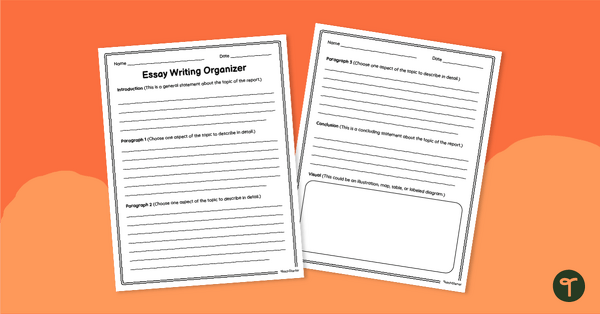
5 Paragraph Essay Graphic Organizer
Use this 5 paragraph essay graphic organizer to help your students correctly structure their expository writing.
- Plus Plan
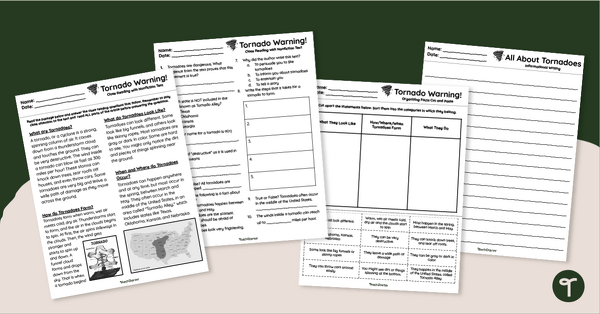
Tornado Worksheets - Informational Writing (2nd Grade)
Use our printable tornado worksheets and organizers to teach 2nd grade informational writing lessons.
- Plus Plan
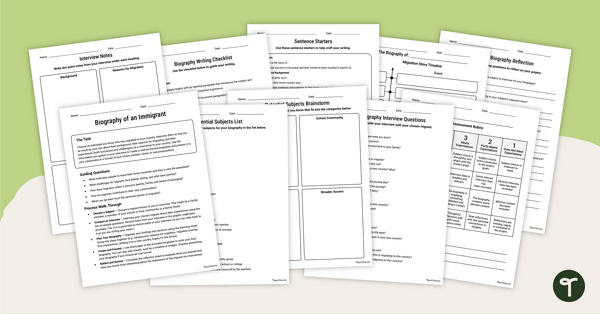
Biography of an Immigrant Writing Project
Uncover the untold stories of migrants with an enriching biography research project for 5th graders.
- Plus Plan
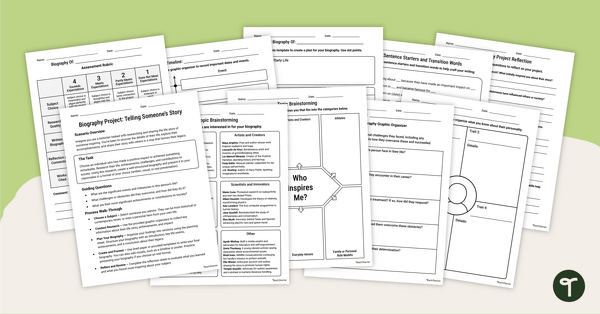
Write a Biography Project
Engage students in an enriching biography project that guides them through researching and writing about a famous person.
- Plus Plan
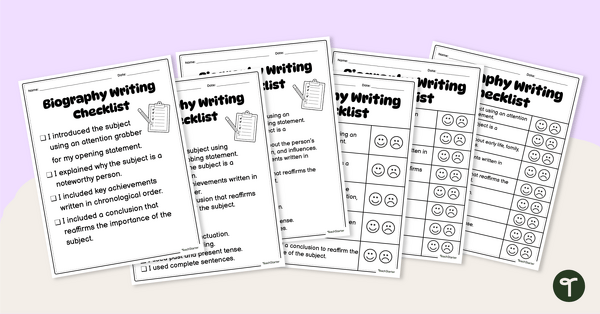
Biography Checklist Pack
Use this biography checklist pack to help students review and refine their writing with structured guidance on essential biography features.
- Plus Plan
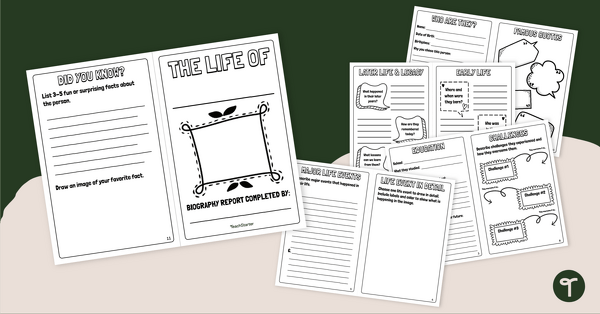
Write a Biography Booklet
Use this biography booklet to help your students organize and present information about any person in a structured, engaging format.
- Plus Plan
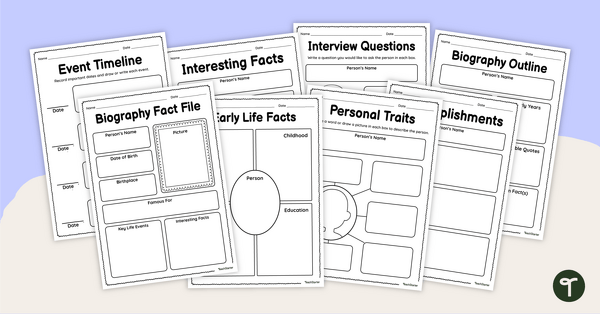
Biography Graphic Organizer Pack
Use this biography graphic organizer pack to simplify the process of planning and presenting biographical information for your students.
- Plus Plan
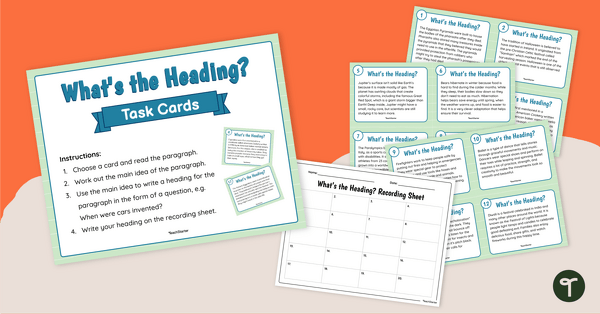
What’s the Heading? Task Cards
Explore the heading text feature with this set of task cards perfect for reading centers.
- Plus Plan
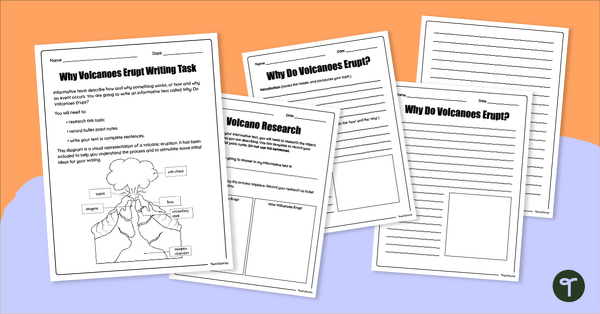
Expository Writing – Natural Disaster Project
Get your students producing high-quality writing with this fully scaffolded natural disasters project, where students research, organize and publish an expository text about a natural disaster.
- Plus Plan
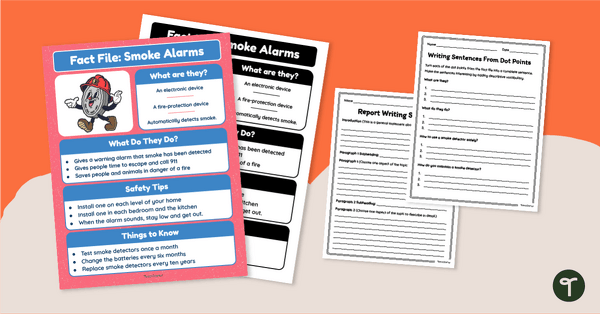
All About Smoke Alarms Fact File & Writing Activity
Learn all about smoke alarms and boost writing skills with a printable fact file and writing scaffold worksheet pack.
- Plus Plan
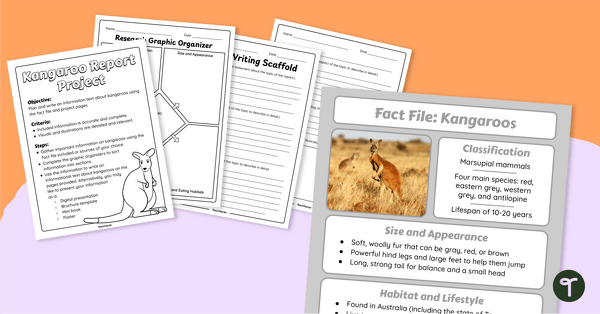
Kangaroo Information Report – Writing Project
Get your students to write a kangaroo information report using this fact file, graphic organizer and writing scaffold.
- Plus Plan
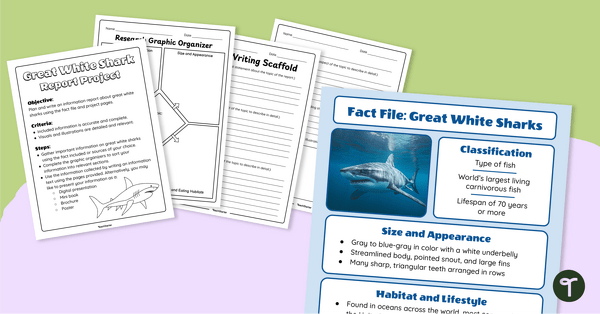
Great White Shark Information Report – Writing Project
Get your students writing an informational text about sharks using this age-appropriate fact file and writing scaffold.
- Expository Writing Templates
- Expository Writing Worksheets
- Expository Writing Word Walls
- Expository Writing Posters
- Expository Writing for Kindergarten
- Expository Writing for 1st Grade
- Expository Writing for 2nd Grade
- Expository Writing for 3rd Grade
- Expository Writing for 4th Grade
- Expository Writing for 5th Grade
- Expository Writing for 6th Grade