Measurement Teaching Resources
Is your math class ready to dive into length measurement, measuring objects, and more measurement practice? Say hello to printable measurement worksheets, games, and digital activities created by teachers for elementary teachers!
This collection of teaching resources was created by our expert math teachers to help students meet Common Core and state-level standards. Each printable and digital download has undergone a rigorous review by the teachers on the Teach Starter team to ensure they’re student-ready — so you can cut down on lesson planning time!
New to teaching this part of the math curriculum? Our teacher team knows what it’s like to suddenly teach a brand-new grade level, so we’ve put together a quick guide to teaching measurement!
What Are the 4 steps of Teaching and Learning Measurement?
Elementary students have to learn a long list of measurement concepts during their stint in elementary school, including:
- length
- liquid volume
- elapsed time
- mass (weight)
- area
- volume of three-dimensional figures
The good news for teachers: Most measurement concepts have very real-world applications for students. That means there's a whole world of ways to get students excited about reading a ruler or tape measure or weighing heavy objects on a scale.
But before you can get there, let's start with the basic steps to work through when you're teaching students how to measure ... well ... anything!
- Direct comparison — One of the earliest steps of learning measurement is learning the attributes that are being measured. For example, students need to learn what length is if they're ever going to measure it. That's where direct comparison (and step 2, indirect comparison), come in. If you put 2 objects side by side, students can directly compare which is longer and which is shorter and start to understand how to measure an object.
- Indirect comparison — What happens when you can't directly compare two objects? You can add a third as a reference point for indirect comparison, thereby increasing student understanding of the attribute being measured.
- Measuring with non-standard units or informal units — Just as students need to understand the attribute of measuring, they also need to understand the concept of the units we use to measure such as inches or pounds. Using non-standard units is the first step to teaching the concept of units, offering students the chance to work with different objects, counting how many of these "units" it takes to make up another. This is the fundamental base of measurement.
- Measuring with standard units — Finally, in the final step of teaching measurement, students move on to using the formal units of measurement and learn to use measurement instruments.
Why Is Teaching Measurement Important?
There are concrete uses for learning measurement that will surely spring to mind — from using a tape measure to measure a space in a home to weighing ingredients when baking to determining the capacity of a juice glass before pouring in the liquid. These are all means for quantifying our environment.
But the benefits of teaching students about measuring lines with a ruler or figuring out mass measurements from largest to smallest go well beyond the obvious. Learning to measure helps students develop spatial and number skills.
- Plus Plan
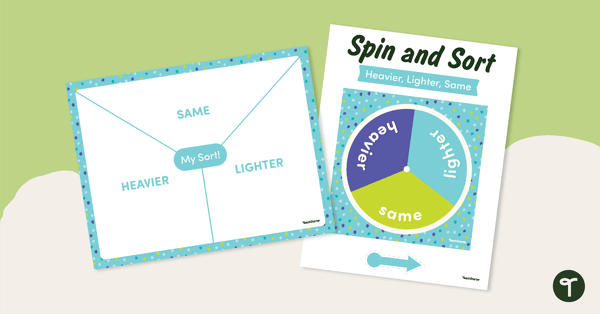
Spin and Sort – Heavier, Lighter, Same
Practice comparing weight with this sorting activity.
- Plus Plan
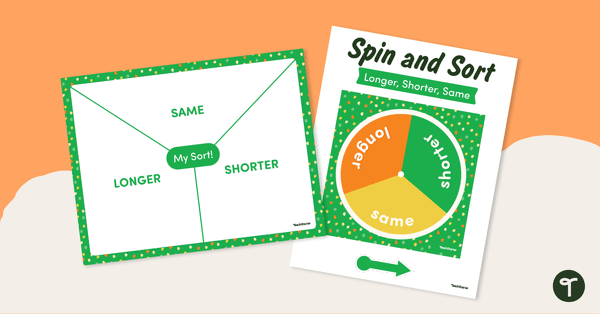
Spin and Sort – Longer, Shorter, Same
Practice comparing lengths with this sorting activity.
- Plus Plan
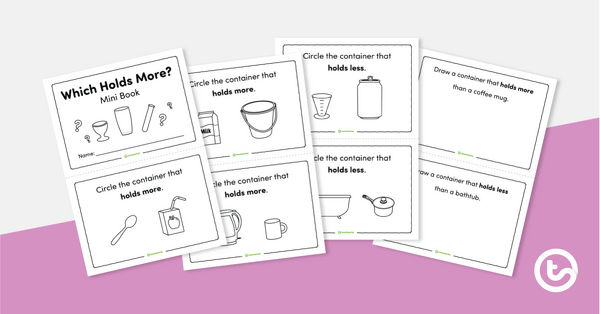
Which Holds More? – Mini-Book
Compare the capacity of various containers with this 8-page mini-book.
- Plus Plan
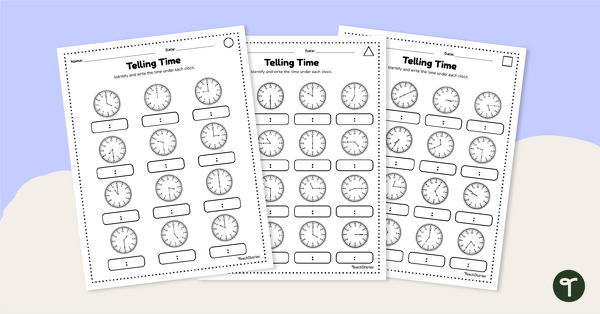
Telling Time Practice Sheets
Practice reading analog clocks with this set of differentiated worksheets.
- Plus Plan
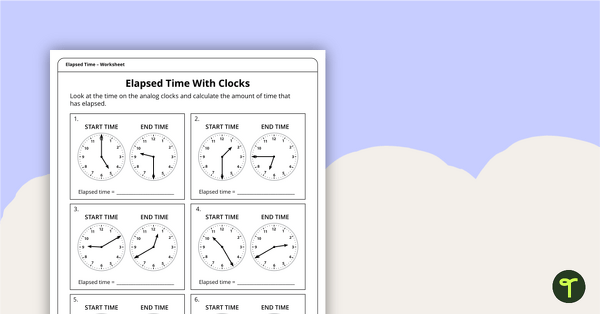
Elapsed Time With Clocks – Worksheet
A worksheet for students to practice calculating elapsed time.
- Free Plan
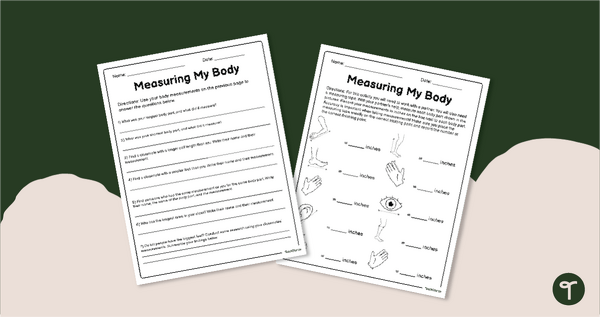
Measuring My Body – Comparing Heights Activity
Explore linear measurement with an engaging collaborative activity where students measure different body parts and compare them
- Plus Plan
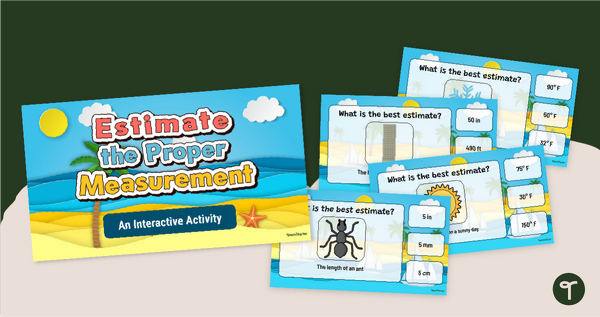
How Much Does it Measure? Estimating Units Interactive (Mixed Units)
Estimate units of mass, volume, temperature, length, and more with an engaging, interactive measurement game.
- Plus Plan
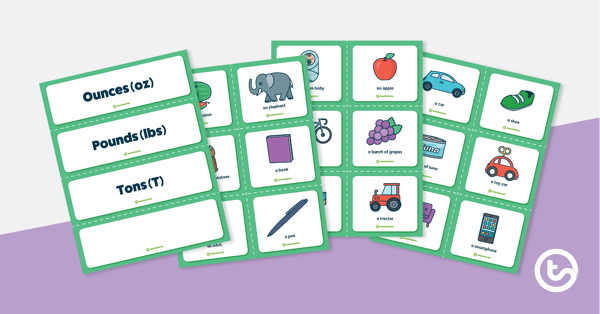
Selecting Units of Mass – Sorting Activity
A sorting activity to help students identify objects that should be measured in ounces, pounds, and tons.
- Plus Plan
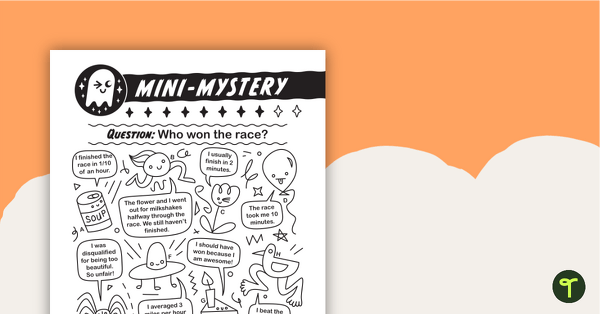
Mini-Mystery – Who Won the Race?
A fun, logic-based activity where students read clues to solve a mystery.
- Plus Plan
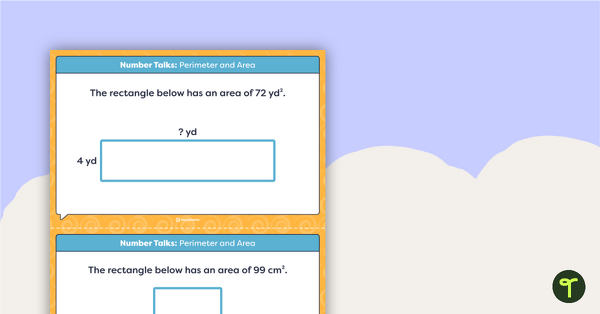
Number Talks - Perimeter and Area Task Cards
Build number sense skills with this set of 28 task cards.
- Plus Plan
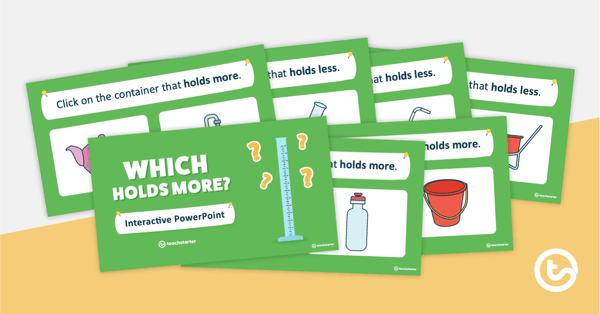
Which Holds More? – Interactive PowerPoint
An interactive PowerPoint quiz that asks students to compare the capacity of various containers.
- Plus Plan
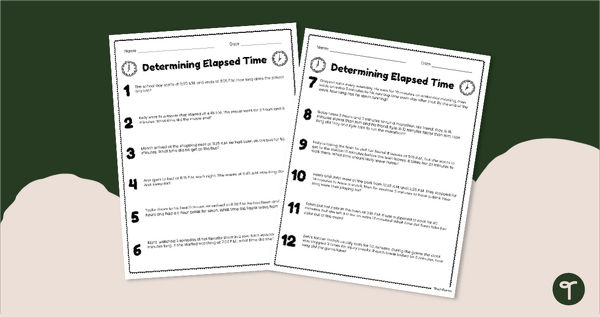
Determining Elapsed Time-Word Problems Worksheet
Print an elapsed time word problems worksheet to provide students with practice measuring the passage of time.
- Plus Plan
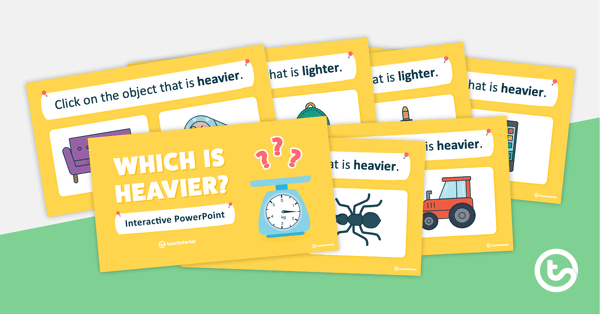
Which Is Heavier? – Interactive PowerPoint
An interactive PowerPoint quiz that asks students to compare the mass of various everyday objects.
- Plus Plan
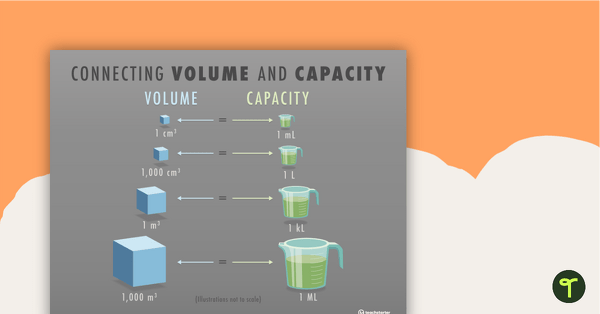
Connecting Volume and Capacity in the Metric System - Posters
A set of posters connecting volume and capacity in the metric system.
- Plus Plan
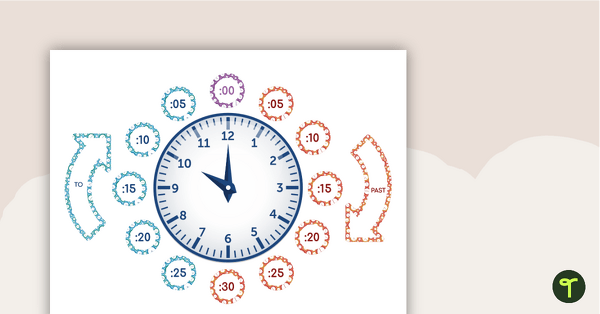
Clock Labels – 'Past' and 'To'
A template to display around your classroom clock that highlights 'past' and 'to' terminology.
- Plus Plan
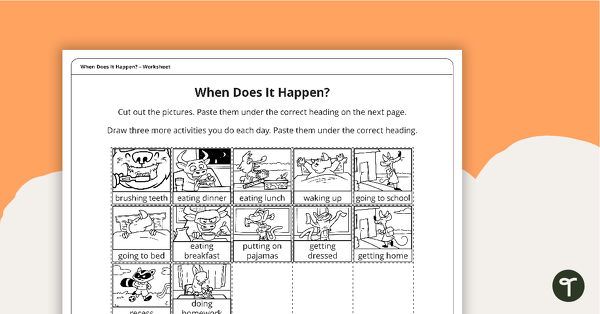
When Does It Happen? Worksheet
A cut and paste activity where students order familiar daily events.
- Plus Plan
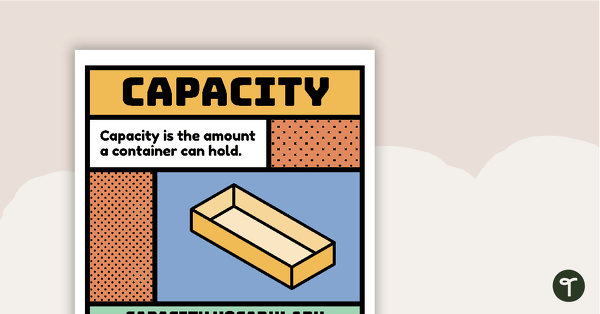
Capacity Vocabulary Poster
A poster that explains the concept of capacity and lists associated vocabulary.
- Plus Plan
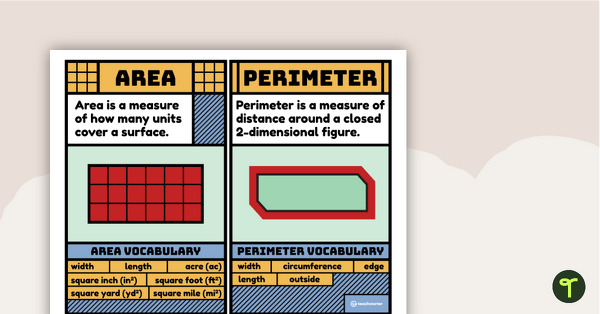
Perimeter and Area Poster
A poster that explains and compares the concepts of perimeter and area.
- Plus Plan
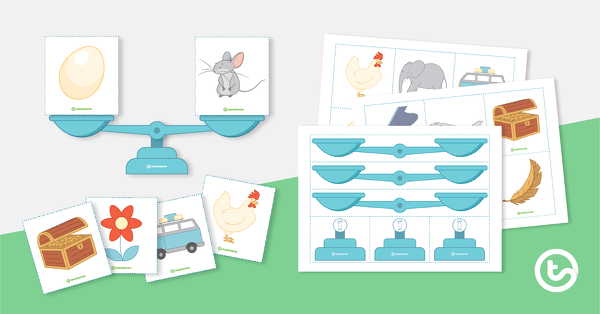
Heavy and Light Hands-on Activity
A fun, hands-on activity for students to compare the weight of various objects
- Free Plan
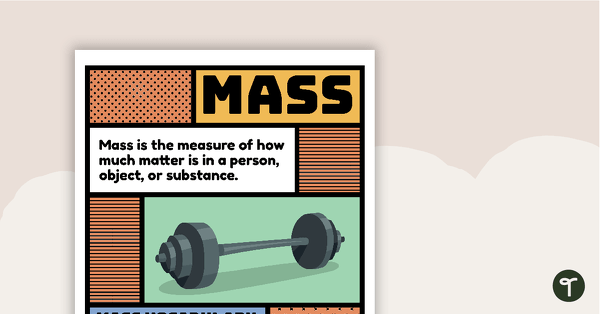
Mass Vocabulary Poster
A poster that explains the concept of mass and lists associated vocabulary.
- Plus Plan
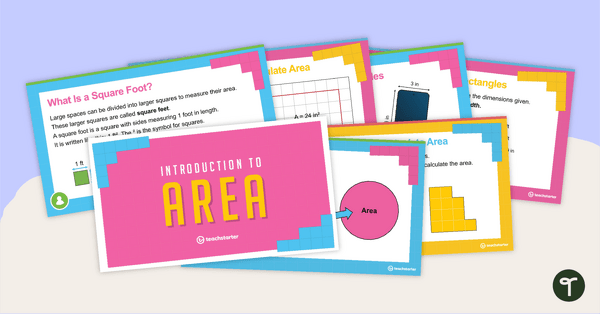
Introduction to Area Instructional Slide Deck
Introduce the concept of measuring the area of regular shapes with this 22-slide instructional slide deck.
- Plus Plan
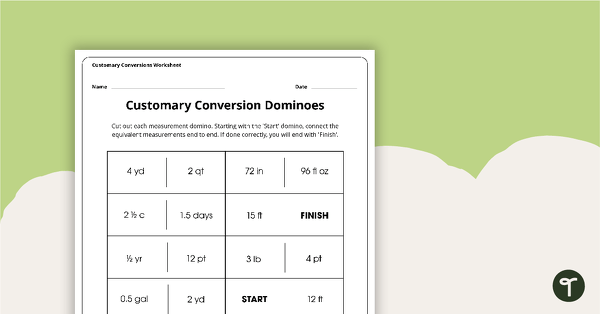
Customary Conversion Dominoes
A domino activity to practice customary conversions
- Plus Plan
Volume Investigation - Creating the Land of Cubes
A mathematics investigation involving volume, embedded in a real-world context.
- Plus Plan
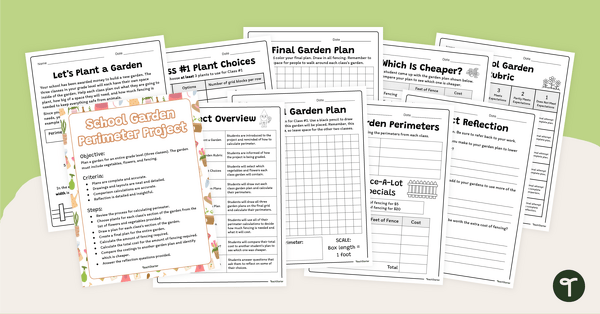
Design a Garden Math Project
Get students to design a garden with this student-centered perimeter project for 3rd and 4th grade students.
- Plus Plan
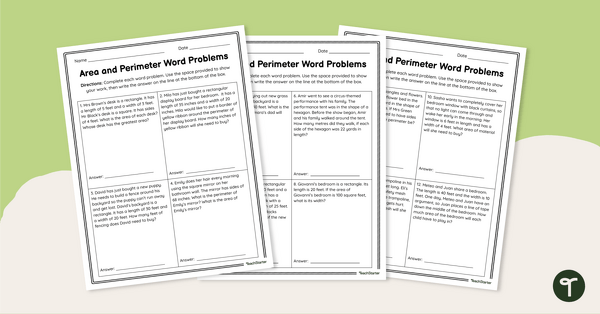
Area and Perimeter Word Problems
Get students to solve area and perimeter word problems with this set of three worksheets for 3rd and 4th grade.
- Plus Plan
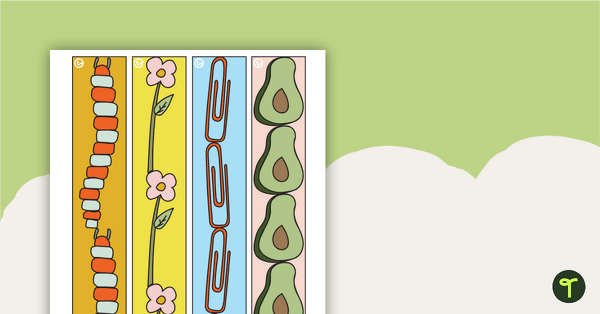
Non-Standard Measurement Rulers
Use printable non-standard measuring rulers to introduce your little learners to the world of measurement.
- Plus Plan
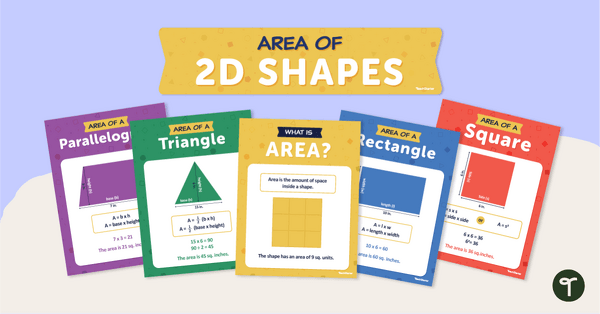
Area of 2D Shapes — Poster Set
Use this set of posters to teach how to find the area of 2D shapes.
- Plus Plan
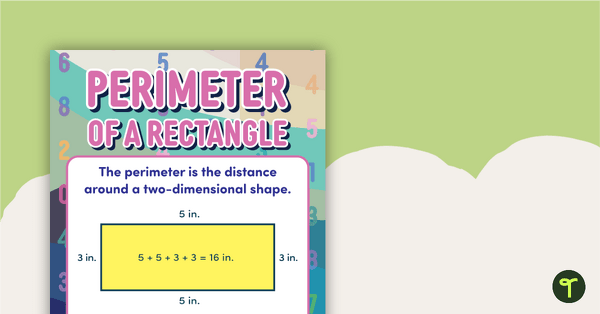
Finding the Perimeter of a Rectangle Poster
Teach students the formula for the perimeter of a rectangle with this colorful classroom poster for your math bulletin board.
- Plus Plan
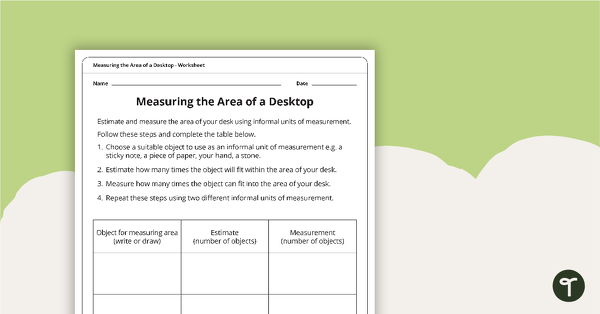
Measuring the Area of a Desktop - Worksheet
A worksheet to use when exploring the concept of measuring area with informal units.
- Plus Plan
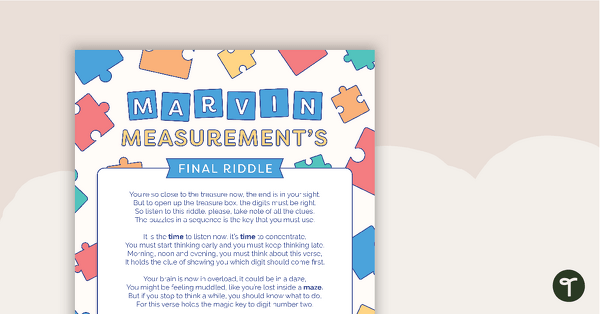
Marvin Measurement's Treasure Box - Whole Class Game
A whole class game that consolidates your students' knowledge of measurement concepts - in a fun way!
- Plus Plan
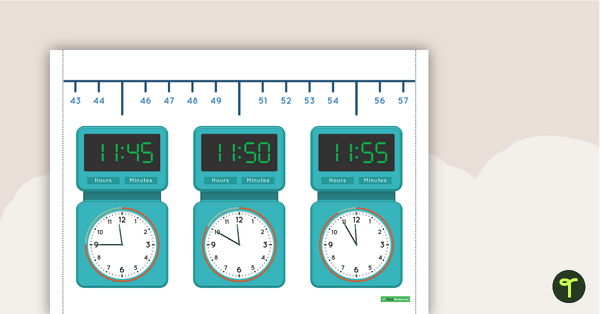
Time Number Line (5-Minute Increments)
A time number line to use when teaching elapsed time.
- Plus Plan
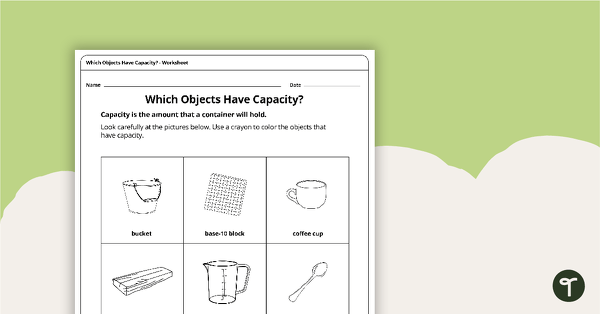
Which Objects Have Capacity? - Worksheet
A worksheet to use when exploring the concept of capacity.
- Measurement Worksheets
- Measurement Games
- Measurement Posters
- Measurement Projects
- Measurement Templates
- Measurement for Pre-K
- Measurement for Kindergarten
- Measurement for 1st Grade
- Measurement for 2nd Grade
- Measurement for 3rd Grade
- Measurement for 4th Grade
- Measurement for 5th Grade
- Measurement for 6th Grade