Writing Teaching Resources
Teaching writing strategies and the writing process this school year? Explore a comprehensive collection of teacher resources for elementary and middle school ELA teachers — all created by teachers!
Stocked with graphic organizers, writing prompts, templates, worksheets and so much more, this collection of printable and digital activities is designed to help you as you help your students become more effective communicators and unleash their creativity and imagination.
Save time on lesson planning with resources that have been through a careful review process by an expert member of our teacher team to ensure they're ready for your classroom and your students!
Are you looking for tips and tricks to add to your teacher toolkit this school year? Read on for a primer from our teacher team, including engaging activities for teaching writing in elementary and middle school and a look at some of the different writing strategies your students will need to learn.
11 Writing Strategies Kids Should Know by the End of Middle School
We can't talk about teaching kids to write without talking about the different writing strategies that can help them do just that!
When it comes to teaching our students to become confident writers who articulate their ideas effectively, here are some of the strategies our teacher team prioritizes:
1. Brainstorming
Brainstorming is something we often do in the classroom, and it's a crucial part of learning to generate the ideas that will drive students' writing as they progress through their educational journey. Kids should know how to create a list of potential topics or points related to a particular writing assignment.
With younger students, this is often done as a whole group by writing ideas and points on chart paper. In upper grades, students transition over to using text-based materials to generate ideas and talking points.
2. Outlining
Before diving directly into any assignment, our students should be able to create a structured framework or outline. Teaching students how to create this outline will help them organize their thoughts and arguments for penning their essays, reports and research papers.

3. Using Graphic Organizers
Technically graphic organizers are classroom tools, so you may not think of their use as a writing strategy per se. However, learning to use these tools is another means of providing kids with the tools they need to organize their ideas and information before they sit down to write.
These organizers are particularly useful for expository writing — students can use them to outline main ideas, supporting details, and transitions.
Students can also take advantage of story maps when they are working on narrative writing to plot the key elements of a story, such as characters, setting, conflict, rising action, climax and resolution.
Graphic organizers such as the OREO strategy and hamburger paragraph are also great tools for students to use when working with opinion and persuasive texts.
4. Freewriting
Writer's block is the enemy of creativity, and it can easily frustrate young students who don't know where to begin.
When students freewrite, they write continuously without worrying about grammar or punctuation. This writing strategy can be extremely freeing — hence the name! — and helps frustrated writers move past that writer's block, generating fresh ideas.

5. Peer Editing
Learning to review and provide constructive feedback on each other's work is a great writing strategy to employ in your classroom to help students improve their writing quality and enhance their editing skills.
The strategy allows your students to learn from one another, and it arms them with an important tool they can use well into the future — calling on peers to provide a critical eye to a piece of writing.
6. Using Sensory Language
Working on descriptive writing? With this writing strategy, students engage the reader's senses through vivid and sensory language to create a more immersive experience.
7. Including Transitions and Connectives
As students become more proficient in the writing process, learning to use transitional words and phrases allows them to create smooth transitions between sentences and paragraphs. This strategy makes their writing more coherent and polished.
8. Incorporating Evidence
In persuasive, opinion, and expository writing, students are taught to support their claims with evidence and examples to strengthen their arguments.
It takes some practice to train your students to use evidence in their writing, so it's often a good idea to start with something simple, like the R.A.C.E.S. strategy.
9. Crafting a Thesis Statement
In expository, opinion, and persuasive writing, crafting clear and concise thesis statements that summarize the main point or argument of their essay helps students be more focused and organized in their writing. This strategy can also have the effect of empowering students to express their ideas confidently and persuasively.
10. Incorporating Introductions and Conclusions
With this strategy, students practice crafting effective introductions and conclusions that grab the reader's attention and leave a lasting impression.
11. Following a Revision Checklist
Teaching your students to use a revision checklist is a strategy that will help them be more self-reflective, evaluating their own writing against the checklist criteria and becoming more aware of their strengths and weaknesses.

- Plus Plan
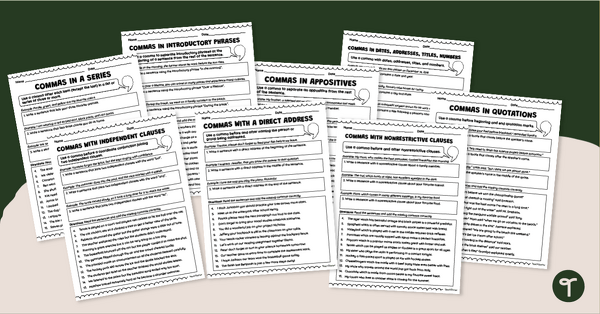
5th Grade Comma Worksheets
Use our 5th Grade Comma Worksheets to practice using commas in a series, dates, titles, compound sentences, and more!
- Plus Plan
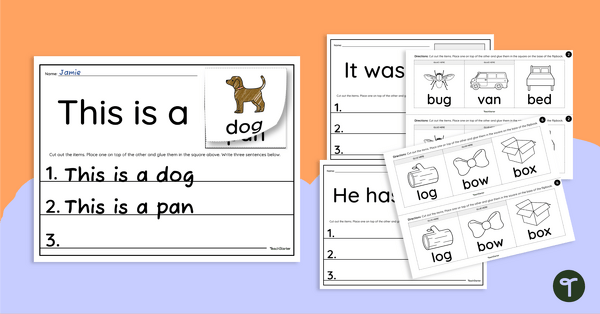
Picture Prompts for Simple Sentences Flipbook
Encourage early writers to build confidence with this interactive flipbook!
- Plus Plan

Run-On Sentence Practice - Worksheet Pack
Give your students more run-on sentence practice with a Run-On Sentence Worksheet pack.
- Plus Plan
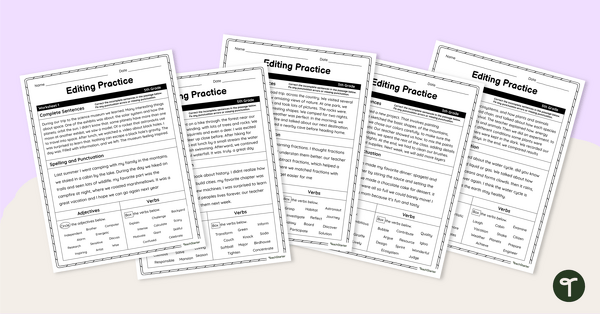
5th Grade Editing Worksheets
Use these 5th grade editing worksheets to get your students fixing incomplete sentences, spelling errors and punctuation errors.
- Plus Plan
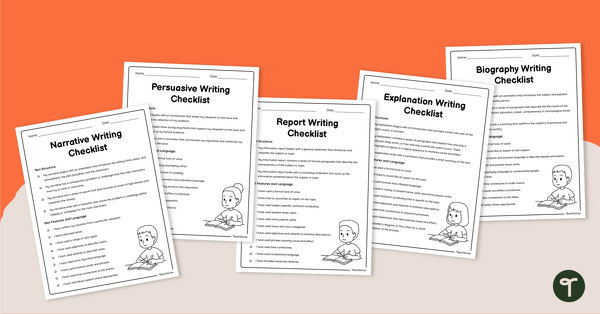
Revising and Editing Checklist Pack
Download this revising and editing checklist pack to support your students when they edit and revise their written work.
- Plus Plan
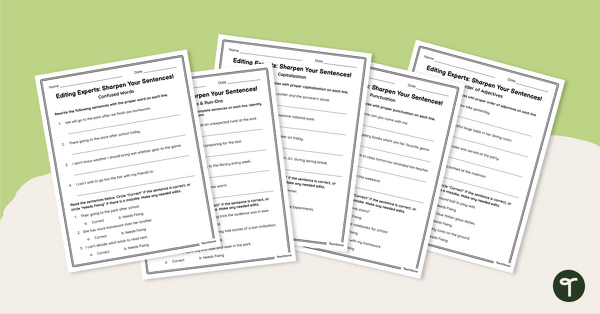
Editing Sentences – 4th Grade Worksheets
Download these editing sentences worksheets for 4th grade to get your students identifying and fixing errors in sentences.
- Plus Plan
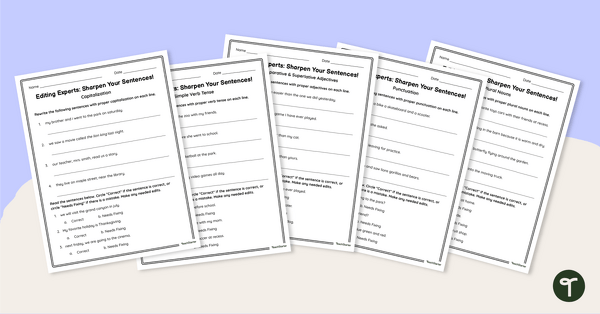
Editing Sentences – 3rd Grade Worksheets
Download these editing sentences worksheets for 3rd grade to get your students identifying and fixing errors in sentences.
- Plus Plan
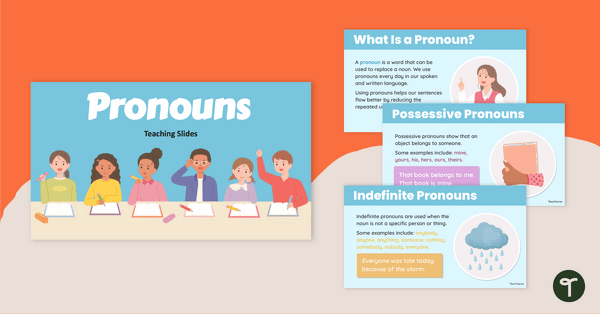
Pronouns Teaching Slides
Use these pronoun slides to teach your students about some of the most common types of pronouns.
- Plus Plan
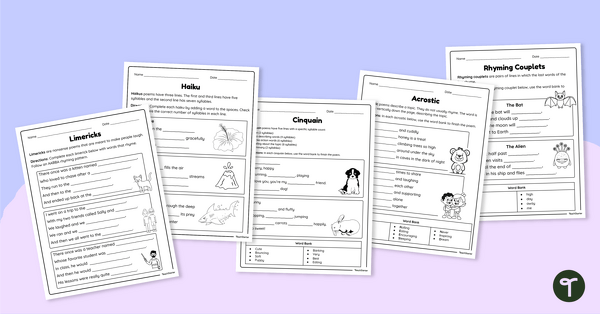
Poetry Cloze Passage Worksheets
Use these poetry cloze worksheets to introduce your students to various types of poetry in a fun and engaging way.
- Plus Plan
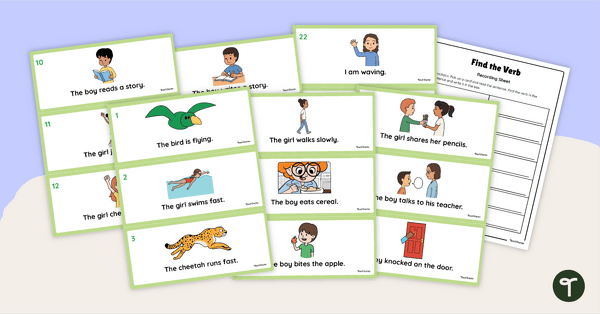
Find the Verb Task Cards
Help students recognize verbs in sentences with this set of Find the Verb task cards and recording sheet.
- Plus Plan
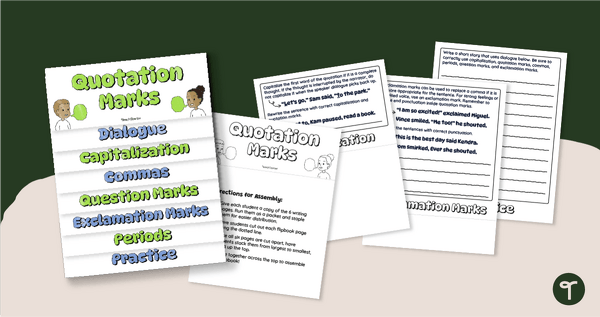
Using Quotation Marks Flipbook
Explore punctuation rules surrounding quotation marks with a printable Quotation Marks Flipbook template.
- Plus Plan
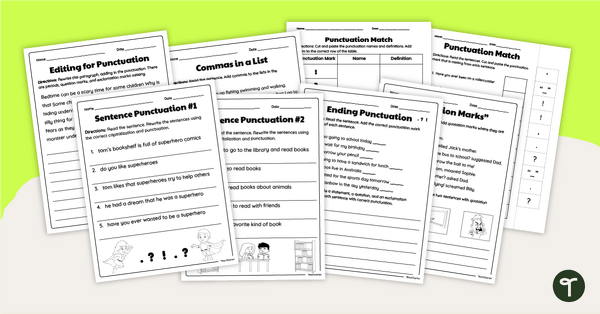
Punctuation Worksheet Pack (1st-3rd)
Download our no-prep punctuation worksheets to help your students practice their skills with using a variety of punctuation marks.
- Plus Plan
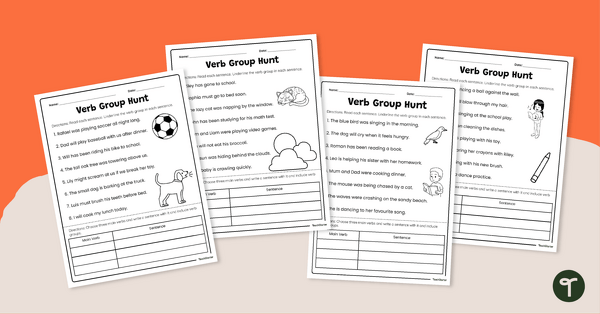
Verb Group Hunt Worksheet Pack
Explore verb groups with your students using this verb group hunt worksheet pack.
- Plus Plan
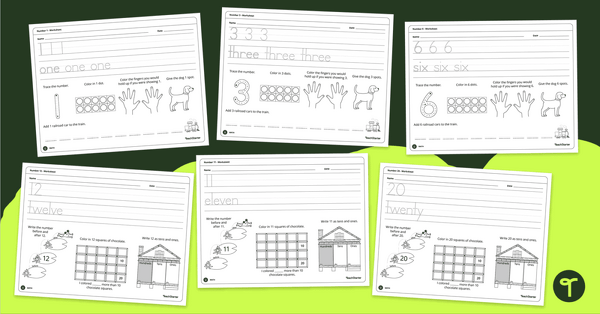
Number Handwriting Practice Worksheets
Provide number handwriting practice to your students with this set of worksheets for the numbers 0 through 20.
- Free Plan
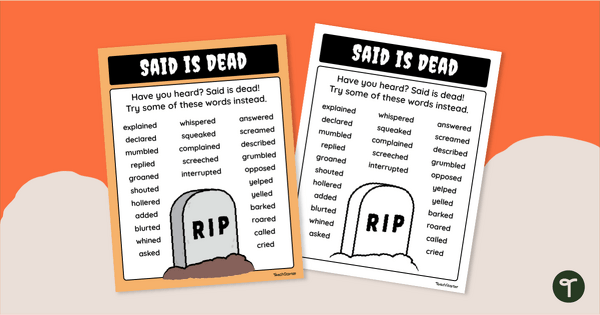
Said is Dead List - Dialogue Tags
Help your students choose a variety of dialogue tags when writing with a fun ‘Said is Dead’ Dialogue Tag List.
- Plus Plan
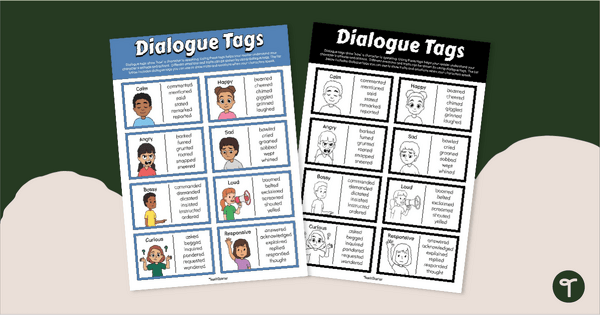
Dialogue Tags List - Vocabulary Chart
Use a Dialogue Tags list to expand your students’ vocabularies and encourage better character development in their writing.
- Plus Plan
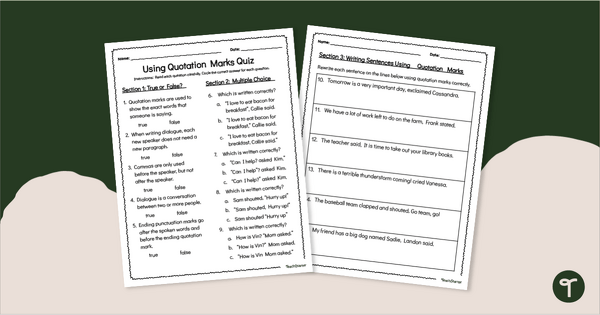
Quotation Marks Quiz
Test your students' skills on how to use quotation marks with a printable ‘Using Quotation Marks Quiz’.
- Plus Plan
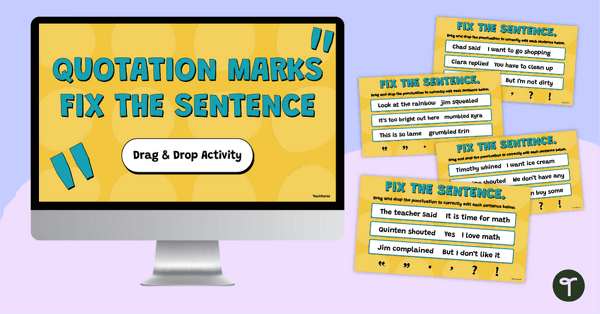
Fix the Sentence - Quotation Marks Practice Activity
Provide perfect punctuation practice with an engaging ‘Fix the Sentence’ Quotation Marks digital learning activity.
- Free Plan
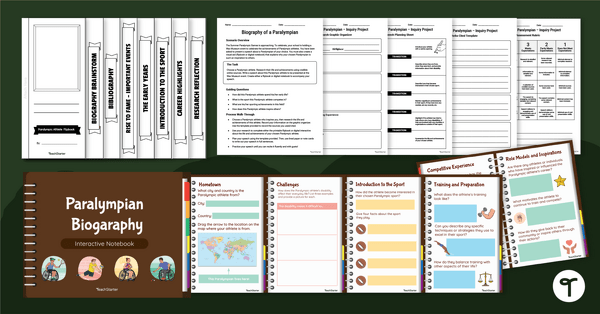
Biography of a Paralympian – Inquiry-Based Project
Have your students investigate the life and achievements of a famous Paralympic athlete with this inquiry-based learning project.
- Plus Plan
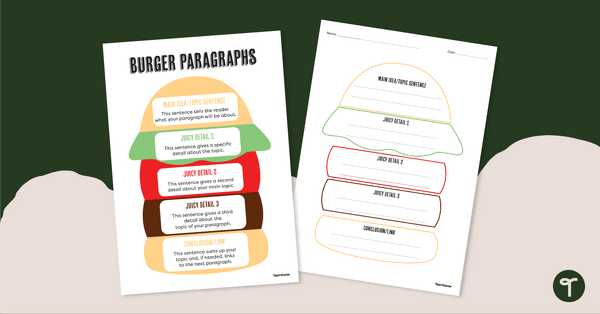
Hamburger Paragraph Poster and Worksheet
Teach your students how to correctly structure a paragraph using this hamburger-themed classroom poster and paragraph planning scaffold.
- Plus Plan
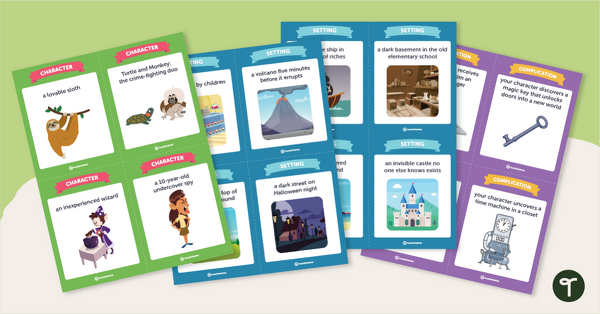
Story Ideas - Character, Setting, and Complication Cards
Help your students choose a topic to write about with this set of 36 character, setting and compilation task cards.
- Plus Plan
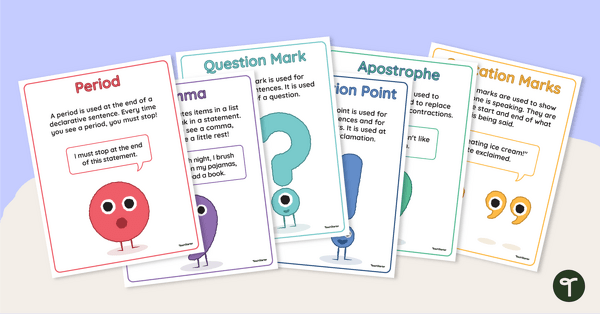
Punctuation Mark Anchor Charts
Display this set of 6 punctuation anchor charts in your classroom to remind your students of the most common punctuation marks and their uses.
- Plus Plan
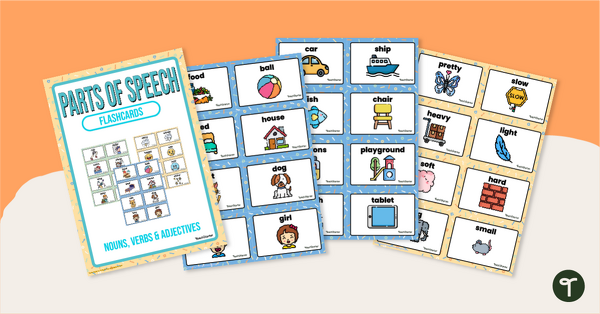
Nouns, Verbs, and Adjectives Flashcards
Create a variety of grammar activities with printable noun, verb and adjective flashcards.
- Plus Plan
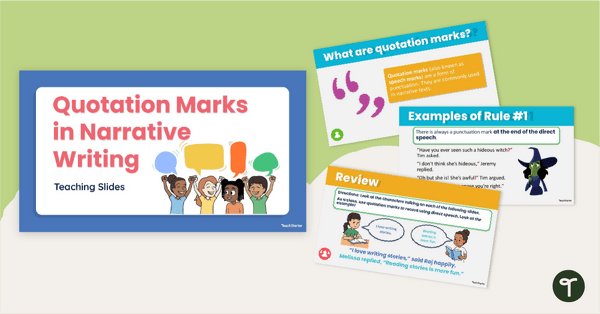
Using Quotation Marks in Narrative Writing PowerPoint
Teach the correct usage of quotation marks in narrative writing with this set of teaching slides.
- Plus Plan
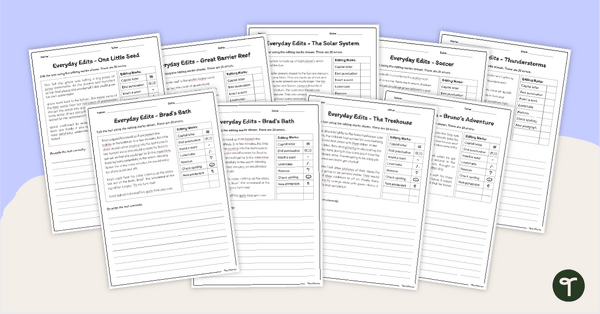
Editing Worksheets – Spelling, Grammar and Punctuation
Use these editing worksheets to add daily editing practice to your lesson plans.
- Plus Plan
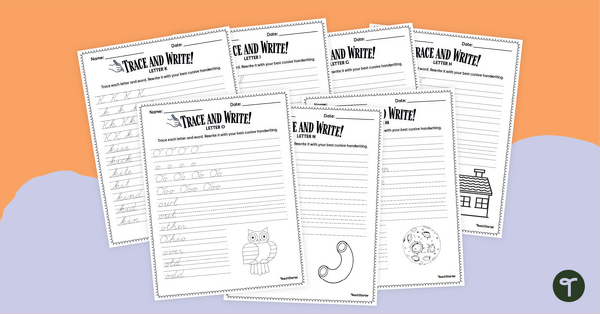
Cursive Writing Worksheets PDF - Alphabet
Practice writing the alphabet in cursive with a pack of printable cursive alphabet worksheets.
- Free Plan
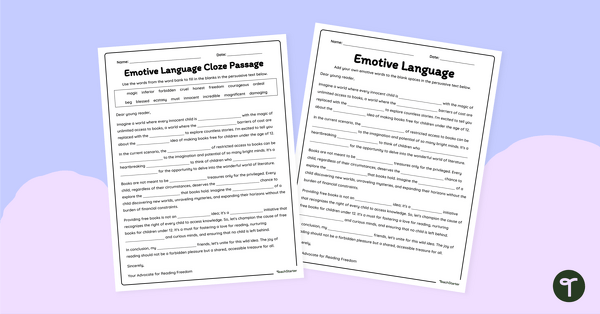
Emotive Language Cloze Passage Worksheet
Get students using emotive language examples in their persuasive essays with this differentiated cloze passage worksheet.
- Plus Plan
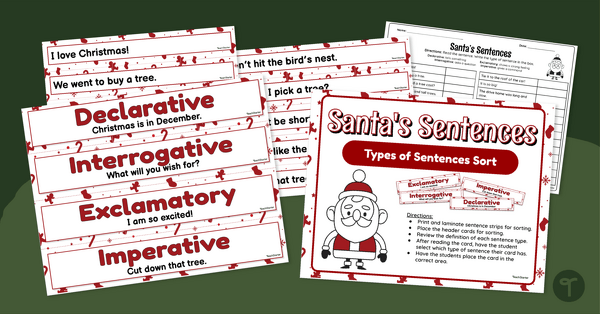
Christmas Writing Center - Types of Sentences for 2nd Grade
Help your students answer “What Type of Sentence Is This?’ with a printable Christmas sorting activity on the 4 types of sentences.
- Plus Plan
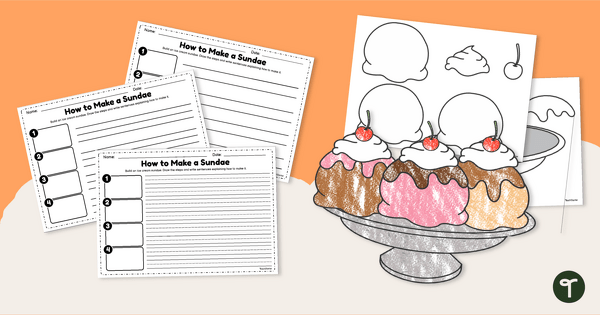
How to Make a Sundae - Informational Writing Craftivity
Inspire students to write informational text with a fun, summer-themed end-of-year writing assignment and craft.
- Plus Plan
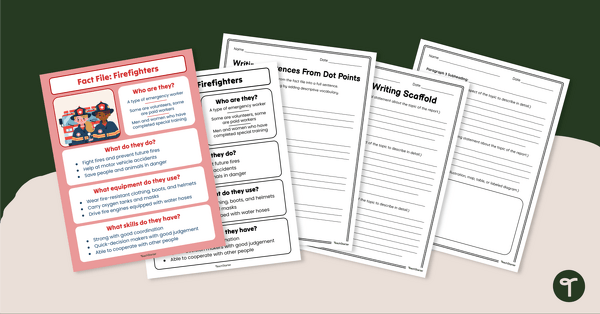
Firefighter Report Writing – Fact File Activity Pack
Engage your class with firefighter report writing activities that combine expository writing practice with real-world learning about community helpers.
- Plus Plan
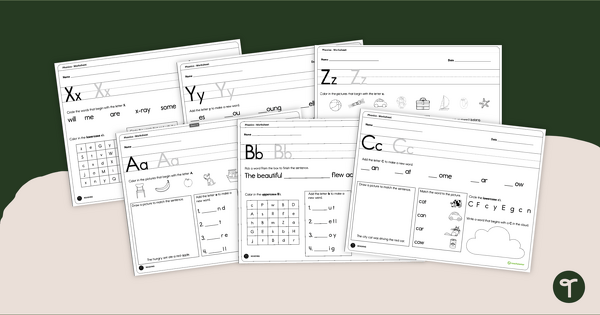
Letters A–Z Printable ABC Worksheets
Learn the letters of the alphabet and their sounds with printable ABC worksheets
- Plus Plan
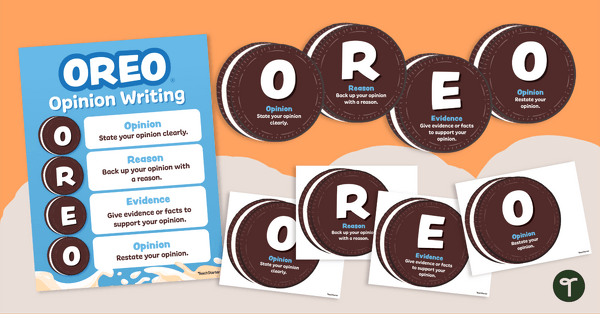
OREO® Opinion Writing Poster
Help students remember the structure of opinion texts with this fun OREO® acronym.