ELAR 4.9
Multiple genres: listening, speaking, reading, writing, and thinking using multiple texts--genres. The student recognizes and analyzes genre-specific characteristics, structures, and purposes within and across increasingly complex traditional, contemporary, classical, and diverse texts. The student is expected to:
- (1) demonstrate knowledge of
distinguishing characteristics of well-known children's
literature such as folktales, fables, legends, myths, and tall tales;
- (A) explain figurative language such as simile, metaphor, and personification that the poet uses to create images;
- (B) explain structure in drama such as character tags, acts, scenes, and stage directions;
- (C) recognize characteristics and structures of informational text, including:
- (D) the central idea with supporting evidence;
- (i) features such as pronunciation guides and diagrams to support understanding; and
- (ii) organizational patterns such as compare and contrast;
- (iii) recognize characteristics and structures of argumentative text by:
- (E) identifying the claim;
- (i) explaining how the author has used facts for an argument; and
- (ii) identifying the intended audience or reader; and
- (iii) recognize characteristics of multimodal and digital texts.
- Free Plan
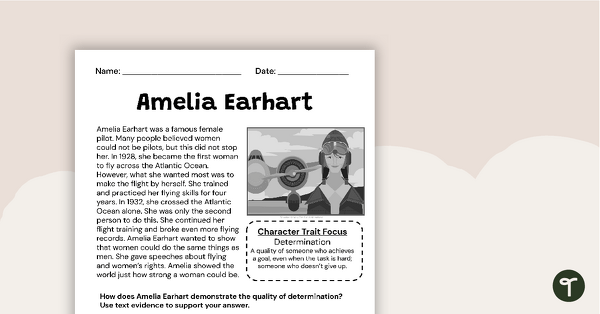
Amelia Earhart Constructed Response Worksheet
Use this passage, second grade writing prompt, and worksheet to help students write a constructed response paragraph about Amelia Earhart.
- Free Plan
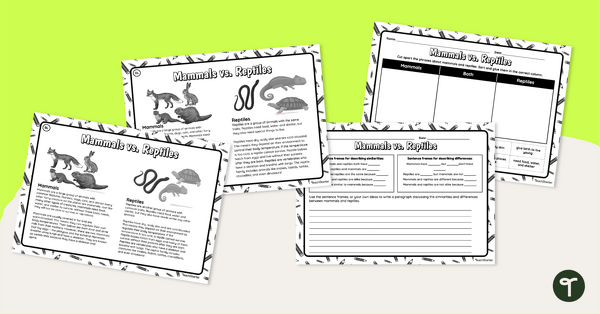
Paired Passage Worksheets-Mammals vs. Reptiles
Compare mammals vs. reptiles and add to your reading instruction with leveled nonfiction, compare and contrast passages and worksheets.
- Free Plan
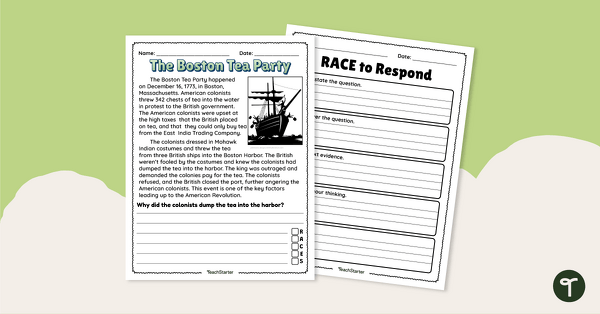
Boston Tea Party - RACES Writing Strategy Worksheet
Integrate reading, writing, and American history with a worksheet about the Boston Tea Party using the RACES writing strategy for text evidence.
- Free Plan
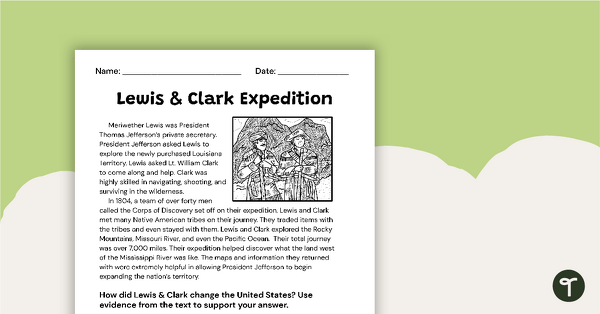
Lewis and Clark Worksheet - RACES Writing Strategy
Practice using the RACES writing strategy for text evidence with a Lewis and Clark Passage, graphic organizer, and worksheet.
- Plus Plan
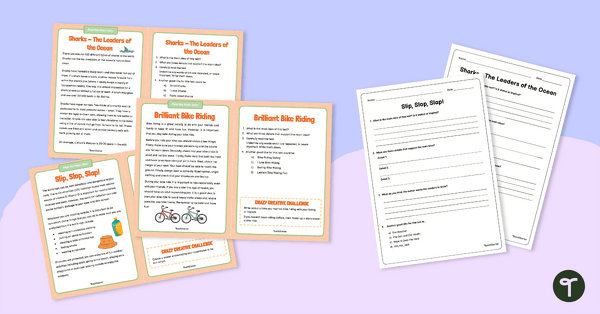
Main Idea Comprehension Task Cards and Worksheets
Download this set of comprehension task cards to help students find the main idea when reading.
- Free Plan
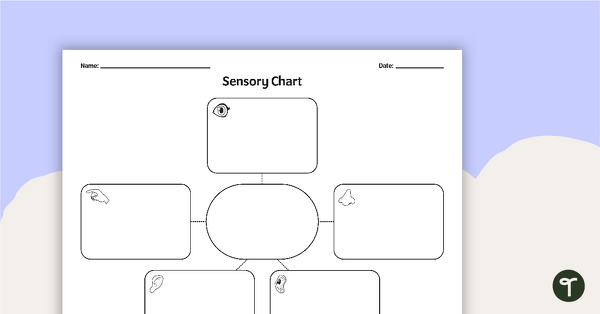
Sensory Chart Graphic Organizer
A graphic organizer for students to use when categorizing sensory details.
- Plus Plan
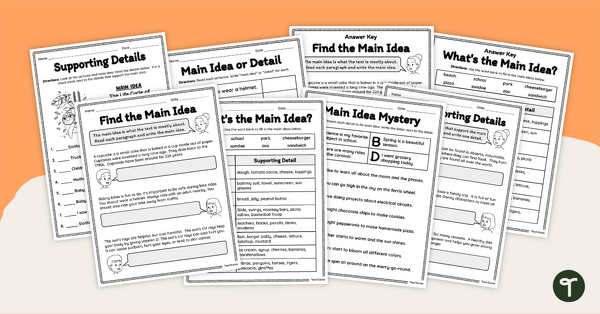
Main Idea and Details Worksheets
Practice finding the main idea and supporting detail with this pack of main idea worksheets.
- Plus Plan
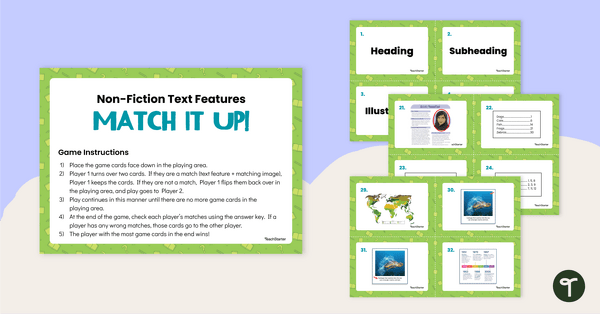
Nonfiction Text Features: Match It Up!
Download this nonfiction text features game to teach elementary school students about the common text features of informational texts.
- Free Plan
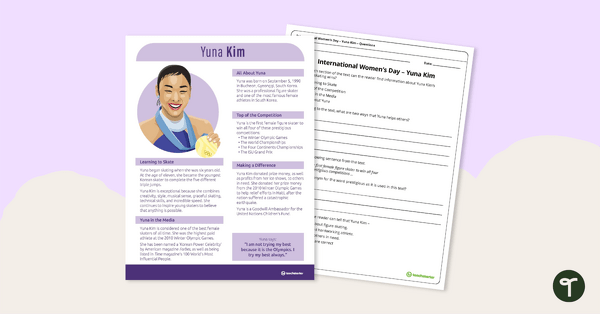
Inspirational Woman Profile: Yuna Kim – Comprehension Worksheet
A comprehension task to use when learning about Yuna Kim.
- Plus Plan
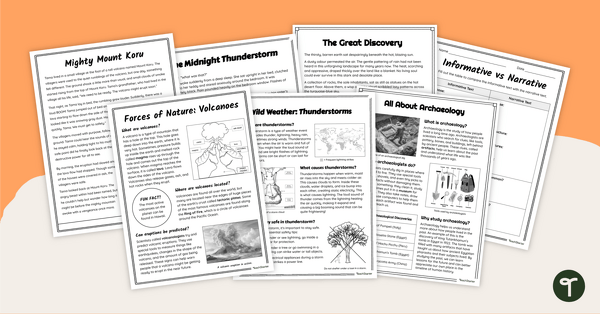
Comparing Narrative and Informational Text Worksheets
Use this set of comparing narrative and informational text worksheets to examine the purpose and features of these two common genres.
- Plus Plan
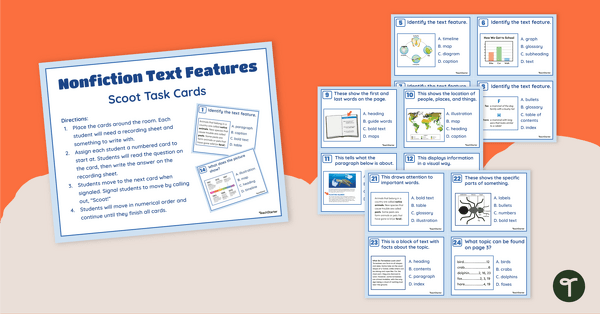
Nonfiction Text Features Task Cards
Get students exploring text feature examples with this set of tack cards perfect for reading centers.
- Plus Plan
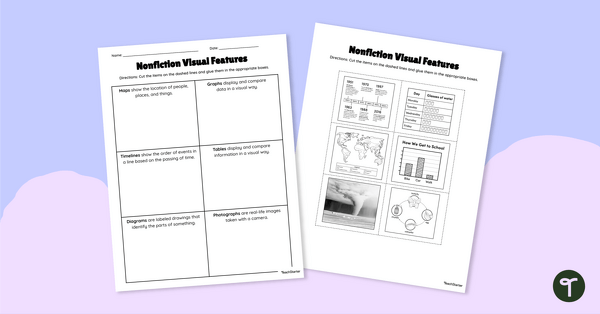
Nonfiction Visual Features Cut and Paste Worksheet
Use this visual text features worksheet when exploring text features such as photographs, maps, charts and diagrams with your students.
- Plus Plan
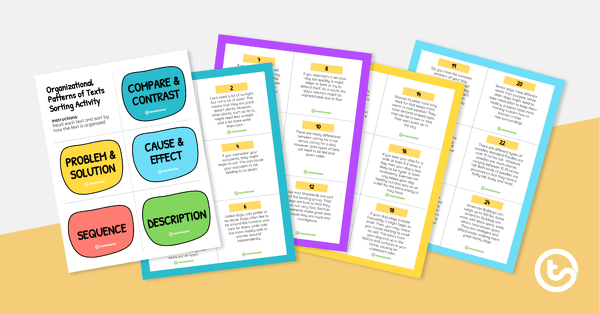
Text Structures Sorting Activity
A set of 24 text structure cards to use in a sorting or scoot activity.
- Free Plan
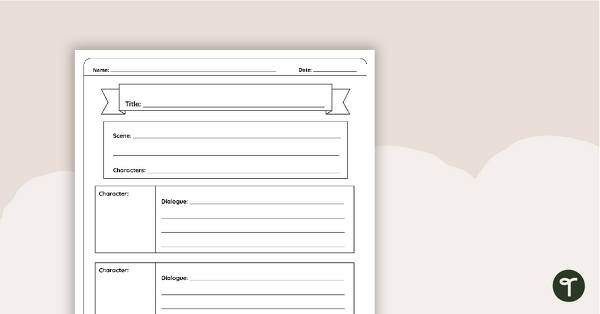
Readers Theater – Play Writing Template
A template for students to use when writing their own Readers Theater script.
- Plus Plan
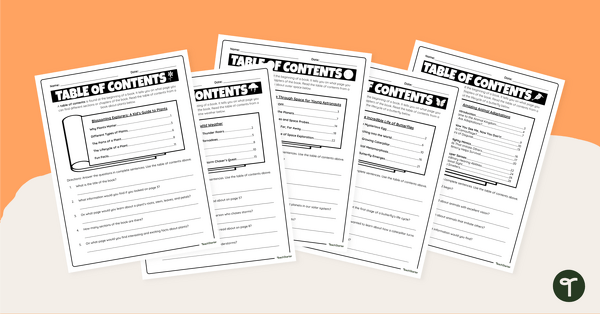
Using Tables of Contents Worksheets
Download these table of contents worksheets to provide your students with practice working with this valuable nonfiction text feature.
- Plus Plan
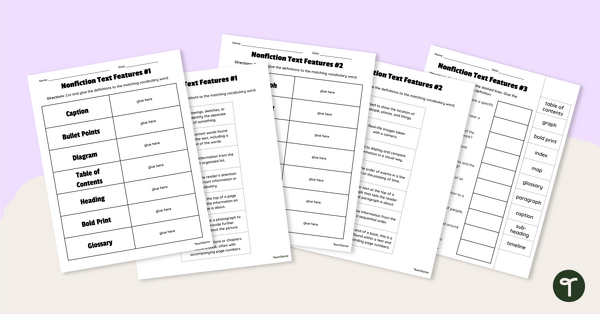
Nonfiction Text Features Cut and Paste Worksheets
Use this text features matching worksheet when exploring the features of nonfiction texts with your students.
- Plus Plan
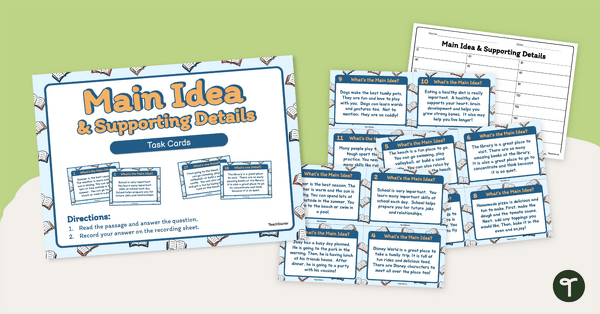
Main Idea Task Cards
Practice finding the main idea and supporting detail in a passage with these task cards.
- Plus Plan
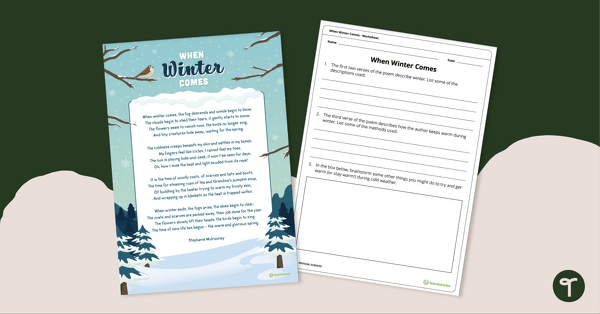
Poetry Analysis Worksheet Pack - 4th and 5th Grade
Strengthen poetry analysis skills with this set of engaging poems and poetry analysis worksheets exploring purpose, audience, structure, sound devices and figurative language.
- Free Plan
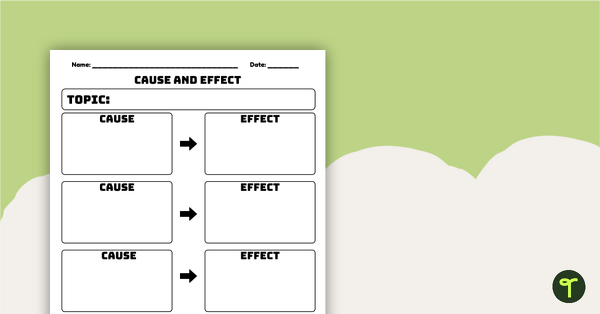
Free Cause and Effect Graphic Organizer
Practice identifying cause and effect with a blank cause and effect graphic organizer.
- Plus Plan
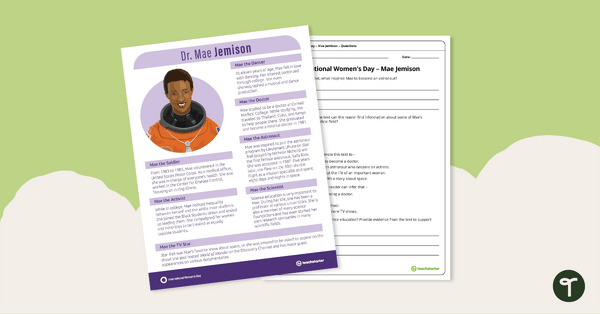
Inspirational Woman Profile: Dr. Mae Jemison – Comprehension Worksheet
Review our profile on the first Black woman astronaut and answer questions to reinforce understanding.
- Plus Plan
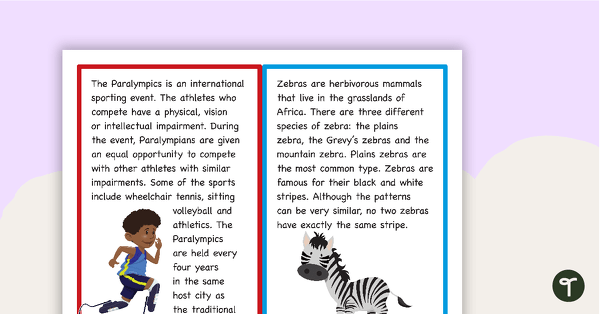
Informative Paragraphs Sequencing Activity
Teach your students about informational text paragraph structure with this hands-on sequencing activity.
- Plus Plan
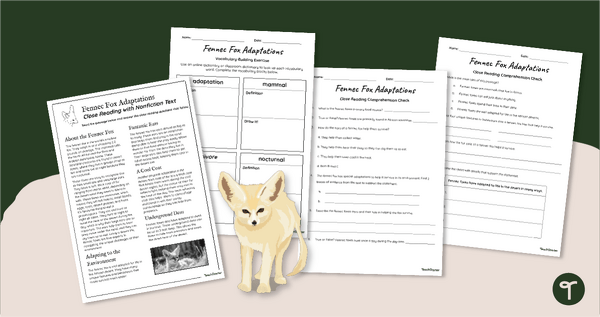
Fennec Fox Adaptations - Close Reading Worksheets
Read and learn about Fennec Fox adaptations with a set of printable Reading Comprehension Worksheets for 5th grade.
- Plus Plan
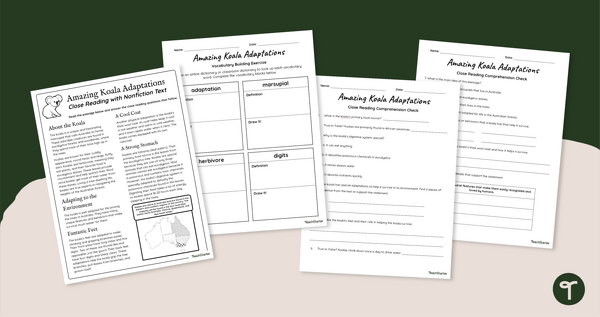
Koala Adaptations Comprehension Worksheets for 4th Grade
Learn about the physical and behavioral adaptations of the koala with a set of printable reading comprehension worksheets for 4th grade.
- Plus Plan
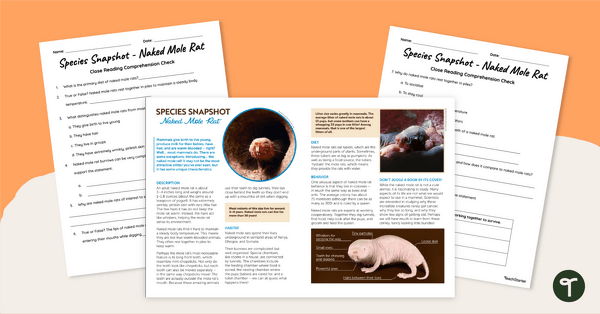
Naked Mole Rats – Comprehension Worksheet
Read and learn facts about the naked mole rat with a printable reading comprehension worksheet pack for 5th grade.
- Plus Plan
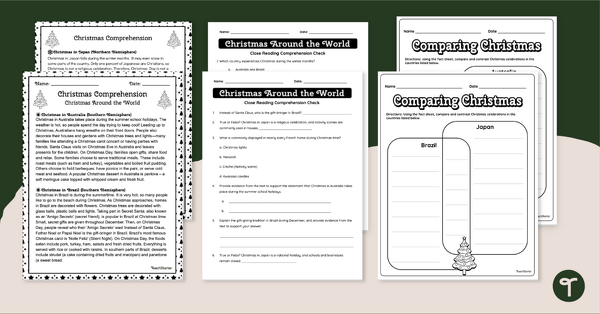
Christmas Around the World - 4th Grade Reading Comprehension
Discover how Christmas is celebrated in the northern and southern hemispheres with printable reading comprehension sheets for 4th grade.
- Plus Plan
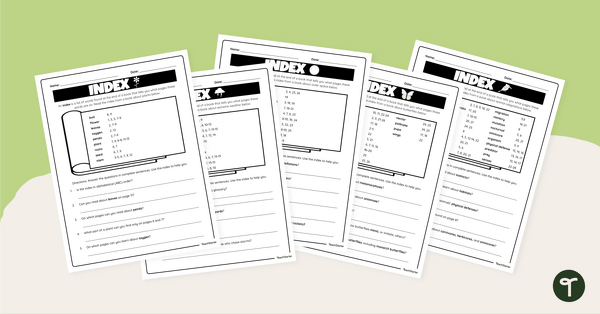
Using Indexes Worksheets
Teach students about the index text feature with this set of worksheets perfect for elementary students.
- Plus Plan
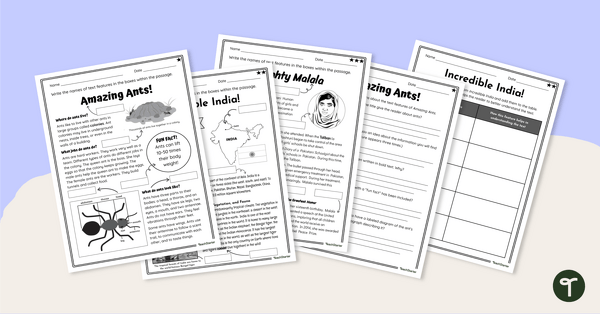
Label the Nonfiction Text Features Worksheets
Have your students label text features in nonfiction texts with this set of three differentiation text features worksheets for elementary students.
- Plus Plan
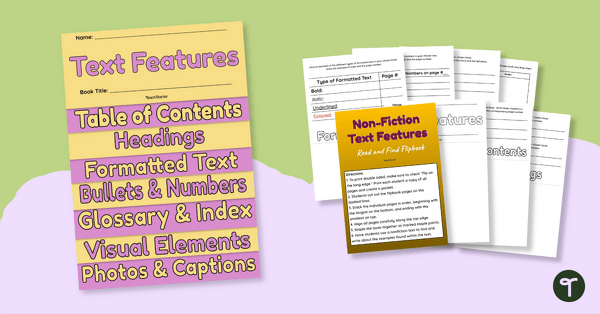
Nonfiction Text Features Flipbook – Read and Find
Get your students to find text features in nonfiction books with this student-centered flipbook activity perfect for reading centers.
- Free Plan
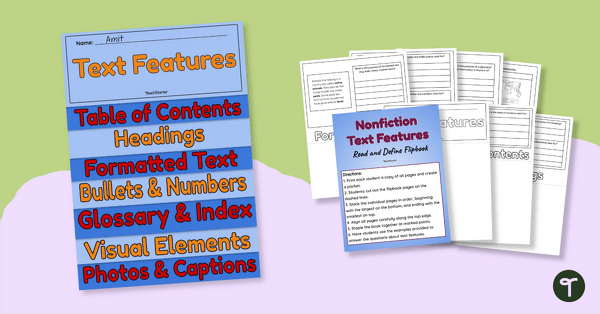
Nonfiction Text Features Flipbook – Read and Define
Use this text features flipbook as a reading center activity to teach your students about the purpose of text features in nonfiction books.
- Plus Plan
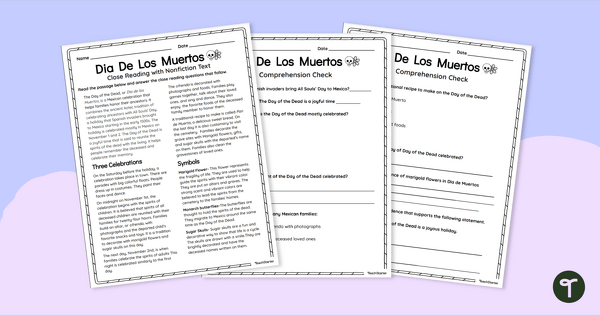
The Day of the Dead for Kids - Reading Prose Comprehension Test
Read and learn about the Mexican holiday, Dia De Los Muertos, with printable 4th grade reading prose comprehension worksheets.
- Free Plan
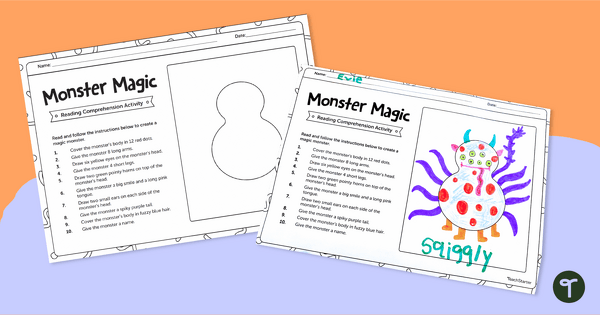
How to Make a Monster Reading Comprehension Activity
Read and comprehend a set of instructions to create a magical monster!
- Plus Plan
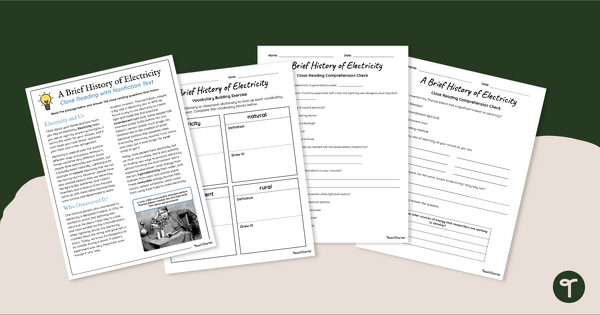
The History of Electricity - Reading Comprehension Worksheet
Read to learn about the history of electricity with a pack of printable Reading Comprehension worksheets.