ELAR K.1
Developing and sustaining foundational language skills: listening, speaking, discussion, and thinking--oral language. The student develops oral language through listening, speaking, and discussion. The student is expected to:
- (1) Composition: listening, speaking, reading, writing, and thinking using multiple texts--writing process. The student uses the writing process recursively to compose multiple texts that are legible and uses appropriate conventions. The student is expected to:
- (2) plan by generating ideas for writing through class
discussions and drawings;
- (A) develop drafts in oral, pictorial, or written form by organizing ideas;
- (B) revise drafts by adding details in pictures or words;
- (C) edit drafts with adult assistance using standard English conventions, including:
- (D) complete sentences;
- (i) verbs;
- (ii) singular and plural nouns;
- (iii) adjectives, including articles;
- (iv) correct spelling of words with grade-appropriate orthographic patterns and rules and high-frequency words; and
- (v) prepositions;
- (vi) pronouns, including subjective, objective, and possessive cases;
- (vii) capitalization of the first letter in a sentence and name;
- (viii) punctuation marks at the end of declarative sentences; and
- (ix) share writing.
- (E) Composition: listening, speaking, reading, writing, and thinking using multiple texts--genres. The student uses genre characteristics and craft to compose multiple texts that are meaningful. The student is expected to:
- (3) dictate or compose literary texts, including
personal narratives; and
- (A) dictate or compose informational texts.
- (B) Inquiry and research: listening, speaking, reading, writing, and thinking using multiple texts. The student engages in both short-term and sustained recursive inquiry processes for a variety of purposes. The student is expected to:
- (4) generate questions for formal and informal inquiry
with adult assistance;
- (A) develop and follow a research plan with adult assistance;
- (B) gather information from a variety of sources with adult assistance;
- (C) demonstrate understanding of information gathered with adult assistance; and
- (D) use an appropriate mode of delivery, whether written, oral, or multimodal, to present results.
- (E) listen actively and ask questions to understand information and answer questions using multi-word responses;
- (F) restate and follow oral directions that involve a short, related sequence of actions;
- (G) share information and ideas by speaking audibly and clearly using the conventions of language;
- (H) work collaboratively with others by following agreed-upon rules for discussion, including taking turns; and
- (I) develop social communication such as introducing himself/herself, using common greetings, and expressing needs and wants.
- Free Plan
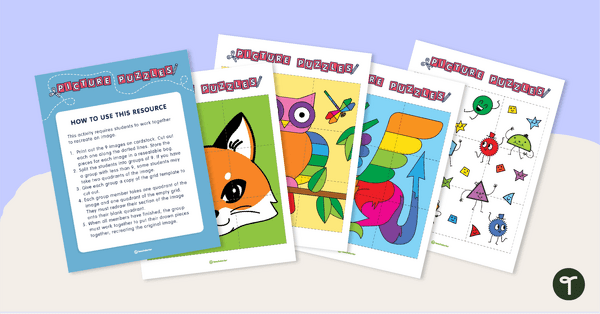
Picture Puzzles - Team Building Activities
A set of 10 picture puzzles to use as a team-building activity.
- Free Plan
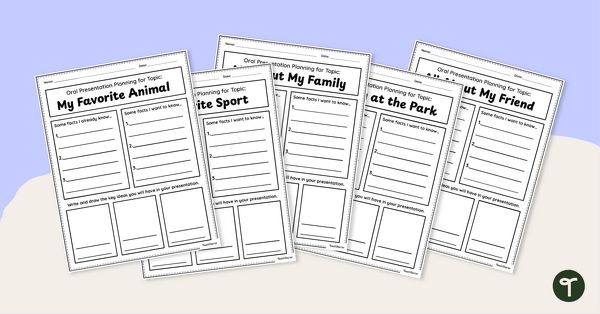
Oral Presentation Topics Task Sheets
Help students pick a topic and plan for an oral presentation with this set of Oral Presentation Topics Task Sheets.
- Plus Plan
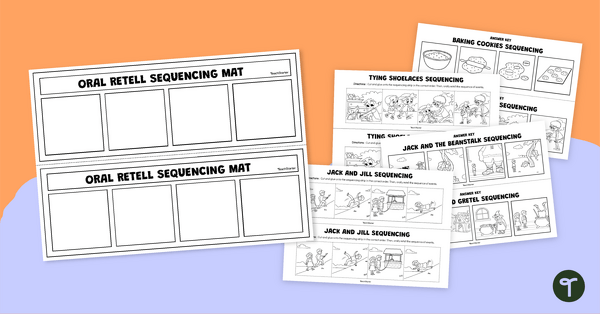
Oral Retell Sequencing Mats
Explore oral retelling with this set of oral retell sequencing mats for a variety of fairy tales and everyday activities.
- Free Plan
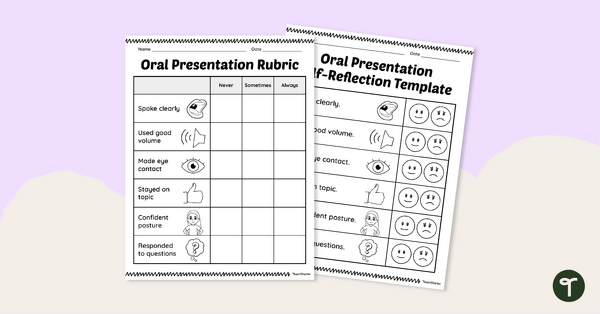
Oral Presentation Rubric for Kindergarten
Use this Oral Presentation Rubric for peer or teacher assessments of presentations in the Kindergarten.
- Plus Plan
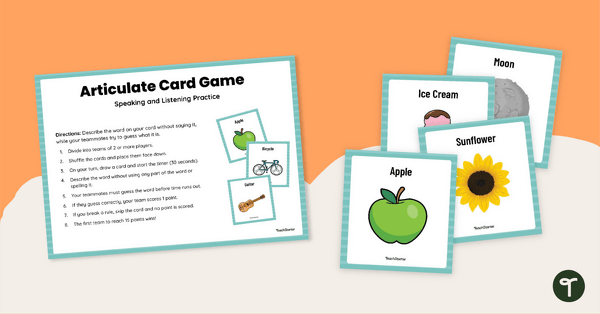
Oral Language Picture Cards - Express it
Build oral communication and vocabulary skills with Oral Language Picture Cards – Express It!
- Plus Plan
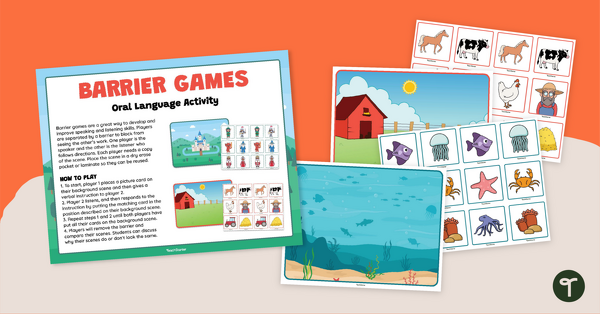
Oral Language Barrier Games
Use these Oral Language Barrier Games to develop oral language skills in the early years.
- Plus Plan

Chit Chat Cards - Developing Speaking Skills
Encourage your students to improve their speaking skills with these printable chit chat cards perfect for the early grades.
- Plus Plan
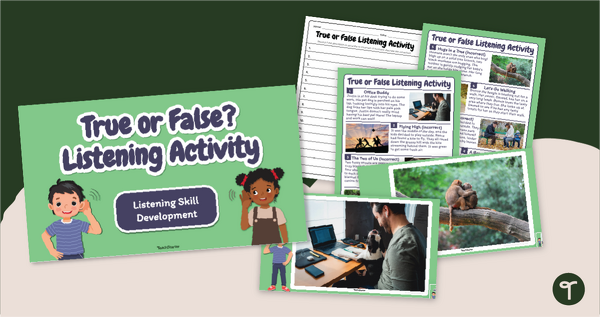
True or False? Active Listening Exercises
Improve listening skills in the classroom with an engaging True or False Active Listening Activity.
- Free Plan
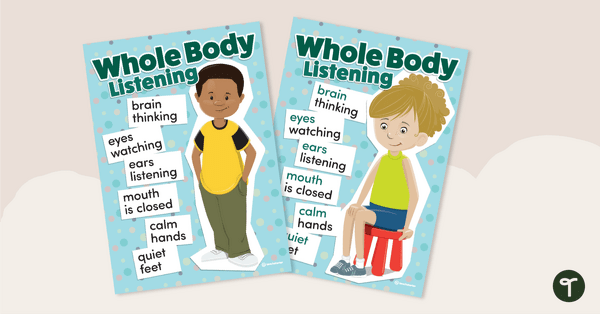
Whole Body Listening Poster Pack
Print a Whole Body Listening Poster Pack to highlight the characteristics of a good listener.
- Plus Plan
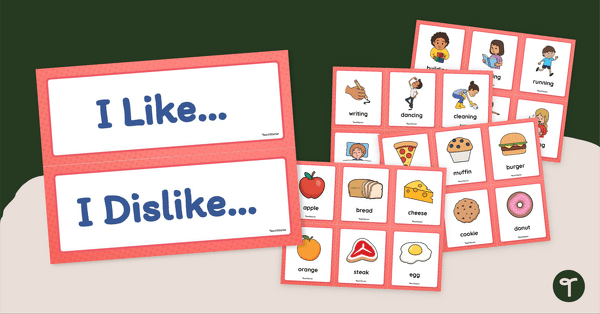
Likes and Dislikes Sorting Activity
Encourage students to explore different ways to express likes and dislikes with this sorting activity.
- Plus Plan
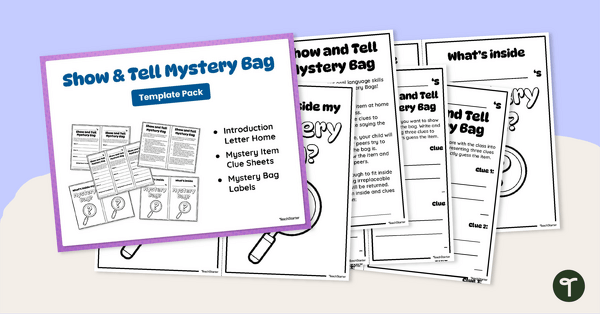
Show and Tell Mystery Bag Pack
Add excitement to speaking and listening with this pack of Show and Tell Mystery Bag templates.
- Plus Plan
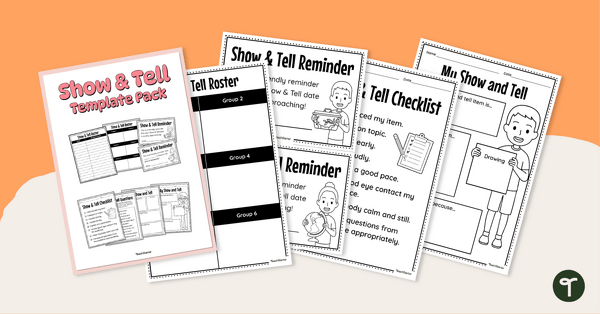
Show and Tell Template Pack
Develop oral language with this set of show and tell templates.
- Plus Plan
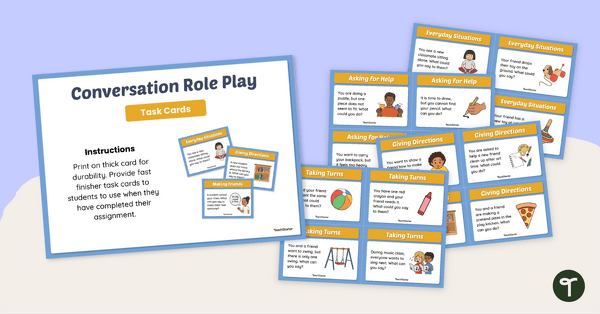
Conversation Role Play Cards
Practice having conversations in different scenarios with this set of conversation role play cards.
- Plus Plan
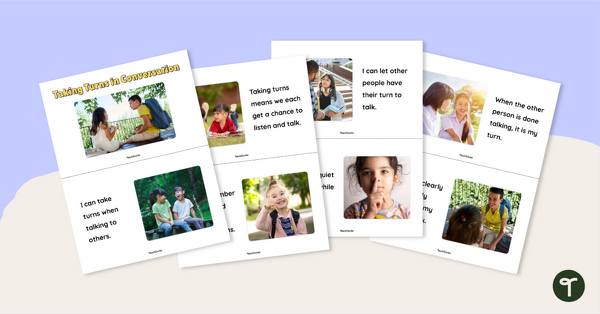
Taking Turns in Conversation Social Story
Help students learn how to take turns in a conversation with this Taking Turns in Conversation Social Story printable booklet.
- Plus Plan
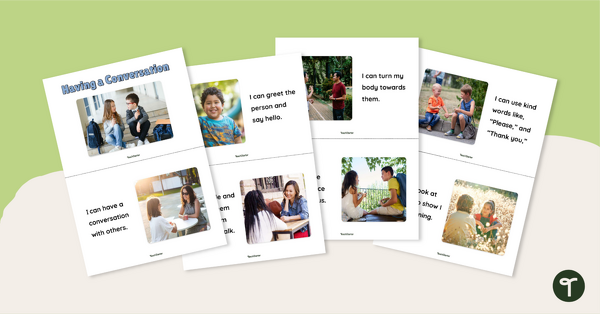
Having a Conversation Social Story
Build confidence in your students by using this Conversation Skills Social Story printable booklet.
- Plus Plan
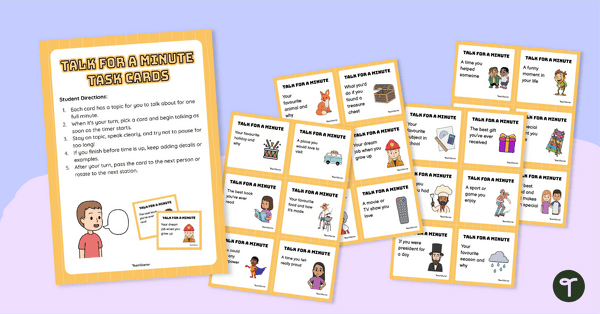
Talk for a Minute Task Cards
Encourage students to become confident speakers with these Talk for a Minute Task Cards.
- Plus Plan
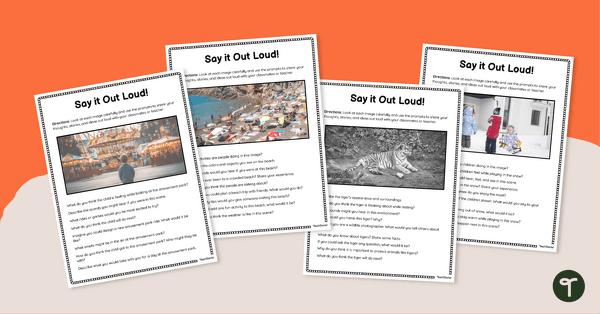
Oral Communication Worksheets
Help students develop their oral communication skills with this engaging set of Oral Communication Worksheets.
- Plus Plan
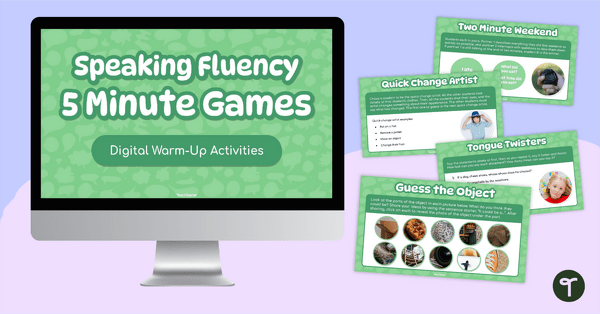
5 Minute Speaking Fluency Activities Warm Up
Improve your students' communication skills with these 5 minute speaking fluency activities.
- Plus Plan
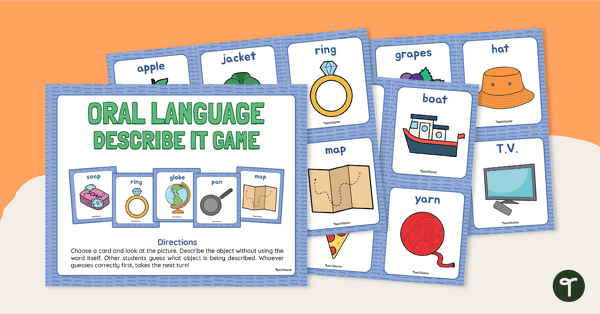
Describe it Card Game
Engage with this Describe it Card Game to get your students using their oral language skills in a fun way!
- Plus Plan
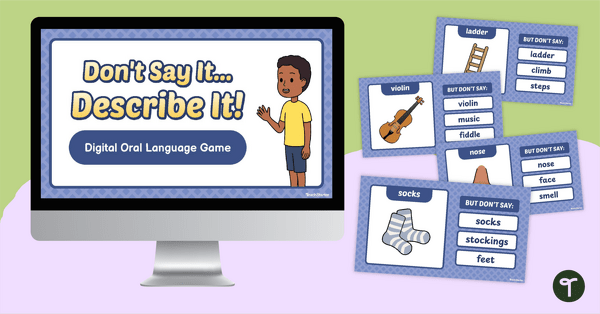
Describe It Game - Oral Language
Unlock the power of spoken language with this Don’t Say It… Describe it Oral Langauge Game.
- Plus Plan
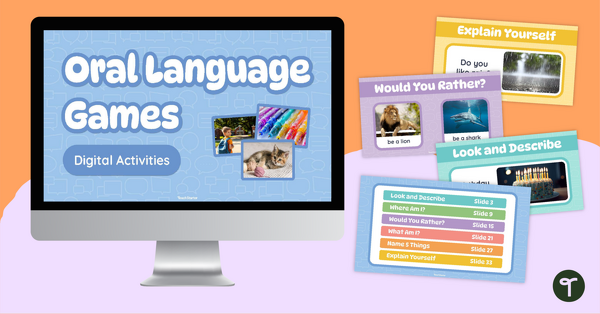
Oral Language Games - Digital Activity
Boost your students' oral language skills with this fun and engaging oral language game interactive.
- Plus Plan
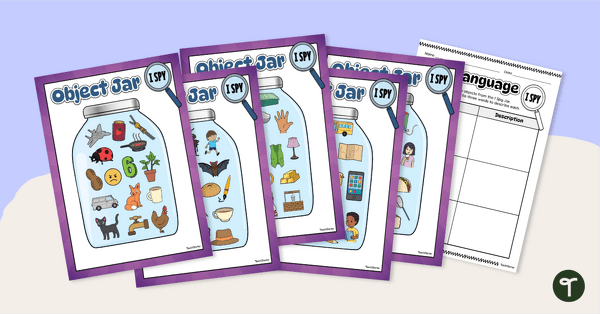
Oral Language Activity - I Spy Game
Strengthen oral language skills with this I Spy Oral Language Activity.
- Plus Plan
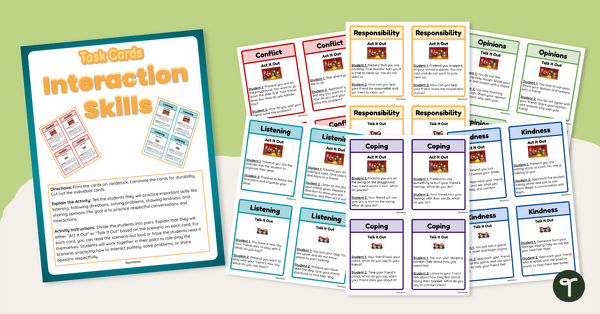
Oral Language Activities
Share these oral language activities with your students to help them practice listening to others, expressing opinions, receiving instructions, and more!
- Plus Plan
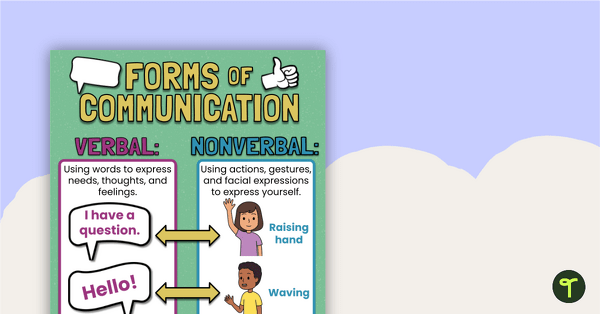
Verbal and Nonverbal Communication Poster
Teach your young students the key to communication by starting with the basics — the difference between verbal and nonverbal communication methods.
- Plus Plan
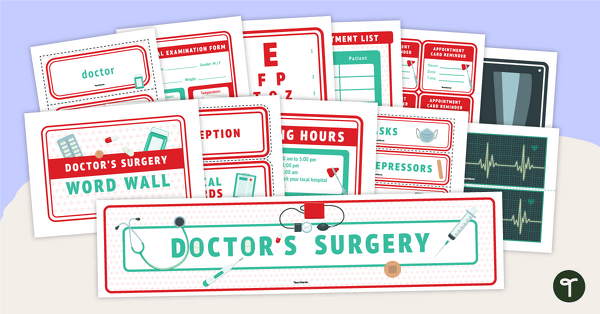
Dramatic Play - Doctor's Office Pretend Play Pack
Create a dramatic play center with this doctor's office kit.
- Plus Plan
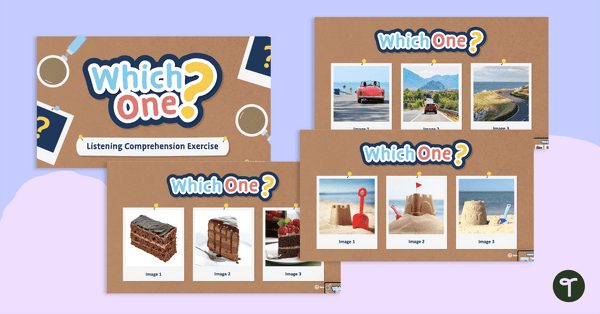
Which One? – Listening Comprehension Exercise
An Interactive PowerPoint where students listen to a description and choose the matching image.
- Plus Plan
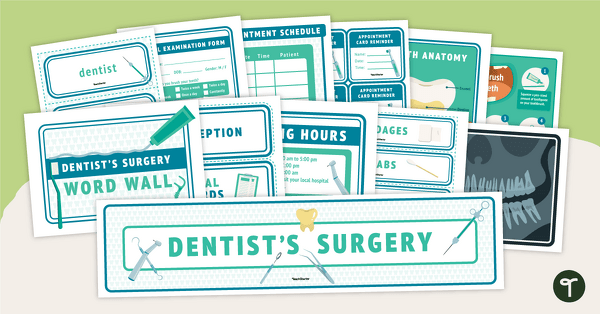
Dramatic Play Center - Dentist Office
Engage and encourage imaginative thinking with a dentist's office dramatic play center.
- Plus Plan
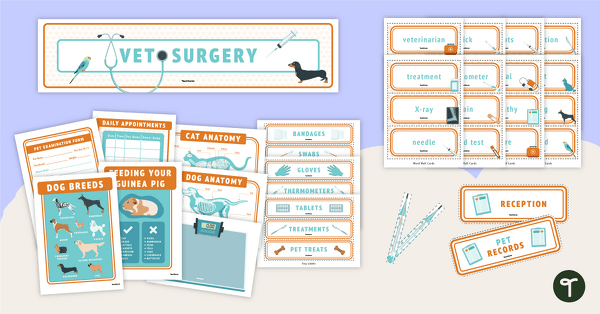
Dramatic Play Center - Vet's Office Pack
Printable decor and elements for a veterinarian's office dramatic play center.
- Plus Plan
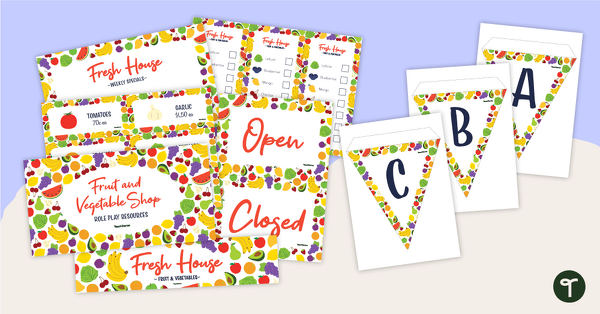
Fruit and Vegetable - Grocery Store Dramatic Play Pack
Create a supermarket play center with a fruit and vegetable stand-themed grocery store dramatic play kit.
- Plus Plan
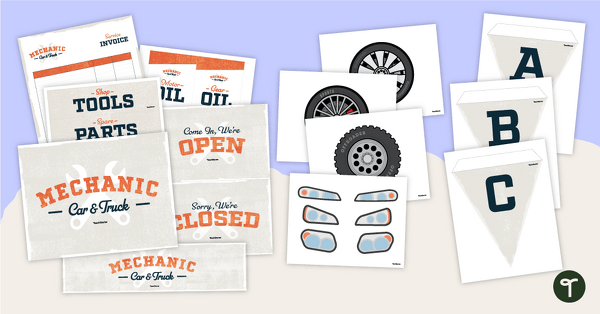
Pretend Play Kit – Mechanic Shop Dramatic Play Theme
A mechanic shop themed dramatic play kit.
- Plus Plan
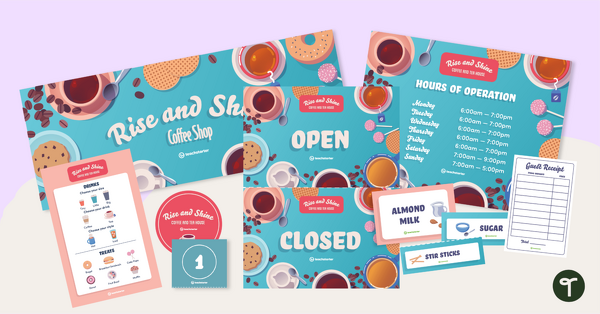
Dramatic Play Kit – Coffee and Tea Shop
A coffee and tea shop themed dramatic play kit.
- Plus Plan
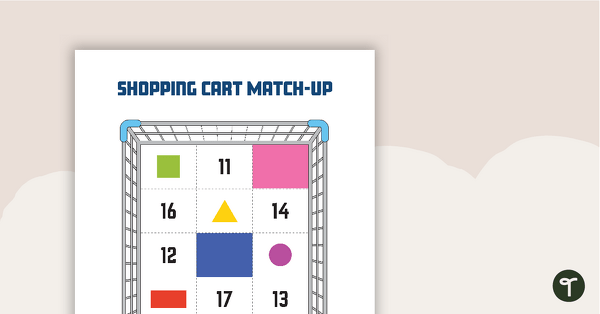
Shopping Cart Matchup Activity
A speaking and listening activity to reinforce a variety of mathematical concepts.