ELAR K.2
Developing and sustaining foundational language skills: listening, speaking, reading, writing, and thinking--beginning reading and writing. The student develops word structure knowledge through phonological awareness, print concepts, phonics, and morphology to communicate, decode, and spell. The student is expected to:
- (1) demonstrate phonological awareness by:
- (A) identifying and producing rhyming words;
- (i) recognizing spoken alliteration or groups of words that begin with the same spoken onset or initial sound;
- (ii) identifying the individual words in a spoken sentence;
- (iii) identifying syllables in spoken words;
- (iv) manipulating syllables within a multisyllabic word; and
- (v) blending syllables to form multisyllabic words;
- (vi) segmenting multisyllabic words into syllables;
- (vii) blending spoken onsets and rimes to form simple words;
- (viii) blending spoken phonemes to form one-syllable words;
- (ix) segmenting spoken one-syllable words into individual phonemes;
- (x) demonstrate and apply phonetic knowledge by:
- (B) identifying and matching the common sounds that letters
represent;
- (i) using letter-sound relationships to decode, including VC, CVC, CCVC, and CVCC words;
- (ii) recognizing that new words are created when letters are changed, added, or deleted such as it - pit - tip - tap; and
- (iii) identifying and reading at least 25 high-frequency words from a research-based list;
- (iv) demonstrate and apply spelling knowledge by:
- (C) spelling words with VC, CVC, and CCVC;
- (i) spelling words using sound-spelling patterns; and
- (ii) spelling high-frequency words from a research-based list;
- (iii) demonstrate print awareness by:
- (D) identifying the front cover, back cover, and title page
of a book;
- (i) holding a book right side up, turning pages correctly, and knowing that reading moves from top to bottom and left to right with return sweep;
- (ii) recognizing that sentences are comprised of words separated by spaces and recognizing word boundaries;
- (iii) recognizing the difference between a letter and a printed word; and
- (iv) identifying all uppercase and lowercase letters; and
- (v) develop handwriting by accurately forming all uppercase and lowercase letters using appropriate directionality.
- (A) identifying and producing rhyming words;
- Plus Plan
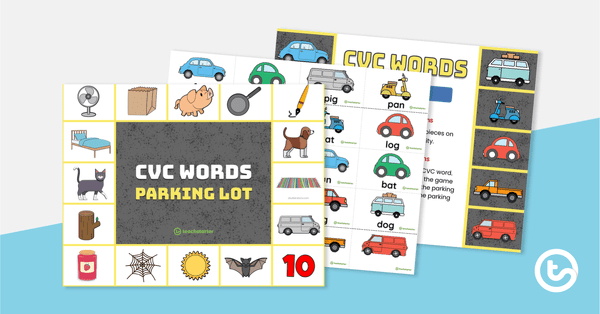
CVC Words Parking Lot Game
Practice decoding and spelling CVC words with this set of 16 word cards and matching game board.
- Plus Plan
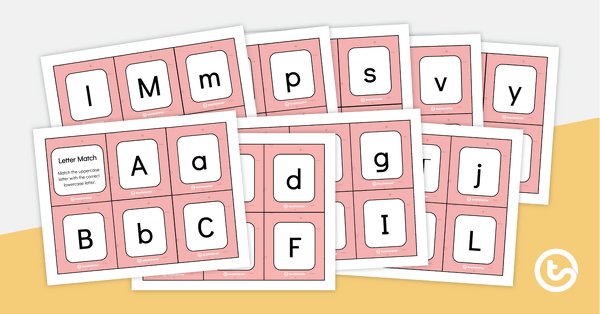
Letter Match-Up Cards
A set of uppercase and lowercase letter cards.
- Free Plan
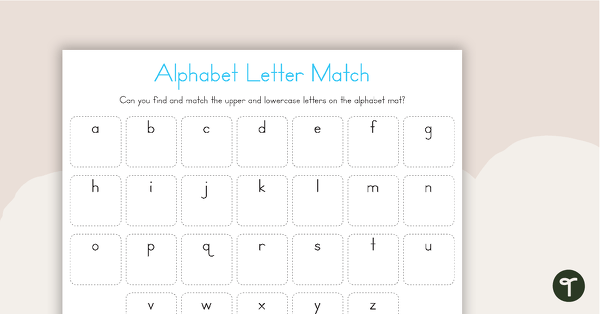
Alphabet Letter Match
A fun match-up activity to consolidate your students' knowledge of uppercase and lowercase letters.
- Plus Plan
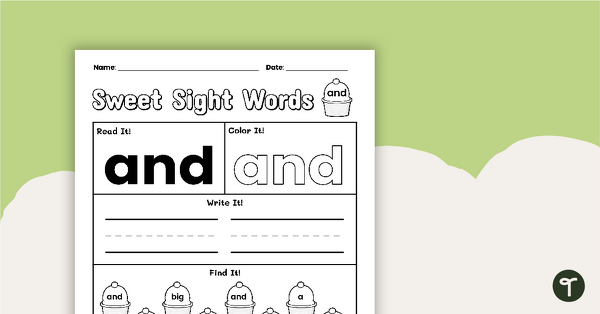
Sweet Sight Words Worksheet - AND
Practice reading, writing, and identifying the high-frequency word “and” from the Pre-Primer Dolch sight words list.
- Plus Plan
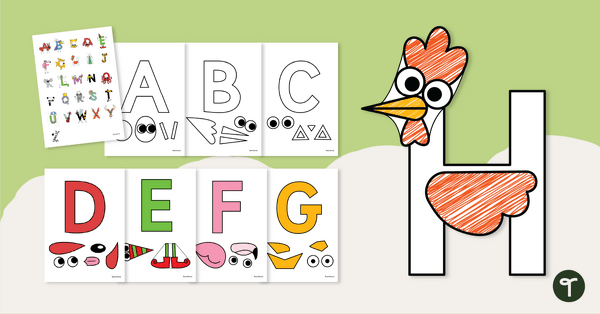
Alphabet Craft Printable Templates
Assist young students with letter recognition, phonemic awareness, and fine motor development with these adorable alphabet craft templates.
- Plus Plan
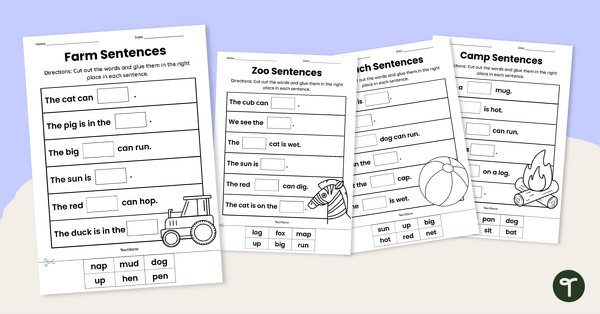
Simple Sentences Cut and Paste Worksheets
Build confident early readers with this engaging Simple Sentence Cut and Paste Worksheet Set.
- Plus Plan
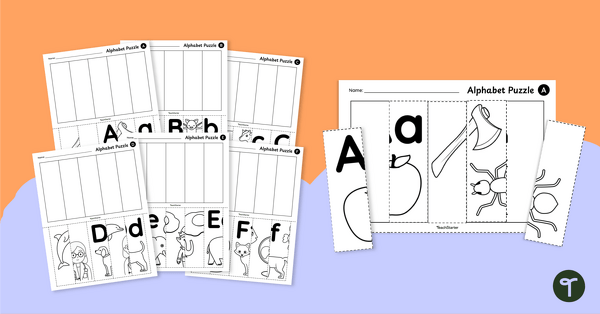
Uppercase and Lowercase Matching Activity Pack
Use these uppercase and lowercase matching cut and paste activities to help students identify and name both forms of each letter.
- Plus Plan
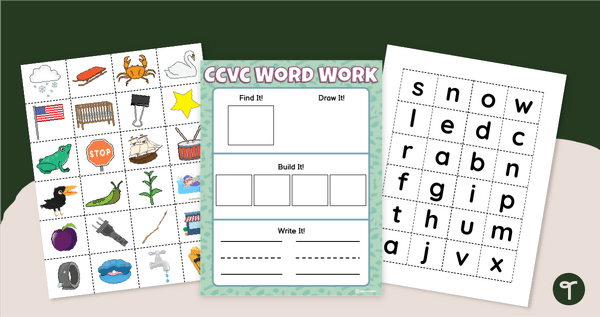
CCVC Word Work Mat
Practice decoding and spelling simple words with this set of 24 CCVC picture task cards.
- Free Plan
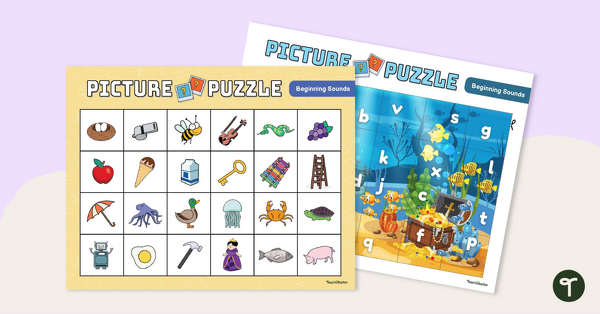
Alphabet Sounds Picture Puzzle
Dive into letter-sound correspondence with your students using this alphabet picture puzzle.
- Plus Plan
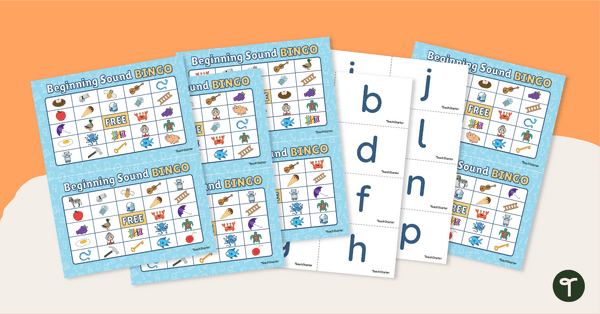
Letter Sound Bingo
Practice applying letter-sound correspondence with a set of 20 BINGO game boards and cards.
- Plus Plan
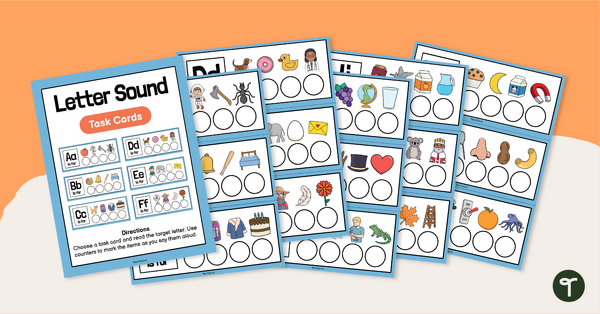
Letter Sound Recognition Activity Task Cards
Explore letter sound recognition knowledge with your students using this set of letter sound activity cards.
- Plus Plan
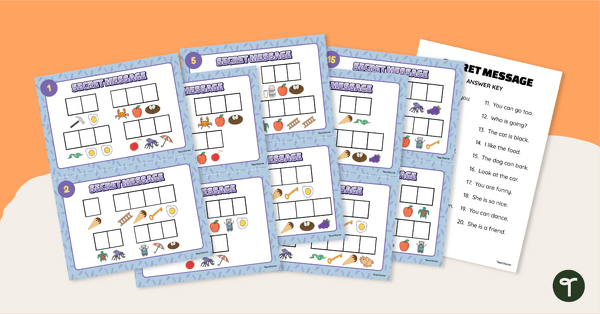
Beginning Sounds Mystery Task Cards
Help students apply letter-sound correspondence with this set of 20 task cards.
- Plus Plan
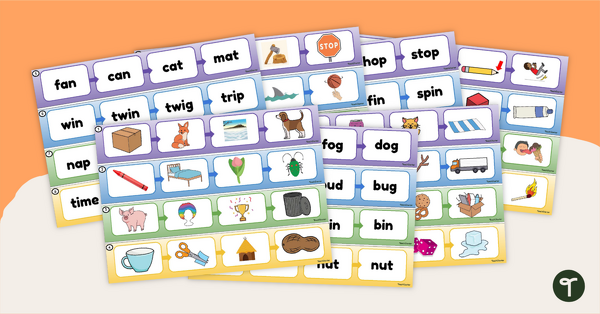
Phoneme Manipulation Picture Cards
Explore phoneme substitution with your students using this set of image task cards.
- Plus Plan
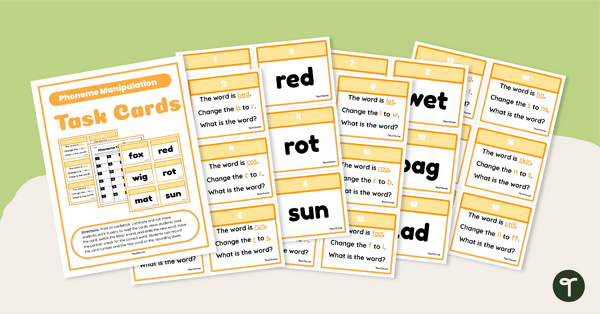
Phoneme Substitution Task Cards
Explore phoneme substitution with your students by using these task cards to replace individual sounds in words to make new words.
- Plus Plan
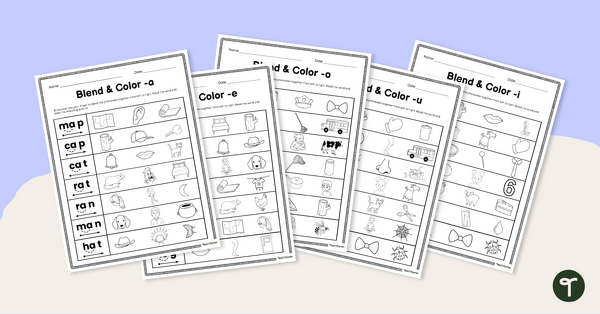
Blend and Color Phoneme Blending Worksheets
Get your students blending simple CVC words with this set of blend and color worksheets.
- Plus Plan
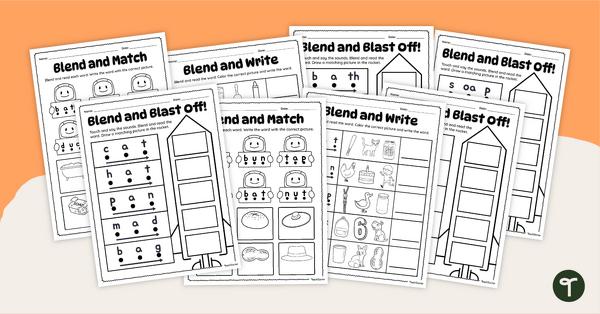
Blending Words Worksheet Pack
Explore blending phonemes in a variety of ways using this worksheet pack for your students.
- Plus Plan
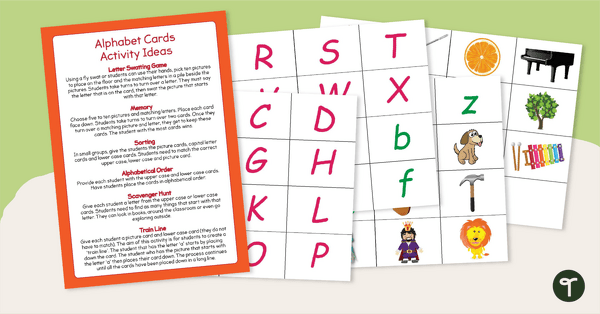
Alphabet Picture and Letter Cards
Practice letter recognition and letter sounds with this set of alphabet letter and picture cards.
- Plus Plan
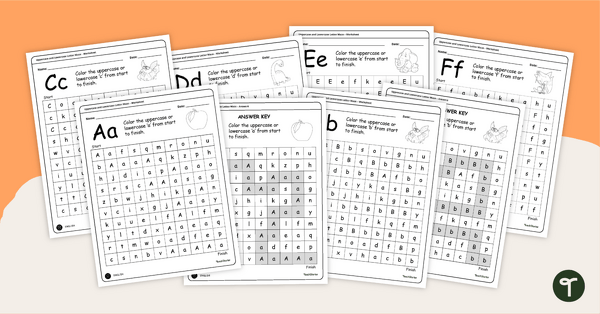
Uppercase and Lowercase Letters Maze Worksheet Set
Help students learn to recognize both uppercase and lowercase letters of the alphabet with this fun set of maze worksheets.
- Plus Plan
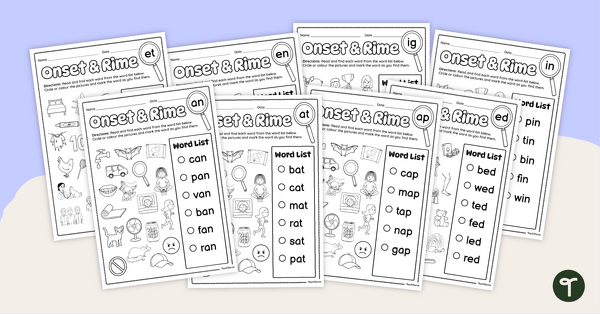
Onset and Rime Phonics Search Pack
Practice searching for and decoding onset and rime words with this set of search and find worksheets.
- Plus Plan
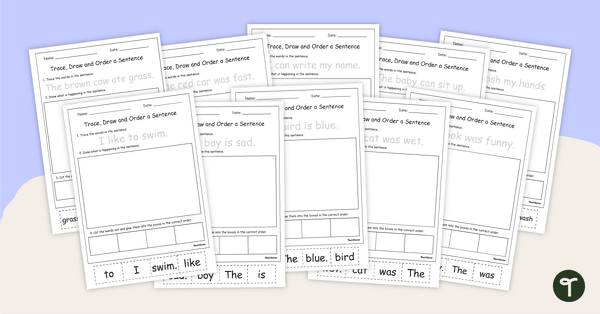
Trace, Draw and Order Sentences Worksheets
Use this set of sentence cut-and-paste worksheets to help your students build simple sentences.
- Plus Plan
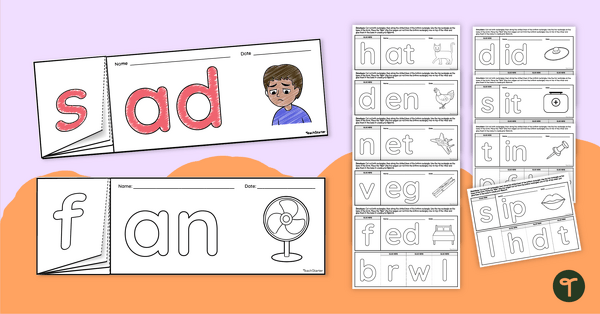
Onset and Rime Mini Flipbooks
Practice reading onset and rime words with this interactive mini flipbook.
- Plus Plan
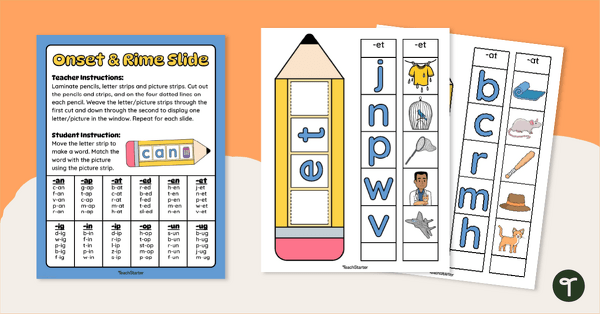
Onset and Rime Slide Activity
Practice matching onset and rime to create words in this fun slider activity.
- Plus Plan
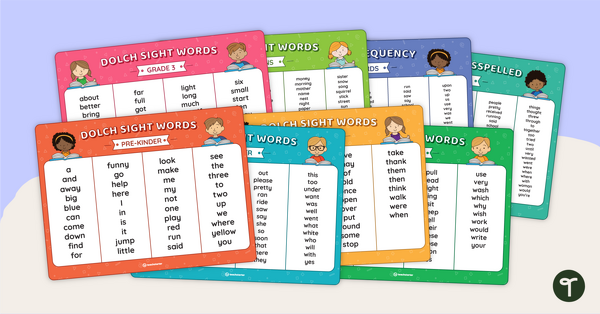
Dolch Sight Word List – Complete Set
Practice word recognition with our set of 8 Dolch Sight Word Lists.
- Plus Plan
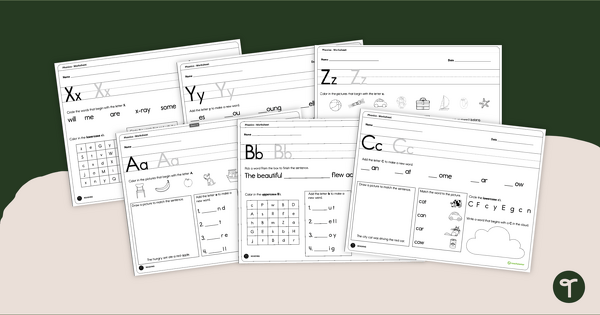
Letters A–Z Printable ABC Worksheets
Learn the letters of the alphabet and their sounds with printable ABC worksheets
- Plus Plan
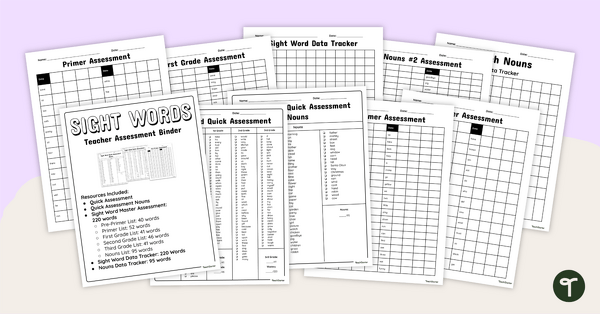
Sight Word Assessments and Data Tracking Sheets
Track Dolch sight word mastery with this set of printable assessments and data sheets.
- Plus Plan
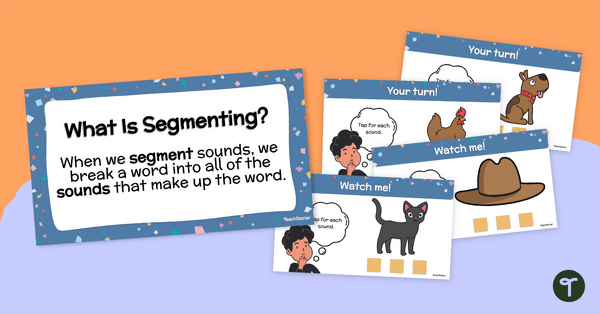
Introducing Phoneme Segmentation Slide Deck
Learn how to segment simple CVC words into their phonemes with this teacher-directed slide deck.
- Plus Plan
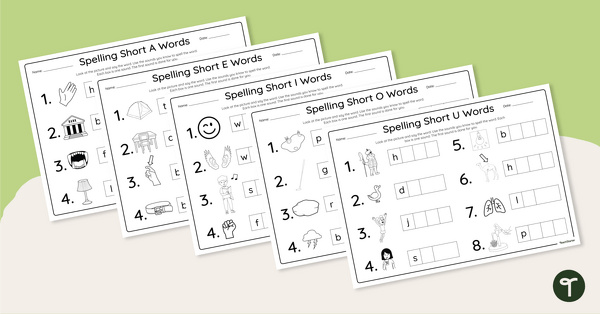
Spelling CVCC Words - Worksheets
Develop students’ ability to segment and blend the sounds in CVCC words with this set of differentiated worksheets.
- Plus Plan
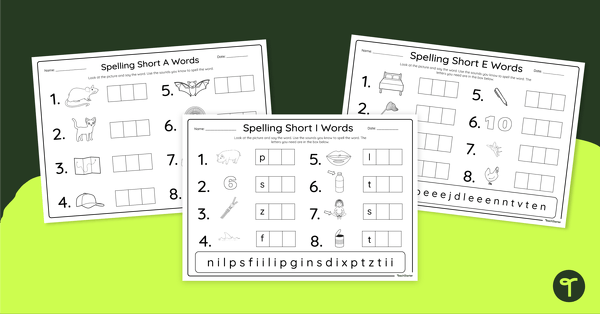
Spelling CVC Words - Worksheets
Develop students’ ability to segment and blend the sounds in CVC words with this set of differentiated worksheets.
- Free Plan
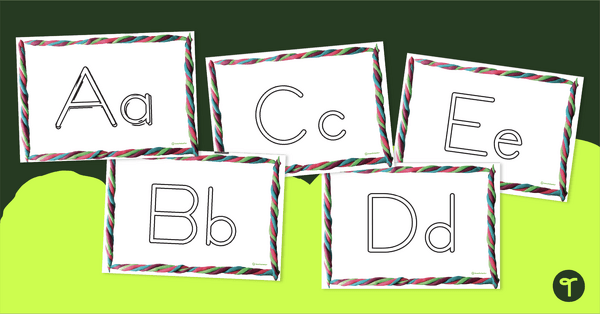
Alphabet Playdough Mats for Fine Motor Development
A set of alphabet playdough letter mats to help children develop their fine motor skills and identify the letters of the alphabet.
- Plus Plan
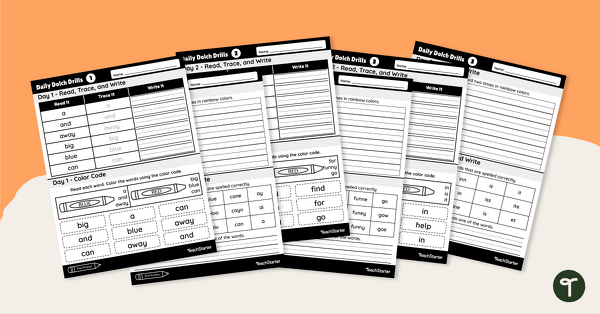
Daily Dolch Drills — Pre-Primer Weekly Homework
Practice weekly sight words to strengthen letter-sound recognition, spelling, and reading fluency with six weeks of sight word homework worksheets.
- Free Plan
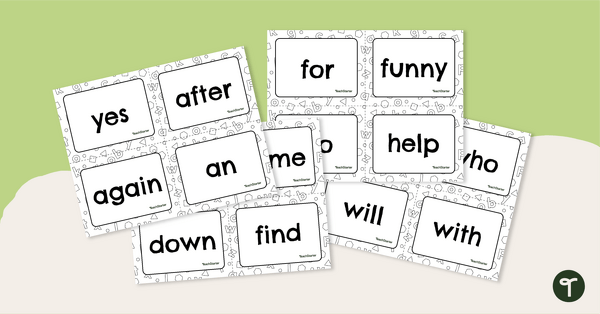
Dolch Sight Word Flash Cards
Practice the first 100 Dolch Sight Words with a deck of sight word flash cards.
- Plus Plan
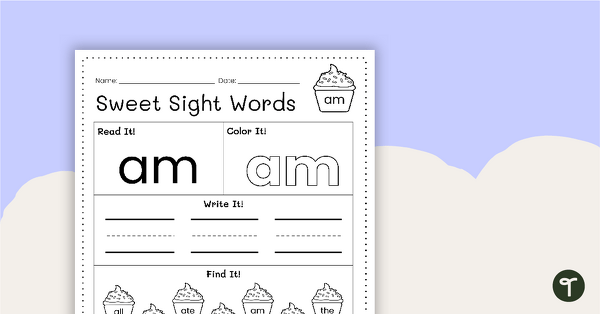
Sweet Sight Words Worksheet - AM
Practice reading, writing, and identifying the high-frequency word “am” from the Kindergarten-level Dolch sight words list.