VC2E1LA03
explore how types of texts are organised according to their purpose, such as to recount, narrate, express opinion, inform, report and explain
- discussing and comparing the purposes and organisation of familiar texts
- becoming familiar with the typical stages of types of texts, for example recount and procedure
- recognising that the structure of a text may include words and pictures; for example, an informative text may include words, illustrations and diagrams
- Plus Plan
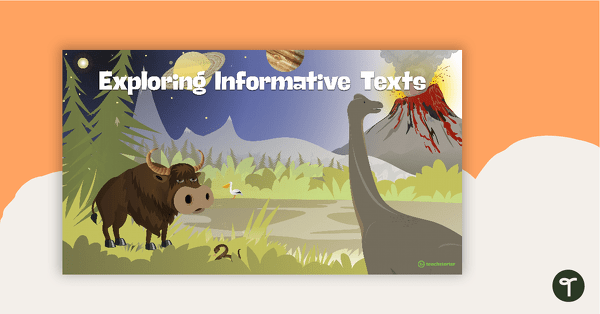
Exploring Information Reports Teaching Slides
Teach your students how to write an information report using this detailed slideshow targeted at lower primary school students.
- Plus Plan
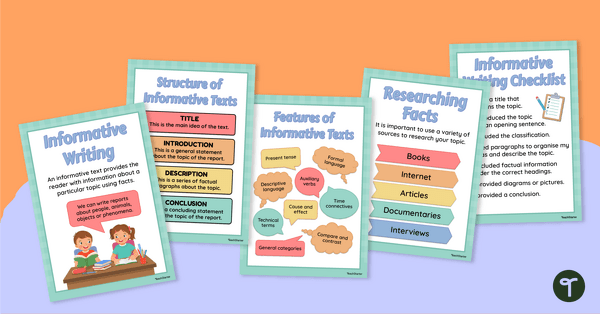
Informative Writing Posters
Display this set of 5 information report posters in your classroom during your informative writing unit.
- Plus Plan
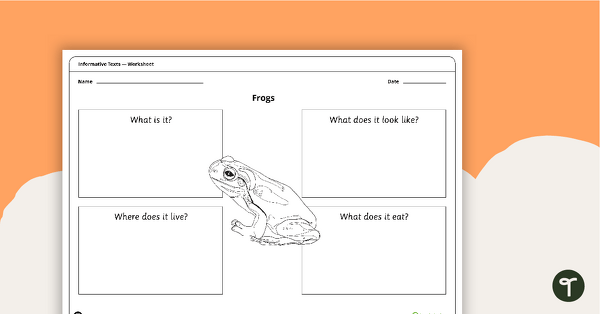
Build an Animal Fact File – Cut and Paste Worksheets
Use these animal fact file cut-and-paste worksheets as a precursor to information report writing.
- Free Plan
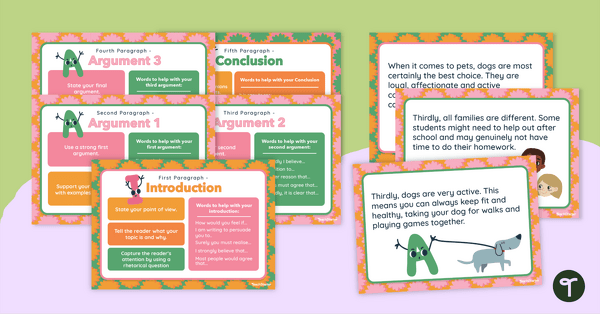
Persuasive Text Structure Posters
Explore the structure of persuasive writing with this set of 15 posters.
- Plus Plan
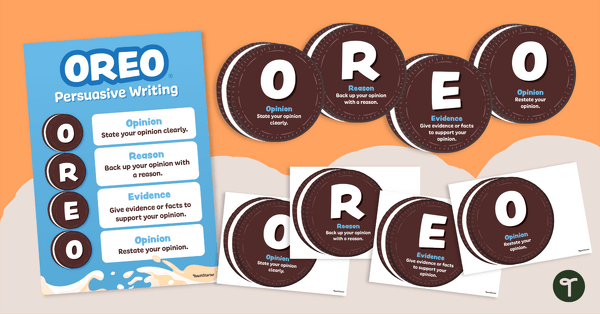
OREO® Persuasive Writing Posters
Help students remember the structure of persuasive texts with this fun OREO® acronym.
- Free Plan
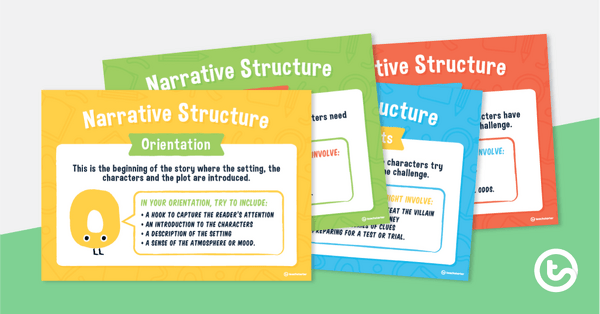
Narrative Text Structure Posters
Brighten your classroom and teach narrative paragraph structure with this set of 8 engaging posters designed to make narrative writing clear and fun for students.
- Plus Plan
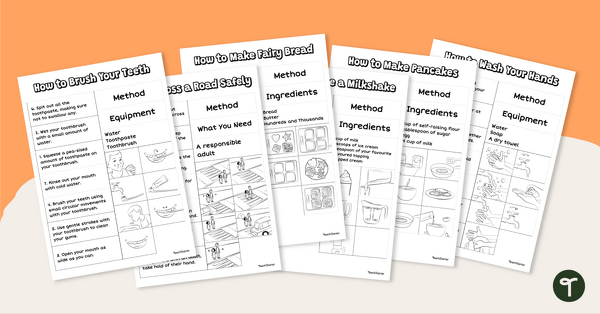
Build a Procedure Text – Cut and Paste Worksheets
Use these different examples of procedure writing to teach your students about the structural features of procedure texts.
- Plus Plan
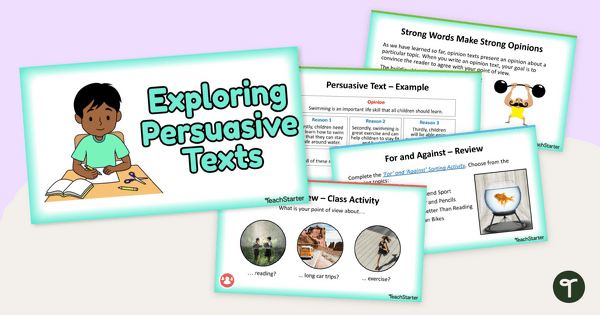
Exploring Persuasive Texts PowerPoint - Year 1 and Year 2
A 35 slide editable PowerPoint template to use when teaching your students about the structure and language features of persuasive texts.
- Plus Plan
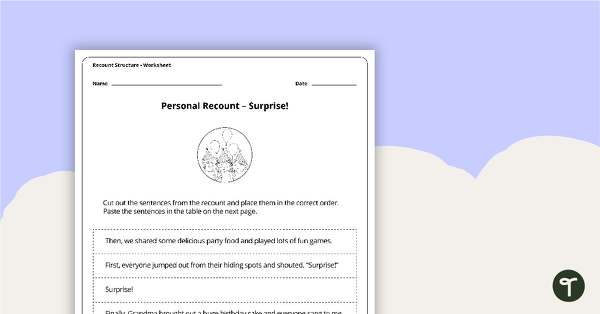
Personal Recount Sequencing Activity - Surprise!
A worksheet to use in the classroom when learning the sequence of a personal recount.
- Plus Plan
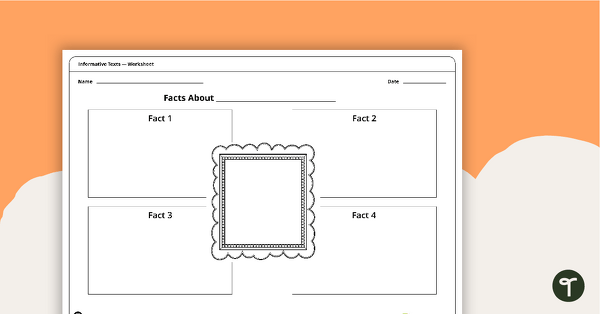
Build a Fact File Worksheet
Use this fact file template as a research tool when teaching factual writing to your students.
- Plus Plan
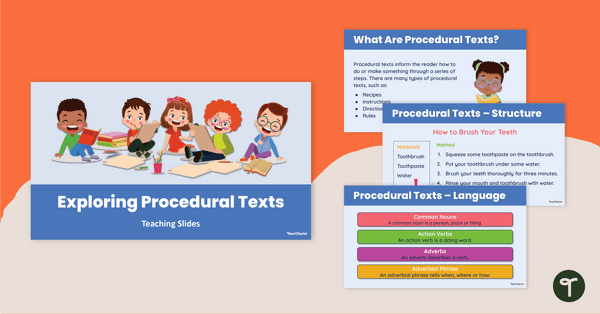
Exploring Procedural Writing Teaching Slides
Teach your students how to write a procedure using this detailed slideshow targeted at lower primary school students.
- Plus Plan
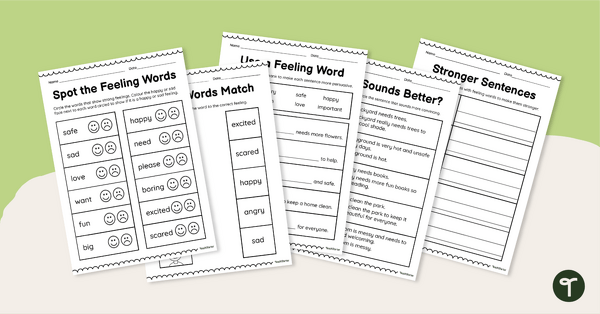
Emotive Vocabulary Worksheet Pack
Use this emotive vocabulary worksheet set to build persuasive writing skills in your early writers.
- Plus Plan
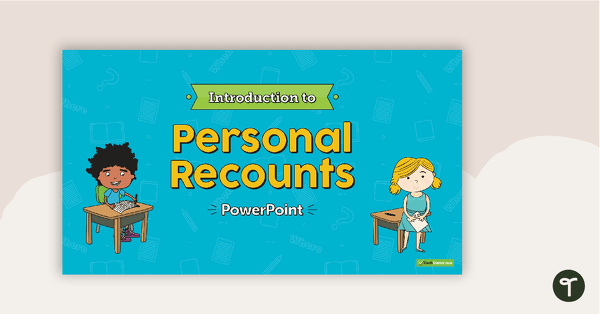
Introduction to Personal Recounts PowerPoint
Use this personal recount set of teaching slides to teach younger students about the structure and language features of personal recounts.
- Plus Plan
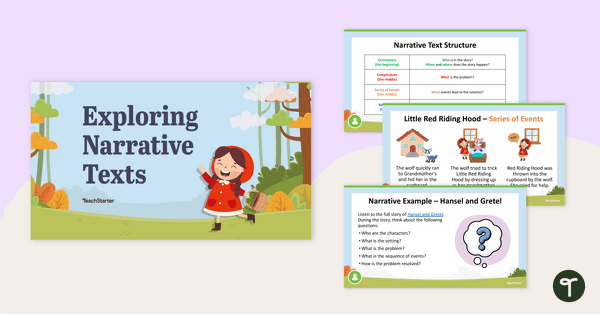
Exploring Narrative Texts PowerPoint
Teach your students about the key elements of narrative texts with this comprehensive teaching presentation.
- Plus Plan
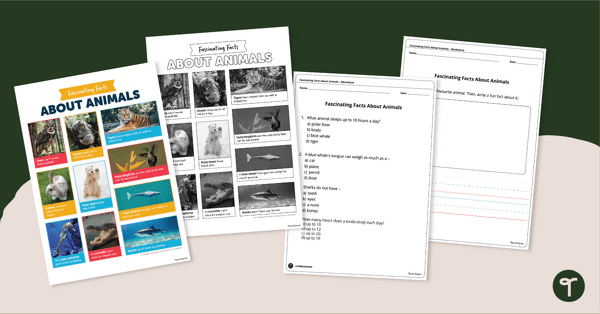
Fascinating Facts About Animals Worksheet
Build reading comprehension skills and learn about amazing animals with a printable year 1 reading comprehension worksheet pack.
- Free Plan
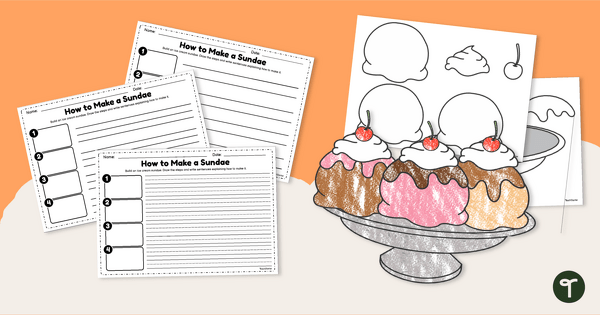
Procedural Writing Activity - How to Make a Sundae
Inspire students to generate procedural writing texts with a fun, summer-themed end-of-year writing assignment and craft.
- Plus Plan
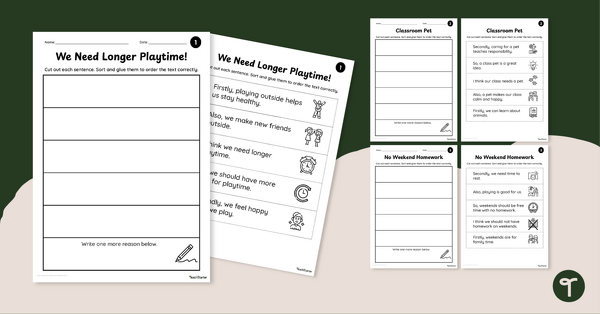
Build a Persuasive Text - Cut and Paste Worksheets
Use this set of basic persuasive texts to build students awareness of the structure required when writing persuasive texts with this Build a Persuasive Text worksheet set.
- Plus Plan
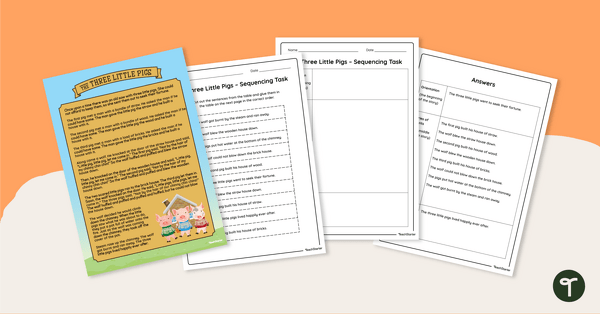
Three Little Pigs – Sequencing Worksheet
Identify the story beginning, series of events and ending with this narrative text sequencing activity.
- Plus Plan
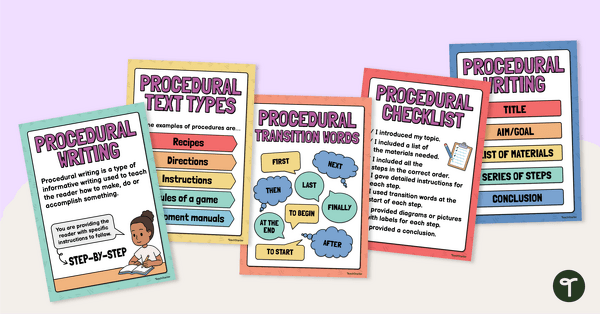
Procedural Writing Posters
Display this set of 5 procedural writing posters in your classroom during your procedural writing unit.
- Plus Plan
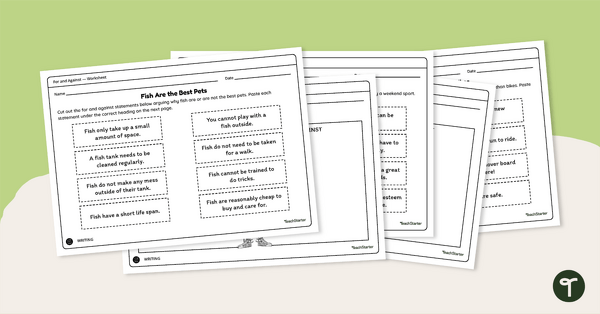
For and Against Worksheets
Explore 'for' and 'against' arguments for five different topics with this set of 'for' and 'against' sorting activities.
- Plus Plan
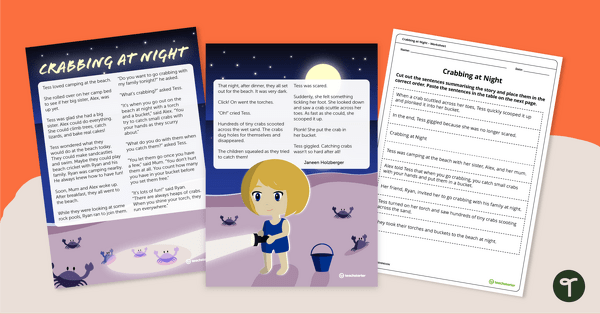
Crabbing at Night - Sequencing Worksheet
Identify the story beginning, series of events and ending with this narrative text sequencing activity.
- Plus Plan
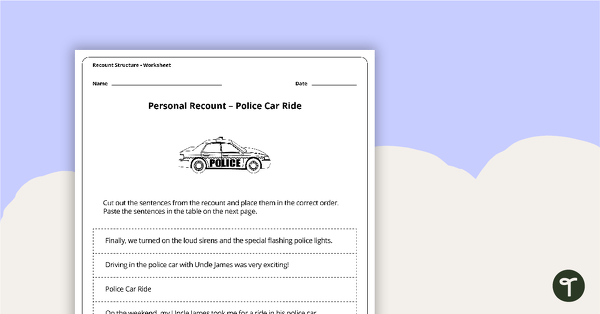
Personal Recount Sequencing Activity - Police Car Ride
A worksheet to use in the classroom when learning the sequence of a personal recount.
- Plus Plan
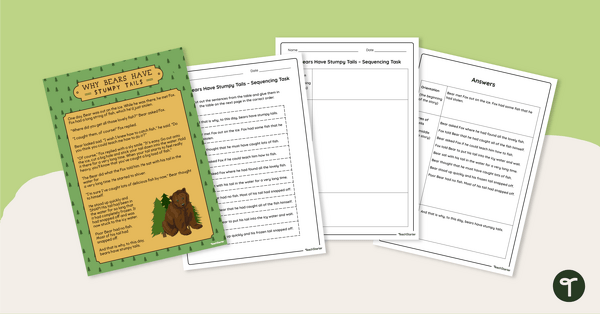
Why Bears Have Stumpy Tails – Sequencing Worksheet
Identify the story beginning, series of events and ending with this narrative text sequencing activity.
- Plus Plan
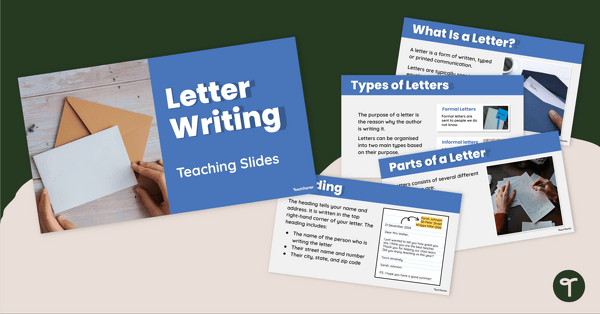
Letter Writing PowerPoint
Download this letter writing PowerPoint to teach students about the purpose, audience and structure of letters through an engaging and easy-to-follow presentation.
- Plus Plan
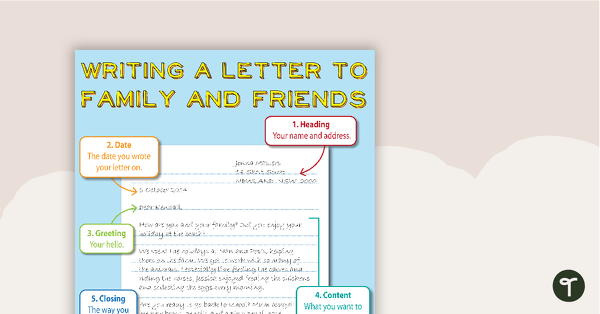
Parts of a Friendly Letter Anchor Chart
Use this parts of a friendly letter anchor chart to explain and simplify the letter-writing process for your lower primary students.
- Plus Plan
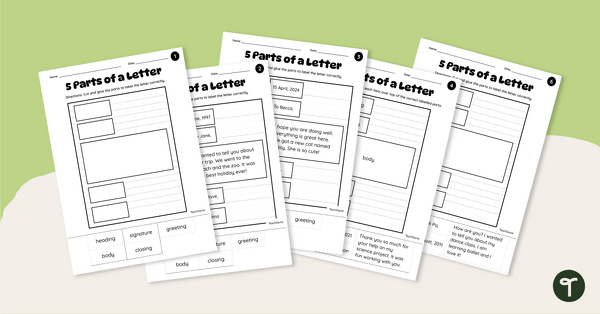
5 Parts of a Letter Cut and Paste Worksheets
Teach the 5 parts of a letter with this set of hands-on cut-and-paste worksheets that make learning letter writing interactive and fun.
- Plus Plan
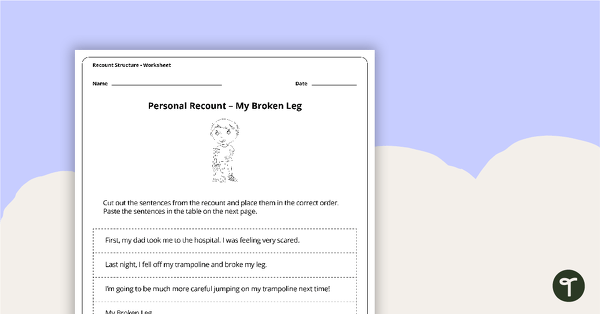
Personal Recount Sequencing Activity - My Broken Leg
A worksheet to use in the classroom when learning the sequence of a personal recount.
- Plus Plan
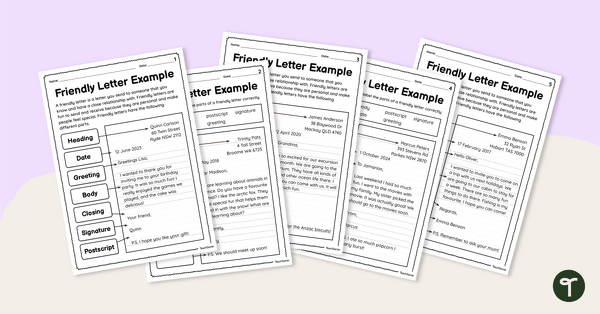
Friendly Letter Example Pack
Download this friendly letter example set featuring five model letters with labelled and unlabelled versions, perfect for teaching students the structure of a friendly letter.
- Plus Plan
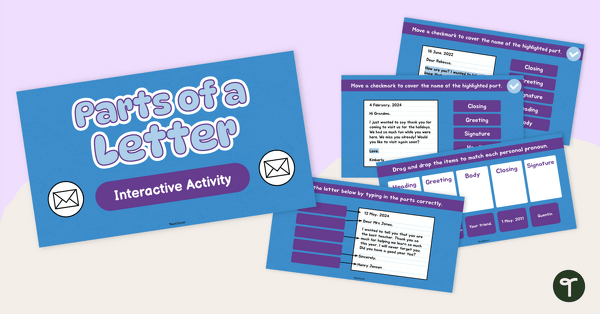
The Parts of a Letter Interactive Activity
Teach the parts of a letter with this engaging interactive activity where students learn the format of a letter through sorting and labelling exercises.
- Plus Plan
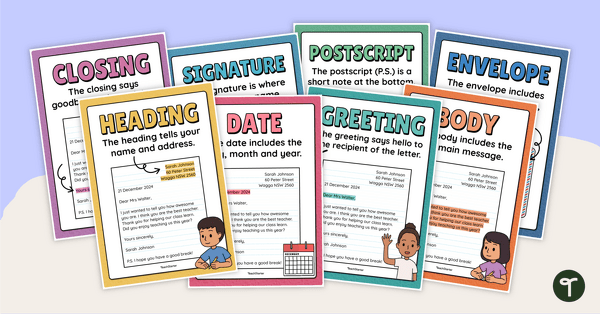
Parts of a Letter Poster Pack
Use this parts of a letter poster pack, featuring colourful visuals and clear explanations, to help students understand the key components of a letter.
- Plus Plan
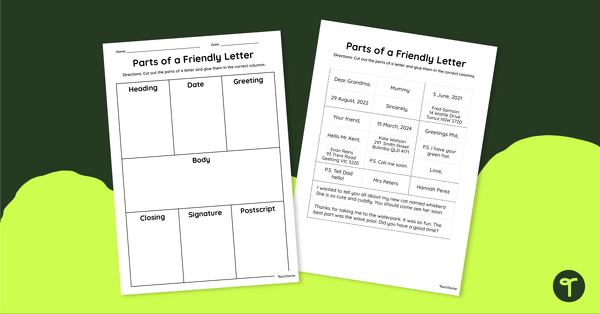
Parts of a Friendly Letter Sorting Worksheet
Teach the parts of a friendly letter with this sorting worksheet that helps students identify key letter components.
- Plus Plan
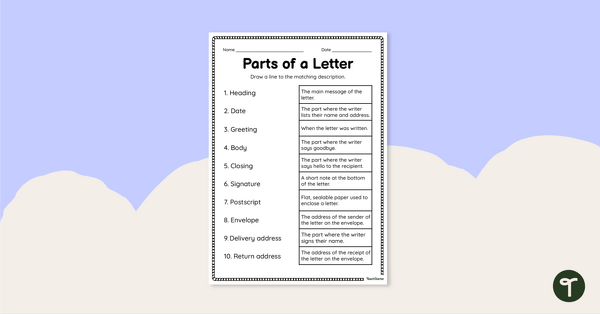
Parts of a Letter Worksheet
Download this parts of a letter worksheet to help students identify key letter-writing components and essential vocabulary.