VC2E2LA03
identify how different types of texts across the curriculum are organised differently and use language features depending on purposes
- identifying the typical features of a text, for example a typical introduction to a narrative or the use of dot points in instructions
- identifying that different types of texts might have different forms; for example, an expression of opinion might be in the form of a poster, email or brochure
- identifying the organisation and language features in texts such as narratives, recounts, information reports, simple procedures, expression of opinion and responses to texts (including poetry), and discussing their purposes
- Free Plan
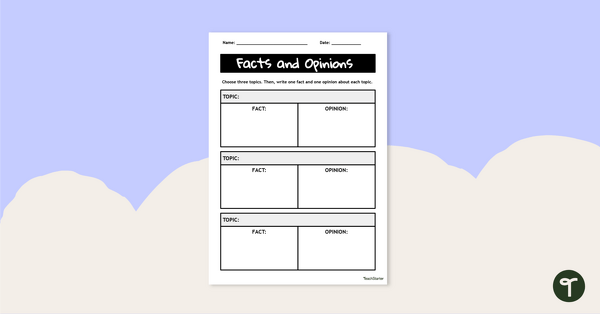
Fact and Opinion Graphic Organiser
Use this fact and opinion graphic organiser to get your students writing facts and opinions for a variety of topics.
- Plus Plan
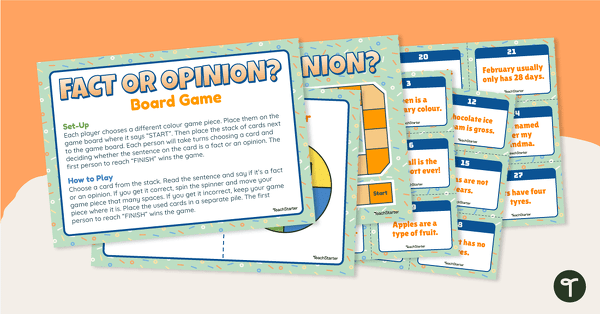
Fact and Opinion Board Game
Practise differentiating between fact and opinion with a fun and engaging board game.
- Plus Plan
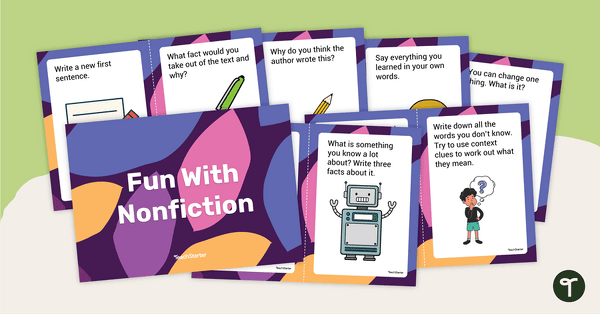
Fun With Nonfiction Task Cards
Solidify your nonfiction reading response lessons with this set of 12 comprehension task cards.
- Plus Plan
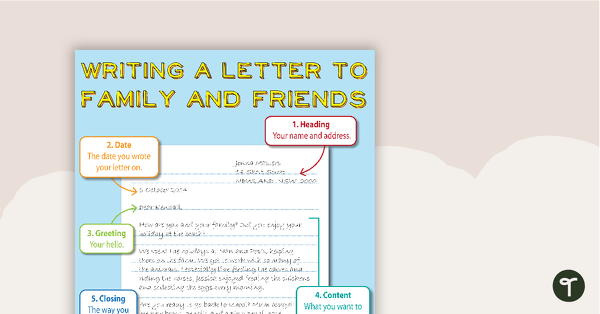
Parts of a Friendly Letter Anchor Chart
Use this parts of a friendly letter anchor chart to explain and simplify the letter-writing process for your lower primary students.
- Plus Plan
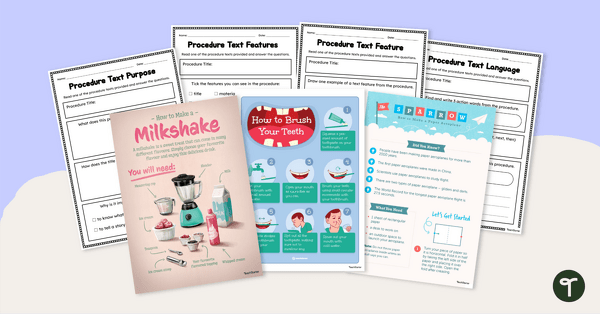
Exploring Text Features of Procedures Pack
Use this set of procedure examples and analysis worksheets to explore the text features of procedures with your early years students.
- Plus Plan
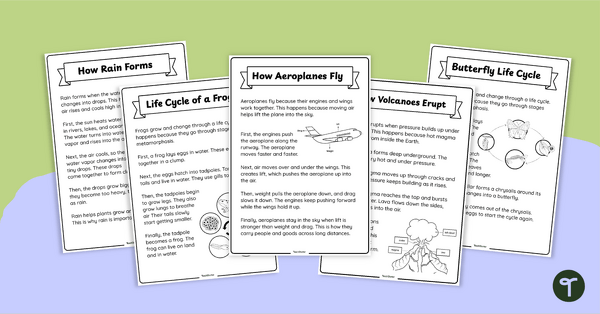
Explanation Report Text Examples and Worksheet Pack
Use this set of explanation text examples and analysis worksheets to help students identify and apply key features of explanation texts.
- Plus Plan
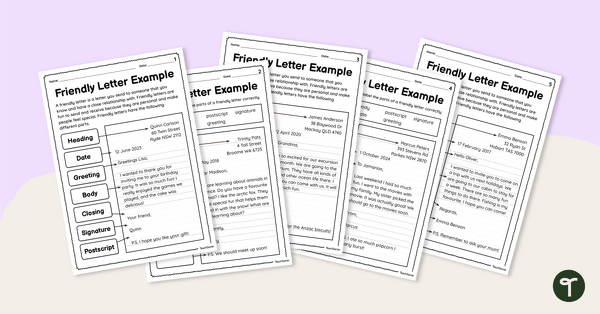
Friendly Letter Example Pack
Download this friendly letter example set featuring five model letters with labelled and unlabelled versions, perfect for teaching students the structure of a friendly letter.
- Plus Plan
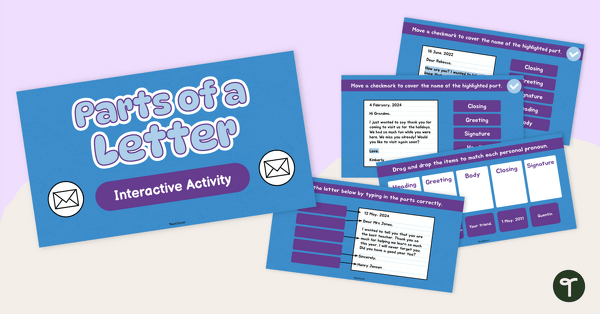
The Parts of a Letter Interactive Activity
Teach the parts of a letter with this engaging interactive activity where students learn the format of a letter through sorting and labelling exercises.
- Plus Plan
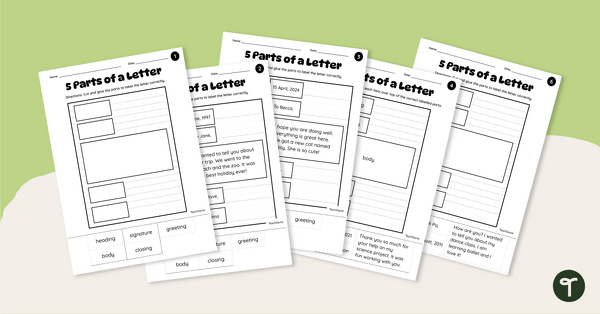
5 Parts of a Letter Cut and Paste Worksheets
Teach the 5 parts of a letter with this set of hands-on cut-and-paste worksheets that make learning letter writing interactive and fun.
- Plus Plan
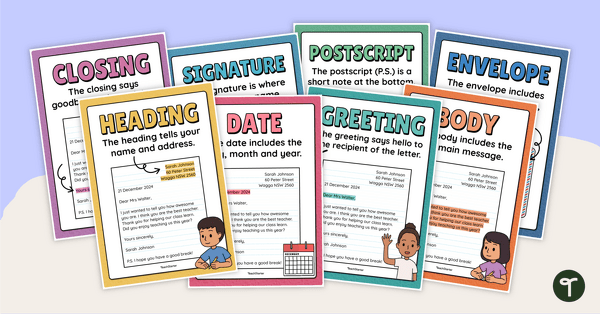
Parts of a Letter Poster Pack
Use this parts of a letter poster pack, featuring colourful visuals and clear explanations, to help students understand the key components of a letter.
- Plus Plan
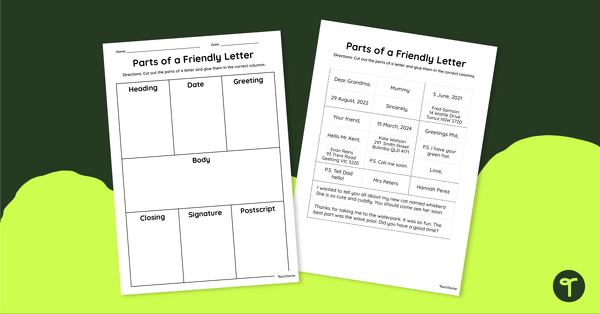
Parts of a Friendly Letter Sorting Worksheet
Teach the parts of a friendly letter with this sorting worksheet that helps students identify key letter components.
- Plus Plan
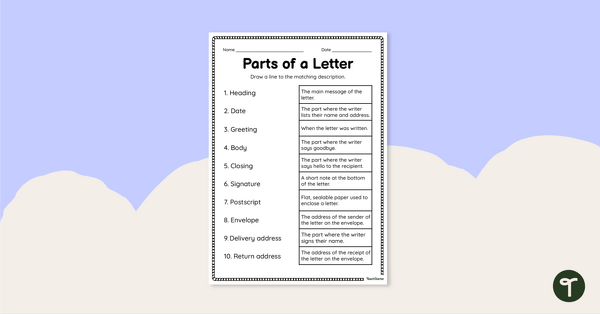
Parts of a Letter Worksheet
Download this parts of a letter worksheet to help students identify key letter-writing components and essential vocabulary.
- Plus Plan
Simon Says!
A 60 minute lesson in which students will explore action verbs, common nouns and adverbial phrases in procedures.
- Plus Plan
Procedural Texts - Text Structure
A 60 minute lesson in which students will identify and explore the structure of procedures.
- Plus Plan
Procedural Texts - Language Features
A 60 minute lesson in which students will identify and explore the language features of procedures.
- Plus Plan
Instruct Me!
A 60 minute lesson in which students will explore how procedures provide instructions about completing a task.
- Plus Plan
Exploring Procedural Texts Unit Plan
This English unit has been designed to introduce procedural texts to younger students. It addresses the purpose, structure and language features of instructions and recipes.
- Plus Plan
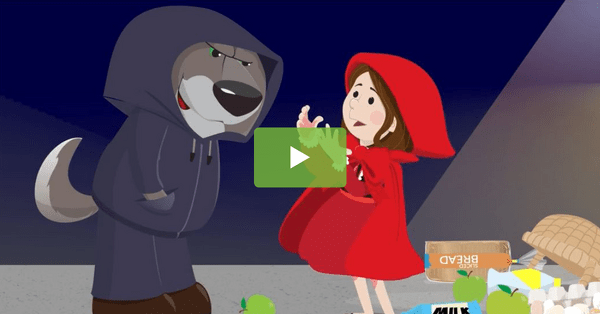
Little Red Riding Hood Story Video
Introduce a fresh version of the Little Red Riding Hood story to your students with this animated video perfect for younger students.
- Plus Plan
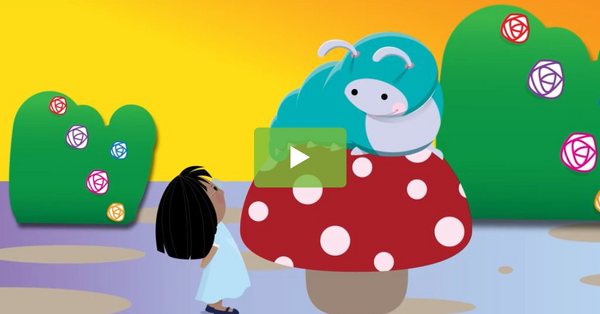
Alice in Wonderland Story Video
Introduce the story of Alice in Wonderland to your students with this animated fairy tale video perfect for younger students.
- Plus Plan
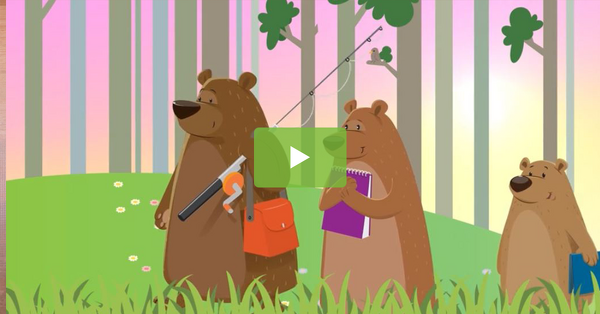
Goldilocks and the Three Bears Story Video
Explore the story of Goldilocks and the Three Bears with your students using this animated fairy tale video perfect for younger learners.
- Plus Plan
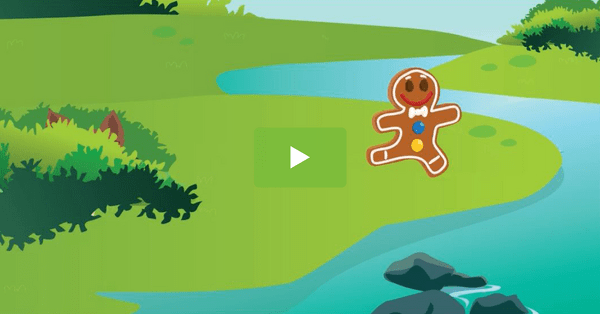
The Gingerbread Man Story Video
Introduce the story of The Gingerbread Man to your students with this animated fairy tale video perfect for younger students.
- Plus Plan
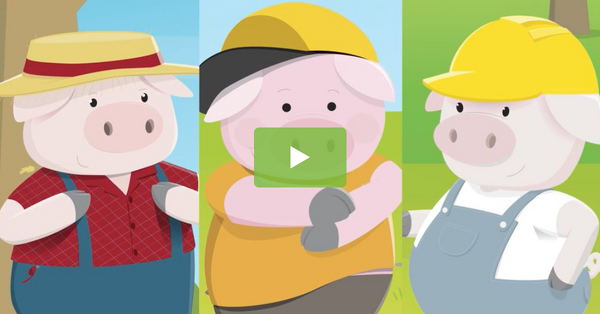
The Three Little Pigs Story Video
Explore the story of The Three Little Pigs with your students using this animated fairy tale video perfect for younger learners.
- Plus Plan

Jack and the Beanstalk Story Video
Introduce the Jack and the Beanstalk story to your students with this animated fairy tale video perfect for younger students.
- Plus Plan
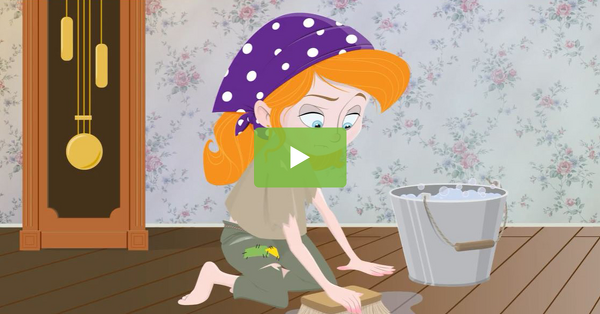
Cinderella Story Video
Explore the story of Cinderella with your students using this animated fairy tale video perfect for younger learners.