VC2E3LY09
identify the purpose and audience of different types of texts through the use of language features and/or images in the texts
- identifying words, phrases and images intended to persuade listeners, viewers or readers
- identifying features of advertisements that target children
- identifying the purpose of a narrative text; for example, identifying the purpose of a fable
- Plus Plan
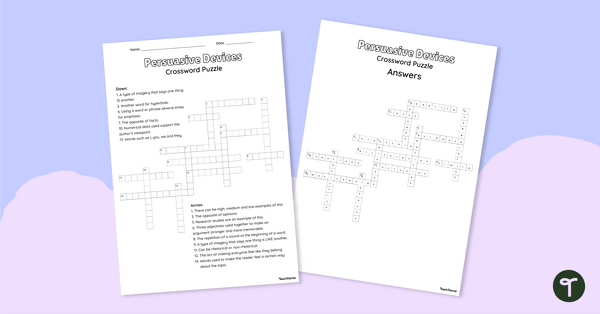
Persuasive Device Examples – Cut and Paste Worksheet
Match the persuasive writing techniques with the correct examples using this simple cut-and-paste worksheet perfect for your persuasive writing unit.
- Plus Plan

Earth Watch: Protecting Native Plants and Animals – Comprehension Worksheet
Build comprehension skills and learn about human impact on ecosystems with a reading passage and worksheets.
- Plus Plan

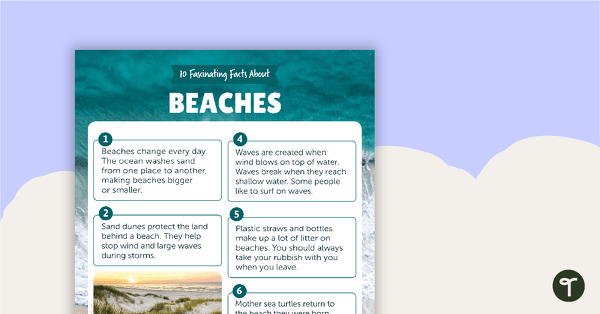
10 Fascinating Facts About Beaches – Comprehension Worksheet
A comprehension worksheet for a magazine article about beaches.
- Free Plan

Advertisement Text Type Poster With Annotations
A poster about advertisements, including an annotated example.
- Plus Plan

Explanation Text Type Poster With Annotations
Display this explanation text with annotations to help students identify the structure of an explanation.
- Plus Plan

Rhetorical Questions Sorting Activity
Explore rhetorical question examples with your students using this set of 28 sorting cards perfect for literacy groups
- Plus Plan

Biography Poster With Annotations
Use this biography poster to introduce your students to the structure and language features of biography writing through an annotated example.
- Plus Plan

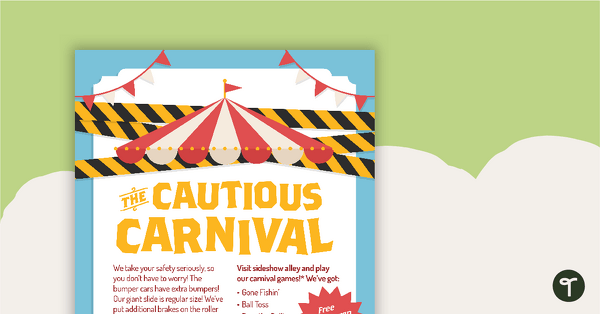
The Cautious Carnival – Worksheet
A comprehension worksheet for a fake advertisement from the Year 3 magazine (Issue 3).
- Plus Plan
Poetry Poster with Annotations
Use this poetry poster to introduce your students to the structure and language features of poems through an annotated example.
- Plus Plan

Comparing Narrative and Informational Text Worksheets
Use this set of comparing narrative and informational text worksheets to examine the purpose and features of these two common genres.
- Plus Plan

Factual Description Text Type Poster With Annotations
Display this factual description with annotations to help students identify the structure of this type of text.
- Plus Plan

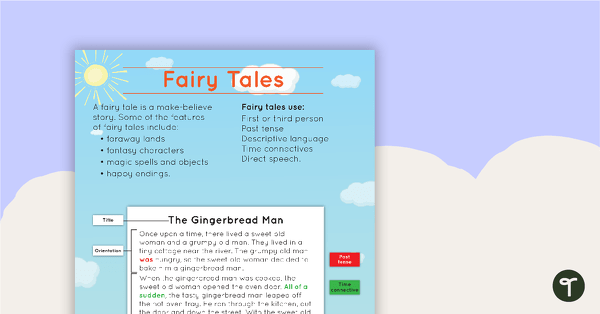
Fairy Tales Text Type Poster With Annotations
A poster about fairy tales, including an annotated example.
- Plus Plan

Discussion Text Type Poster With Annotations
A poster about discussions, including an annotated example.
- Plus Plan

Developing Report Writing Skills Teaching Slides
Use this slide deck to teach your students about the purpose, structural elements and language features of information reports.
- Plus Plan

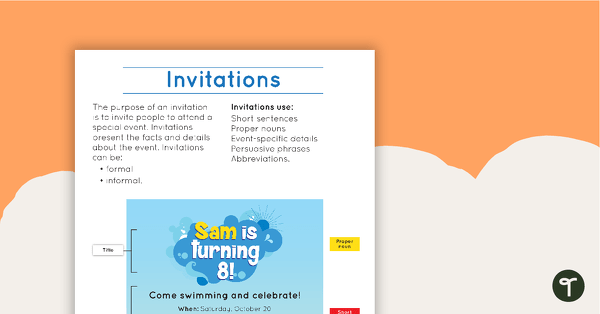
Invitation Text Type Poster With Annotations
A poster about invitations, including an annotated example.
- Plus Plan

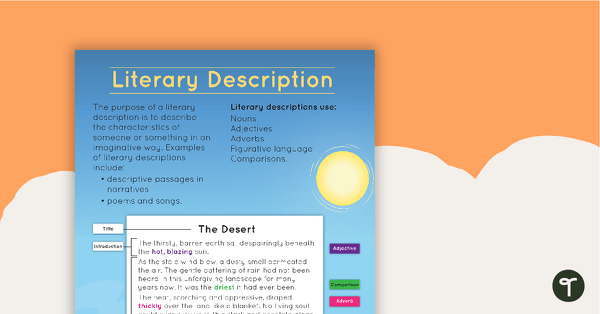
Literary Description Text Type Poster With Annotations
A poster about literary descriptions, including an annotated example.
- Plus Plan
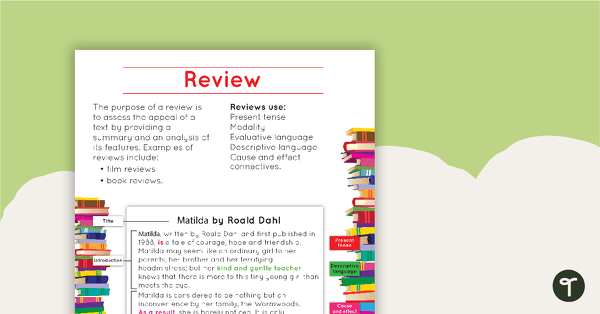
Review Text Type Poster With Annotations
A poster about reviews, including an annotated example.
- Plus Plan

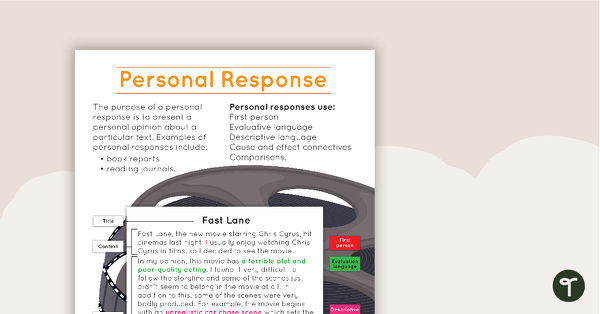
Personal Response Text Type Poster With Annotations
A poster about personal responses, including an annotated example.
- Plus Plan

Literary Recount Text Type Poster With Annotations
A poster about literary recounts, including an annotated example.
- Plus Plan

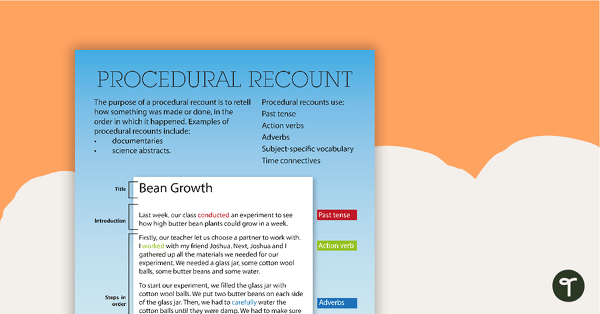
Procedural Recount Text Type Poster With Annotations
A poster about the procedural recount text type, including an annotated example.
- Plus Plan

Year 3 Magazine – What’s Buzzing? (Issue 2)
A beautifully designed, 24-page reading magazine specifically designed for Year 3 students.
- Plus Plan

10 Fascinating Facts About Mauna Kea – Comprehension Worksheet
A comprehension worksheet for an article about ten facts about Mauna Kea in Hawaii.
- Plus Plan

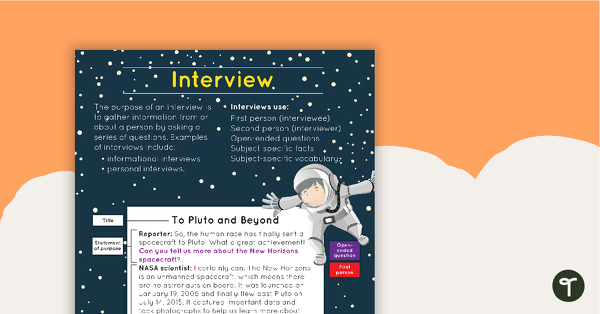
Interview Text Type Poster With Annotations
A poster about interviews, including an annotated example.
- Plus Plan

Fact File Sorting Activity
Use this fact sorting activity to teach your students about informative writing.
- Plus Plan

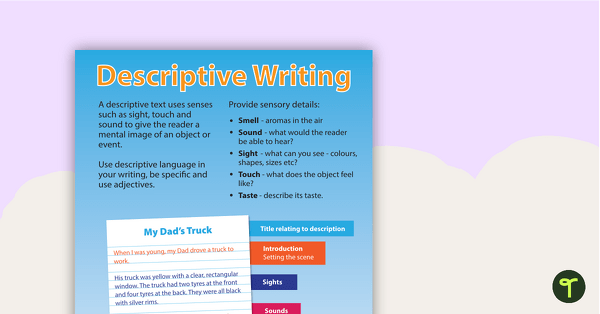
Descriptive Writing Poster With Annotations
A poster outlining the main points and structure of a descriptive text.
- Plus Plan
Factual Texts Types Posters Teaching Resource Pack
A set of posters about the factual text types, including annotated examples for each.
- Plus Plan

Literary Text Types Posters Teaching Resource Pack
A set of posters about the literary text types, including annotated examples for each.
- Plus Plan

What is Poetry?
A 60 minute lesson in which students will develop a definition of poetry.
- Plus Plan

Storytelling Through Poetry
A 60 minute lesson in which students will explore storytelling through poetry.
- Plus Plan

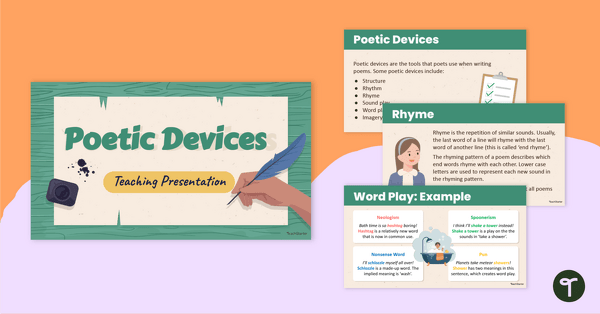
Exploring Poetic Devices
A 60 minute lesson in which students will explore the common literary devices found in poetry.
- Plus Plan

Developing Informative Writing Skills Unit Plan - Year 3 and Year 4
This English unit addresses the informative text type; specifically, how to write a well-structured informative text.
- Plus Plan

Purpose, Audience and Context
A 60 minute lesson in which students will identify the purpose, intended audience and subject matter of a poem.