Years 3 and 4
The Year 3 and 4 curriculum further develops students' knowledge, understanding and skills in relation to their health, wellbeing, safety and participation in physical activity. In these years, students begin to explore personal and social factors that support and contribute to their identities and emotional responses in varying situations. They also develop a further understanding of how their bodies grow and change as they get older.
The content explores knowledge, understanding and skills that supports students to build and maintain respectful relationships, make health-enhancing and safe decisions, and interpret health messages from different sources to take action to enhance their own health and wellbeing.
The curriculum in Years 3 and 4 builds on previous learning in movement to help students develop greater proficiency across the range of fundamental movement skills. Students combine movements to create more complicated movement patterns and sequences. Through participation in a variety of physical activities, students further develop their knowledge about movement and how the body moves. They do this as they explore the features of activities that meet their needs and interests and learn about the benefits of regular physical activity.
The Year 3 and 4 curriculum also gives students opportunities to develop through movement personal and social skills such as leadership, communication, collaboration, problem-solving, persistence and decision-making.
Focus areas to be addressed in Years 3 and 4 include:
- alcohol and other drugs (AD)
- food and nutrition (FN)
- health benefits of physical activity (HBPA)
- mental health and wellbeing (MH)
- relationships and sexuality (RS)
- safety (S)
- active play and minor games (AP)
- challenge and adventure activities (CA)
- fundamental movement skills (FMS)
- games and sports (GS)
- lifelong physical activities (LLPA)
- rhythmic and expressive movement activities (RE).
(source: www.australiancurriculum.edu.au)
Achievement Standard
By the end of Year 4, students recognise strategies for managing change. They identify influences that strengthen identities. They investigate how emotional responses vary and understand how to interact positively with others in a variety of situations. Students interpret health messages and discuss the influences on healthy and safe choices. They understand the benefits of being healthy and physically active. They describe the connections they have to their community and identify local resources to support their health, wellbeing, safety and physical activity.
Students apply strategies for working cooperatively and apply rules fairly. They use decision-making and problem-solving skills to select and demonstrate strategies that help them stay safe, healthy and active. They refine fundamental movement skills and apply movement concepts and strategies in a variety of physical activities and to solve movement challenges. They create and perform movement sequences using fundamental movement skills and the elements of movement.
(source: www.australiancurriculum.edu.au)
- Free Plan
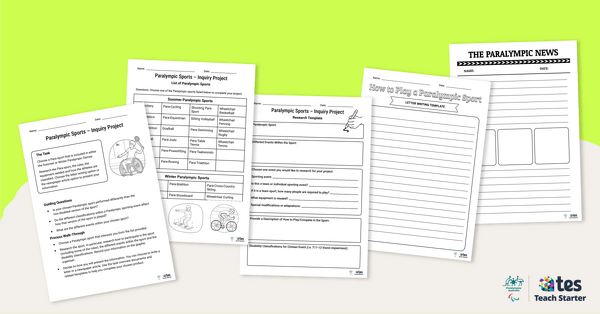
Paralympic Sports – Inquiry-Based Project
Have your students investigate the different types of Paralympic sports with this inquiry-based learning project.
- Plus Plan
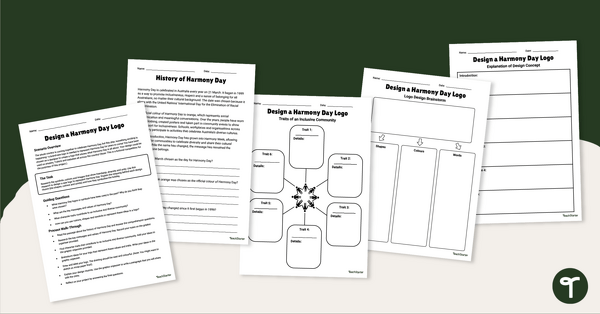
Design a Harmony Day Logo Project
Design a Harmony Day logo with your students using our inquiry-based learning project.
- Free Plan
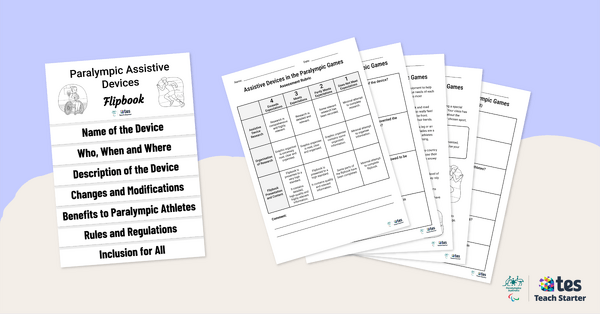
Assistive Devices in the Paralympic Games – Inquiry-Based Project
Have your students investigate the assistive devices used by Paralympians with this inquiry-based learning project.
- Free Plan
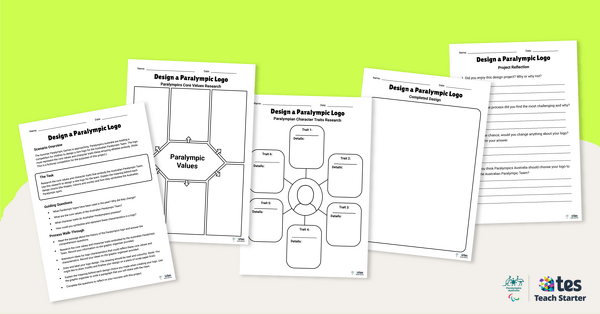
Design a Paralympic Logo – Inquiry-Based Project
Have your students design a new logo for the Australian Paralympic Team with this inquiry-based learning project.
- Free Plan
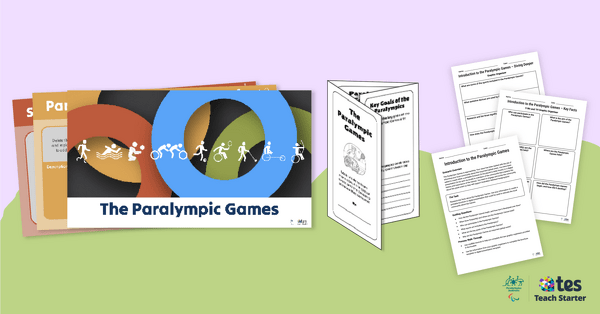
Introduction to the Paralympic Games - Inquiry-Based Project
Introduce your students to the key components of the Paralympic Games with this inquiry-based learning project.
- Plus Plan
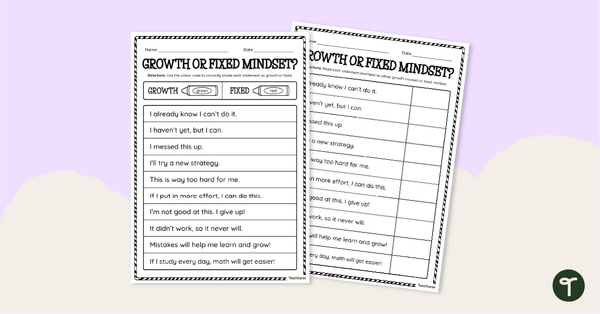
Growth vs. Fixed Mindset Statements - Worksheet
Assess student understanding about the different statements that one might say to distinguish between having a growth or fixed mindset.
- Plus Plan
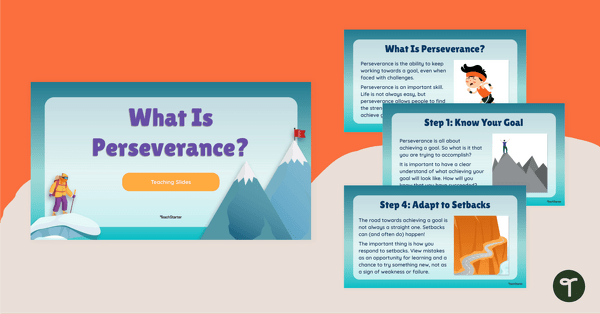
What Is Perseverance? Teaching Slides
Teach your students perseverance strategies with this comprehensive slideshow perfect for your social-emotional learning lessons.
- Plus Plan
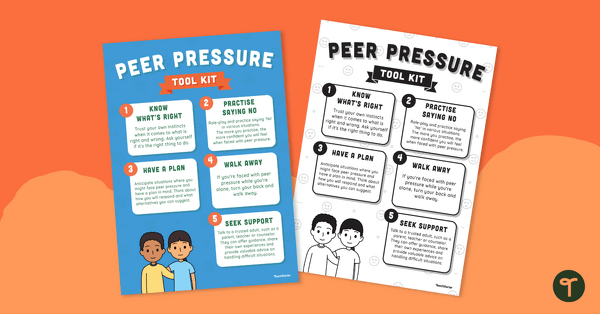
Peer Pressure Poster
Give your students strategies to deal with peer pressure by displaying and reviewing the tips on this classroom poster.
- Plus Plan
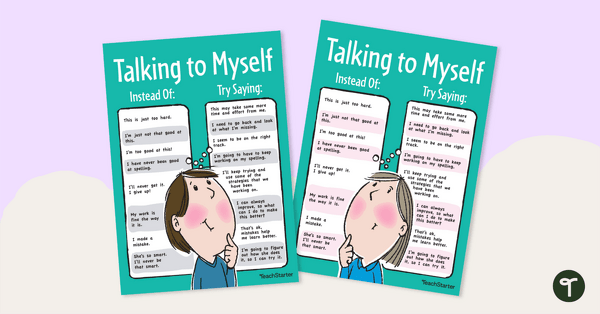
Positive Self Talk Poster: Talking to Myself
Highlight the benefits of positive self talk and having a growth mindset with this classroom poster.
- Plus Plan
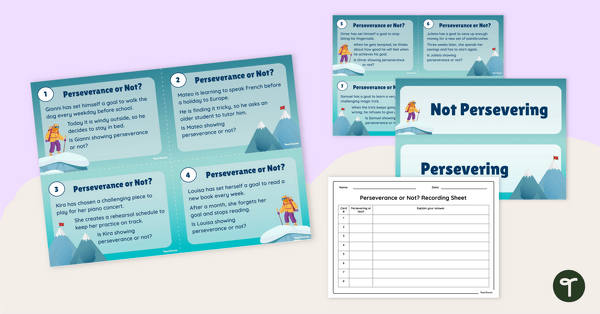
Perseverance or Not? Scenario Cards
Get students to explore real-life examples of perseverance with this set of 16 scenario cards perfect for developing students' social-emotional skills.
- Plus Plan
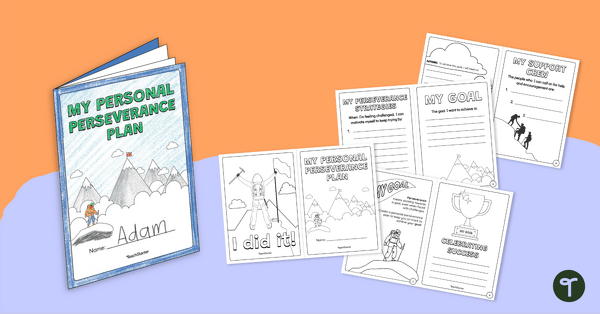
Perseverance Strategies Mini-Book
Teach your students perseverance strategies with this printable mini-book perfect for primary students!
- Plus Plan
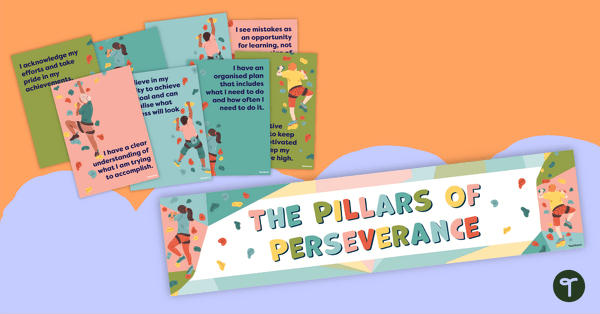
The Pillars of Perseverance – Bulletin Board Display
Teach students the definition of perseverance with this beautifully designed classroom display based on a rock climbing theme.
- Plus Plan
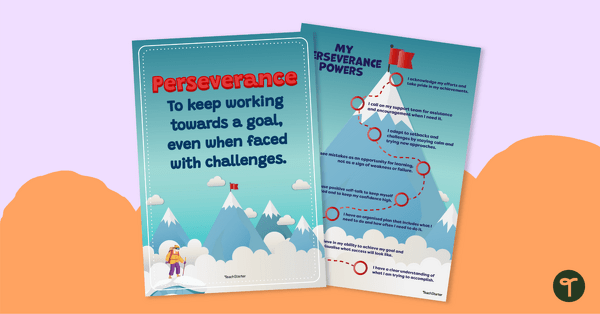
Perseverance Posters
Teach students the meaning of perseverance with these beautifully designed classroom posters based on a mountain climbing theme.
- Plus Plan
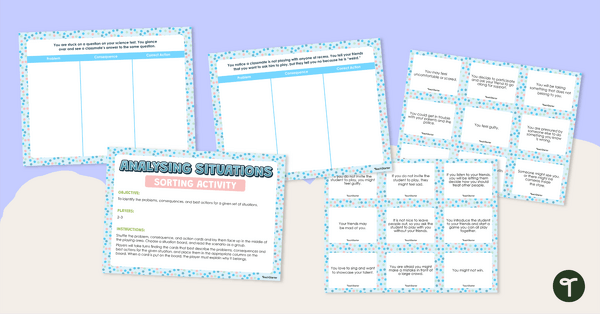
Analysing Situations Sorting Activity
Use this sorting activity with your students to practise analysing situations for their problems, consequences and possible solutions.
- Plus Plan
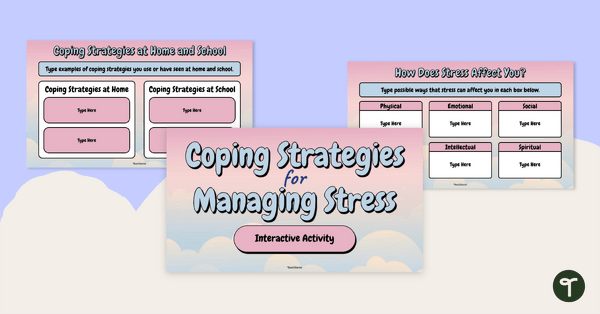
Managing Stress (Coping Strategies) Interactive Activity
Assign this interactive learning activity to your students to assess their knowledge of coping strategies for managing stress.
- Plus Plan
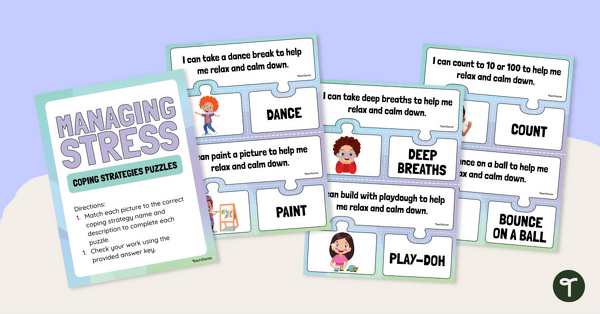
Managing Stress Coping Strategies Puzzle Match
Set your students up for success against stress with this calming puzzle activity where they will explore actionable strategies to manage stress!
- Plus Plan
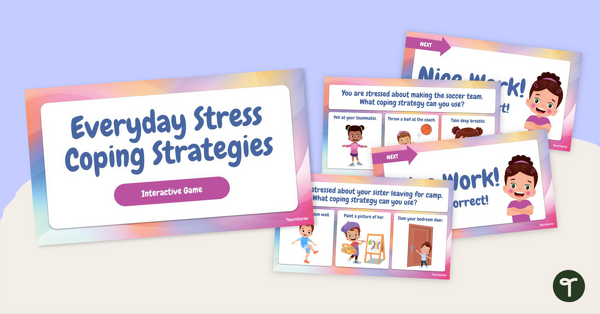
Everyday Stress Coping Strategies Interactive Game
Develop your students’ ability to effectively cope with everyday stress using this interactive learning game.
- Plus Plan
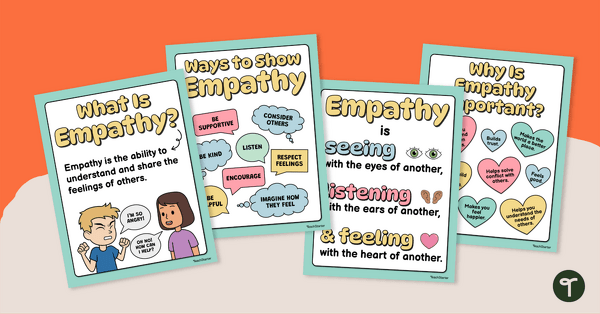
Empathy Poster Set
Enhance student understanding of empathy and why it is important with this set of 4 classroom posters.
- Plus Plan
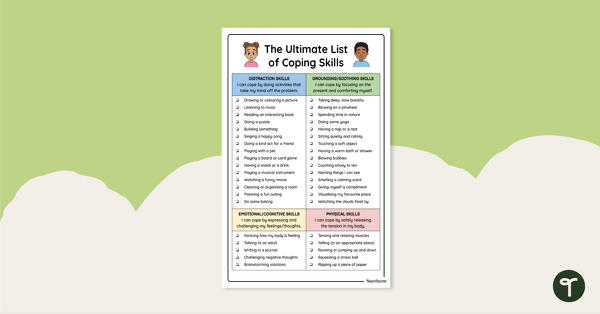
The Ultimate List of Coping Skills
Provide your students with this comprehensive list of coping skills to help them manage tricky situations and reduce the effects of overwhelming emotions.
- Plus Plan
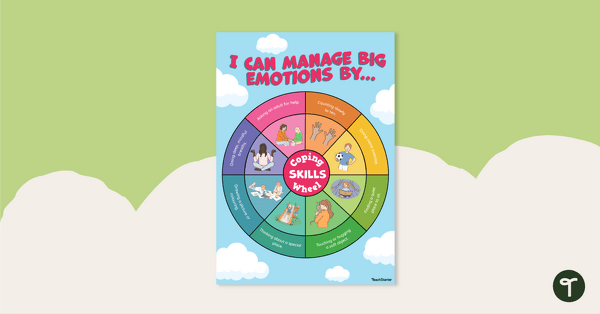
Coping Skills Wheel – Poster
Help your students learn and apply emotional self-regulation skills with this coping skills wheel of choices poster.
- Plus Plan
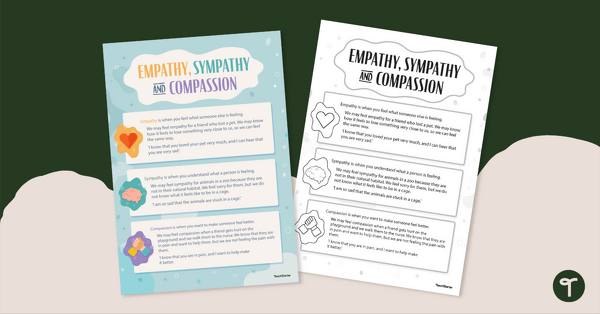
Empathy, Sympathy and Compassion Poster for the Classroom
Highlight the differences between empathy, sympathy and compassion with this printable poster.
- Plus Plan
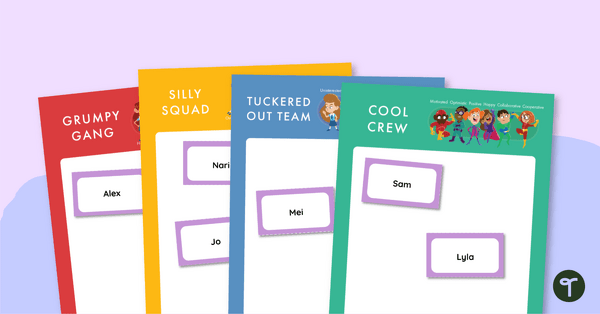
Emotional Self-Regulation Check-In Posters
Promote emotional awareness and self-regulation in your classroom with this daily mood check-in routine.
- Plus Plan
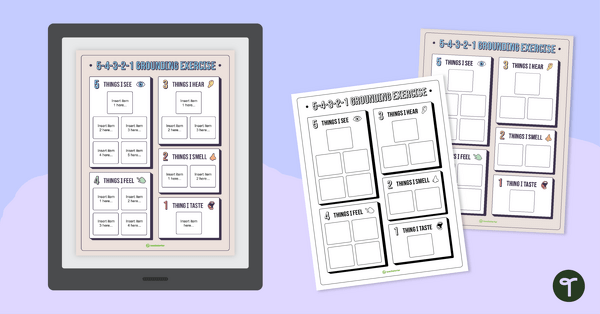
5-4-3-2-1 Grounding Exercise – Worksheet
De-escalate difficult situations with a printable grounding exercise.
- Plus Plan
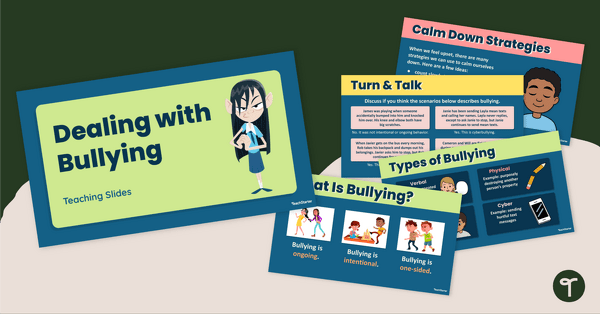
Dealing with Bullying Teaching Slides
Teach your students about bullying and how to deal with it with this comprehensive teaching presentation.
- Plus Plan
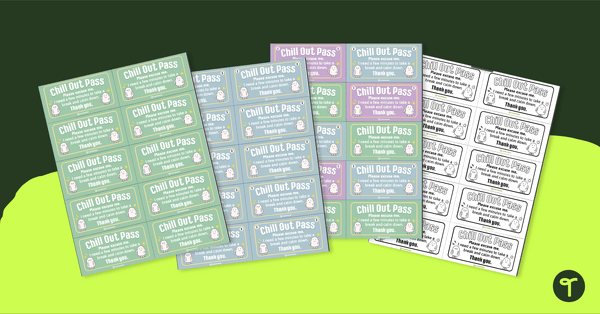
Chill Out – Classroom Break Passes
Give your students a work break to stop behavior problems before they start with our printable Chill Out Passes.
- Plus Plan
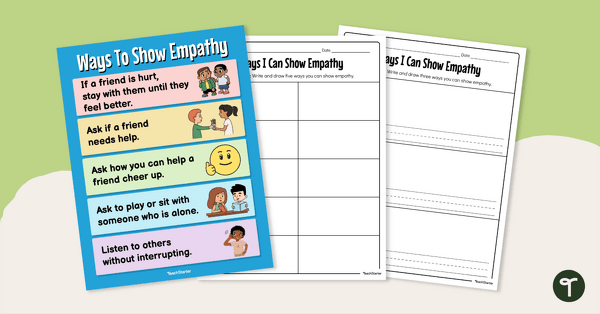
Worksheet and Poster for Empathy
Teach your students how to share the feelings of others with this worksheet and poster for empathy.
- Free Plan
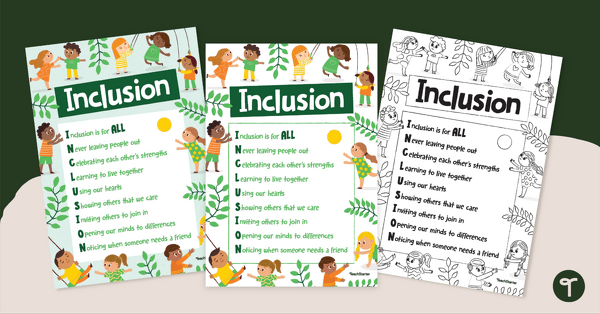
Inclusion Poster
A beautiful poster to spread the message that inclusion is for ALL.
- Plus Plan
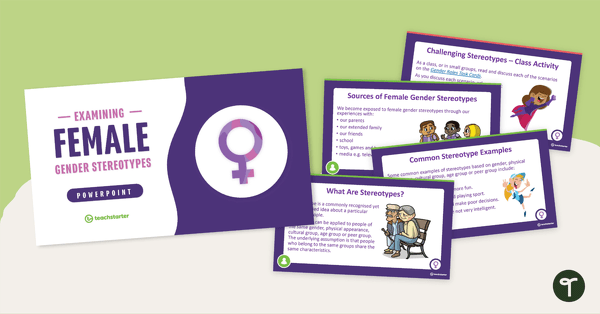
Examining Female Gender Stereotypes PowerPoint
A 14 slide editable PowerPoint template to use when examining female gender stereotypes with your students.
- Plus Plan
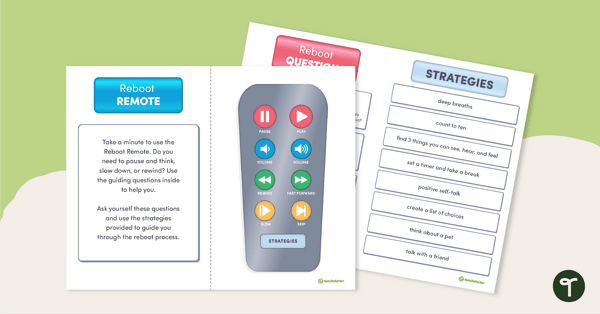
Reboot Remote
Help students work through tough situations with this remote control template.
- Plus Plan
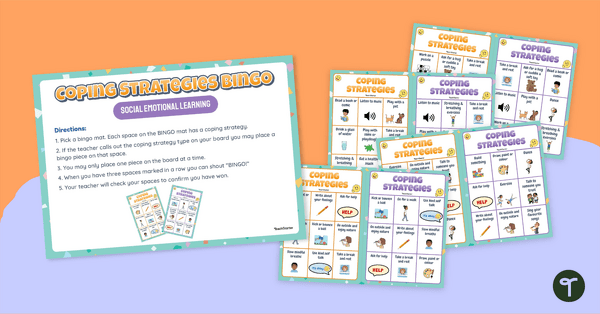
Coping Strategies Bingo
Identify and remember different coping strategies that can be used at home or in the classroom when feeling overwhelmed with an emotion.
- Free Plan
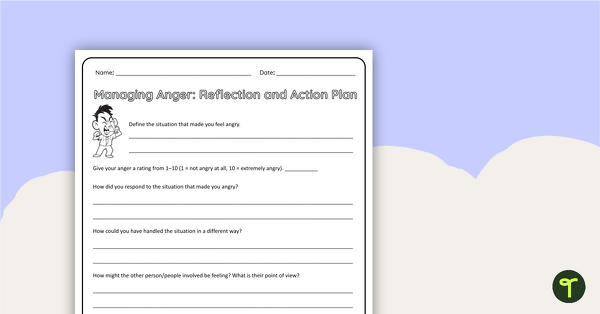
Managing Anger Worksheet (Upper Primary)
Help older students identify and manage angry feelings with this self-reflection and action plan worksheet.
- Free Plan
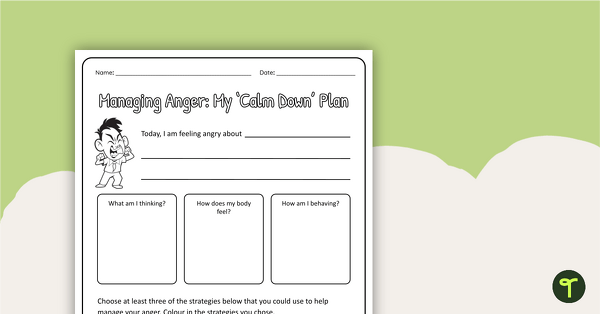
Managing Anger Worksheet (Lower Primary)
Help students identify and manage their anger with this self-relfection worksheet.