Years 3 and 4
The Year 3 and 4 curriculum further develops students' knowledge, understanding and skills in relation to their health, wellbeing, safety and participation in physical activity. In these years, students begin to explore personal and social factors that support and contribute to their identities and emotional responses in varying situations. They also develop a further understanding of how their bodies grow and change as they get older.
The content explores knowledge, understanding and skills that supports students to build and maintain respectful relationships, make health-enhancing and safe decisions, and interpret health messages from different sources to take action to enhance their own health and wellbeing.
The curriculum in Years 3 and 4 builds on previous learning in movement to help students develop greater proficiency across the range of fundamental movement skills. Students combine movements to create more complicated movement patterns and sequences. Through participation in a variety of physical activities, students further develop their knowledge about movement and how the body moves. They do this as they explore the features of activities that meet their needs and interests and learn about the benefits of regular physical activity.
The Year 3 and 4 curriculum also gives students opportunities to develop through movement personal and social skills such as leadership, communication, collaboration, problem-solving, persistence and decision-making.
Focus areas to be addressed in Years 3 and 4 include:
- alcohol and other drugs (AD)
- food and nutrition (FN)
- health benefits of physical activity (HBPA)
- mental health and wellbeing (MH)
- relationships and sexuality (RS)
- safety (S)
- active play and minor games (AP)
- challenge and adventure activities (CA)
- fundamental movement skills (FMS)
- games and sports (GS)
- lifelong physical activities (LLPA)
- rhythmic and expressive movement activities (RE).
(source: www.australiancurriculum.edu.au)
Achievement Standard
By the end of Year 4, students recognise strategies for managing change. They identify influences that strengthen identities. They investigate how emotional responses vary and understand how to interact positively with others in a variety of situations. Students interpret health messages and discuss the influences on healthy and safe choices. They understand the benefits of being healthy and physically active. They describe the connections they have to their community and identify local resources to support their health, wellbeing, safety and physical activity.
Students apply strategies for working cooperatively and apply rules fairly. They use decision-making and problem-solving skills to select and demonstrate strategies that help them stay safe, healthy and active. They refine fundamental movement skills and apply movement concepts and strategies in a variety of physical activities and to solve movement challenges. They create and perform movement sequences using fundamental movement skills and the elements of movement.
(source: www.australiancurriculum.edu.au)
- Plus Plan
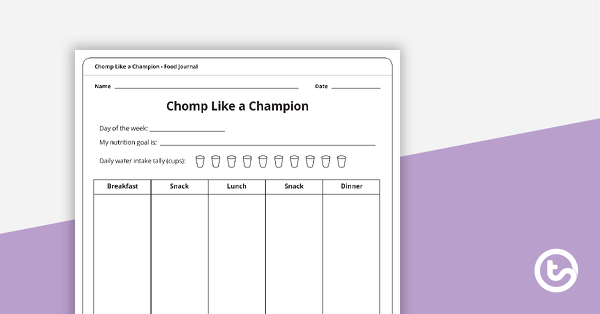
Chomp Like a Champion - Food Journal
A worksheet addressing the importance of balanced nutrition and regular physical activity.
- Plus Plan
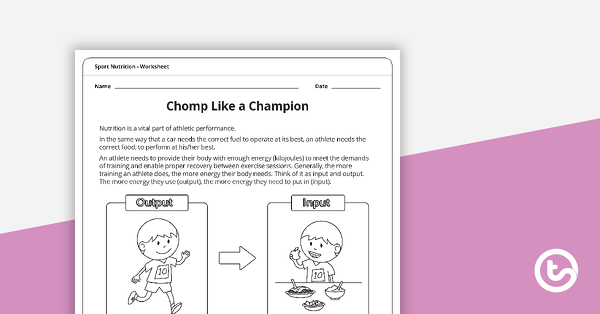
Chomp Like a Champion - Worksheet
An independent research task in which students make links between athletic performance and balanced nutrition.
- Plus Plan

'My Goal Tree' - Goal Management Worksheet
Use our Goal Management Worksheet Tree Template to grow new goals at the beginning of the year or term.
- Free Plan
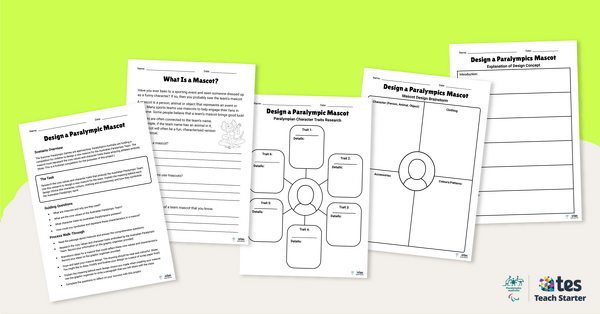
Design a Paralympic Mascot – Inquiry-Based Project
Have your students design a new mascot for the Australian Paralympic Team with this inquiry-based learning project.
- Plus Plan
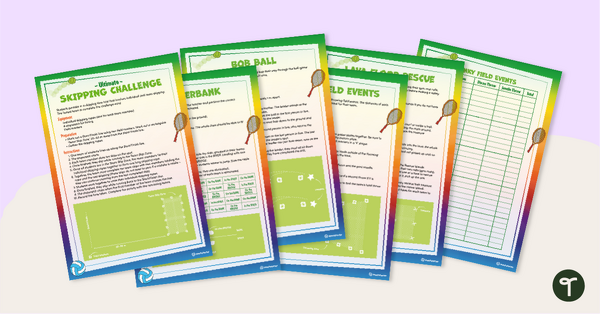
The Mini-Olympics – P.E. Game Activity Cards
A set of novelty event task cards that explain games to play with your class across multiple days.
- Free Plan
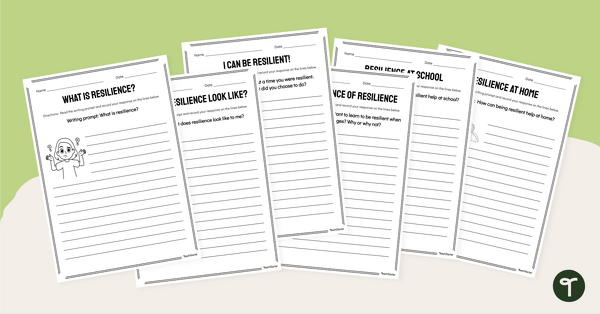
Resilience Writing Prompts
Use this set of resilience writing prompts to help your students reflect upon times they have observed resilience in themselves and others.
- Plus Plan
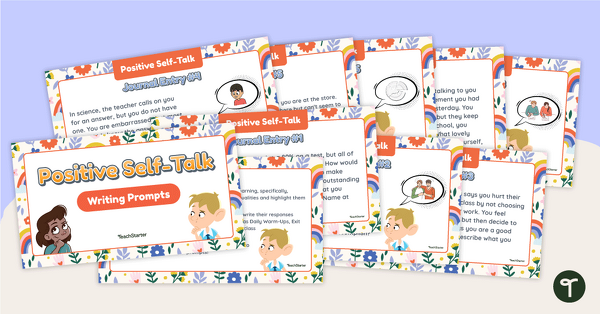
Positive Self-Talk Writing Prompts (Teaching Slides)
Use this set of 15 positive self-talk scenarios as writing prompts to expand your students ability to be kind to themselves!
- Free Plan
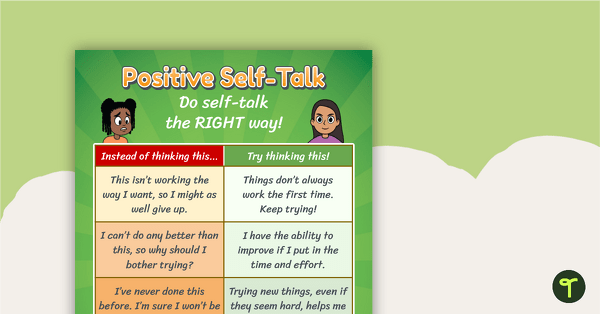
Positive Self-Talk Poster
Encourage your students to use positive self-talk on a daily basis with this motivational classroom poster.
- Plus Plan
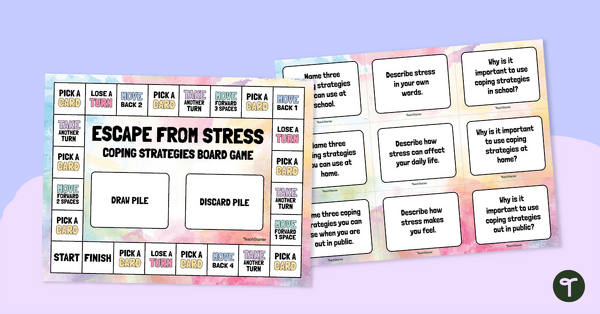
Escape from Stress Board Game
Introduce this board game in your classroom to help students practise identifying which stress management coping strategies to use and when.
- Free Plan
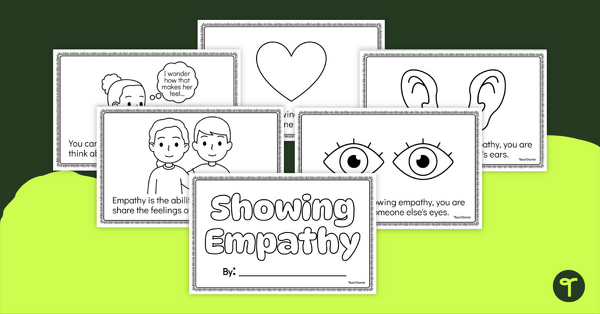
Showing Empathy Mini-Book
Empower young minds and hearts with the gift of empathy! Download this free SEL mini-book designed for year 2 and 3 students.
- Plus Plan
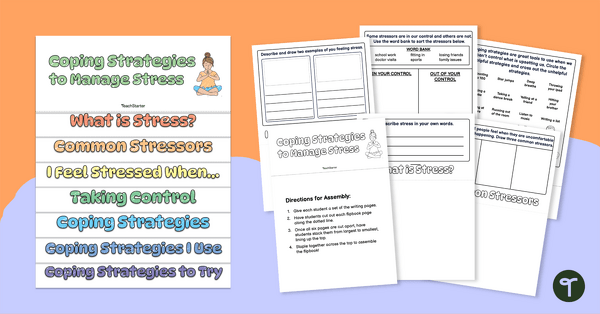
Coping Strategies to Manage Stress Flipbook
Get crafty with your students creating this colourful flip book containing their own preferences of strategies for managing stress.
- Plus Plan
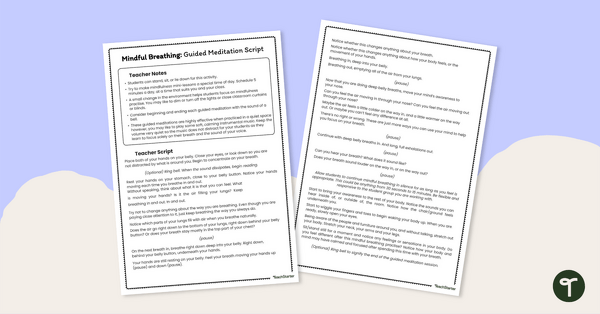
Guided Meditation Script for Kids (Mindful Breathing)
Share this guided meditation script with your students to promote mindfulness and help them to regulate their emotions by breathing mindfully.
- Plus Plan
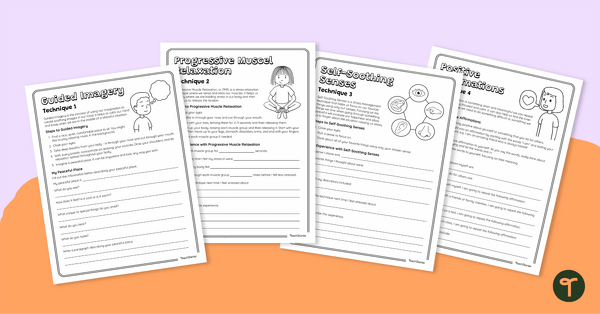
Stress Management Toolkit for Kids
Practice stress management techniques with your students with this set of 4 worksheets, which form a stress management toolkit for reference.
- Plus Plan
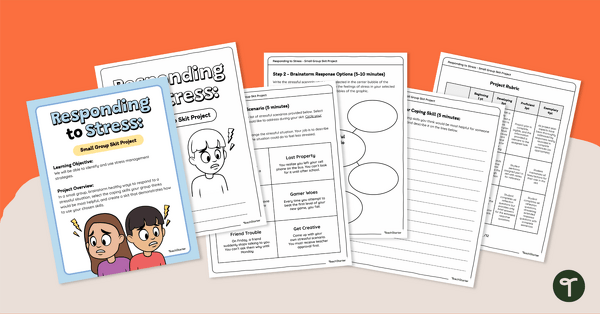
Responding to Stress: Small Group Skit Project
This small-group project lets students apply what they've learned about combatting stress by demonstrating practical coping skills.
- Plus Plan
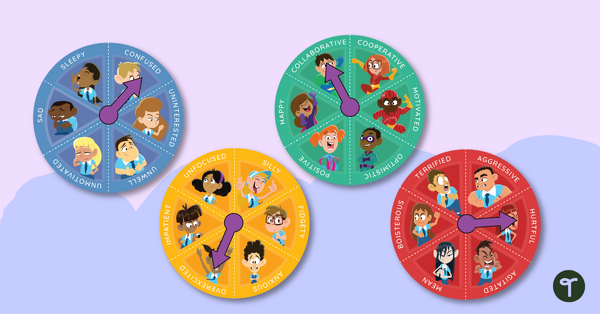
Emotional Self-Regulation – Student Mood Meter
Allow your students to communicate how they are feeling using a non-verbal, desk-sized mood meter.
- Free Plan
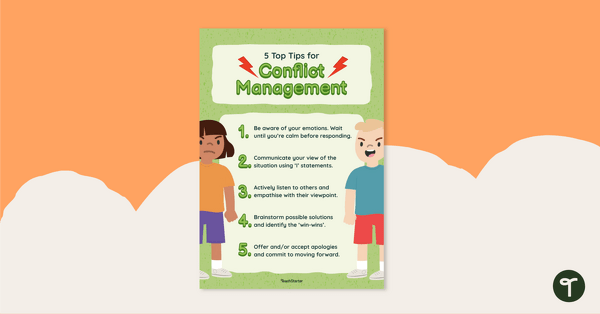
Conflict Resolution Tips Poster
Display some top tips for solving playground conflicts with this colourful and informative classroom poster.
- Free Plan
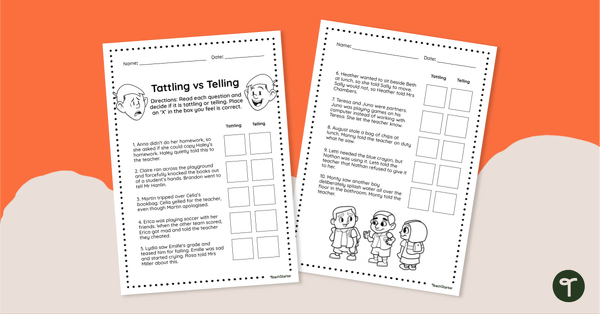
Tattling vs Telling Worksheet
Explore the differences between ‘tattling’ and ‘telling’ with this simple worksheet.
- Free Plan
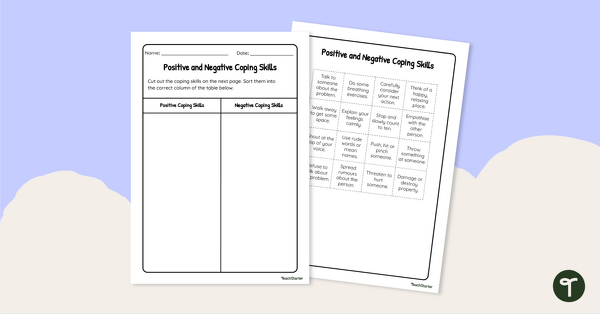
Positive and Negative Coping Skills – Cut and Paste Worksheet
Explore the difference between positive and negative coping skills with this cut and paste worksheet.
- Plus Plan
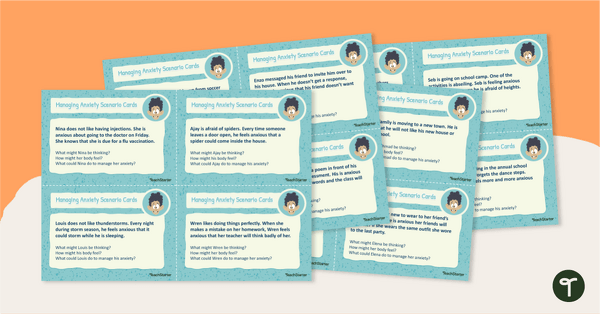
Managing Anxiety Scenario Cards
Explore ways to manage anxiety in a variety of real-life situations with this set of 16 scenario cards.
- Free Plan
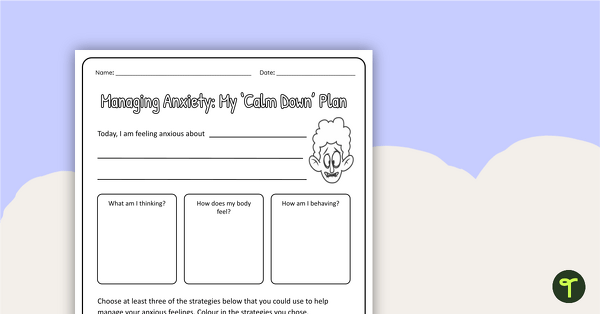
Managing Anxiety Worksheet (Lower Primary)
Help students identify and manage anxious feelings with this self-reflection worksheet.
- Free Plan
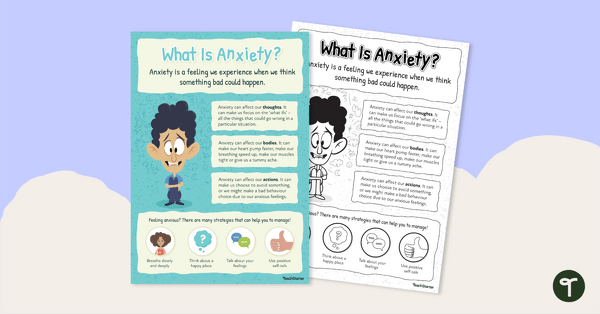
What Is Anxiety? Poster
Teach your students to understand and manage anxious feelings with this informative classroom display poster.
- Plus Plan
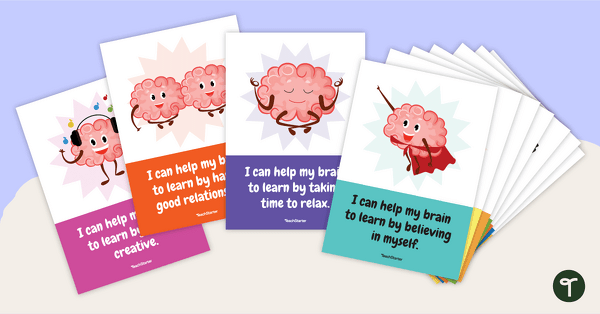
I Can Help My Brain to Learn - Posters
Display these classroom posters to remind your students of things they can do to ensure the three brains are functioning at their best.
- Plus Plan
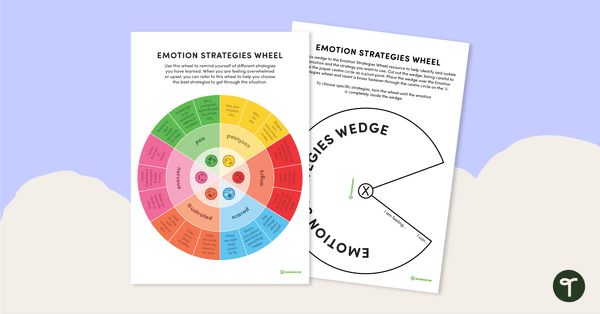
Emotion Strategies Wheel
Help your students self-regulate when they experience 'big' emotions with this hands-on emotions wheel with accompanying calming strategies.
- Free Plan
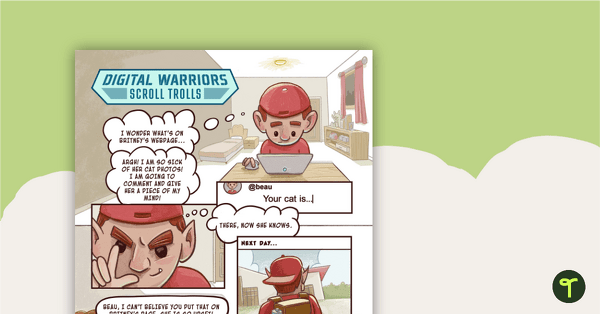
Digital Warriors: Scroll Trolls – Worksheet
A comprehension worksheet for the comic from the Year 4 magazine (Issue 3).
- Plus Plan
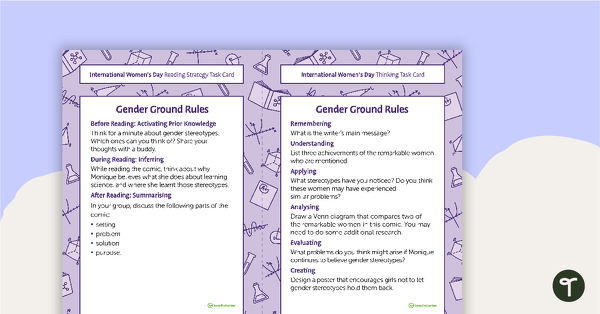
International Women's Day Gender Ground Rules – Task Cards
A set of literacy rotation task cards to be used in conjunction with the International Women's Day comic Gender Ground Rules.
- Plus Plan
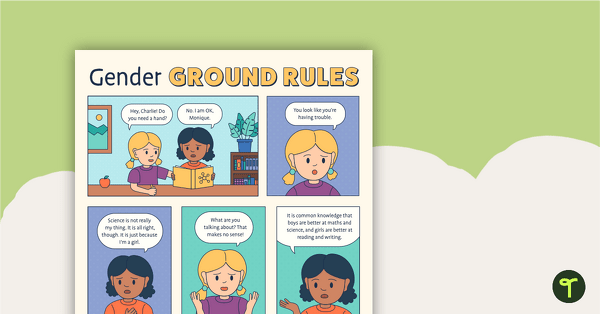
International Women's Day Gender Ground Rules – Comic
A two-page comic that shows an example of a gender stereotype about learning abilities.
- Plus Plan
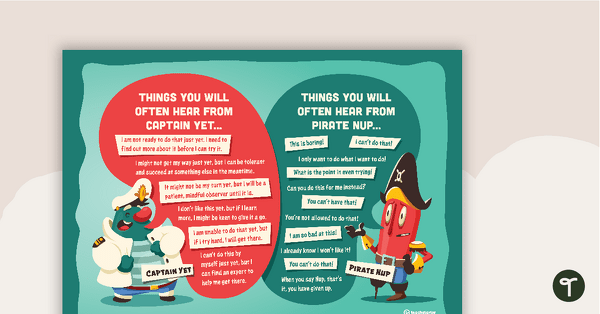
Growth Mindset Captain Yet: Yet vs Nup – Poster
A classroom display poster which compares positive and negative learning attitudes to help students focus on positive learning habits.
- Free Plan
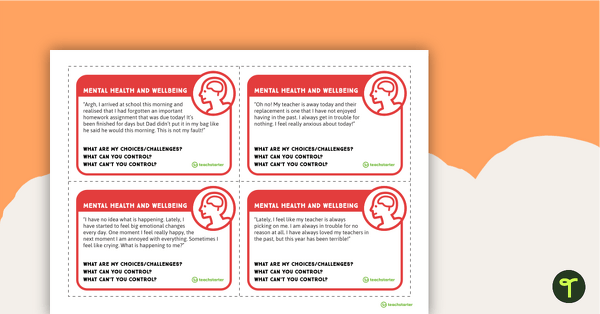
Social Strategies Task Cards
A teaching resource to help students strategise solutions to problems around mental health and social well being
- Plus Plan
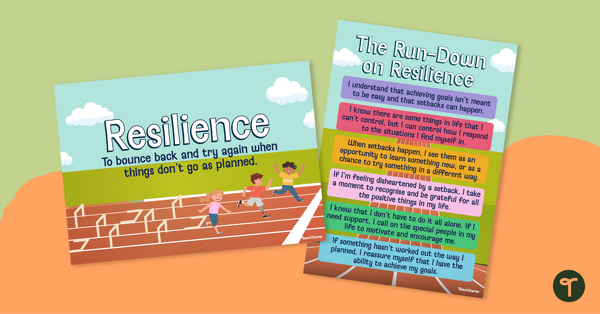
Resilience Posters
Teach students the meaning of resilience with these beautifully designed resilience posters for your primary school classroom.
- Plus Plan
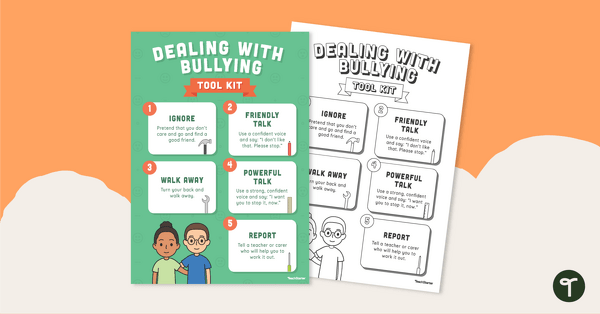
Dealing with Bullying Poster
A poster to display in the classroom to encourage students to use the five Tool Kit resilience strategies.
- Free Plan
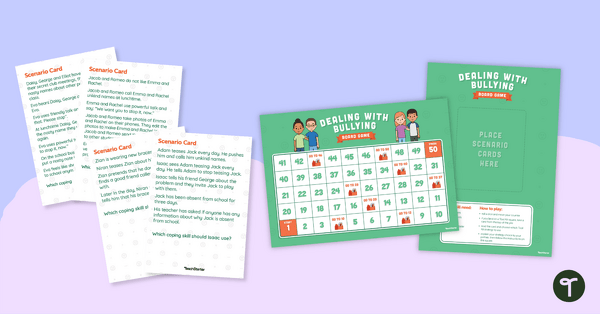
Dealing with Bullying Board Game
A fun board game for students to play when encouraging the use of resilience strategies.
- Plus Plan
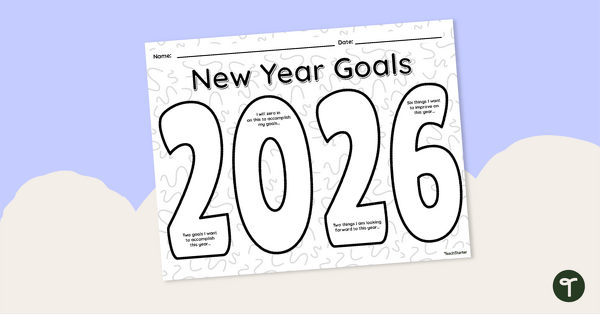
2026 Goal Setting Worksheet
Inspire your students to reflect and set goals for the new year with a 2026 Goal Setting worksheet.