Year 2
The proficiency strands understanding, fluency, problem-solving and reasoning are an integral part of mathematics content across the three content strands: number and algebra, measurement and geometry, and statistics and probability. The proficiencies reinforce the significance of working mathematically within the content and describe how the content is explored or developed. They provide the language to build in the developmental aspects of the learning of mathematics. The achievement standards reflect the content and encompass the proficiencies.
At this year level:
- understanding includes connecting number calculations with counting sequences, partitioning and combining numbers flexibly and identifying and describing the relationship between addition and subtraction and between multiplication and division
- fluency includes readily counting numbers in sequences, using informal units iteratively to compare measurements, using the language of chance to describe outcomes of familiar chance events and describing and comparing time durations
- problem-solving includes formulating problems from authentic situations, making models and using number sentences that represent problem situations, and matching transformations with their original shape
- reasoning includes using known facts to derive strategies for unfamiliar calculations, comparing and contrasting related models of operations and creating and interpreting simple representations of data.
(source: www.australiancurriculum.edu.au)
Achievement Standard
By the end of Year 2, students recognise increasing and decreasing number sequences involving 2s, 3s and 5s. They represent multiplication and division by grouping into sets. They associate collections of Australian coins with their value. Students identify the missing element in a number sequence. Students recognise the features of three-dimensional objects. They interpret simple maps of familiar locations. They explain the effects of one-step transformations. Students make sense of collected information.
Students count to and from 1000. They perform simple addition and subtraction calculations using a range of strategies. They divide collections and shapes into halves, quarters and eighths. Students order shapes and objects using informal units. They tell time to the quarter-hour and use a calendar to identify the date and the months included in seasons. They draw two-dimensional shapes. They describe outcomes for everyday events. Students collect, organise and represent data to make simple inferences.
(source: www.australiancurriculum.edu.au)
- Plus Plan
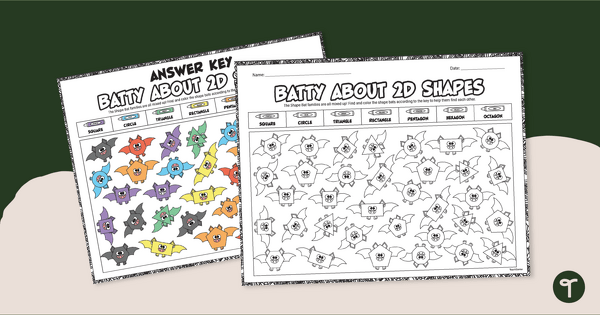
Batty for 2D Shapes - Halloween Shapes Worksheet
Go batty and identify the 2D shapes with a printable Halloween Shapes worksheet.
- Plus Plan
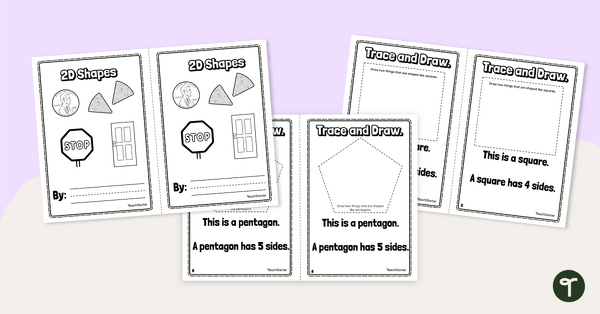
2D Shapes Mini Book
Engage your students and inspire them to read and learn about 2-D shapes and with a printable book.
- Plus Plan
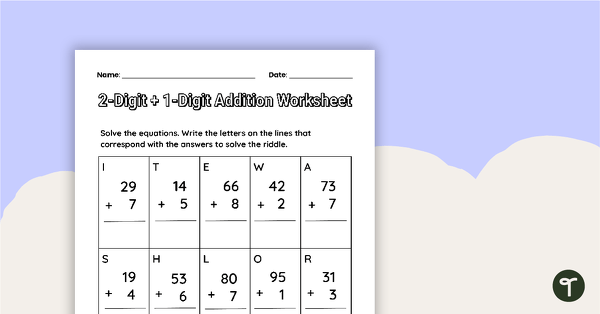
2-Digit + 1-Digit Numbers Addition Worksheet
Practice addition involving 2- and 1-digit numbers with this drill and practice worksheet.
- Plus Plan
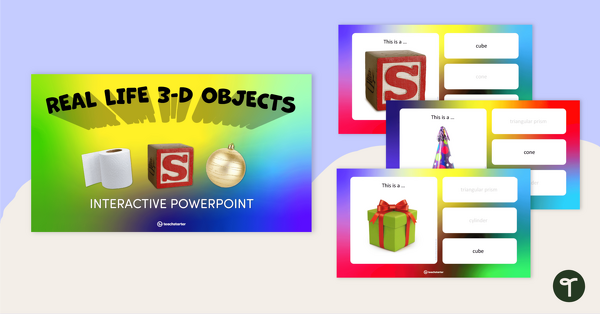
Real Life 3D Objects – Interactive PowerPoint
Explore three-dimensional objects in the real world with this engaging interactive activity.
- Plus Plan
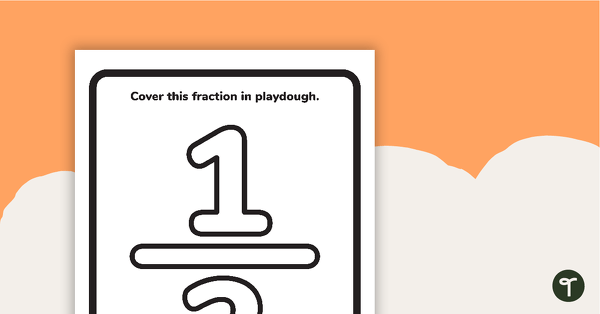
Interactive Fractions Playdough Mats – Hands-On Materials
Playdough mats for students to become familiarised with fractions.
- Plus Plan
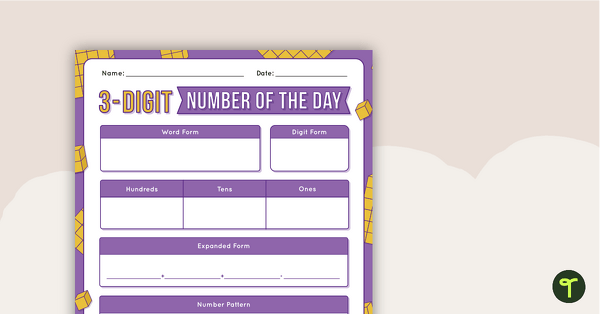
3-Digit Number of the Day Worksheet
A 3-digit place value worksheet to represent the number of the day in different ways.
- Plus Plan
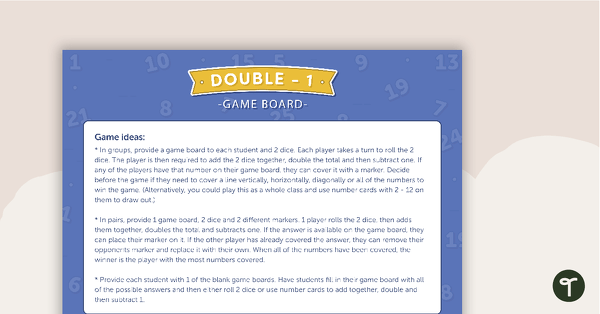
Double Minus 1 – Game Boards
30 game boards to use when working with near doubles.
- Plus Plan
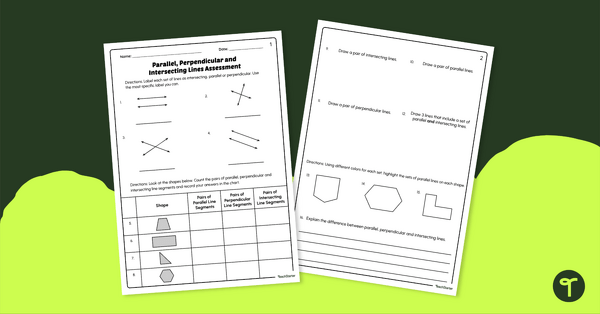
Parallel and Perpendicular Lines Quiz
Administer this parallel and perpendicular lines quiz to assess your students’ ability to identify types of line pairs in a variety of settings.
- Plus Plan
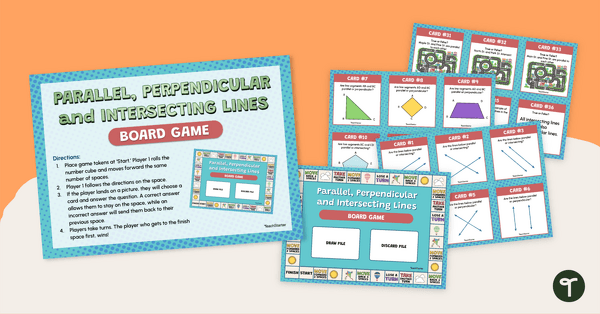
Parallel Perpendicular Lines Activity — Board Game
Play this parallel perpendicular lines activity with your students to give them practice identifying line types in a variety of settings.
- Plus Plan
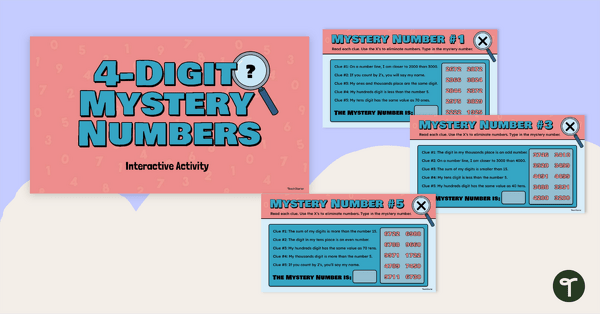
4-Digit Mystery Numbers Interactive Activity
Explore 4-digit numbers with this fun mystery-themed interactive activity .
- Plus Plan
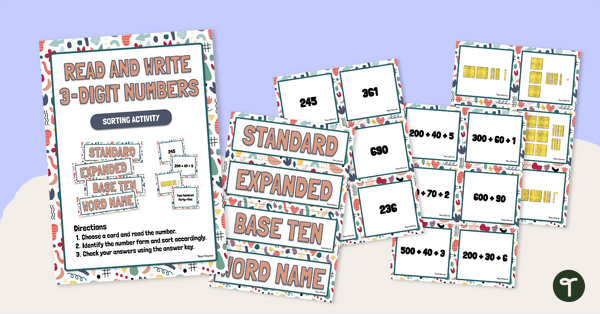
3-Digit Number Form Sorting Activity
Engage with different forms of 3-digit numbers with this sorting activity.
- Plus Plan
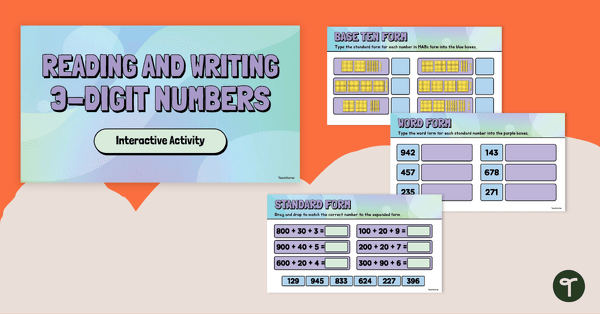
3-Digit Numbers Interactive Activity
Practise knowledge of 3-digit numbers with this interactive activity exploring standard form, expanded form, word form and base ten form.
- Plus Plan
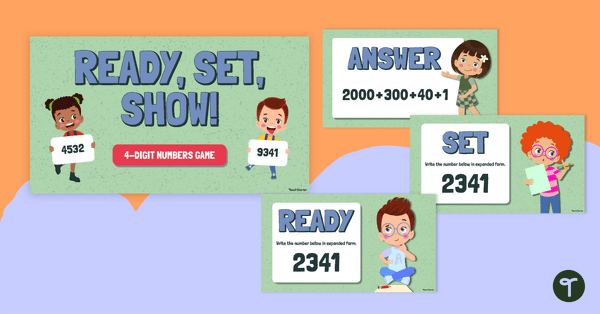
4-Digit Number Digital Game
Play a game show with your students to get them practising 4-digit numbers in standard form, expanded form, plus more!
- Plus Plan
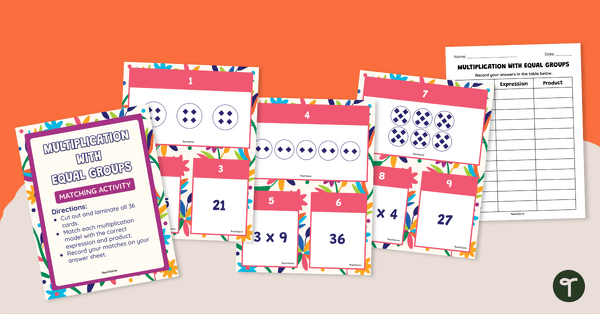
Multiplication With Equal Groups Matching Activity
Reinforce how to relate multiplication and equal groups with this printable matching activity.
- Plus Plan
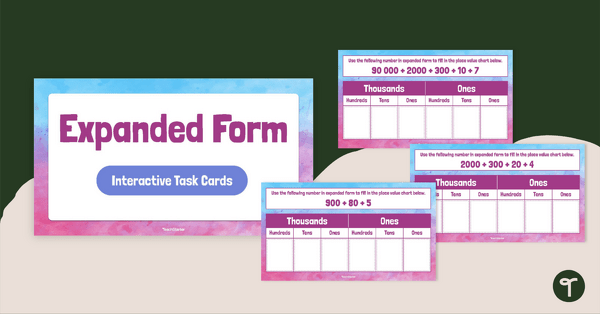
Expanded Form Interactive Task Cards
Explore expanding numbers with your students using these interactive task cards, reviewing numbers in expanded form and place value charts.
- Plus Plan
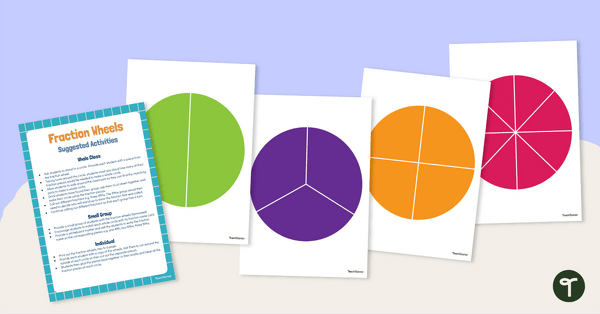
Fraction Circles and Suggested Activities Sheet
Teach the concept of fractions in a visual way with this set of fraction wheel templates and a list of suggested activities.
- Plus Plan
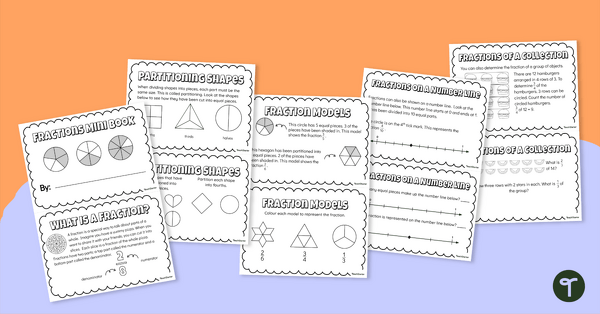
Working With Fractions Mini Book
Teach your students about partitioning shapes, creating fraction models, fractions on a number line and more with this printable mini book.
- Plus Plan
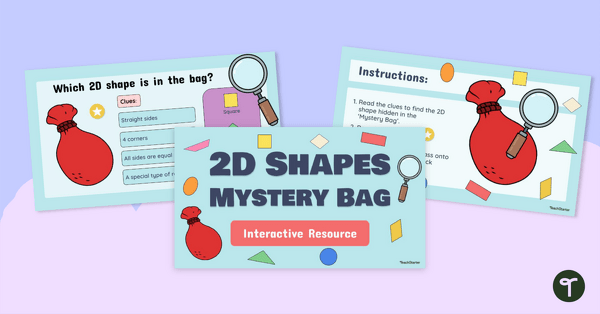
2D Shapes Mystery Bag
This 2D shapes interactive teaching resource helps students to identify the properties of 2D shapes everyday items in their environment.
- Plus Plan
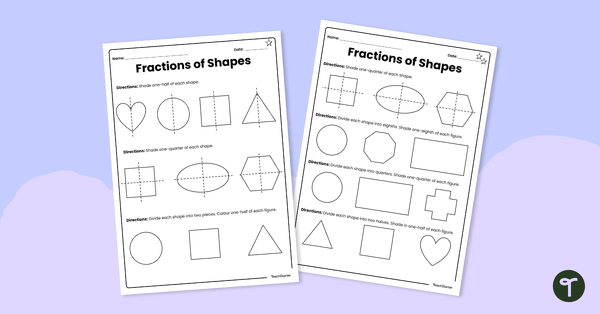
Fractions of Shapes – Differentiated Worksheets
Practise shading in shapes to represent a fraction and partitioning objects with these basic fraction worksheets.
- Plus Plan
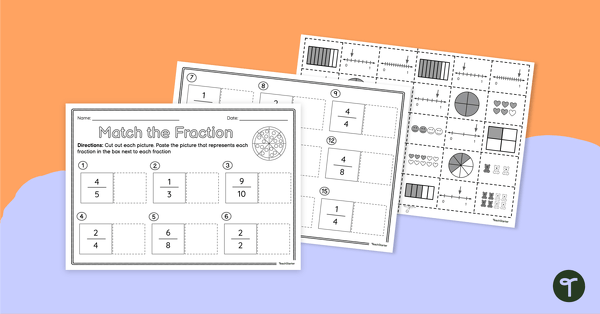
Match the Fraction Worksheet
Match written fractions with a visual representation using this cut-and-paste worksheet.
- Plus Plan
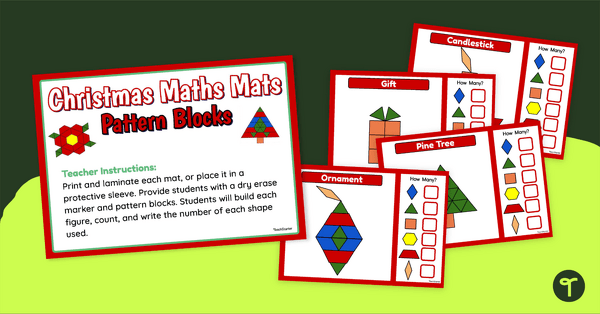
Christmas Maths Learning Centre - Pattern Block Picture Cards
Print a set of Christmas pattern block pictures to help children develop shape recognition and fine motor skills.
- Plus Plan
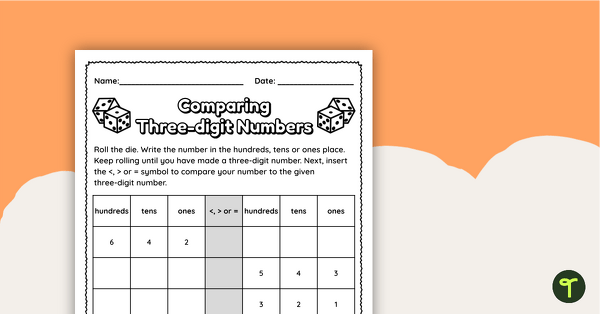
Comparing Three-digit Numbers – Worksheet
Practise comparing three-digit numbers with this hands-on worksheet.
- Plus Plan
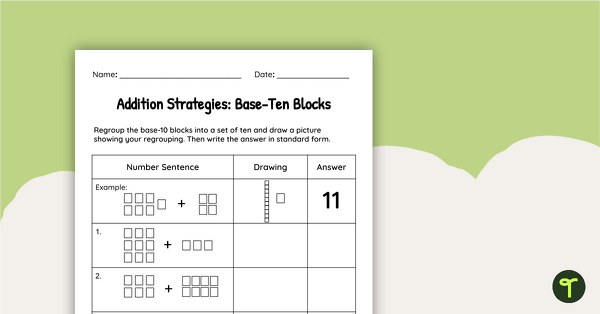
Addition Strategies: Base-Ten Blocks Worksheet
Practice using the strategy of using base-10 blocks and regrouping to find the sum.
- Free Plan
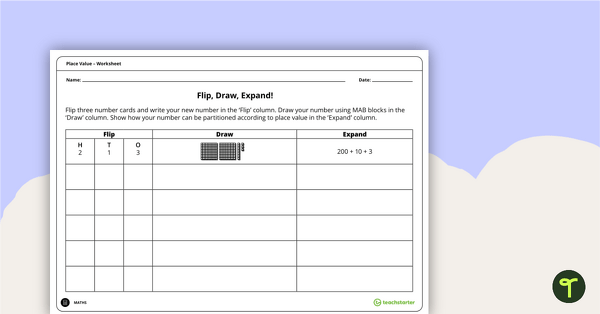
Flip, Draw, Expand! - Place Value Worksheet (3-Digit Numbers)
A worksheet to use when consolidating understanding of place value to hundreds.
- Free Plan
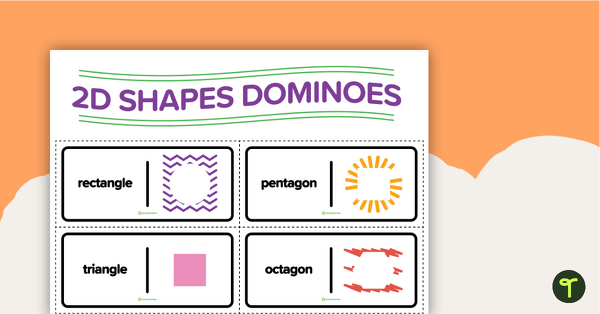
2D Shapes Dominoes
A set of dominoes to help students consolidate their understanding of 2D shapes.
- Plus Plan
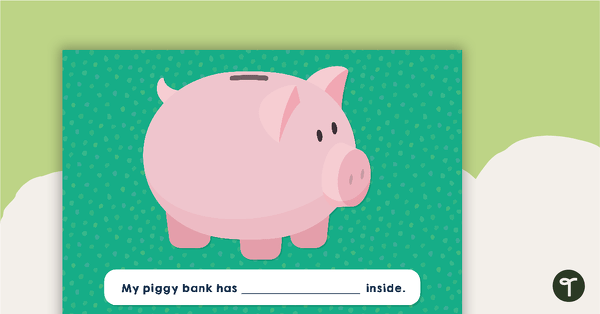
Piggy Bank Activity Mat
An activity mat to practise counting and representing money.
- Plus Plan
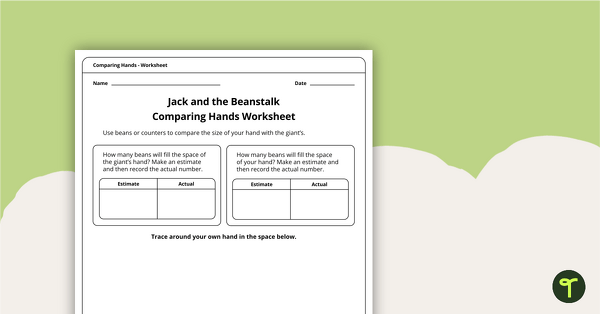
Jack and the Beanstalk - Informal Measurement Worksheet
A simple worksheet using informal units measurement.
- Plus Plan
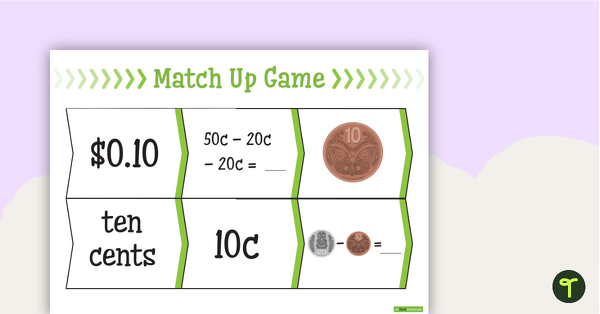
Money Match-Up Game (New Zealand Currency)
A set of six cards to be matched up for each note and coin in New Zealand currency.
- Plus Plan
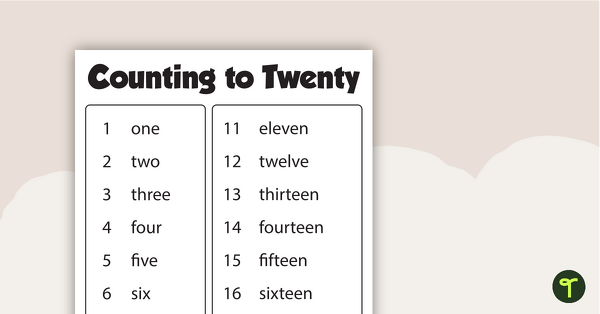
Counting to Twenty Poster - BW - No Capitals
A poster showing numbers and words from one to twenty.
- Plus Plan
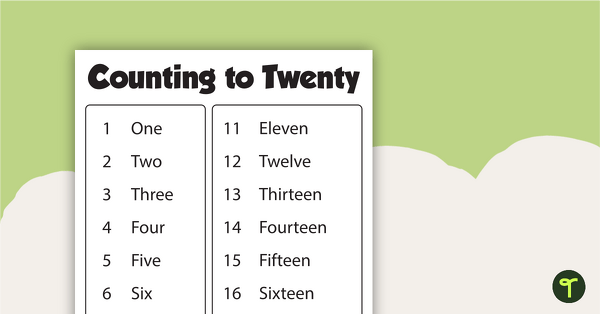
Counting to Twenty Poster - BW
A poster showing numbers and words from one to twenty.
- Plus Plan
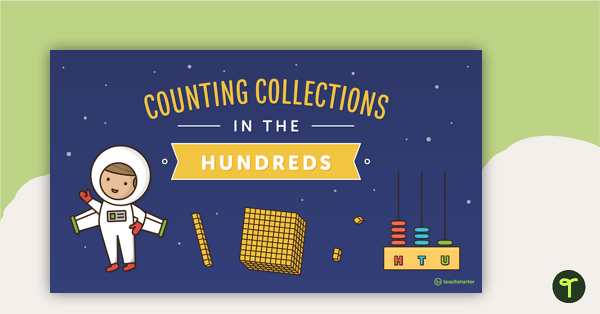
Counting Collections in the Hundreds PowerPoint
A 15 page editable PowerPoint to use in the classroom when exploring efficient ways of counting collections in the hundreds.
- Plus Plan
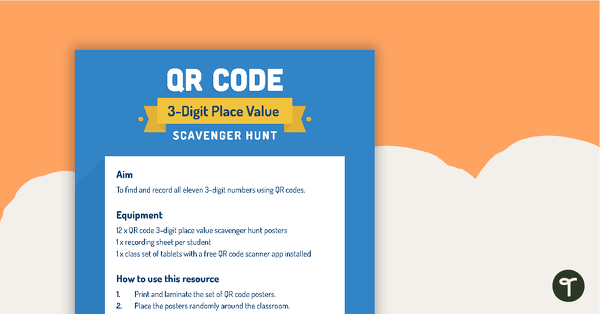
QR Code 3-Digit Place Value Scavenger Hunt
A fun activity where students scan QR codes to go on a 3-digit scavenger hunt in the classroom.