Year 4
The proficiency strands understanding, fluency, problem-solving and reasoning are an integral part of mathematics content across the three content strands: number and algebra, measurement and geometry, and statistics and probability. The proficiencies reinforce the significance of working mathematically within the content and describe how the content is explored or developed. They provide the language to build in the developmental aspects of the learning of mathematics. The achievement standards reflect the content and encompass the proficiencies.
At this year level:
- understanding includes making connections between representations of numbers, partitioning and combining numbers flexibly, extending place value to decimals, using appropriate language to communicate times and describing properties of symmetrical shapes
- fluency includes recalling multiplication tables, communicating sequences of simple fractions, using instruments to measure accurately, creating patterns with shapes and their transformations and collecting and recording data
- problem-solving includes formulating, modelling and recording authentic situations involving operations, comparing large numbers with each other, comparing time durations and using properties of numbers to continue patterns
- reasoning includes using generalising from number properties and results of calculations, deriving strategies for unfamiliar multiplication and division tasks, comparing angles, communicating information using graphical displays and evaluating the appropriateness of different displays.
(source: www.australiancurriculum.edu.au)
Achievement Standard
By the end of Year 4, students choose appropriate strategies for calculations involving multiplication and division. They recognise common equivalent fractions in familiar contexts and make connections between fraction and decimal notations up to two decimal places. Students solve simple purchasing problems. They identify and explain strategies for finding unknown quantities in number sentences. They describe number patterns resulting from multiplication. Students compare areas of regular and irregular shapes using informal units. They solve problems involving time duration. They interpret information contained in maps. Students identify dependent and independent events. They describe different methods for data collection and representation, and evaluate their effectiveness.
Students use the properties of odd and even numbers. They recall multiplication facts to 10 x 10 and related division facts. Students locate familiar fractions on a number line. They continue number sequences involving multiples of single digit numbers. Students use scaled instruments to measure temperatures, lengths, shapes and objects. They convert between units of time. Students create symmetrical shapes and patterns. They classify angles in relation to a right angle. Students list the probabilities of everyday events. They construct data displays from given or collected data.
(source: www.australiancurriculum.edu.au)
- Plus Plan
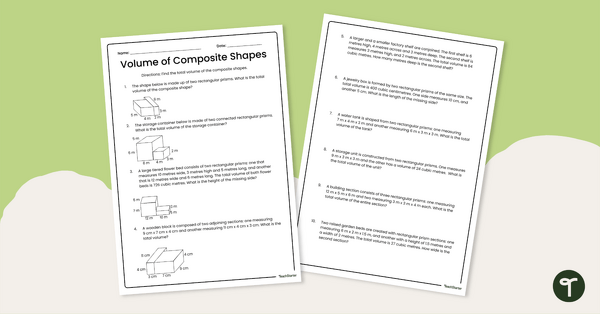
Volume of Composite Shapes Worksheet
Reinforce essential concepts of volume with our volume of composite shapes worksheet full of real-world scenarios.
- Plus Plan
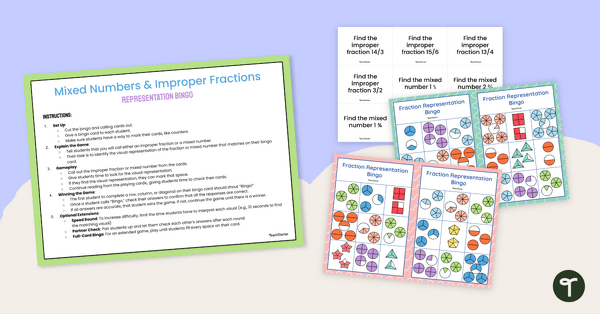
Mixed Numbers and Improper Fractions Visual Representation Bingo
Play our mixed numbers and improper fractions visual representation bingo with your students to increase their understanding with colorful fraction models.
- Plus Plan
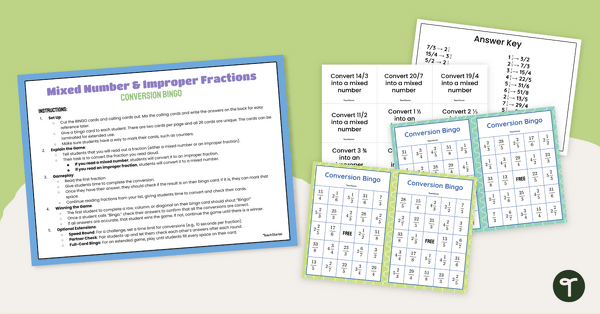
Converting Mixed Numbers to Improper Fractions Game (Bingo)
Play our converting mixed numbers to improper fractions game with your students for a fun review of fraction conversions.
- Plus Plan
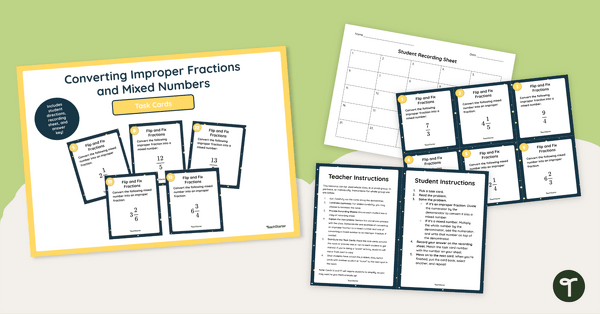
Converting Improper Fractions to Mixed Numbers Activity (Task Cards)
Share this converting improper fractions to mixed numbers activity with your students to give them a fun way to practise fraction conversions.
- Plus Plan
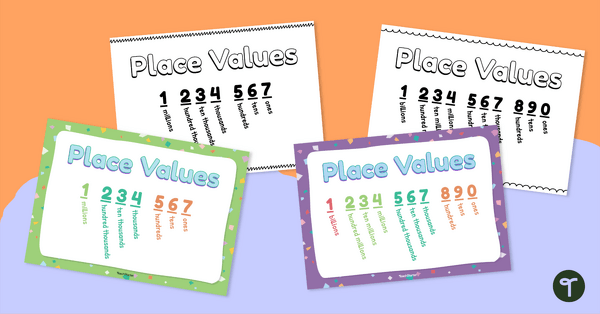
Place Value Poster Set — Whole Numbers
Display this colourful place value poster set in your classroom to remind your students of place values to the millions and billions.
- Free Plan
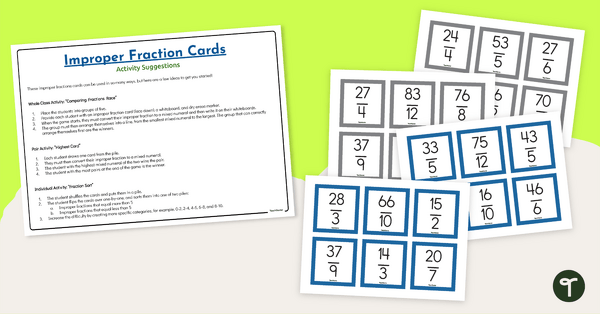
Improper Fractions Activity Cards
Provide these improper fractions activity cards to your students to give them a variety of ways to practise converting improper fractions to mixed numbers.
- Plus Plan
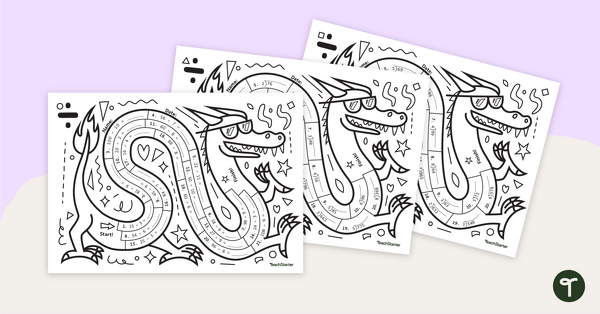
Division Dragon – Worksheet
Division doesn't have to be boring! Let your students practise with our fun differentiated dragon practice sheets.
- Plus Plan
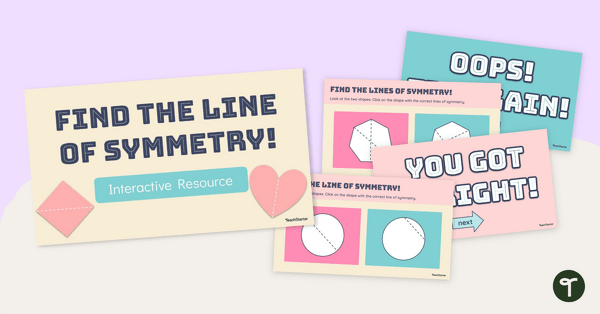
Find the Line of Symmetry Interactive Resource
Have fun with your class using this interactive learning tool to find the line of symmetry on various shapes and objects!
- Plus Plan
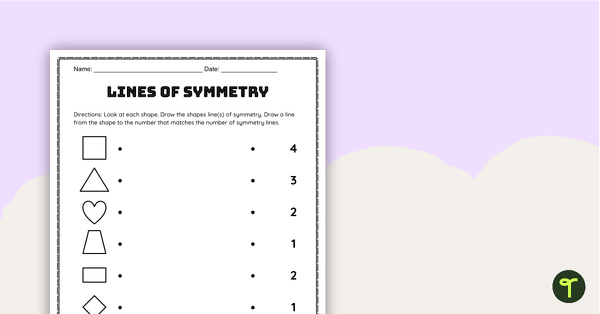
Matching Lines of Symmetry Worksheets
Introduce the concept of ‘multiple lines of symmetry’ to your Grade Fours with this match-up worksheet set.
- Plus Plan
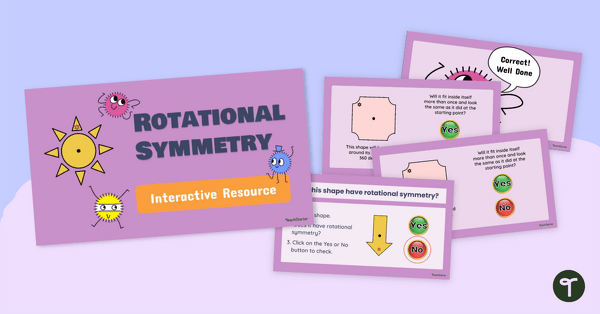
Rotational Symmetry Interactive Activity
Use this engaging interactive resource to consolidate student understanding of rotational symmetry by answering a series of questions.
- Plus Plan
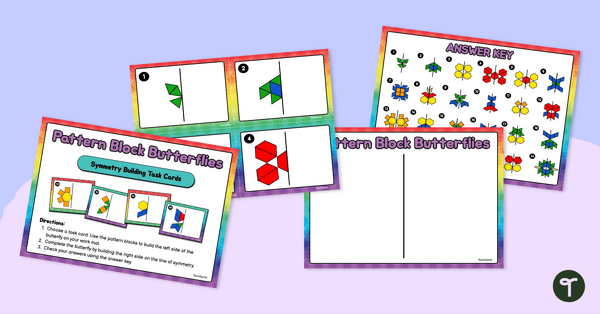
Pattern Block Butterflies Symmetry Task Cards
Bring some colourful fun into your classroom with these symmetry butterflies, a hands-on learning activity for young students to explore the concept of symmetry.
- Plus Plan
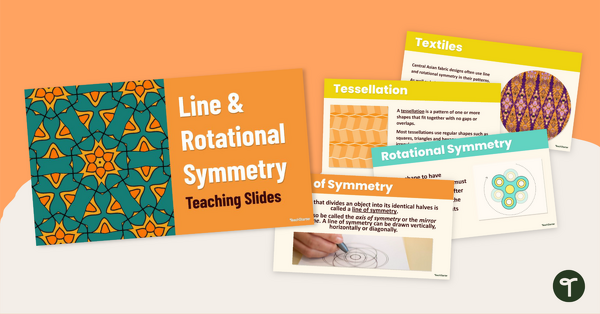
Line and Rotational Symmetry Teaching Slides
Use this comprehensive deck of 20 teaching slides to introduce your Grade 4 students to line symmetry and rotational symmetry.
- Plus Plan
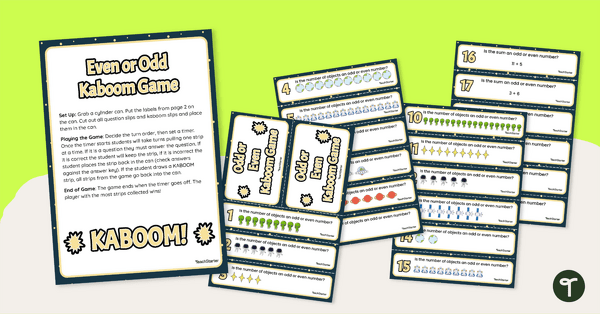
Even or Odd Kaboom Game
Practise odd and even identification with an exciting game of Kaboom!
- Plus Plan
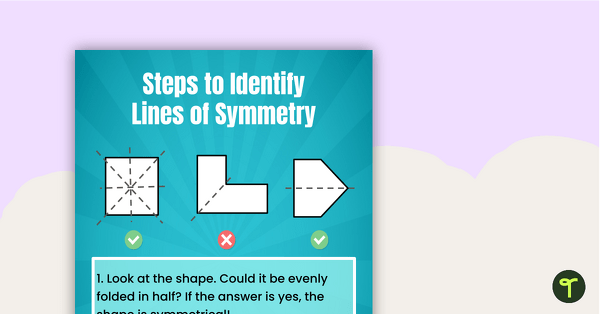
Identifying Lines of Symmetry Poster
Display this poster in your classroom as a reference tool for students to learn to identify lines of symmetry.
- Plus Plan
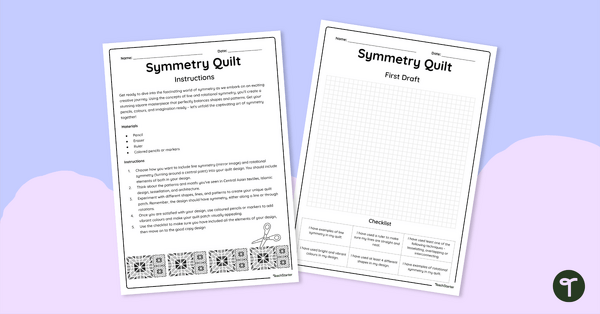
Line and Rotational Symmetry Quilt Activity
Have your students apply their knowledge of line and rotational symmetrical designs and collaborate with their peers using this fun quilt design activity!
- Plus Plan
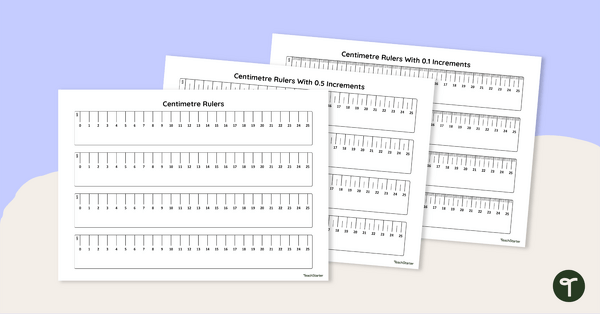
Printable Rulers for the Classroom
Excite your students about mastering precise measurements with these printable centimetre rulers.
- Free Plan
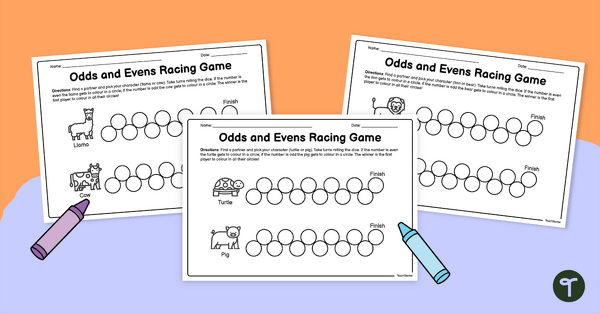
Odds and Evens Animal Racing Game
Play this fun animal racing came to quickly practise odd and even number recall.
- Plus Plan
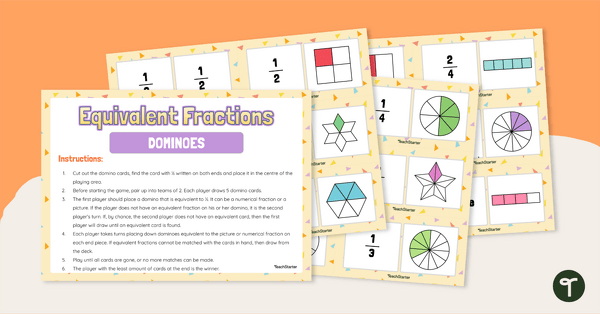
Equivalent Fractions – Dominoes
Identify and match equivalent fractions with an exciting game of dominoes!
- Plus Plan
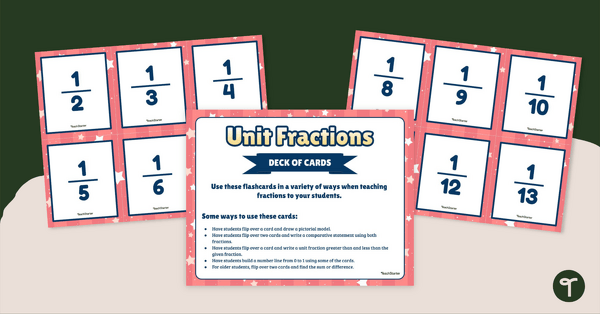
Unit Fractions – Deck of Cards
Use this deck of 30 cards to practise different concepts with unit fractions.
- Plus Plan
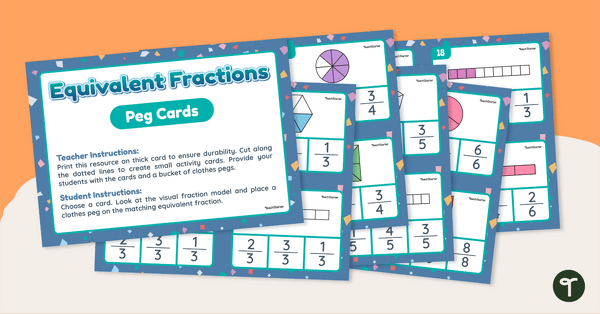
Equivalent Fractions – Peg Cards
Determine an equivalent fraction that matches a fraction model with this set of 24 peg cards.
- Free Plan
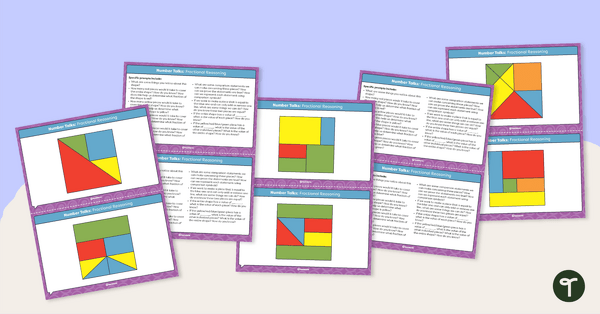
Number Talks - Fractional Reasoning Task Cards
Build fractional reasoning skills with this set of 16 task cards.
- Plus Plan
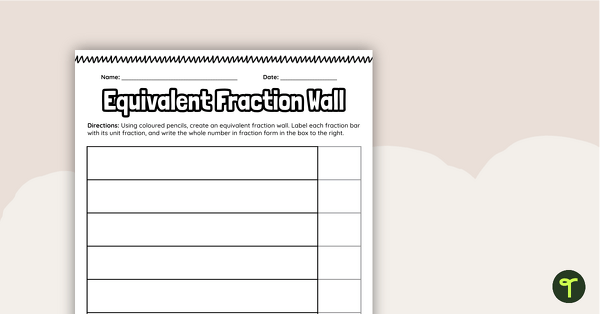
Equivalent Fraction Wall – Blank
Encourage students to create their own equivalent fraction chart with this printable maths template.
- Plus Plan
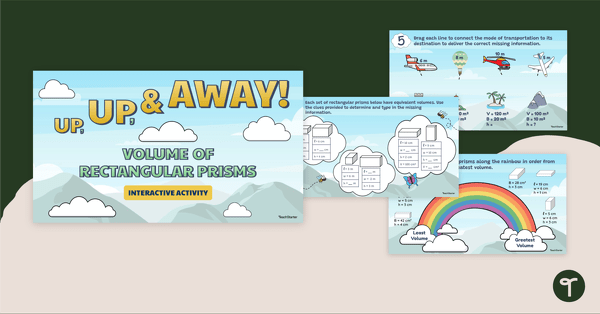
Volume of Rectangular Prisms – Interactive Activity
Practise calculating the volume of rectangular prisms with this interactive activity.
- Plus Plan
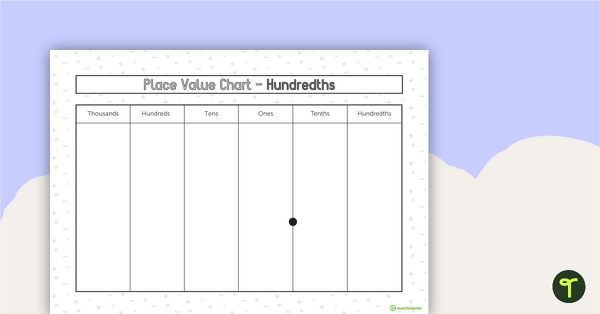
Place Value Chart - Hundredths Place
A blank place value chart to use when exploring decimal numbers.
- Plus Plan
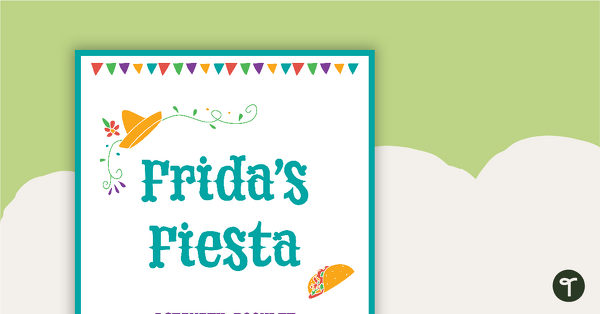
Frida's Fiesta: Open for Business - Inquiry Project
An inquiry project where students get the opportunity to design their own restaurant.
- Plus Plan
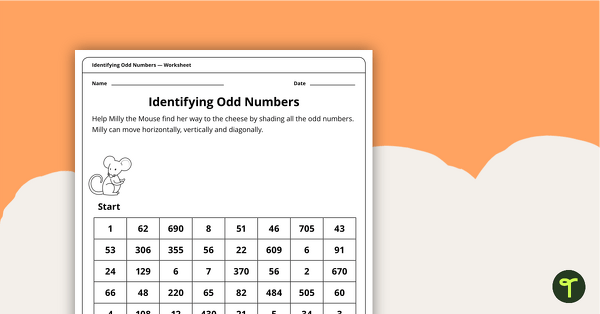
Identifying Even and Odd Numbers Worksheets
Even and odd number mazes that help students build number‑sense fluency through engaging puzzles.
- Plus Plan
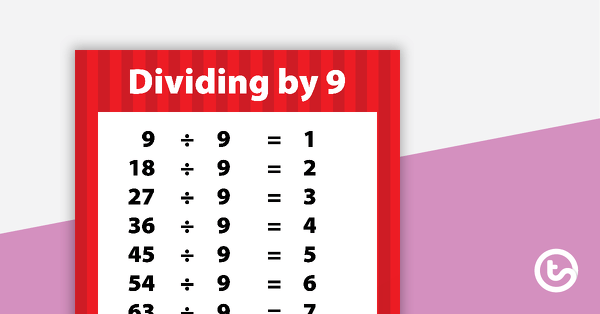
Division Facts Poster - Dividing by 9
A poster showing division facts for nine.
- Plus Plan
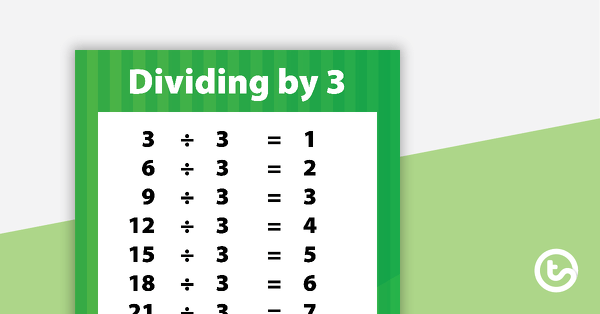
Division Facts Poster - Dividing by 3
A poster showing division facts for three.
- Plus Plan
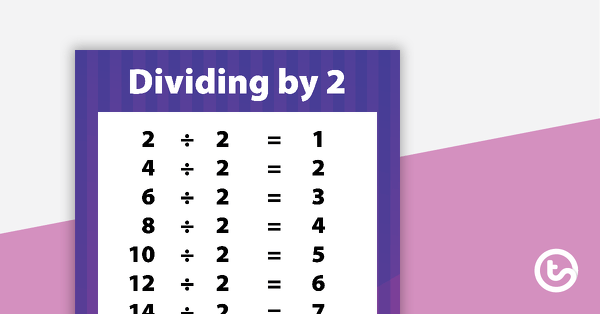
Division Facts Poster - Dividing by 2
A poster showing division facts for two.
- Plus Plan
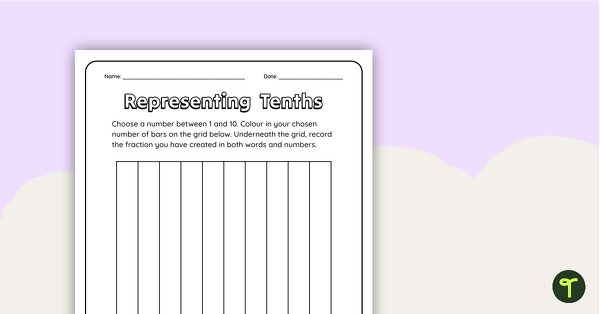
Representing Tenths Worksheet
Have students demonstrate their understanding of tenths with this simple one-page worksheet.
- Plus Plan
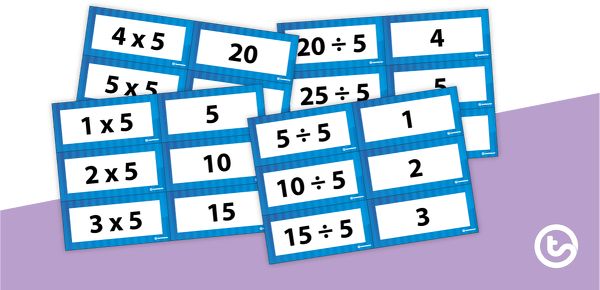
Multiplication and Division Facts Flashcards - Multiples of 5
Practise multiples of 5 with these 5 times table flashcards, designed to help students develop quick recall of multiplication and division facts through engaging, hands-on learning activities.
- Plus Plan
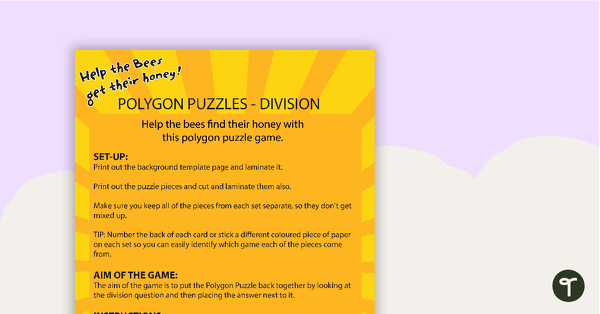
Tarsia Division Puzzles
Boost division fact fluency with tarsia division puzzles, a hands-on and engaging way for students to practise their division skills.