Year 4
The proficiency strands understanding, fluency, problem-solving and reasoning are an integral part of mathematics content across the three content strands: number and algebra, measurement and geometry, and statistics and probability. The proficiencies reinforce the significance of working mathematically within the content and describe how the content is explored or developed. They provide the language to build in the developmental aspects of the learning of mathematics. The achievement standards reflect the content and encompass the proficiencies.
At this year level:
- understanding includes making connections between representations of numbers, partitioning and combining numbers flexibly, extending place value to decimals, using appropriate language to communicate times and describing properties of symmetrical shapes
- fluency includes recalling multiplication tables, communicating sequences of simple fractions, using instruments to measure accurately, creating patterns with shapes and their transformations and collecting and recording data
- problem-solving includes formulating, modelling and recording authentic situations involving operations, comparing large numbers with each other, comparing time durations and using properties of numbers to continue patterns
- reasoning includes using generalising from number properties and results of calculations, deriving strategies for unfamiliar multiplication and division tasks, comparing angles, communicating information using graphical displays and evaluating the appropriateness of different displays.
(source: www.australiancurriculum.edu.au)
Achievement Standard
By the end of Year 4, students choose appropriate strategies for calculations involving multiplication and division. They recognise common equivalent fractions in familiar contexts and make connections between fraction and decimal notations up to two decimal places. Students solve simple purchasing problems. They identify and explain strategies for finding unknown quantities in number sentences. They describe number patterns resulting from multiplication. Students compare areas of regular and irregular shapes using informal units. They solve problems involving time duration. They interpret information contained in maps. Students identify dependent and independent events. They describe different methods for data collection and representation, and evaluate their effectiveness.
Students use the properties of odd and even numbers. They recall multiplication facts to 10 x 10 and related division facts. Students locate familiar fractions on a number line. They continue number sequences involving multiples of single digit numbers. Students use scaled instruments to measure temperatures, lengths, shapes and objects. They convert between units of time. Students create symmetrical shapes and patterns. They classify angles in relation to a right angle. Students list the probabilities of everyday events. They construct data displays from given or collected data.
(source: www.australiancurriculum.edu.au)
- Plus Plan
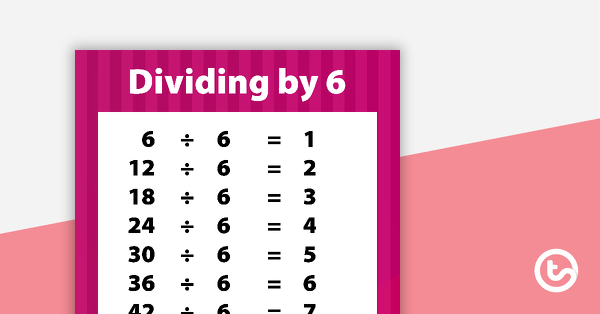
Division Facts Poster - Dividing by 6
A poster showing division facts for six.
- Plus Plan
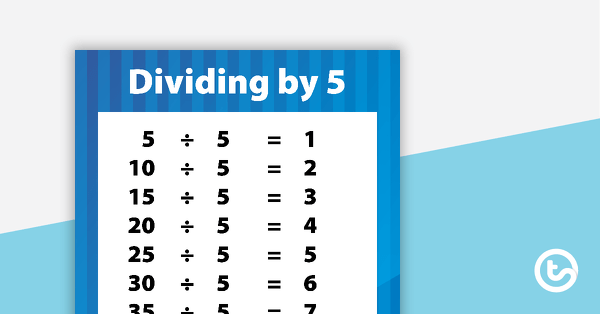
Division Facts Poster - Dividing by 5
A poster showing division facts for five.
- Plus Plan
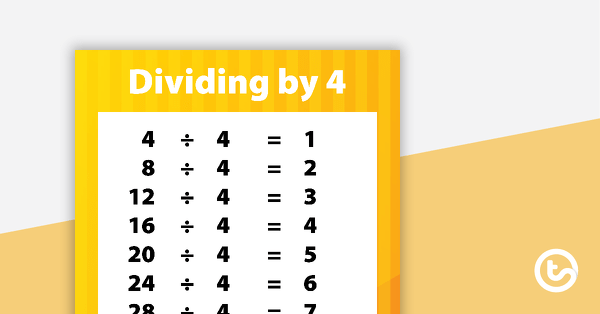
Division Facts Poster - Dividing by 4
A poster showing division facts for four.
- Plus Plan
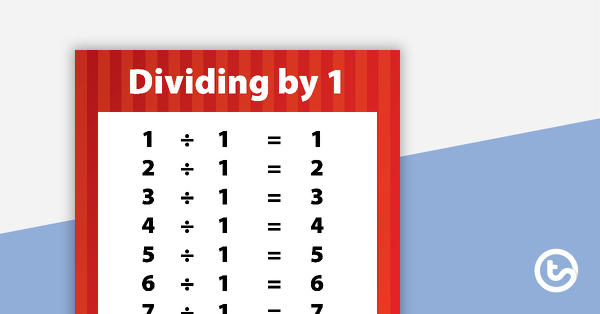
Division Facts Poster - Dividing by 1
A poster showing division facts for one.
- Plus Plan
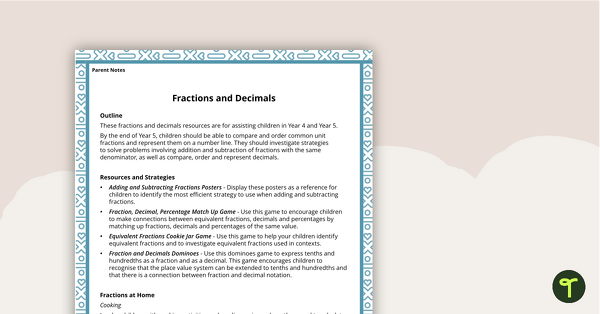
Fractions and Decimals Maths Activity Ideas for Parents
An information sheet for parents or carers to use when assisting children with fractions and decimals at home.
- Plus Plan
Converting Units of Measurement Poster (Imperial)
Use these posters to assist your students in learning the different units of measurement in the imperial system.
- Plus Plan
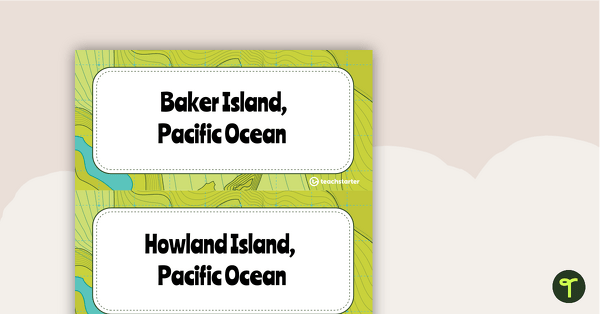
Time Zone Locations Around the World Display
A classroom display showing the different time zones around the world and locations which belong within each time zone.
- Plus Plan
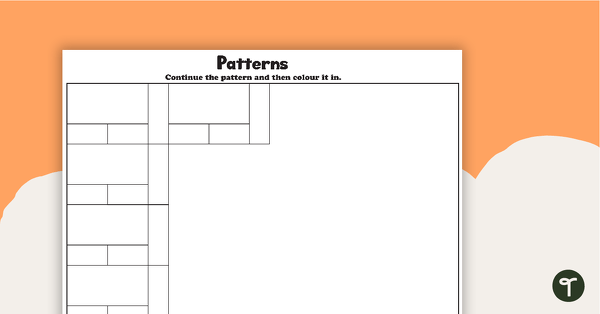
Pattern Worksheet - Rectangles
A worksheet creating a pattern using rectangles.
- Plus Plan
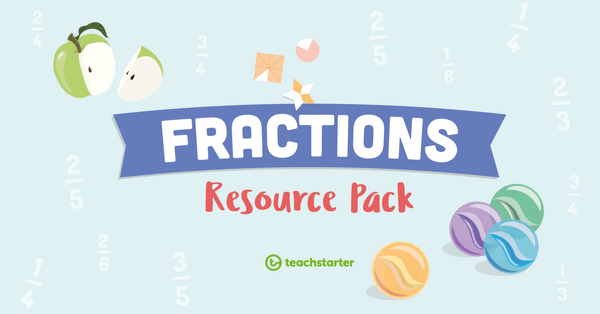
Fractions Resource Pack
A collection of resources exploring fractions.
- Plus Plan
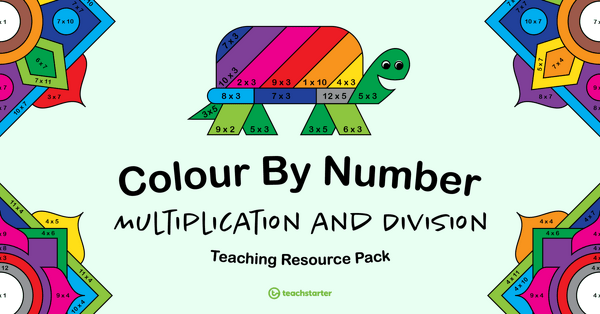
Colour by Numbers - Multiplication and Division Teaching Resource Pack
A set of engaging colour by number worksheets to consolidate your students’ understanding of multiplication and division facts.
- Plus Plan
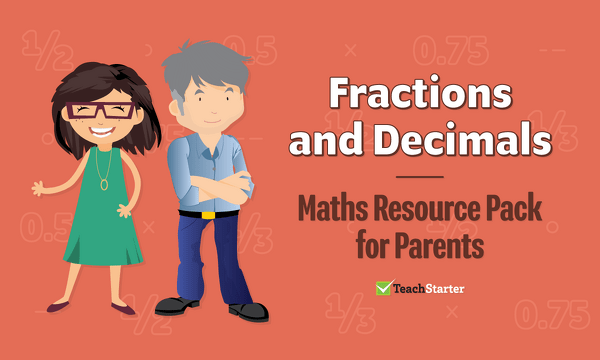
Maths Resource Pack for Parents - Fractions and Decimals
A comprehensive resource pack for parents to help Year 4 and Year 5 children with fractions and decimals.